
Reviewed · COOKING CLASSES
Milan: Pasta and Tiramisu Small Group Cooking Class with Wine
Fresh pasta is Milan’s tastiest souvenir. This three-hour class gives you hands-on kitchen time in a central restaurant, where you make pasta dough, shape noodles, prepare ravioli, and assemble tiramisu. I like the small limit of 12 people, and I like that the meal and drinks are included rather than added at the end.
The strongest part is the teaching. Guides such as Francesco, Mimmo, Alba, Memmo, and Federico are praised for clear demonstrations, patience, humor, and practical advice. You also begin with Prosecco and finish with wine, which helps turn a lesson into a relaxed Italian meal.
The main caution is that this is not a fully independent cooking session. The restaurant team handles some cooking and service, and one unhappy participant found the operation slow and said the pasta was combined before serving. If you want full control of every dish, ask about the exact process at the start.
In This Review
- What makes this Milan cooking class worth your afternoon
- Starting with Prosecco in central Milan
- Learning pasta dough, flour, and Italian technique
- Fettuccine, ravioli, and the final meal
- Making tiramisu without overcomplicating dessert
- Wine, conversation, and the small-group format
- What the $83.44 price really covers
- The instructors and the human side of the class
- Who should book this, and who should skip it?
- Should you book the Milan pasta and tiramisu class?
- FAQ
- How long does the Milan cooking class last?
- What food do I make?
- What is included in the meal?
- How many people can join the class?
- Is the class offered in English?
- Is the class suitable for children?
- Can I cancel for a full refund?
What makes this Milan cooking class worth your afternoon
- You make two Italian staples: Fresh pasta and tiramisu form a satisfying pair, with a savory dish followed by dessert.
- The class teaches useful basics: You learn about flour, pasta fresca, pasta secca, dough, rolling, cutting, and filling ravioli.
- The group is capped at 12: That is small enough for help from the chef without making the class feel too private or formal.
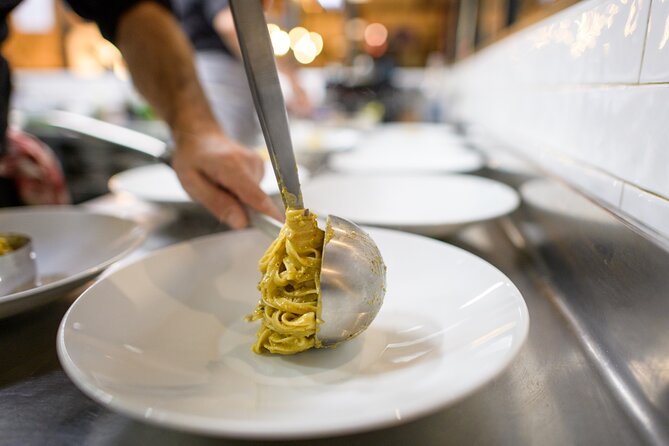
- You eat what the class prepares: Fettuccine with tomato sauce, ricotta and spinach ravioli with butter and sage, tiramisu, wine, Prosecco, and soft drinks are included.
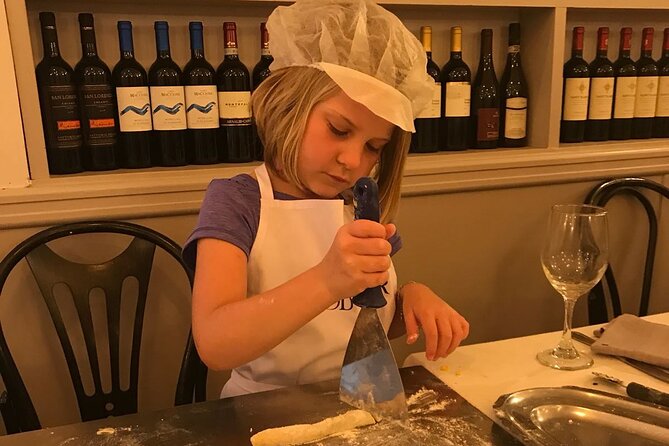
- Children can take part: A parent specifically praised the experience with children aged 5, 7, and 9, while another found it suitable for a 12-year-old.
- The activity works at lunch or dinner: It is an easy food-focused break between Milan sightseeing stops.
Starting with Prosecco in central Milan
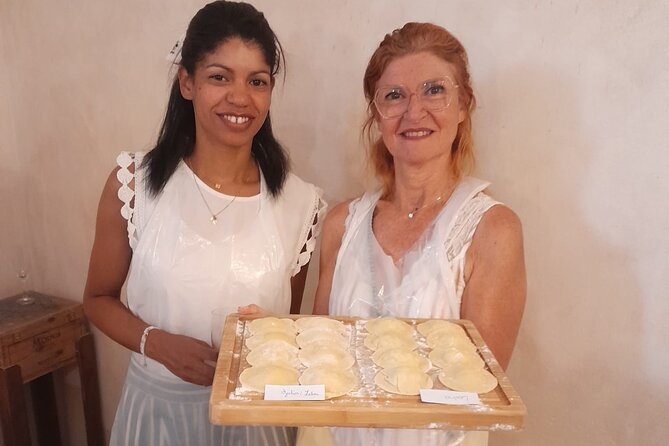
The class begins when you enter the restaurant, receive a welcome glass of Prosecco, and meet the people sharing your workstation. That small opening matters. Cooking beside strangers can feel awkward for the first few minutes, but a drink and a shared task usually give everyone something easy to talk about.
You also get a look behind the scenes at how an Italian restaurant operates. This is not simply a pasta demonstration from a distance. You put on an apron, move to your station, and prepare food under instruction.
The restaurant location is convenient for a Milan day, and it is near public transportation. Some sessions have been described as taking place in a pleasant restaurant area near the Navigli canals, but you should rely on your booking details for the precise meeting point. Allow enough time to arrive without rushing. The class is scheduled for about three hours, and late arrival could mean missing the opening instructions.
The tone appears informal rather than school-like. Francesco is repeatedly praised for being lively, funny, and attentive, while Mimmo and his family are described as warm and patient. The different guide names suggest that the instructor can vary by date, so do not book solely because you hope for one particular chef.
More Cooking Classes in Milan
- Milan: Pasta and Tiramisu Cooking Class with Wine
★ 4.8 · 1,106 reviews - Milan Cooking Class: Authentic Pizza & Gelato Making
★ 5.0 · 582 reviews - Milan: Italian Cooking Class with Food and Wine
★ 4.7 · 509 reviews
Learning pasta dough, flour, and Italian technique
The pasta lesson is the heart of the experience. You learn how to prepare dough, which flour to choose, and how fresh pasta differs from dried pasta. Those details are useful because they explain why your homemade pasta behaves differently from the boxed kind in your cupboard.
Each participant makes a portion of dough, rolls it out, and cuts it into noodles. The class also covers ravioli with ricotta and spinach. That gives you two different skills: making long pasta such as fettuccine and handling filled pasta without tearing it.
I like this mix. A class that teaches only one noodle shape can feel narrow, especially at this price. Here, you get a basic dough lesson plus a more delicate stuffed pasta. You also hear practical kitchen tips while working, rather than trying to remember a long lecture after the meal.
The chefs appear to adjust their pace for the group. Alba is praised for clear directions and demonstrations, and Memmo is described as patient and informative. That matters if you have never made pasta before. You do not need professional knife skills or previous cooking experience according to the way the class is presented.
Still, keep your expectations realistic. This is a social restaurant class, not an intensive culinary course. One participant felt that the hands-on work was mainly rolling the pasta, with the restaurant completing more of the cooking. The exact balance may depend on the group and the kitchen’s workload.
Fettuccine, ravioli, and the final meal
The planned meal includes fettuccine with tomato sauce and ricotta and spinach ravioli with butter and sage. You may also have other sauce choices, since one particularly happy participant recommended amatriciana with the red wine.
The meal is an important part of the value. You are not paying only to practice dough and then leave hungry. After the lesson, everyone sits together for lunch or dinner and eats the finished pasta. Prosecco, red wine, white wine, and non-alcoholic drinks are included, as are soft drinks.
This shared table is where the class becomes more than a cooking activity. You compare shapes, talk about the day, and enjoy a proper meal in the same restaurant. Several people praised the friendly atmosphere and the chance to meet others. For solo visitors, this social element may be as useful as the cooking itself.
There is one operational point to clarify. Most of the feedback describes delicious food and a smooth experience, but one two-star account says the restaurant served a combined mix of pasta rather than each person’s own portion. That person also found the explanations too long and the service slow because the class shared space with regular diners.
I would not ignore that criticism. Ask the chef how the pasta will be cooked and served before you begin. If you care deeply about eating your own hand-cut noodles, this simple question can prevent disappointment. The overwhelmingly positive feedback suggests that this is not the usual experience, but it is a fair consideration.
Making tiramisu without overcomplicating dessert
The tiramisu lesson follows the pasta work. You learn how to prepare the mascarpone mixture and assemble the dessert. It is a smart choice for a class because tiramisu requires no complicated equipment, yet small technique choices affect the final texture.
The class also gives you a complete menu to repeat at home. Pasta dough can seem intimidating the first time, while tiramisu feels more approachable. Together, they give you one skill for a main course and one for dessert.
One amusing account describes eating too much mascarpone filling during preparation and not having quite enough left for the top. That is a perfectly believable kitchen problem, and it points to the relaxed mood. You are learning by doing, not taking a pastry examination.
The finished tiramisu is consistently treated as a highlight. Participants describe it as excellent, delicious, and easy to enjoy after the pasta meal. If you have a sweet tooth, this part alone may justify the class.
Still Milan, but a slower afternoon:
- Milan: Cathedral and Duomo’s Terraces Entrance Ticket
★ 4.6 · 61,054 reviews - Milan: Da Vinci’s Last Supper Guided Tour
★ 4.7 · 10,143 reviews - Milan: Science and Technology Leonardo da Vinci Museum Entry
★ 4.5 · 7,169 reviews - Milan: City Sightseeing Hop-On Hop-Off Bus with Audio Guide
★ 4.0 · 6,256 reviews
Wine, conversation, and the small-group format
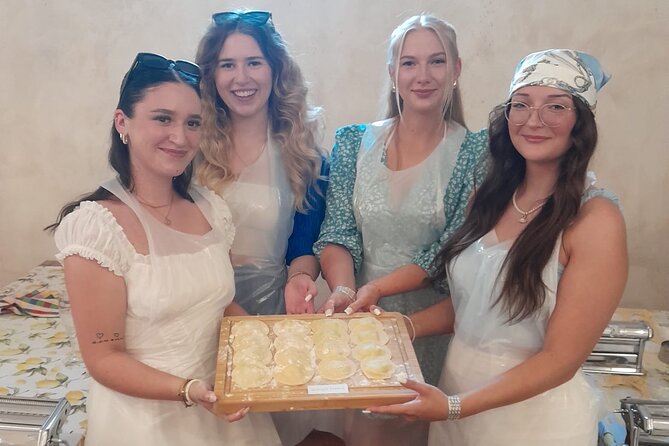
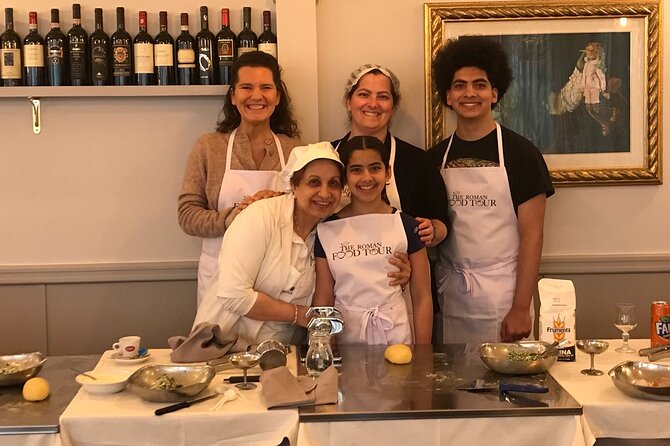
A maximum of 12 people is a useful limit. It gives the chef a chance to move around, answer questions, and help with dough. It also creates enough company for conversation without the feel of a large tour bus activity.
This format suits couples who want a shared activity, families looking for something beyond museums, and solo visitors who would like an easy social evening. A mother and daughter found that a 12-year-old could work independently, while another family attended with children aged 5, 7, and 9.
Alcohol is part of the experience. You start with Prosecco, then have wine with the meal, along with non-alcoholic drinks. That makes the class feel generous for the price, but it also means the atmosphere may become livelier as the meal progresses. You can choose non-alcoholic beverages if you prefer.
The food and wine are not presented as a formal tasting. This is a meal paired with cooking, not a specialist wine lesson. If you want a serious study of Lombardy’s wines, choose a dedicated wine activity instead.
What the $83.44 price really covers
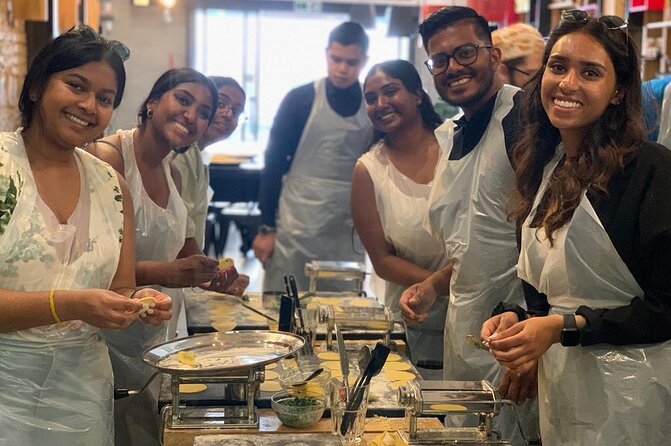
At $83.44 per person, the class is not the cheapest way to eat pasta in Milan. It can still be good value because the fee covers about three hours of instruction, ingredients, a full pasta meal, tiramisu, Prosecco, wine, and soft drinks.
You are also paying for an activity, not just a plate of food. A restaurant meal would provide dinner, but it would not teach you how to make dough, roll fettuccine, shape ravioli, or assemble tiramisu. If you want a practical memory of Milan that you can repeat at home, the price makes more sense.
The value is strongest for families and pairs. Two people can cook together, then sit down to eat what they helped prepare. It is also a good choice for a rainy afternoon or an evening when you want a break from churches, galleries, and shopping.
The value is weaker if you mainly want a quick meal. The class takes about three hours, and the pace can slow when the restaurant is busy. It also may not suit a serious home cook seeking advanced technique. You receive a friendly introduction to Italian cooking, not professional training.
The activity is commonly booked well ahead, with an average booking time of about 26 days. That suggests planning early, especially if you need a particular lunch or dinner time. Free cancellation is available until 24 hours before the start time. Changes or cancellations inside that window are not accepted for a refund.
The instructors and the human side of the class
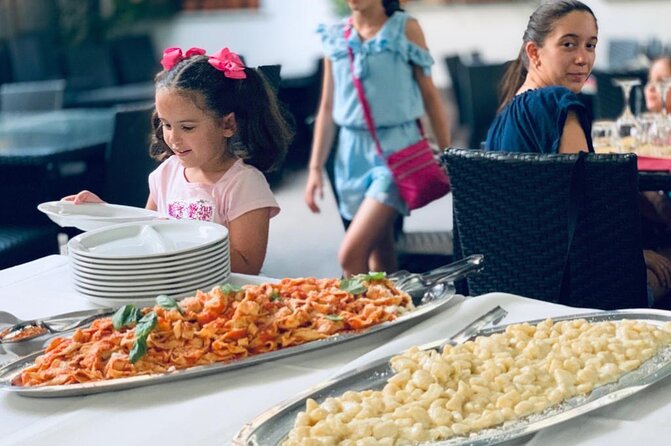
The chefs are the biggest reason this experience earns such strong marks. Francesco is praised for humor, useful explanations, and keeping everyone involved. Mimmo and Daniano are described as welcoming hosts, while Alba receives credit for clear demonstrations and Federico for being a good teacher.
Because the instructors vary, the experience may not be identical every day. The common thread is a patient, friendly teaching style. English is the offered language, and the teaching team is described as communicating well in English.
That makes the class a good choice if you want instruction without a language barrier. You can ask about flour, dough texture, sauce, and tiramisu as you work. The practical setting also makes it easier to understand gestures and demonstrations than a spoken food lecture.
A small class helps here. If your dough is too dry or your pasta sheet is uneven, you can get help before the problem grows. That kind of correction is hard to receive in a crowded demonstration.
Who should book this, and who should skip it?
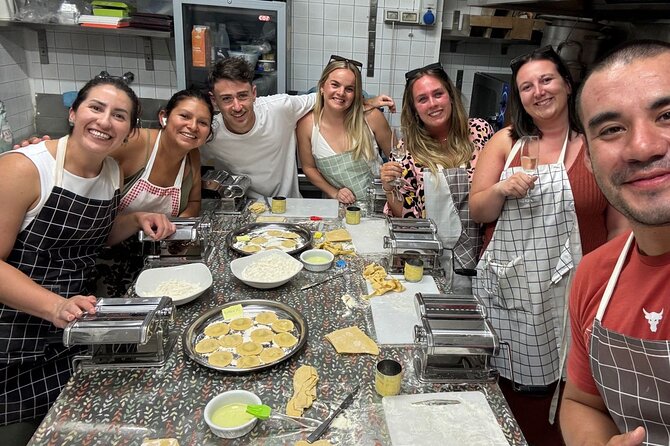
I would choose this class for:
- Families with children who enjoy making things with their hands
- Couples wanting a shared Milan activity
- Solo visitors who like meeting people over food
- First-time pasta makers
- Anyone who wants recipes and techniques to try at home
- People who prefer a relaxed meal with wine over a formal cooking school
I would think twice if you want to cook every element from start to finish. The restaurant prepares some parts, and one account found that the final pasta service did not preserve each person’s individual portion.
I would also skip it if you need a tightly timed schedule. Most sessions appear to begin and end on time, but the class shares a working restaurant environment, and one person reported slow service. Leave room around the three-hour estimate rather than scheduling a major attraction immediately afterward.
Should you book the Milan pasta and tiramisu class?
For most visitors, yes. The combination of fresh pasta, ravioli, tiramisu, wine, and a small group gives you a lot to do for $83.44. The strongest reasons to book are the friendly chefs, useful beginner-level instruction, central location, and the chance to sit down and enjoy a complete meal afterward.
Before booking, decide what kind of cooking class you want. If you want a social introduction to Italian food with a good dinner attached, this is a strong pick. If you want a precise, chef-led course where every person cooks and eats an individual plate, confirm the serving arrangements first.
Book early if your Milan dates are fixed, and leave enough time to reach the restaurant. Families, couples, and solo visitors should find the format easy to enjoy. Just bring a willingness to share the kitchen, accept a little restaurant bustle, and eat some mascarpone before dessert is technically finished.
FAQ
How long does the Milan cooking class last?
The experience lasts approximately three hours.
What food do I make?
You prepare fresh pasta, including fettuccine and ricotta and spinach ravioli, along with tiramisu.
What is included in the meal?
Lunch or dinner includes the pasta you prepare, tiramisu, wine, Prosecco, and soft drinks. Non-alcoholic beverages are also available.
How many people can join the class?
The group has a maximum of 12 participants.
Is the class offered in English?
Yes. English is the offered language.
Is the class suitable for children?
Yes. The experience is presented as suitable for families, and parents have successfully attended with children as young as 5.
Can I cancel for a full refund?
Yes. You can cancel at least 24 hours before the local start time for a full refund. Cancellations or changes made less than 24 hours before the start are not accepted for a refund.
Recently added around Milan
- Milan: City Highlights Walking Tour with The Last Supper★ 4.9 · 195 reviews
- Milan: The Milan Pass City Card★ 4.0 · 655 reviews
- Milan: Skip-the-Line Guided Walk and “The Last Supper”★ 4.5 · 606 reviews
- Milan: Duomo & Rooftop Tour with Optional Hop-On Hop-Off Bus★ 4.5 · 262 reviews
- Milan: Duomo and The Last Supper Skip-the-Line Guided Tour
- Milan: Leonardo’s Last Supper and Michelangelo’s Pietà Tour★ 4.6 · 559 reviews
- Milan: Sforza Castle and Michelangelo’s Pietà Rondanini Tour★ 4.7 · 1,119 reviews
- Milan: San Sepolcro Crypt Skip-the-Line Entry Ticket★ 4.2 · 512 reviews
Cooking Classes, compared.

3 in 1 Cooking Class near Navona: Fettuccine, Ravioli & Tiramisu
Read our review →
Florence Pizza or Pasta Class with Gelato Making at a Tuscan Farm
Read our review →
Pasta & Tiramisu Cooking Class with Unlimited Wine
Read our review →
Pizza-Making Workshop with Drink and Appetizer
Read our review →
Pasta & Tiramisu Class with Fine Wine by the Vatican
Read our review →
Cooking Class and Lunch at a Tuscan Farmhouse with Local Market Tour from Florence
Read our review →Browse the lists this tour appears in