
Reviewed · COOKING CLASSES
Milan: Pasta and Tiramisu Cooking Class with Wine
Pasta tastes better when you make it. This three-hour Milan cooking class gives you a hands-on look at Italian food in a locally loved restaurant, with your own workstation for preparing fresh pasta and tiramisu. I like the friendly social setting, and I like that the lesson explains useful basics such as flour choices, pasta fresca, and pasta secca. The main drawback is group size: classes can reach 15 to 20 people, so asking detailed questions may take some patience.
You begin with a welcome glass of Prosecco, then put on an apron and head into the kitchen. Chef Mimo receives especially warm praise, and Damiano has also helped make the class lively and fun. I would choose this activity for a relaxed evening with friends, a family outing with older children, or a rainy day in Milan, but I would not book it if you need a strictly gluten-free, dairy-free, or vegan kitchen.
In This Review
- Key points before you book
- What the Milan cooking class is really like
- Starting with Prosecco and restaurant life
- Making fresh pasta from flour to finished dish
- Preparing tiramisu before the main meal
- Sitting down to eat what you prepared
- Is $61 a fair price in Milan?
- Dietary restrictions and traditional ingredients
- Who will enjoy this activity most?
- Booking advice for a smoother class
- Should you book the Milan pasta class?
- FAQ
- How long does the Milan cooking class last?
- What food do I prepare?
- Is food included after the cooking lesson?
- Are drinks included?
- Is the class taught in English?
- Can vegetarians take part?
- Is the class suitable for vegans?
- Can I join if I have a gluten or lactose intolerance?
- Can I cancel or pay later?
Key points before you book
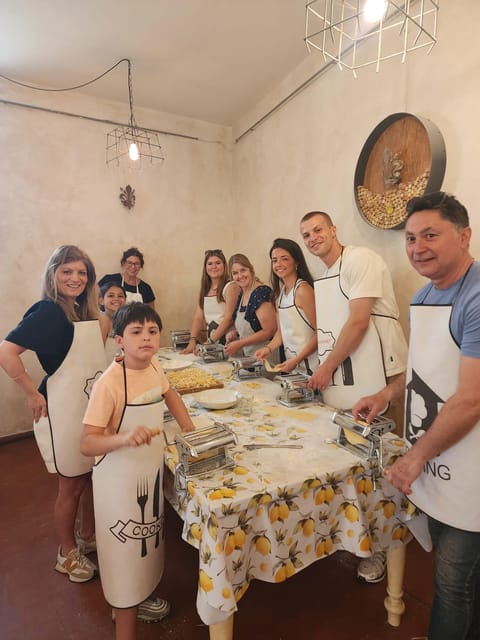
- Two Italian classics in three hours: You prepare fresh pasta from scratch and make tiramisu during the same session.
- A personal workstation: Having your own place to work makes the pasta lesson more hands-on than a simple demonstration.
- Prosecco first, wine later: The experience begins with a welcome glass and ends with the food you prepare, served with wine.
- Useful pasta instruction: You learn about the right flour, pasta dough, and the difference between fresh and dried pasta.
- A social group setting: Expect a friendly class, but possibly 15 to 20 people, which can limit one-to-one instruction.
- Traditional recipes come first: Substitutions may be available, but the teaching focuses on recipes containing gluten, eggs, and dairy.
What the Milan cooking class is really like
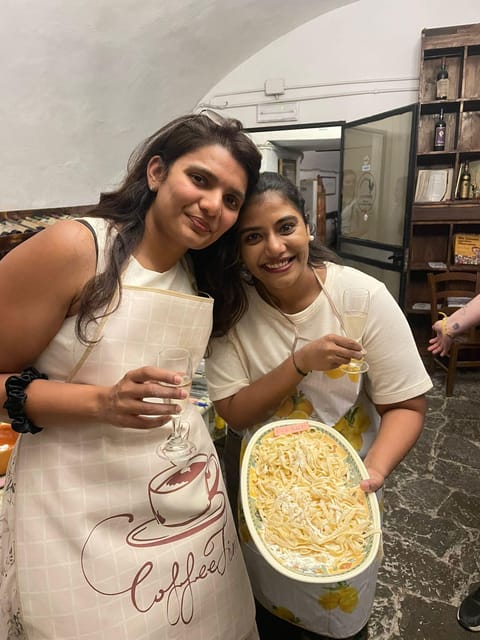
This is not just a meal with a quick cooking demonstration attached. You take part in the preparation, then sit down to eat what you have made. That simple structure gives the experience a good rhythm: welcome drink, kitchen work, dessert preparation, pasta making, and a shared meal.
The class takes place in a popular Milan restaurant. The exact meeting point can vary depending on the option you book, so check your confirmation carefully before setting out. Once you arrive, you step inside, receive Prosecco, and get a brief look at how an Italian restaurant operates behind the scenes.
I like that opening because it gives the class a sense of place. You are not simply standing in a rented room with ingredients on a table. You are seeing a working restaurant and then moving into the kitchen to prepare food in that setting.
The activity is taught in English. That makes the instructions accessible to many international visitors, and the cooking format also helps if you do not know much Italian. You can follow the chef’s demonstration, copy the steps at your station, and ask questions as you work.
More Cooking Classes in Milan
- Milan: Pasta and Tiramisu Small Group Cooking Class with Wine
★ 5.0 · 660 reviews - Milan Cooking Class: Authentic Pizza & Gelato Making
★ 5.0 · 582 reviews - Milan: Italian Cooking Class with Food and Wine
★ 4.7 · 509 reviews
Starting with Prosecco and restaurant life
The first glass of Prosecco sets a light tone. It is a small touch, but it helps you settle in, meet the people around you, and shift out of sightseeing mode. After a day of museums, churches, and city streets, working with food can feel like a welcome change of pace.
The restaurant introduction is also useful. You get a glimpse of the operation before putting on your apron and entering the kitchen. This connects your meal to the people and work behind it, rather than treating Italian cooking as a set of polished images.
The group atmosphere matters here. Some people book this class for the food, while others choose it as a social activity. You may be seated or working alongside people you have never met, which can be a plus if you like easy conversation. It can also make the class feel less personal than a small private lesson.
Group sizes have reached about 15 to 20 people. That is not unusually large for a cooking class, but it does affect the teaching. You may need to wait for a natural pause before getting individual help, and the chef cannot watch every person’s dough at every moment.
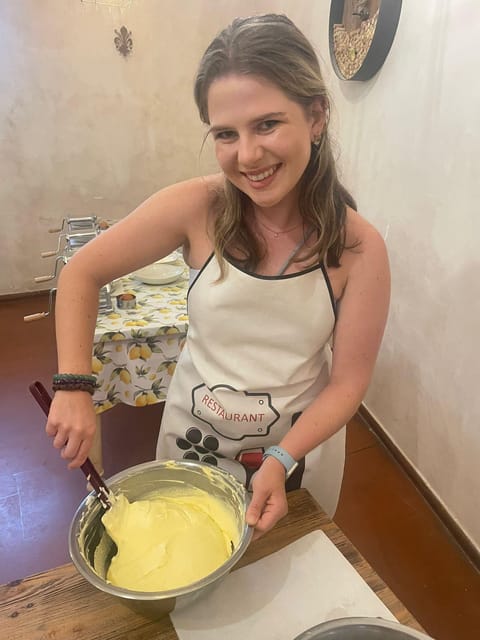
Still, the format gives you your own place to prepare the food. That is important. You are not just watching someone else roll pasta while you hold a glass of wine. You get flour, dough, tools, and a task to complete.
Making fresh pasta from flour to finished dish
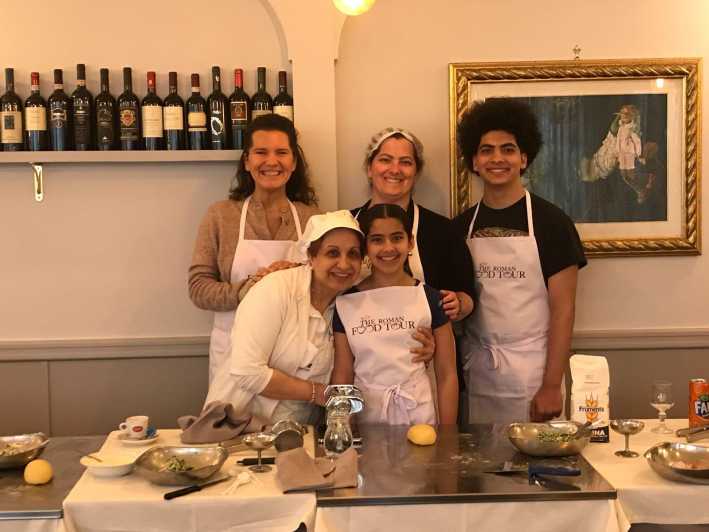
The pasta lesson is the heart of the experience. You learn how to prepare pasta dough from scratch, including which type of flour to use and how the dough should come together. These are the details that help you repeat the process at home.
The lesson also covers the difference between pasta fresca and pasta secca. Fresh pasta is made with a different texture and cooking purpose from dried pasta, and understanding that distinction is more useful than memorizing one recipe. You leave with a better sense of why certain pasta dishes use one style rather than the other.
The class includes two types of pasta, according to the detailed experience description. The exact shapes are not specified, so you should not expect a particular regional form unless the instructor announces it on the day. The focus is on the method and the meal, not on collecting a long list of recipes.
You work step by step. First comes the dough, then shaping or preparing the pasta, followed by the cooking and sauce stage. The staff cooks the pasta after you prepare it and adds the sauces. This means you can concentrate on the hands-on work without worrying about managing a restaurant-sized pot at the same time.
The sauces receive particularly strong praise. That makes a difference because plain pasta can be a little dull if the finishing sauce is weak. Here, the sauce is part of the payoff, bringing the pasta together when you sit down to eat.
I would pay close attention during the flour and dough portion. Those are the parts most likely to help you later. The finished dish is enjoyable, but learning how the dough feels and how fresh pasta differs from dried pasta gives the class lasting value.
Preparing tiramisu before the main meal
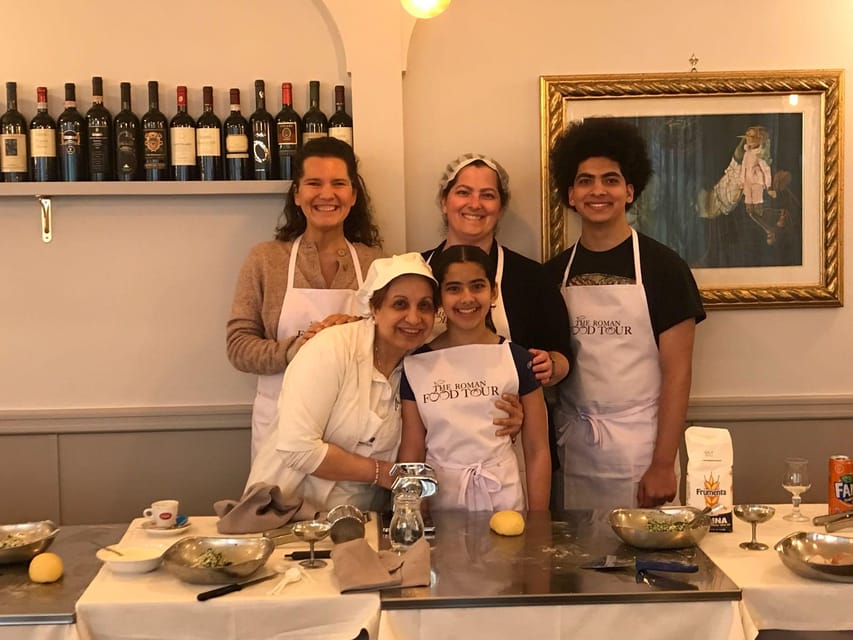
Tiramisu is the other major task. You learn how to prepare the dessert and then sample the version made during the class. In some sessions, the dessert is prepared first, followed by the pasta, giving it time to be ready for the meal.
That order makes practical sense. Tiramisu benefits from resting before you eat it, so preparing it early helps the dessert fit into the final lunch or dinner. It also gives you a gentler introduction before you start working with pasta dough.
The lesson presents the secrets of Italy’s best-loved dessert, but you should expect a traditional approach rather than a modern pastry workshop. The recipe normally contains dairy and eggs, and the class instructions focus on the standard version even when substitutes are offered.
This is a good section for people who enjoy food preparation but do not think of themselves as serious cooks. One participant who usually does not enjoy cooking found that the class made it fun. That is a useful sign: the activity is built around shared work and clear steps, not culinary competition.
You may also find the tiramisu portion easier to follow than the pasta. Pasta dough can require a little feel and judgment, while dessert preparation often moves through more fixed stages. Both parts matter, but the tiramisu gives you an approachable win early in the session.
Still Milan, but a slower afternoon:
- Milan: Cathedral and Duomo’s Terraces Entrance Ticket
★ 4.6 · 61,054 reviews - Milan: Da Vinci’s Last Supper Guided Tour
★ 4.7 · 10,143 reviews - Milan: Science and Technology Leonardo da Vinci Museum Entry
★ 4.5 · 7,169 reviews - Milan: City Sightseeing Hop-On Hop-Off Bus with Audio Guide
★ 4.0 · 6,256 reviews
Sitting down to eat what you prepared
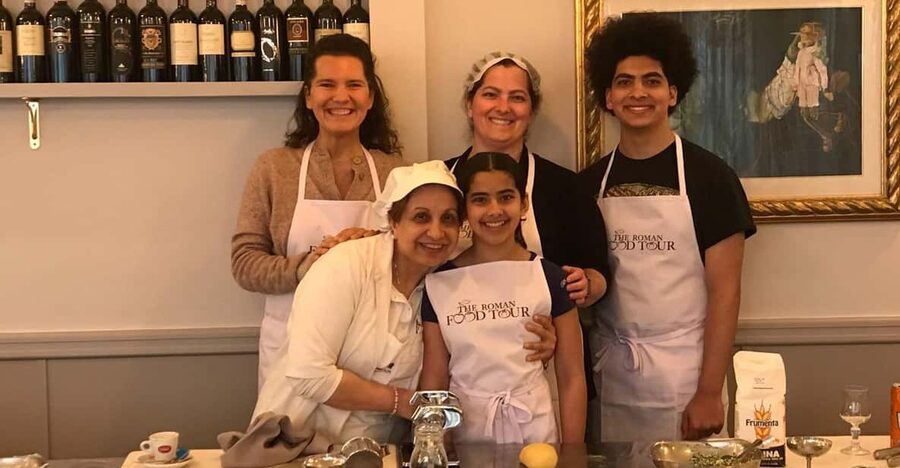
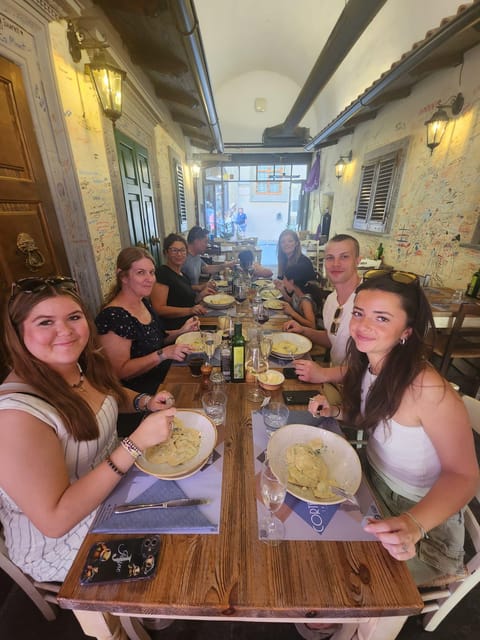
At the end, the group sits together for lunch or dinner. The staff cooks the fresh pasta, adds the sauces, and serves the dishes you prepared. You also eat the tiramisu made during the class.
The meal is included, along with wine. The experience begins with Prosecco and later includes a glass of wine chosen to pair with the food. The drinks are not an afterthought. They help turn the cooking lesson into a complete Italian-style meal.
Expect a generous amount of food. One detailed account described the portions as plentiful, with two pasta dishes and tiramisu. You should arrive ready to eat, especially if you book the session as an evening activity.
This final meal is where the class becomes more than a practical lesson. You get to compare your own preparation with the finished result, talk with the people around you, and enjoy the social side of the evening. The food gives everyone an easy topic of conversation.
The shared table will suit you if you like meeting people. If you prefer a quiet, private meal, it may feel a bit busy. The experience is designed as a group event, and that social character is one of its main features.
Is $61 a fair price in Milan?
At $61 per person, the value is good if you want more than a restaurant meal. The price covers a chef, fresh pasta, tiramisu, Prosecco, wine, instruction, and the meal at the end. You are paying for three hours of activity as well as the food itself.
A normal lunch or dinner can be cheaper, especially if you choose a casual Milanese restaurant. But that meal will not teach you how to make dough, explain fresh and dried pasta, or let you prepare tiramisu at your own station.
The value is strongest for first-time visitors who want an activity built around Italian culture without spending a full day outside the city. It also works well for couples and friends who want a shared memory rather than another meal at a restaurant table.
For serious home cooks, the value depends on your expectations. A group class will not provide the same detail as private instruction. You may not get long personal feedback on every stage, especially when the room has 15 to 20 people.
For most people, though, the combination of instruction, food, and drinks makes the cost reasonable. The sauces and finished meal add weight to the package, and you are not left hungry after the lesson.
Dietary restrictions and traditional ingredients
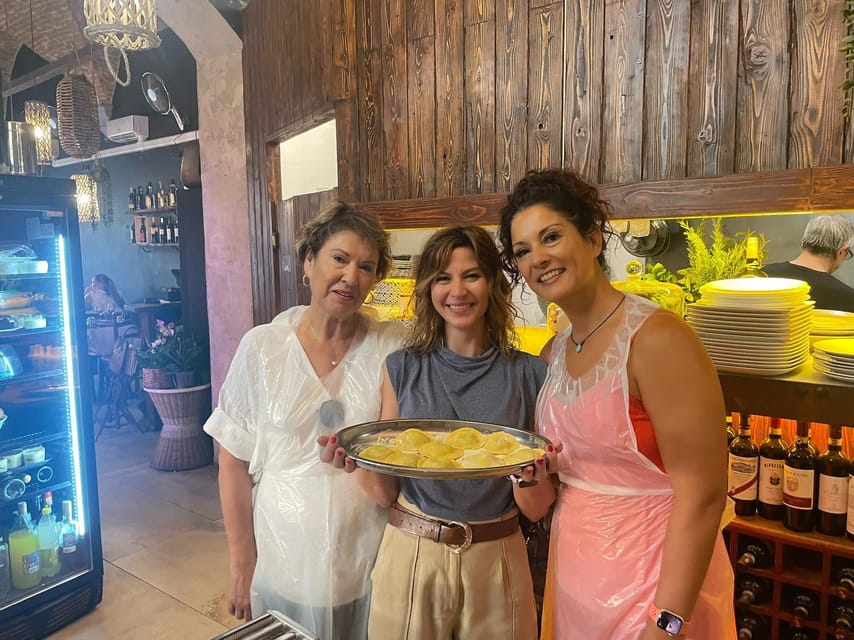
This is the area where you need to read the conditions carefully. Vegetarian choices are available upon request, and the provider says it can support several dietary needs when you give notice during booking.
At the same time, the class is explicitly not suitable for vegans, people with gluten intolerance, or people with lactose intolerance. The teaching remains based on traditional recipes containing gluten, dairy, and eggs.
Substitutions may be offered for some food preferences or allergies, but the kitchen cannot guarantee zero cross contamination. You should tell the activity provider about every allergy or restriction when you book, not only when you arrive.
The information about vegan and lactose-free options is not fully consistent, so I would treat the stricter warning as the safer guide. If you need to avoid one of these ingredients completely, choose a different activity unless the provider confirms in writing that your requirements can be met.
You sample the dishes prepared during the class. This means dietary planning matters for the entire three hours, not only for the final meal.
Who will enjoy this activity most?
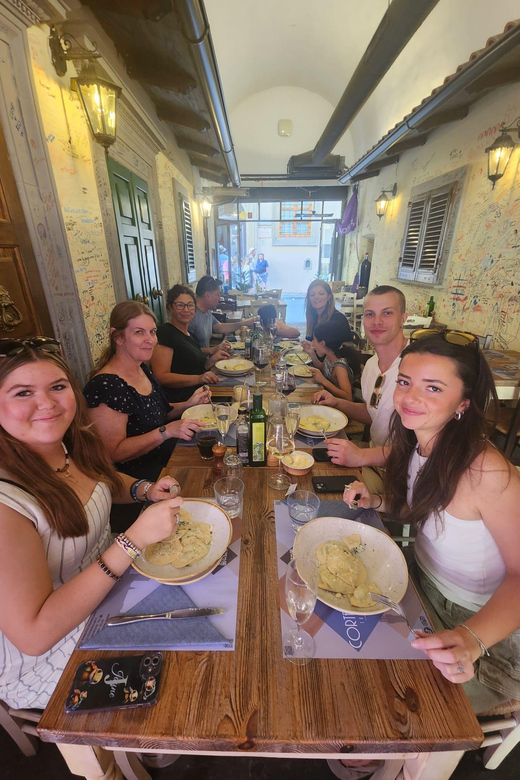
I would recommend this class to adults, couples, groups of friends, and families with children old enough to follow kitchen instructions. One account found it suitable for both adults and children, and the personal workstation makes it easier for each participant to take part.
It is also a good choice if you enjoy Italian food but do not normally cook. The atmosphere is encouraging rather than formal, and the staff guide you through the process. You do not need to arrive as a pasta expert.
The class suits a first visit to Italy especially well. It combines food, social time, and a practical look at Italian restaurant culture. For some people, it may become one of the most memorable parts of a Milan trip.
You may want something else if you are seeking a quiet, private, highly technical lesson. The group size can make it harder to ask detailed questions, and the chef has to keep everyone moving at the same pace.
The three-hour length is another strength. It is long enough to make two pasta preparations and tiramisu, but short enough to fit around a day of sightseeing. Check the available starting times when booking, since the schedule is not fixed in the information provided.
Booking advice for a smoother class
Tell the provider about food restrictions at the time of booking. Do not rely on making a last-minute request, especially because the traditional instructions use gluten, eggs, and dairy.
Check the meeting point for the exact option you choose. The location may vary, and Milan is easier to handle when you know precisely where you are going before the class starts.
If you want more personal help, arrive ready to take part and ask questions early. In a group of 15 to 20 people, the chef may be busy once everyone begins working.
Keep your schedule flexible enough for the full three hours. You will be cooking, eating, and socializing, so rushing off halfway through would spoil the best part.
The activity offers free cancellation up to 24 hours in advance, and you can reserve now and pay later. That is useful when your Milan plans are still shifting.
Should you book the Milan pasta class?
Book it if you want a friendly, food-centered Milan experience with real hands-on work. The strongest reasons are the personal workstation, the two pasta preparations, the tiramisu lesson, and the chance to eat the finished dishes with wine.
I would especially choose it for a first trip, a small group of friends, or an evening when you want to meet people. Chef Mimo and Damiano are names worth noting if you hope for an upbeat host, though the instructor can vary.
Skip it if you need a completely allergen-free kitchen, a vegan menu, or intimate private instruction. For everyone else, $61 buys a full three hours of activity and food, making this a tasty and practical break from Milan sightseeing.
FAQ
How long does the Milan cooking class last?
The class lasts three hours. Check availability for the starting times offered on your chosen date.
What food do I prepare?
You prepare fresh pasta from scratch and make tiramisu. The class includes two types of pasta, though the exact pasta shapes are not specified.
Is food included after the cooking lesson?
Yes. You eat the pasta and tiramisu prepared during the class. The staff cooks the pasta and adds the sauces before the meal.
Are drinks included?
Yes. You receive a welcome glass of Prosecco and enjoy wine with the meal at the end.
Is the class taught in English?
Yes. The listed instructor language is English.
Can vegetarians take part?
Yes. Vegetarian options are available upon request. Tell the provider about your dietary needs when booking.
Is the class suitable for vegans?
No. The activity is listed as not suitable for vegans, and the traditional instructions contain dairy and eggs.
Can I join if I have a gluten or lactose intolerance?
The activity is listed as not suitable for people with gluten intolerance or lactose intolerance. Substitutes may be available for some preferences, but cross contamination cannot be guaranteed.
Can I cancel or pay later?
You can cancel up to 24 hours before the activity for a full refund. You can also reserve your place and pay later.
Recently added around Milan
- Milan: City Highlights Walking Tour with The Last Supper★ 4.9 · 195 reviews
- Milan: The Milan Pass City Card★ 4.0 · 655 reviews
- Milan: Skip-the-Line Guided Walk and “The Last Supper”★ 4.5 · 606 reviews
- Milan: Duomo & Rooftop Tour with Optional Hop-On Hop-Off Bus★ 4.5 · 262 reviews
- Milan: Duomo and The Last Supper Skip-the-Line Guided Tour
- Milan: Leonardo’s Last Supper and Michelangelo’s Pietà Tour★ 4.6 · 559 reviews
- Milan: Sforza Castle and Michelangelo’s Pietà Rondanini Tour★ 4.7 · 1,119 reviews
- Milan: San Sepolcro Crypt Skip-the-Line Entry Ticket★ 4.2 · 512 reviews
Cooking Classes, compared.

3 in 1 Cooking Class near Navona: Fettuccine, Ravioli & Tiramisu
Read our review →
Florence Pizza or Pasta Class with Gelato Making at a Tuscan Farm
Read our review →
Pasta & Tiramisu Cooking Class with Unlimited Wine
Read our review →
Pizza-Making Workshop with Drink and Appetizer
Read our review →
Pasta & Tiramisu Class with Fine Wine by the Vatican
Read our review →
Cooking Class and Lunch at a Tuscan Farmhouse with Local Market Tour from Florence
Read our review →Browse the lists this tour appears in