
Reviewed · COOKING CLASSES
3 in 1 Cooking Class near Navona: Fettuccine, Ravioli & Tiramisu
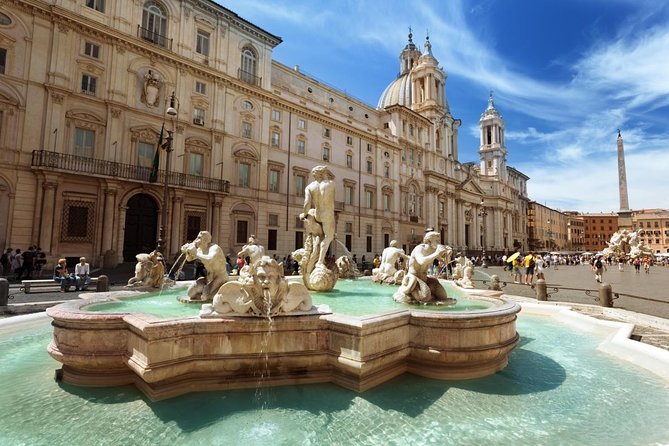
Pasta is Rome’s best souvenir. This three-hour class near Piazza Navona gives you a practical taste of Italian cooking, with hands-on lessons in fettuccine, ravioli, and tiramisu rather than a meal simply placed in front of you. I like the central location and the way the class turns basic ingredients into a full, sit-down dinner. I also like that it welcomes complete beginners, families, and confident home cooks alike.
The main point to understand is simple: you do not make the sauces. The class focuses on pasta dough, ravioli filling, and tiramisu, while the kitchen cooks your finished pasta and adds your chosen sauce. Portions may feel a little modest if you arrive very hungry, but the meal, wine or soft drink, water, coffee or limoncello, and practical instruction make the $83.44 price fair for Rome.
In This Review
- Key points at a glance
- Why this class works near Piazza Navona
- Starting with tiramisu before the pasta
- Making fettuccine from scratch
- Ravioli with ricotta, Parmigiano, butter, and sage
- Sitting down to eat what you made
- Finishing with homemade tiramisu
- The teaching style and family appeal
- What the $83.44 price really buys
- Timing, meeting point, and small practical details
- Who should book this Rome cooking class?
- Should you book the fettuccine, ravioli, and tiramisu class?
- FAQ
- Where does the cooking class meet?
- How long does the experience last?
- What dishes do I make?
- Do I make the pasta sauces?
- What drinks are included?
- Can I cancel for a full refund?
Key points at a glance
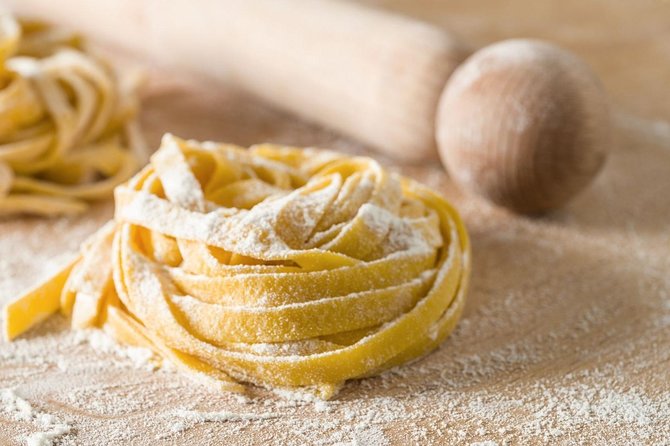
- Three Italian staples in one class: Prepare fettuccine, ricotta ravioli, and traditional tiramisu during one roughly three-hour session.
- Near Piazza Navona: Meet at Via Giuseppe Zanardelli 14, a convenient address in central Rome with public transportation nearby.
- Good for first-time cooks: The teaching is designed to be clear, relaxed, and hands-on, with instructors helping people keep pace.
- A choice of pasta sauces: Your fettuccine is served with cacio e pepe, tomato and basil, or amatriciana.
- A social meal at the end: Sit down with wine or a soft drink, water, and your homemade food, then finish with coffee or limoncello.
- Small enough to feel manageable: The official maximum is 18 participants, although the class can still feel lively and group-oriented.
Why this class works near Piazza Navona
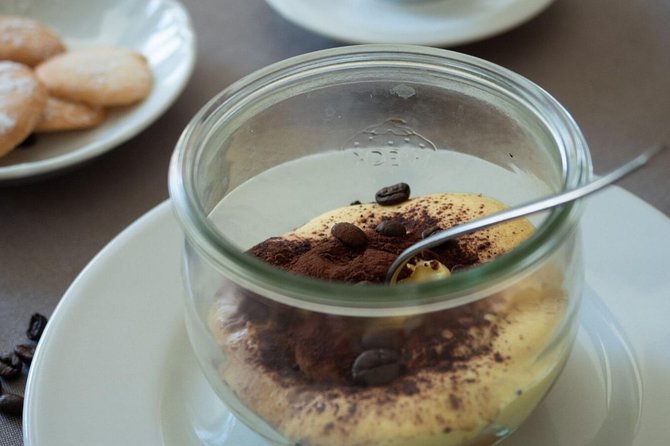
The meeting point at Via Giuseppe Zanardelli 14 puts you in an easy part of central Rome. That matters because a cooking class works best when it fits neatly into a sightseeing day. You can pair it with time around Piazza Navona, the Pantheon, or the narrow streets along the Tiber without committing to a long journey across the city.
You choose from several start times during the day. That flexibility helps you fit the class around museum visits or an evening stroll. I would consider booking it early in your Rome stay if you want the recipes and techniques to shape the rest of your meals. It can also make a sensible indoor plan after a couple of demanding days at the Colosseum, Forum, and Vatican Museums.
The setting is a cooking facility connected with a restaurant-style meal. After the lesson, your prepared food is cooked and served to you. One useful detail is that the finished pasta can be served individually rather than mixed into one large communal dish. That arrangement is especially helpful for families and for anyone with different sauce preferences.
More Cooking Classes in Rome
- Rome: Pasta & Tiramisu Class with Fine Wine by the Vatican
★ 4.9 · 4,852 reviews - Rome: Pasta Making Class with Wine, Limoncello, and Dessert
★ 4.9 · 3,177 reviews - Rome: 3-in-1 Fettuccine, Ravioli, and Tiramisu Cooking Class
★ 4.9 · 2,704 reviews
Starting with tiramisu before the pasta
The class begins with tiramisu. This is a smart choice. The dessert needs time to settle, so preparing it first lets the flavors develop while you work on the pasta.
You follow a traditional recipe and assemble your own portion. The process is accessible, even if you rarely cook. One family group appreciated that the instructor could suggest an alternative for someone who disliked coffee, a useful sign that the teaching can adapt to small preferences when possible.
Tiramisu is also the least intimidating part of the class. You are not working with pasta dough yet, and you get an early success before moving to the more physical stages. The finished dessert returns at the end with your coffee or limoncello.
Making fettuccine from scratch
The pasta lesson is the heart of the experience. Your chef shows you how to work the dough, shape it, and turn it into fettuccine. The emphasis is on basic technique, not fancy restaurant tricks. That makes the class useful after Rome, because you can repeat the process in an ordinary home kitchen.
The instructors praised most often are Carlotta, Lori, Leo, Mimi, Maria, Paris, Mattia, Tom, and Furio. Their teaching styles differ, but the common thread is patient, clear guidance. Carlotta is described as energetic and hands-on. Lori brings humor and encouragement. Leo explains the process carefully, while Maria is noted for circulating through the group and helping anyone who falls behind.
You choose one sauce for the fettuccine:
- Cacio e pepe
- Tomato and basil
- Amatriciana
This gives the meal a Roman flavor without making the class too technical. Cacio e pepe is the obvious local classic, with its famously simple ingredients and tricky balance. Amatriciana brings a stronger, savory taste, while tomato and basil is the safest choice for children or less adventurous eaters.
Here is the tradeoff. You learn how to make the pasta, but not the sauce. If your main goal is mastering a complete Roman recipe from start to finish, this class will leave a gap. If you want to learn fresh pasta without spending the entire session over a stove, the arrangement keeps the pace moving.
Ravioli with ricotta, Parmigiano, butter, and sage
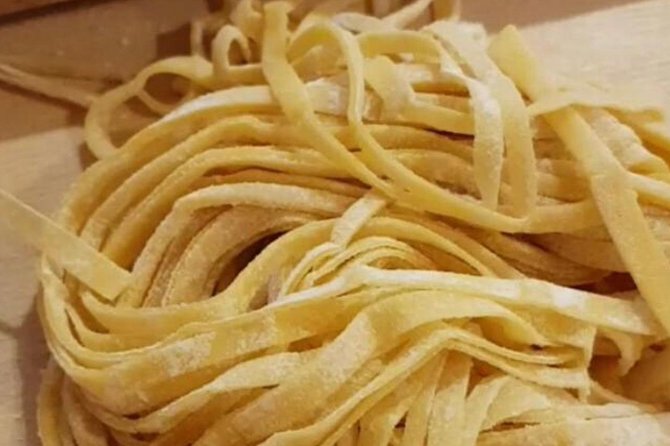
The ravioli section adds a different skill. Instead of cutting long ribbons, you make filled pasta, which requires attention to filling size, sealing, and shaping.
The filling is based on ricotta and Parmigiano, with seasonal ingredients guiding the preparation. The finished ravioli is served with butter and sage. This is a classic combination for good reason: the gentle sauce lets the fresh pasta and creamy filling do most of the work.
I especially like that the ravioli is not treated as an optional extra. The class title promises three dishes, and this section gives you a technique that fettuccine alone cannot teach. It also provides the most satisfying sense of progress. You begin with a sheet of dough and finish with neat parcels ready for cooking.
The class is not intended as professional culinary training. You will not be working inside the restaurant kitchen, and you will not prepare advanced sauces or restaurant-level garnishes. Instead, you learn a manageable home-cooking method that is easy to practice again.
Still Rome, but a slower afternoon:
- Vatican: Museums & Sistine Chapel Entrance Ticket
★ 4.5 · 144,003 reviews - Vatican Museums & Sistine Chapel Tour with Optional Basilica
★ 4.3 · 67,413 reviews - Colosseum, Roman Forum & Palatine Guided Tour
★ 4.7 · 63,148 reviews - Vatican Museums, Sistine Chapel & St Peter’s Basilica Guided Tour
★ 4.5 · 39,149 reviews
Sitting down to eat what you made
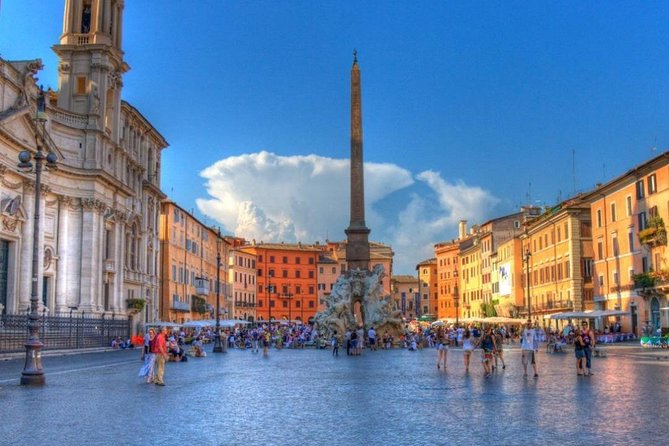
Once the fettuccine and ravioli are shaped, the kitchen cooks them. You then sit down and eat the results with a glass of red or white wine, a soft drink, or water.
This meal is an important part of the value. You are not rushing away after the lesson with flour on your clothes and no idea how the food turned out. You get to taste the pasta at the table, compare the dishes with the people around you, and enjoy the relaxed restaurant setting.
The social side is part of the appeal. The group can include families, couples, friends, and solo participants. Instructors keep people talking and laughing while still providing practical help. Lori, in particular, is praised for keeping the room engaged with humor, while Carlotta is known for energetic instruction.
The official maximum is 18 participants. That is not an intimate private lesson, but it is small enough for the chef to move around and offer assistance. If you prefer a silent, highly individualized cooking session, this may feel busy. If you enjoy meeting people over food, the group format adds energy without turning the experience into a lecture.
Finishing with homemade tiramisu
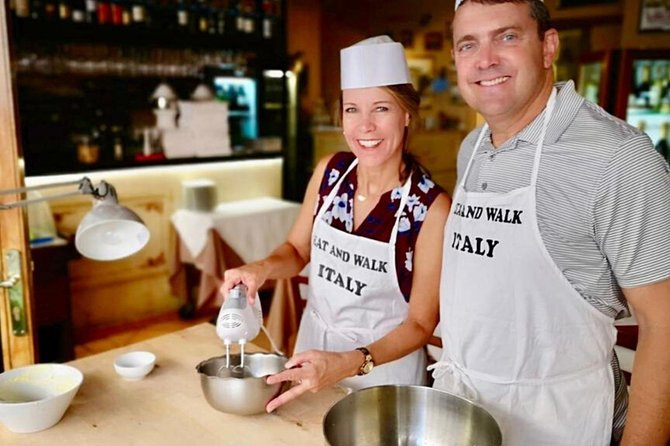
Your tiramisu comes back at the end, along with a choice of Italian coffee or a shot of limoncello. This gives the meal a clear finish and adds two small Italian rituals to the experience.
Coffee makes sense if you want to stay alert for more evening exploring. Limoncello is the more festive choice, though it is only a shot, not a full drink. Extra food and drinks are not included, so keep that in mind if you tend to prefer a long dinner with several courses and refills.
The strongest practical benefit is that the class gives you recipes you can use later. Several people have recreated the fettuccine and tiramisu at home, and the recipes for the pasta, tiramisu, and three sauces may be sent afterward. That last detail helps offset the fact that sauce preparation is not part of the lesson. You can make the pasta in class, then try the sauces on your own kitchen stove.
The teaching style and family appeal
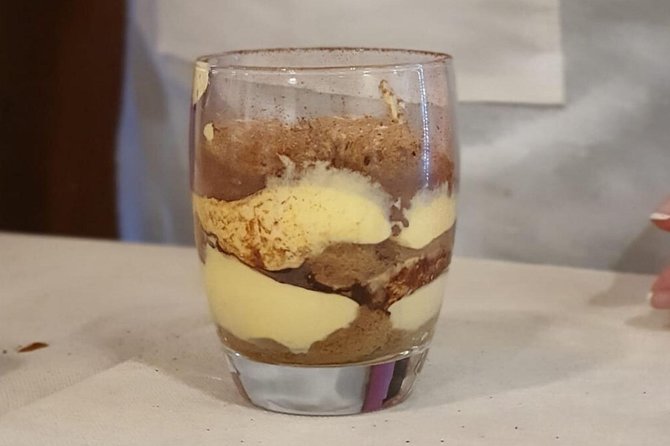
This is an approachable class, not a test of cooking skill. The chefs help with the physical work, explain each step, and keep an eye on the whole table. That makes it suitable for a first attempt at pasta.
Families receive a particularly good deal in experience rather than just food. Children around 11 have enjoyed the class, and instructors such as Lori, Mimi, Maria, and Furio are praised for making younger participants feel included. A child can measure, mix, shape, and taste without needing to already understand pasta technique.
You should still remember that this is a three-hour activity. Younger children may tire during the dough work, and the group format means they will need to follow instructions rather than wander freely. For an older child or teenager who enjoys food, it can be a great shared activity.
The class also suits non-cooks. One participant described arriving with little interest in cooking but enjoying the session because the instructions were easy to follow. That is the real strength here: you do enough yourself to feel involved, but the professional kitchen handles the cooking stage.
What the $83.44 price really buys
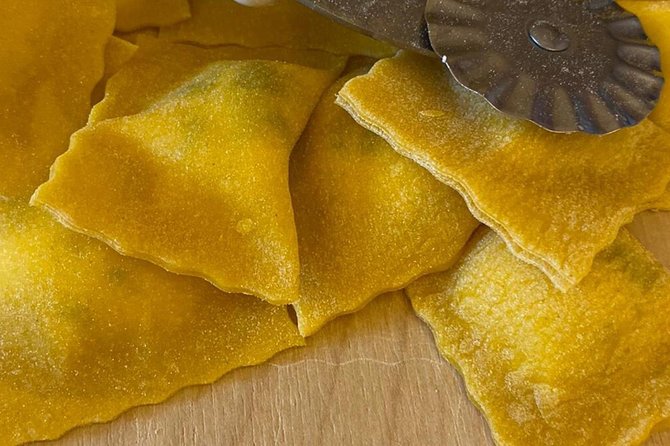
At $83.44 per person, this is not the cheapest meal in Rome. You can eat a plate of pasta for far less. The comparison is not quite fair, though, because this includes instruction, ingredients, three prepared items, drinks, and a sit-down meal in a central location.
The value is strongest if you want an activity as well as dinner. You are paying for the time with a chef, the chance to make pasta yourself, and the recipes that can continue to pay off at home. Wine, water, coffee or limoncello are included, which keeps the final bill clearer.
The value is weaker if you mainly want a large meal. One person found the portions could be bigger. I would plan a light snack beforehand if you have a large appetite, especially if the class replaces your main evening meal.
At a rating of 4.9 from 7,380 reviews, with 98 percent recommending it, the experience has a strong record. Still, the high score should not hide the main limitation: this is an introductory pasta class with restaurant support, not a complete sauce-making workshop.
Timing, meeting point, and small practical details
The experience lasts about three hours and ends where it starts. You make your own way to Via Giuseppe Zanardelli 14, Rome, and public transportation is nearby.
Choose your start time with care. A midday session works well if you want a substantial lunch followed by an easy afternoon. An evening class turns the lesson into dinner. A rainy-day booking can be especially useful after several days of outdoor sightseeing.
The class is offered in English and uses a mobile ticket. Confirmation arrives at booking. Free cancellation is available up to 24 hours before the start time, but cancellations or changes inside that window are not accepted for a refund.
Because the class is often booked about 40 days ahead, popular dates may fill early. I would book ahead for weekends, holidays, or a fixed family schedule. You may find more flexibility on less crowded dates, but I would not count on a last-minute place.
Who should book this Rome cooking class?
I would recommend it most strongly to:
- First-time pasta makers
- Families with older children
- Couples seeking a shared Rome activity
- Solo visitors who enjoy social meals
- Home cooks who want simple techniques to repeat
- Anyone needing a useful indoor plan
I would be more cautious if you want advanced culinary instruction, private attention, or lessons covering sauces from start to finish. You should also manage your expectations about portion size and group activity.
The class is at its best when you treat it as a friendly food experience with useful instruction, not as a full professional cooking course. You leave with new skills, a meal, and a better sense of how fresh pasta fits into Italian home cooking.
Should you book the fettuccine, ravioli, and tiramisu class?
Yes, if you want to do something active and edible near Piazza Navona. The combination of three dishes, a central meeting point, English instruction, included drinks, and a meal at the end gives you solid value for a Rome activity.
Book it especially if you are traveling with family or with someone who says they are not a cook. The patient, funny teaching style of chefs such as Mimi, Lori, Leo, Carlotta, and Maria helps beginners feel capable quickly.
Skip it if sauce-making is your main reason for booking, or if you need a large, elaborate dinner. Otherwise, this is a practical way to spend three hours, rest your sightseeing feet, meet people over food, and take a small piece of Rome home with you.
FAQ
Where does the cooking class meet?
The class starts at Via Giuseppe Zanardelli 14, 00186 Rome, Italy. The activity ends back at the same meeting point.
How long does the experience last?
The class lasts approximately three hours.
What dishes do I make?
You make fresh fettuccine, ricotta and Parmigiano ravioli, and traditional tiramisu.
Do I make the pasta sauces?
No. The sauces are not made during the class. You choose cacio e pepe, tomato and basil, or amatriciana for the fettuccine, and the kitchen prepares the selected sauce.
What drinks are included?
The experience includes wine or a soft drink, water, and your choice of coffee or a shot of limoncello.
Can I cancel for a full refund?
Yes. You can cancel at least 24 hours before the start time for a full refund. Cancellations or changes made less than 24 hours before the experience are not refunded.
Recently added around Rome
- Palatine Hill and Roman Forum Tour with Fast-Track Entrance★ 4.2 · 417 reviews
- Tivoli: Villa D’Este & Villa Adriana Pass & App Audioguide★ 4.4 · 364 reviews
- From Rome: Villa D’Este & Villa Adriana Day Trip with Lunch★ 4.4 · 289 reviews
- Vatican Museums & Sistine Chapel Skip-the-Line Guided Tour★ 4.6 · 254 reviews
- Rome: The Three Tenors at St. Paul’s Church Concert Ticket★ 4.7 · 699 reviews
- Tivoli: Villa D’Este Entry Ticket and App Audio Guide★ 4.3 · 191 reviews
- Rome: Capitoline Museums and Centrale Montemartini Tickets★ 4.4 · 328 reviews
- Rome: St. Peter’s Basilica and Papal Tombs Guided Tour★ 4.6 · 477 reviews
Cooking Classes, compared.
Florence Pizza or Pasta Class with Gelato Making at a Tuscan Farm
Read our review →
Pasta & Tiramisu Cooking Class with Unlimited Wine
Read our review →
Pizza-Making Workshop with Drink and Appetizer
Read our review →
Pasta & Tiramisu Class with Fine Wine by the Vatican
Read our review →
Cooking Class and Lunch at a Tuscan Farmhouse with Local Market Tour from Florence
Read our review →
Authentic Pizza Making Class in Naples with Appetizers and Drink
Read our review →Browse the lists this tour appears in