
Reviewed · COOKING CLASSES
Cesarine: Small group Pasta and Tiramisu class in Bologna
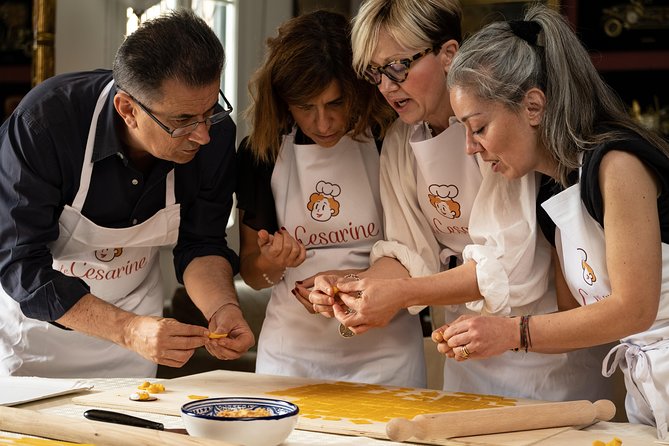
Bologna tastes better from a home kitchen. This three-hour Cesarine class brings you into the home of a local cook, where you make two pasta dishes and tiramisu with plenty of hands-on help. I like the warm start with Prosecco and nibbles, and I like that the meal is cooked and eaten in the same place. The main thing to keep in mind is that the host, menu, group size, and teaching style can vary.
I also like the small-group setup. Some sessions have had only four or five people, even though the maximum is 12, which gives you more time at the work surface. The one weak spot is communication: one participant found the plan unclear and needed an interpreter, while a dietary request was not passed to the host.
In This Review
- Key points to know before booking
- Why a home kitchen matters in Bologna
- The welcome: Prosecco, nibbles, and a slower start
- Making pasta by hand, not watching from the sidelines
- Tiramisu brings the lesson to a sweet finish
- Sitting down to eat what you made
- Group size, language, and the host you receive
- Dietary needs deserve early attention
- Price, timing, and practical value
- Who will enjoy this class most?
- Should you book the Cesarine class?
- FAQ
- How long does the Cesarine pasta and tiramisu class last?
- What food will I make?
- Is the class taught in English?
- Where does the class begin and end?
- How many people can join the class?
- Can I cancel for a full refund?
Key points to know before booking
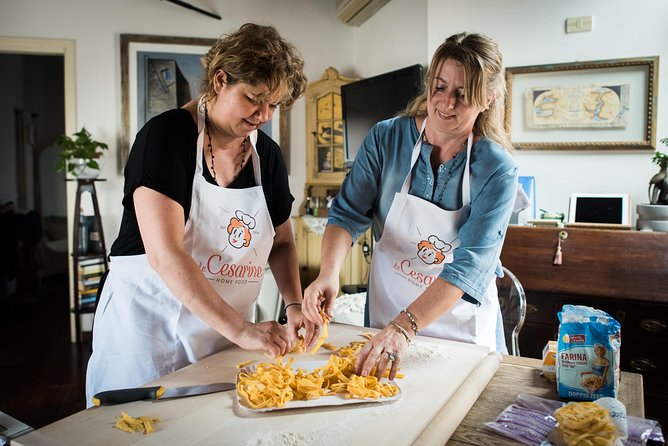
- You cook in a local home: This is not a restaurant demonstration. Your Cesarine host welcomes you into her kitchen and shares family cooking methods.
- The class includes two pasta dishes and tiramisu: The exact pasta shapes may vary, with past sessions including tagliatelle, tortellini, gnocchi, and orecchiette.
- Prosecco and nibbles start the visit: Antipasti, focaccia, wine, coffee, and other extras may appear, depending on the host.
- Small groups make the lesson more personal: The official maximum is 12, but some sessions have been much smaller.
- The meal is part of the experience: You eat the pasta and tiramisu you help prepare, rather than leaving with only a recipe sheet.
- Bologna is the meeting area: The exact home is provided after booking, and the activity finishes back at the meeting point.
Why a home kitchen matters in Bologna
Bologna is one of Italy’s best places to learn pasta. Food here is not just a backdrop for sightseeing. It is part of daily life, family routine, and local pride. A class in a private home gives you a different look at that culture than a cooking school with rows of workstations.
The Cesarine hosts are local cooks selected to welcome visitors into their homes. That changes the mood right away. You are not simply watching a chef work behind a counter. You are mixing dough, shaping pasta, asking questions, and hearing the small tips that often never make it into a printed recipe.
The strongest part of this setup is the human contact. Hosts such as Maurizio, Federica, Cristina, Roberta, Paola, Giovanna, and Annamaria have created very different sessions, but the common thread is warmth and hospitality. Several hosts have included spouses or family members, turning the class into a shared meal with conversation about Italian life as well as food.
You should know that this also means the class is not completely standardized. One home may offer a polished lesson with a clear schedule. Another may feel more informal and conversational. I see that as part of the charm, but you should not expect the same host or identical menu every time.
More Cooking Classes in Bologna
- Bologna Local Pasta Cooking Class, Ragu, Spritz, Wine & Gelato
★ 5.0 · 527 reviews - Pastamama, Home Cooking Classes at Grace’s Home
★ 5.0 · 521 reviews - Bologna: Pasta and Tiramisu Cooking Class with Wine
★ 4.7 · 507 reviews
The welcome: Prosecco, nibbles, and a slower start
The class begins with a simple social ritual: a drink and something to eat. Prosecco helps break the ice, while nibbles give you time to meet the host and the other participants before flour appears on the counter.
The extra food can be more generous than the basic description suggests. Past sessions have included antipasti, homemade focaccia, prepared sauces, and small starters. Some hosts have served wine and coffee as well. These additions are not the main promise of the class, but they help make the visit feel like an invitation into someone’s home rather than a paid lesson.
You should plan to arrive hungry but not starving. You may taste ingredients during the preparation, then sit down for pasta and dessert afterward. Paola’s class, for example, included so much focaccia, antipasti, wine, and the finished meal that one participant specifically advised arriving with a good appetite.
The relaxed opening is also useful if you are nervous about cooking. You can settle in, hear the plan, and get a feel for the host’s personality. Still, do not assume every host will give a long introduction. One session began cooking almost right away, with limited explanation of the evening’s plan.
Making pasta by hand, not watching from the sidelines
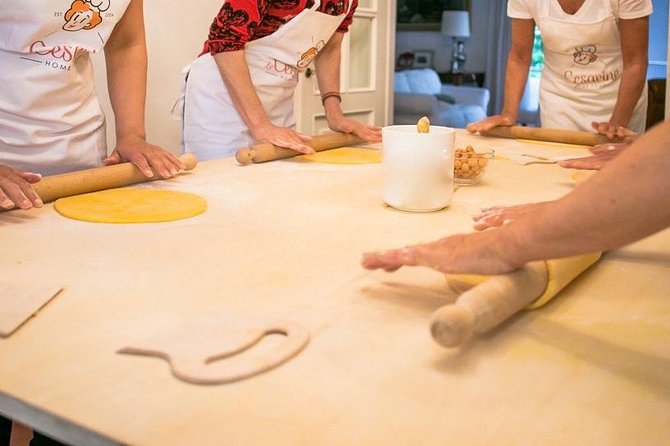
The heart of the class is the pasta lesson. You should expect to work with the dough yourself, rather than simply observe a demonstration. The host guides you through mixing, handling, shaping, and preparing the pasta for cooking.
The precise shapes vary. Tagliatelle and tortellini appeared in one class, while other sessions worked with gnocchi and orecchiette. Another included tagliatelle with advice on how to prepare and dry it. The official format promises two pasta dishes, but the specific recipes depend on your Cesarine host.
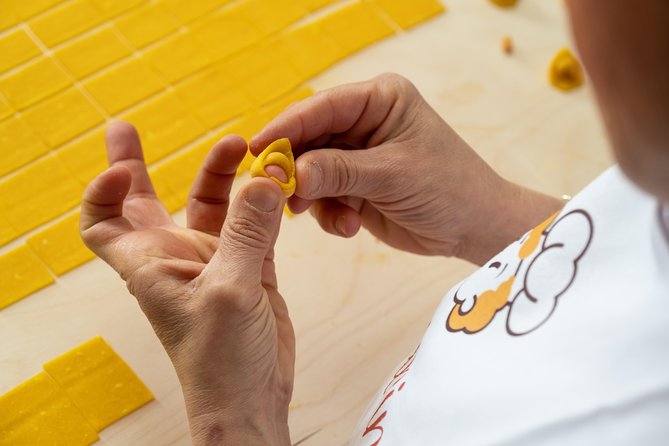
That variety is useful. Tagliatelle can teach you about rolling and cutting long pasta. Tortellini adds the challenge of filling and shaping small pieces. Orecchiette calls for a different hand movement, and gnocchi teaches you how to handle a softer mixture. You might leave with skills that go beyond the exact meal served that day.
I especially like the practical nature of the instruction described by participants. Cristina was praised for teaching technique, shortcuts, and careful handling of ingredients and tools. That is the sort of advice you can use at home. A good pasta class should not only help you produce dinner once. It should help you understand what the dough should feel like and how to avoid common mistakes.
The classes also appear suitable for different skill levels. One host adjusted the lesson to match the group’s abilities. You do not need to arrive as an experienced cook, though you should come ready to participate. The more willing you are to touch the dough and try the shaping yourself, the more value you will get.
Tiramisu brings the lesson to a sweet finish
Tiramisu is the second major part of the class. It is a familiar Italian dessert, but making it at home can be more instructive than simply ordering it at a restaurant.
You will prepare the dessert with your host’s guidance, then serve it after the pasta meal. The timing makes sense: the tiramisu can rest while you work on the pasta, giving the finished dessert time to come together before the final course.
I would not book this class only for tiramisu, but it is an important part of the value. You leave with a second recipe that is easier to recreate than many elaborate Italian dishes. The combination of fresh pasta and tiramisu also gives the three hours a clear shape: savory preparation, shared meal, then dessert.
The class is hands-on, but the host remains central. You are learning a family approach, not receiving a fixed culinary-school formula. That can mean small variations in ingredients and method. Take notes if you want to repeat the dish later, especially if the host explains a shortcut or a way to judge texture by feel.
Still Bologna, but a slower afternoon:
- Bologna: City Center Walking Tour
★ 4.5 · 3,478 reviews - Bologna Food & Market Tour with 6 Tastings, Pasta, Wines & More
★ 5.0 · 1,328 reviews - Bologna Food Experience: Factory tours & Family-Style Lunch
★ 5.0 · 1,201 reviews - Bologna: Walking Food Tour with a Local Guide
★ 4.8 · 882 reviews
Sitting down to eat what you made
The meal is where the class pays off. After the work, you sit down and eat the pasta you helped prepare. That simple reward makes the lesson feel complete.
The best sessions seem to stretch beyond cooking into conversation. Annamaria and Francesco were praised for making participants feel like family, while Silvia, Marco, and Andrea shared food, travel stories, music, and laughter during the meal. Another host and her husband kept the conversation going and extended the time so everyone could enjoy the food together.
This social side may be the biggest reason to choose a home class instead of a standard cooking workshop. You are not only learning how to shape pasta. You are seeing how food creates a reason for people to sit together. The meal gives you a natural chance to ask about Bologna, Italian cooking habits, and the host’s family traditions.
There is one tradeoff. If you want a tightly timed lesson with a formal history of every dish, the home format may feel loose. One participant hoped for more historical background and found the advertised food did not match the meal prepared. I would treat this class as a personal cooking visit first, and a formal food-history lecture second.
Group size, language, and the host you receive
The advertised maximum is 12 people, which is small compared with many food tours. In practice, some sessions have been even smaller. A group of four or five can feel almost private, with more direct help from the host and more time to ask questions.
If your group is larger, the experience may feel less intimate. Pasta making requires counter space and close instruction, so group size matters more here than it would on a walking tour. If you want the most personal version, booking early may help. The class is booked about 40 days ahead on average.
The activity is offered in English, but the actual language experience may depend on the host. Many hosts have taught clearly in English. One session used an interpreter because the host spoke Italian, and the interpreter was described as helpful. If language support is especially important to you, confirm the arrangement before you commit.
You cannot select a particular host as part of the standard information provided, but names from past sessions include Maurizio, Roberta, Paola, Rosa, Oriana, Federica, Cristina, Giovanna, and Annamaria. The host can shape the evening as much as the recipe does. Some are energetic teachers. Others focus more on family conversation and hospitality.
Dietary needs deserve early attention
The class can sometimes handle dietary restrictions, but you should not leave this to chance. Annamaria adapted the menu for a vegetarian participant with onion, garlic, and lactose restrictions, including lactose-free products. That is encouraging.
At the same time, another participant said a dietary note had not reached the host. These two experiences point to a practical rule: state your needs clearly at booking, then confirm them directly before the class if possible. Do not assume that a note attached to a reservation has been discussed in the kitchen.
The same advice applies to allergies. The supplied details do not promise a dedicated allergy-free menu, so ask what can be changed before paying. A private-home cooking lesson has more flexibility than a fixed group meal, but the host needs notice and accurate information.
Price, timing, and practical value
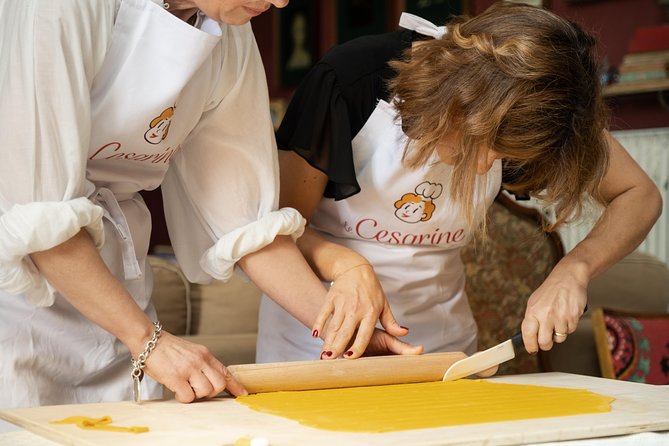
At $163.33 per person, this is not the cheapest way to eat pasta in Bologna. It is also more than a simple demonstration or a restaurant meal. The price covers about three hours, hands-on instruction, the food you prepare, tiramisu, and the personal setting of a local home.
I think the value is strongest if you want several things at once: a meal, a cooking lesson, and a cultural visit. A restaurant can give you excellent pasta, but it cannot give you the process. A standard class can teach technique, but it may not offer the same family setting and conversation.
The price is less compelling if you mainly want to eat or if you dislike group cooking. You will spend time handling ingredients, waiting for others, and following the pace of the host. This is an activity for participation, not a quick meal between sights.
The class lasts about three hours and begins and ends in the Bologna meeting area. It is near public transportation, but the exact home address is not included in the general description. Some sessions have taken place outside central Bologna, and one host helped arrange transportation from Bologna to her home. Check the final meeting details carefully, especially if your schedule is tight.
A mobile ticket is provided, and confirmation arrives at booking. Free cancellation is available up to 24 hours before the start time. Changes or cancellations inside that window are not accepted for a refund, and the class can be canceled if the minimum number of participants is not reached.
Who will enjoy this class most?
I would recommend it to couples, families, solo visitors who like meeting people, and small groups of friends. It is especially good for anyone who wants a souvenir they can use: the ability to make fresh pasta and tiramisu at home.
It also suits mixed-age groups, as long as everyone can take part in a kitchen setting. The hands-on work gives children and adults something to do, though the supplied details do not specify a minimum age.
Food lovers will get the most from the session, but you do not need advanced cooking skills. Come curious, ready to work, and prepared for a meal that may be larger than expected.
I would be more cautious if you need a fixed menu, strict timing, formal culinary instruction, or guaranteed historical background. The experience depends on the person welcoming you. That personal touch is its strength, but it also creates variation.
Should you book the Cesarine class?
Yes, if you want a warm, social introduction to Bolognese food and prefer making dinner to simply ordering it. The high rating, 4.9 out of 5 from 172 ratings, reflects what this format does best: friendly hosts, useful pasta instruction, generous food, and a meal shared in a real home.
Book it with realistic expectations. You may learn tagliatelle, tortellini, gnocchi, or orecchiette rather than one fixed menu. Confirm dietary needs, check the exact meeting address, and allow enough time for a relaxed meal. If possible, choose a smaller session.
For me, the strongest reason to book is not just the pasta. It is the chance to leave Bologna with a recipe, a full stomach, and a clearer sense of how food fits into an Italian home.
FAQ
How long does the Cesarine pasta and tiramisu class last?
The class lasts approximately three hours.
What food will I make?
The experience includes two pasta dishes and tiramisu. The exact pasta shapes and recipes may vary by host. Past sessions have included tagliatelle, tortellini, gnocchi, and orecchiette.
Is the class taught in English?
The experience is offered in English. The actual host may speak Italian, and one past session used an interpreter.
Where does the class begin and end?
It starts in Bologna, in the Metropolitan City of Bologna, and ends back at the meeting point. The exact home location is provided with the booking details.
How many people can join the class?
The maximum group size is 12 participants. Some past sessions have had only four or five people.
Can I cancel for a full refund?
Yes. You can cancel at least 24 hours before the local start time for a full refund. Cancellations or changes made less than 24 hours before the start time are not accepted for a refund.
Recently added around Bologna
- Stay Hungry Stay Bologna★ 4.0 · 170 reviews
- Bologna Private Highlights & Hidden Gems Tour with a Local★ 5.0 · 359 reviews
- Bologna gastronomic experience with a local★ 5.0 · 626 reviews
- Ferrari Lamborghini Pagani Factories and Museums – Tour from Bologna★ 5.0 · 171 reviews
- Bologna on the plate, Cooking Class with Alessia★ 5.0 · 260 reviews
- Bologna Private Food Tour with 6 or 10 Tastings★ 4.5 · 344 reviews
- Bologna: Full meal Food Tour with Local Delights by Do Eat Better★ 5.0 · 541 reviews
- Bologna Food Tour by Taste Bologna: Intimate Group (Max 10)★ 5.0 · 424 reviews
Cooking Classes, compared.
3 in 1 Cooking Class near Navona: Fettuccine, Ravioli & Tiramisu
Read our review →
Florence Pizza or Pasta Class with Gelato Making at a Tuscan Farm
Read our review →
Pasta & Tiramisu Cooking Class with Unlimited Wine
Read our review →
Pizza-Making Workshop with Drink and Appetizer
Read our review →
Pasta & Tiramisu Class with Fine Wine by the Vatican
Read our review →
Cooking Class and Lunch at a Tuscan Farmhouse with Local Market Tour from Florence
Read our review →Browse the lists this tour appears in