
Reviewed · COOKING CLASSES
Bologna Local Pasta Cooking Class, Ragu, Spritz, Wine & Gelato
Pasta tastes better when you make it. This three-hour Bologna cooking class gives you a hands-on lesson in tagliatelle, a generous meal, local drinks, and a friendly table shared with new people. I especially like the simple, practical dough lesson and the chance to make a Casoni spritz, a regional drink rather than another international cocktail. The main consideration is that the ragù is prepared ahead of time, so you learn the pasta rather than the complete sauce.
I also like the relaxed pace and clear focus on food from Emilia-Romagna. Instructors including Sonia, Stella, Stefania, Claudia, Valentina, and others have been praised for making beginners feel at ease, while experienced home cooks still pick up useful tips. Dietary restrictions need advance notice, and the class may not suit people with severe allergies.
In This Review
- Key points at a glance
- Why this Bologna class works
- Meeting in Bologna’s old town
- The opening aperitivo: Pignoletto, mortadella, and Crescenta
- Making a Casoni spritz
- Mixing eggs and flour by hand
- Cutting tagliatelle for the ragù
- Sitting down to tagliatelle al ragù
- Coffee, amaro, and mystery gelato
- The teaching style and group atmosphere
- Dietary needs and practical limits
- Who should book this pasta class?
- Is $59.26 good value?
- Should you book it?
- FAQ
- How long does the Bologna pasta class last?
- Where does the class begin?
- Where does the experience end?
- What type of pasta do you make?
- Is the ragù made during the class?
- What drinks are included?
- What food is served with the pasta?
- Is gelato included?
- Can the class accommodate dietary restrictions?
- Can children take part?
- How many people can join the class?
- Is the class offered in English?
- Can I cancel for a full refund?
- Will I receive the recipes?
Key points at a glance
- Hand-rolled tagliatelle: You mix only eggs and flour, then roll and cut the dough by hand.
- Bolognese aperitivo: Start with Mortadella, Crescenta, Piadina, Pignoletto wine, and a locally styled spritz.
- Casoni spritz lesson: Learn a cocktail based on Emilia-Romagna herbs and recipes, with a regional character.
- Fresh pasta lunch: Eat your tagliatelle with homemade ragù, Parmigiano Reggiano aged 24 months, and San Giovese red wine.
- Sociable group setting: The class is designed for a small group, with a stated maximum of 13 participants.
- Useful take-home skill: Recipes are available as PDF files by email, and some sessions may leave you with extra pasta to cook later.
Why this Bologna class works
Bologna is one of Italy’s best places to take a pasta lesson. This is the home of tagliatelle al ragù, mortadella, Parmigiano Reggiano, and many of the foods that visitors casually label as Italian, even though they belong to very specific local traditions.
I like that the class does not try to teach an entire Italian cookbook in one afternoon. You concentrate on one important pasta shape, one classic sauce, and a few local drinks. That focus gives you time to understand what your hands are doing instead of racing through a long list of recipes.
The social side matters, too. You cook at shared tables, talk over an aperitivo, and sit down to eat what you made. It suits solo visitors, couples, friends, and families who want a meal that feels more personal than another restaurant reservation.
The experience is listed at $59.26 per person. For about three hours, that includes instruction, ingredients, a starter, pasta, ragù, several drinks, coffee, amaro, and gelato. I consider that a fair price, especially because the drinks are part of the lesson and not just an optional purchase.
More Cooking Classes in Bologna
- Pastamama, Home Cooking Classes at Grace’s Home
★ 5.0 · 521 reviews - Bologna: Pasta and Tiramisu Cooking Class with Wine
★ 4.7 · 507 reviews - Bologna: Pasta and Tiramisu Small Group Cooking Class with Wine
★ 5.0 · 409 reviews
Meeting in Bologna’s old town
The class begins at Piazza Galileo Galilei, at P.za Galileo Galilei, 40123 Bologna BO. It ends at the same meeting point, which makes planning simple.
The location is near public transportation, and the central setting is useful if you are fitting the class between sightseeing stops. Allow yourself enough time to arrive without rushing. Cooking classes are not forgiving if you arrive after the dough demonstration has begun.
The cooking room has been described as well laid out and comfortable for group instruction. The precise group size can vary, but the experience is promoted as intimate, with some sessions limited to 10 people and a maximum capacity of 13. That distinction matters. A group of four to eight gives you more direct help at the worktable, while a full group of 13 may feel more like a shared workshop.
The opening aperitivo: Pignoletto, mortadella, and Crescenta
The first part is not just a quick introduction. You begin with a local aperitivo built around Pignoletto wine, Mortadella, Crescenta, and Piadina.
Pignoletto is a regional white wine that sets the tone for the meal. Mortadella is Bologna’s famous silky pork sausage, and Crescenta and Piadina provide the bread element. Together, these foods give you a quick lesson in local eating: simple ingredients, careful preparation, and plenty of time around the table.
This opening is also where the group starts talking. That can be helpful if you arrive alone or are attending with people who have different cooking backgrounds. The class is built around conversation, not silent work at separate stations.
I would not expect a formal lecture on the complete food history of Bologna. Instead, you get useful context while eating and preparing the meal. That informal approach is one reason the class appeals to beginners.
Making a Casoni spritz
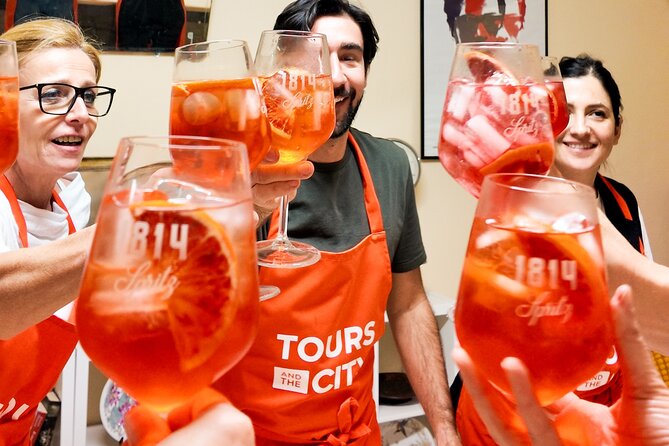
Many Italian cooking classes include an Aperol Spritz. This one adds a regional angle with the Casoni spritz, made from local herbs and recipes.
The point is not simply to pour a drink into a glass. You learn how this local version differs from the familiar international brands. One session also included a comparison between Campari and Aperol Spritz, which gives you a practical way to understand how bitter flavors change a cocktail.
The spritz lesson fits well into the pasta work. You sip while mixing and rolling, so the drink becomes part of the social rhythm rather than a separate bar demonstration. Wine is also served, so pace yourself. The class includes several alcoholic drinks, and the afternoon or evening can become more generous than expected.
If you do not drink alcohol, check the arrangements before booking. The supplied information explains the alcoholic menu clearly but does not specify nonalcoholic substitutes.
Still Bologna, but a slower afternoon:
- Bologna: City Center Walking Tour
★ 4.5 · 3,478 reviews - Bologna Food & Market Tour with 6 Tastings, Pasta, Wines & More
★ 5.0 · 1,328 reviews - Bologna Food Experience: Factory tours & Family-Style Lunch
★ 5.0 · 1,201 reviews - Bologna: Walking Food Tour with a Local Guide
★ 4.8 · 882 reviews
Mixing eggs and flour by hand
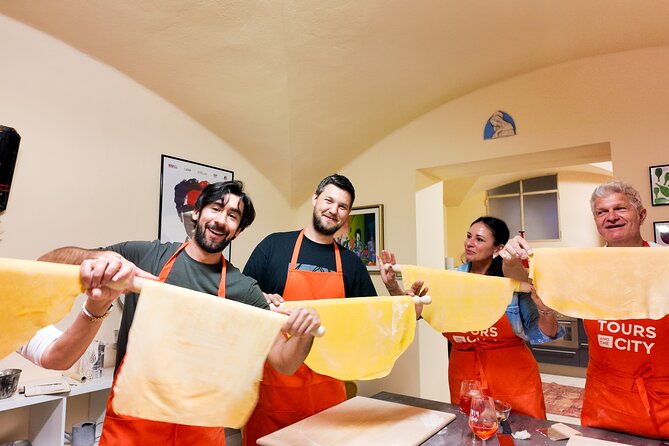
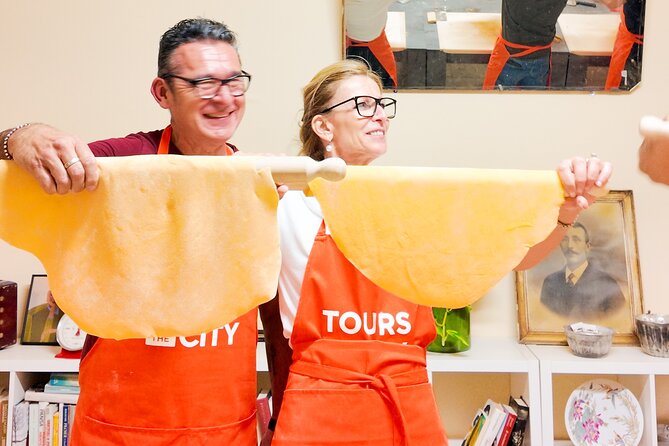
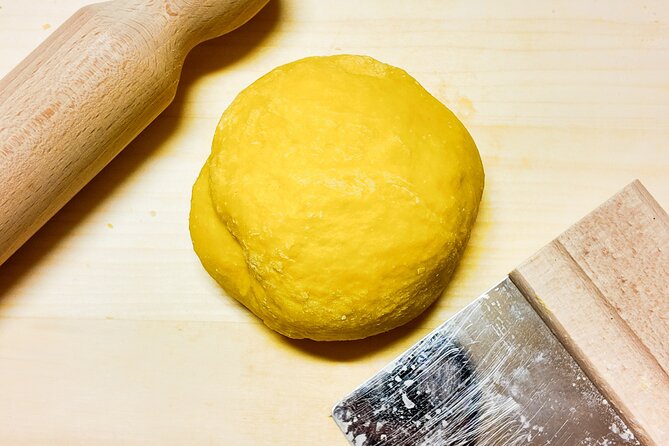
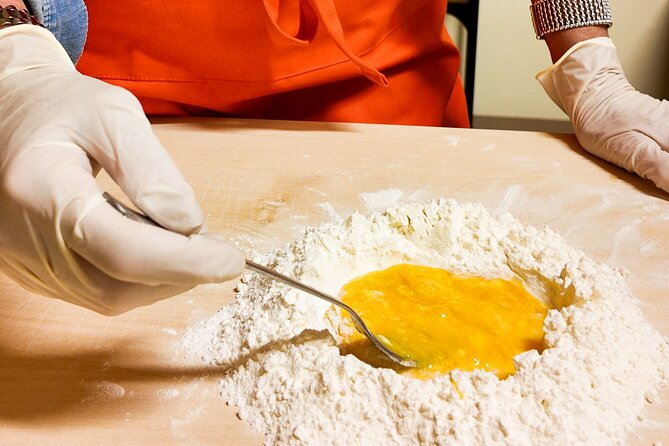
The central lesson starts with two basic ingredients: eggs and flour. There are no pasta machines. Your hands and rolling pin do the work.
This is the part I find most valuable for home cooks. Machines can make pasta look easy, but hand rolling teaches you how the dough should feel. You learn to mix it, work it, roll it thin, and judge when it is ready to cut.
The instructors demonstrate each stage and then help you at your own work surface. Names connected with past sessions include Roberta, Lucrezia, Sonia, Stella, Stefania, Claudia, Valentina, and Beatrice. The teaching team can vary, but the repeated strength is the patient, encouraging style.
You do not need prior experience. Several participants have arrived as complete beginners and still produced pasta they could eat with confidence. At the same time, an experienced amateur pasta maker can learn small improvements in texture, rolling, or cutting.
The hands-on method can get messy. Flour may end up on the table and possibly on your clothes. Wear something comfortable and practical rather than your best dinner outfit.
Cutting tagliatelle for the ragù
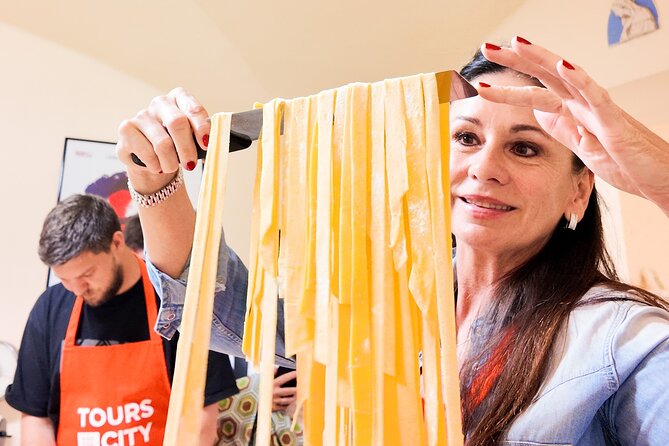
Once the dough is rolled, you cut it into tagliatelle. This is the shape traditionally paired with Bolognese ragù, rather than spaghetti.
That distinction is worth learning in Bologna. The sauce is thick and substantial, so a broad, fresh noodle holds it well. You are not just making a generic pasta dish. You are practicing one of the city’s most recognizable combinations.
The ragù itself is homemade, but its preparation is not included because the class lasts only about three hours. This is the clearest limitation of the experience. If you want to learn how to slowly build the sauce from raw ingredients, choose a class that gives ragù its own cooking session.
Still, having the sauce ready means you can spend more time on the pasta. You also avoid turning the class into a rushed race between dough, sauce, drinks, and dessert. I see this as a reasonable tradeoff, as long as you know what you are booking.
Sitting down to tagliatelle al ragù
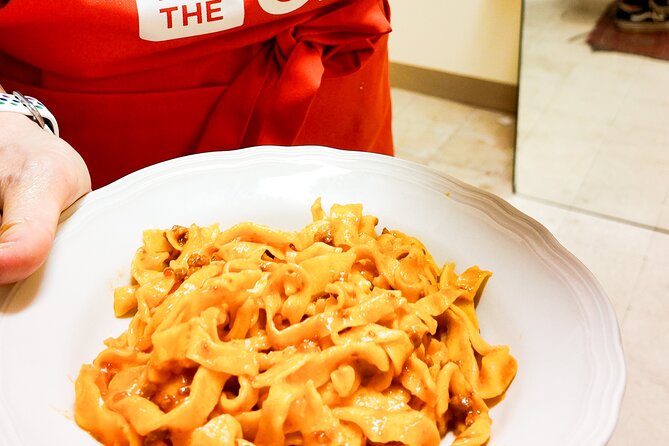
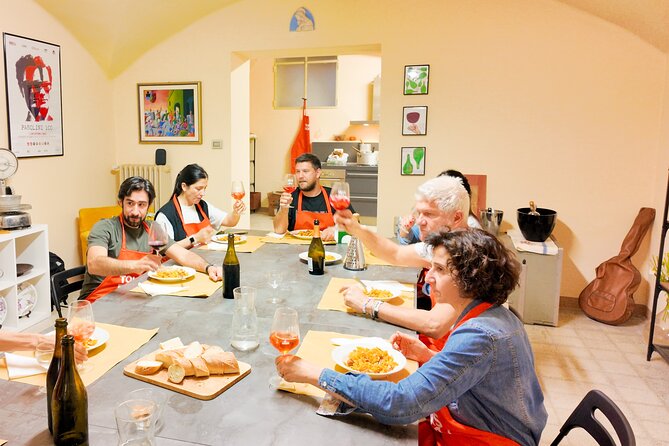
After the pasta dries briefly, you cook it together and combine it with the prepared ragù. The dish is finished with Parmigiano Reggiano aged for 24 months.
This is the payoff, but it is also part of the lesson. Fresh pasta cooks differently from dried pasta, and the texture is best when you eat it soon after preparation. The meal lets you taste the effect of your rolling and cutting work while the process is still fresh in your mind.
San Giovese red wine accompanies the main course. The menu is generous for the price, and the shared meal gives you a chance to compare results and talk about the cooking. Some sessions have also provided extra pasta to take home, though you should not assume that every class will include leftovers.
The meal is designed for adults, but children are welcome. That said, children are expected to take part in an adult-style menu and cooking session. Families should consider the child’s patience with a three-hour activity before reserving.
Coffee, amaro, and mystery gelato
The final course follows the Italian pattern of finishing with coffee and a small digestif. You receive local coffee, amaro, and a mystery gelato.
The mystery element keeps dessert light and playful. One particularly memorable finish included gelato with aged balsamic vinegar from Modena, though that specific topping is not guaranteed. The class menu simply promises mystery gelato, coffee, and amaro.
This ending helps the class feel like a complete meal rather than a technical workshop. You have cooked, eaten, and lingered at the table. If you are booking an evening session, it can serve as dinner. If you attend earlier, leave room in your schedule afterward because the full experience takes around three hours.
The teaching style and group atmosphere
The strongest feature here is the instruction. Past sessions have been led by pairs of teachers, and the format allows one person to demonstrate while the other moves around the table to help.
That matters when you are rolling dough for the first time. A written recipe cannot tell you everything about how soft the dough should feel or how thin the sheet should become. Direct help prevents frustration and keeps the mood relaxed.
The teachers are also a source of local advice. Participants have received suggestions for bars and pubs, including places for New Year’s Eve. That is a useful bonus, though the main purpose remains cooking.
The social atmosphere is a major reason to choose this class. You share appetizers, drinks, the work itself, and the finished meal. It works especially well for couples and solo visitors who enjoy meeting people, but it may be less appealing if you prefer a quiet, private lesson.
Dietary needs and practical limits
Gluten-free pasta and vegetarian sauces can be accommodated, but you must provide the information in advance. The class may not be suitable for severe allergies or strict dietary requirements.
That warning is important because the menu includes wheat, eggs, dairy, meat, wine, bitters, and other ingredients. Do not rely on a last-minute request at the door. Contact the provider before booking so you can confirm whether the kitchen can meet your needs.
The experience is offered in English. Confirmation is provided at booking, and the ticket is mobile, so you do not need to print a voucher.
Free cancellation is available if you cancel at least 24 hours before the start time. Changes or cancellations inside that window are not accepted for a refund, and the cut-off follows Bologna local time.
Who should book this pasta class?
I would choose this experience if you want to learn a real Italian kitchen skill and eat a full meal afterward. It is especially suitable for:
- First-time pasta makers who want patient guidance
- Couples looking for a shared activity beyond sightseeing
- Solo visitors who enjoy a communal table
- Families with children who can manage an adult-oriented three-hour class
- Home cooks who want to improve hand-rolled pasta
- Food-focused visitors who want local drinks with their meal
I would think twice if your top priority is learning ragù from start to finish. The sauce is homemade, but it is prepared before the class. I would also check carefully before booking if you have serious allergies, strict dietary rules, or do not drink alcohol.
Is $59.26 good value?
At $59.26, the class offers more than a short demonstration. You receive hands-on instruction, ingredients, an aperitivo, Casoni spritz, wine, a full pasta dish, coffee, amaro, and gelato.
The value improves if you use the recipes at home. The point is not just one meal in Bologna. You learn a repeatable dough method using eggs and flour, then receive the recipes by email PDF upon request.
The price also covers the social setting and the teaching time. A restaurant meal would give you food without the skill, while a private cooking lesson would often cost more. The compromise is the group format and the prepared ragù.
Should you book it?
Book this class if you want to cook, drink, and eat with other people in a relaxed Bolognese setting. The strongest reasons are the hand-rolled tagliatelle, warm instruction, regional spritz, and generous menu.
Skip it if you want a private lesson or a full ragù workshop. For most visitors, though, the balance is appealing: three hours, a practical skill, plenty of food, and a meal you helped create. Bologna already gives you wonderful dishes to eat. This class shows you how to make one.
FAQ
How long does the Bologna pasta class last?
The experience lasts approximately three hours.
Where does the class begin?
It begins at Piazza Galileo Galilei, P.za Galileo Galilei, 40123 Bologna BO, Italy.
Where does the experience end?
The activity ends back at the meeting point.
What type of pasta do you make?
You make tagliatelle by hand using eggs and flour.
Is the ragù made during the class?
No. The ragù is 100 percent homemade, but its preparation is not included because of the limited class time.
What drinks are included?
The menu includes Pignoletto, a Casoni spritz, San Giovese red wine, coffee, and amaro.
What food is served with the pasta?
The main course is handmade tagliatelle with homemade ragù and 24-month-aged Parmigiano Reggiano.
Is gelato included?
Yes. The experience includes mystery gelato as dessert.
Can the class accommodate dietary restrictions?
Gluten-free pasta and vegetarian sauces can be accommodated, but you must provide advance notice. The class may not suit people with severe allergies or strict dietary requirements.
Can children take part?
Children are welcome, but the menu and class are designed for adult participation.
How many people can join the class?
The experience is designed as a small-group activity. Some sessions are limited to 10 participants, with a stated maximum of 13 travelers.
Is the class offered in English?
Yes. The experience is offered in English.
Can I cancel for a full refund?
Yes, if you cancel at least 24 hours before the experience start time. Cancellations or changes made less than 24 hours beforehand are not accepted for a refund.
Will I receive the recipes?
Recipes can be sent by email as PDF files upon request.
Recently added around Bologna
- Stay Hungry Stay Bologna★ 4.0 · 170 reviews
- Bologna Private Highlights & Hidden Gems Tour with a Local★ 5.0 · 359 reviews
- Cesarine: Small group Pasta and Tiramisu class in Bologna★ 5.0 · 172 reviews
- Bologna gastronomic experience with a local★ 5.0 · 626 reviews
- Ferrari Lamborghini Pagani Factories and Museums – Tour from Bologna★ 5.0 · 171 reviews
- Bologna on the plate, Cooking Class with Alessia★ 5.0 · 260 reviews
- Bologna Private Food Tour with 6 or 10 Tastings★ 4.5 · 344 reviews
- Bologna: Full meal Food Tour with Local Delights by Do Eat Better★ 5.0 · 541 reviews
Cooking Classes, compared.
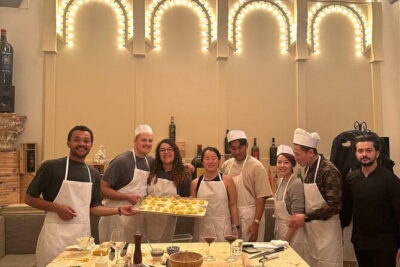
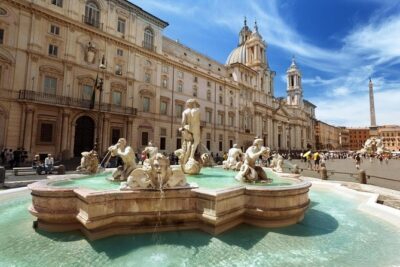
3 in 1 Cooking Class near Navona: Fettuccine, Ravioli & Tiramisu
Read our review →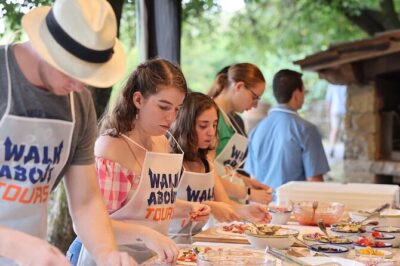
Florence Pizza or Pasta Class with Gelato Making at a Tuscan Farm
Read our review →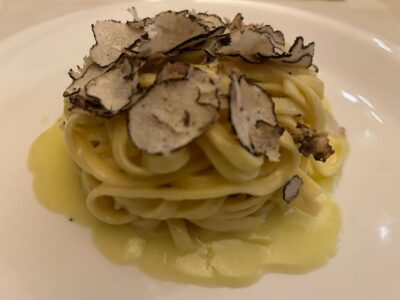
Pasta & Tiramisu Cooking Class with Unlimited Wine
Read our review →
Pizza-Making Workshop with Drink and Appetizer
Read our review →
Pasta & Tiramisu Class with Fine Wine by the Vatican
Read our review →
Cooking Class and Lunch at a Tuscan Farmhouse with Local Market Tour from Florence
Read our review →Browse the lists this tour appears in