
Reviewed · COOKING CLASSES
Bologna: Pasta and Tiramisu Cooking Class with Wine
Good food is Bologna’s best shortcut. This three-hour class puts you at a restaurant worktable to make fresh pasta and tiramisu, then sit down for the meal. I like the friendly English-speaking instructors, especially Luca, Al, Steven, and Peter, and I like that the class ends with food you helped prepare, not a token tasting. The main catch is that you do not usually cook the pasta yourself after shaping it, and the traditional recipes contain gluten, eggs, and dairy.
At $57 per person, this is a strong deal for Bologna. You get a glass of Prosecco, hands-on instruction, two prepared dishes, lunch or dinner, and a glass of wine. It is social rather than formal, so you should book it for a relaxed evening, not for a quiet chef-school lesson.
In This Review
- The Bologna cooking class at a glance
- Why this class fits Bologna so well
- Arrival, Prosecco, and the first kitchen lesson
- Making pasta dough from flour and eggs
- The restaurant cooks your pasta, then dinner begins
- What the instructors add to the experience
- Price, timing, and what you really receive
- Dietary restrictions and important limits
- Who should book this Bologna class?
- Should you book it?
- FAQ
- How long does the Bologna pasta and tiramisu class last?
- What food and drinks are included?
- Is the class taught in English?
- Do I cook the pasta after making it?
- Can people with dietary restrictions join?
- Can children join the activity?
The Bologna cooking class at a glance
- You make two classic dishes: Prepare tiramisu first, then learn pasta dough and shape two types of fresh pasta.
- You eat what you prepare: The restaurant cooks the pasta and serves it with sauces for a shared lunch or dinner.
- Prosecco starts the class: A welcome glass helps set a friendly tone before the aprons go on.
- The instructors make the difference: Luca, Al, Steven, and Peter are praised for clear teaching, humor, patience, and city tips.
- The class is central and convenient: You can reach the restaurant in central Bologna without arranging transport.
- The menu has limits: Substitutions may be possible, but the teaching centers on traditional recipes with gluten, eggs, and dairy.
Why this class fits Bologna so well
Bologna is one of Italy’s finest food cities, and pasta is not just a restaurant dish here. It is part of the local culture and daily life. A class gives you a closer look at that food tradition than simply ordering tagliatelle from a menu.
I like the setting in a working restaurant. You are not only following a cooking demonstration in a polished studio. You get a sense of how a local restaurant handles preparation, dough, sauces, and service. The setting also makes the final meal feel natural. You finish at a table with the people from your class, rather than rushing away after the last instruction.
The class is taught in English, and the instructors are used to beginners. That matters because fresh pasta looks easy until the dough becomes too dry, too sticky, or uneven. The teaching style appears relaxed and practical. Luca is described as funny and clear, while Al is praised for keeping the session moving and offering tips about coffee and food in Bologna. Steven is especially good for people who want extra explanation, and Peter brings plenty of energy to family groups and first-time cooks.
You do not need to arrive as a serious home cook. The class is built around participation, conversation, and basic techniques. You will get flour on your hands, make mistakes, and still end up with a meal.
More Cooking Classes in Bologna
- Bologna Local Pasta Cooking Class, Ragu, Spritz, Wine & Gelato
★ 5.0 · 527 reviews - Pastamama, Home Cooking Classes at Grace’s Home
★ 5.0 · 521 reviews - Bologna: Pasta and Tiramisu Small Group Cooking Class with Wine
★ 5.0 · 409 reviews
Arrival, Prosecco, and the first kitchen lesson
The experience begins with a welcome glass of Prosecco. This is a small detail, but it sets the mood well. You are meeting a group of strangers, standing in a restaurant kitchen, and possibly wondering if your pasta skills will embarrass you. A drink and a friendly introduction help break the ice.
After washing your hands and putting on an apron, you begin with tiramisu. That order makes sense. Tiramisu needs time to rest, so preparing it first allows the dessert to sit while you work on pasta.
The tiramisu lesson is not only about mixing ingredients. The instructor explains the dessert’s origins and the techniques behind a good result. You learn how the parts come together, then prepare your own version with guidance at each stage.
This first section is also the easiest part for nervous cooks. There is no long sheet of pasta to roll or cut yet. You can settle into the group, ask questions, and get used to the instructor’s pace.
The class is social from the beginning. Solo participants can join in without feeling stranded, and couples or families have a shared task rather than simply watching a demonstration. Several instructors also add food facts and local suggestions, which makes the session feel connected to Bologna instead of being a generic Italian cooking lesson.
Making pasta dough from flour and eggs
The main event is the pasta work. At your station, you learn how to make fresh dough step by step. The instructor explains the different kinds of flour and the difference between pasta fresca, or fresh pasta, and pasta secca, the dried pasta you buy in packets.
That short lesson has real value. You are not only copying hand movements. You begin to understand why the dough behaves differently depending on the flour, moisture, and handling. The instructor shows you how to bring the dough together, knead it, and work it until it reaches the right texture.
From there, you roll and cut the dough. The class may include two pasta shapes, such as tagliatelle and a stuffed pasta. One detailed account describes spinach and ricotta pasta along with tagliatelle, while other participants mention tagliatelle and fettuccine. The exact shapes can vary, but you should expect more than one pasta style.
This is where patience helps. Some people will cut neat ribbons right away. Others will produce pasta with a more personal shape. The instructors are used to helping beginners, and their repeated demonstrations are useful when your hands do not quite follow your eyes.
Steven receives particular praise for handling individual questions while keeping the whole group involved. Luca is also noted for clear, detailed explanations. That combination matters in a class like this. You need enough group instruction to keep the session on schedule, but you also need help at your own work surface.
The class does not appear designed to teach every pasta technique in Italian cuisine. It gives you a practical foundation: dough, flour, rolling, cutting, shaping, and the basic difference between fresh and dried pasta. That is enough to recreate the lesson at home without making the class feel like a professional training course.
The restaurant cooks your pasta, then dinner begins
One point deserves clear explanation. After you shape the pasta, the restaurant kitchen generally cooks it for you. You do not usually take your own pasta to a stove and manage the boiling water or sauce.
Some people will see this as a drawback. If your main goal is to learn cooking times, sauce preparation, or restaurant-style plating, you may want a more advanced class. You are learning the pasta-making craft here, not running the entire kitchen.
I see a practical upside. You can sit down with the group while the chefs handle the cooking. You also avoid a crowded group trying to manage several pots and burners at once. The meal arrives properly cooked, with sauces that show off the pasta you made.
Sauces have included tomato and burnt butter with sage. Those are simple choices, but they suit fresh pasta well. The point is to taste the dough and shape, not bury the work under a complicated sauce.
The meal is served as lunch or dinner, depending on the start time. A glass of wine comes with it, and the portions are described as generous. You should arrive hungry. The food, Prosecco, wine, pasta, and tiramisu add up to a substantial meal, so avoid booking another dinner afterward.
The shared table is part of the appeal. You may be seated with couples, families, and solo participants from several countries. The class creates conversation naturally because everyone has just made the same dishes. If you enjoy meeting people over food, this is one of the strongest reasons to choose it.
Still Bologna, but a slower afternoon:
- Bologna: City Center Walking Tour
★ 4.5 · 3,478 reviews - Bologna Food & Market Tour with 6 Tastings, Pasta, Wines & More
★ 5.0 · 1,328 reviews - Bologna Food Experience: Factory tours & Family-Style Lunch
★ 5.0 · 1,201 reviews - Bologna: Walking Food Tour with a Local Guide
★ 4.8 · 882 reviews
What the instructors add to the experience
The food matters, but the instructor shapes the whole evening. The strongest teaching style here is warm, funny, and hands-on rather than stiff.
Luca is repeatedly described as relaxed, humorous, and patient. He explains the steps clearly and makes beginners feel comfortable. Al is praised for excellent English, organization, and personal attention. He also shares suggestions for places to eat and drink coffee around Bologna, a useful bonus when you are still finding your way around the city.
Steven brings more food and city context into the class. He explains the techniques, answers questions, and adds facts about Bologna. Peter is a good fit for families and groups that want a lively session. His teaching style keeps people engaged while the meal and wine make the evening feel festive.
The instructor names and schedules can change, so you should not book based on one specific chef. The consistent feature is the teaching approach: clear demonstrations, plenty of encouragement, and a willingness to repeat a step when needed.
The class can also work well for solo visitors. A small class may feel quieter, while a full one creates more dinner-table energy. You cannot control the mix of people, but the shared meal gives everyone an easy way to connect.
Price, timing, and what you really receive
Three hours for $57 is good value in Bologna, especially because the price includes food and drinks. You are not paying only for a lesson. The package includes:
- A welcome glass of Prosecco
- The pasta and tiramisu class
- The meal you help prepare
- A glass of wine with the meal
- An English-speaking instructor
A restaurant meal alone can take a sizable part of that price, and a private cooking lesson would cost more. This class works best if you value the full evening, not just the recipes.
The three-hour duration is long enough to cover two dishes without making the session feel rushed. It also gives you time to eat together. The experience may run beyond the scheduled time if the group is enjoying itself, though you should not plan around an extension.
Starting times vary, so check the available option that fits your day. A midday session can work well between sightseeing stops. An evening class can replace dinner and gives you a relaxed way to finish your time in central Bologna.
The restaurant location is convenient, but pay attention when you arrive. One participant found that the booking information did not clearly name the restaurant, and the front staff were not immediately helpful. Since the class takes place inside a restaurant, make sure you have the exact address and look for the class contact or instructor if the entrance feels unclear.
Dietary restrictions and important limits
The traditional recipes use gluten, eggs, and dairy. The provider says substitutes are available for some food preferences and allergies, but the instructions focus on the standard recipes, and cross contamination cannot be ruled out.
There is also a confusing point in the information. Vegetarian options are supported, but the activity is marked as not suitable for vegans, people with food allergies, gluten intolerance, or lactose intolerance. Treat the restriction list as the safer guide.
If you have a dietary need, tell the provider when booking. Do not assume that a substitute makes the class safe for a severe allergy or strict medical diet. You will sample the dishes you prepare, so this is not an observation-only activity.
Vegetarians should find the class a comfortable fit. One account describes the full meal as vegetarian, and the pasta dishes mentioned include tomato sauce, butter and sage, and spinach with ricotta. Still, confirm your needs in advance.
Comfortable clothes are the only stated item to bring. An apron is provided for the work, but cooking can be messy, so avoid wearing something you would worry about staining.
Who should book this Bologna class?
I would recommend it most strongly to first-time pasta makers, couples, families with older children, and solo visitors who like meeting people. It is also a smart choice for a first visit to Bologna because you get food instruction, a local restaurant setting, and a proper meal in one booking.
Children under three are not suitable for the activity, and babies under one year are excluded. The class can work for families with older children. One family had two children join in successfully, with the instructor looking after them well.
You should choose another activity if you want a quiet, highly technical lesson or a private chef experience. This is a group class with wine, jokes, shared worktables, and a communal meal. Its success depends partly on the energy of the group.
It is also not ideal if you have firm plans immediately afterward. The meal is filling, and the class can be sociable enough to run past the planned three hours.
Should you book it?
Book this class if you want to make pasta with friendly guidance, eat a generous meal, and spend an evening with an international group. The Prosecco, wine, tiramisu, and two pasta styles make $57 feel fair, while the central location keeps the plan simple.
Skip it if you need strict allergy control, a vegan menu, or full instruction in cooking and saucemaking. For most visitors who want an easy, social introduction to Bologna’s food culture, this is a useful and enjoyable choice. Come hungry, wear comfortable clothes, and leave your next dinner reservation for another night.
FAQ
How long does the Bologna pasta and tiramisu class last?
The class lasts three hours. Start times vary, so check availability when booking.
What food and drinks are included?
You receive a welcome glass of Prosecco, instruction in pasta and tiramisu making, lunch or dinner, and a glass of wine with the meal.
Is the class taught in English?
Yes. The instructor language is English.
Do I cook the pasta after making it?
The pasta is generally cooked by the restaurant kitchen after you shape it. You then eat it with sauces as part of the shared meal.
Can people with dietary restrictions join?
Substitutions may be available, including vegetarian options, but the traditional lesson uses gluten, eggs, and dairy. Tell the provider about any allergies or food restrictions when booking. Cross contamination cannot be guaranteed.
Can children join the activity?
Children under three are not suitable, and babies under one year are excluded. Older children may be able to participate, but the activity information does not specify a minimum age beyond those restrictions.
Recently added around Bologna
- Stay Hungry Stay Bologna★ 4.0 · 170 reviews
- Bologna Private Highlights & Hidden Gems Tour with a Local★ 5.0 · 359 reviews
- Cesarine: Small group Pasta and Tiramisu class in Bologna★ 5.0 · 172 reviews
- Bologna gastronomic experience with a local★ 5.0 · 626 reviews
- Ferrari Lamborghini Pagani Factories and Museums – Tour from Bologna★ 5.0 · 171 reviews
- Bologna on the plate, Cooking Class with Alessia★ 5.0 · 260 reviews
- Bologna Private Food Tour with 6 or 10 Tastings★ 4.5 · 344 reviews
- Bologna: Full meal Food Tour with Local Delights by Do Eat Better★ 5.0 · 541 reviews
Cooking Classes, compared.
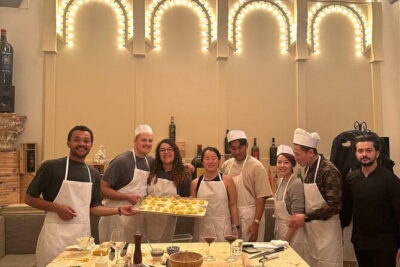
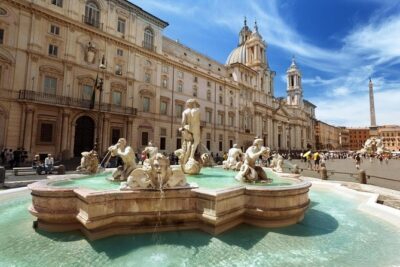
3 in 1 Cooking Class near Navona: Fettuccine, Ravioli & Tiramisu
Read our review →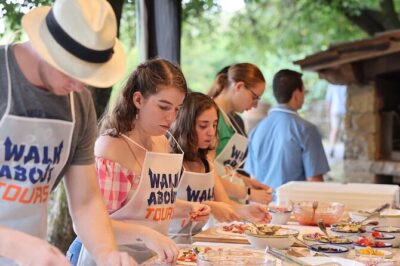
Florence Pizza or Pasta Class with Gelato Making at a Tuscan Farm
Read our review →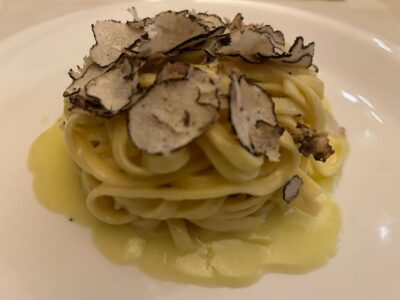
Pasta & Tiramisu Cooking Class with Unlimited Wine
Read our review →
Pizza-Making Workshop with Drink and Appetizer
Read our review →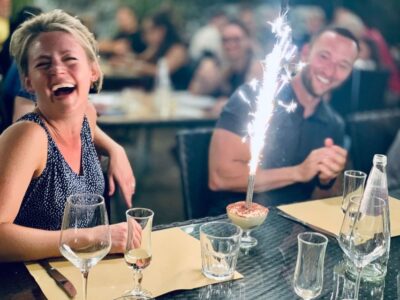
Pasta & Tiramisu Class with Fine Wine by the Vatican
Read our review →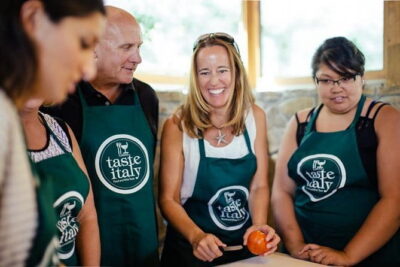
Cooking Class and Lunch at a Tuscan Farmhouse with Local Market Tour from Florence
Read our review →Browse the lists this tour appears in