
Reviewed · 2-HOUR EXPERIENCES
Trapani: 2-Hour Salt Flats Tour
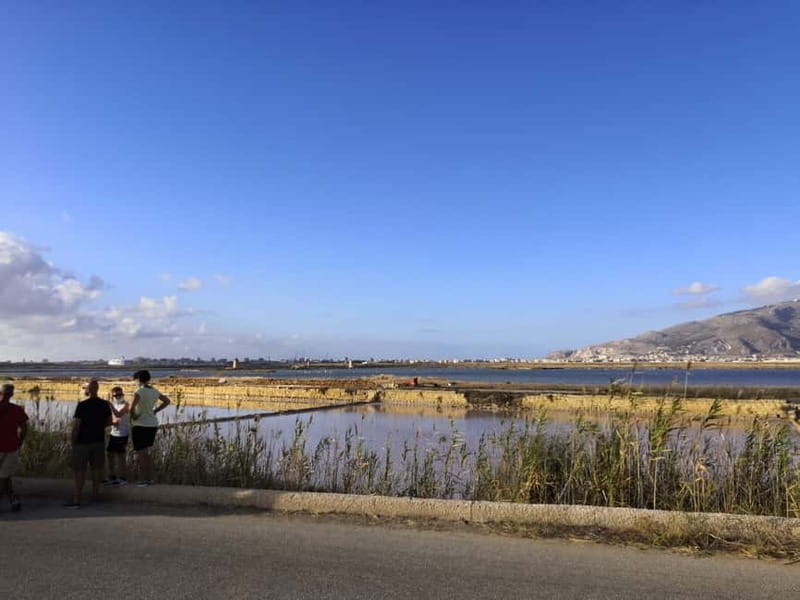
Salt has a surprisingly good story. This Trapani tour turns ordinary white crystals into a lesson in Sicilian tradition, nature, and local food, with Alessio’s lively guiding often adding extra warmth. I especially like the small group of no more than eight and the comfortable, air-conditioned van, which makes the scattered salt pans easy to reach. The main thing to watch is the wording: the experience is described as two hours of touring but lasts about three hours overall.
I also like the chance to see flamingos in the salt pools and finish with sunset reflections, if your starting time allows it. The drawback is that the tour may not involve a full stop at three separate salt pans, despite that description. One is sometimes viewed from the van, so set your expectations accordingly.
In This Review
- Key points to know before booking
- Why Trapani’s salt flats deserve your time
- Starting at Via Ammiraglio Staiti
- Seeing the salt pans around Trapani
- Inside the old mill and salt museum
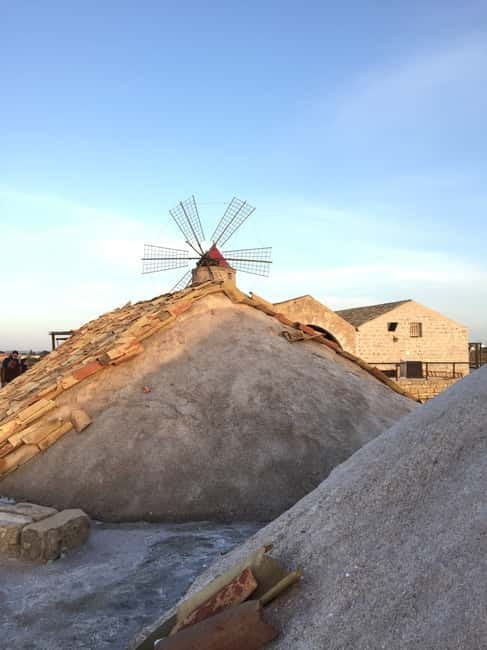
- Windmills, water, and the working tradition
- Flamingos and the bird-filled pools
- The viewpoint and the best light
- The flavored salt tasting
- How Alessio shapes the experience
- Is the $51.24 price fair?
- Who should book this salt flats tour?
- Practical details for a smoother visit
- Should you book the Trapani salt flats tour?
- FAQ
- How long does the Trapani salt flats tour last?
- Where does the tour begin and end?
- Is transportation included?
- What languages are available?
- Are flamingos guaranteed?
- Is the tour suitable for people with mobility impairments?
- Can I cancel the booking?
Key points to know before booking
- Alessio can make salt production genuinely interesting: His humor, clear English, and enthusiasm for Sicily are a major part of the experience.
- The salt museum occupies a renovated old mill: You see traditional tools, learn how salt was harvested, and taste flavored varieties.
- Flamingos are possible, not guaranteed: The salt pools attract migratory birds, but wildlife sightings depend on the day.
- Sunset is the best time for photographs: The low light reflects across the pools and gives the white salt a warm glow.
- The small group keeps the visit personal: With no more than eight participants, questions and conversation are easier.
- This is not a mobility-friendly outing: Expect walking along the edges of the pans, and bring comfortable shoes.
Why Trapani’s salt flats deserve your time
Trapani’s salt flats are more than a pretty stop for photographs. They show how Sicily’s coast, wind, sun, and human labor have worked together for centuries. Salt is made here through evaporation, and the flat pools are arranged so seawater can gradually lose its water and leave the salt behind.
That process is simple to describe but much easier to understand when you see the pans in person. The water shifts in color as it moves through different pools, and the windmills are a reminder that this was once a very hands-on industry.
I like this tour because it gives the area a human story. You are not simply driven to a viewpoint, handed a few facts, and sent back to town. You visit a family-owned salt pan, enter a museum inside an old mill, walk beside the pools, and taste the finished product.
The setting also has a quiet quality. There are no grand monuments here. Instead, you get wide views, birds, wind, water, and the steady geometry of the salt ponds. For a break from churches, ruins, and busy streets, it is a welcome change of pace.
A few more Trapani bookings to compare
- From Trapani: Cruise to Favignana and Levanzo with lunch
★ 4.2 · 2,286 reviews - Boat Tour Egadi Day discover Favignana and Levanzo from Trapani
★ 5.0 · 1,183 reviews - From Trapani: Favignana and Levanzo Mini Cruise with Lunch
★ 4.2 · 814 reviews
Starting at Via Ammiraglio Staiti
The tour begins at Via Ammiraglio Staiti, 101, close to the fire station in Trapani. The same place is used for the return, so you do not need to arrange separate transport at the end.
A short van ride of about 20 minutes takes you toward the salt flats. The air-conditioned vehicle matters in Sicily, especially during the warmer months. The van is also useful because the salt pans are spread across several points rather than being one compact attraction.
The group is limited to eight people. That is small enough for the guide to answer questions without shouting across a bus, and it avoids the stop-and-start feel of a large coach excursion. Several parts of the visit involve walking, so the small group also makes it easier to move at a comfortable pace.
You will need to meet at the stated point rather than expect hotel pickup. If you are staying elsewhere in Trapani, allow time to reach Via Ammiraglio Staiti on your own.
Seeing the salt pans around Trapani
The first guided portion takes place near Trapani, after a van ride and a short walk. This is where the tour begins to connect the town with the salt-making area.
You then continue toward Nubia, with another van ride of about 15 minutes. A guided visit and walk of roughly 15 minutes provide scenic views along the way. Nubia is one of the key places connected with the salt pans, and it is a good setting for understanding how the pools fit together.
The tour description refers to three salt pans, but the actual stops can be more limited. You may drive past one area while the guide identifies it, then stop at another salt pan and the museum. That is worth knowing if you are booking mainly for extended walks at three different sites.
Still, the value is not simply the number of ponds you visit. The guide’s explanation helps you read what you are seeing: the divisions between pools, the role of evaporation, the windmills, and the connection between the working pans and the surrounding bird habitat.
Inside the old mill and salt museum
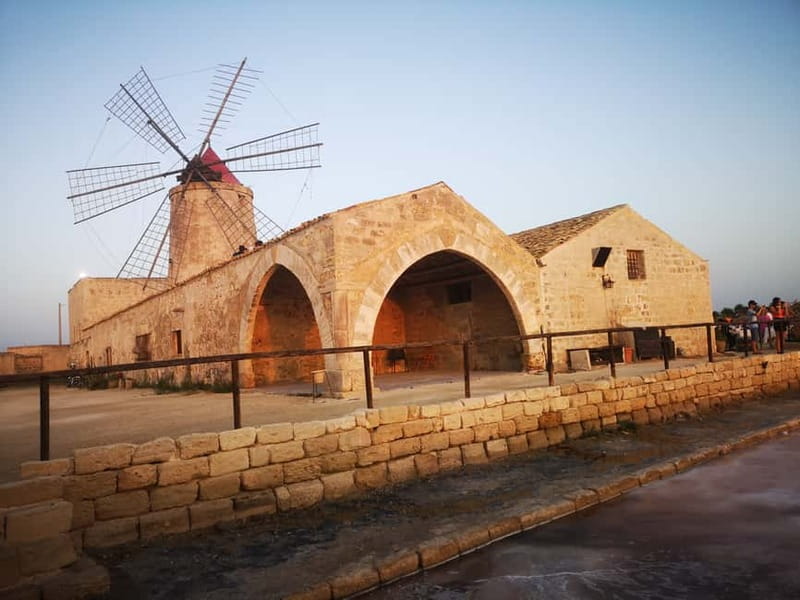
The salt museum is housed inside a renovated old mill. This gives the visit a strong sense of place, since the building itself is part of the story rather than a modern display room set apart from the salt pans.
Inside, you can see tools used in salt production and learn how the work was carried out. The tour is especially useful here because salt-making can look deceptively simple from a distance. A few white pools do not explain the labor, timing, or equipment involved.
The museum also adds context to the windmills you see outside. Instead of treating them as decorative photo props, the guide explains their practical role in moving water through the pans. This is the sort of detail that makes the rest of the visit easier to follow.
The pace is another plus. You have time for explanations, questions, and photographs rather than simply passing through. Families can benefit from this part because tasting salt and seeing the old tools give younger visitors something concrete to focus on.
Still Trapani, but a slower afternoon:
- Favignana and Levanzo, Egadi islands tour by boat from Trapani
★ 5.0 · 720 reviews - Boat tour to Egadi Favignana and Levanzo islands from Trapani
★ 5.0 · 614 reviews - Egadi Islands Tour: Favignana and Levanzo from Trapani
★ 5.0 · 607 reviews - From Trapani: Favignana and Levanzo Egadi Island Day Cruise
★ 4.8 · 477 reviews
Windmills, water, and the working tradition
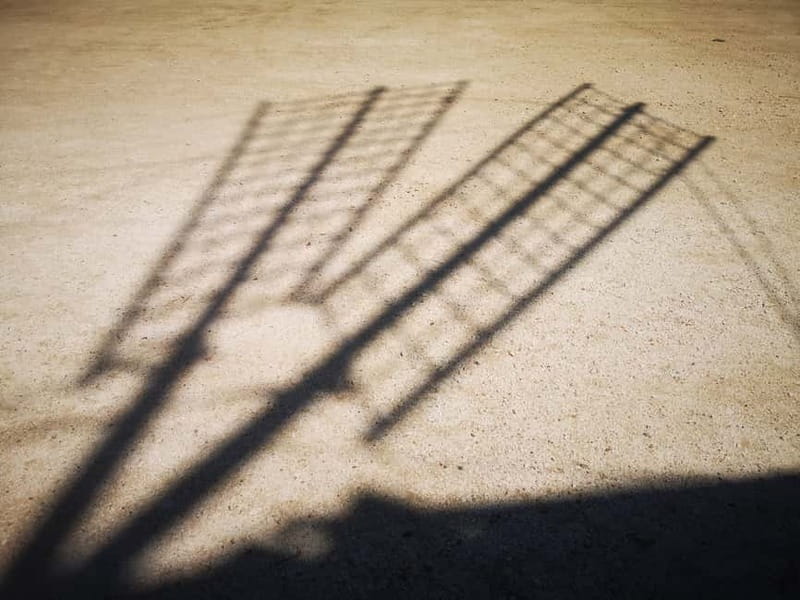
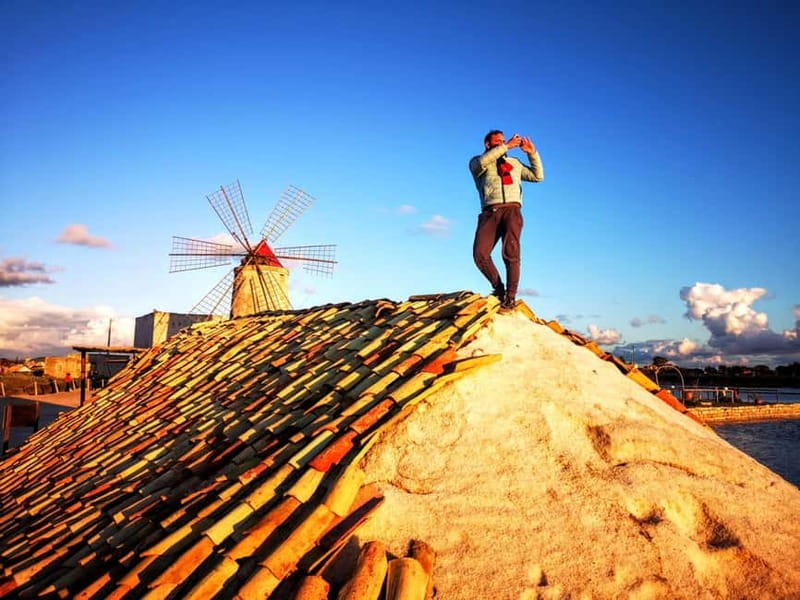
A stop at the windmills lasts about 30 minutes and includes a guided visit. These structures are among the most recognizable features of the Trapani salt flats, but the tour puts them into their working context.
The windmills are tied to the movement and management of water. Their presence shows that the salt pans depended on practical technology as much as on sun and wind. That combination of natural conditions and human planning is the central idea of the tour.
I would give this section your full attention before rushing off for photographs. The views are appealing, but the explanation is what separates this from a quick roadside stop. You begin to see the salt flats as an operating system, not just a series of bright pools.
The van makes the route manageable, although the experience is still built around walking and outdoor viewing. Bring comfortable shoes, and expect sun, wind, and open ground. The supplied information specifically notes that the tour is not suitable for people with mobility impairments.
Flamingos and the bird-filled pools
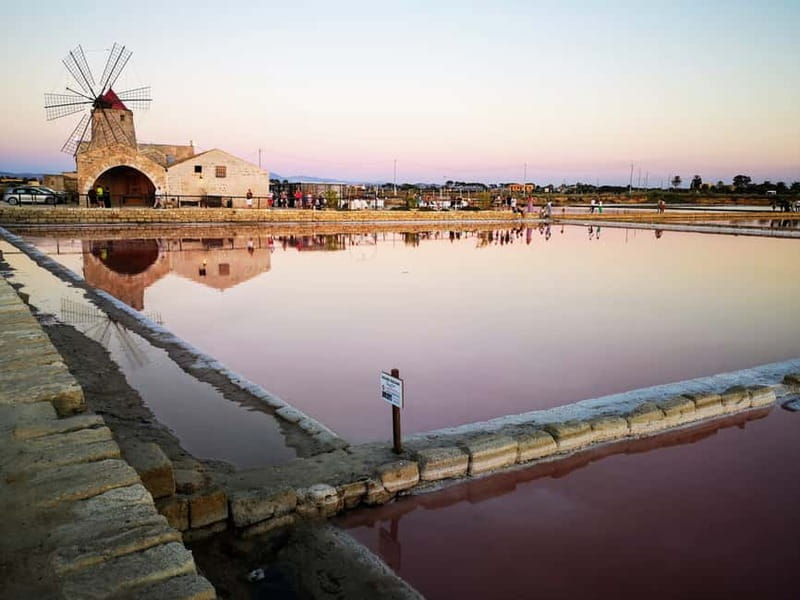
Flamingos are one of the tour’s biggest attractions. Migratory birds use the salt pools as a temporary home, and you may see flocks standing in or around the water.
The birds can change color over time, which gives the guide an interesting point to explain. Their presence also shows that the salt flats are not only an industrial site. They are a living habitat shaped by shallow water, salt, and seasonal movement.
Keep your expectations sensible. Flamingos are wildlife, not scheduled performers. You might see them clearly, or you might spot them at a distance. A camera with a useful zoom would help, although the tour information does not promise equipment or a dedicated bird-watching session.
The bird stop works best as part of the wider experience. You are not booking a specialist wildlife expedition. You are visiting a working salt area where flamingos and other birds may add an unexpected bonus.
The viewpoint and the best light
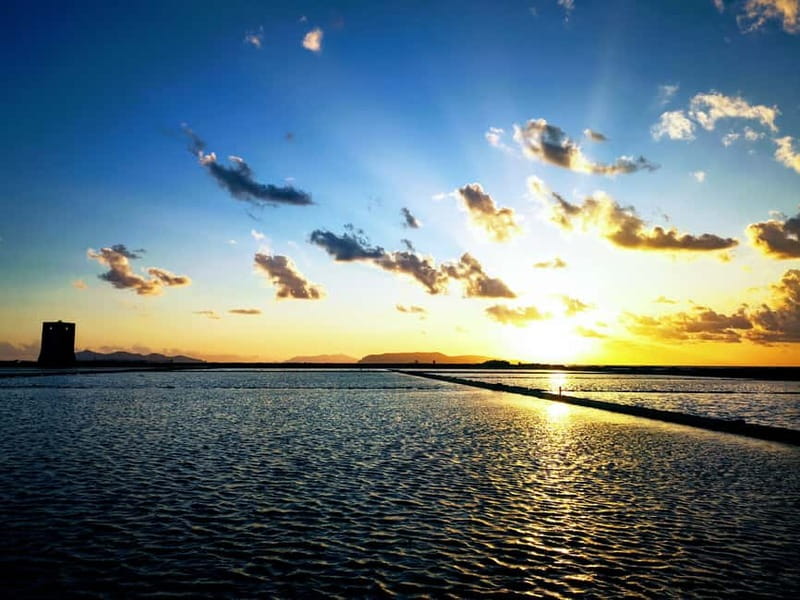
The viewpoint stop lasts about 15 minutes and is designed for photographs and scenic views. If you can choose a later departure, this is where the timing becomes especially valuable.
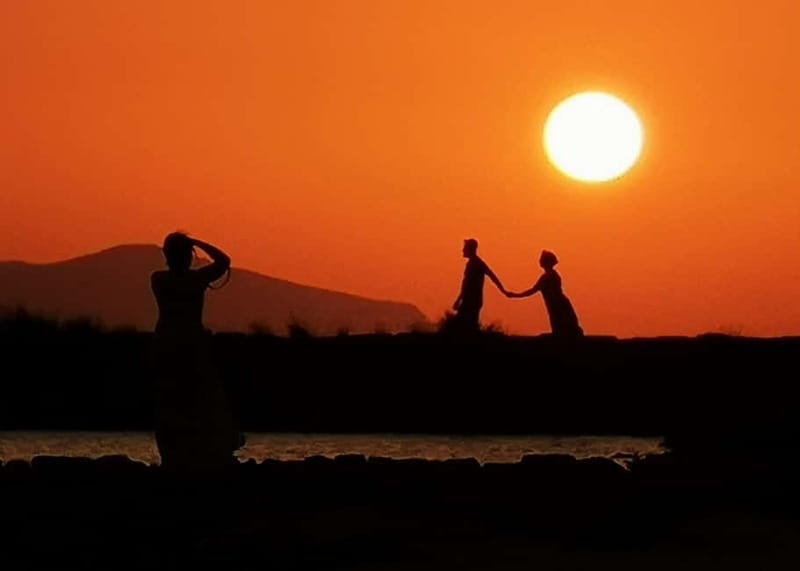
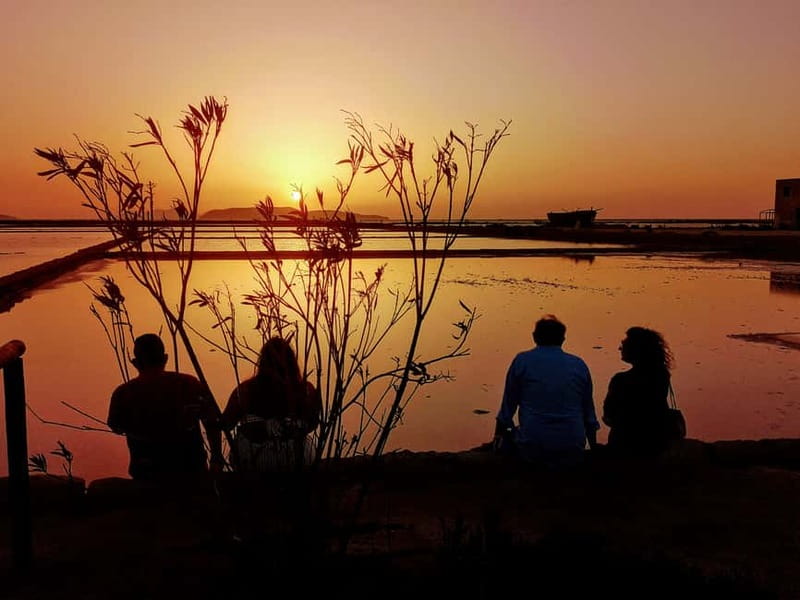
At sunset, the sun reflects across the salt pools and gives the water and white salt a softer, warmer look. The flat terrain lets the light stretch across the scene, creating photographs that are much more interesting than midday images of bright, reflective ponds.
Several visitors have had their departure delayed so the group could catch the sunset. That is not something you should assume will happen every time, but it shows how much the guide may care about getting the best view when conditions allow.
A sunset departure can also make the tour feel calmer. The heat eases, the light changes quickly, and the salt pans take on a different mood. Check the available starting times rather than assuming every departure is timed for sunset.
The flavored salt tasting
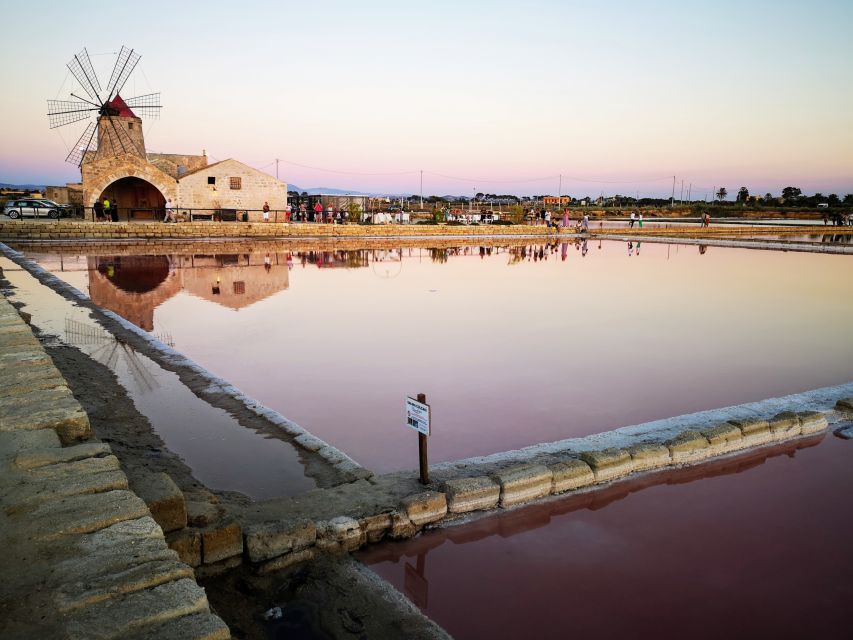
The food tasting is a small part of the tour, but it is a clever one. At the salt museum, and again at the final tasting stop, you get to sample flavored salt and think about the difference between a raw ingredient and a finished local product.
Salt is often treated as background seasoning. Here, you are encouraged to notice variations in flavor and balance. That makes the tasting useful for food lovers, especially if you enjoy learning how local products reach the table.
The final tasting stop, described as a short 10-minute visit, may include local Trapanese foods as well as salt. The exact food selection is not specified, so do not treat this as a full meal. Meals are not included, and the tasting should be viewed as a sample rather than dinner.
I like that the food element connects the industrial story to daily life. You see how salt is produced, then taste how it can be used. It is a modest finish, but a memorable one.
How Alessio shapes the experience
The guide can make or break a subject like salt production. Alessio receives particularly strong praise for his humor, clear English, regional knowledge, and enthusiasm.
He is described as passionate about salt, the local area, Sicilian history, and food. That broader knowledge matters because the tour does not feel sealed off from the rest of Sicily. You can ask about Trapani, nearby places, local products, or other sights, and the conversation may extend beyond the technical steps of harvesting salt.
His driving is also described as careful, and the van as clean and comfortable. That is useful information for anyone who is uneasy about road transfers or who simply wants a relaxed few hours.
Guide availability can change, so you should not assume Alessio will lead every departure. If you can select a guide or departure that identifies him, his style appears to be one of the tour’s strongest advantages.
Is the $51.24 price fair?
At $51.24 per person, this is not the cheapest way to see the salt flats, but the price covers more than a viewpoint. You receive round-trip van transport, a local guide, entry to the salt pans, entrance to the salt museum, and salt tasting.
The transport is important. Without a car, reaching the scattered pans and museum would be harder, and you would lose the explanations that connect each stop. The small group also gives the outing a more personal feel than a standard coach trip.
The value is strongest if you want interpretation rather than only photographs. If you already have a car and only want to stop briefly at a viewpoint, you may find the price harder to justify. If you want history, production details, bird sightings, a museum, and sunset views in one outing, the cost is more reasonable.
Meals, souvenirs, and hotel pickup are not included. Plan for your own food before or after the tour, and remember that you must reach the meeting point independently.
Who should book this salt flats tour?
I would recommend it to first-time visitors who want a gentle introduction to an unusual part of western Sicily. It suits people interested in food, traditional work, photography, birds, and local history.
Families can enjoy it because the van is comfortable and the tasting gives younger participants a hands-on moment. The guide’s humor and energy may also help keep the subject lively for children.
Independent visitors without a car will get especially good value from the transport. You can see several related places without spending time working out connections between them.
This is less suitable if you want a strenuous nature walk, a dedicated birding trip, or a guaranteed visit to three separate salt pans. It is also not appropriate for people with mobility impairments, since the tour includes walks beside the pans.
The overall duration is three hours, even though parts of the description refer to a two-hour guided tour. Allow the full three hours, including transfers, stops, and the return to Via Ammiraglio Staiti.
Practical details for a smoother visit
Wear comfortable shoes. You will walk along the edges of the salt pans and may spend time on open ground.
The tour is offered in Italian and English. If you need English, confirm the language when selecting your departure.
Bring a camera, especially if you choose an afternoon or sunset time. Reflections, windmills, birds, and the broad view of the pools provide the best photo opportunities.
Book only if you are comfortable meeting at the central starting point. Hotel pickup and drop-off are not included.
The tour allows free cancellation up to 24 hours before departure for a full refund, and you can reserve now and pay later. That gives you some flexibility when arranging a Sicily itinerary.
Should you book the Trapani salt flats tour?
Yes, if you want an easy, well-explained visit to one of Sicily’s most distinctive working areas. The best reasons to go are the personal small-group format, the old mill museum, the chance of flamingos, and the possibility of sunset over the pools.
I would choose a later departure when available, since the evening light can transform the photographs. I would also treat the three-salt-pan wording as flexible, because one area may be viewed from the van rather than explored on foot.
Book this tour if you value a guide who brings the subject to life. Skip it if you only want a quick photo stop or need an accessible outing. For most visitors with a few spare hours in Trapani, it offers a useful mix of scenery, local tradition, transport, and tasting at a fair price.
FAQ
How long does the Trapani salt flats tour last?
The full activity lasts about three hours, including van transfers, guided visits, walks, the tasting, and the return to the meeting point. Some descriptions refer to two hours of guided touring, so allow three hours in your schedule.
Where does the tour begin and end?
The tour begins at Via Ammiraglio Staiti, 101, near the fire station in Trapani. It ends back at the same meeting point.
Is transportation included?
Yes. Round-trip transport in an air-conditioned van is included. Hotel pickup and drop-off are not included.
What languages are available?
The live guide service is available in Italian and English.
Are flamingos guaranteed?
No. Flamingos and other birds use the salt pools as a temporary home, but wildlife sightings cannot be guaranteed.
Is the tour suitable for people with mobility impairments?
No. The activity is listed as unsuitable for people with mobility impairments and includes walking along the salt pans. Comfortable shoes are recommended.
Can I cancel the booking?
You can cancel up to 24 hours in advance for a full refund. The activity also offers a reserve-now, pay-later option.
Recently added around Trapani
- Full Day Boat Tour San Vito Lo Capo to Castellammare del Golfo★ 5.0 · 292 reviews
- Boat tour to Egadi Favignana and Levanzo islands from Trapani★ 5.0 · 614 reviews
- Mini Cruise to Favignana and Levanzo with lunch on board★ 4.0 · 270 reviews
- 8-Hour Boat Tour from Castellammare del Golfo to San Vito Lo Capo★ 5.0 · 357 reviews
- Egadi Islands Tour: Favignana and Levanzo from Trapani★ 5.0 · 607 reviews
- Favignana and Levanzo, Egadi islands tour by boat from Trapani★ 5.0 · 720 reviews
- Guided tour of the Trapani Salt Pans and Salt Museum★ 4.7 · 423 reviews
- From Trapani: Favignana and Levanzo Shuttle Tour★ 4.0 · 211 reviews
2-Hour Experiences, compared.


Vatican Museums & Sistine Chapel Express 2-Hour Guided Tour
Read our review →



2-Hour Guided Walking Tour of the Historical Center
Read our review →Browse the lists this tour appears in