
Reviewed · WALKING TOURS
Rome: Fountains and Squares Small-Group Walking Tour
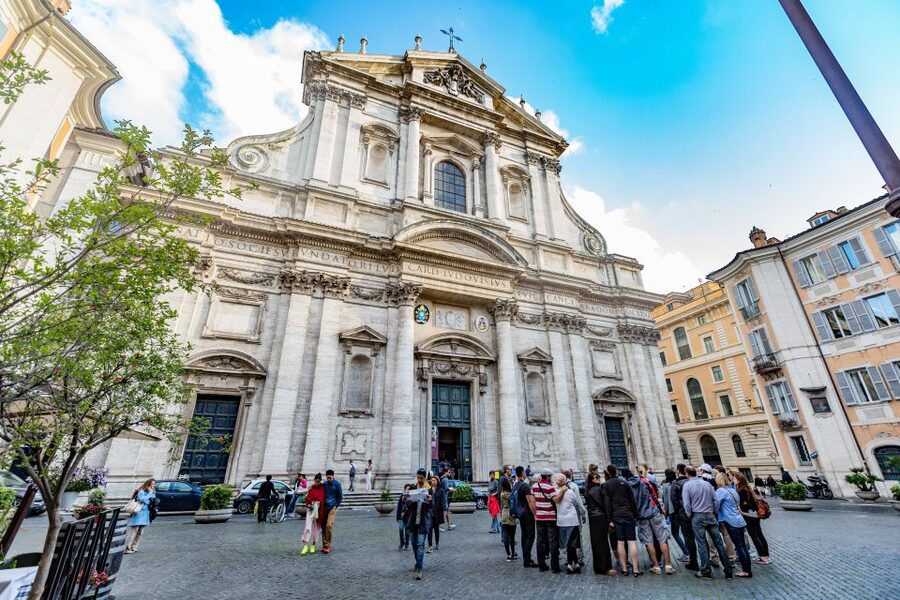
Rome rewards slow looking. This 2.5-hour walking tour links fountains, churches, ancient monuments, and grand piazzas in one tidy route through the historic center. I like the way it combines famous sights, such as the Pantheon and Trevi Fountain, with less obvious details at Sant’Ignazio Church.
I also like the small-group format, capped at 20 people, and the guides’ warm, entertaining style. Bruno, Stefano, Matteo, Paolo, and Andrea have all received strong praise for their humor and clear explanations. The main drawback is simple: this is a walking tour with little shelter, so rain, cold, heat, and tired feet can affect the experience.
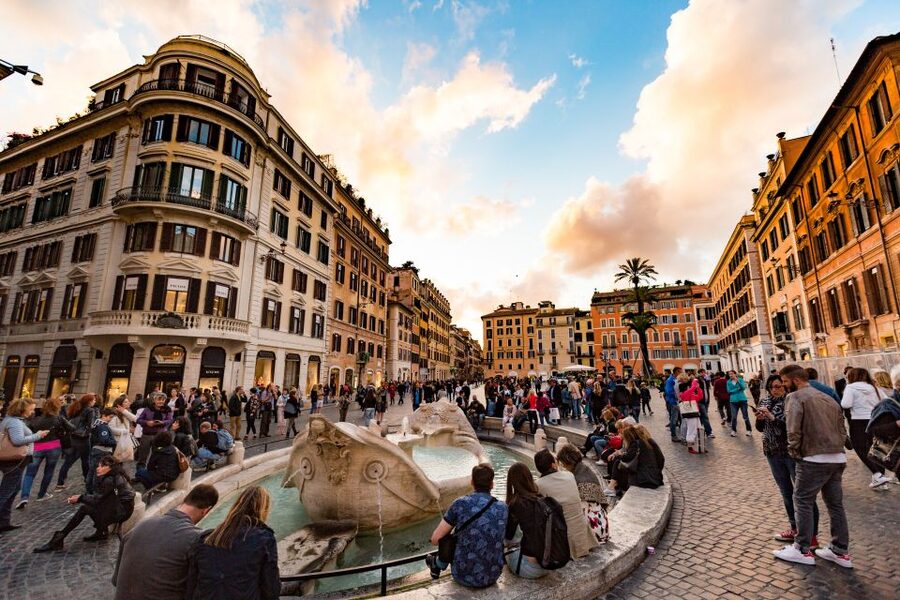
- Bernini’s half-sunken boat: See the Fontana della Barcaccia below the Spanish Steps, an unusual fountain with a story built into its shape.
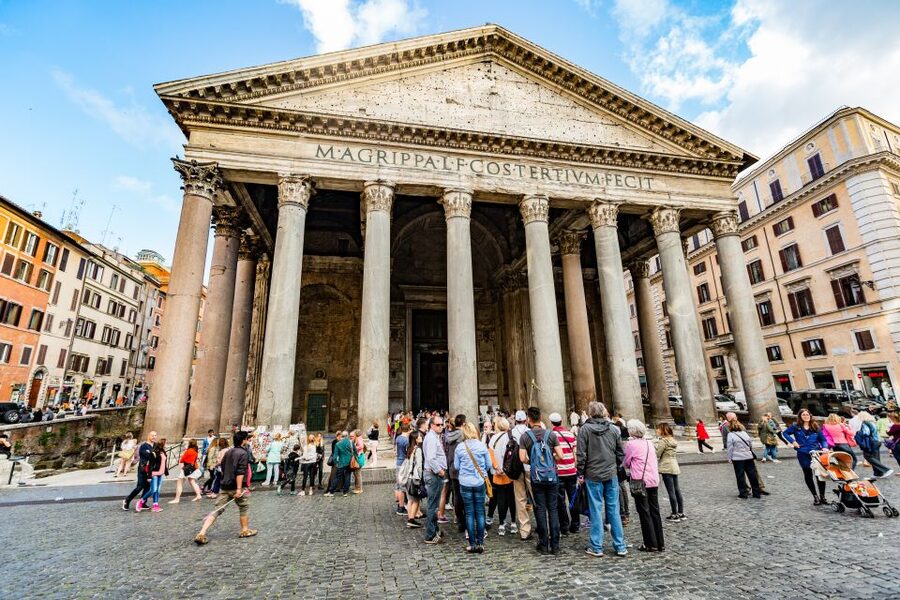
- Inside the Pantheon: Step into one of Rome’s best-preserved ancient buildings, not just past its famous columns.
- Piazza Navona’s Baroque theater: Learn how an ancient stadium became one of Rome’s grandest public squares.
- Sant’Ignazio’s painted illusion: Look up at a dome that appears three-dimensional but is actually a masterful optical trick.
- A guide-led introduction to Rome: Use this route to get your bearings before tackling the Colosseum, Forum, or Vatican.
- A flexible booking choice: The price is $45.55 per person, with cancellation up to 24 hours before departure and a reserve-now, pay-later option.
In This Review
- A strong first walk through central Rome
- Starting beneath the Spanish Steps
- Bernini’s boat at Piazza di Spagna
- Piazza Navona and the Stadium of Domitian
- Looking inside the Pantheon
- Marcus Aurelius and Rome on screen
- Sant’Ignazio’s remarkable painted dome
- Ending at the Trevi Fountain
- The guide makes the difference
- Is $45.55 a fair price?
- Who should book this walk?
- My verdict on the Spanish Steps to Trevi route
- FAQ
- How long is the Rome fountains and squares tour?
- Where does the tour begin?
- How do I identify the guide?
- What language is the tour conducted in?
- Is the Pantheon included?
- Can I bring a stroller or wheelchair?
- What happens if I need to cancel?
A strong first walk through central Rome
Rome can feel like a history book dropped into a busy city street. A fountain appears around one corner, a temple around the next, and a church facade may hide a remarkable painting inside. This tour gives those sights a useful order.
You begin at the Spanish Steps and finish with the Trevi Fountain, passing through some of the most important public spaces in central Rome. The route is especially useful on your first day because it helps you understand how the center fits together on foot.
The guide adds the real value. You are not simply checking off monuments. You hear the stories behind the architecture, learn a few secrets of the city, and get suggestions such as where to find good gelato. Past guides have been praised for being funny, patient, and able to keep a group together while making sure people can hear.
The group limit of 20 is reasonable. A group of around 10 is more comfortable, since you can stay close to the guide in crowded squares. In quieter periods, the group may be much smaller, and some departures have felt almost private. That is a pleasant bonus, but it is not something you should count on when booking.
Starting beneath the Spanish Steps
Meet by the entrance to the Keats and Shelley Museum at the bottom of the Spanish Steps, in front of the Acqua di Parma store. Your guide should have a GetYourGuide badge or a sign with the same logo. Arrive 10 minutes early. One person was turned away after arriving only a couple of minutes late, so this is not the place to test Roman flexibility.
The Spanish Steps give you an immediate sense of Rome’s theatrical side. The broad staircase rises toward Trinità dei Monti, a late Renaissance church with a commanding position above the square. You will follow the staircase upward, then continue through the old center.
Wear shoes you can trust. Rome’s central streets often involve long periods on hard paving, and the route has no provision for strollers or wheelchairs. The tour is not suitable for children under 10, and large bags are not allowed.
More Walking Tours in Rome
- Rome: Trastevere & Campo de Fiori Street Food Walking Tour
★ 4.9 · 2,768 reviews - Rome: Paranormal Night Walking Tour & Secret Backstreets
★ 4.9 · 1,921 reviews - Rome by Night Walking Tour – Legends & Criminal Stories
★ 4.5 · 1,003 reviews
Bernini’s boat at Piazza di Spagna
At the foot of the Spanish Steps, the Fontana della Barcaccia looks like a stone boat partly sinking into the pavement. Gian Lorenzo Bernini’s design makes practical use of the fountain’s low water pressure while turning a plumbing challenge into sculpture.
This is a good early stop because it introduces one of the tour’s main themes: Rome’s art is often practical, political, and playful at the same time. Your guide can help you see why this is more than a pretty place for a photograph.
The square can be crowded, so listen carefully and stay close. The guide’s commentary matters here because the fountain itself is compact, and it is easy to look for a minute, take a picture, and miss the point.
Piazza Navona and the Stadium of Domitian
The route continues to Piazza Navona, one of Rome’s most impressive public squares. Its long, narrow shape follows the outline of the Stadium of Domitian, built in 85 A.D. for athletic contests.
That ancient footprint gives the square its character. Rome did not erase every earlier layer. In many places, the old shape remained while later builders added churches, palaces, fountains, and cafes.
Piazza Navona is also the tour’s grand Baroque centerpiece. You will see work linked to Bernini and Francesco Borromini, two major artists whose rivalry and differing styles helped shape the square. Bernini’s Fountain of the Four Rivers takes the main position, with a large sculptural group gathered around an obelisk.
This stop rewards a little patience. Look beyond the water and statues to the surrounding facades, the curve of the square, and the way the monuments frame one another. The guide can make the rivalry, symbolism, and design easier to follow than a quick solo visit.
The tradeoff is crowding. Piazza Navona is a popular place, and the guide may need to move the group toward an edge so everyone can hear. You may not get a long, quiet pause in the center, but you will get a useful explanation of why the space matters.
Looking inside the Pantheon
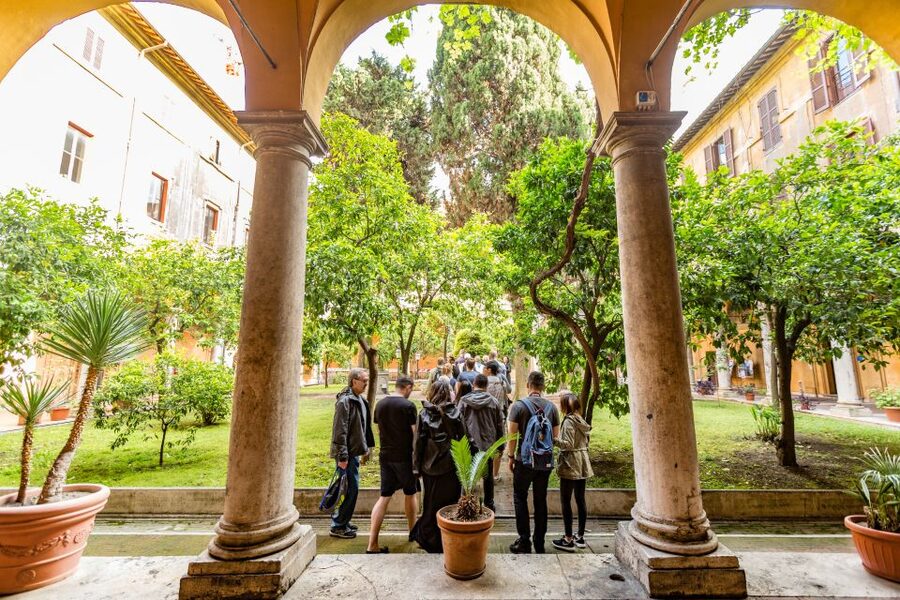
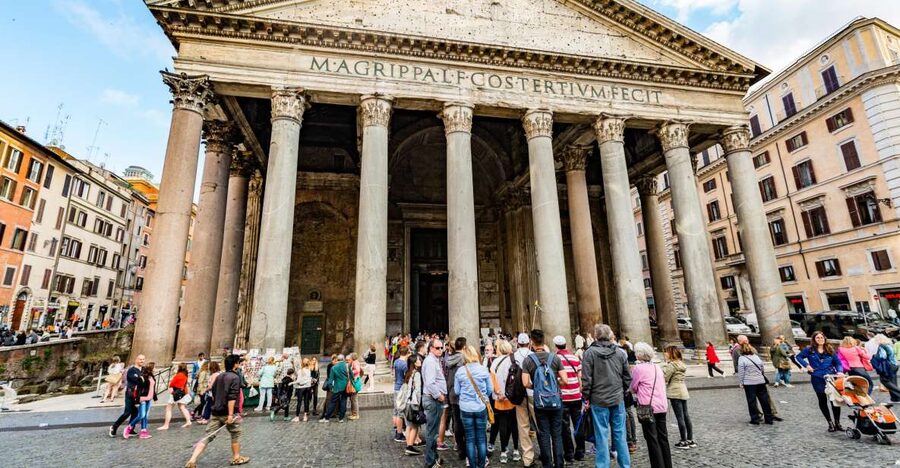
The Pantheon is one of the tour’s strongest stops because you go inside. Many city walks only point out its massive entrance, but entering lets you experience the scale of the ancient building directly.
The structure began as a Roman temple and remains remarkably intact. Its Greek-style columns and Roman engineering show how the city combined outside influences with its own building methods. Inside, the great open interior makes the building feel both simple and astonishing.
The Pantheon also contains the tomb of Raphael, the Renaissance painter and architect. That detail connects the ancient monument to the later artistic life of Rome, which is exactly what this route does well. You move from Imperial Rome to the Renaissance and Baroque periods without needing separate tours.
Church rules apply here. Bring something that covers your shoulders and knees. Shorts, short skirts, and sleeveless shirts are not permitted, and food and drinks are not allowed during the tour. Access inside the Pantheon can always be affected by local conditions, so keep your schedule slightly flexible.
Still Rome, but a slower afternoon:
- Vatican: Museums & Sistine Chapel Entrance Ticket
★ 4.5 · 144,003 reviews - Vatican Museums & Sistine Chapel Tour with Optional Basilica
★ 4.3 · 67,413 reviews - Colosseum, Roman Forum & Palatine Guided Tour
★ 4.7 · 63,148 reviews - Vatican Museums, Sistine Chapel & St Peter’s Basilica Guided Tour
★ 4.5 · 39,149 reviews
Marcus Aurelius and Rome on screen
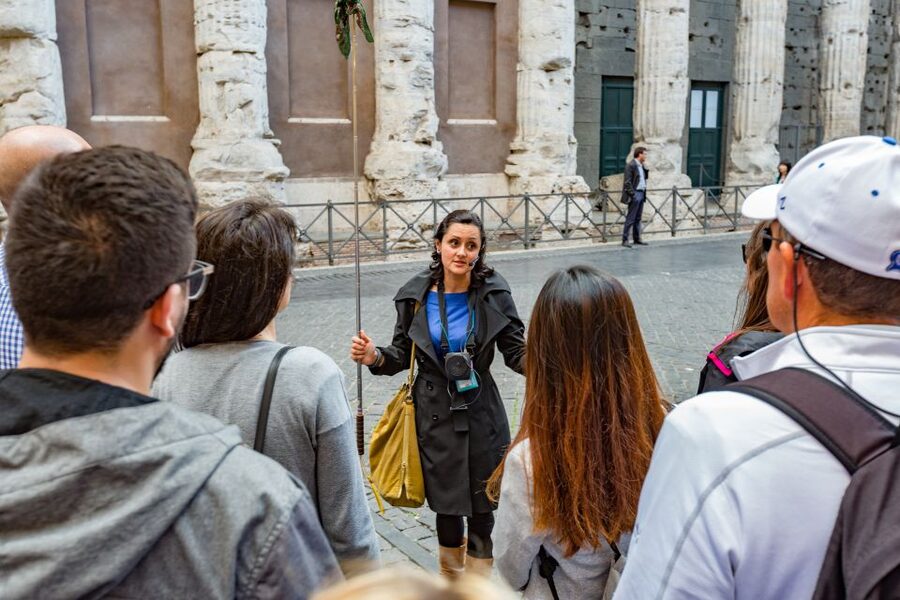
After the Pantheon, you visit the carved Column of Marcus Aurelius. Its reliefs show scenes from military campaigns and create a spiraling visual record around the column.
The tour also points out scenes associated with the movie Gladiator. This is a useful bridge for anyone who first became interested in ancient Rome through film. At the same time, the guide can separate movie drama from the real monument, helping you appreciate the column as more than a cinematic backdrop.
This part of the route is brief but valuable. It gives you another chance to compare how Romans presented power in stone with how modern filmmakers present it on screen.
Sant’Ignazio’s remarkable painted dome
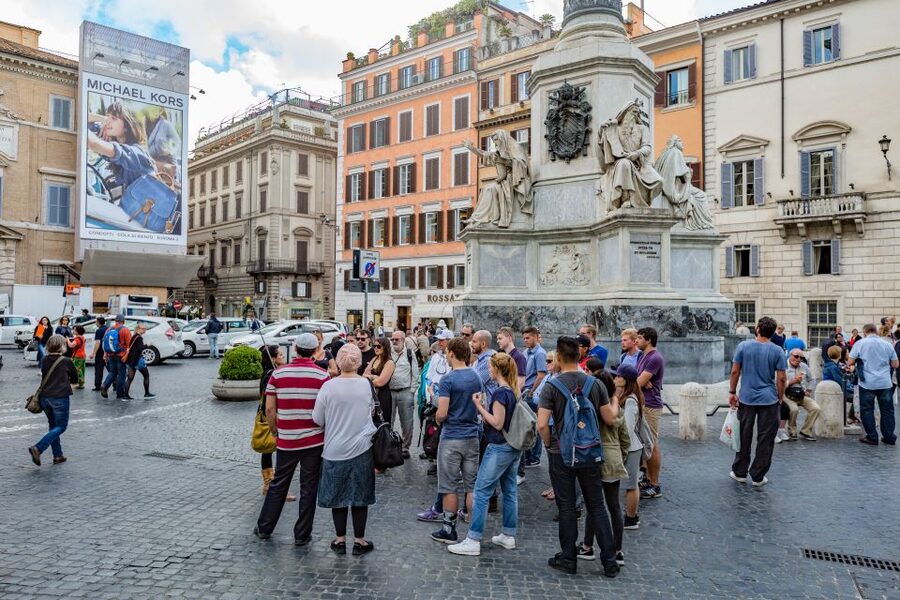
Sant’Ignazio Church provides one of the tour’s best surprises. Its dome appears to rise above you, but the effect is created through trompe l’oeil painting, an optical illusion designed to fool the eye.
Look up slowly. The painted architecture extends the church visually, making a flat surface seem deep and open. This is the kind of detail you might easily miss if you walked past the church alone, especially since the Pantheon and Trevi Fountain tend to command most first-time attention.
The church also gives you a quieter interior pause after several outdoor squares. It is a strong reminder that Rome’s visual drama is not limited to its most famous monuments.
Dress respectfully and be ready to follow church rules. The tour does not permit eating, drinking, smoking, or translation during the walk. That last rule matters in a small group: the guide needs to keep speaking at one pace so everyone can follow.
Ending at the Trevi Fountain
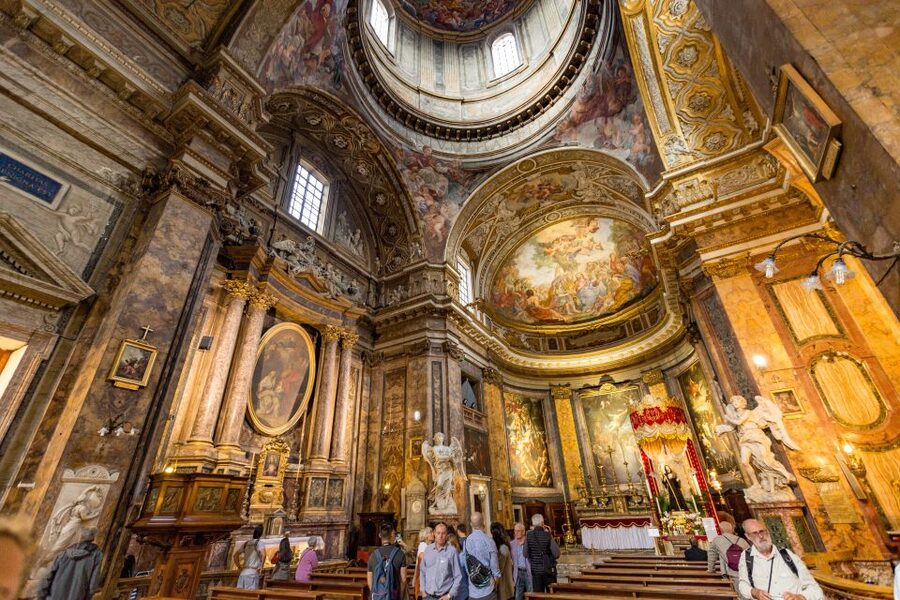
The walk finishes at the Trevi Fountain, where the familiar coin toss provides a cheerful final ritual. The custom says that throwing a coin into the fountain means you will return to Rome.
Trevi is a fitting end because it brings together the tour’s main ideas: water, sculpture, architecture, legend, and public life. The fountain is dramatic even before the guide explains its details, but a good explanation helps you notice the figures, movement, and relationship between the sculpture and the surrounding buildings.
Allow enough time for this final stop. One participant felt the Trevi visit was rushed, possibly because of rain or the need to keep to the schedule. That is a fair warning. If Trevi is a major priority for you, return later on your own for a slower look and photographs.
The activity information also says the tour ends back at the meeting point, while the route description places the finish at Trevi Fountain. Confirm the exact end point when you book, especially if you have a dinner reservation or another timed activity afterward.
The guide makes the difference
The strongest feature of this experience is the human element. Stefano is repeatedly praised for his humor, enthusiasm, and ability to make facts memorable. Bruno is described as personable and flexible, and one small group even received a tiramisu treat. Matteo, Paolo, and Andrea have also been singled out for clear, lively guiding.
Names and schedules can change, so do not book solely to get one particular guide. Still, the pattern is useful: this tour works best when your guide is active, warm, and comfortable managing a moving group.
The pace appears manageable for most people. A two-hour version of the walk has been described as comfortable, with enough information to keep the route interesting without turning every stop into a lecture. You should still expect almost continuous walking, standing, and outdoor exposure.
Weather matters. A group once continued through pouring rain and cold conditions because the guide kept the mood light and the information flowing. That says something good about the guide, but it also tells you to check the forecast and dress sensibly. Comfortable clothing and shoes are essential.
Is $45.55 a fair price?
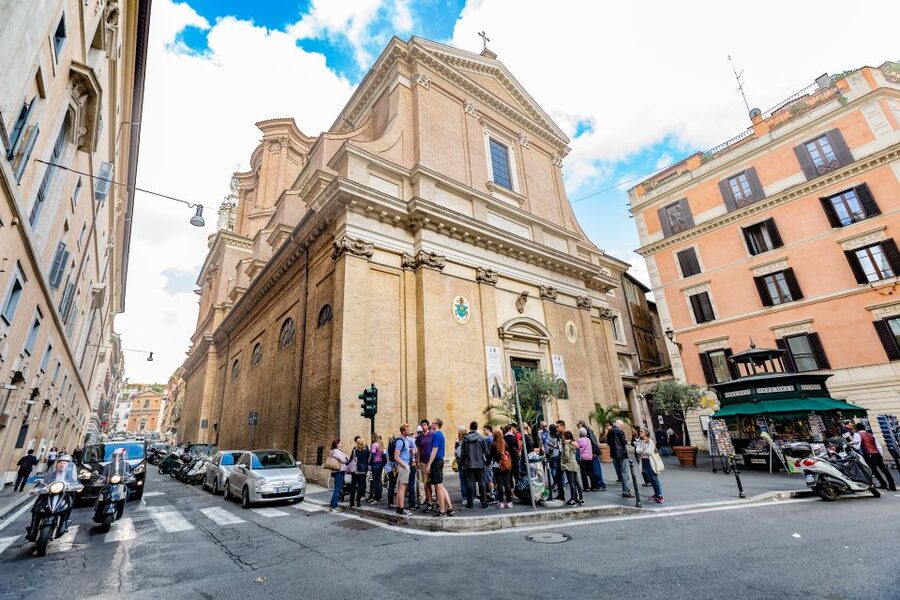
At $45.55 per person, the tour is not the cheapest way to see Rome’s center, but it can be good value if you want an English-speaking guide and entry inside the Pantheon. You are paying for structure, context, and the chance to ask questions while moving between major sights.
The price makes less sense if you prefer to wander alone, read your own guidebook, or spend long stretches taking photographs. The route has a fixed pace, and the group must stay together. You also pay separately for food and drinks, and tipping the guide is optional but welcomed if the experience serves you well.
Some older comments describe the experience as free, which may reflect a different booking arrangement or a tip-based format. The current stated price is $45.55, so check the amount shown for your chosen date before paying.
The reserve-now, pay-later option is useful when your Rome plans are still shifting. You can also cancel up to 24 hours in advance for a full refund.
Who should book this walk?
I would choose this tour for a first or second day in Rome, especially if you want a clear introduction before visiting the Colosseum, Roman Forum, Vatican Museums, or Villa Borghese.
It suits adults and families with children aged 10 and older who can keep up with a walking route. It also works well for solo visitors who want company without committing to a large coach tour.
You should think twice if you use a wheelchair, need a stroller, dislike crowded public spaces, or want a relaxed photography tour. The route is not suitable for wheelchair users or strollers, and luggage, oversized bags, pets, and several types of clothing are not allowed.
Bring a shoulder covering and something to cover your knees. Do not assume you can change the rules at a church entrance. Appropriate clothing protects your access to the very places that make this tour worthwhile.
My verdict on the Spanish Steps to Trevi route
Book it if you want Rome’s historic center explained by a lively English-speaking guide rather than simply photographed from the street. The Pantheon interior, Bernini’s fountains, Piazza Navona, and Sant’Ignazio’s optical illusion create a well-chosen sequence, and the small group keeps the experience more personal than a mass tour.
Skip it if you need step-free access, dislike walking in poor weather, or already know these monuments well. For most first-time visitors, though, $45.55 buys a useful orientation, a good set of major sights, and the stories that help Rome’s layers make sense.
FAQ
How long is the Rome fountains and squares tour?
The activity lasts 2.5 hours. Some comments describe a route completed in about two hours, so the exact timing may vary slightly.
Where does the tour begin?
Meet your guide by the entrance to the Keats and Shelley Museum at the bottom of the Spanish Steps, in front of the Acqua di Parma store.
How do I identify the guide?
The guide should wear a GetYourGuide badge or hold a sign with the same logos. Arrive 10 minutes before the scheduled start.
What language is the tour conducted in?
The live tour is conducted in English. Translation during the tour is not allowed because the guide needs to keep one consistent pace for the group.
Is the Pantheon included?
Yes. The route includes going inside the Pantheon, subject to the conditions in effect at the monument.
Can I bring a stroller or wheelchair?
No. The route is not suitable for strollers or wheelchair users. Large bags, oversized luggage, and pets are also not allowed.
What happens if I need to cancel?
You can cancel up to 24 hours before the tour for a full refund. The reserve-now, pay-later option lets you book without paying immediately.
Recently added around Rome
- Palatine Hill and Roman Forum Tour with Fast-Track Entrance★ 4.2 · 417 reviews
- Tivoli: Villa D’Este & Villa Adriana Pass & App Audioguide★ 4.4 · 364 reviews
- From Rome: Villa D’Este & Villa Adriana Day Trip with Lunch★ 4.4 · 289 reviews
- Vatican Museums & Sistine Chapel Skip-the-Line Guided Tour★ 4.6 · 254 reviews
- Rome: The Three Tenors at St. Paul’s Church Concert Ticket★ 4.7 · 699 reviews
- Tivoli: Villa D’Este Entry Ticket and App Audio Guide★ 4.3 · 191 reviews
- Rome: Capitoline Museums and Centrale Montemartini Tickets★ 4.4 · 328 reviews
- Rome: St. Peter’s Basilica and Papal Tombs Guided Tour★ 4.6 · 477 reviews
Walking Tours, compared.
Guided Walking Tour & Last Supper Visit with Ticket
Read our review →
Rialto Bridge & Offbeat Unusual Venice Walking Tour
Read our review →
Private 3 hrs Venice Tour: St Mark’s, Walking tour & Boat tour
Read our review →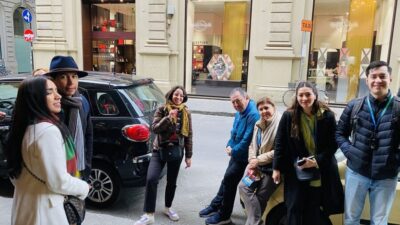
Skip the line: Uffizi and Accademia Small Group Walking Tour
Read our review →Browse the lists this tour appears in