
Reviewed · WALKING TOURS
Haunted Rome Ghost Night Walking Tour
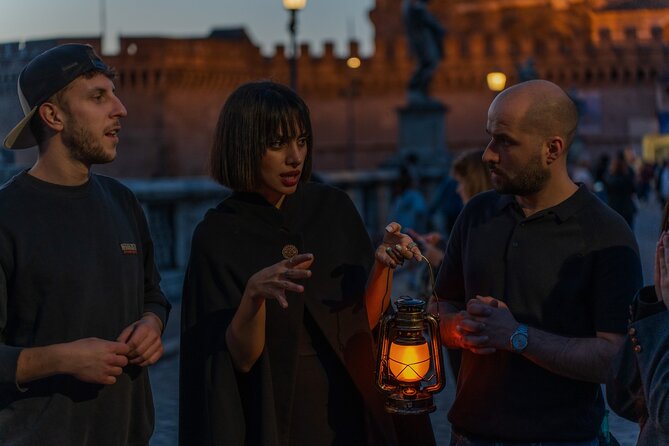
Rome gets stranger after sunset. This two-hour walk uses executions, suspicious deaths, hidden passages, and tragic romances to show you a side of the city that daytime sightseeing often misses. I like the offbeat route through Campo de’ Fiori, Via Giulia, and Castel Sant’Angelo, and I like that the stories are grounded more in Roman history than theatrical jump scares. The main consideration is that this is a group walk, with up to 20 people, so hearing the guide can be difficult beside busy streets.
I also like the timing. A night walk helps you avoid the worst heat and crowds, while giving familiar squares and bridges a more mysterious mood. Guides such as Youssef, Ana, Domenica, Anna, Antonio, Dinara, and others have been praised for making the stories lively and easy to follow. Just do not book this expecting a constant parade of supernatural effects: the experience is mainly dark history told outdoors.
In This Review
- What makes this Rome night walk worth considering
- Starting among executions and nightlife at Campo de’ Fiori
- Piazza Farnese and a scandal involving two popes
- Madonnelles, crime prevention, and details you could miss
- Ponte Sisto and the darker side of the Tiber
- A warning at Fontana del Mascherone
- Santa Maria dell’Orazione e Morte, where death is close by
- Via di Monserrato and a former prison
- A Spanish church and a story fit for melodrama
- Via Giulia and cosmetics that could kill
- Mastro Titta and Rome’s most famous executioner
- Castel Sant’Angelo and the Cenci family’s fatal end
- How the group size and guides affect the experience
- Price, timing, and who gets the best value
- Who should book this dark history walk?
- Final verdict: a strong choice for an unusual Rome evening
- FAQ
- How long is the Haunted Rome Ghost Night Walking Tour?
- Where does the tour begin?
- Where does the tour finish?
- Is the tour offered in English?
- How many people can join the group?
- Can I cancel for a full refund?
What makes this Rome night walk worth considering
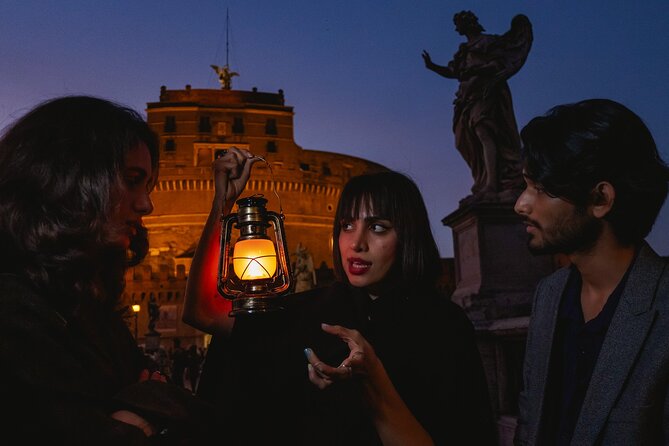
- Execution sites become story settings: Campo de’ Fiori and the area around Castel Sant’Angelo reveal Rome’s grim public punishments.
- The route links 11 locations: You walk from Campo de’ Fiori to Castel Sant’Angelo, with stops at churches, bridges, lanes, fountains, and former prisons.
- The hidden Madonnas are a memorable detail: Small street images of the Virgin Mary are tied to old efforts to deter crime.
- The tone is spooky but not usually cheesy: The stories focus on violence, injustice, scandal, and tragic deaths rather than theatrical costumes.
- A night setting adds real atmosphere: Rome’s bridges and narrow lanes feel different after dinner, especially on the walk toward the Tiber.
- Private touring is available: You can upgrade if you want more personal attention and a less shared experience.
Starting among executions and nightlife at Campo de’ Fiori
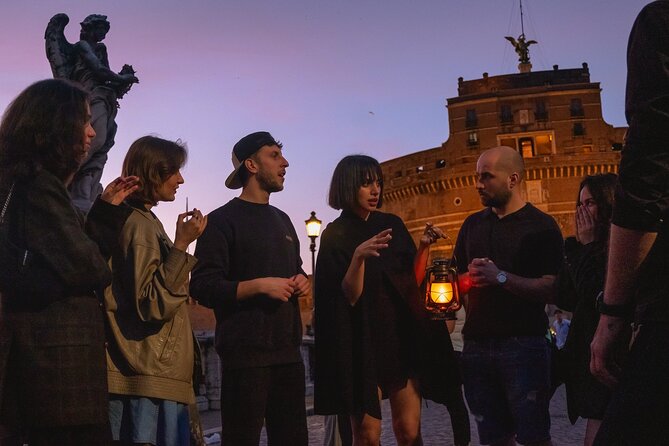
The tour begins in Campo de’ Fiori, one of Rome’s best-known squares. Today, it is lined with bars and restaurants and often feels social and noisy. Its earlier role as an execution site gives the opening story a sharp contrast: people gather here for dinner in a place once linked to public death.
That contrast is one reason the tour works. Rome is full of beautiful facades that hide difficult stories, and Campo de’ Fiori introduces the idea right away. You get about 10 minutes here, enough for the guide to set the mood without keeping you in one spot too long.
The square is also a practical meeting point. It is central, near public transportation, and easy to reach as part of an evening in the historic center. Arrive ready to walk rather than expecting to sit. Admission to the listed stops is free because the tour takes place along public streets and outside the buildings.
More Walking Tours in Rome
- Rome: Trastevere & Campo de Fiori Street Food Walking Tour
★ 4.9 · 2,768 reviews - Rome: Paranormal Night Walking Tour & Secret Backstreets
★ 4.9 · 1,921 reviews - Rome by Night Walking Tour – Legends & Criminal Stories
★ 4.5 · 1,003 reviews
Piazza Farnese and a scandal involving two popes
A short walk brings you to Piazza Farnese, a handsome square with a much more suggestive past than its elegant appearance might suggest. The story here involves a former party center, a secret passageway, and two popes.
This is the kind of stop that suits the tour’s style. You are not simply looking at a pretty Roman piazza. You are hearing how power, private behavior, and church politics could mix behind grand walls. The tale has the flavor of a historical scandal, but the setting keeps it tied to the actual streets around you.
The guide’s storytelling matters most here. Several guides have been praised for humor and strong delivery, with Youssef and Ana receiving especially warm attention for making serious subjects entertaining. If your guide uses a little comedy, it helps keep the walk from becoming too grim.
Madonnelles, crime prevention, and details you could miss
Along Via del Mascherone and Vicolo dei Venti, the guide points out Madonnelles, or little images of the Virgin Mary. These small religious images are easy to pass without noticing, but they add one of the tour’s most useful details.
You learn how these images were believed to help stop crime. That gives you something to watch for during the rest of your stay. Several guides have encouraged people to keep looking for these small Madonnas on Roman streets, and it is a simple way to make ordinary walks more observant.
This section also shows why the tour is not only about ghosts. It teaches you how Rome’s streets worked as public spaces, where religious symbols, warnings, and local beliefs were part of daily life. If you enjoy small details more than theatrical scares, this may be one of the best parts of the route.
Ponte Sisto and the darker side of the Tiber
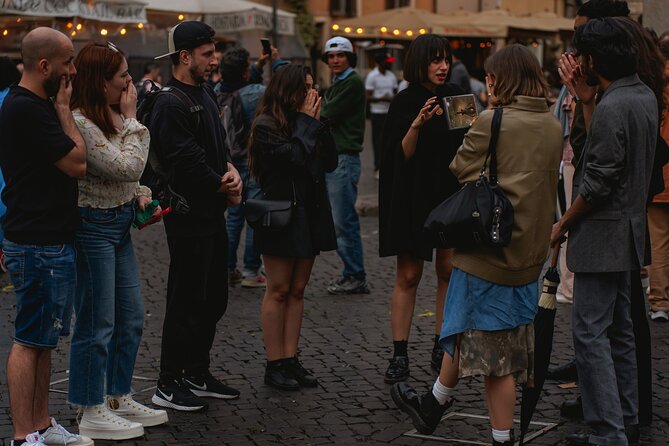
Ponte Sisto is described as Rome’s oldest bridge and carries a long list of grim associations: accidents, political struggles, theft, and suspicious deaths. Bridges are natural story settings because they connect districts while also creating narrow, exposed spaces. At night, the river and stone arches give the stop a more serious mood.
The guide uses the bridge to explain how power and danger shaped movement through the city. You are still taking a normal evening walk, but the stories make you look at the crossing differently. The stop lasts about 10 minutes, so the pace remains active.
Watch your footing and stay close enough to hear. This is an urban walk, not a quiet country path. Traffic and street noise can interfere with the guide, especially when the group spreads out.
Still Rome, but a slower afternoon:
- Vatican: Museums & Sistine Chapel Entrance Ticket
★ 4.5 · 144,003 reviews - Vatican Museums & Sistine Chapel Tour with Optional Basilica
★ 4.3 · 67,413 reviews - Colosseum, Roman Forum & Palatine Guided Tour
★ 4.7 · 63,148 reviews - Vatican Museums, Sistine Chapel & St Peter’s Basilica Guided Tour
★ 4.5 · 39,149 reviews
A warning at Fontana del Mascherone
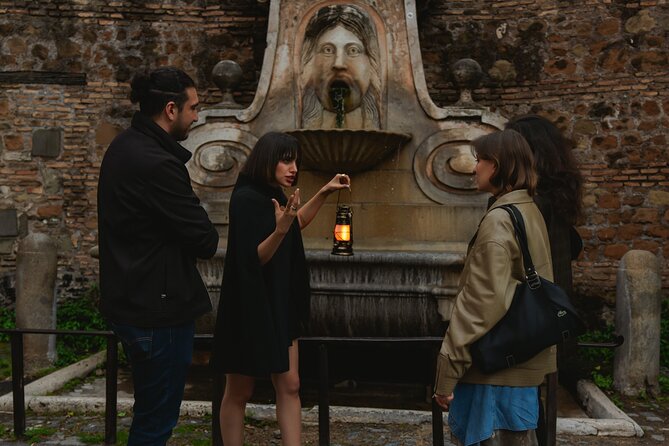
The Fontana del Mascherone offers a shorter but memorable pause. Unlike many Roman fountains, this one carries a warning to anyone tempted to drink from it.
That small warning fits the tour’s larger theme: Rome often places beauty beside threat. The fountain looks like a decorative feature, but the guide turns it into a reminder that public water, local customs, and old warnings could have serious consequences.
You will probably appreciate this stop most if you enjoy unusual facts that are easy to remember. It is not a major monument visit, and there is no entry, but the story gives the street a new character.
Santa Maria dell’Orazione e Morte, where death is close by
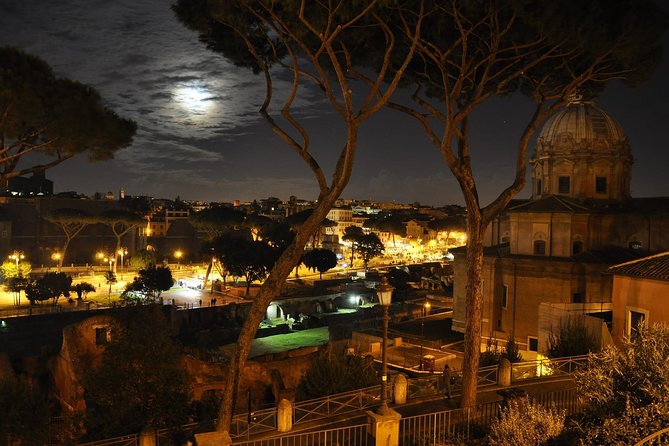
The Church of Santa Maria dell’Orazione e Morte brings the tour into its most openly macabre stretch. This 17th-century church is decorated with human remains from long ago, reflecting the idea that death is never far away.
The stop is presented from outside as part of the walking route, so you should not assume that the tour includes an interior visit. That matters if you are hoping to see the decoration up close. The value here comes from the explanation and the setting rather than a formal church tour.
This is also where the experience may feel too grim for very young children. Older children and teenagers have enjoyed the walk, including families with 11- and 13-year-olds, but the subject matter involves execution, death, and human remains. Use your judgment.
Via di Monserrato and a former prison
Via di Monserrato is now associated with a haunted apartment building, but its earlier role was much harsher. The site once held one of Rome’s worst prisons.
This stop gives the tour a useful change of focus. Instead of relying on a ghost tale, the guide connects the street to confinement and suffering. The word haunted becomes less important than the lives affected by the place.
You also get a sense of how much Rome’s past is layered beneath modern buildings. An apartment block may look ordinary, yet its address can carry centuries of fear and misery. That is the kind of detail you are unlikely to find in a standard route focused only on major monuments.
A Spanish church and a story fit for melodrama
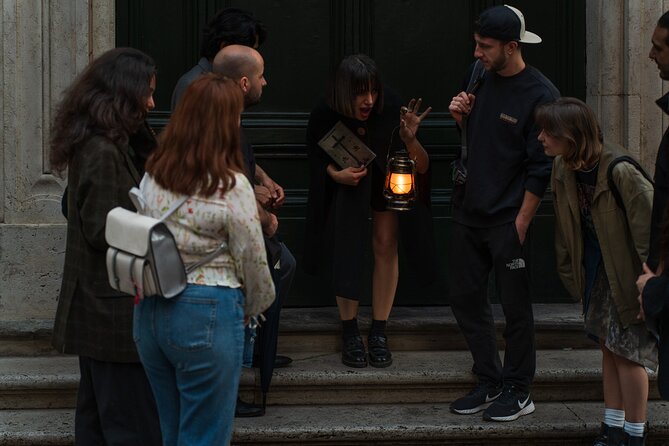
At Santa Maria in Monserrato degli Spagnoli, the guide tells a scandalous story involving the Spanish church in the center of Rome. The tale has romance, betrayal, and drama, with enough twists to feel like an old television melodrama.
The church adds variety after the prison story. You are still hearing about Rome’s darker side, but the mood shifts toward personal scandal and human behavior. This helps the two-hour walk avoid becoming a repetitive list of murders.
As with the other stops, the visit is an outdoor storytelling stop rather than a scheduled church entrance. If you want to explore the interior, you should plan a separate visit at another time.
Via Giulia and cosmetics that could kill
Via Giulia brings one of the tour’s more unusual stories. A former bar once served an even earlier purpose as a beauty shop, and the guide explains how cosmetics could become deadly.
This is a good example of the tour’s range. The darkness is not limited to prisons and executions. Everyday activities, fashion, and personal appearance could also carry danger. The story adds social context to the walk and shows how the past was risky in ways modern visitors may not expect.
Via Giulia is also an attractive place to walk at night, and the route gives you a reason to spend time there beyond the usual checklist of famous sights. If you are staying in the historic center, you can return later and notice the street without the group around you.
Mastro Titta and Rome’s most famous executioner
On Via dell’Arco dei Banchi, the guide points out a seemingly modest house connected with Mastro Titta, Rome’s most famous executioner. The plain appearance of the building makes the story more striking. This was not a castle or dungeon, but an ordinary-looking home tied to a very public and feared occupation.
Mastro Titta helps connect several earlier themes. The tour has already introduced execution sites, prisons, and public warnings. Here, you meet the person associated with carrying out official death sentences.
This is also a reminder to keep your eyes open. The tour does not depend on grand entrances or paid attractions. Its best moments often come from seeing a normal street and learning what once happened there.
Castel Sant’Angelo and the Cenci family’s fatal end
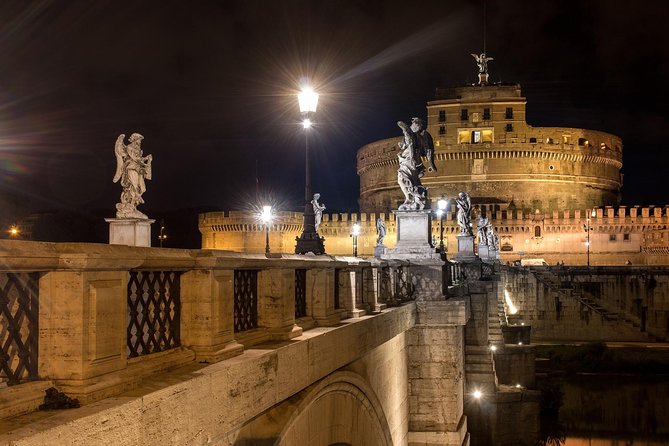
The route finishes near Castel Sant’Angelo, a strong ending for a walk about punishment and death. The bridge was once used to display the bodies of executed people as a warning to sinners. Today, statues of angels line the approach, creating a dramatic contrast between religious beauty and public cruelty.
The guide also tells the story of the Cenci family and how its members met their fatal end. This closing tale gives the tour a more personal and tragic finish than a simple final ghost anecdote.
The endpoint is useful for your evening plans. You finish at Lungotevere Castello, near Castel Sant’Angelo, and can continue exploring Rome afterward. You might stop for a drink, walk along the river, or make your way back toward the historic center.
How the group size and guides affect the experience
The maximum group size is 20 people. That is manageable for a walking tour, but it is not intimate. The group may stretch along narrow streets, and nearby traffic or restaurant noise can make the guide hard to understand.
One person specifically found the guide difficult to hear and suggested headphones. That is the clearest practical weakness in the feedback. Stay near the guide, avoid drifting to the back, and speak up quickly if you miss part of a story.
The guide can make a major difference. Youssef was praised for humor, historical detail, and even sharing an umbrella in the rain. Ana was repeatedly valued for energy, warmth, and a good sense of humor. Domenica kept families engaged and answered questions patiently, while Anna was praised for both storytelling and useful Rome recommendations.
The tone is generally lively without costumes or exaggerated acting. One description characterized it as a pleasant walk with a guide in plain clothes, focused on misdeeds and injustice. That is good news if you want substance, but less ideal if you expect actors, props, or staged scares.
Price, timing, and who gets the best value
At $35.07 per person, the tour is fairly priced for a two-hour guided walk in central Rome. You are paying for a route, a live guide, and stories that connect places you could otherwise pass without understanding. There are no separate admission charges for the listed stops.
The value improves if you take it early in your stay. One useful benefit is orientation: you see several streets and landmarks, then can return later to explore the places that interest you. It also fills an evening without taking up a full day of sightseeing.
The night timing is especially helpful in warm weather. Rome’s heat can make daytime walking tiring, while evening brings cooler air and fewer sightseeing crowds. In colder months, bring warm clothing. One guide specifically advised bundling up, and rain can also affect comfort.
The tour is offered in English and includes a mobile ticket. Group discounts may reduce the price for some bookings, and a private upgrade is available if you want a more personal pace or closer contact with the guide.
Who should book this dark history walk?
I would recommend it to you if you enjoy:
- Rome’s less famous streets and stories
- Historical crime, punishment, scandal, and local legends
- Evening walks after dinner
- Family activities that appeal to teenagers
- Guides who explain rather than perform
- Small visual details such as street Madonnas and old warnings
It is a good match for families with older children, couples, and first-time visitors who want something beyond the Colosseum and Vatican. It also works well after several days of religious and imperial history, when you are ready for a different angle on the city.
You may want to skip it if you dislike walking at night, have trouble hearing in noisy streets, or want a fully theatrical ghost show. The stories are spooky, but the emphasis is on Rome’s darker past rather than proof of supernatural activity.
Free cancellation is available if you cancel at least 24 hours before the start time. Changes or cancellations made later are not accepted for a refund. Most people can participate, and the route is near public transportation.
Final verdict: a strong choice for an unusual Rome evening
I would book this tour if I wanted a relaxed way to see Rome after dark and learn stories that standard sightseeing often leaves out. The route is well chosen, the $35.07 price is reasonable, and the strongest guides bring humor and feeling to difficult subjects.
Keep your expectations clear. This is not a haunted house on cobblestones. It is a guided history walk about executions, prisons, scandal, religious warnings, and suspicious deaths, with enough atmosphere to make the city feel wonderfully uneasy. Stay close to the guide, dress for the weather, and book early in your visit so you can revisit the streets that catch your interest.
FAQ
How long is the Haunted Rome Ghost Night Walking Tour?
The tour lasts approximately two hours.
Where does the tour begin?
It begins at Campo de’ Fiori in Rome, at Piazza Campo de’ Fiori, 00186 Roma RM, Italy.
Where does the tour finish?
The walk ends near Castel Sant’Angelo at Lungotevere Castello, 50, 00193 Roma RM, Italy.
Is the tour offered in English?
Yes. The experience is offered in English.
How many people can join the group?
The maximum group size is 20 people.
Can I cancel for a full refund?
Yes, if you cancel at least 24 hours before the experience start time. Cancellations or changes made less than 24 hours in advance are not accepted for a refund.
Recently added around Rome
- Rome: Pantheon, Trevi Fountain & Roman Squares Guided Tour★ 4.7 · 386 reviews
- Vatican: Pope Francis Tomb and Papal Basilicas Tour★ 4.7 · 340 reviews
- Vatican: St. Peter’s Basilica with Audio Guide and Options★ 3.4 · 269 reviews
- Rome: Vatican Museums Skip-the-line Entry Ticket and Tour★ 4.2 · 400 reviews
- Rome: Vatican Museums & Sistine Chapel Ticket + Tour Options★ 4.7 · 344 reviews
- Vatican: Museums, Raphael & Sistine Chapel + Basilica Option★ 4.7 · 350 reviews
- Vatican Museums & Sistine Chapel Guided Tour★ 4.3 · 832 reviews
- Vatican Museums & Sistine Chapel Entry Ticket★ 4.4 · 245 reviews
Walking Tours, compared.
Guided Walking Tour & Last Supper Visit with Ticket
Read our review →
Rialto Bridge & Offbeat Unusual Venice Walking Tour
Read our review →
Private 3 hrs Venice Tour: St Mark’s, Walking tour & Boat tour
Read our review →
Skip the line: Uffizi and Accademia Small Group Walking Tour
Read our review →Browse the lists this tour appears in