
Reviewed · SICILY TOURS
Underground Catania
Catania has a second city below its streets. This 2 to 3 hour tour reveals Roman baths, a living underground river, lava caves, and a small church carved into volcanic rock. I like the way it connects Catania’s archaeology with the eruptions and earthquakes that repeatedly reshaped the city. I also like the small-group format, with no more than eight people and an archaeology guide who can answer questions in detail. The main caution is value: at $96.79 per person, the price feels fair for a genuinely private outing, but less attractive if several unrelated parties are combined.
The tour begins at Piazza del Duomo and finishes at Piazza Stesicoro, so you cover the historic center on foot while moving between sites. Guides such as Oreste, Matilde, Mathilde, and Maria have been praised for their clear explanations and warm approach. I would allow close to three hours, especially if you like to stop, ask questions, and examine the stonework rather than hurry from one doorway to the next.
In This Review
- What makes this Catania experience worth considering
- Why Catania makes sense from below
- Starting beneath Piazza Duomo at Terme Achilliane
- Reading Catania’s cathedral as a record of destruction
- Following the Amenano through A Putia dell’Ostello
- Entering the lava cave at San Gaetano alle Grotte
- What the guide adds to the experience
- How private is the small-group format?
- Is $96.79 a fair price?
- Timing, meeting point, and the shape of the walk
- Who should book Underground Catania?
- Should you book it?
- FAQ
- How long does the Underground Catania tour last?
- How much does the tour cost?
- Is the tour offered in English?
- How many people can join the tour?
- Where does the tour start and finish?
- Which underground places are visited?
- Can I cancel for a full refund?
What makes this Catania experience worth considering
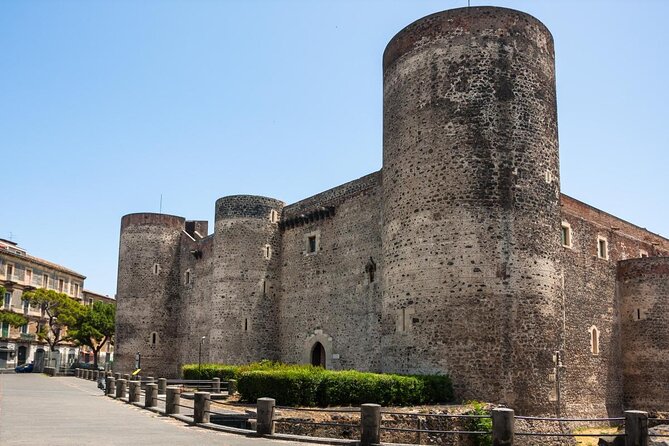
- Roman baths beneath Piazza Duomo: See the surviving section of the Terme Achilliane, a vast third or fourth-century thermal complex.
- A river under the city: Enter a cave where the Amenano still flows below Catania’s streets.
- Lava turned into sacred space: Visit San Gaetano alle Grotte, a church and crypt inside an ancient lava-flow cave.
- An archaeology-led tour: Guides including Oreste and Matilde add context about eruptions, earthquakes, construction, and local tradition.
- A small group with unusual access: The maximum group size is eight, and the route includes places that are difficult to locate on your own.
- A cool break from the Sicilian sun: Several stops are underground, making this a useful choice on a hot afternoon.
Why Catania makes sense from below
Catania is easier to understand when you stop looking only at its grand Baroque streets. The city has been damaged and rebuilt by eruptions, earthquakes, war, and changing waterways. Beneath the present streets are older layers of Roman construction, volcanic rock, religious sites, and passages shaped by both nature and human use.
That is the real value of this experience. You are not simply entering a few dark rooms. You are moving through different chapters of Catania’s past, then walking a short distance above ground to see how the modern city sits on top of them.
The route also helps put Mount Etna into daily context. Several guides explain how lava altered the city’s shape and how later building materials and repairs reflect those disasters. If you have no time or energy for a trip up Etna, this does not replace the volcano, but it does give you a useful look at the forces that shaped Catania.
The experience is offered in English and is led by an archaeology guide. That matters here. The spaces are often small, unfinished, or visually subtle. Without explanation, a wall, water channel, or carved mark might seem like a random piece of old masonry. With the right context, it becomes part of a much larger story.
A few more Sicily bookings to compare
- From Trapani: Cruise to Favignana and Levanzo with lunch
★ 4.2 · 2,286 reviews - From Milazzo: Panarea and Stromboli Boat Trip by Night
★ 4.2 · 1,605 reviews - Agrigento: Valley of the Temples Skip-the-Line Sunset Tour
★ 4.5 · 1,512 reviews
Starting beneath Piazza Duomo at Terme Achilliane
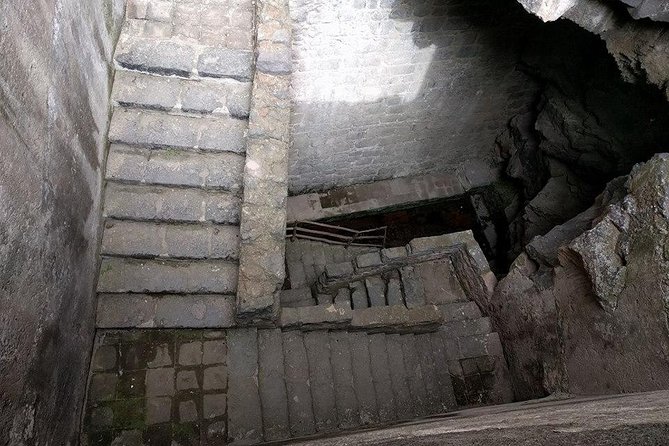
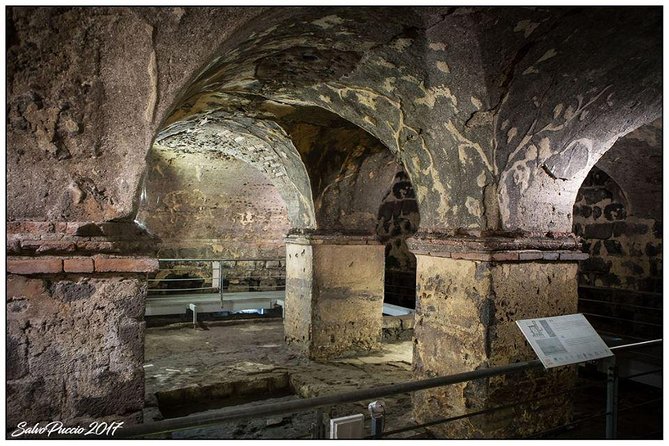
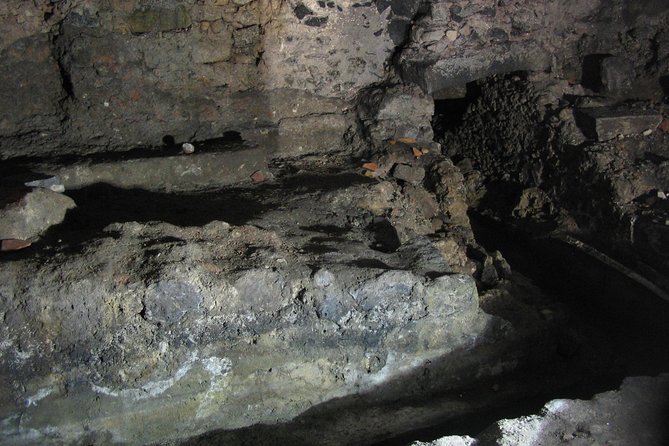
The first stop is the Terme Achilliane, located below the cathedral area. This was once a large thermal complex dating from the third or fourth century AD. It extended into the area now occupied by Piazza Duomo, though only part of the original plant remains accessible.
You can expect about 20 minutes here. The surviving rooms offer a strong opening because they immediately show how much of Catania lies beneath its familiar public spaces. The city’s main square is not just a place for the cathedral, the elephant statue, and cafés. It also covers substantial Roman remains.
The thermal complex once had numerous rooms, presumably serving different functions within a Roman bathing system. The available section is only a fragment, so do not expect a complete bathhouse with every chamber intact. Its appeal comes from the setting and the contrast between the grand cathedral overhead and the ancient structure below.
I especially like this stop for first-time visitors because it gives you a new way to read Catania. Afterward, when you walk through the center, you will be more aware that the streets are built over earlier cities.
Reading Catania’s cathedral as a record of destruction
The Basilica Cattedrale di Sant’Agata is not an underground site, but it adds essential context to the route. The cathedral is the spiritual heart of Catania and reflects the city’s long cycle of destruction and rebuilding.
You will spend about 20 minutes here. The building’s story moves from the Norman-era ecclesia munita to the Baroque cathedral seen today. Its appearance reflects both religious devotion and the need to reconstruct after major disasters.
The cathedral also connects the city’s sacred identity with its civic symbols, including the Liotru, Catania’s famous elephant statue, and the devotion to Saint Agatha. The result is a useful pause between the darker archaeological spaces.
I would not treat this as a full cathedral visit. The time is brief, and the main purpose is to understand how Catania rebuilt itself. Your guide may point out details that make the church easier to read, but this stop is more about context than an extended look at the interior.
Following the Amenano through A Putia dell’Ostello
At A Putia dell’Ostello, the tour reaches one of its more unusual locations. Below the historic center, the Amenano River continues through a suggestive sliding cave.
The river once flowed above ground and fed Lake Nicito. Over time, volcanic eruptions, earthquakes, and changes to the city altered its course and buried much of it. Today, one branch still runs below the streets.
This is a short stop, about 10 minutes, but it can make a strong impression. You are looking at a natural waterway that has survived beneath a busy urban center. The setting is also part of a restaurant, which makes the place feel less like a formal museum and more like a working corner of Catania with an extraordinary feature below it.
Do not expect a long cave walk. The visit is compact, and the point is to see the river and understand its place in the city’s development. The floor and underground setting may not suit anyone who dislikes uneven or confined spaces, though the tour information says most people can participate.
This stop also shows why a guide is useful. The Amenano is not the sort of attraction you would naturally find by following street signs. The tour brings you to it and explains how a river can disappear from the surface without disappearing entirely.
Still Sicily, but a slower afternoon:
- From Trapani: Day Cruise to Favignana & Levanzo with Lunch
★ 4.3 · 1,483 reviews - Stromboli: Sunset Trekking at Sciara del Fuoco
★ 4.6 · 1,372 reviews - Etna Morning Trip
★ 4.5 · 1,241 reviews - Boat Tour Egadi Day discover Favignana and Levanzo from Trapani
★ 5.0 · 1,183 reviews
Entering the lava cave at San Gaetano alle Grotte
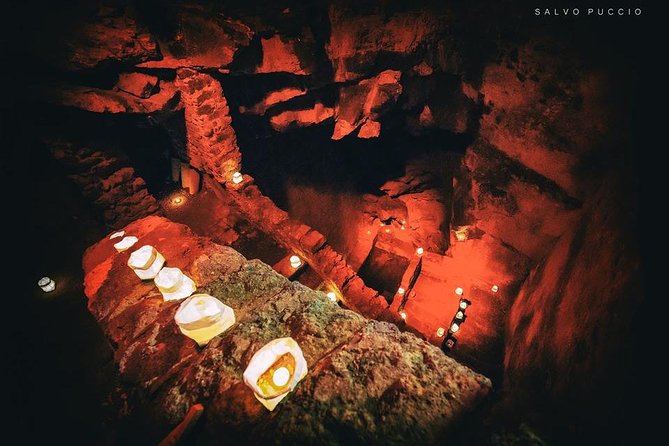
Chiesa di San Gaetano alle Grotte is one of the most memorable stops. It occupies an ancient lava-flow cave that was reused in Greek times as a cistern and later as a Roman catacomb tomb.
Local tradition connects the site with the first burial of Saint Agatha, and a small church was built here as early as 262. The crypt still contains traces of old frescoes and decorations cut directly into the living rock.
You spend about 20 minutes at this site. The attraction is not polished grandeur. It is the sense of a place repeatedly adapted to new purposes. A lava cave became a water-storage space, then a burial area, then a Christian site. Each layer tells you something about how people used the spaces available beneath the city.
This is also where the relationship between geology and religion becomes especially clear. The rock is not simply a background. It shaped the room, limited construction, and helped preserve traces of earlier use.
The stop can feel quite different from Terme Achilliane. The Roman baths are part of a formal architectural complex, while San Gaetano feels more intimate and carved from the earth. If you enjoy archaeology, early Christianity, or volcanic geology, this is likely to be a highlight.
What the guide adds to the experience
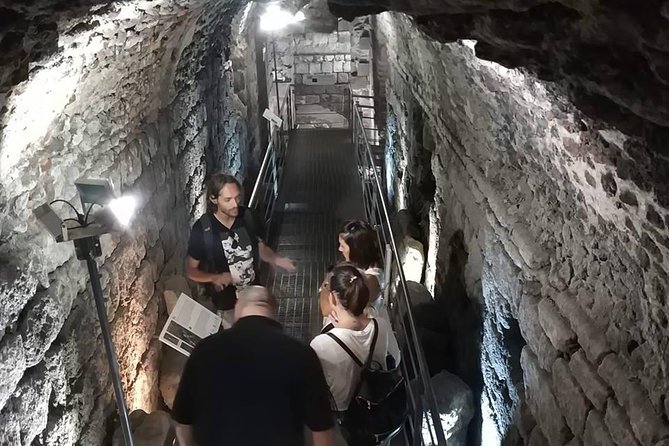
The strongest part of the tour is the guiding. Oreste has been praised for putting Catania’s past into context, while Matilde and Mathilde have been noted for animated explanations, flexibility, and careful answers to questions. Maria has also been praised for her passion and ability to introduce lesser-known corners of the city.
That variety matters because this route crosses several subjects at once. You hear about Roman baths, lava flows, the Amenano, catacombs, Saint Agatha, the seventeenth-century eruption, and the earthquake that reshaped Catania. A guide who can connect those subjects turns separate stops into a coherent walk.
You should feel comfortable asking questions. The tour seems to work best when you take part rather than simply listen. Several accounts describe guides adjusting their pace or allowing extra time when people wanted to examine a detail more closely.
There is one small trade-off. Some guides may move slowly, particularly when explaining a site or answering questions. If you prefer a brisk march, you may find the pace relaxed. I see that as a minor issue, but it is worth knowing before you book.
The guides also add local perspective beyond dates and facts. One experience included a drink stop with local drinks after the route, though that should not be treated as a guaranteed feature of every departure. The dependable part is the archaeology and the walking route between central Catania sites.
How private is the small-group format?
The experience is described as a private tour exclusively for your group, with a maximum of eight people. That is an important advantage in underground spaces, where a large crowd can make it hard to hear or see anything.
A smaller group also gives you more room to ask questions. It suits families, couples, and friends who want a more personal introduction to Catania rather than a standard sightseeing circuit.
However, one booking experience described seven people from three different parties sharing the tour and felt the wording private was misleading. If having the guide entirely to your own party is important, confirm the group arrangement before paying. At this price, the difference between a private tour and a small shared tour is significant.
The tour is offered in English. Confirmation is received at booking, service animals are allowed, and the meeting point is near public transportation. Most people can participate, although the underground settings may involve confined areas and surfaces that are not as smooth as a modern museum.
Is $96.79 a fair price?
At $96.79 per person, this is not a low-cost walking tour. The price makes the most sense if you receive a genuinely private experience, want expert archaeological interpretation, and value access to places you would likely miss alone.
You are paying for more than admission tickets. The route joins several distinct sites and provides a guide who can explain how they fit together. The limited group size is another part of the value, especially in the caves and underground rooms.
The calculation changes if your group is combined with other parties. A shared group of up to eight can still be enjoyable, but the price becomes harder to justify if you are expecting exclusive service. I would compare it with the cost of separate entry tickets and a regular city walk, but I would not expect a direct equivalent. The unusual access is the point.
The tour also offers practical value on a hot day. Underground areas provide a break from the heat, and the route covers several central sites without requiring a long trip outside Catania.
Timing, meeting point, and the shape of the walk
The meeting point is Piazza del Duomo, 7, in central Catania. The tour finishes at Piazza Stesicoro, so it is not a round trip to the starting location. That is useful if you plan to continue sightseeing near Via Etnea or the city center after the final stop.
Allow two to three hours. The listed visits total about 70 minutes, leaving time for walking, explanations, transitions, and questions. If your group is curious and the guide pauses often, plan on the longer end of the estimate.
The experience is booked, on average, 48 days ahead, which suggests you should not leave it until the last moment if your dates are fixed. Free cancellation is available up to 24 hours before the start time. Changes or cancellations inside that window are not accepted for a refund, and the cut-off follows local time.
I would schedule this early in your Catania stay. It gives you a useful framework for the cathedral, city streets, volcanic stone, and local traditions you will see afterward. It also leaves room to adjust if the underground route changes the way you want to explore the city.
Who should book Underground Catania?
I would choose this for anyone who enjoys archaeology, geology, religious history, or the less polished side of a city. It is especially good for people who have already seen Catania’s main squares and want something more unusual.
Families can also do well here, particularly if children enjoy caves, rivers, and stories about what lies below the street. The guide-led format keeps the visit focused, and the underground sites offer a break from ordinary church-and-palace sightseeing.
It may not suit you if you dislike enclosed spaces, want a fast-paced walk, or are mainly interested in grand interiors and famous monuments. The sites are atmospheric but not always large or fully intact. You need to appreciate fragments, stone, water, and explanation.
I would also think carefully about the cost if you are traveling on a tight budget. For a private group of two to eight people, the experience can feel special and well targeted. For a mixed group at the same per-person rate, it is less compelling.
Should you book it?
I would book Underground Catania if you want to understand how Etna, lava, earthquakes, water, and faith shaped the city. The Terme Achilliane, Amenano River, and San Gaetano alle Grotte each offer a different kind of underground experience, and the route reaches places that are difficult to locate independently.
Before booking, confirm whether the tour will be exclusive to your party or shared with other groups. If the arrangement is truly private, $96.79 can be reasonable for a specialist guide and several unusual sites. If it is a shared small-group tour, book it because you value the subject and access, not because you expect a bargain.
FAQ
How long does the Underground Catania tour last?
The tour lasts approximately 2 to 3 hours. The timing includes the visits, walking between locations, and the guide’s explanations.
How much does the tour cost?
The listed price is $96.79 per person. Group discounts may be available.
Is the tour offered in English?
Yes. The experience is offered in English.
How many people can join the tour?
The maximum group size is eight people. It is described as a private experience for your group, but you should confirm the arrangement if exclusive use is important to you.
Where does the tour start and finish?
The tour starts at Piazza del Duomo, 7, Catania. It finishes at Piazza Stesicoro.
Which underground places are visited?
The route includes Terme Achilliane, the area around Basilica Cattedrale di Sant’Agata, the Amenano River cave at A Putia dell’Ostello, and Chiesa di San Gaetano alle Grotte.
Can I cancel for a full refund?
Yes, if you cancel at least 24 hours before the experience starts. Cancellations or changes made less than 24 hours in advance are not accepted for a refund.
Recently added around Sicily
- Trapani: Salt Pans Sunset Tour and Flamingo Way★ 4.4 · 252 reviews
- Trapani: 2-Hour Salt Flats Tour★ 4.9 · 286 reviews
- Full Day Boat Tour San Vito Lo Capo to Castellammare del Golfo★ 5.0 · 292 reviews
- Boat tour to Egadi Favignana and Levanzo islands from Trapani★ 5.0 · 614 reviews
- Mini Cruise to Favignana and Levanzo with lunch on board★ 4.0 · 270 reviews
- 8-Hour Boat Tour from Castellammare del Golfo to San Vito Lo Capo★ 5.0 · 357 reviews
- Egadi Islands Tour: Favignana and Levanzo from Trapani★ 5.0 · 607 reviews
- Favignana and Levanzo, Egadi islands tour by boat from Trapani★ 5.0 · 720 reviews
Sicily Tours, compared.
From Trapani: Cruise to Favignana and Levanzo with lunch
Read our review →
From Milazzo: Panarea and Stromboli Boat Trip by Night
Read our review →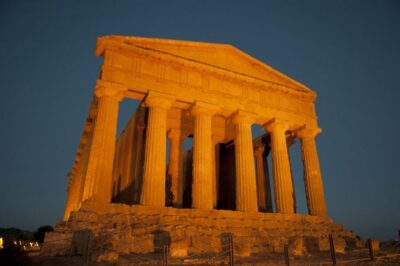
Agrigento: Valley of the Temples Skip-the-Line Sunset Tour
Read our review →
From Trapani: Day Cruise to Favignana & Levanzo with Lunch
Read our review →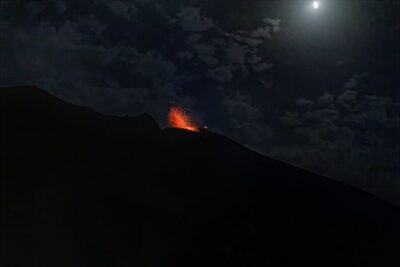
Stromboli: Sunset Trekking at Sciara del Fuoco
Read our review →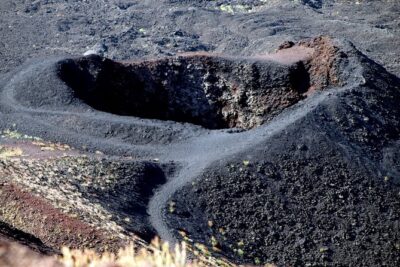

Boat Tour Egadi Day discover Favignana and Levanzo from Trapani
Read our review →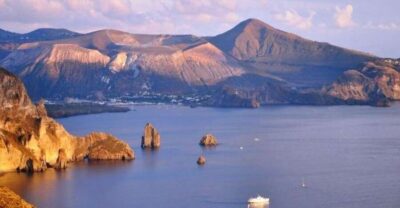
Browse the lists this tour appears in