
Reviewed · SICILY TOURS
Syracuse: Neapolis Archaeological Park Small Group Tour
Ancient stone, huge stories, one compact walk. I like this small-group tour for its clear route through Syracuse’s Greek Theater, Ear of Dionysius, and Roman amphitheater, plus the way guides connect Greek and Roman Syracuse to life today. I also like the modest $26 price, especially when the entry-ticket option is selected. The main consideration is pace: at 1.5 hours, the visit is efficient rather than leisurely, and one recent rating found it slower than necessary.
A good guide changes this park from scattered ruins into a readable story. Guides including Eva, Federica, Galina, Anne-Marie, and Carmine have been praised for making complex history easy to follow, answering questions, and adjusting their pace for children. The tour is offered as shared or private, but the language listed for the live guide is Italian, so check the exact option before booking.
In This Review
- Four reasons this Syracuse tour earns attention
- Why Neapolis matters in Syracuse
- Starting at Largo Anfiteatro
- Latomie del Paradiso and Grotta dei Cordari
- Inside the Ear of Dionysius
- The Greek Theater and views toward the bay
- Altar of Hieron II and the Roman amphitheater
- What the $26 price really buys
- Group size, language, and timing
- The guide makes the largest difference
- Weather and practical comfort
- Who should book this Neapolis visit?
- Should you book it?
- FAQ
- How long does the Neapolis Archaeological Park tour last?
- What sights are included?
- Is the entrance ticket included?
- Where does the tour meet?
- Is the tour shared or private?
- What language is the guide’s live explanation in?
- Is the park accessible by wheelchair?
- What should I bring?
- Can I cancel the booking?
Four reasons this Syracuse tour earns attention
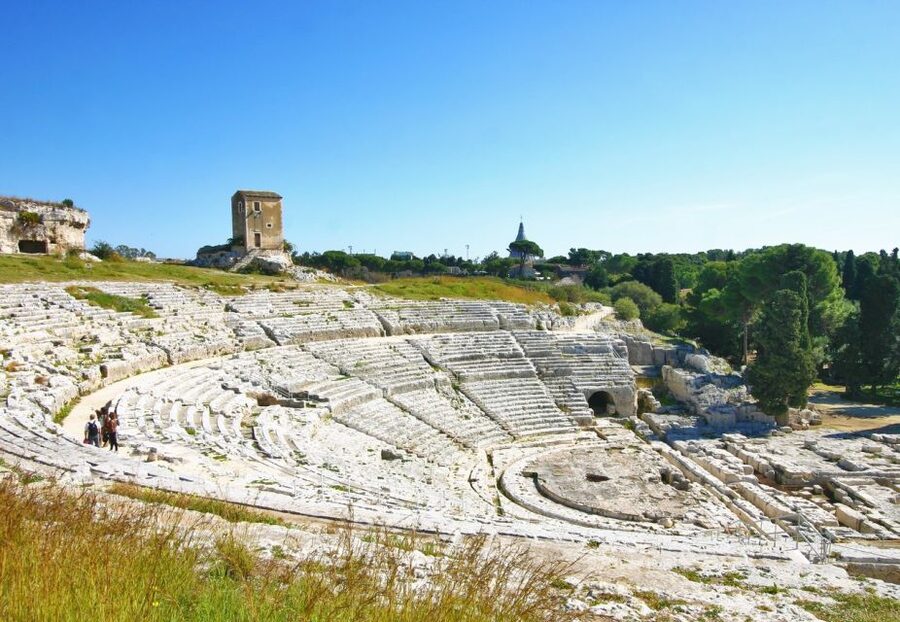
- The Greek Theater gives you both ancient drama and bay views, with the stone seats cut into Temenite Hill.
- The Ear of Dionysius is a memorable natural oddity, a grotto famous for its shape and echo.
- The route covers Greek and Roman Syracuse together, including the altar of Hieron II and Roman amphitheater.
- Guides provide the context the ruins lack, explaining how the monuments fit into the city’s long story.
- The $26 price is strong value, provided your booking includes the park entrance ticket.
- The compact length suits a busy Sicily day, though you should not expect a slow, highly detailed archaeological study.
Why Neapolis matters in Syracuse
Syracuse is not only an attractive Sicilian city with an old center on Ortigia. It was also one of the most important Greek colonies in the ancient Mediterranean, and Neapolis preserves the physical evidence of that importance.
The park brings together Greek theaters, stone quarries, monumental remains, and Roman construction. That mix is the real reason to visit. You are not looking at one isolated ruin. You are following the growth, use, and reuse of a major city across different periods.
I find archaeological parks much easier to understand with a guide, and Neapolis is a good example. Without explanation, you can see cut stone, broken walls, and broad open spaces. With a good guide, those same places become theaters, quarries, public monuments, and working parts of an ancient city.
The strongest praise for this experience goes to the guides. Eva is repeatedly described as warm, clear, patient, and well informed. Federica is praised for her enthusiasm and for making the subject interesting to adults and teenagers. Galina and Anne-Marie also received praise for bringing the place to life. That matters here because the park rewards interpretation more than casual wandering.
A few more Sicily bookings to compare
- From Trapani: Cruise to Favignana and Levanzo with lunch
★ 4.2 · 2,286 reviews - From Milazzo: Panarea and Stromboli Boat Trip by Night
★ 4.2 · 1,605 reviews - Agrigento: Valley of the Temples Skip-the-Line Sunset Tour
★ 4.5 · 1,512 reviews
Starting at Largo Anfiteatro
The tour has two possible starting arrangements, and Largo Anfiteatro, 2 is listed as the principal meeting address. Your exact meeting point may depend on the option you book, so read the confirmation carefully rather than assuming every group gathers in the same spot.
You meet a licensed guide at the entrance gate. From there, the visit is on foot through the archaeological park and returns to the Largo Anfiteatro area. There is no separate transport between sights, which keeps the route simple but means you should arrive ready for an outdoor walk.
Bring your passport or identity card, as requested in the tour information. Wear practical shoes and carry water, particularly in warm weather. One July booking found an evening start helpful because the day was extremely hot. That is a useful tip for summer, although starting times depend on availability.
Latomie del Paradiso and Grotta dei Cordari
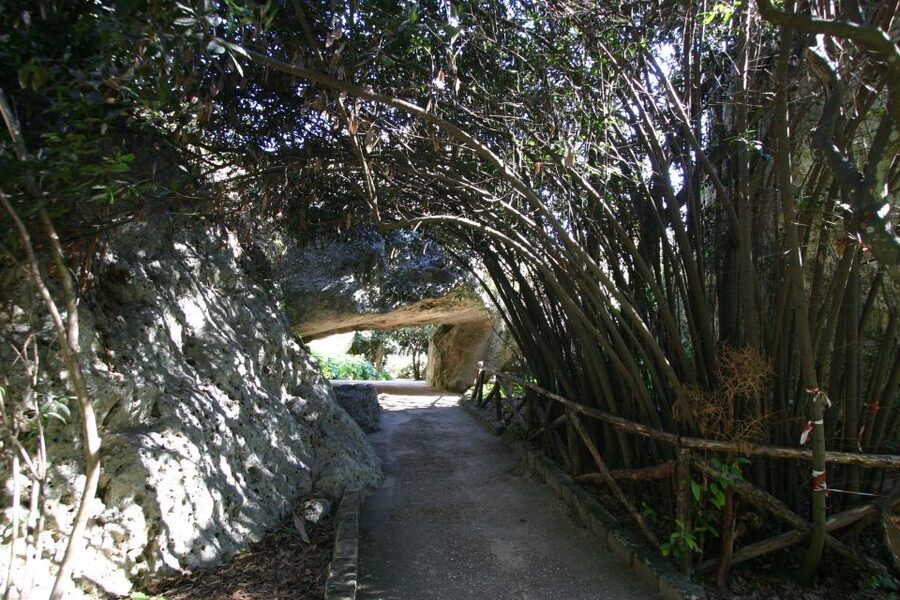
The first substantial stop is the Latomie del Paradiso, an ancient stone quarry. The quarry is not simply a hole in the ground. Its walls, scale, and plant life show how the site was shaped by human labor and then softened by nature.
You receive about 15 minutes of guided explanation here. That is enough to understand why the quarries mattered and to take in the local flora, but it is not enough for a long independent exploration. If you enjoy geology, ancient engineering, or detailed archaeology, you may wish the schedule allowed more time.
The route then includes the Grotta dei Cordari, also with about 15 minutes of guided attention. This stop helps show how the quarry spaces were used and adapted. The itinerary identifies it separately from the Ear of Dionysius, so you get more than a quick stop at the park’s most famous grotto.
The ground and paths can vary in feel across the park. The experience is described as wheelchair accessible, and one parent appreciated being directed toward paved paths while pushing a stroller. Still, accessibility does not mean every surface feels equally easy, so anyone with limited mobility should confirm the precise route for the selected tour.
Inside the Ear of Dionysius
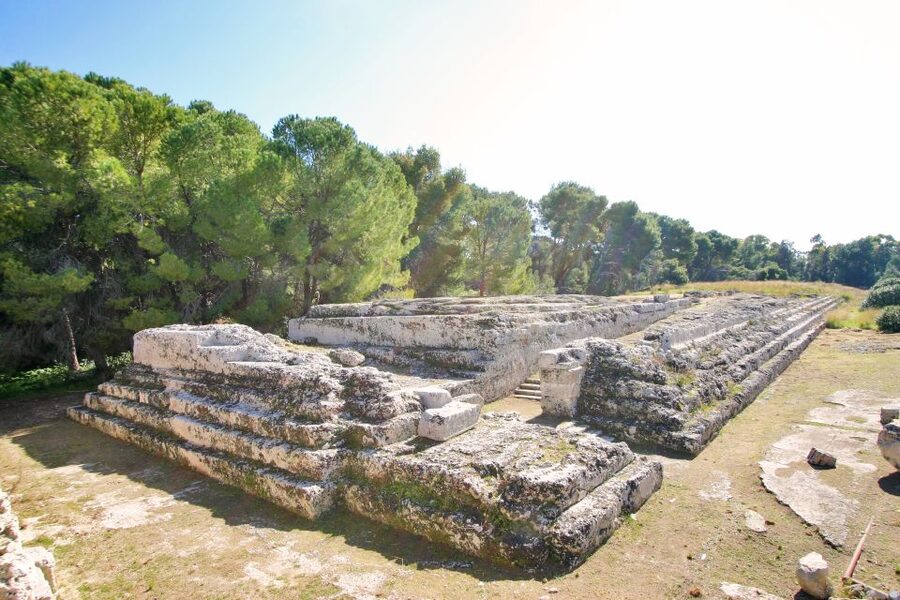
The Ear of Dionysius is the most theatrical stop, and the name is not hard to understand once you see the grotto’s tall, curved form. Its shape and echoing acoustics give it an unusual atmosphere that differs from the open-air monuments.
The guide spends around 15 minutes here. You can expect an explanation of the grotto’s fame, its form, and the sounds that make it memorable. This is one of those places where a guide adds useful detail without needing a long lecture. The space itself does much of the work.
I would not judge the entire tour by the Ear alone. It is the easiest sight to remember, but the Greek Theater and Roman amphitheater provide a stronger sense of Syracuse as a major ancient city. The grotto is the vivid middle chapter, not the whole story.
Still Sicily, but a slower afternoon:
- From Trapani: Day Cruise to Favignana & Levanzo with Lunch
★ 4.3 · 1,483 reviews - Stromboli: Sunset Trekking at Sciara del Fuoco
★ 4.6 · 1,372 reviews - Boat Tour Egadi Day discover Favignana and Levanzo from Trapani
★ 5.0 · 1,183 reviews - From Milazzo: Lipari and Vulcano Day Trip
★ 4.3 · 1,166 reviews
The Greek Theater and views toward the bay
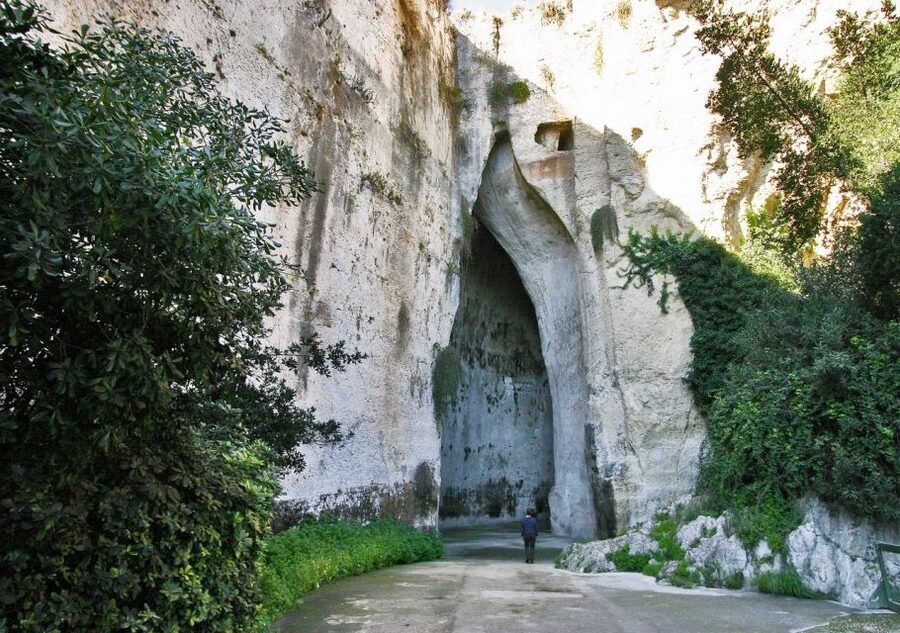
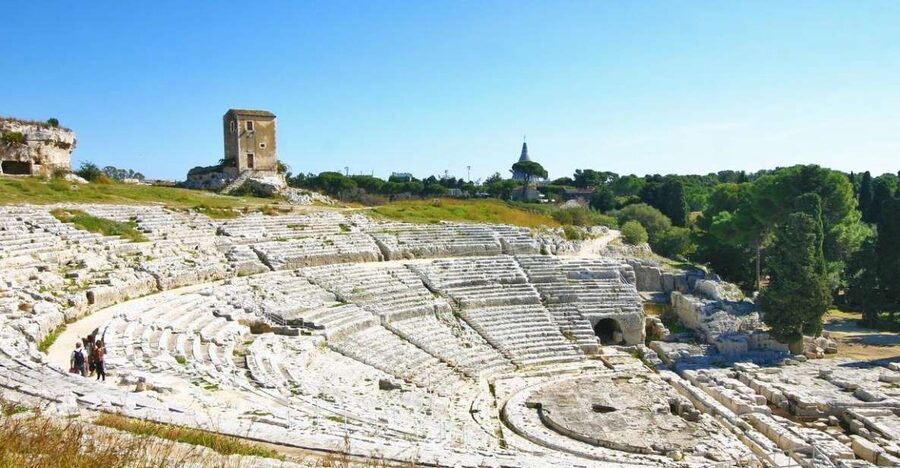
The Greek Theater receives the longest portion of the route, about 30 minutes. That is appropriate. Cut into the rock of Temenite Hill, it is the park’s defining monument and the place where the scale of ancient Syracuse becomes clear.
Your guide explains the theater’s archaeological importance and how it functioned as a place for performance. You also get time to look outward toward the town’s bay. That combination is one of the tour’s best features: you are seeing both the structure and the setting that made the site so powerful.
Several ratings point to the value of having a guide here. One person said the park would not have been the same without one. Another noted that teenagers found the explanations interesting, which is a useful sign for families who worry that ancient ruins will lose younger attention.
The guide style seems more important than speed. Eva is praised for giving just the right amount of information, while other bookings highlight clear storytelling and room for questions. A private tour may suit you if you want to stop often, ask detailed questions, or shape the explanation around a child’s interests. A shared tour is likely the better deal if you are happy to follow a set route.
The main tradeoff is time. Thirty minutes lets you grasp the theater, see the views, and take photographs, but you will not have unlimited time to sit and study every section. One four-star rating found the overall visit somewhat slow and thought it could have been shorter. That suggests the pace may feel relaxed to some people and overlong to others.
Altar of Hieron II and the Roman amphitheater
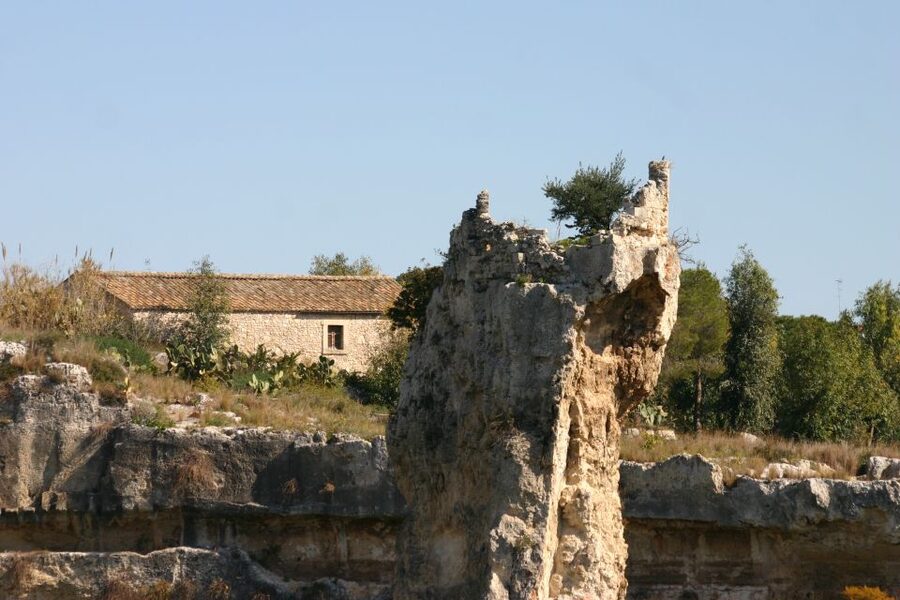
After the theater, the tour includes a short photo stop within the wider Neapolis Archaeological Park before moving to the Altar of Hieron II. The altar receives about 10 minutes of guided explanation.
This stop broadens the story beyond entertainment and quarrying. Your guide helps place the monument within the public and religious life of ancient Syracuse. Ten minutes is brief, but it works as part of the larger sequence because you have already learned how the city used stone and monumental space.
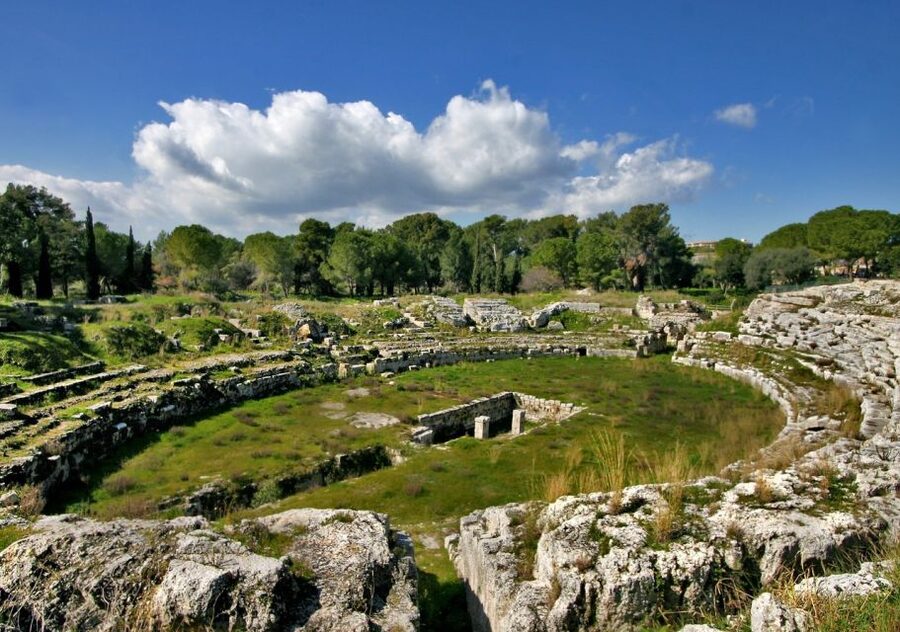
The final major stop is the Syracuse Roman Amphitheater, scheduled for about 15 minutes. Here the contrast with the Greek Theater becomes useful. The two structures belong to different cultural and political chapters, and seeing them in one walk helps you compare how public spectacles and civic spaces changed over time.
The Roman section has occasionally been affected by early closure. During one visit, staff closed part of the amphitheater before the expected time, and the guide worked to get the group inside. That experience shows why a guide can be helpful beyond storytelling. A guide familiar with the site may be able to clarify a problem or advocate for the group, though access can never be guaranteed if an area closes.
What the $26 price really buys
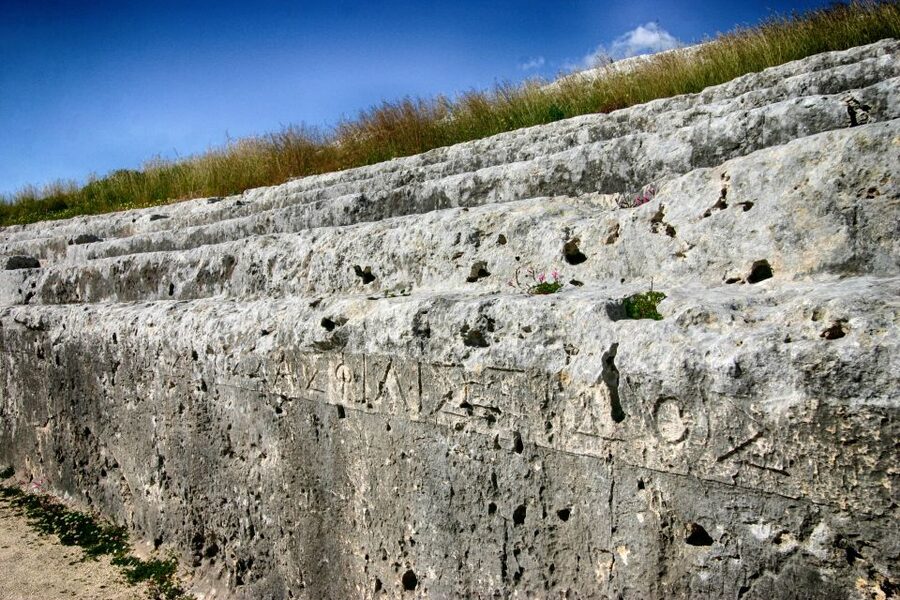
At $26 per person, this is an inexpensive way to add structure to a major Syracuse sight. You receive a walking tour and a licensed guide. Entry tickets are included when you choose the ticketed option, so check that detail while booking because the value depends on which version you select.
The price is strongest for first-time visitors who have not researched Neapolis in advance. You could walk through the park alone, but you would need to supply the historical framework yourself. Many of the most positive comments focus on exactly this benefit: guides explain what happened, point out details, answer questions, and make the ruins easier to picture.
A private tour costs more than a shared group option, though the supplied price is listed as $26 per person rather than giving separate private pricing. The practical choice is simple: select shared if you want the lower-cost introduction, and consider private if your group values flexible pacing or has different interests.
Large shared groups may receive radio receivers. These are listed as available only for the large shared-group option. That can help you hear the guide near crowded monuments, while smaller groups may rely on staying close. One group of about ten people reported hearing Eva clearly without difficulty.
Group size, language, and timing
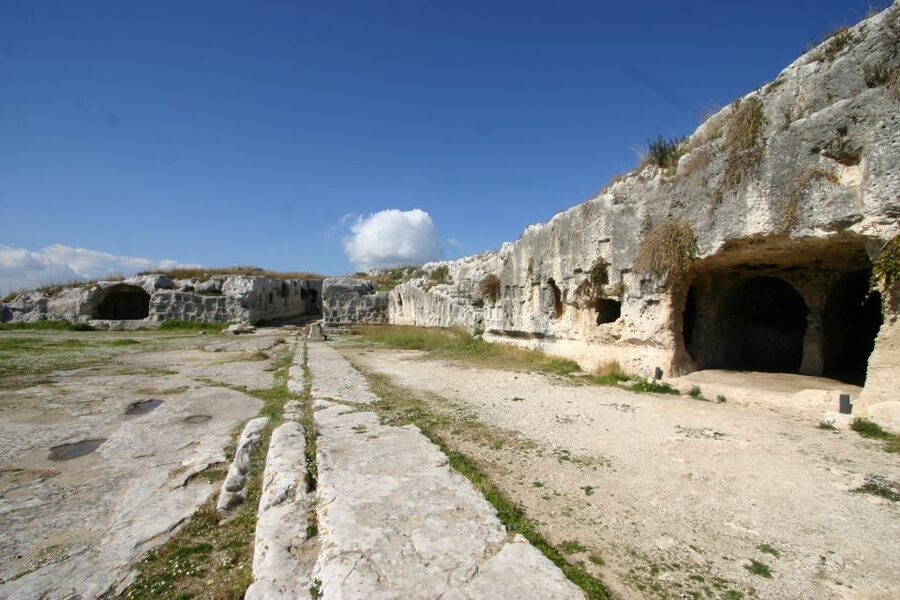
The experience offers shared and private formats. A small group can make it easier to ask questions and keep contact with the guide, while a larger group may use radio receivers. The description does not promise one fixed group size, so check the option you choose if group size is important to you.
The listed live-tour language is Italian. There is also a note that, in rare cases of very small shared tours, explanations may be given in two languages. Do not assume English is available from the information provided. Confirm the language before paying, especially if you do not understand Italian.
The advertised duration is 1.5 hours. The individual timed stops add up to roughly that length, allowing for movement between them. You should expect a brisk, organized visit rather than free time at every monument.
The tour can work well in a busy Syracuse schedule because it finishes near where it begins. It is also short enough for families and for people who want a focused introduction before exploring Ortigia. If you want to read every sign, linger at the theater, or photograph the park at leisure, plan additional independent time around the tour.
The guide makes the largest difference
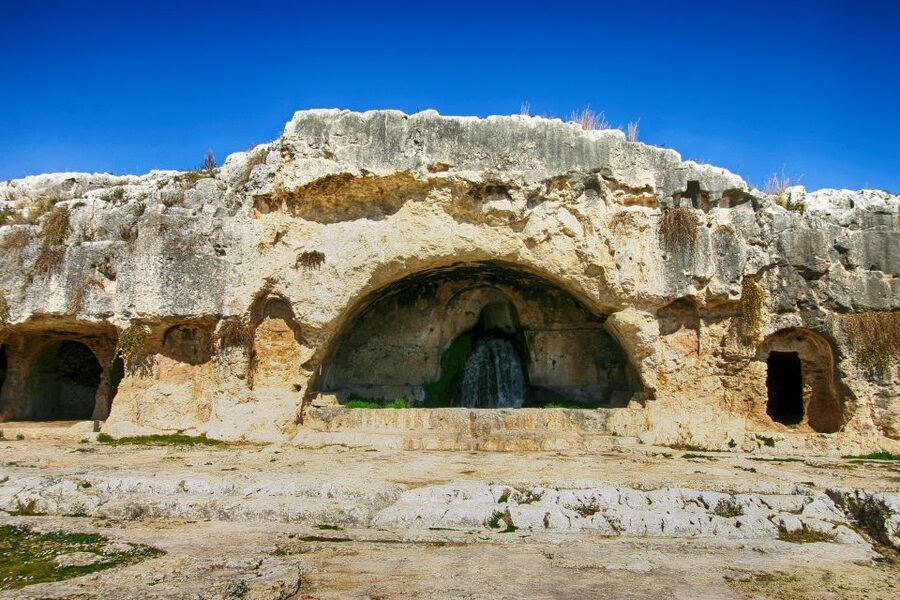
The most consistently praised part of the experience is the guiding. Eva appears frequently in positive feedback, with people highlighting her clear explanations, patience, warmth, and ability to answer questions. Federica is praised for making Greek and Roman culture interesting, and for offering suggestions about things to do nearby.
That does not mean every guide will use exactly the same style. Some are likely to focus on dates and monuments, while others connect the site to modern Syracuse and local culture. One guide even explained the meaning of modern sculptures around the park, which added another layer to the walk.
I especially like the reports that guides adjusted their approach for children. One private booking included an eight-year-old, and the guide adapted the content and pace. Another guide helped a parent find paved paths for a stroller. These are small actions, but they can determine whether a family remembers the visit as a pleasure or a chore.
The tour is also praised for avoiding information overload. That is important at a site with many names, rulers, and periods. The best guide will give you a usable story, not a dump of dates. You can always research the finer points later.
Weather and practical comfort
This is an outdoor archaeological visit, so weather affects the experience. A rainy day made one tour more difficult, although the group continued to the end. In summer, heat can be a serious concern, and an evening departure may be more comfortable than a midday walk.
Bring your identity document, comfortable walking shoes, and water. Make sure your phone or camera is ready for the theater views and the park’s open spaces. The tour includes a photo stop, but the schedule is guided, so do not expect long pauses at every location.
The park is listed as wheelchair accessible. That is encouraging, and the note about paved paths suggests the guide can help with route choices. If you need a specific level of access, ask about the selected option and meeting point in advance.
Cancellation is flexible: you can cancel up to 24 hours before the start for a full refund. You can also reserve now and pay later, which helps if your Sicily route is still moving around.
Who should book this Neapolis visit?
I would choose this tour if you want the main monuments explained in a short, orderly visit. It is especially suited to first-time visitors, families, cruise or short-stay guests, and anyone who looks at ruins and thinks, I wish I knew what I was seeing.
History fans will appreciate the Greek and Roman sequence, but those wanting a full archaeological study should allow extra time beyond the tour. The 1.5-hour format cannot cover every detail of Neapolis.
It also suits people who prefer a human explanation to an audio guide or guidebook. The repeated praise for Eva, Federica, Galina, and Anne-Marie suggests that the experience depends heavily on the person leading it, but the format gives you a strong chance of a more meaningful visit than a solo walk.
Should you book it?
Yes, if you want a well-priced introduction to Syracuse’s most important ancient monuments. At $26, the combination of a licensed guide, a focused route, and possible entry-ticket inclusion is good value.
Choose the shared option for economy and a straightforward overview. Pick private if your group needs a slower pace, child-friendly explanations, or more control over questions. Confirm the language and ticket option before booking, and avoid treating the short tour as your only time in the park.
The best reason to book is simple: Neapolis is impressive, but it is not self-explanatory. A good guide turns the Greek Theater, quarry caves, altar, and amphitheater into connected parts of Syracuse’s story.
FAQ
How long does the Neapolis Archaeological Park tour last?
The advertised duration is 1.5 hours. The timed visits to the main stops add up to roughly that length, including short movement and photo time.
What sights are included?
The route includes the Latomie del Paradiso, Grotta dei Cordari, Ear of Dionysius, Greek Theater, Altar of Hieron II, and Syracuse Roman Amphitheater. There is also a photo stop in Neapolis Archaeological Park.
Is the entrance ticket included?
Entry tickets are included if you select the option that includes them. Check the booking choice carefully because the information does not say that every option includes admission.
Where does the tour meet?
The meeting point can vary by booking option. Largo Anfiteatro, 2 is listed as a starting and ending location, with the guide meeting you at the park entrance gate.
Is the tour shared or private?
You can choose between a shared group tour and a private tour. Group size depends on the option selected.
What language is the guide’s live explanation in?
The listed live-tour language is Italian. In rare cases involving a very small shared group, the explanation may be given in two languages, so confirm the language for your booking.
Is the park accessible by wheelchair?
The activity is listed as wheelchair accessible. A guide has also helped a parent use paved paths with a stroller, but you should confirm the exact route if you have specific access needs.
What should I bring?
Bring a passport or identity card. Comfortable footwear and water are sensible choices for this outdoor walking tour, especially in warm weather.
Can I cancel the booking?
You can cancel up to 24 hours in advance for a full refund. The activity also offers a reserve-now, pay-later option.
Recently added around Sicily
- Stromboli: sunset trekking to Sciara del Fuoco – Ashàra★ 4.5 · 270 reviews
- Quad Tour Excursion from the Castle to the Sea★ 5.0 · 194 reviews
- Syracuse: Ortigia Private Walking Tour★ 4.8 · 181 reviews
- Syracuse: Ortigia Sunset Cruise with Aperitif★ 4.8 · 291 reviews
- Syracuse: Coast and Sea Caves Full Transparent Boat Tour★ 4.8 · 330 reviews
- Syracuse: Ortigia Island and Sea Caves Boat Tour with Drinks★ 4.6 · 337 reviews
- Syracuse: Ortigia and Neapolis Guided Walking Tour★ 4.7 · 205 reviews
- Syracuse: Boat Tour with Captain Mirko, Snorkeling & Caves★ 4.7 · 746 reviews
Sicily Tours, compared.
From Trapani: Cruise to Favignana and Levanzo with lunch
Read our review →
From Milazzo: Panarea and Stromboli Boat Trip by Night
Read our review →
Agrigento: Valley of the Temples Skip-the-Line Sunset Tour
Read our review →
From Trapani: Day Cruise to Favignana & Levanzo with Lunch
Read our review →
Stromboli: Sunset Trekking at Sciara del Fuoco
Read our review →
Boat Tour Egadi Day discover Favignana and Levanzo from Trapani
Read our review →
Agrigento: Valley of the Temples Ticket & App Audioguide
Read our review →Browse the lists this tour appears in