Reviewed · TICKETS
Rome:Hop-On Hop-Off Panoramic Open Bus Ticket 3 Circuits x 1
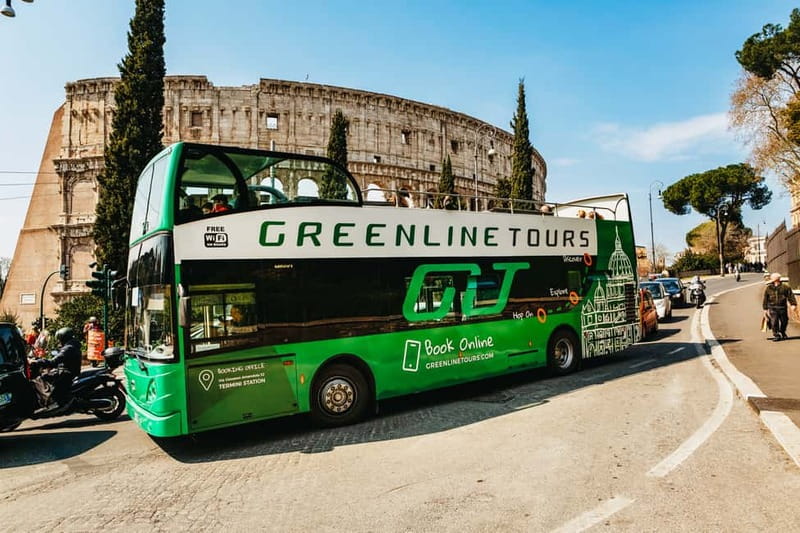
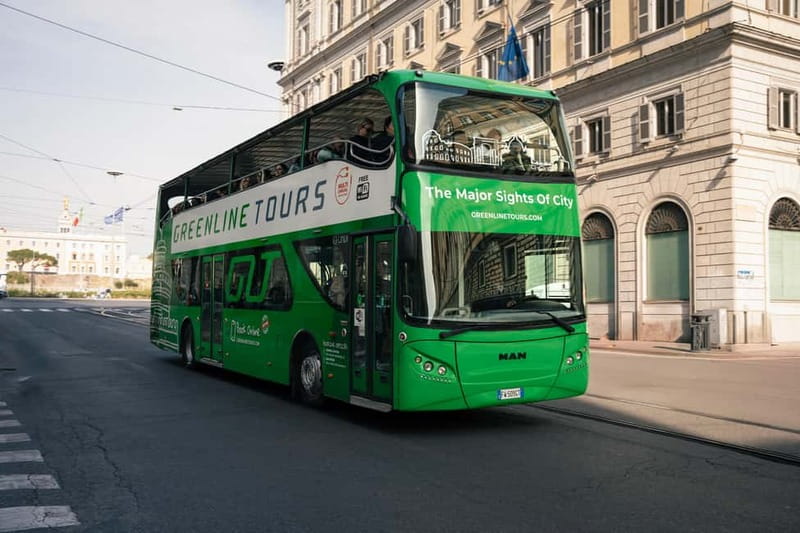
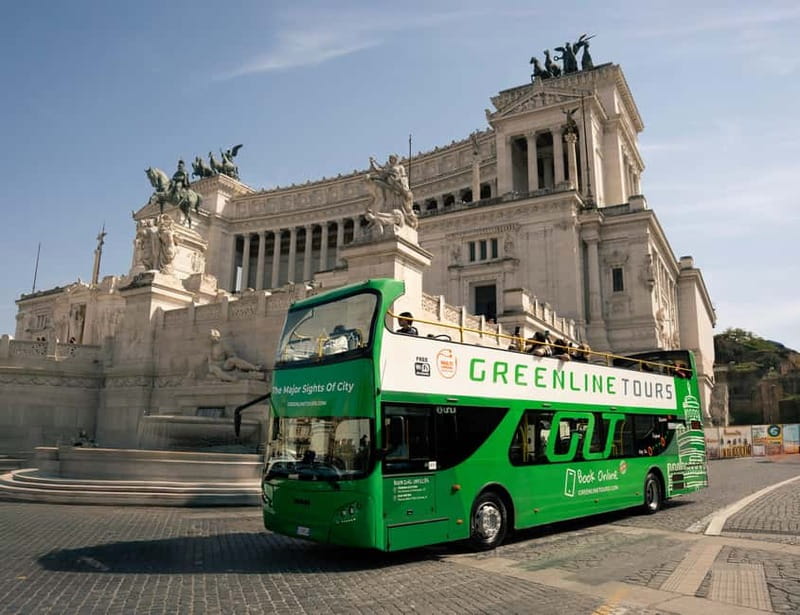
Rome reveals itself quickly from an open bus. The Colosseum, Vatican, Trevi Fountain area, and Villa Borghese all come into view without asking your feet to cross the whole city on day one.
I especially like the easy city orientation and the choice of three routes: the Green Route for major sights, the Orange Route for Italian food stops, and the Blue Route for less familiar corners. The multilingual audio guide is another strong point, with 16 languages available. The main drawback is that the commentary and headphone sockets can be patchy, and Rome traffic may slow the ride.
A ticket begins at about $20 per person, with options lasting for a day, 24 hours, 48 hours, or 72 hours, depending on the selected booking. That makes the bus most useful when you plan to hop off several times, not simply ride one circuit and call it a day.
In This Review
- Key Points Before You Board
- Why This Bus Works Best on Your First Day
- Starting at Piazza dei Cinquecento
- Santa Maria Maggiore and Rome’s Esquiline Hill
- Colosseum, Forum, and the Ancient Center
- Circus Maximus and the View Toward the Palatine
- Piazza Venezia and the Baroque Center
- Vatican City and St. Peter’s Square
- Villa Borghese and the Barberini Area
- Testaccio, Pyramid, and Eataly
- Villa Giulia, Auditorium, and MAXXI
- The Audio Guide and Onboard Comfort
- Is the $20 Price Good Value?
- Small Details That Make the Day Easier
- Should You Book the Rome Hop-On Hop-Off Bus?
- FAQ
- Where does the Rome hop-on hop-off bus start?
- How often do the buses run?
- How long is the ticket valid?
- Which languages are available for the audio guide?
- Does the ticket include Colosseum or Vatican entry?
- Can I get off and board again?
- Is Wi-Fi available on the bus?
- Can I bring luggage or a pet?
Key Points Before You Board

- Three routes cover different sides of Rome: The Green Route focuses on central landmarks, the Orange Route reaches food-oriented areas such as Eataly and Testaccio, and the Blue Route heads toward museums and residential districts.
- Buses run about every 20 minutes: Actual waits can be shorter, but traffic and busy stops can affect the schedule.
- The first ride is at Piazza dei Cinquecento: Find the Green Line Tours stop at the corner of Via Cavour, Terminal 1/A.
- Audio commentary comes in 16 languages: Italian, English, French, German, Dutch, Spanish, Arabic, Chinese, Japanese, Russian, Portuguese, Hindi, Korean, Greek, Hebrew, and Polish are available.
- This is a sightseeing bus, not an attraction ticket: Entry to the Colosseum, Vatican Museums, Borghese Gallery, and other sites costs extra.
- The top deck gives the best views: Bring sunglasses, a hat, and comfortable shoes for the stops where you continue on foot.
Why This Bus Works Best on Your First Day
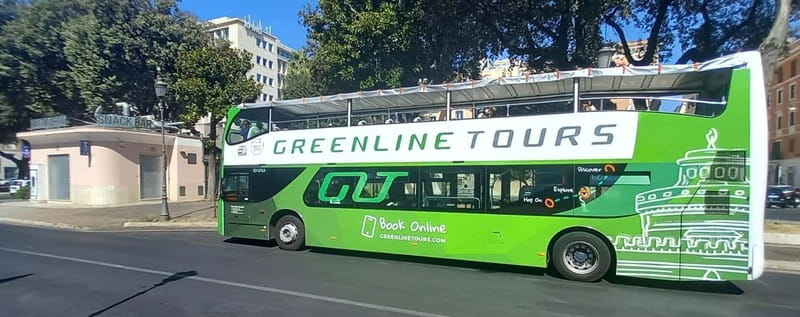
Rome is not difficult to understand after you have walked it for a while. Before that, the city can feel like a collection of grand buildings scattered across a large, busy center. This bus gives you a rough map in one ride.
You can sit above the traffic, listen to commentary, and see how the ancient center connects with the Vatican, Villa Borghese, and districts farther south. That bird’s-eye view helps you decide where to spend your limited time.
I would use the first complete circuit as an orientation ride. Stay aboard, note the stops that appeal to you, and then repeat the route with a plan. You can get off at the Colosseum, Circus Maximus, Vatican City, Piazza Venezia, or other stops, then board again when you are ready.
The pass becomes more valuable with each planned stop. If you only want a quick ride past the main monuments, a standard city walk may cost less. If you want to rest between sightseeing sessions, avoid some long walks, or cover several separate areas, the bus earns its price more easily.
A few more Rome bookings to compare
- Vatican: Museums & Sistine Chapel Entrance Ticket
★ 4.5 · 144,003 reviews - Vatican Museums & Sistine Chapel Tour with Optional Basilica
★ 4.3 · 67,413 reviews - Colosseum, Roman Forum & Palatine Guided Tour
★ 4.7 · 63,148 reviews
Starting at Piazza dei Cinquecento
The main starting point is Piazza dei Cinquecento at the corner of Via Cavour, Terminal 1/A. This is a practical location near Rome’s Termini area, and it is also where the full circuit returns.
You need the original booking on the day, not just a screenshot. An assistant is available on board, which helps if you are unsure about the stop or route. Live bus tracking and free Wi-Fi are included, useful features when you are waiting in an unfamiliar part of the city.
The open-top arrangement is the reason to choose this format. From upstairs, you get a clear view of monuments and streets. The tradeoff is exposure to sun and rain, so sunglasses and a sun hat are sensible. One passenger had a good experience despite rain, but weather remains a simple factor you cannot control.
Santa Maria Maggiore and Rome’s Esquiline Hill
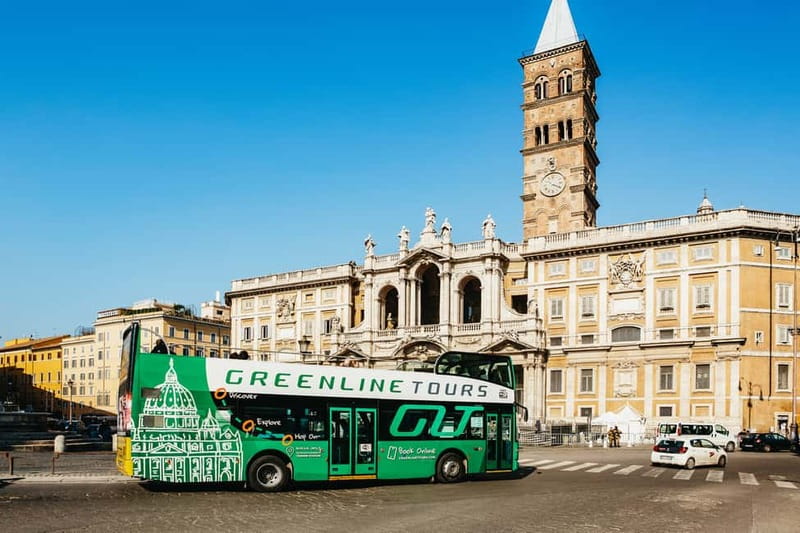
The stop near Basilica Papale di Santa Maria Maggiore places you by one of Rome’s major basilicas. The church is on the Esquiline Hill, a part of the city that often gets less attention than the Colosseum or Trevi Fountain.
This is a good early stop if you want a quieter look at Rome’s religious architecture. You can also use it as a marker for the city’s central district, since the bus links it with Termini, the Colosseum, and Piazza Venezia.
The bus only brings you near the sight. Entry and any special visits inside are not included, so plan the stop around your own sightseeing schedule.
Colosseum, Forum, and the Ancient Center
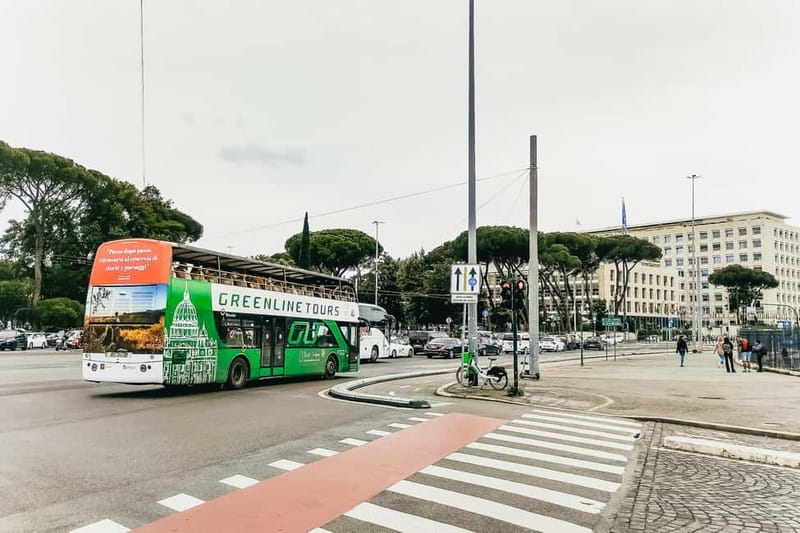
The Colosseum stop is on Via di San Gregorio, close to the entrance of the Palatine. This is one of the most useful stops on the entire network because it places you near several major ancient sites at once.
From here, you can walk toward the Colosseum, the Roman Forum, and Palatine Hill. The bus commentary gives you background as you approach, but it does not replace an entry ticket or a proper visit inside the monuments.
This stop also shows the practical value of hop-on hop-off transport. Ancient Rome is an area where you may spend several hours on foot. Afterward, sitting down on the bus can be welcome, especially if you are trying to reach another district without adding another long walk.
Expect crowds and traffic around this part of town. The stop is close to the sights, but not necessarily at the exact entrance you want. Check the route position before getting off, and allow time to cross roads and find your way.
Still Rome, but a slower afternoon:
- Vatican Museums, Sistine Chapel & St Peter’s Basilica Guided Tour
★ 4.5 · 39,149 reviews - Rome: Colosseum, Palatine Hill and Roman Forum Guided Tour
★ 4.8 · 32,814 reviews - Rome: Guided Tour of Colosseum, Roman Forum & Palatine Hill
★ 4.7 · 27,897 reviews - Rome: Colosseum & Forum with Audio Guide App -Optional Arena
★ 4.2 · 24,770 reviews
Circus Maximus and the View Toward the Palatine
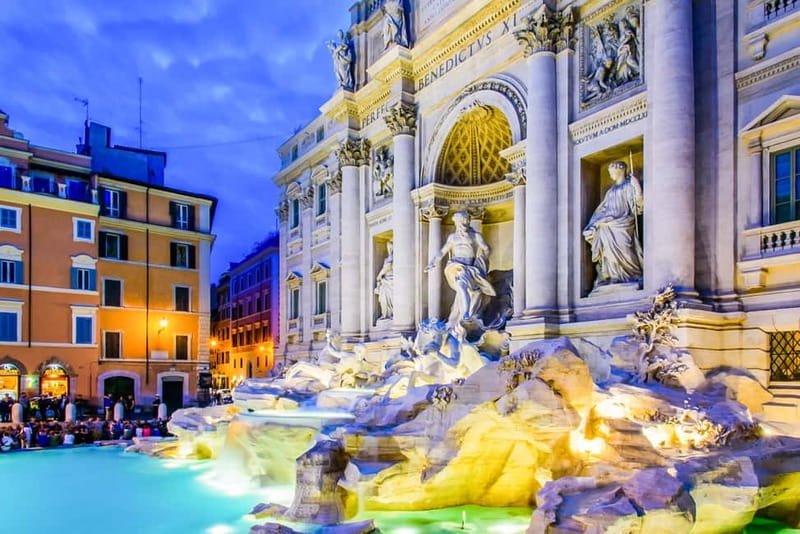
The Circus Maximus stop is at the Belvedere Romolo e Remo on Via del Circo Massimo. The former chariot-racing ground is broad and open, giving you a different sense of Rome than the tight streets around the Forum.
The site is valuable even if you do not plan a long visit. You can see the scale of the ancient racecourse and look toward the Palatine area. This stop also works well for a break between the Colosseum and the southern parts of the city.
The bus passes through a part of Rome where the view matters as much as the destination. Stay alert on the upper deck, because the wide ruins and surrounding monuments are easy to appreciate from a moving bus.
Piazza Venezia and the Baroque Center
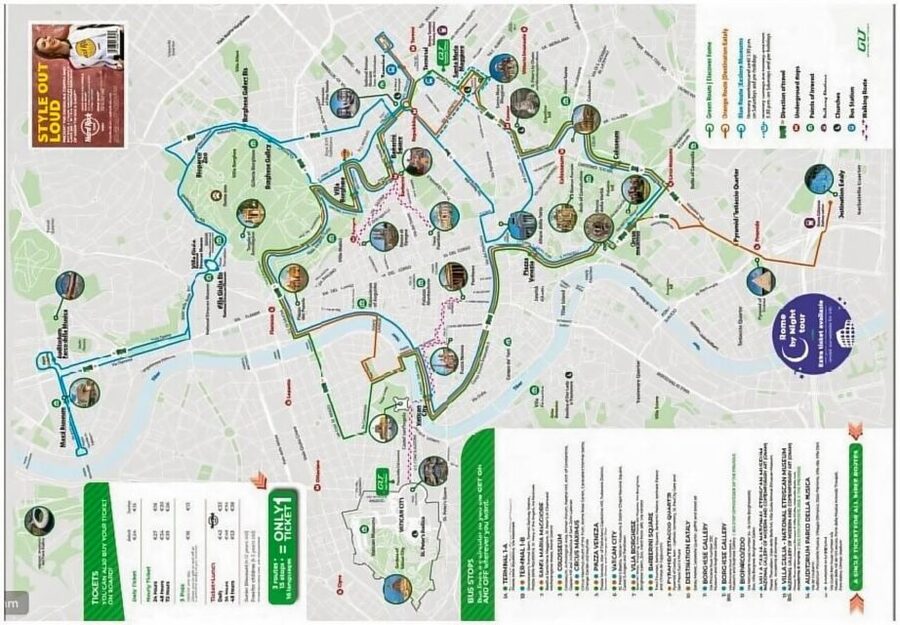
At Piazza Venezia, the stop is on Via del Teatro Marcello, in front of civic numbers 32 to 34. This places you close to the busy heart of central Rome.
From here, you can walk toward the Trevi Fountain, Spanish Steps, Pantheon area, and Via del Corso. The bus does not stop at every famous landmark, so this is one of the key points where you leave the vehicle and continue on foot.
Via del Corso is useful for more than shopping. Its side streets lead to small piazzas, cafés, churches, and some of Rome’s most famous Baroque views. If your goal is to throw a coin at the Trevi Fountain or climb the Spanish Steps, Piazza Venezia is a practical drop-off point, though you should expect a walk rather than a doorstep arrival.
This is also a good place to pause for coffee or lunch. Food and drinks are not included on the bus, but central Rome gives you plenty of chances to stop independently.
Vatican City and St. Peter’s Square
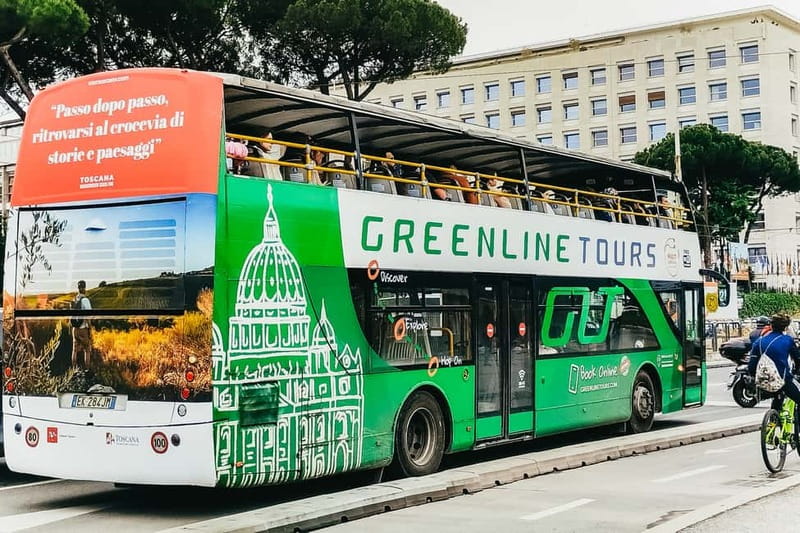
The Vatican stop is at Lungotevere Tor di Nona 7, near the Vatican area. From here, you can continue toward St. Peter’s Square and St. Peter’s Basilica.
The route gives you a useful view of the monumental side of Rome, but the Vatican requires more planning than a simple hop off. The bus ticket does not include entry to the Vatican Museums or the basilica, and queues can affect how long you need to remain in the area.
I like this stop for a first view of St. Peter’s Square, followed by a return to the bus when you are ready. It also gives you a break from walking between the ancient center and the Vatican. Do not treat the bus stop as a timed entry reservation. It is transport and sightseeing, not a skip-the-line pass.
Villa Borghese and the Barberini Area
The bus serves Villa Borghese on Via Ludovisi 48, as well as a stop near the Borghese Gallery on Via Pinciana. Villa Borghese is Rome’s large park area, with museums, paths, and open space away from the busiest streets.
The Borghese Gallery stop is particularly useful if you have already arranged gallery admission. The gallery is not included, and its value as a stop depends on whether you have a separate ticket and enough time for the visit.
The nearby Bioparco di Roma stop on Via Mercadante 34 or 36 serves the city zoo. Families may find this route more useful than a standard monument-only circuit, since it adds a break from churches and ruins.
You can also reach Piazza Barberini on Via Barberini 14. This stop links the park area with the central streets around the Spanish Steps and Trevi Fountain. It is a handy place to get off when you want to combine a park visit with the historic center.
Testaccio, Pyramid, and Eataly
The route toward Pyramid and Testaccio adds a more local side of Rome to the standard monument list. The stop is near the Pyramid of Cestius, the Non-Catholic Cemetery, the ancient city gate, and the road toward St. Paul Outside the Walls.
Testaccio is a useful choice if you want food, street life, and a neighborhood setting rather than another grand square. The nearby archaeological remains add context without requiring you to spend the entire day in the central zone.
Eataly Rome is another distinct stop. It serves as a large food market and connects with the Garbatella area and its street art. This is where the Orange Route can feel different from the classic sightseeing circuit. You may choose it for food shopping, a meal, or a change of pace.
The route does not turn these areas into guided walking tours. You will need to explore after getting off, and you should check the return bus position before wandering too far.
Villa Giulia, Auditorium, and MAXXI
The Blue Route heads toward several cultural sites outside the usual first-time Rome circuit. At Piazza Thorvaldsen, you are near Villa Giulia, the National Etruscan Museum, and the National Gallery of Modern and Contemporary Art.
This section is useful if you have extra time or a specific interest in museums. It also shows how the bus can serve more than just the Colosseum and Vatican. The stops are spread out, so you should choose one or two rather than trying to visit everything in a single afternoon.
The Auditorium Parco della Musica stop is on Via de Coubertin. The complex is associated with concerts and modern architecture, offering another change from ancient ruins and Baroque churches.
The final listed cultural stop is MAXXI Museum, on Via Guido Reni 4/a. If modern art interests you, this is a sensible way to reach the museum area without arranging a separate ride. Again, admission is not included.
The Audio Guide and Onboard Comfort
The audio guide is available in 16 languages, which is a real advantage for mixed-language groups. You can select Italian, English, French, German, Dutch, Spanish, Arabic, Chinese, Japanese, Russian, Portuguese, Hindi, Korean, Greek, Hebrew, or Polish.
The commentary provides basic information about the sights as you pass. That is enough to give shape to the city and help you decide where to return on foot. It is not the same as having a live guide who can answer questions or adjust the pace.
Sound quality is the weak spot. Some headphone sockets may not work, and the audio can be hard to hear when other people are talking. At times, the loudest setting may still feel too quiet. If you are sharing a pair of earphones, check the socket early and ask the assistant if there is a problem.
Free Wi-Fi and live tracking add practical value. The tracking feature is especially useful when you have walked away from a stop and want to estimate the next bus. The stated frequency is about every 20 minutes, though city traffic can change the wait.
Is the $20 Price Good Value?
At roughly $20 per person, the ticket is inexpensive for a full day of transport and sightseeing, particularly if you use several stops. A 24-hour pass can be a good middle choice for a short Rome stay, while 48 or 72 hours makes more sense if you want to spread out museums and long walks.
The value drops if you stay on board for one circuit only. You are then paying mainly for the view and commentary, not for transport between multiple places.
The pass is strongest for:
- A first day in Rome when you want to understand the city’s layout
- Families or older adults who need regular sitting breaks
- Short visits with several distant sights on the wish list
- Anyone who prefers audio commentary to a fixed walking group
- Visitors staying for two or three days who plan to return to different areas
It is less useful if you prefer walking every street, have already arranged private transport, or plan to spend the whole day inside one attraction.
Small Details That Make the Day Easier
Wear comfortable shoes even though the bus does much of the moving. The stops are near major sights, not always directly at the entrance, and central Rome still requires plenty of walking.
Large bags and luggage are not allowed. Pets are also prohibited, except for assistance dogs. Alcohol, drugs, explosives, and alcoholic drinks in the vehicle are not permitted.
This experience is not suitable for wheelchair users according to the supplied access information. If mobility access is important to you, confirm arrangements before booking rather than assuming the open bus can accommodate every need.
Free cancellation is available up to 24 hours before the activity for a full refund. Reserve-and-pay-later booking can help if your schedule is still shifting, but check the exact validity period and starting time offered for your date.
Should You Book the Rome Hop-On Hop-Off Bus?
I would book it as a Rome orientation tool, especially on your first day. Use the first ride to understand the city, then hop off at two or three carefully chosen stops instead of trying to conquer every route at once.
The best plan is simple: start at Piazza dei Cinquecento, ride toward the ancient center, stop near the Colosseum, continue later to Vatican City, and use another route for Testaccio, Eataly, or the museums. Keep your attraction tickets separate, and do not expect the bus to deliver you directly to every doorway.
Book it if you value easy transport, broad city views, and a gentle introduction to Rome. Skip it if you want a detailed walking tour or intend to spend most of your time inside museums and archaeological sites. At this price, it offers solid value when you use the stops thoughtfully.
FAQ
Where does the Rome hop-on hop-off bus start?
The Green Line Tours route starts at Piazza dei Cinquecento, at the corner of Via Cavour, Terminal 1/A.
How often do the buses run?
Buses run approximately every 20 minutes, although traffic may affect the actual waiting time.
How long is the ticket valid?
Depending on the option selected, the ticket can be valid for a daily period, 24 hours, 48 hours, or 72 hours after you first validate it. The exact period and starting time should be checked when booking.
Which languages are available for the audio guide?
The audio guide is available in Italian, English, French, German, Dutch, Spanish, Arabic, Chinese, Japanese, Russian, Portuguese, Hindi, Korean, Greek, Hebrew, and Polish.
Does the ticket include Colosseum or Vatican entry?
No. Entrance tickets for attractions, including the Colosseum and Vatican sites, are not included.
Can I get off and board again?
Yes. You can board and leave the bus as many times as allowed by your selected validity period, using the available routes and stops.
Is Wi-Fi available on the bus?
Yes. Free Wi-Fi is included onboard, along with live bus tracking.
Can I bring luggage or a pet?
Large bags and luggage are not allowed. Pets are not permitted, although assistance dogs are allowed.
Recently added around Rome
- Palatine Hill and Roman Forum Tour with Fast-Track Entrance★ 4.2 · 417 reviews
- Tivoli: Villa D’Este & Villa Adriana Pass & App Audioguide★ 4.4 · 364 reviews
- From Rome: Villa D’Este & Villa Adriana Day Trip with Lunch★ 4.4 · 289 reviews
- Vatican Museums & Sistine Chapel Skip-the-Line Guided Tour★ 4.6 · 254 reviews
- Rome: The Three Tenors at St. Paul’s Church Concert Ticket★ 4.7 · 699 reviews
- Tivoli: Villa D’Este Entry Ticket and App Audio Guide★ 4.3 · 191 reviews
- Rome: Capitoline Museums and Centrale Montemartini Tickets★ 4.4 · 328 reviews
- Rome: St. Peter’s Basilica and Papal Tombs Guided Tour★ 4.6 · 477 reviews
Tickets, compared.
Cathedral and Duomo’s Terraces Entrance Ticket
Read our review →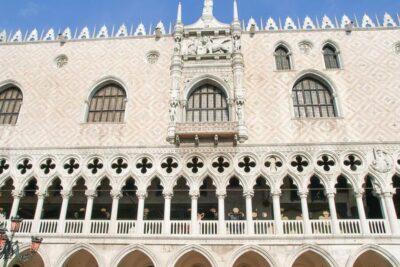
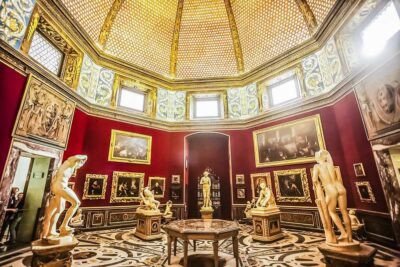
Skip-The-Line Uffizi Gallery Timed Entry Ticket
Read our review →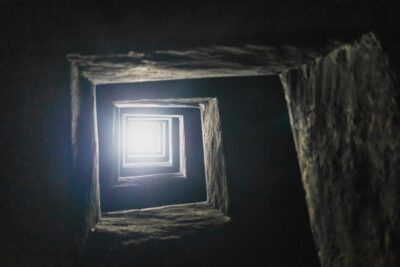
Naples Underground Entry Ticket and Guided Tour
Read our review →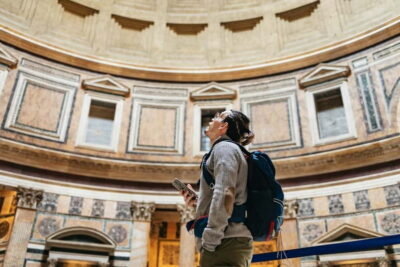
Pantheon Fast-Track Ticket and Official Audio Guide
Read our review →
Entry Ticket and Guided Tour with an Archaeologist
Read our review →