
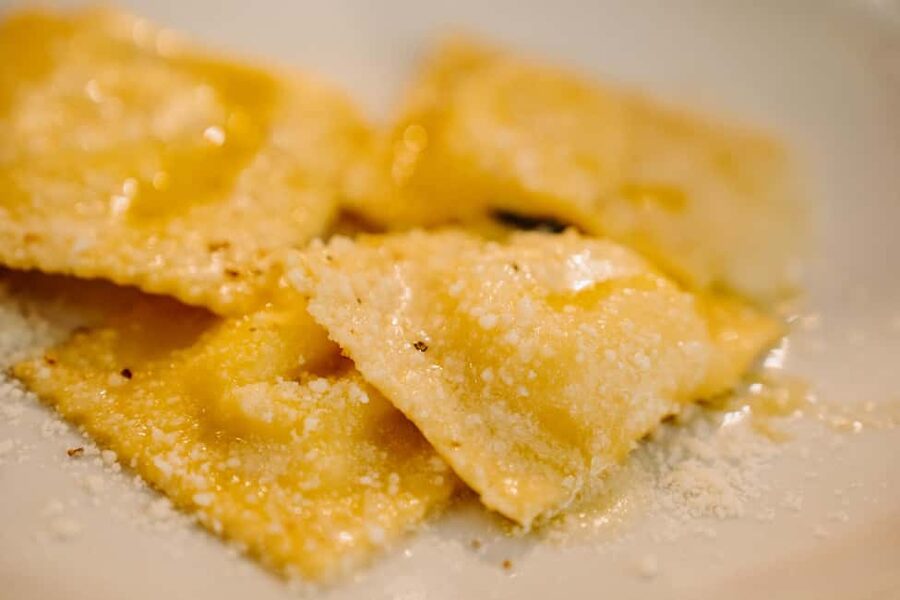
Reviewed · COOKING CLASSES
Rome: Traditional Pasta Making Class with Wine & Gelato
Fresh pasta makes Rome taste personal. This three-hour class in Trastevere gives you two things I especially like: hands-on pasta making with a professional chef and a relaxed meal with prosecco, wine, and gelato afterward. You are not just watching a demonstration. You are mixing, shaping, cooking, and eating the results. The main consideration is that the class is not suitable for wheelchair users, people with mobility impairments, or strollers.
I also like the local focus. The chef explains Roman food customs, market ingredients, and the logic behind sauces such as cacio e pepe, gricia, amatriciana, and puttanesca. Families and solo participants can fit in well, though the shared option means your experience depends partly on the group’s pace and personality.
In This Review
- Key points to know before booking
- Arriving in Trastevere for the 3-hour class
- Prosecco, cured meats, and the Roman aperitivo
- Mixing and shaping fresh fettuccine and ravioli
- Roman sauces: cacio e pepe, gricia, and more
- Sitting down to eat your own pasta
- The group experience, from solo visitors to families
- What the $66.84 price includes
- Practical limits you should know
- Should you book this Trastevere pasta class?
- FAQ
- How long does the pasta-making class last?
- Where does the class meet?
- How early should I arrive?
- Is the class private or shared?
- What language is the class conducted in?
- What pasta will I make?
- Which sauces are included?
- Are food and drinks included?
- Can dietary restrictions be accommodated?
- Is the activity suitable for wheelchair users or strollers?
Key points to know before booking
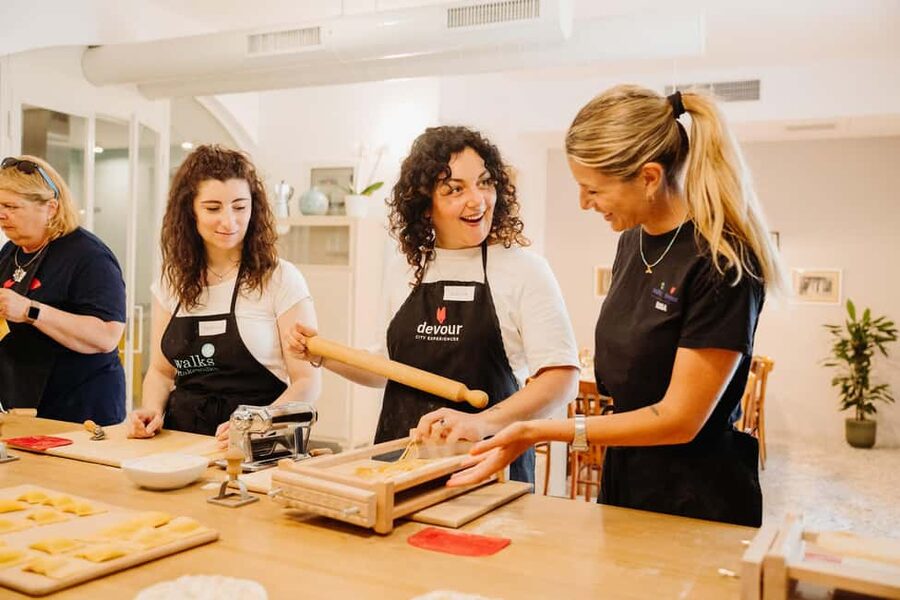
- You make two pastas from scratch: Prepare fettuccine and ravioli, then pair them with two traditional sauces.
- The class starts with an aperitivo: Prosecco, cured meats, and cheese set an easy Italian tone before the cooking begins.
- The setting is in Trastevere: Meet at Piazza di San Giovanni della Malva, then cook in a private kitchen reserved for your group.
- The chef chooses seasonal sauces: Available ingredients may determine whether you prepare amatriciana, puttanesca, gricia, cacio e pepe, or another traditional combination.
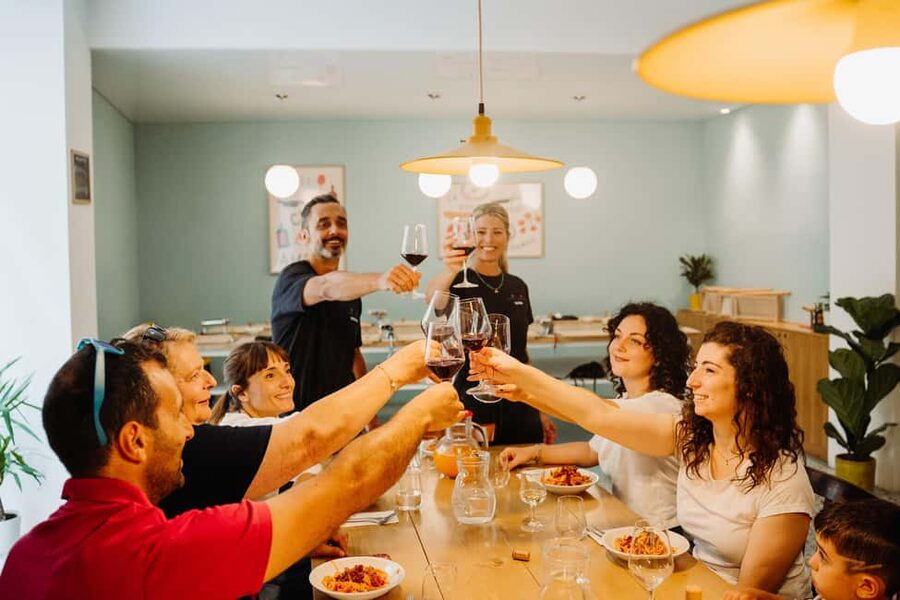
- The meal is part of the lesson: You sit down to eat your pasta with wine and finish with homemade gelato.
- The class suits families and solo participants: Children as young as six have enjoyed it, and solo participants can feel at ease in the shared format.
Arriving in Trastevere for the 3-hour class
The meeting point is Piazza di San Giovanni della Malva, in front of the San Giovanni della Malva church. Arrive 15 minutes early. Your guide will carry a red bag or a Devour Tours sign, which makes the meeting point easier to spot in a busy neighborhood square.
The class begins and ends at the same meeting point. There is no hotel pickup or drop-off, so plan your route through Rome before you set out. Trastevere is a good place for this kind of activity because it feels like a lived-in neighborhood rather than a string of monuments. Give yourself enough time to arrive without rushing. You will enjoy the opening aperitivo more if you are not checking your phone for directions.
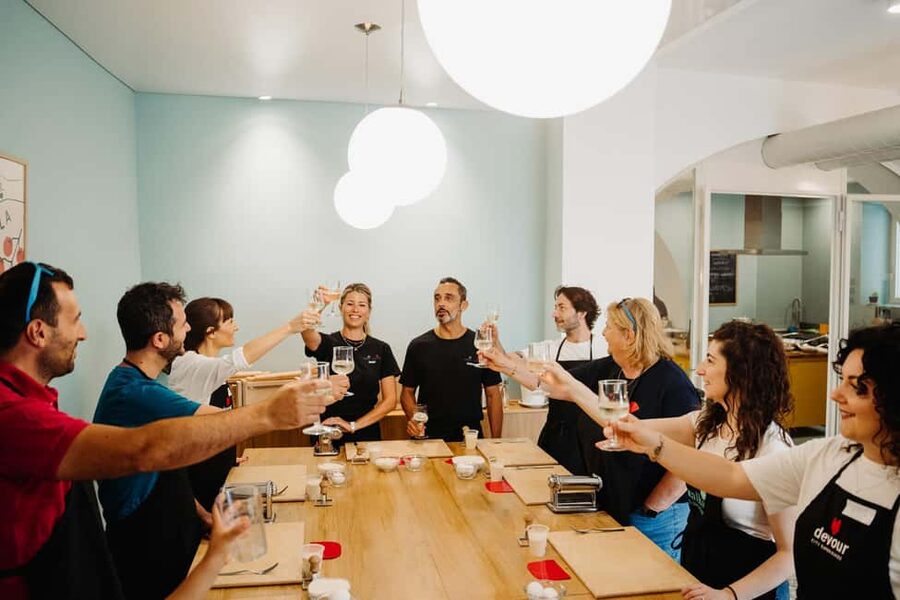
The cooking school is described as a charming space in the heart of Trastevere, reserved just for your group. The room is modern, clean, and spacious enough for practical work, according to the detailed experience accounts. That matters in a cooking class. You need room to roll dough, handle flour, watch the chef, and keep track of your ingredients without feeling cramped.
The class is offered as a private or shared experience, depending on the option you select. A private class gives your own group more control over the pace and questions. The shared version can bring a pleasant social side, with introductions and time to meet people from other parts of the world.
More Cooking Classes in Rome
- 3 in 1 Cooking Class near Navona: Fettuccine, Ravioli & Tiramisu
★ 5.0 · 7,376 reviews - Rome: Pasta & Tiramisu Class with Fine Wine by the Vatican
★ 4.9 · 4,852 reviews - Rome: Pasta Making Class with Wine, Limoncello, and Dessert
★ 4.9 · 3,177 reviews
Prosecco, cured meats, and the Roman aperitivo
You begin with a glass of prosecco and an aperitivo plate of cured meats and cheese. This is not filler before the main event. In Italy, the aperitivo is a social pause, a chance to settle in, talk, and prepare for the meal ahead.
I like this opening because it removes the pressure to start cooking the moment you walk through the door. You can get comfortable, meet the chef, and, in a shared class, introduce yourself to the other participants. It also gives the chef a natural way to explain how food fits into daily Roman life.
The food and drink are included: appetizers, prosecco, wine, all cooking ingredients, two pasta dishes, and gelato. Additional food and drinks can be purchased after the class if you want to stay longer, but they are not part of the listed price.
The aperitivo is also useful for families. Children can settle in with the group before the more technical work begins, while adults get the traditional Italian welcome. One family with children aged nine and eleven described the class as the favorite activity of a ten-day Italy trip. Another parent enjoyed the class with a six-year-old daughter and found it well organized for both children and adults.
Mixing and shaping fresh fettuccine and ravioli
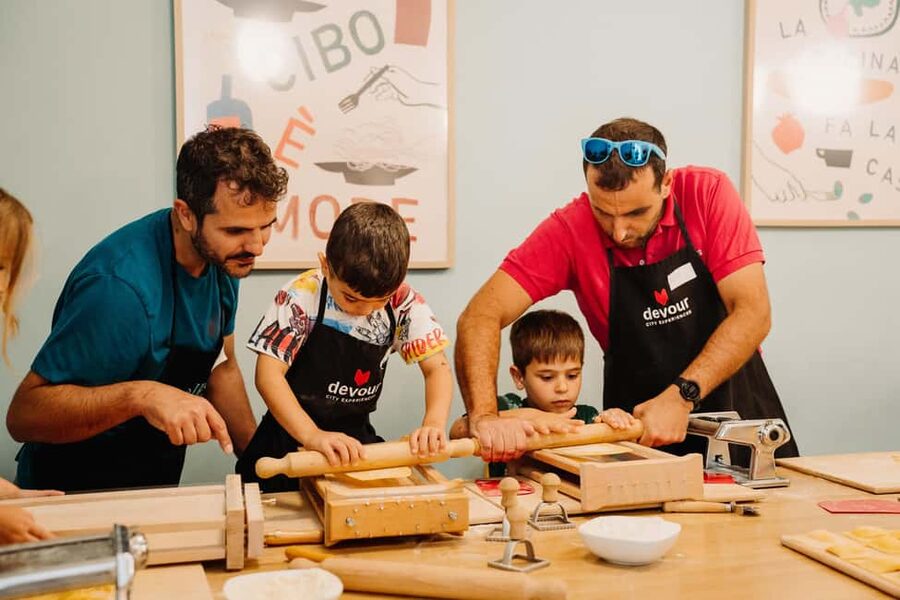
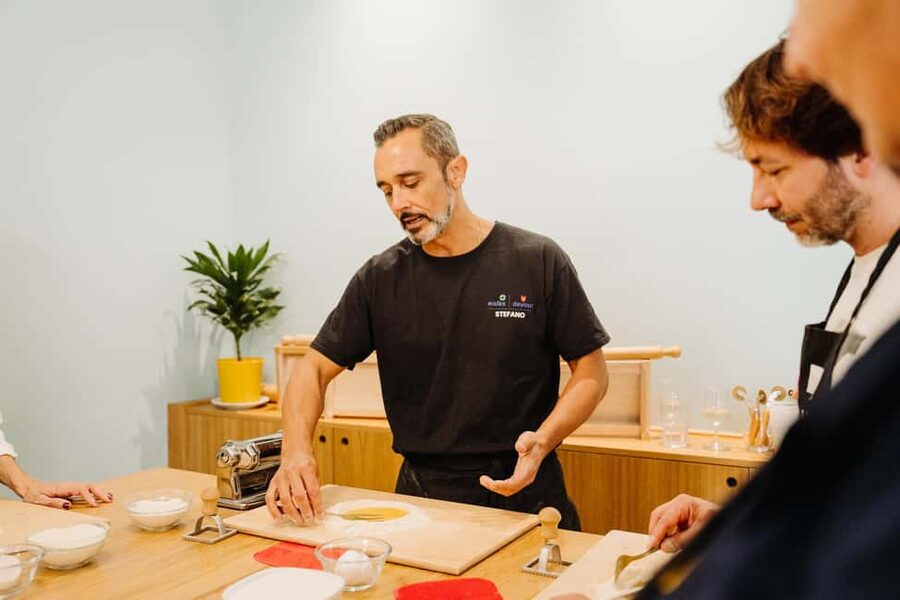
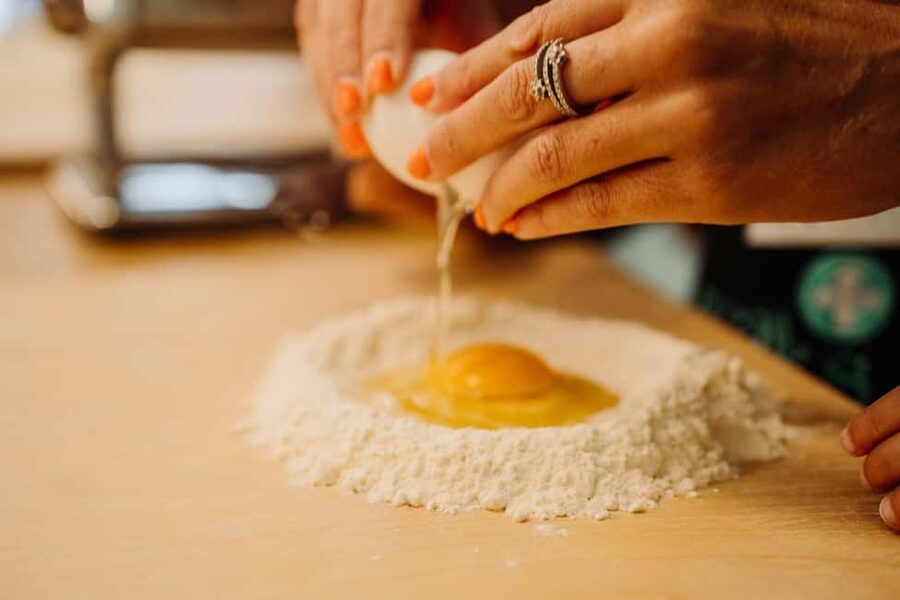
The centerpiece is the hands-on work. Under the chef’s direction, you prepare fresh dough and learn how to turn it into fettuccine and ravioli. For someone who has never made pasta, this is the right level of useful work. You get involved, but you are not left to guess your way through the process.
The chefs break down each stage and explain what to do, along with why it matters. That second part is important. A recipe can tell you what to add, but a good teacher helps you understand texture, timing, and the small choices that affect the result.
You should expect flour on your hands and a few imperfect shapes. That is part of the fun. The class is designed for adults and children, and the instructors use patience and encouragement rather than treating pasta making like a formal exam.
The teaching style is one of the strongest parts of this experience. Fredrica is praised for explaining the reasons behind each step and for answering questions beyond the recipe in front of the group. Fernanda is described as giving everyone time to work things out and ask questions. Luca, Manuela, Asia, Stefano, Elisa, Jamila, Jeanmarie, Guilia, and other chefs are also singled out for being warm, funny, patient, or energetic.
The exact chef depends on the date and group. You should not book expecting one particular instructor unless the operator confirms that in advance. Still, the repeated pattern is clear: the class depends heavily on personable teaching, and this team has earned a very strong overall score of 4.9 from 677 ratings.
Roman sauces: cacio e pepe, gricia, and more
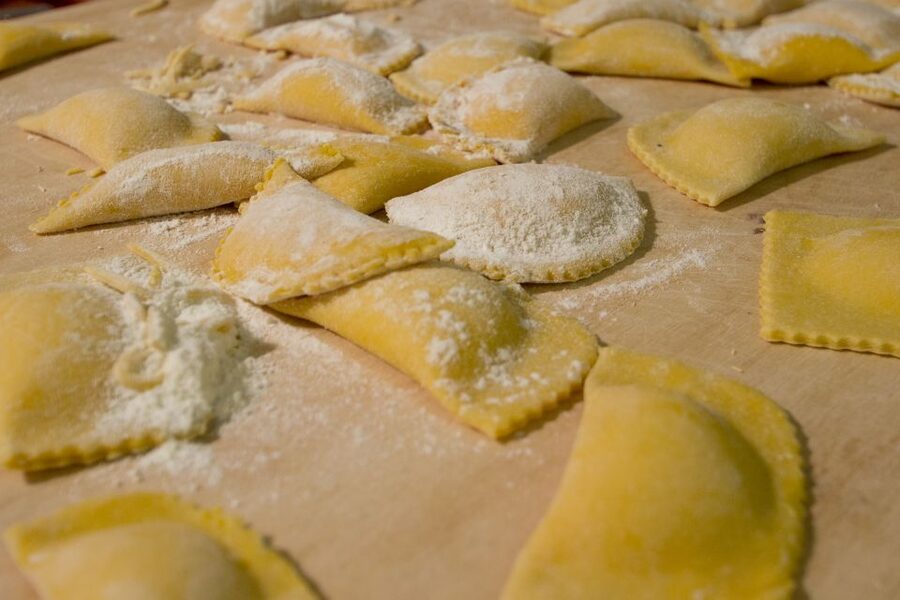
The class covers two homemade pasta dishes with traditional red and white sauces. Possible choices include amatriciana, puttanesca, gricia, and cacio e pepe. The chef selects the sauces according to seasonal ingredients available at local markets, so the exact menu can vary.
That variation is a plus if you care about cooking in season, but it is worth knowing before you book. You may have a favorite Roman sauce in mind and not receive that exact preparation. The class gives you a broader understanding of Roman cooking rather than a fixed menu you can choose in advance.
The sauce lesson is just as valuable as the dough. Several participants especially appreciated learning how the sauces work, not simply following a pasta recipe. You get a chance to ask why a chef uses a certain ingredient, how Roman dishes stay simple, and how to recreate the meal at home.
Cacio e pepe and gricia show the Roman preference for a short ingredient list handled carefully. Amatriciana brings tomato and a stronger savory note, while puttanesca offers a more assertive combination. The supplied details do not promise that every sauce will appear in one class, so think of these as possible examples rather than guaranteed dishes.
One detailed account wished for a small green salad and found a ravioli filling a little bland. That is useful criticism. The pasta meal is the focus, not a full restaurant menu with several side dishes. If you want vegetables or extra courses, you may need to order additional food afterward or plan another meal.
Still Rome, but a slower afternoon:
- Vatican: Museums & Sistine Chapel Entrance Ticket
★ 4.5 · 144,003 reviews - Vatican Museums & Sistine Chapel Tour with Optional Basilica
★ 4.3 · 67,413 reviews - Colosseum, Roman Forum & Palatine Guided Tour
★ 4.7 · 63,148 reviews - Vatican Museums, Sistine Chapel & St Peter’s Basilica Guided Tour
★ 4.5 · 39,149 reviews
Sitting down to eat your own pasta
After the practical work, you sit down and eat what you made. This changes the feel of the meal. You are not simply being served a plate in a restaurant. You have seen the ingredients, handled the dough, shaped the pasta, and watched the sauce come together.
Wine accompanies the meal, and homemade gelato finishes it. The gelato is prepared by the chef, so the last course continues the cooking theme rather than feeling like an unrelated dessert stop.
The meal is often described as delicious, and several detailed accounts call it one of the best meals of their Italy trip. That praise makes sense: fresh pasta is at its best when eaten soon after it is made, and the pleasure comes partly from knowing exactly what went into it.
Still, you should think of this as a class with a meal, not a long restaurant dinner. The purpose is participation and instruction. You will eat well, but the most lasting reward is the ability to repeat parts of the meal at home.
Recipes or cooking guidance may be provided after the experience. One participant ordered a pasta maker afterward and planned to use the recipes at home. Another said the class gave the family enough confidence to try the techniques in their own kitchen. That practical follow-through is a sign that the lesson is not just entertaining for three hours.
The group experience, from solo visitors to families
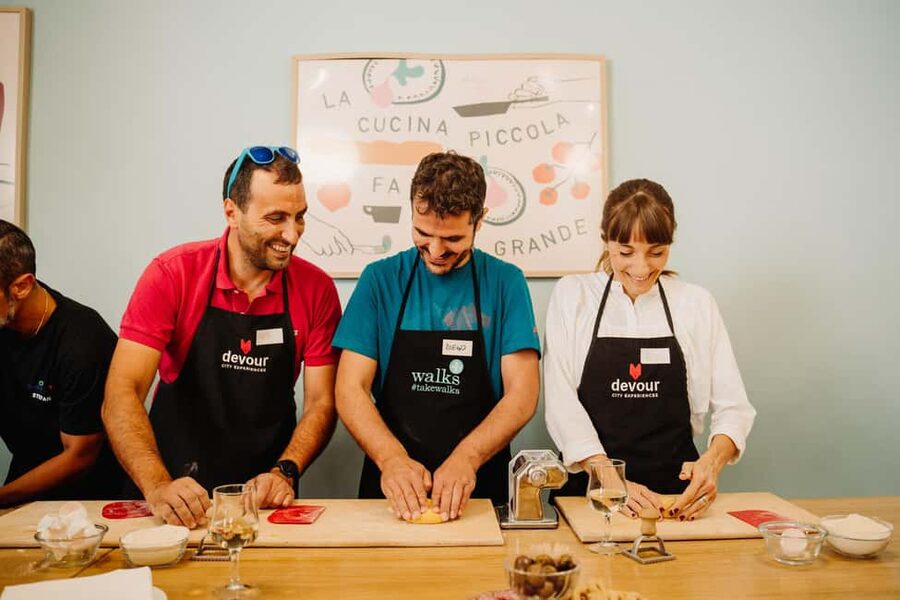
The private option is the clear choice if you want a more personal pace, have a special celebration, or need to keep the class focused on your own group. The shared class is a better value if you enjoy meeting people and do not mind sharing the work space.
Solo participants can fit comfortably into the shared format. One solo participant found the chefs engaging and felt at ease throughout the activity. The social structure gives you something to do immediately, so you are not left standing alone while a larger group settles in.
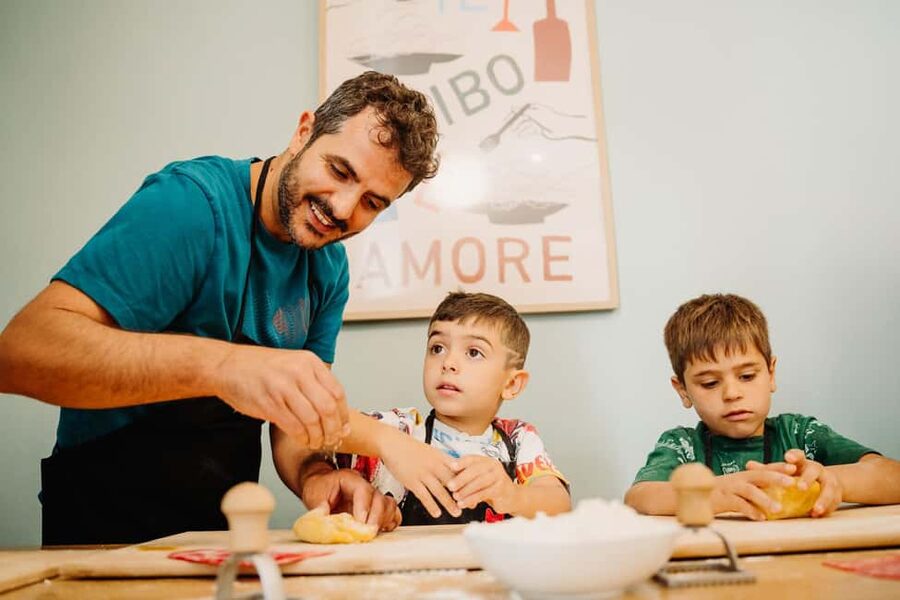
Families also have good reason to consider this class. Children can take part in the physical work, and the pace includes explanation, encouragement, and a meal. A six-year-old and older children have enjoyed the experience, but every child is different. If your child dislikes sitting, flour, or step-by-step tasks, the three-hour length may feel long.
The class also works well for couples and anniversary trips. One couple booked it as a tenth anniversary gift and appreciated the friendly hosts, the food, and the chance to learn something together. It is a more active choice than a standard dinner, but still leaves plenty of time for conversation.
The shared format has one possible downside: the group can affect the rhythm. A lively group may make the class more social and funny, while a quieter group may keep the focus on the cooking. Private sessions cost more in many experiences, so check the available options and compare the price before deciding.
What the $66.84 price includes
At $66.84 per person, the value is strongest when you use the full package. You receive a three-hour activity, a local chef, appetizers, prosecco, wine, two pasta dishes with sauces, gelato, and all ingredients. You also receive practical instruction that can continue paying off after you return home.
A restaurant meal in Rome might cost less if you choose a simple plate of pasta, but it would not include the cooking lesson, the aperitivo, or the social experience. A high-end cooking class can cost considerably more, so this sits in a reasonable middle range for a guided food activity with a full meal.
I would book it for the experience rather than for strict budget dining. If you only want the cheapest way to eat pasta, this is not the right comparison. If you want an evening or afternoon that combines food, culture, conversation, and a skill you can reuse, the price is easier to justify.
Reserve now and pay later is available, and you can cancel up to 24 hours ahead for a full refund. Starting times vary, so check availability for the day you want. The class is conducted in English, and private or small-group options are available.
Practical limits you should know
This activity is not suitable for wheelchair users, people with mobility impairments, or strollers. The cooking format requires active participation in the kitchen, so contact the operator before booking if you have any concerns about standing, movement, or the layout.
The class can adapt to dietary needs except for celiac requirements. If you have allergies or other restrictions, contact the operator before joining so food can be arranged. Do not wait until the class begins, since the chef needs advance notice.
The meeting point is outdoors at Piazza di San Giovanni della Malva, so arrive early and look for the red bag or Devour Tours sign. The activity returns to that same point, which makes it easy to plan a nearby dinner, an evening walk through Trastevere, or a return to your accommodation.
You should also keep your schedule flexible. The class lasts three hours, and the start time varies by date. Avoid placing a major timed visit immediately afterward, especially if you want to linger over the meal or ask the chef questions.
Should you book this Trastevere pasta class?
I would book this class if you want more than a plate of pasta and prefer an activity where you make part of the memory yourself. It is especially well suited to families, couples, solo participants, and anyone who wants a friendly introduction to Roman cooking.
The strongest reasons are the patient chefs, the hands-on work, and the complete meal with prosecco, wine, and gelato. The repeated praise for instructors such as Fredrica, Luca, Manuela, Stefano, Elisa, Fernanda, and Asia points to a teaching team that knows how to keep beginners involved.
Choose the shared option for social energy and the private option for control and quiet attention. Skip it if you need wheelchair access, have celiac disease, or want a formal restaurant meal with a wide choice of side dishes. For most people who enjoy food and a little flour on their hands, this is a very good use of three hours in Rome.
FAQ
How long does the pasta-making class last?
The activity lasts three hours. Starting times vary, so check availability for the date you want.
Where does the class meet?
Meet at Piazza di San Giovanni della Malva, 00153 Rome, in the square in front of the San Giovanni della Malva church.
How early should I arrive?
Arrive 15 minutes before the scheduled start time. Look for a guide carrying a red bag or a Devour Tours sign.
Is the class private or shared?
Both options are available. The exact format depends on the option you select when booking.
What language is the class conducted in?
The class is conducted in English.
What pasta will I make?
You will make two fresh pasta dishes, including fettuccine and ravioli.
Which sauces are included?
Possible traditional Roman sauces include amatriciana, puttanesca, gricia, and cacio e pepe. The chef chooses the sauces based on seasonal ingredients, so the exact selection can vary.
Are food and drinks included?
Yes. The price includes appetizers, prosecco, wine, two homemade pastas with sauces, gelato, and all ingredients needed for the meal.
Can dietary restrictions be accommodated?
The class can adapt to dietary needs except for celiac requirements. Contact the operator before the class so arrangements can be made.
Is the activity suitable for wheelchair users or strollers?
No. The activity is not suitable for wheelchair users, people with mobility impairments, or strollers.
Recently added around Rome
- Palatine Hill and Roman Forum Tour with Fast-Track Entrance★ 4.2 · 417 reviews
- Tivoli: Villa D’Este & Villa Adriana Pass & App Audioguide★ 4.4 · 364 reviews
- From Rome: Villa D’Este & Villa Adriana Day Trip with Lunch★ 4.4 · 289 reviews
- Vatican Museums & Sistine Chapel Skip-the-Line Guided Tour★ 4.6 · 254 reviews
- Rome: The Three Tenors at St. Paul’s Church Concert Ticket★ 4.7 · 699 reviews
- Tivoli: Villa D’Este Entry Ticket and App Audio Guide★ 4.3 · 191 reviews
- Rome: Capitoline Museums and Centrale Montemartini Tickets★ 4.4 · 328 reviews
- Rome: St. Peter’s Basilica and Papal Tombs Guided Tour★ 4.6 · 477 reviews
Cooking Classes, compared.
3 in 1 Cooking Class near Navona: Fettuccine, Ravioli & Tiramisu
Read our review →
Florence Pizza or Pasta Class with Gelato Making at a Tuscan Farm
Read our review →
Pasta & Tiramisu Cooking Class with Unlimited Wine
Read our review →
Pizza-Making Workshop with Drink and Appetizer
Read our review →
Pasta & Tiramisu Class with Fine Wine by the Vatican
Read our review →
Cooking Class and Lunch at a Tuscan Farmhouse with Local Market Tour from Florence
Read our review →Browse the lists this tour appears in