
Reviewed · WORKSHOPS
Rome: Tipsy Painting Class with Fine Wine and Arts
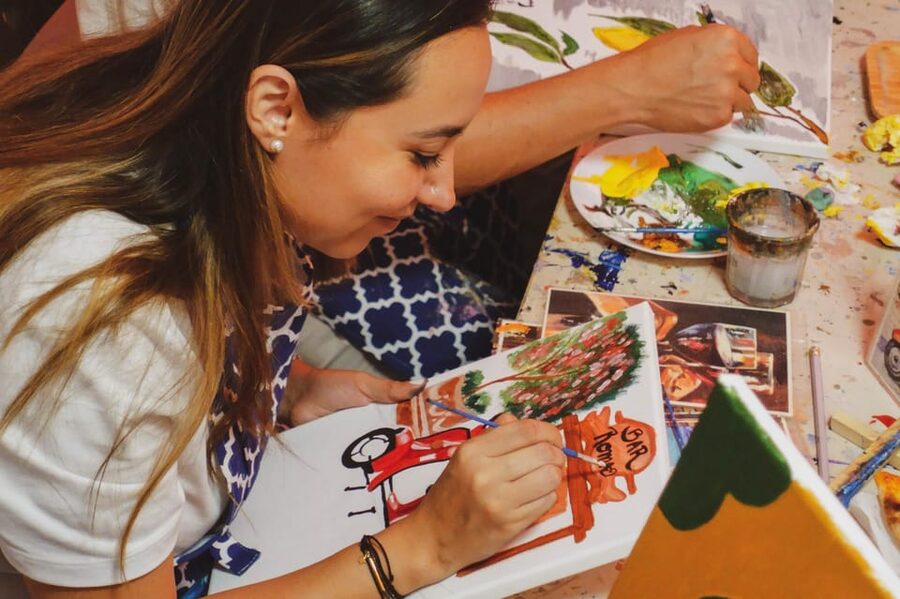
Rome gets more fun with a paintbrush. This three-hour class brings you into a 17th-century palazzo to paint a Roman landmark while an instructor guides the group, Italian wine flows, and pizza keeps the mood easy. I like the small group of no more than 10 people, and I like that you take your finished canvas home rather than leaving with only photos.
The strongest part is the warm, social teaching. Instructors including Giovanna, Benjamin, Maham, Smit, Kulsoom, and Adais are repeatedly praised for making beginners feel at ease. The main consideration is food: Roman-style pizza is included, but some sessions may offer only modest snacks, so you should not treat this as a full dinner.
In This Review
- Key points to know before booking
- Inside the 17th-century palazzo
- How the three-hour class unfolds
- Wine, pizza, and the social side
- Why the small group matters
- The teaching style, from beginner to confident painter
- What you take home from Rome
- Is $70 good value?
- Who should book this painting class?
- Practical tips for a better evening
- Should you book it?
- FAQ
- How long does the Rome tipsy painting class last?
- How much does the experience cost?
- Is wine included?
- Are non-alcoholic drinks available?
- Is pizza included?
- Do I need to bring art supplies?
- Can I take my painting home?
- Is the class taught in English?
- How large is the group?
- Can I cancel the booking?
Key points to know before booking
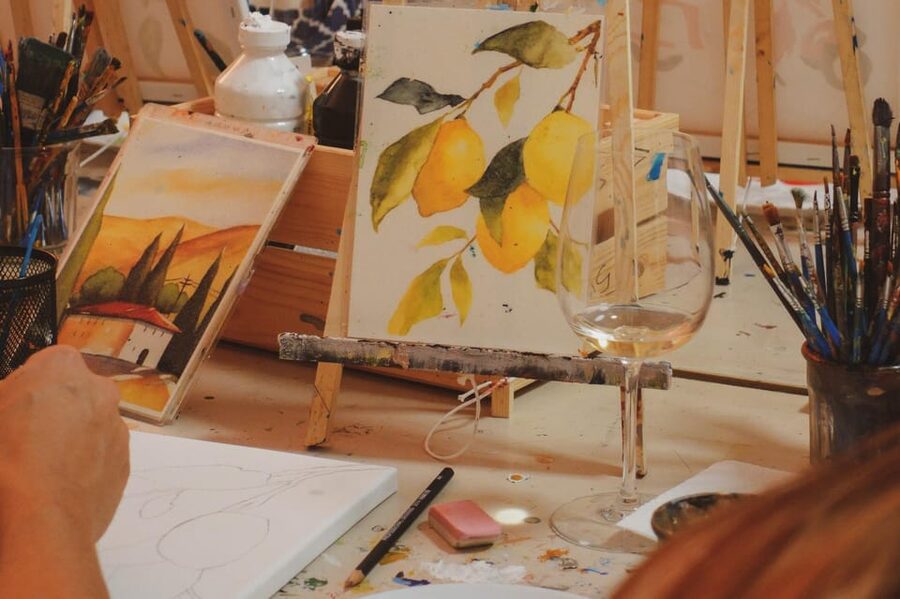
- Paint inside a historic palazzo: The class takes place in a 17th-century Roman building, giving the evening a more memorable setting than a standard workshop.
- Unlimited Italian wine: You can choose red or white wine and receive non-alcoholic drinks if you do not drink or are under 18.
- A small group of up to 10: This keeps the session personal and gives the instructor time to offer painting help.
- Beginner-friendly instruction: You do not need formal art training. The class is designed around guidance, encouragement, and having fun.
- Pizza and a take-home souvenir: Roman-style pizza is served during the activity, and your completed painting becomes a personal reminder of Rome.
- A flexible evening activity: The class lasts about three hours, with starting times varying by date. You can cancel up to 24 hours ahead for a full refund and reserve without paying immediately.
Inside the 17th-century palazzo
The setting gives this activity an immediate sense of place. You are not simply sitting in a generic art room with a bottle of wine on the table. You meet the instructor at a local studio housed in a 17th-century palazzo, a fitting backdrop for an evening built around art.
The historic building matters because it adds a Roman touch without requiring another formal sightseeing tour. After a day spent looking at ancient ruins, crowded piazzas, and church interiors, you get to slow down and make something yourself. The room becomes less about checking off another monument and more about enjoying Rome at a human pace.
You should arrive about five minutes before the start. That small buffer gives you time to find the meeting point, settle in, and get ready before the painting begins. The exact studio address and starting time should be checked when you book, since the activity has different time slots.
The class is conducted in English. That makes the session accessible to international visitors and allows the instructor to explain techniques, offer suggestions, and keep the conversation moving across a mixed group.
A few more Rome bookings to compare
- Vatican: Museums & Sistine Chapel Entrance Ticket
★ 4.5 · 144,003 reviews - Vatican Museums & Sistine Chapel Tour with Optional Basilica
★ 4.3 · 67,413 reviews - Colosseum, Roman Forum & Palatine Guided Tour
★ 4.7 · 63,148 reviews
How the three-hour class unfolds
The evening begins with introductions, art supplies, and the first pour of wine. Everything needed for painting is supplied, including the canvas, paints, and brushes. You do not need to pack equipment or buy materials in Rome.
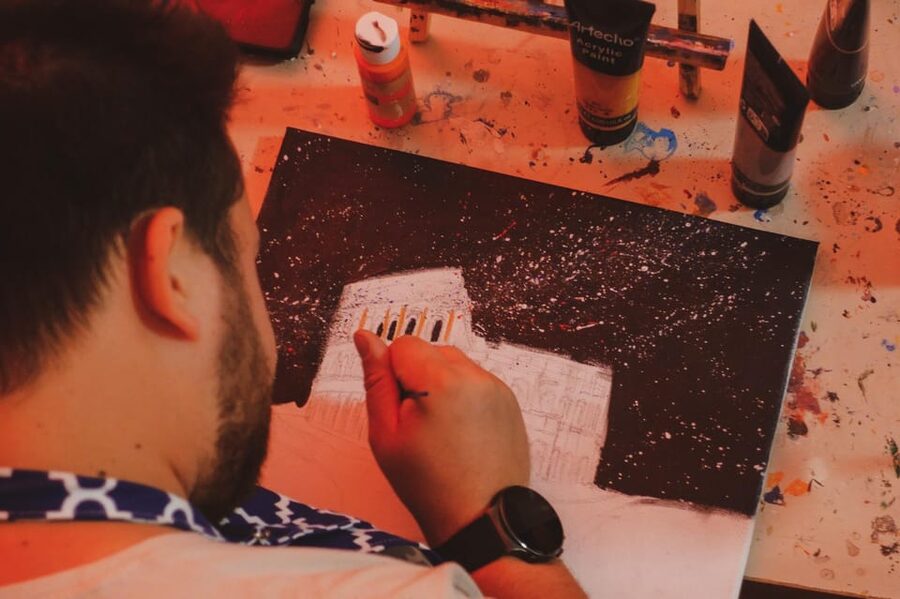
The instructor then introduces the Roman scene chosen for the class. The activity focuses on recreating a famous Roman landmark, though the specific subject can vary. This gives you a recognizable image to work from while leaving room for your own colors, details, and level of ambition.
You are guided through the process rather than left alone with a blank canvas. That point is important if you are not confident with a brush. The instruction is practical and encouraging, with help available for composition, color choices, and painting technique.
You might begin by sketching the main shapes of the landmark. After that comes the paint, first in larger areas and then in smaller details. The class is not presented as a serious academic art course, so the aim is not perfect architectural accuracy. It is to help you create a picture that feels personal and recognizably Roman.
The class is described as lasting three hours, while the painting portion is also described as about two and a half hours. In practical terms, plan on roughly an evening rather than a quick one-hour activity. The extra time likely allows for settling in, socializing, pouring drinks, eating, and finishing your canvas.
Music and conversation help shape the mood. The best sessions seem to depend heavily on the instructor’s personality, and the named hosts receive especially warm praise. Benjamin is repeatedly described as social and attentive, while Giovanna is praised for her energy and support. Maham is noted for her generosity and friendliness, and Kulsoom for breaking the ice and giving useful painting tips.
Wine, pizza, and the social side
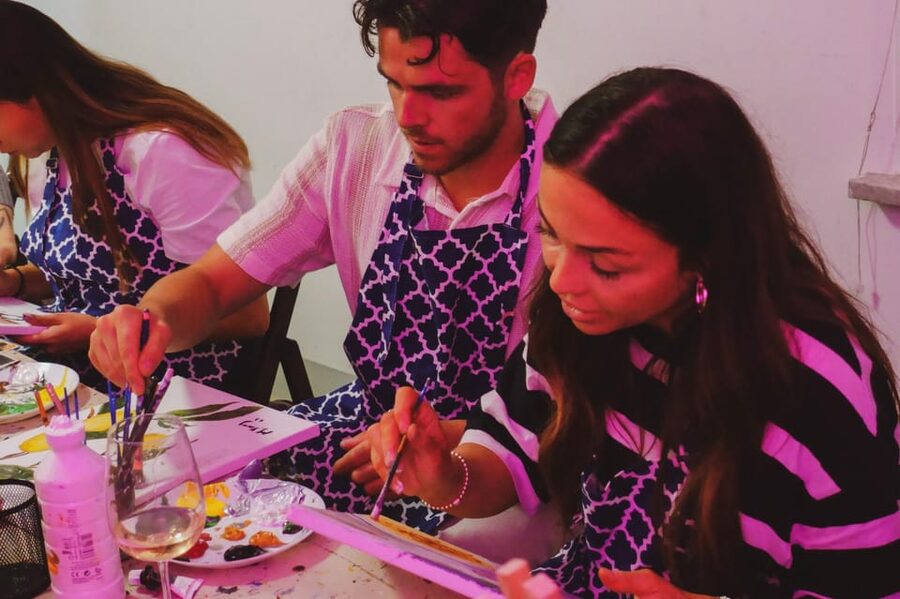
The wine is not a minor extra. Unlimited Italian wine is one of the central features of the class, with red and white available. Several people specifically appreciated that the pours continued throughout the session, and the relaxed atmosphere helped strangers begin talking quickly.
That said, unlimited alcohol changes how you should approach the evening. You are painting, chatting, and receiving regular pours over several hours, so pacing yourself is sensible. The class is meant to be fun, not a contest to see how much wine you can drink. You can enjoy the social side without accepting every refill.
Non-alcoholic beverages are provided for people under 18 and for those who do not drink. That makes the activity more flexible for mixed groups, though the experience still has a strong wine-centered identity.
Roman-style pizza is included as a snack. It gives you something savory while you paint and fits the local theme better than ordinary packaged food. Still, you should set your expectations correctly. Some feedback praised the food and wine, while other comments asked for more substantial bites or greater variety, with crisps mentioned as part of at least one session.
I would book this as an art-and-drinks activity with food, not as a replacement for dinner. Have a proper meal before or after if you expect to be hungry. This is especially useful if you are planning the class late in the evening or have spent the day walking several miles around Rome.
Why the small group matters
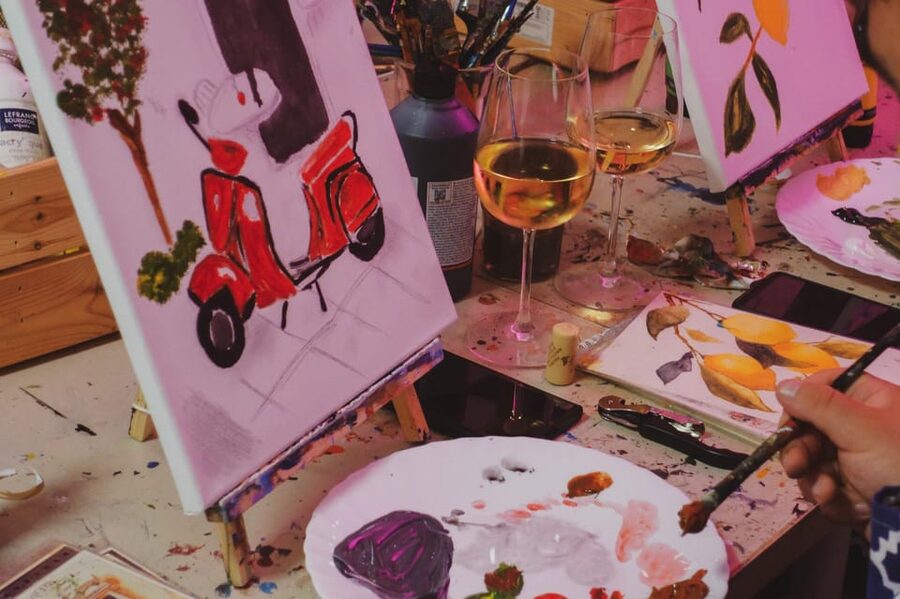
A maximum of 10 participants is one of the practical strengths of the experience. A large painting class can leave you waiting for help or trying to copy instructions from across the room. With a smaller group, the instructor has a better chance of seeing your canvas and responding to your questions.
The group size also helps with conversation. You might arrive as a couple, with friends, or alone, and the format is designed to bring people together. Several sessions were praised for friendly groups and easy introductions. The instructor often acts as the social link, helping people relax before everyone becomes absorbed in their own painting.
This is not a silent studio class. Music, wine, conversation, and jokes are part of the evening. If you want a quiet, highly focused lesson with detailed individual correction, this may feel too casual. If you want an activity that gives you something to do while meeting people, the format works well.
Solo visitors should not feel awkward booking. The group setup gives you a natural way to talk to other participants without needing to arrange a private experience. Couples can also enjoy it, especially if they want a change from another restaurant meal or evening walk.
Still Rome, but a slower afternoon:
- Vatican Museums, Sistine Chapel & St Peter’s Basilica Guided Tour
★ 4.5 · 39,149 reviews - Rome: Colosseum, Palatine Hill and Roman Forum Guided Tour
★ 4.8 · 32,814 reviews - Rome: Guided Tour of Colosseum, Roman Forum & Palatine Hill
★ 4.7 · 27,897 reviews - Rome: Colosseum & Forum with Audio Guide App -Optional Arena
★ 4.2 · 24,770 reviews
The teaching style, from beginner to confident painter
The instructors are the heart of the class. The repeated praise for Giovanna, Benjamin, Maham, Smit, Kulsoom, Adais, Anna, Julia, and others suggests that the teaching style is friendly rather than formal.
You can expect encouragement more than criticism. The goal is to help you produce a painting you are happy to carry home. If you have never painted before, the instructor can help you break the image into manageable stages. If you already paint, you have room to adjust the design and add your own ideas.
Several people describe the painting as relaxing or therapeutic. That makes sense. Your attention moves from the crowds and traffic of Rome to brush strokes, color, and the gradual appearance of a picture. Even if your final canvas is not museum material, the process can be satisfying.
The activity is also interactive. You are not simply watching an artist demonstrate while you copy every movement. You receive guidance throughout, then make your own decisions. That balance gives you enough structure to avoid frustration while preserving a sense of personal achievement.
One practical point: finishing a painting takes time. One participant noted that the three-hour session passed quickly and left little time to complete every part of the sketch and painting. You should enjoy the process instead of expecting to produce a polished masterpiece. The souvenir value comes partly from its imperfections and the memory attached to it.
What you take home from Rome
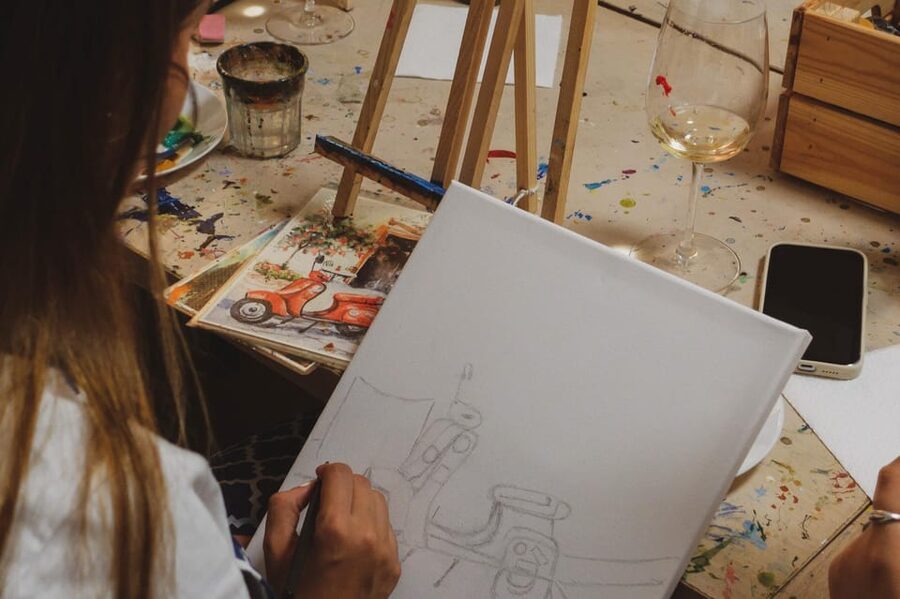
The canvas is the lasting benefit. Many Rome activities leave you with photographs, a ticket stub, or another small purchase. Here, you create a piece of art connected to the city and carry it home yourself.
The painting will not be an original work by a famous Roman master, and the class does not promise professional-level results. Its value is personal. You may remember the instructor’s advice, the music playing in the room, the friends you made, and the first moment the landmark began to look like a real picture.
The Roman subject also gives your souvenir a clear connection to the trip. You are not painting an anonymous still life. You are recreating one of the city’s iconic sights, so the canvas can serve as a visual reminder of your time in Rome.
Bring a little care for transporting it afterward. The provided details confirm that you take the painting home, but they do not specify packaging or drying arrangements. Ask the studio staff if you have a flight soon or need to protect the canvas in luggage.
Is $70 good value?
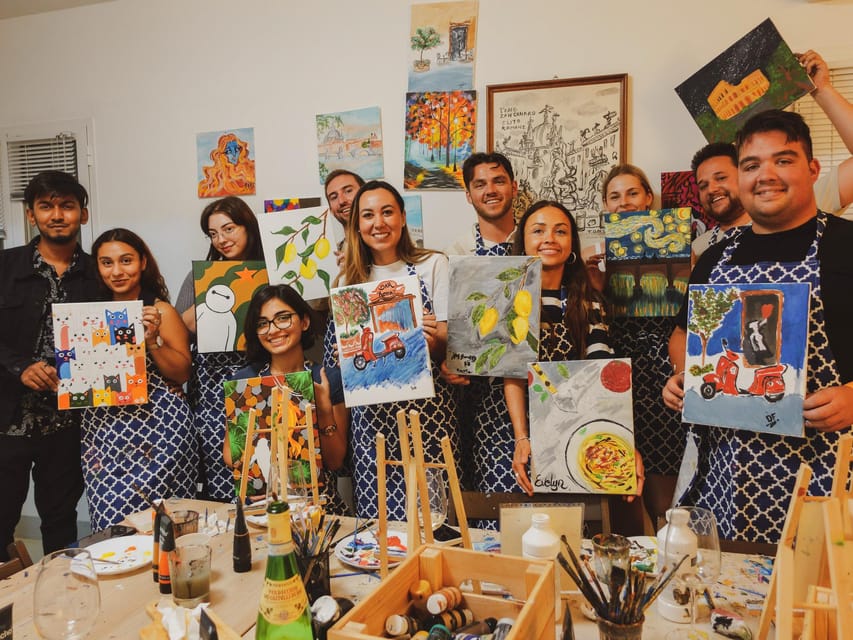
At $70 per person, this is not the cheapest way to spend an evening in Rome. You can buy wine, pizza, and art supplies for less if you organize everything yourself. That comparison misses the point, though.
The fee covers a three-hour organized activity, all painting materials, instruction, unlimited Italian wine, Roman-style pizza, and the use of a historic studio. You are also paying for the social structure. Someone else handles the setup, supplies, demonstrations, refills, and cleanup while you concentrate on the experience.
The price makes better sense for visitors who want an activity rather than another meal. It can be particularly good value for a solo visitor, a couple seeking an unusual date, or a group of friends who would enjoy a guided creative evening.
The value is weaker if you already have a full dinner planned and do not drink. Non-alcoholic drinks are available, but much of the attraction and cost is tied to the wine-centered format. Serious painters may also prefer to spend the money on a dedicated art workshop with more technical instruction.
Based on the very high rating of 4.9 from 178 ratings, the experience has been consistently well received. The praise centers on the hosts, atmosphere, wine, and the chance to take home a painting. The few reservations are mostly about the limited food rather than the core class.
Who should book this painting class?
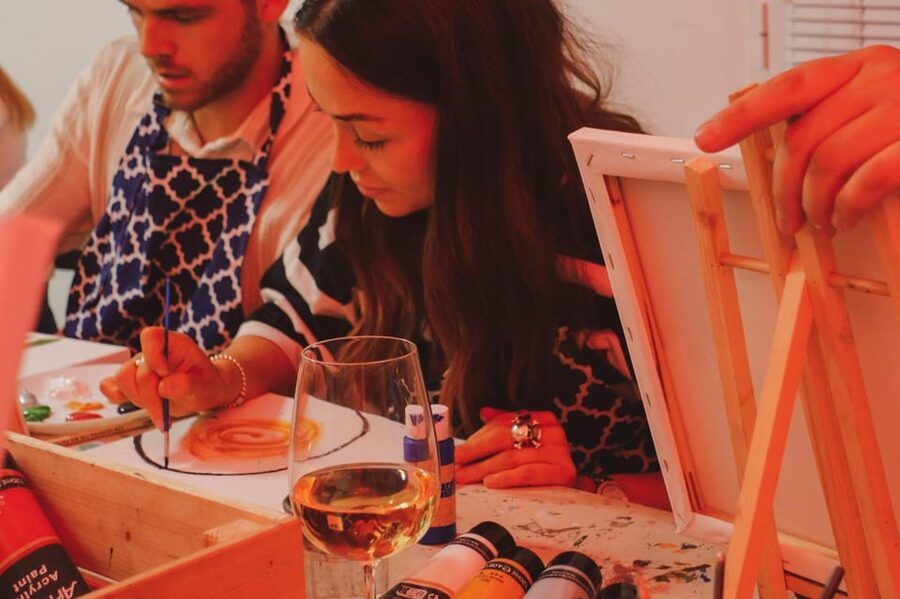
I would point you toward this activity if you want:
- A relaxed evening after a day of sightseeing
- A social experience with a small international group
- A creative souvenir made during your trip
- An activity suitable for beginners
- A wine-focused class with English instruction
- Something different from monuments, museums, and restaurants
It suits people who enjoy a little structure but do not want a rigid lesson. You receive step-by-step help, yet the atmosphere stays informal. You can paint seriously for a while, then pause for pizza, conversation, or another look at your colors.
It is less suitable if you want a substantial meal, a quiet room, or a long technical course in painting. It is also not the best choice for anyone who dislikes group activities or does not enjoy alcohol-centered events, even though non-alcoholic beverages are provided.
Families with older children may find the format workable because non-alcoholic drinks are available for participants under 18. The supplied details do not specify a minimum age, so check the booking conditions before bringing children.
Practical tips for a better evening
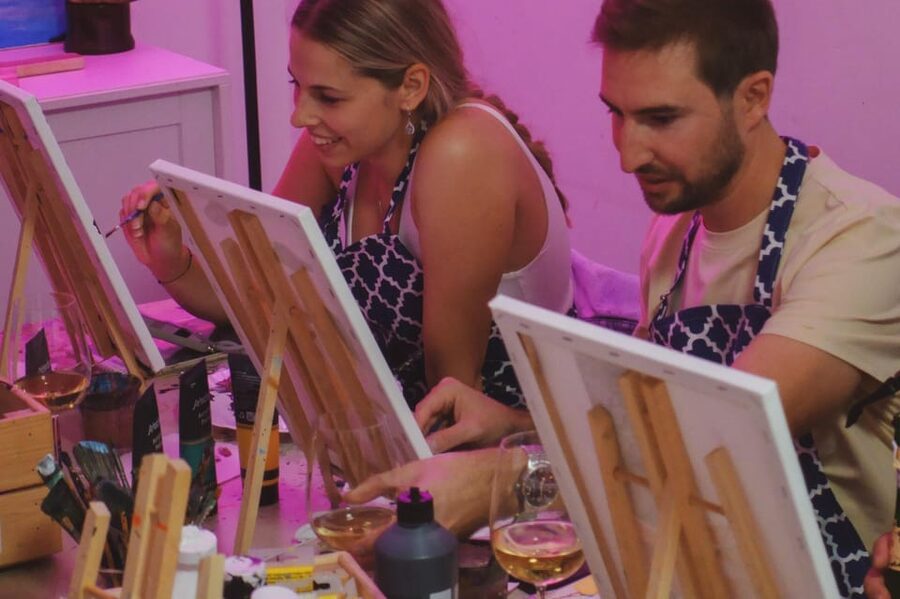
Arrive five minutes early, as requested. The activity is small, and arriving late could mean missing introductions or the first painting instructions.
Eat something beforehand if you usually need a full dinner. The included pizza is useful, but portions and food variety may not be enough for everyone.
Pace the wine. Unlimited does not mean you need to accept every pour. Drinking slowly will help you enjoy the painting and remember the final stages of the class.
Wear something you can relax in. Paint is part of the activity, and although the supplied information does not specify protective clothing, ordinary travel clothes are not worth risking.
If you are nervous about your artistic ability, say so early. The instructors are there to help, and the class is repeatedly described as welcoming to beginners. Your goal is not to match a professional painter. It is to make a Roman image that feels like yours.
Check the exact duration when selecting your time. The activity is advertised as three hours, with the painting itself described as about two and a half hours. Leave enough room afterward for your evening plans.
Cancellation is flexible up to 24 hours before the start for a full refund, and you can reserve now and pay later. Those terms help if your Rome schedule is still changing.
Should you book it?
Book this class if you want an easygoing, social night with a creative result. The historic setting, small group, generous wine service, and supportive instructors give it more character than a standard paint-and-sip session. The canvas makes a pleasant souvenir, and the activity offers a welcome change after several days of churches, ruins, and crowded streets.
I would skip it if your priority is a serious art course or a complete dinner. The food may be light, and the wine is central to the experience. For most visitors seeking a fun evening rather than formal instruction, though, $70 is a fair price for three hours of materials, teaching, drinks, pizza, and company in central Rome.
FAQ
How long does the Rome tipsy painting class last?
The activity lasts three hours. The painting portion is also described as taking about two and a half hours, with the remaining time allowing for socializing, drinks, food, and settling in.
How much does the experience cost?
The listed price is $70 per person.
Is wine included?
Yes. Unlimited Italian wine is included, with red and white wine available.
Are non-alcoholic drinks available?
Yes. Non-alcoholic beverages are provided for people under 18 and for anyone who does not drink alcohol.
Is pizza included?
Yes. Roman-style pizza is included as part of the experience.
Do I need to bring art supplies?
No. The class provides the canvas, paints, brushes, and other necessary art supplies.
Can I take my painting home?
Yes. You create a painting during the class and take it home as a souvenir.
Is the class taught in English?
Yes. The instructor language is English.
How large is the group?
The class is limited to 10 participants, making it a small-group activity.
Can I cancel the booking?
Yes. You can cancel up to 24 hours in advance for a full refund. You can also reserve the activity and pay later.
Recently added around Rome
- Palatine Hill and Roman Forum Tour with Fast-Track Entrance★ 4.2 · 417 reviews
- Tivoli: Villa D’Este & Villa Adriana Pass & App Audioguide★ 4.4 · 364 reviews
- From Rome: Villa D’Este & Villa Adriana Day Trip with Lunch★ 4.4 · 289 reviews
- Vatican Museums & Sistine Chapel Skip-the-Line Guided Tour★ 4.6 · 254 reviews
- Rome: The Three Tenors at St. Paul’s Church Concert Ticket★ 4.7 · 699 reviews
- Tivoli: Villa D’Este Entry Ticket and App Audio Guide★ 4.3 · 191 reviews
- Rome: Capitoline Museums and Centrale Montemartini Tickets★ 4.4 · 328 reviews
- Rome: St. Peter’s Basilica and Papal Tombs Guided Tour★ 4.6 · 477 reviews
Workshops, compared.
3 in 1 Cooking Class near Navona: Fettuccine, Ravioli & Tiramisu
Read our review →
Florence Pizza or Pasta Class with Gelato Making at a Tuscan Farm
Read our review →
Pasta & Tiramisu Cooking Class with Unlimited Wine
Read our review →
Pizza-Making Workshop with Drink and Appetizer
Read our review →
Pasta & Tiramisu Class with Fine Wine by the Vatican
Read our review →
Cooking Class and Lunch at a Tuscan Farmhouse with Local Market Tour from Florence
Read our review →Browse the lists this tour appears in