Reviewed · TICKETS
Rome: St. Paul’s Within the Walls Church Opera Arias Ticket
Opera needs no marble theater. This 90-minute concert pairs famous Italian arias with the Gothic Revival setting of St. Paul’s Within the Walls, and I like the warm church acoustics and the familiar program, from La Traviata to Tosca. The main catch is seating: category B can place you far from the stage, while the church seats may feel hard or warm.
At $29 per person, it is an appealing way to add live music to a Rome evening without paying for a full opera production. You get a focused concert by I Virtuosi dell’opera di Roma, not an entire staged opera, so choose this for celebrated scenes, strong voices, and atmosphere rather than scenery, subtitles, or a long dramatic plot.
In This Review
- Key points to know before booking
- Why this Rome concert works so well
- Entering St. Paul’s Within the Walls
- Category A, B, or VIP seating
- Act One: Verdi, Rossini, Mozart, and Puccini
- Act Two: Carmen, La Bohème, and Rigoletto
- What the musicians and singers add
- Church acoustics, temperature, and comfort
- Timing and the best place in your Rome schedule
- Who should book this opera evening
- Should you book St. Paul’s opera concert?
- FAQ
- Where does the opera concert take place?
- How long does the concert last?
- What does the ticket include?
- Do I need to exchange my voucher?
- Is this a full opera performance?
- Which operas are represented?
- Can I choose my seat?
- Is the activity wheelchair accessible?
Key points to know before booking
- Two acts of famous arias: Hear selections from La Traviata, Nabucco, The Barber of Seville, Tosca, Carmen, La Bohème, Don Giovanni, and other major works.
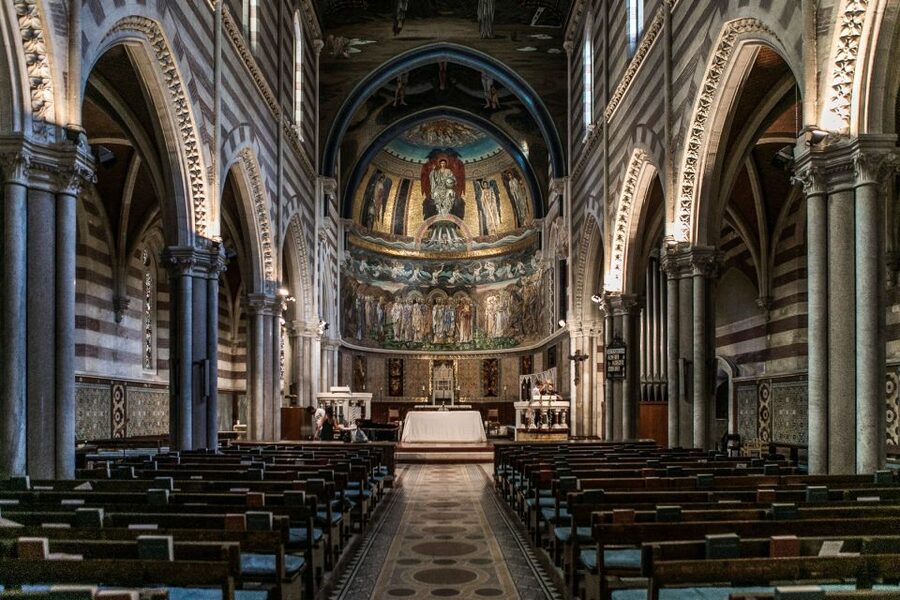
- A historic church setting: St. Paul’s Within the Walls gives the concert Gothic Revival architecture and resonant acoustics.
- Category A is the safer seating choice: Category B may place you a long way from the performance area, and seats within each section are not individually chosen.
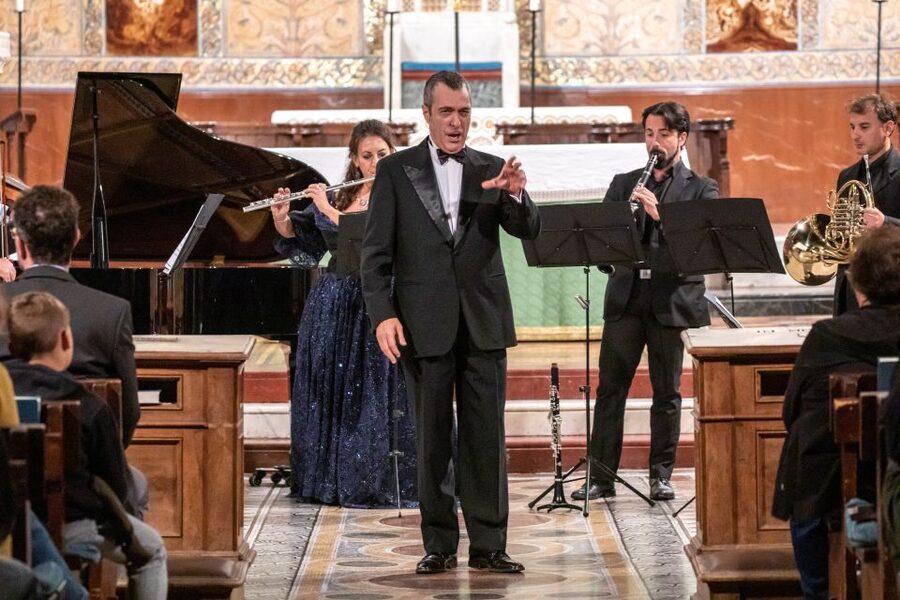
- A compact professional ensemble: Violin, cello, piano, flute, clarinet, and horn accompany soprano, tenor, and baritone voices.
- This is an aria concert, not a complete opera: You hear highlights and famous numbers rather than one continuous staged story.
- A good evening add-on for $29: The 1.5-hour length fits neatly after sightseeing, though transportation to the church is not included.
Why this Rome concert works so well
I like this performance because it gives you a clear taste of Italian opera without asking you to spend an entire night following a complex plot in a language you may not understand. The program gathers instantly recognizable music into one sitting, so even a first-time opera listener has plenty of familiar melodies to hold onto.
The setting does much of the atmospheric work. St. Paul’s Within the Walls is an Anglican church built in the Gothic Revival style, and its interior gives the singers room to project. The church is not a grand Roman theater, and one person specifically found the building rather ordinary, but the sound is the point. Voices carry naturally, and the space makes the concert feel more special than a standard recital hall.
The performance comes from I Virtuosi dell’opera di Roma, an ensemble formed by professors from leading Italian conservatories. The musicians specialize in the Italian lyrical tradition and the broader opera repertoire. That background matters here because the concert moves quickly from comic Rossini to emotional Puccini and sweeping Verdi.
I would not treat the $29 price as a bargain for a full opera production, because this is not one. But for a short concert with professional musicians, multiple singers, a memorable venue, and a long list of famous works, it is a sensible cultural evening in Rome. You are paying for concentrated highlights rather than sets, costumes, a chorus, or a complete narrative.
The overall rating is 4.6 from 312 ratings, with especially strong praise for the singers, musicians, church acoustics, and organization. That pattern gives me a useful guide: the music is the reliable draw, while comfort and seat location deserve more careful attention.
A few more Rome bookings to compare
- Vatican: Museums & Sistine Chapel Entrance Ticket
★ 4.5 · 144,003 reviews - Vatican Museums & Sistine Chapel Tour with Optional Basilica
★ 4.3 · 67,413 reviews - Colosseum, Roman Forum & Palatine Guided Tour
★ 4.7 · 63,148 reviews
Entering St. Paul’s Within the Walls
You must exchange your voucher at the church’s ticket counter before the concert begins. This is important because showing up with only a digital voucher may not take you directly to your seat.
The venue is in Lazio, in central Rome, but transportation is not included. You will need to make your own way there and allow time to find the church and exchange the voucher. Arriving early is wise, especially if you care about your view or want to avoid a rushed entrance.
The seating system is divided into categories A and B, with VIP seating also available. You choose the category, but you do not choose a specific seat inside that section. Arriving early can still help you select from the available places in your category, according to one detailed account, but do not confuse early arrival with guaranteed front-row seating.
The church itself contributes a quiet sense of occasion. You are listening to opera inside a functioning religious building, not a purpose-built concert venue. That gives the evening a distinctive Roman character, though it also means you should expect church-style seating and conditions rather than plush theater comfort.
Category A, B, or VIP seating
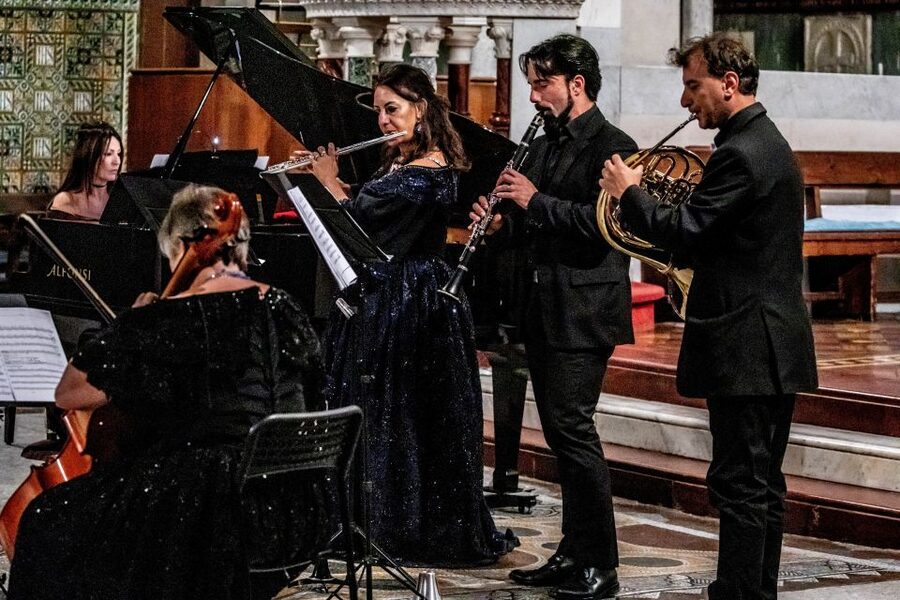
Seat selection is the one practical issue I would take seriously before booking. A category B ticket may be perfectly acceptable if you mainly want to hear the music, but it can put you far from the staging area. If you want to watch the singers’ expressions, gestures, and small dramatic touches, category A is the safer choice.
The difference matters more for opera than it would for an instrumental concert. Opera singers communicate through posture, facial expression, and movement as well as sound. From a distant seat, you still hear the voices, but you lose some of the visual connection.
VIP seating costs more than the standard ticket and includes time-saving skip-the-line access. The exact upgrade price is not provided, so I would compare the added cost against your priorities. VIP makes the most sense if you want a better position and prefer a quicker entrance. It is less important if you mainly want to hear the concert and are comfortable arriving early.
Do not expect numbered-seat selection within your chosen section. The system gives you a seating category rather than a precise chair. For a popular date, that is another reason to arrive with enough time to exchange your voucher and get inside.
Act One: Verdi, Rossini, Mozart, and Puccini
The first act opens with Verdi’s La Traviata Prelude, a graceful start that lets the orchestra establish the mood before the singers take over. From there, the program moves into Verdi’s Nabucco, with Va’ Pensiero, one of the best-known choruses in the Italian opera tradition.
The concert then shifts into comic territory with Rossini’s The Barber of Seville. Largo al factotum della città gives the baritone a chance to show off the quick, playful style associated with Figaro. It is a useful change of pace after the more reflective Verdi.
You also hear Leoncavallo’s Mattinata and Rossini’s Una voce poco fa. The latter lets the soprano display agility and personality, while the former brings a lighter romantic color to the program. These shorter selections help keep the evening moving.
Mozart appears with Là ci darem la mano from Don Giovanni, a duet that gives the concert a chance to balance two voices rather than focus on a single soloist. The ensemble includes soprano, tenor, and baritone singers, so you can expect contrast between individual arias and shared scenes.
Puccini’s E lucean le stelle from Tosca brings the first act toward more intense drama. It is followed by the Barcarolle from Offenbach’s The Tales of Hoffmann, then by the famous drinking song Libiamo ne’ lieti calici from La Traviata. Ending the first act with that buoyant number gives the program a crowd-pleasing lift.
The printed program can change, so you should treat this sequence as a guide rather than a promise. Still, the selection shows the concert’s basic plan: emotional arias, comic pieces, romantic duets, and well-known orchestral passages.
Still Rome, but a slower afternoon:
- Vatican Museums, Sistine Chapel & St Peter’s Basilica Guided Tour
★ 4.5 · 39,149 reviews - Rome: Colosseum, Palatine Hill and Roman Forum Guided Tour
★ 4.8 · 32,814 reviews - Rome: Guided Tour of Colosseum, Roman Forum & Palatine Hill
★ 4.7 · 27,897 reviews - Rome: Colosseum & Forum with Audio Guide App -Optional Arena
★ 4.2 · 24,770 reviews
Act Two: Carmen, La Bohème, and Rigoletto
The second act begins with the entr’acte from Bizet’s Carmen. An entr’acte is an orchestral interlude, so this gives the musicians a moment in the spotlight before the singers return.
Puccini’s Quando me’n vo from La Bohème follows. This is a strong number for the soprano and offers the kind of elegant, theatrical melody that makes Puccini so accessible to first-time opera listeners.
Bizet’s Toreador Song then turns the mood outward and theatrical. Verdi’s La donna è mobile from Rigoletto is another instantly recognizable piece, and its direct melody often lands well even if you know little about opera.
The program slows for Mascagni’s Cavalleria rusticana Intermezzo. This orchestral selection is one of the evening’s more reflective moments, allowing the church acoustics to carry the music without a singer at the center.
Puccini’s Vissi d’arte from Tosca restores the emotional weight. Mozart’s Non più andrai, farfallone amoroso from The Marriage of Figaro then brings back wit and energy, followed by Rossini’s Zitti, zitti, piano, piano from The Barber of Seville.
This collection is designed for variety rather than a single story. You will not leave knowing exactly what happens in Tosca or Carmen, but you will hear the numbers that make those operas famous. If you want a full plot with continuous staging, this is the wrong format. If you want the greatest hits of Italian and European opera, it makes good sense.
What the musicians and singers add
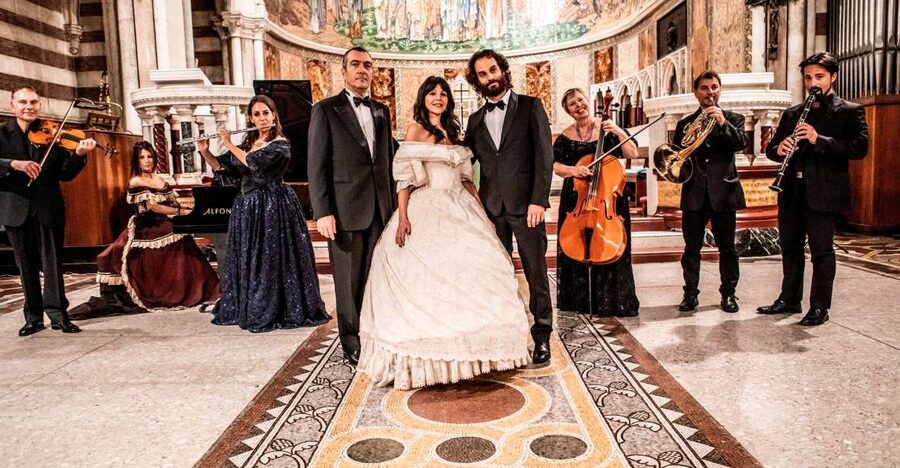
The accompaniment is smaller than a full opera orchestra. The listed ensemble includes violin, cello, piano, flute, clarinet, and horn, with the singers performing soprano, tenor, and baritone roles.
That smaller scale gives the concert a more intimate feeling. You can focus on the voices and hear the shape of the melodies without the sheer force of a large pit orchestra. The tradeoff is that the sound will not have the weight or color of a full symphonic opera production.
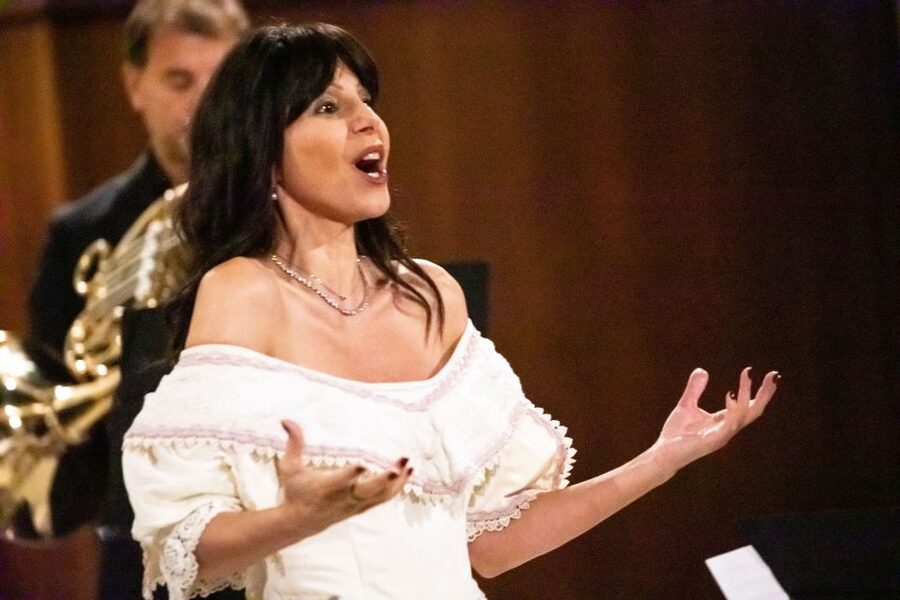
The musicians receive frequent praise, as do the singers. One particular highlight in the feedback was the director and violinist, while another listener singled out the remarkable high notes of a female singer. The performers also use gestures and dramatic action, which helps you follow the feeling of a number even if you do not speak Italian.
The host or greeter language is Italian, and the listed activity language is Italian. No translation service or subtitles are specified. I would therefore choose this concert for the sound and performance rather than for a spoken explanation of each piece.
The singers wear costumes, according to the experience details, and the dramatic presentation goes beyond simply standing still and singing. One especially playful evening included a tenor-led encore with audience participation. That kind of moment is not guaranteed, but it shows that the performance can have a lighter, entertaining side as well as serious vocal work.
Church acoustics, temperature, and comfort
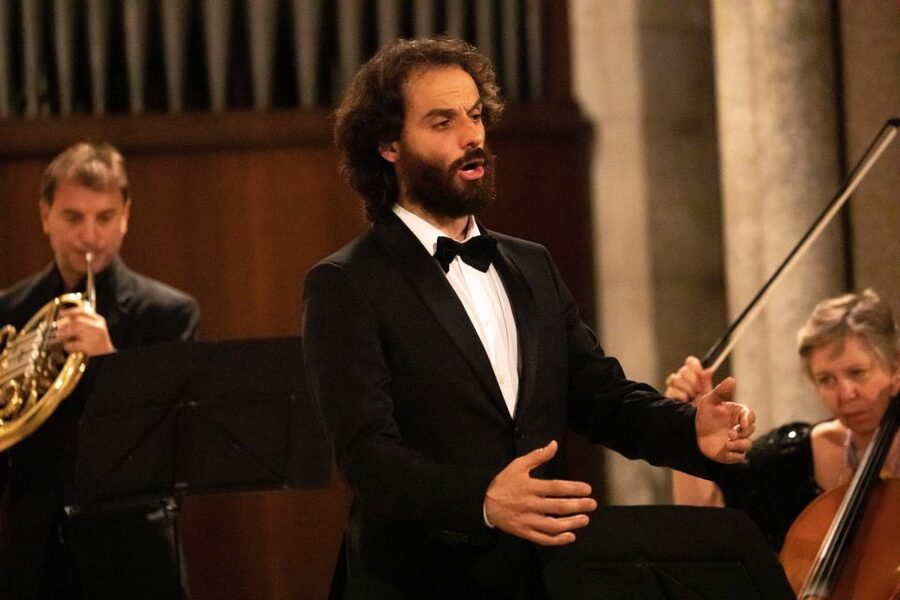
The acoustics are one of the strongest reasons to choose this concert. The church carries the voices beautifully, and the sound can feel powerful even with a relatively small ensemble.
Comfort is less consistent. One account found the seats uncomfortable and the church too warm. That is useful to keep in mind if you have back problems or dislike sitting still for 90 minutes. The duration is not long by opera standards, but hard seating can still affect your enjoyment.
The building’s appearance also depends on your expectations. Most of the praise focuses on the church as a lovely or stunning setting, while one opinion found it simply ordinary. I would see the architecture as a bonus rather than the main reason to pay for the ticket. The music and acoustics carry the evening.
Phones may be subject to venue rules, but the available information does not clearly spell out the policy. Check the instructions you receive before the performance and keep your phone quiet and out of sight unless staff say otherwise. Pets are not allowed.
The activity is wheelchair accessible. Since the exact seating arrangements within each category are not described, you should confirm any specific seating needs when booking or at the ticket counter.
Timing and the best place in your Rome schedule
The concert lasts 1.5 hours, which makes it easy to fit into a day filled with ancient ruins, piazzas, and churches. I like it as an evening plan because it gives you a calm change of pace after walking around Rome.
Starting times vary, so you need to check availability for your date. Since transportation is not included, build in time to reach St. Paul’s Within the Walls, exchange the voucher, and enter before the performance starts.
Arrive early if seating matters to you. One person arrived early and found a favorable place before the church filled, while another described category B as very far from the staging area. Those details point to a simple plan: choose category A or VIP if the visual side matters, and avoid cutting the timing close.
The program is subject to change. That is normal for a concert built from multiple arias, but it means you should not book only for one specific selection. You might hear the listed works, but the order or individual pieces can change.
Who should book this opera evening
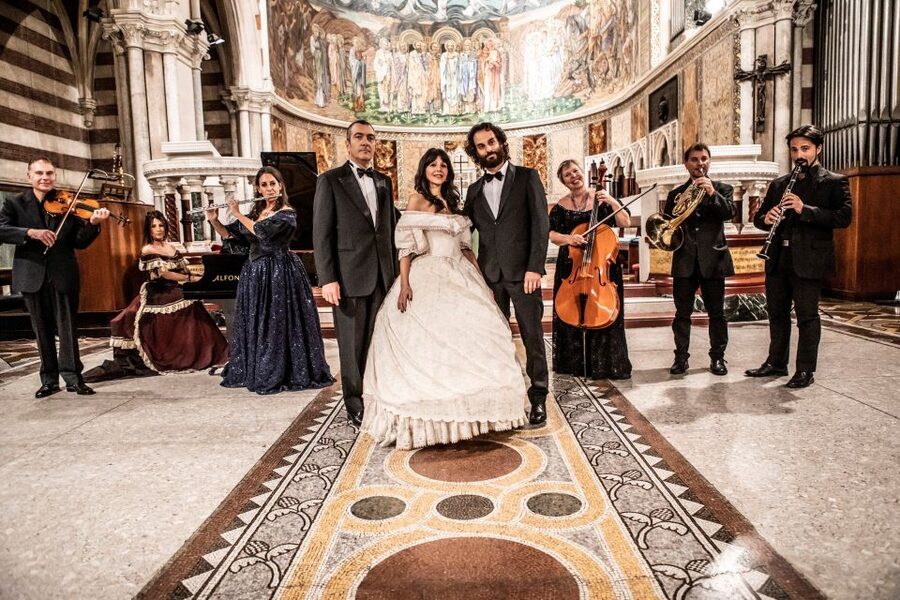
I would recommend this to you if you are curious about opera but do not want to commit to a complete production. It also suits couples, families with older children, and anyone looking for a polished cultural activity that fits into a busy Rome itinerary.
It is especially good for:
- First-time opera listeners who want recognizable melodies
- Visitors who value a historic church setting and strong acoustics
- Music lovers seeking a compact 90-minute performance
- Couples looking for an evening activity beyond dinner
- Anyone who enjoys live vocals but does not need a full staged plot
I would be more cautious if you expect a complete opera with scenery, a large orchestra, subtitles, or a detailed introduction in English. The singers perform famous sections from many operas, but you are not following one story from beginning to end.
The $29 base price makes the experience easy to justify for most music fans. Category A or VIP may offer better value for you than saving a little on category B, because seeing the performers helps you appreciate opera’s theatrical side. If your budget is tight and hearing matters more than viewing, category B still gives access to the same general program.
Should you book St. Paul’s opera concert?
Yes, if you want a lively introduction to opera, professional voices, and a distinctive Rome setting in one manageable evening. The strongest parts are the familiar program, the church acoustics, and the quality of the singers and musicians.
Book category A if you can, arrive early, and think of the event as an aria concert rather than a full opera. Skip it if you need plush seating, English explanations, or a complete staged drama. For everyone else, this is a practical and appealing way to hear Italian opera in Rome without turning your evening into a major production.
FAQ
Where does the opera concert take place?
The concert takes place at St. Paul’s Within the Walls Church in Rome, in the Lazio region of Italy.
How long does the concert last?
The performance lasts 1.5 hours.
What does the ticket include?
The ticket includes admission to the concert. Transportation is not included.
Do I need to exchange my voucher?
Yes. You must exchange your voucher at the St. Paul’s Within the Walls ticket counter before the concert begins.
Is this a full opera performance?
No. It is a concert of famous arias, overtures, and duets from several operas rather than one complete staged opera.
Which operas are represented?
The program includes selections from works such as La Traviata, Nabucco, The Barber of Seville, Tosca, Don Giovanni, The Tales of Hoffmann, Carmen, La Bohème, Rigoletto, Cavalleria rusticana, and The Marriage of Figaro.
Can I choose my seat?
You can select category A, category B, or VIP seating, but you cannot choose a specific seat within your selected section.
Is the activity wheelchair accessible?
Yes, the activity is wheelchair accessible. Pets are not allowed, and the program may be changed.
Recently added around Rome
- Palatine Hill and Roman Forum Tour with Fast-Track Entrance★ 4.2 · 417 reviews
- Tivoli: Villa D’Este & Villa Adriana Pass & App Audioguide★ 4.4 · 364 reviews
- From Rome: Villa D’Este & Villa Adriana Day Trip with Lunch★ 4.4 · 289 reviews
- Vatican Museums & Sistine Chapel Skip-the-Line Guided Tour★ 4.6 · 254 reviews
- Rome: The Three Tenors at St. Paul’s Church Concert Ticket★ 4.7 · 699 reviews
- Tivoli: Villa D’Este Entry Ticket and App Audio Guide★ 4.3 · 191 reviews
- Rome: Capitoline Museums and Centrale Montemartini Tickets★ 4.4 · 328 reviews
- Rome: St. Peter’s Basilica and Papal Tombs Guided Tour★ 4.6 · 477 reviews
Tickets, compared.
Cathedral and Duomo’s Terraces Entrance Ticket
Read our review →
Skip-The-Line Uffizi Gallery Timed Entry Ticket
Read our review →
Naples Underground Entry Ticket and Guided Tour
Read our review →
Pantheon Fast-Track Ticket and Official Audio Guide
Read our review →
Entry Ticket and Guided Tour with an Archaeologist
Read our review →