
Reviewed · COOKING CLASSES
Rome: Roman Master Chef Cooking Class with Wine
Fresh pasta fixes many travel days. This Rome cooking class brings you into a Roman restaurant to make handmade fettuccine and tiramisu with a local chef. I like the hands-on format and the fact that wine, limoncello, coffee, soft drinks, and water are included. The main consideration is that the meeting point can vary by booking option, and some sessions may include ravioli as well as fettuccine, so check your exact class details.
I also like the social side of the class. You cook, eat, and share a table with people from different countries, while instructors such as Sid, Eleonor, Eddie, Giacomo, and Mathilde keep the mood light. At $32 per person, the combination of instruction, a full meal, drinks, and recipes makes this a strong value, though a late start has occurred for at least one group.
In This Review
- Key points to know before booking
- What this Rome cooking class is really like
- Starting with tiramisu and a welcome drink
- Rolling fresh fettuccine by hand
- Learning the difference between cooking and watching
- Eating inside a Roman restaurant
- Why the $32 price is good value
- Timing, group size, and the small practical details
- Who will enjoy this most
- Tips for getting more from the lesson
- What the praise tells you about the experience
- Should you book the Roman Master Chef Cooking Class?
- FAQ
- How long does the cooking class last?
- What food will I make?
- Are drinks included?
- Is the class taught in English?
- Can dietary requirements be accommodated?
- Can I cancel the booking?
Key points to know before booking
- You make pasta from scratch: Roll, shape, and prepare fresh fettuccine rather than simply watching a demonstration.
- Tiramisu comes before the main course: You build the coffee and cocoa dessert so it has time to develop while you work on the pasta.
- Drinks are part of the class: Wine, prosecco in some sessions, limoncello, coffee, soft drinks, and water are included.
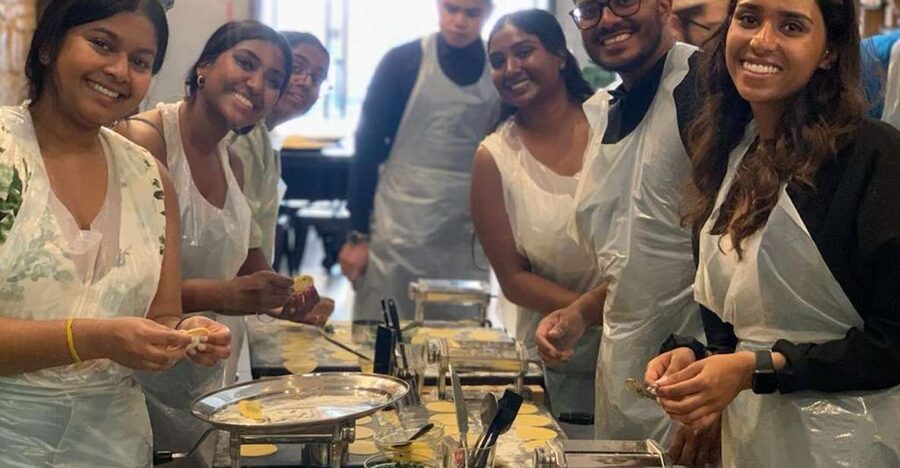
- The class feels social: Groups of around 12 have been reported, with plenty of instructor interaction, jokes, and music.
- The teaching is practical: The chefs explain each ingredient and step, then help you correct mistakes before they reach the plate.
- You receive recipes to take home: The lesson continues after Rome, giving you a way to repeat the meal in your own kitchen.
What this Rome cooking class is really like
This is a short, food-centered introduction to Roman cooking. You spend about two and a half to three hours inside a Roman restaurant, working with the ingredients and tools needed for fresh pasta and tiramisu.
The class is taught in English by a local chef and host. That matters because the value here is not just the food. You also get a clear explanation of how the dishes come together, plus a chance to ask questions while your hands are covered in flour or pasta dough.
I would think of this as a meal, lesson, and social evening rolled into one. It is not a long culinary school course, and the exact pasta dishes can vary by session. The core promise is homemade pasta and tiramisu, with some sessions adding ravioli to the work.
More Cooking Classes in Rome
- 3 in 1 Cooking Class near Navona: Fettuccine, Ravioli & Tiramisu
★ 5.0 · 7,376 reviews - Rome: Pasta & Tiramisu Class with Fine Wine by the Vatican
★ 4.9 · 4,852 reviews - Rome: Pasta Making Class with Wine, Limoncello, and Dessert
★ 4.9 · 3,177 reviews
Starting with tiramisu and a welcome drink
The class begins by gathering the ingredients and tools. Some groups have started with cappuccino or another hot drink, followed by prosecco before moving into the food preparation.
You then prepare tiramisu, the coffee-flavored Italian dessert finished with cocoa. This is a smart first dish because it can rest while you turn your attention to pasta.
The work is simple enough for beginners but still gives you something useful to take home. You prepare the layers rather than receiving a finished portion from the kitchen. That small distinction matters. You understand the texture, the coffee flavor, and the balance between cream and cocoa because you helped make it.
I also like the order of the class. Starting with dessert gives the instructors time to keep the lesson moving, and it means the tiramisu is ready when the meal ends. If you are traveling with children or anyone who does not drink, the inclusion of soft drinks, coffee, and water keeps the class comfortable for the whole group.
Rolling fresh fettuccine by hand
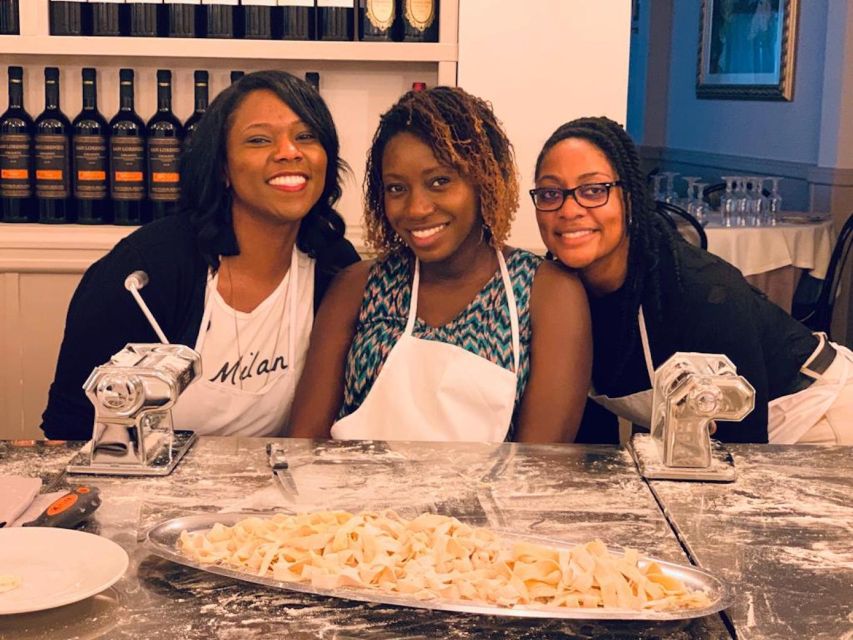
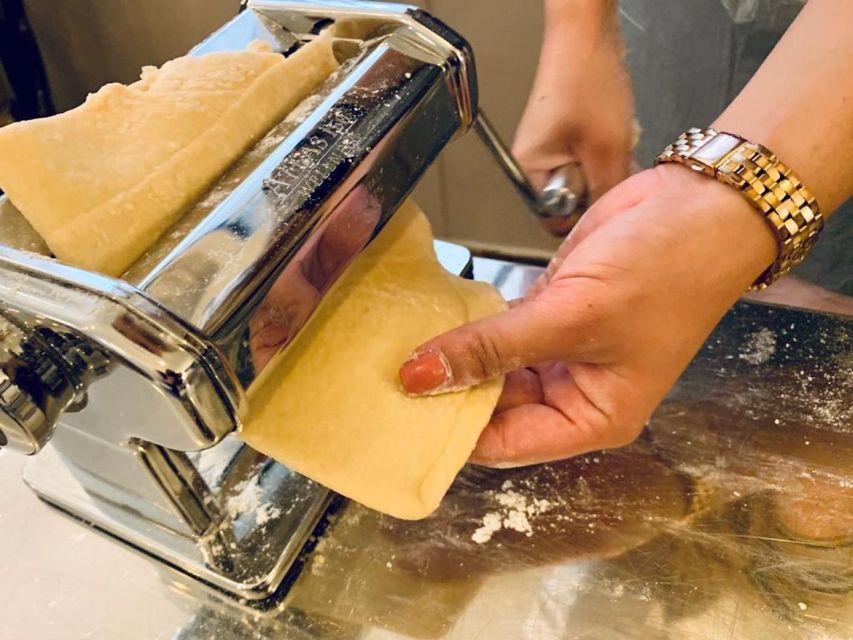
The main event is the fresh pasta. You receive the ingredients and follow the chef’s instructions as you work the dough and shape it into fettuccine.
This is the part where the class earns its place in a Rome itinerary. You are not just tasting a plate of pasta in a restaurant. You are learning the basic motions that turn flour and other ingredients into a meal.
The instructors appear to keep an eye on the whole table. One group of about 12 people found that the chef made sure nobody was left out, which is important in a class where some people will work faster than others.
You should expect a little mess. That is not a flaw. Pasta dough rewards patience, and the chef is there to show you what to do when it feels too dry, too sticky, or uneven.
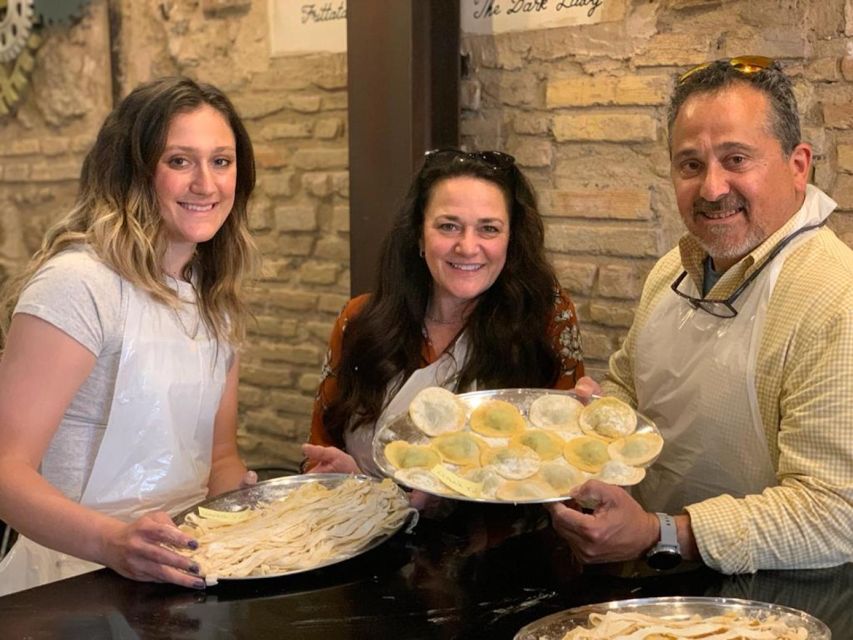
Some sessions have included both fettuccine and ravioli. The ravioli was a favorite for at least one participant, though the sauce received special praise and was not taught in the same detail. If making ravioli is important to you, check the option selected when you book.
Learning the difference between cooking and watching
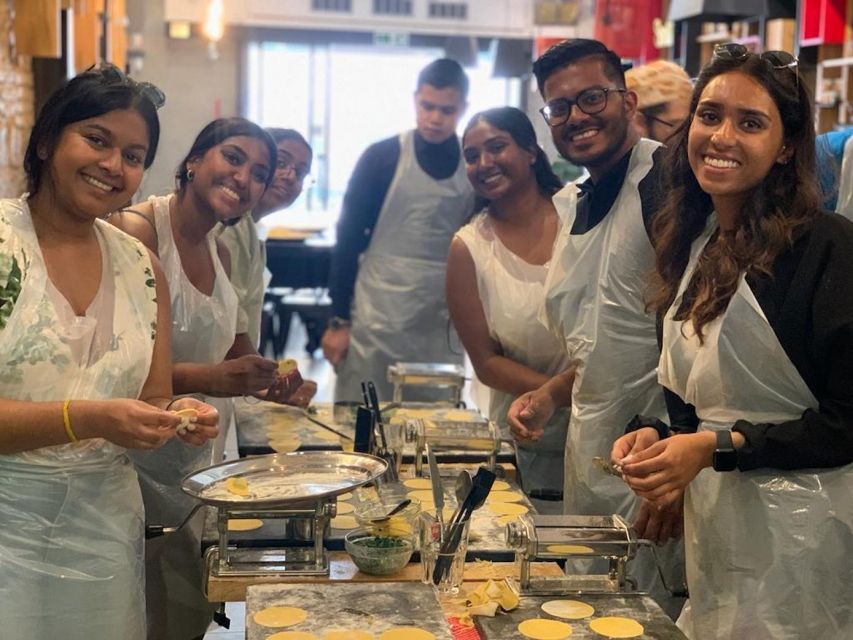
Many food activities use the word class when the customer mostly watches a chef work. This one is more active. You handle the ingredients, follow each stage, and eat the results at the end.
That makes the experience especially useful for first-time pasta makers. You can ask for help at the exact moment you need it instead of trying to remember a demonstration later.
The teaching style also seems to be a major strength. Eleonor was praised for her instruction, Mathilde for explaining things clearly and involving everyone, and Eddie, Sid, and Giacomo for mixing information with humor. The result sounds less like a formal lecture and more like a lively group lesson.
The jokes and music are part of the atmosphere, but they are not the only reason to choose the class. The real benefit is that the staff keeps the pace moving while still giving each person attention.
Still Rome, but a slower afternoon:
- Vatican: Museums & Sistine Chapel Entrance Ticket
★ 4.5 · 144,003 reviews - Vatican Museums & Sistine Chapel Tour with Optional Basilica
★ 4.3 · 67,413 reviews - Colosseum, Roman Forum & Palatine Guided Tour
★ 4.7 · 63,148 reviews - Vatican Museums, Sistine Chapel & St Peter’s Basilica Guided Tour
★ 4.5 · 39,149 reviews
Eating inside a Roman restaurant
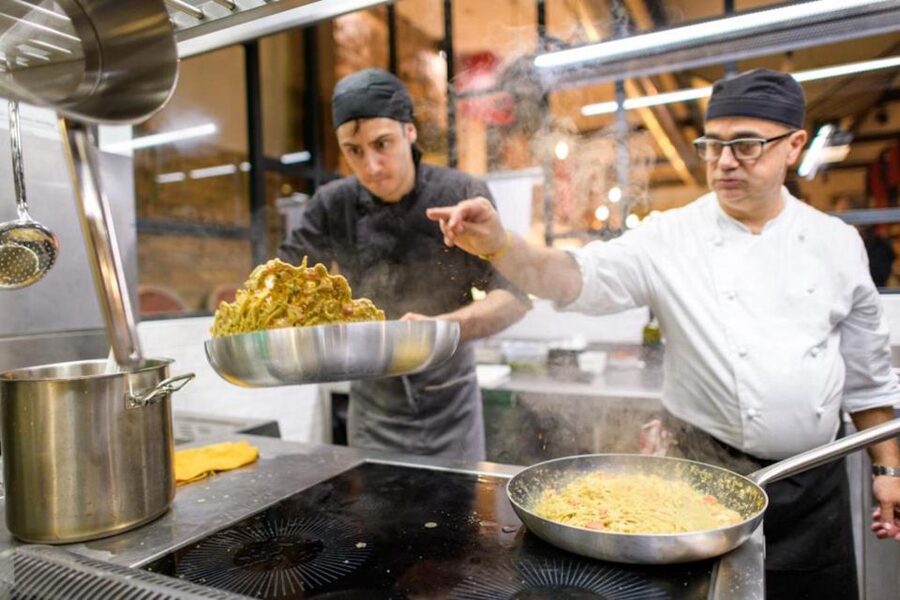
Once the cooking is finished, you sit down to eat what you made. The meal takes place in the restaurant or on its outdoor terrace, depending on the arrangement for your session.
This final stage gives the class a satisfying shape. You begin with raw ingredients, work through the preparation, and end at a table with food in front of you. Wine and limoncello add to the traditional Italian feel, while coffee, soft drinks, and water give you nonalcoholic choices.
The food is not a separate restaurant meal prepared by someone else. It is the result of your work, with the chef and staff helping you get it onto the plate. That can make a basic pasta dish feel more memorable than a more expensive meal where you simply sit and order.
Keep your expectations sensible. This is a short class, so you are unlikely to learn every Roman sauce or a full menu of regional dishes. One participant specifically wished the group had learned the sauces in more detail. If sauce-making is your main goal, you may want to ask what the selected session covers.
Why the $32 price is good value
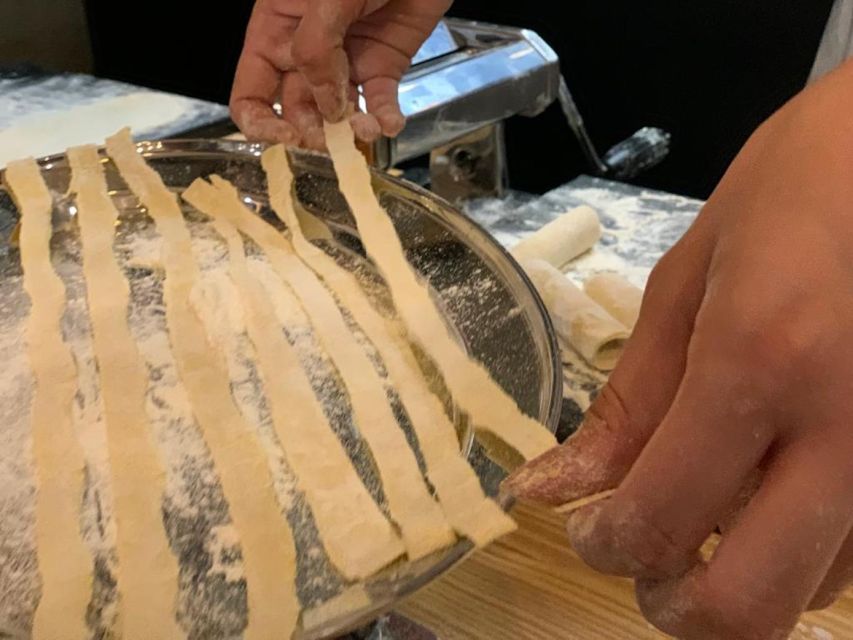
At $32 per person, this class is priced below many food-focused activities in major European cities. The fee includes the cooking lesson, local chef, host, fettuccine, tiramisu, wine, limoncello, coffee, soft drinks, and water.
That is a useful package. You receive a meal, several drinks, entertainment, and recipes for future use. You also avoid paying separately for a restaurant dinner during the same period.
The value is strongest if you want to eat and learn at the same time. If you only want a quick plate of pasta, a regular restaurant may be faster. If you want a serious, technical pasta course, this class may be too short.
I would also count the social value. Groups have included people from around the world, and the format encourages conversation while you work. For solo visitors, couples, and small groups, that can be a pleasant change from eating alone or staying within your own party.
Timing, group size, and the small practical details
The advertised length is two and a half to three hours. That is long enough to feel like a proper activity but short enough to fit around sightseeing.
Starting times vary, so check availability for your date. One group began later than expected. It did not cause trouble because the participants had no later plans, but I would avoid booking a tight train departure, museum entry, or evening reservation immediately afterward.
The meeting point may also vary by the option you choose. Read the booking information carefully rather than assuming every class starts at the same restaurant.
The class is conducted in English. Vegetarian, vegan, lactose-intolerant, and other dietary needs can be supported, but you need to tell the provider when booking. Do not wait until the class begins, especially when the menu includes dairy, eggs, coffee, and other ingredients that may need to be changed.
The reported group size of around 12 feels reasonable for a hands-on lesson. A much larger group could make individual help harder, while a very small group might lose some of the lively social energy. The exact number can vary.
Who will enjoy this most
I would recommend this class to you if you want a relaxed introduction to Roman food and prefer doing something active. It works well for first-time visitors who want a break from churches and ancient ruins without giving up a sense of place.
It is also a good choice for:
- Couples looking for a shared activity beyond sightseeing
- Solo visitors who enjoy meeting other people
- Families with older children who can follow kitchen instructions
- People who want recipes they can repeat at home
- Vegetarian, vegan, or lactose-intolerant diners who notify the provider ahead of time
- Anyone who wants wine and limoncello included with a casual meal
The class may be less suitable if you dislike group activities, need a precise start time, or want advanced instruction in sauces and regional pasta shapes. It is friendly and practical, not an intensive professional course.
Tips for getting more from the lesson
Leave room in your schedule after the class. Since a late start has happened, a flexible afternoon or evening will make the experience more relaxing.
Tell the provider about dietary needs when you reserve. The activity supports several diets, but the kitchen needs notice to prepare suitable ingredients.
Pay attention to the pasta shaping rather than rushing to finish. The recipes are useful, but the real takeaway is the feel of the dough and the sequence of the work. Those are the details that are harder to learn from a printed recipe.
Ask what pasta shapes are included in your option. The main description centers on fettuccine, while some groups have prepared ravioli as well. That small difference could matter if you have a strong preference.
Finally, save the recipes and make the meal again at home. The class is designed to give you authentic Italian recipes, and repeating the dishes is the best way to turn a holiday memory into a lasting cooking skill.
What the praise tells you about the experience
The strongest pattern is the staff. Eleonor, Mathilde, Eddie, Sid, Giacomo, and other hosts receive repeated praise for being friendly, clear, funny, and attentive.
The food also receives consistent approval. The tiramisu has been singled out as especially good, while the pasta is described as successful even for people with no previous experience.
The group atmosphere matters just as much. People enjoyed meeting others, sharing drinks, listening to music, and joking with the hosts. That makes this a better pick for someone who wants warmth and conversation than for someone seeking a quiet, private lesson.
There are two useful cautions hidden in the praise. First, the class can run late, so avoid a close connection afterward. Second, the emphasis is on pasta and tiramisu. You may not learn the full sauce recipes or a wide range of Roman dishes.
Should you book the Roman Master Chef Cooking Class?
I would book this class if you want a well-priced, social food activity with a real meal at the end. The $32 fee covers far more than the instruction, and the repeated praise for clear teaching and a welcoming staff gives you good reason to expect a friendly session.
Book it especially if handmade pasta, tiramisu, and included drinks sound better than another afternoon of sightseeing. Skip it if you want a private class, advanced culinary training, or a tightly scheduled activity with no chance of delay.
For most visitors, this is an easy way to add a taste of daily Italian life to a Rome trip. You leave with full plates, recipes, and a better sense of why fresh pasta is worth the effort.
FAQ
How long does the cooking class last?
The class lasts about two and a half to three hours. Starting times vary, so check availability for your selected date.
What food will I make?
The class includes handmade fettuccine pasta made from scratch and tiramisu. Some sessions have also included ravioli, so check the details of your chosen option.
Are drinks included?
Yes. The package includes wine and limoncello, along with coffee, soft drinks, and water. Some sessions have also started with prosecco.
Is the class taught in English?
Yes. The instructor language is English.
Can dietary requirements be accommodated?
Vegetarian, vegan, lactose-intolerant, and other dietary options are available. Tell the activity provider about your needs when booking.
Can I cancel the booking?
You can cancel up to 24 hours in advance for a full refund. The reserve-now, pay-later option is also available, depending on the booking terms for your selected activity.
Recently added around Rome
- Palatine Hill and Roman Forum Tour with Fast-Track Entrance★ 4.2 · 417 reviews
- Tivoli: Villa D’Este & Villa Adriana Pass & App Audioguide★ 4.4 · 364 reviews
- From Rome: Villa D’Este & Villa Adriana Day Trip with Lunch★ 4.4 · 289 reviews
- Vatican Museums & Sistine Chapel Skip-the-Line Guided Tour★ 4.6 · 254 reviews
- Rome: The Three Tenors at St. Paul’s Church Concert Ticket★ 4.7 · 699 reviews
- Tivoli: Villa D’Este Entry Ticket and App Audio Guide★ 4.3 · 191 reviews
- Rome: Capitoline Museums and Centrale Montemartini Tickets★ 4.4 · 328 reviews
- Rome: St. Peter’s Basilica and Papal Tombs Guided Tour★ 4.6 · 477 reviews
Cooking Classes, compared.
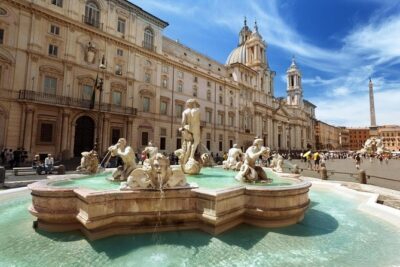
3 in 1 Cooking Class near Navona: Fettuccine, Ravioli & Tiramisu
Read our review →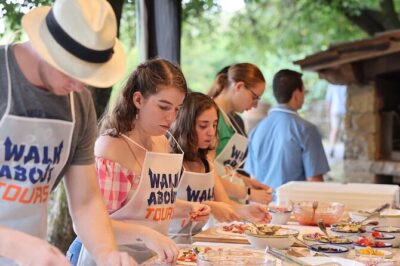
Florence Pizza or Pasta Class with Gelato Making at a Tuscan Farm
Read our review →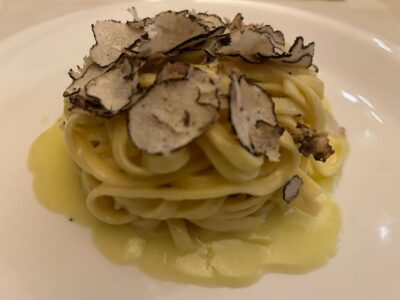
Pasta & Tiramisu Cooking Class with Unlimited Wine
Read our review →
Pizza-Making Workshop with Drink and Appetizer
Read our review →
Pasta & Tiramisu Class with Fine Wine by the Vatican
Read our review →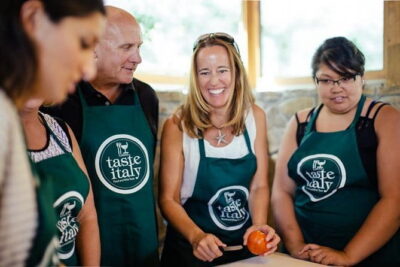
Cooking Class and Lunch at a Tuscan Farmhouse with Local Market Tour from Florence
Read our review →Browse the lists this tour appears in