
Reviewed · COOKING CLASSES
Rome: Pizza & Tiramisu Class with Free Flowing Fine Wine
Come hungry, leave with dinner skills. This three-hour Rome cooking class combines hands-on pizza making with tiramisu, wine, and a meal in an operating Italian restaurant. I like the small maximum of 12 people, which gives the chef a fair chance to help each person, and I like that you eat the food you prepare instead of watching someone else cook.
The setting is practical rather than polished. You work in part of La Panetteria Ristorante on Via della Panetteria, and the room can feel like a working restaurant rather than a dedicated cooking school. The other thing to consider is the generous wine service: it adds to the fun, but you will want to pace yourself, especially with children in the group.
In This Review
- Key points to know before booking
- What happens during the three-hour Roman cooking class
- Tiramisu first: an easy start with a sweet payoff
- Pizza dough is the main event
- A working restaurant, not a purpose-built cooking school
- The instructors make the biggest difference
- Free-flowing wine changes the mood
- How much value do you get for $47.16?
- Food restrictions and practical limits
- Who should book this Rome pizza class?
- Should you book it?
- FAQ
- Where does the pizza and tiramisu class take place?
- How long does the experience last?
- What food will I prepare?
- Is lunch included?
- Are wine and soft drinks included?
- Is the class offered in English?
- How many people can join the class?
- Can I join with a food allergy or dietary restriction?
Key points to know before booking
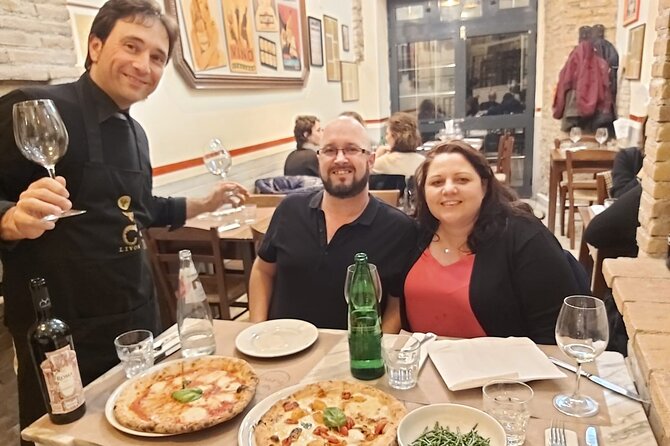
- You make both tiramisu and Roman pizza, with tiramisu generally prepared first and pizza served as the main meal.
- The class takes place at La Panetteria Ristorante, Via della Panetteria 13a/14, in central Rome.
- Wine and soft drinks are included, with wine regularly topped up during many sessions.
- The group limit is 12 people, though smaller groups can sometimes make the lesson feel almost private.
- Chef quality can vary, with highly praised instructors including Julia, Mattia, Fiammy, Elena, Chiara, Irene, Mia, and others.
- The traditional recipes use gluten, dairy, and eggs, and the kitchen cannot promise freedom from cross-contamination.
What happens during the three-hour Roman cooking class
The experience begins and ends at La Panetteria Ristorante. You do not need a bus or private vehicle, and the meeting point is near public transportation. Since the activity takes place in Rome rather than at a countryside farm or outside-the-city kitchen, it fits neatly into a sightseeing day.
The class usually follows a sensible order: dessert first, then pizza. You prepare the tiramisu before turning your attention to the dough and toppings. That order means the dessert has time to rest while you work on the main course, and you can finish with a proper meal.
The pace is generally relaxed. You cook, sit, talk, drink, and eat over roughly three hours. That is useful if you want a social afternoon rather than a quick demonstration, though one reported session ran far longer than expected. If you have evening plans, leave a generous cushion after the scheduled finish.
The class is offered in English, and the small-group format allows for questions. Several instructors have been praised for patient, cheerful teaching, including Julia, Mattia, Fiammy, and Elena. Names can vary by date, so you should not book solely because you hope for one particular chef.
More Cooking Classes in Rome
- 3 in 1 Cooking Class near Navona: Fettuccine, Ravioli & Tiramisu
★ 5.0 · 7,376 reviews - Rome: Pasta & Tiramisu Class with Fine Wine by the Vatican
★ 4.9 · 4,852 reviews - Rome: Pasta Making Class with Wine, Limoncello, and Dessert
★ 4.9 · 3,177 reviews
Tiramisu first: an easy start with a sweet payoff
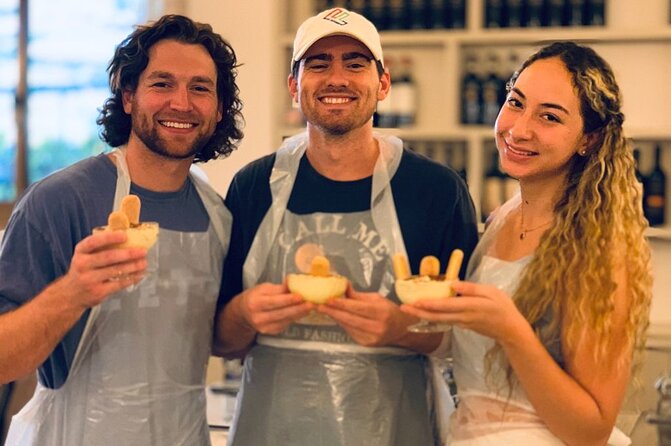
Tiramisu is the gentler part of the lesson. You work with the traditional components, including ladyfingers, mascarpone, and eggs, then assemble the dessert before moving on to pizza.
This is a good way to begin because it gives you an early success. The method is accessible, and the finished dessert tends to be one of the more popular parts of the meal. Children can take part, and one family with children aged nine and 11 found the morning timing especially useful because lunch was ready around noon.
Do not expect a full pastry course. The class focuses on making a classic Italian dessert, not on detailed pastry theory or advanced restaurant technique. The strongest benefit is that you learn a simple dish you can repeat at home.
The quality of the finished tiramisu may depend on the instructor and the group. Most feedback about it is very positive, but one account found the dessert ordinary while enjoying the pizza more. That is a fair reminder that a cooking class is partly about the process, not just restaurant-level presentation.
Pizza dough is the main event
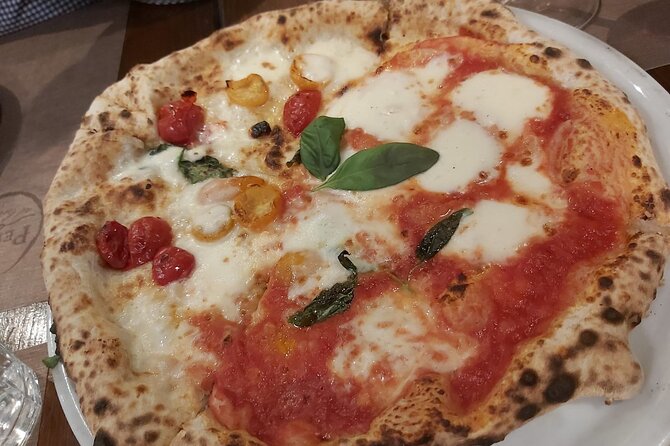
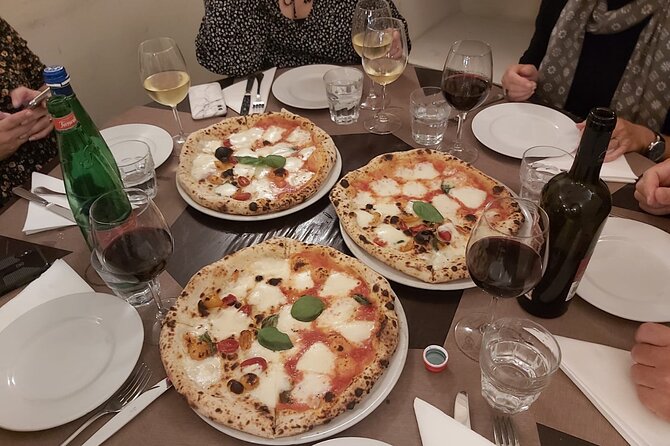
After tiramisu, you turn to the pizza. The lesson focuses on traditional techniques and a Roman-style pizza, using artisanal ingredients supplied for the class. You get a feel for the dough rather than simply receiving a prepared base and adding toppings.
This is where the class earns its price. Watching a pizzaiolo stretch dough is entertaining, but handling it yourself teaches you much more. You notice how the dough feels, how much pressure it takes, and why a pizza that looks simple can be harder to make than expected.
The sauce is prepared in advance, so do not expect to make every component from raw ingredients. That is not necessarily a flaw. It keeps the class moving and lets you spend more time on the dough, the part most people want to practice.
You will be introduced to ingredients such as 00 flour, cured meats, and the products used for the tiramisu. The amount of background about their Italian origins may depend on the instructor. Some teachers add family stories, pizza history, and practical tips, while other sessions focus more narrowly on getting the food made.
When the pizzas are ready, you eat them as your lunch or dinner. The meal is the payoff for the work, and it also makes the class good for people who prefer an activity with a clear finish. You are not left wondering where to find food afterward.
A working restaurant, not a purpose-built cooking school
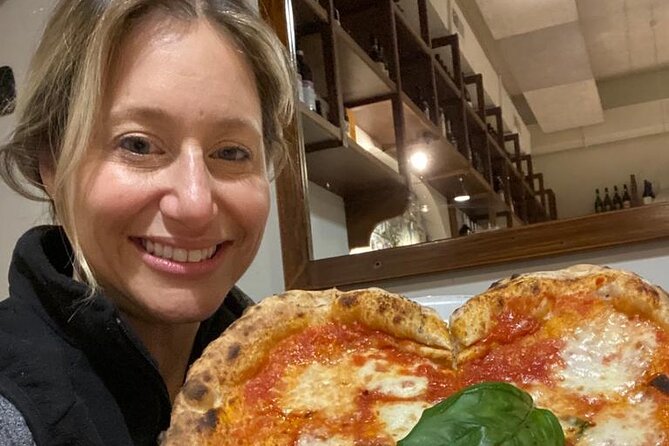
The class is held in the back section of a functioning restaurant. This gives the experience a real restaurant setting, but it also brings some tradeoffs.
At quieter times, the arrangement can work well. One family found that the back room became more comfortable when the restaurant emptied between meal periods. A small group may have plenty of space and attention, especially if the class is not full.
At busier times, diners may sit nearby, and a large party can arrive during the lesson. That can make the class noisy and a little awkward. You may also be close enough to other diners to notice them watching or taking pictures.
This matters most if you want a polished culinary-school atmosphere. If you are happy with a casual lesson in a working restaurant, the setting adds character. If you want quiet instruction, spotless cooking stations, and a formal classroom, this may not be the right fit.
The room arrangement also affects the teacher. The instructor may be preparing ingredients, teaching, serving drinks, clearing plates, and cleaning up. Many sessions have worked well despite this, but the experience can feel disorganized when one person has to handle everything.
Still Rome, but a slower afternoon:
- Vatican: Museums & Sistine Chapel Entrance Ticket
★ 4.5 · 144,003 reviews - Vatican Museums & Sistine Chapel Tour with Optional Basilica
★ 4.3 · 67,413 reviews - Colosseum, Roman Forum & Palatine Guided Tour
★ 4.7 · 63,148 reviews - Vatican Museums, Sistine Chapel & St Peter’s Basilica Guided Tour
★ 4.5 · 39,149 reviews
The instructors make the biggest difference
The most consistently praised feature is the teaching style. Julia is described as warm, energetic, and generous with individual coaching. Mattia is praised for patience, friendliness, and the ability to keep a group of 12 involved. Fiammy is noted for clear English, useful cooking tips, and regular wine service.
Other named instructors, including Elena, Chiara, Irene, Mia, and Giulia, have also received strong praise for making the session friendly and easy to follow. The best teachers do more than recite steps. They move around the table, answer specific questions, help with dough, and keep children and adults involved at the same time.
The experience is particularly well suited to families. A group ranging in age from 10 to 73 enjoyed the same class, and a 15th birthday was given extra attention. Children can help prepare both dishes, while adults get a social meal and a practical lesson.
Couples and solo visitors also fit naturally into the format. You share a table, cook beside other people, and have plenty of opportunities to talk. It is less formal than a private lesson and more engaging than a standard restaurant meal.
The main caution is instructor variation. One session was led by someone who did not work at the restaurant and had limited cooking experience. That class began late and felt poorly organized. Most of the available feedback is highly positive, but this experience is not completely uniform from one date to another.
Free-flowing wine changes the mood
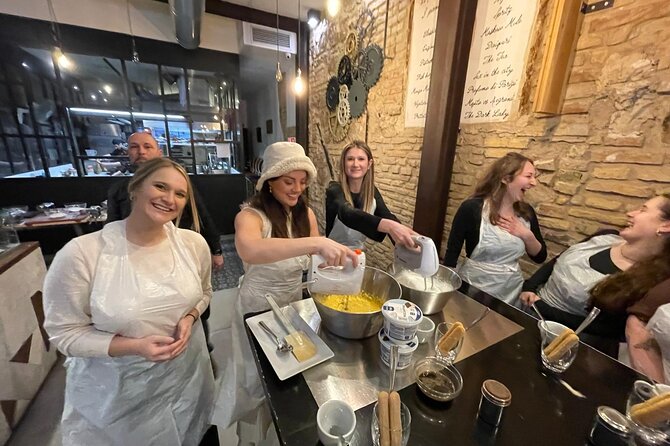
Wine and soft drinks are included with the meal. The wine is often topped up throughout the class, which helps create the relaxed, social atmosphere many people enjoy.
The phrase free-flowing should not be read as a challenge. The session can last three hours, and there may be repeated pours while you cook and eat. Pace yourself, drink water when available, and remember that the wine is an extra part of the experience, not the reason to book it.
This point is important for families. Children can participate in the cooking, but adults should keep an eye on the pace of drinking around the table. One unusually long session resulted in several people becoming very intoxicated. That is not a reason to avoid the class, but it is a reason to treat the wine service sensibly.
There is also a small value question. One couple felt there could have been more wine, while another found the refills generous. The amount may depend on the instructor and the group. Either way, the main value is the meal and instruction, with wine as a pleasant addition.
How much value do you get for $47.16?
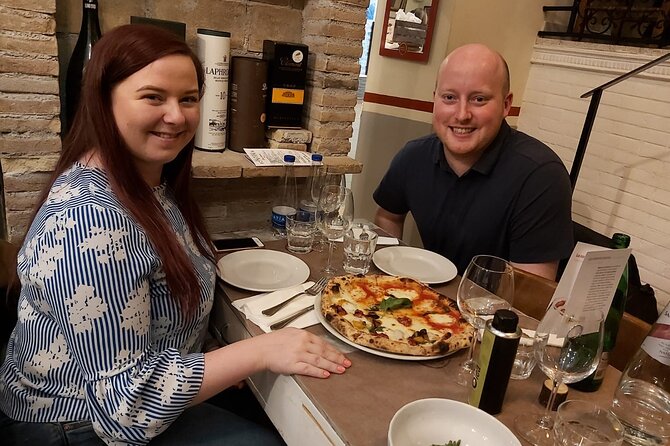
At $47.16 per person, the class is priced below many full cooking workshops in major European capitals. You receive instruction, pizza, tiramisu, wine, soft drinks, and about three hours of entertainment in central Rome.
The value is strongest if you would otherwise pay for lunch or dinner. Instead of only eating pizza, you get a social activity, a meal, and recipes or cooking ideas to take home. Several instructors have provided written recipes, though you should not assume every session will send them automatically. If a recipe matters to you, write down the steps during class or ask before leaving.
The class is less valuable if you mainly want advanced instruction. The menu is limited to one pizza and one dessert, the sauce is made ahead, and the depth of ingredient history depends on the teacher. Think of it as a friendly introduction to Italian home cooking rather than professional chef training.
Booking well ahead may be sensible. This experience is booked an average of 43 days in advance, which suggests that popular dates can fill early. It has a maximum of 12 people, so a smaller class is possible, but not guaranteed.
Food restrictions and practical limits
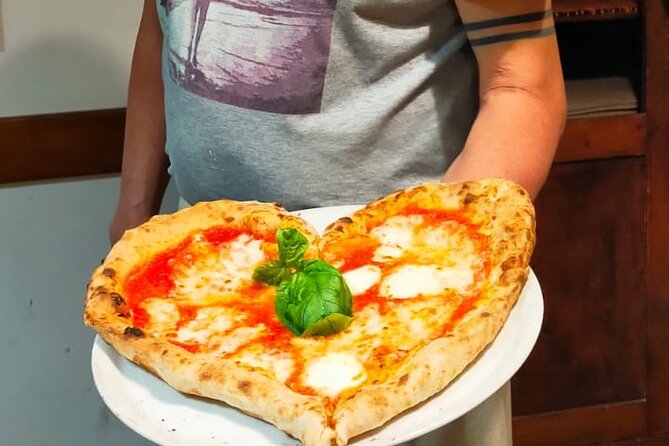
The traditional recipes contain gluten, dairy, and eggs. The class is not recommended for people with egg, lactose, or gluten intolerance, and it is not recommended for vegans.
Substitutions may be available for allergies or food preferences, but the teaching remains focused on the standard recipes. The kitchen cannot guarantee that substituted food will be free from cross-contamination. If you have a serious allergy, you should treat this as a meaningful limitation rather than a minor note.
Most people can participate, and the class is near public transportation. There is no air-conditioned vehicle because transportation is not part of the experience. You simply arrive at the restaurant, take part in the lesson, and finish at the same place.
Cancellation is flexible if your plans change: you can receive a full refund by canceling at least 24 hours before the local start time. Changes or cancellations made inside that window are not accepted for a refund.
Who should book this Rome pizza class?
I would choose this class for families, couples, solo visitors, and anyone who wants a social meal with an activity attached. It works especially well on a morning or afternoon when you want to rest your feet after sightseeing without spending the whole day indoors.
It is also a smart choice for children who love pizza. They get to handle ingredients, work beside adults, and eat lunch they helped prepare. The format has enough social energy to keep a mixed-age group interested.
I would be more cautious if you need strict allergy controls, want a quiet professional kitchen, or have a tightly scheduled evening. I would also avoid treating the wine as an unlimited drinking event. The class is at its best when you enjoy the cooking, conversation, and meal in equal measure.
Should you book it?
Book it if you want a friendly, hands-on Roman food activity for a reasonable price. The combination of pizza, tiramisu, included drinks, and personal help from the instructor makes this a strong choice for a first cooking class in Italy.
Go in with realistic expectations. You may cook in a restaurant dining area, hear some background noise, and receive a lesson that depends heavily on the assigned teacher. For most people, that casual setting is part of the charm. For strict culinary training or allergy-sensitive dining, choose a more specialized class instead.
FAQ
Where does the pizza and tiramisu class take place?
The class takes place at La Panetteria Ristorante, Via della Panetteria 13a/14, 00187 Rome, Italy.
How long does the experience last?
The scheduled duration is approximately three hours. One reported session lasted longer, so avoid booking another activity too tightly against the finish time.
What food will I prepare?
You prepare traditional tiramisu and authentic Italian pizza, including Roman-style pizza.
Is lunch included?
Yes. The experience includes the pizza you prepare as lunch, along with drinks.
Are wine and soft drinks included?
Yes. Wine and soft drinks are included with the meal. Wine is often served throughout the class.
Is the class offered in English?
Yes. The experience is offered in English.
How many people can join the class?
The maximum group size is 12 people. Smaller groups may be available on some dates.
Can I join with a food allergy or dietary restriction?
Substitutions may be available, but the traditional instruction uses gluten, dairy, and eggs. The kitchen cannot guarantee that substitute dishes will be free from cross-contamination, and the class is not recommended for vegans or people with egg, lactose, or gluten intolerance.
Recently added around Rome
- Rome: Pantheon, Trevi Fountain & Roman Squares Guided Tour★ 4.7 · 386 reviews
- Vatican: Pope Francis Tomb and Papal Basilicas Tour★ 4.7 · 340 reviews
- Vatican: St. Peter’s Basilica with Audio Guide and Options★ 3.4 · 269 reviews
- Rome: Vatican Museums Skip-the-line Entry Ticket and Tour★ 4.2 · 400 reviews
- Rome: Vatican Museums & Sistine Chapel Ticket + Tour Options★ 4.7 · 344 reviews
- Vatican Museums & Sistine Chapel Guided Tour★ 4.3 · 832 reviews
- Vatican Museums & Sistine Chapel Entry Ticket★ 4.4 · 245 reviews
- Vatican: Museums, Raphael & Sistine Chapel + Basilica Option★ 4.7 · 350 reviews
Cooking Classes, compared.
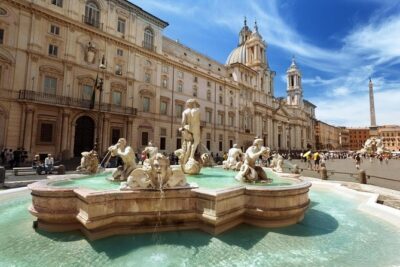
3 in 1 Cooking Class near Navona: Fettuccine, Ravioli & Tiramisu
Read our review →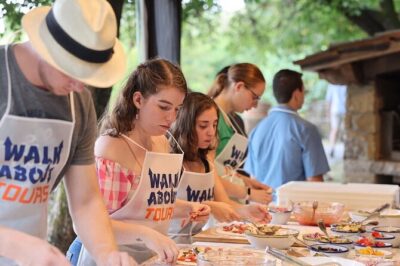
Florence Pizza or Pasta Class with Gelato Making at a Tuscan Farm
Read our review →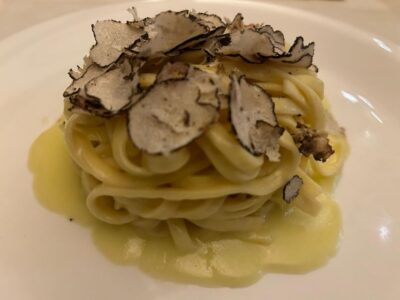
Pasta & Tiramisu Cooking Class with Unlimited Wine
Read our review →
Pizza-Making Workshop with Drink and Appetizer
Read our review →
Pasta & Tiramisu Class with Fine Wine by the Vatican
Read our review →
Cooking Class and Lunch at a Tuscan Farmhouse with Local Market Tour from Florence
Read our review →Browse the lists this tour appears in