
Reviewed · COOKING CLASSES
Rome: Pizza and Gelato Cooking Class with Wine
Come hungry, leave happily stuffed. This three-hour Rome cooking class gives you a useful taste of local food culture, with hands-on lessons in pizza, supplì, and gelato rather than a simple meal at a restaurant. I especially like the small-group format, capped at 12 people, and the chance to learn from chefs such as Max, Marco, Alessandro, and Jacopo. The free-flowing Italian wine, coffee, snacks, and recipe booklet add real value to the $112.15 price.
The main point to consider is dietary suitability. The class can accommodate some special requirements, but it is not recommended for people with celiac disease, and traces of gluten and nuts may be present. Gluten-free options are not included, so ask about your needs before booking.
In This Review
- Key details before you book
- What this Roman food class is really like
- Starting with pizza dough and Roman technique
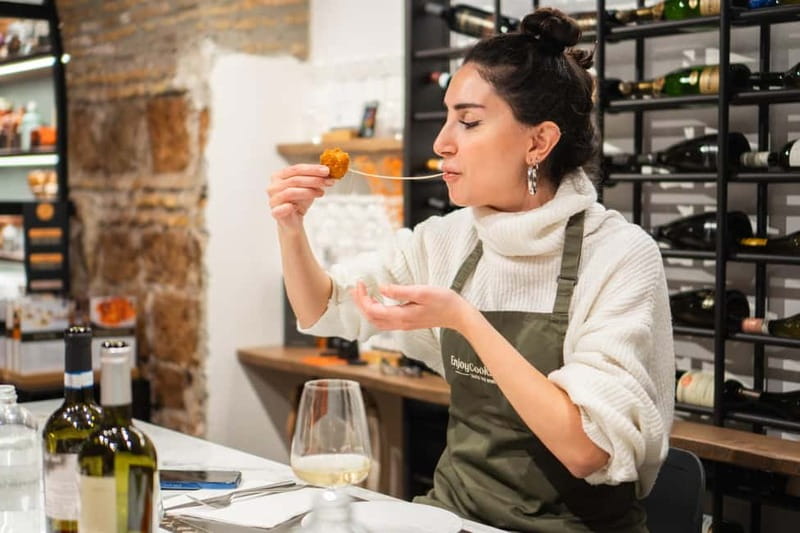
- Supplì, Rome’s crisp rice croquettes
- Gelato brings the meal to a cool finish
- Wine, snacks, and the meal at the end
- The chefs make the difference
- Why the small group is worth paying for
- Is $112.15 a fair price?
- Who should book this experience?
- Practical tips for a smoother class
- Should you book the Rome pizza and gelato class?
- FAQ
- How long does the Rome pizza and gelato class last?
- What foods will I make?
- Is wine included?
- Is the class taught in English?
- How many people are in the class?
- Can people with dietary requirements attend?
- Where does the class start and finish?
Key details before you book
- Three classic Roman foods: Make pizza from scratch, prepare cheesy supplì rice croquettes, and finish with homemade gelato.
- A genuinely hands-on class: You knead dough, shape pizza, work with fillings, and help prepare the dishes you later eat.
- Small groups matter: The maximum is 12 people, with some sessions reported as much smaller, including groups of five and even private-feeling classes for two.
- Wine is included throughout: Italian wine flows during the cooking, with coffee and nonalcoholic drinks also available.
- Useful take-home material: You receive recipes so you can try the dishes again after returning home.
- Plan around the meeting point: The starting location can vary by the option selected, and the class finishes where it begins.
What this Roman food class is really like
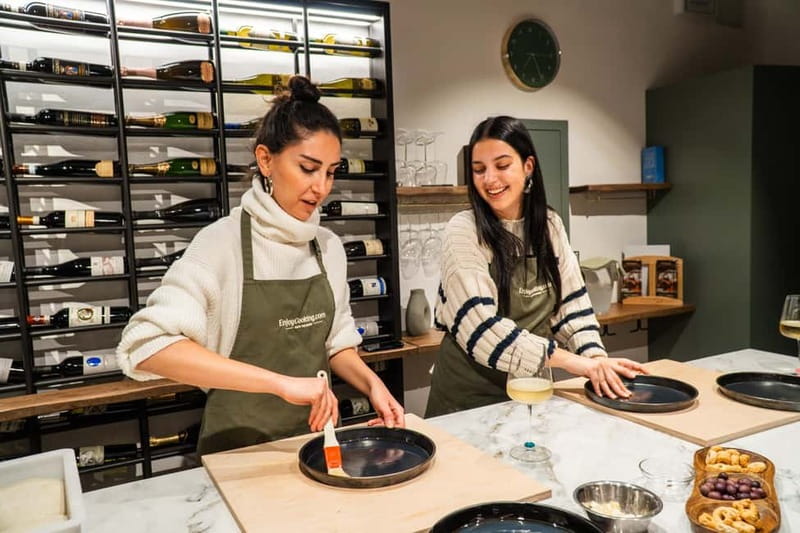
This is not a demonstration where you sit back and watch a chef do all the work. You put on an apron, handle the ingredients, and follow the chef through each stage of the meal. That makes the class a good change of pace after Rome’s churches, museums, and ancient ruins.
The class lasts about three hours, with starting times depending on availability. It ends back at the meeting point, and hotel pickup or drop-off is not provided. Check the exact meeting location carefully, since it may vary with the option you choose.
English is the teaching language. The chefs are described as friendly, patient, and clear, with Max receiving especially strong praise for explaining each step and answering questions. Marco is also noted for working well with adults, teenagers, and preteens. That range matters if you are booking a family activity rather than a date-night class.
The atmosphere appears relaxed rather than formal. You cook alongside other people, share workstations, and eat together at the end. One person initially expected a separate table for each booking and felt unsure about sharing the cooking process. Once the class got going, that became part of the fun. If you want a private lesson, this may not be the right choice, but if you enjoy meeting people over food, the group setup is a plus.
More Cooking Classes in Rome
- 3 in 1 Cooking Class near Navona: Fettuccine, Ravioli & Tiramisu
★ 5.0 · 7,376 reviews - Rome: Pasta & Tiramisu Class with Fine Wine by the Vatican
★ 4.9 · 4,852 reviews - Rome: Pasta Making Class with Wine, Limoncello, and Dessert
★ 4.9 · 3,177 reviews
Starting with pizza dough and Roman technique
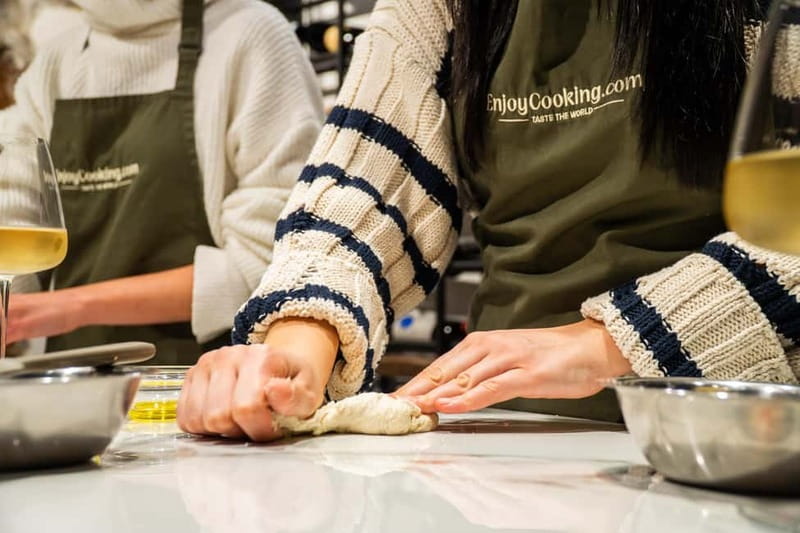
Pizza is the main event, and the class begins at the most important place: the dough. You learn how to knead it, shape it, add sauce and toppings, and prepare it for baking. The appeal is not only eating pizza in Rome. You get to understand why the texture depends on several small choices, from the feel of the dough to the balance of toppings.
The chef guides you through the process, so previous cooking skill is not needed. Several people with no special experience found the class easy to follow, while experienced home cooks also picked up useful tips. That is a good sign for a mixed group.
You should expect to share some of the preparation rather than make a fully separate dish at every stage. The exact amount of individual work can depend on group size and the way the chef organizes the session. Still, the central pizza work is hands-on, and you get the satisfaction of eating food you helped prepare.
The result has impressed even people who had spent several days trying pizza around Rome. That is not a promise that your homemade pie will beat every pizzeria in the city, but it does show the chef pays attention to technique and seasoning. I like that the class treats pizza as a craft rather than a tourist prop.
Supplì, Rome’s crisp rice croquettes
Next comes supplì, one of Rome’s best-loved snacks. These are rice croquettes with a crisp outer coating and a soft center, traditionally with mozzarella inside. The cheese stretches when you break one open, which explains the nickname often associated with the dish, though the class focuses on making and eating them rather than turning the lesson into a history lecture.
This part gives you a different kind of cooking practice from pizza. You work with a rice mixture, shape the croquettes, and learn how to create the contrast between a golden outside and a soft, cheesy middle. The chef’s guidance is useful here because shaping and cooking can make the difference between a neat croquette and one that falls apart.
Supplì are easy to overlook when you think about Roman food. Pizza and pasta get most of the attention, but this street-food staple gives the class a more local feel. It also makes a practical dish to recreate at home, especially if you have leftover risotto or cooked rice.
The preparation may involve shared tasks, particularly in a larger group. That is worth knowing if you prefer uninterrupted time at your own station. For most people, though, the shared work adds conversation and keeps the three-hour class moving.
Gelato brings the meal to a cool finish
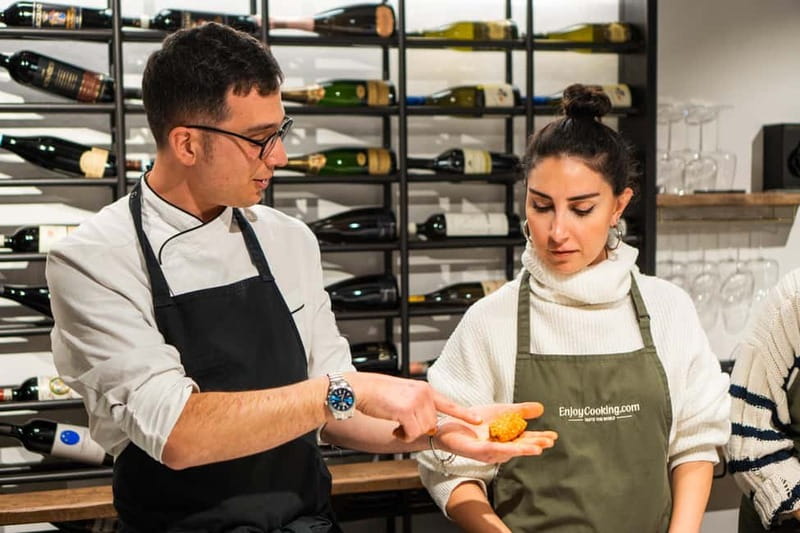
The final cooking lesson turns to gelato. You work with fresh, seasonal ingredients and learn how the ingredients and method affect the creamy texture. The class may prepare several flavors, with one session producing three varieties.
The description refers to a savoury gelato balance, while the experience also centers on the familiar creamy Italian dessert. In practice, expect the chef to explain how flavors are built and how gelato differs from standard ice cream. The useful lesson is learning restraint: the right mix of ingredients should taste clear and smooth, not heavy.
Gelato is a smart finish for this menu. After working with dough and fried rice croquettes, a chilled dessert gives the meal a lighter final note. It also broadens the class beyond pizza-making, making the price easier to justify.
Families should find this section especially appealing. Children and preteens have been welcomed in sessions led by Marco and Jacopo, and the chefs are described as patient with younger cooks. Parents should still consider the presence of wine and the shared adult dining atmosphere when deciding if the class suits their group.
Still Rome, but a slower afternoon:
- Vatican: Museums & Sistine Chapel Entrance Ticket
★ 4.5 · 144,003 reviews - Vatican Museums & Sistine Chapel Tour with Optional Basilica
★ 4.3 · 67,413 reviews - Colosseum, Roman Forum & Palatine Guided Tour
★ 4.7 · 63,148 reviews - Vatican Museums, Sistine Chapel & St Peter’s Basilica Guided Tour
★ 4.5 · 39,149 reviews
Wine, snacks, and the meal at the end
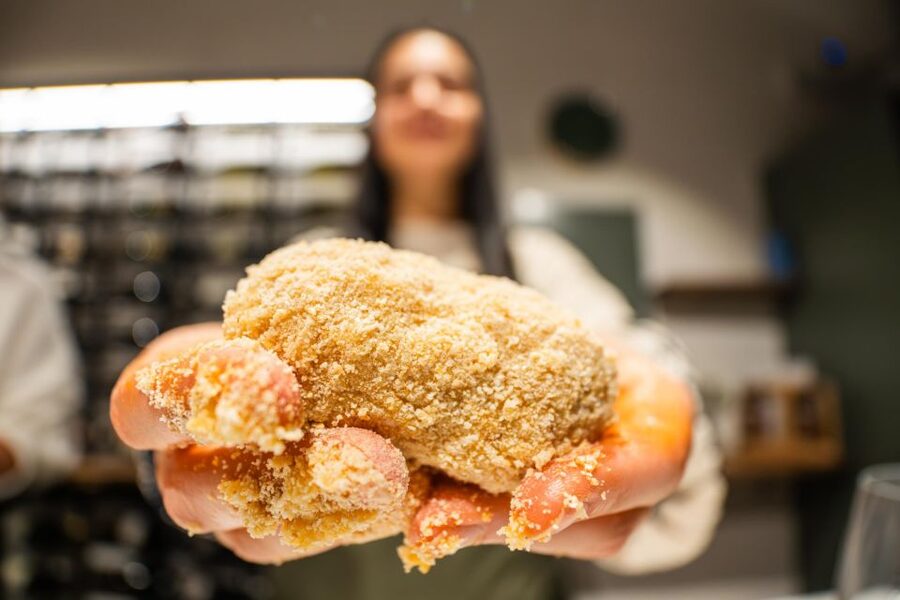
Wine is included and described as free-flowing Italian wine, so you can sip as you cook and continue with the meal. Coffee and nonalcoholic drinks are also included, along with snacks to keep you going during the preparation.
This is more than a small detail. A cooking class can feel rushed when everyone is hungry and waiting for the final plate. The snacks and drinks make the work feel social and unhurried. You can ask questions, compare dough shapes, and enjoy the evening without treating the class like a strict school lesson.
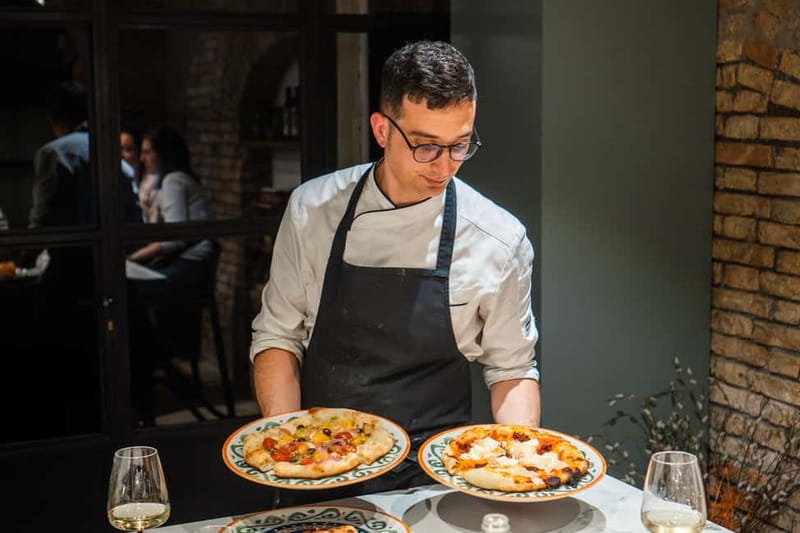
At the end, you sit down with the group and eat the pizza, supplì, and gelato you helped prepare. The shared meal is one of the strongest parts of the format. You are not just collecting instructions. You are tasting the result while the techniques are still fresh in your mind.
The wine is not a separate tasting with formal notes or a guided visit to a vineyard. It is there to accompany the meal and conversation. If you do not drink alcohol, you can use the included coffee and nonalcoholic drinks instead.
The chefs make the difference
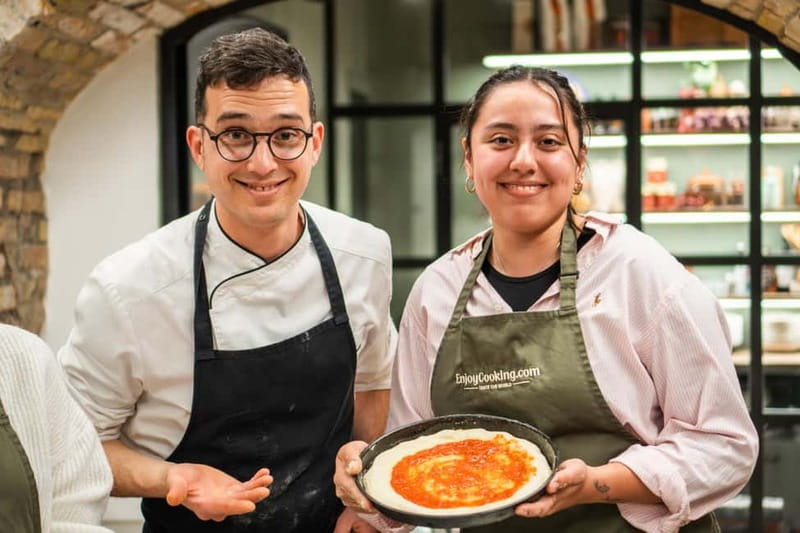
The named chefs vary by session, so you may meet Max, Marco, Alessandro, Jacopo, or another member of the team. Max is repeatedly praised for being patient, entertaining, and clear in English. He also shares extra cooking advice beyond the three main recipes, including ideas for making gnocchi and other Italian dishes.
Alessandro is described as creating a calm, friendly atmosphere and explaining the food well. Marco receives high marks as both a teacher and host, particularly with families and mixed-age groups. Jacopo is praised for his instruction, clean modern kitchen, quality ingredients, and ability to keep the class enjoyable.
That range of feedback points to a team effort rather than one lucky session. Still, your exact experience may depend on the chef assigned that day and the size of your group. I would not book this expecting a rigid professional culinary course. It is better understood as a friendly Roman food workshop with solid instruction.
Why the small group is worth paying for
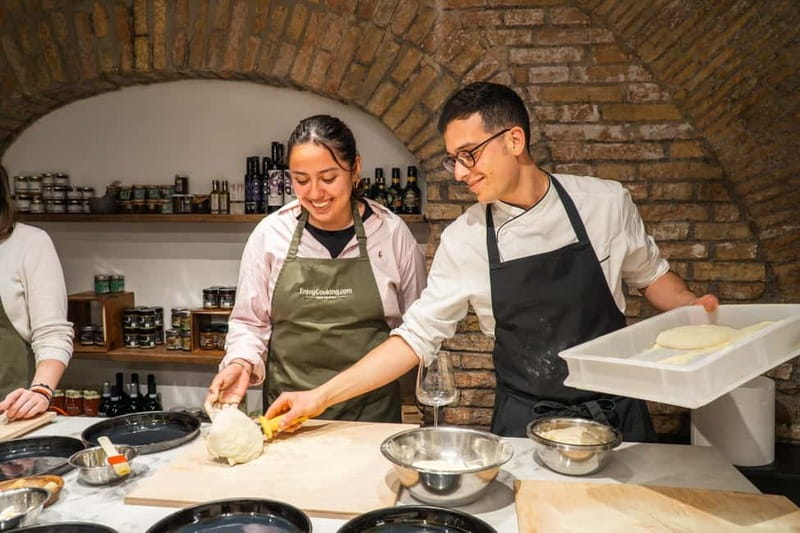
The maximum group size is 12, but some sessions have been much smaller. Groups of five, eight, and ten are described, and one booking for two people felt almost like a private class.
A small group gives the chef more time to correct dough technique, answer questions, and help with tricky steps. It also reduces the chance that you will spend the entire class watching from the back. For a cooking activity, that personal attention is more important than it would be on a standard sightseeing walk.
There is one tradeoff. You may work with people you have never met, and you may not have a separate table or a fully individual cooking station. If you are comfortable sharing tasks, the group can become one of the best parts of the evening. If you want complete control over every dish, a private class would suit you better, but this experience is not presented as private by default.
Is $112.15 a fair price?
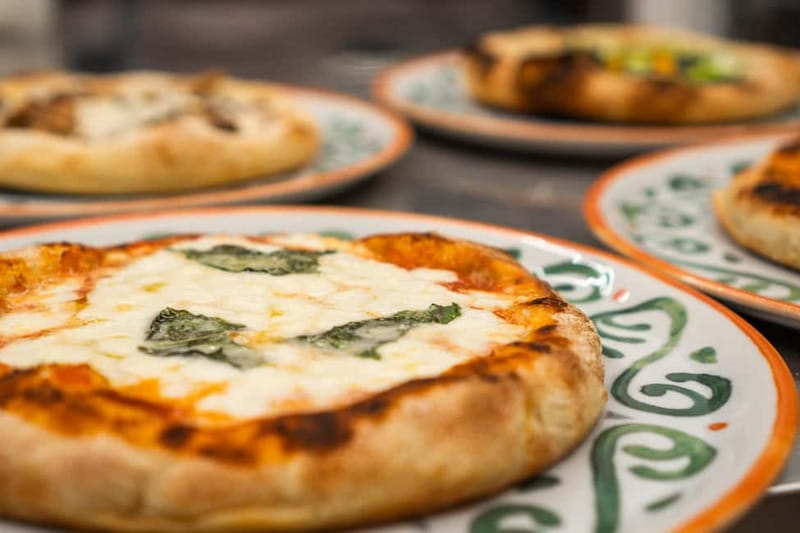
At $112.15 per person, this is not a cheap meal. You could eat pizza and gelato in Rome for far less, especially at a casual restaurant. The value comes from the instruction, the hands-on work, the three-course menu, unlimited wine, snacks, coffee, nonalcoholic drinks, and recipes to use later.
You are also buying a three-hour social activity. That matters for a short Rome visit, when a single evening can combine cooking, conversation, and dinner without requiring another restaurant reservation. For couples, families, and solo visitors who enjoy food, the class can replace both a meal and a separate entertainment activity.
The recipe booklet improves the long-term value. You can recreate the pizza, supplì, and gelato for friends and family at home, turning one Roman evening into a skill you keep using. Some sessions also provide a certificate, though that should not be treated as a guaranteed inclusion unless confirmed for your booking.
I would call the price fair for someone who wants participation rather than just a plate of food. It is less compelling if you only want to eat local dishes or if you are trying to keep every meal on a tight budget.
Who should book this experience?
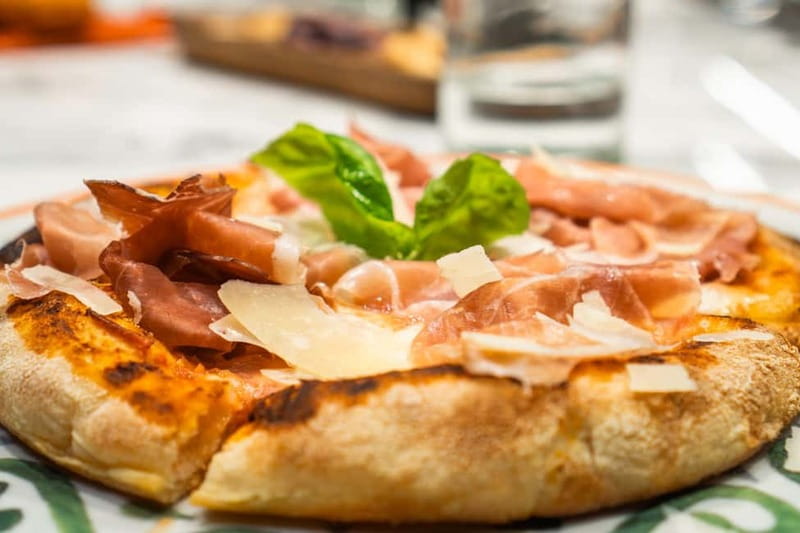
I would recommend it for:
- Couples looking for a relaxed evening activity.
- Families with teenagers or preteens who enjoy making food.
- Solo visitors who like meeting people around a table.
- Home cooks who want practical Italian techniques.
- Anyone who has already seen the major sights and wants a different side of Rome.
- Visitors staying near the Colosseum who want an activity that may fit neatly around nearby sightseeing, depending on the meeting point.
It is especially useful on a trip with children. The class gives them something active to do, and the food is familiar enough to keep even cautious eaters interested. The wine also lets adults enjoy the evening while the younger members of the group take part.
I would think twice if you have celiac disease, severe gluten intolerance, or a serious nut allergy. Gluten-free options are not included, and traces of gluten and nuts may be present. Tell the provider about dietary needs when booking, but do not assume the kitchen can eliminate cross-contact.
Practical tips for a smoother class
Confirm the meeting point before leaving your hotel. The location can vary by the option selected, and transport is not included. Build in enough time to arrive without rushing, especially if you are coming from a major sight.
Wear something comfortable and suitable for cooking. You will be handling dough and ingredients, so this is not the moment for your best evening clothes. Arrive ready to eat, but not after a huge meal, since you will prepare and share several dishes.
If you are booking for a family, mention the children’s ages. The class has worked well for adults, teenagers, and preteens, but the chef can plan the group more effectively when they know who is coming.
The experience offers free cancellation up to 24 hours before the start time, and you can reserve now and pay later. Those terms are useful if your Rome schedule is still changing, but check the exact booking conditions attached to your selected time.
Should you book the Rome pizza and gelato class?
Book it if you want a friendly, practical food experience with a real meal at the end. The strongest reasons are the small groups, patient English-speaking chefs, free-flowing wine, and the unusual combination of pizza, supplì, and gelato. You get more than a recipe demonstration, but less than a formal chef-training course.
Skip it if you have serious gluten or nut concerns, dislike shared cooking, or only want the lowest-cost dinner in Rome. For everyone else, this is a well-balanced way to spend three hours, especially for families and couples who want to bring home more than photographs.
FAQ
How long does the Rome pizza and gelato class last?
The class lasts three hours. Starting times depend on availability when you book.
What foods will I make?
You will make pizza from scratch, Roman supplì rice croquettes, and gelato. Some sessions have prepared three gelato flavors.
Is wine included?
Yes. Free-flowing Italian wine is included during the experience. Coffee and nonalcoholic drinks are also provided.
Is the class taught in English?
Yes. The instructor language is English.
How many people are in the class?
The maximum group size is 12 people. Some sessions may be smaller, with examples including groups of five, eight, and ten.
Can people with dietary requirements attend?
Some special dietary requirements can be accommodated if you notify the provider when booking. The class is not recommended for people with celiac disease, gluten-free options are not included, and traces of gluten and nuts may be present.
Where does the class start and finish?
The meeting point may vary depending on the option booked. The activity ends back at the meeting point, and hotel pickup and drop-off are not included.
Recently added around Rome
- Palatine Hill and Roman Forum Tour with Fast-Track Entrance★ 4.2 · 417 reviews
- Tivoli: Villa D’Este & Villa Adriana Pass & App Audioguide★ 4.4 · 364 reviews
- From Rome: Villa D’Este & Villa Adriana Day Trip with Lunch★ 4.4 · 289 reviews
- Vatican Museums & Sistine Chapel Skip-the-Line Guided Tour★ 4.6 · 254 reviews
- Rome: The Three Tenors at St. Paul’s Church Concert Ticket★ 4.7 · 699 reviews
- Tivoli: Villa D’Este Entry Ticket and App Audio Guide★ 4.3 · 191 reviews
- Rome: Capitoline Museums and Centrale Montemartini Tickets★ 4.4 · 328 reviews
- Rome: St. Peter’s Basilica and Papal Tombs Guided Tour★ 4.6 · 477 reviews
Cooking Classes, compared.
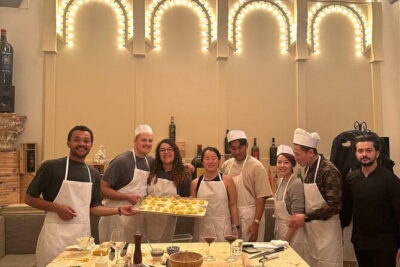
3 in 1 Cooking Class near Navona: Fettuccine, Ravioli & Tiramisu
Read our review →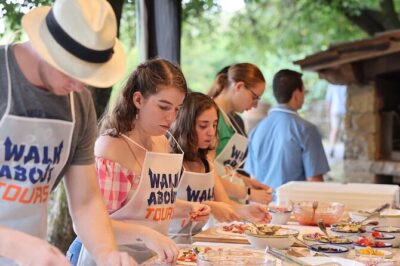
Florence Pizza or Pasta Class with Gelato Making at a Tuscan Farm
Read our review →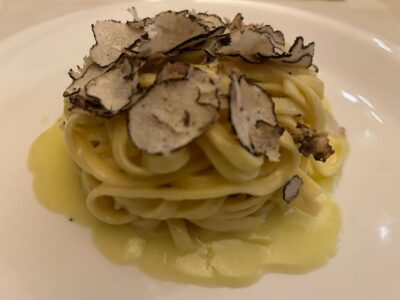
Pasta & Tiramisu Cooking Class with Unlimited Wine
Read our review →
Pizza-Making Workshop with Drink and Appetizer
Read our review →
Pasta & Tiramisu Class with Fine Wine by the Vatican
Read our review →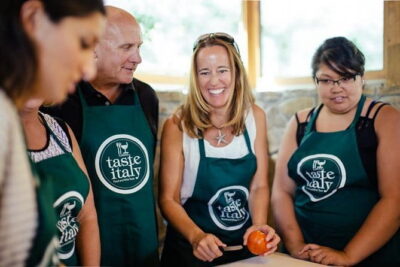
Cooking Class and Lunch at a Tuscan Farmhouse with Local Market Tour from Florence
Read our review →Browse the lists this tour appears in