
Reviewed · COOKING CLASSES
Rome Pasta & Tiramisu Making Class with Fine Wine
Roll pasta, then raise a glass. This Rome cooking class combines a tasting of Italian specialties with hands-on instruction in fettuccine, ricotta and spinach ravioli, and tiramisu. I especially like the two-part format, which gives you a taste of Italy before you start cooking, and the friendly teaching style associated with guides such as Nina, Lise, and Patrick. You also eat what you make, with prosecco and wine served throughout.
The main caution is time and alcohol. The advertised length is about three and a half hours, but the afternoon can run closer to four or even five hours. Wine and prosecco are poured generously, so this is not the right pick if you want a quick lesson, need to stay sharp afterward, or prefer a dry activity.
In This Review
- Key points at a glance
- A food-filled afternoon near the Vatican
- The opening tasting: cheese, balsamic, olive oil, and more
- Making fettuccine from scratch
- Shaping ricotta and spinach ravioli
- Tiramisu is the sweet finish
- Wine, prosecco, and the social side
- How the group size affects the lesson
- What $32.67 really buys you
- Timing, transport, and practical planning
- Who should book this Rome cooking class?
- Should you book it?
- FAQ
- Where does the Rome pasta and tiramisu class begin?
- What time does the class start?
- Where does the experience end?
- How long does the class last?
- What food do you make?
- What drinks are included?
- How many people can join?
- Can I cancel for a full refund?
Key points at a glance
- Starts with Italian food tastings: Sample products such as parmigiano reggiano, aged balsamic vinegar, pesto, olive oil, truffles, and regional specialties before cooking.
- Makes three classic dishes: Prepare fettuccine with tomato sauce, ricotta and spinach ravioli with butter and sage, and tiramisu.
- Takes place near Vatican City: Meet at Via Cipro, 4/L, a practical base for pairing this class with a morning Vatican visit.
- Wine is part of the experience: Prosecco, red wine, white wine, and non-alcoholic drinks are included, with pours described as very generous.
- Small enough for group interaction: The class accepts a maximum of 16 people, creating a social, shared-table atmosphere.
- Good value at $32.67: The price covers tastings, instruction, the meal you prepare, dessert, and drinks.
A food-filled afternoon near the Vatican
The meeting point is Via Cipro, 4/L, in the Rome neighborhood near Vatican City. The area is easy to reach by public transportation, and the location makes practical sense for a day built around St. Peter’s Basilica and the Vatican Museums.
A useful plan is to visit the Vatican in the morning, eat a light lunch, and arrive for the 2 p.m. cooking class. One important warning: do not schedule a major museum, train, or dinner commitment too close afterward. The class is listed at about three hours and 30 minutes, but the relaxed pace can stretch well past that.
The experience uses two nearby locations. You begin at a food shop or tasting venue, then walk to a restaurant for the cooking lesson. That short walk is more than a change of scenery. After several glasses of prosecco, a little fresh air and movement can be welcome.
The setting is local and informal rather than polished for tourists. You are not simply seated at a table while someone demonstrates pasta. You taste, mix, shape, laugh with the people around you, and eventually sit down to eat the results.
More Cooking Classes in Rome
- 3 in 1 Cooking Class near Navona: Fettuccine, Ravioli & Tiramisu
★ 5.0 · 7,376 reviews - Rome: Pasta & Tiramisu Class with Fine Wine by the Vatican
★ 4.9 · 4,852 reviews - Rome: Pasta Making Class with Wine, Limoncello, and Dessert
★ 4.9 · 3,177 reviews
The opening tasting: cheese, balsamic, olive oil, and more
The first part works like an introduction to the Italian pantry. Hosts such as Nina and Lise guide the tasting, explain the products, and add context about Italian food traditions and regional ingredients.
The exact tasting selection can vary, but the experience has included:
- Parmigiano reggiano
- Aged balsamic vinegar
- Olive oil
- Pesto
- Truffles
- Italian cheeses
- Other local appetizers and specialties
This is a smart way to begin because it gives you more than a glass of wine and a few snacks. You learn how different Italian products are used and why quality matters. Aged balsamic, for example, is treated as something to taste on its own, not just a dark dressing to pour over everything. Cheese, pesto, oil, and truffle products become a small lesson in Italian eating habits.
The tasting also sets a social tone. You stand or sit with the group, sample several foods, and chat before anyone has to handle dough. Solo participants can settle in quickly, while couples and families have an easy way to meet the rest of the group.
Lise is praised for her warm storytelling and clear explanations, while Nina is described as friendly, lively, and attentive. That personal touch matters. A food tasting can feel stiff if the host races through product names. Here, the tone is playful and conversational.
The one tradeoff is that this section takes time. If you came only to learn pasta technique, you may find the tasting longer than expected. If you enjoy food culture and want an afternoon built around eating as well as cooking, it adds real value.
Making fettuccine from scratch
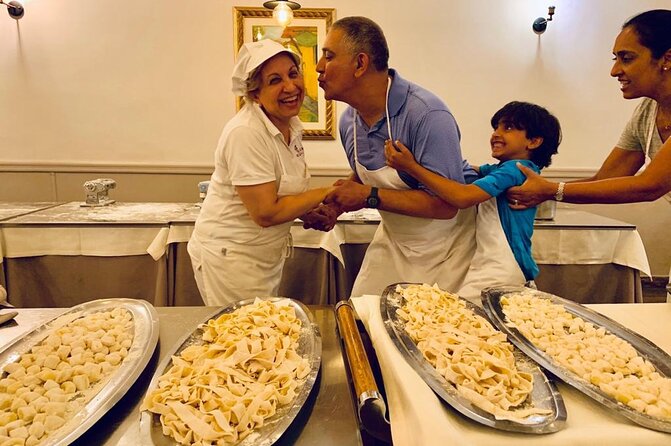
After the tasting, you walk to the restaurant for the main lesson. The chef instructor takes you through the basics of fresh pasta, then gives you a chance to make it yourself.
You prepare fettuccine and pair it with tomato sauce. The appeal is not just eating fresh noodles. It is seeing how a few basic ingredients become a meal through mixing, rolling, cutting, and cooking.
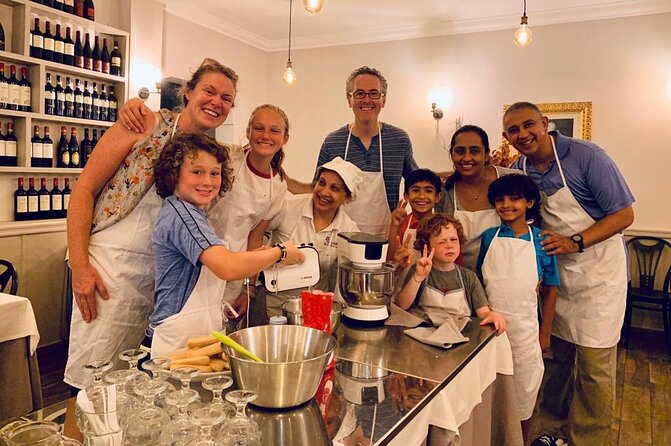
The class is designed for participation, not prior skill. Patrick is praised for patient instruction, humor, and hands-on help. Other sessions have featured instructors described as equally lively and supportive. The teaching style seems aimed at keeping everyone involved, even if your first batch of pasta looks more rustic than restaurant-ready.
That is part of the fun. You are working in a professional kitchen, but the mood is not formal. The instructor corrects mistakes, helps with difficult steps, and keeps the pace moving without making beginners feel clumsy.
For families, this can be one of the strongest parts of the activity. Children and teenagers have taken part, and the food-based format gives them something active to do. It is also a useful rainy-day choice, since much of the afternoon takes place indoors.
The menu pairs the fettuccine with tomato sauce, a simple combination that lets the pasta itself matter. Fresh pasta cooks differently from dried pasta, and eating it soon after making it gives you a clear sense of why Romans and other Italians care about handmade noodles.
Shaping ricotta and spinach ravioli
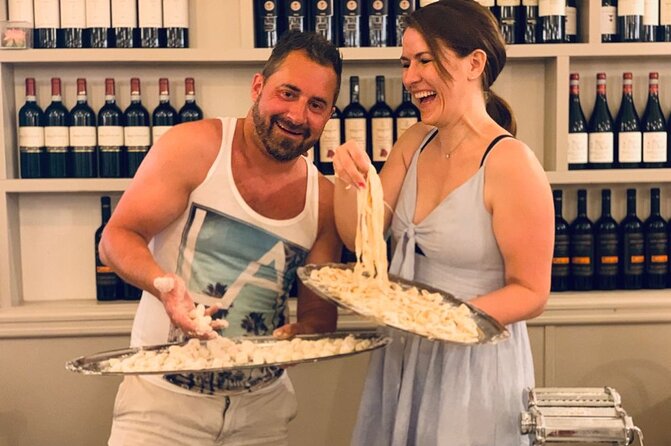
The second pasta project is ricotta and spinach ravioli served with butter and sage. This adds a different skill from fettuccine: you must portion the filling, place it correctly, seal the pasta, and avoid trapping too much air.
The ravioli is a good choice for a class because it feels special but remains manageable with guidance. You get a more complete lesson in pasta making than you would from preparing only one shape.
Butter and sage keep the sauce simple. You can taste the filling and pasta without a heavy topping getting in the way. The result is also satisfying enough to serve as the main meal, especially when combined with the fettuccine.
The group format helps here. You are not working alone at a kitchen station with a recipe card. People compare shapes, ask questions, and help keep the table lively. The class maximum is 16, so it is not an intimate private lesson, but it is small enough for an instructor to offer assistance.
Do not expect advanced culinary training. This is a social lesson for visitors who want to learn useful basics and enjoy the process. You will leave with techniques you can try at home, but you should still expect to practice before producing perfect ravioli.
Still Rome, but a slower afternoon:
- Vatican: Museums & Sistine Chapel Entrance Ticket
★ 4.5 · 144,003 reviews - Vatican Museums & Sistine Chapel Tour with Optional Basilica
★ 4.3 · 67,413 reviews - Colosseum, Roman Forum & Palatine Guided Tour
★ 4.7 · 63,148 reviews - Vatican Museums, Sistine Chapel & St Peter’s Basilica Guided Tour
★ 4.5 · 39,149 reviews
Tiramisu is the sweet finish
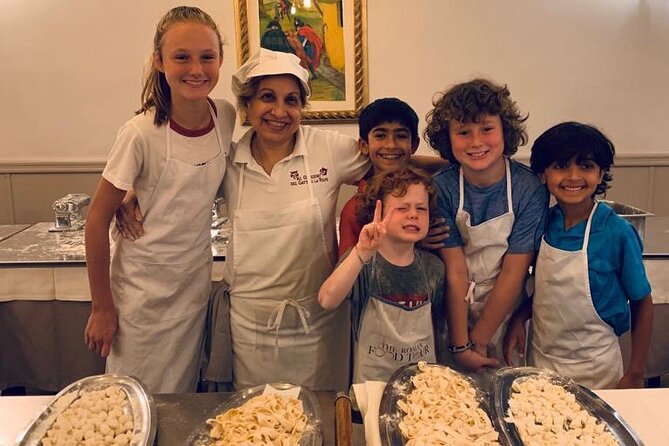
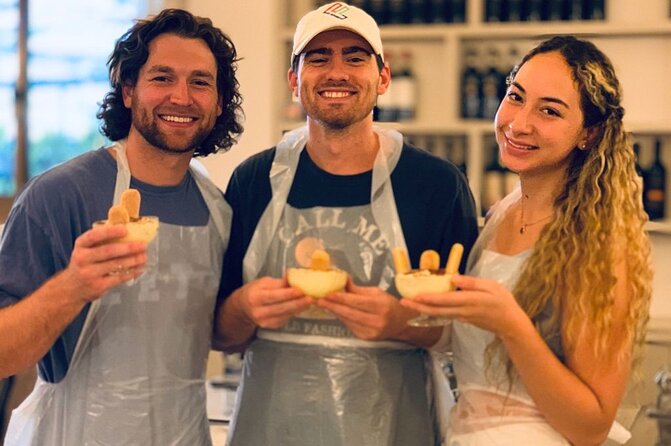
The dessert lesson focuses on tiramisu, one of Italy’s most familiar sweets. You prepare it during the cooking session, then enjoy it after the pasta.
Tiramisu is a fitting dessert for this class because it can be made without the complicated equipment needed for some pastries. It also gives the group a change of pace after handling pasta dough.
The class covers both savory and sweet cooking, which helps explain the generous duration. You are not simply shown how to make one dish and then sent away. There is tasting, instruction, preparation, cooking, and a sit-down meal.
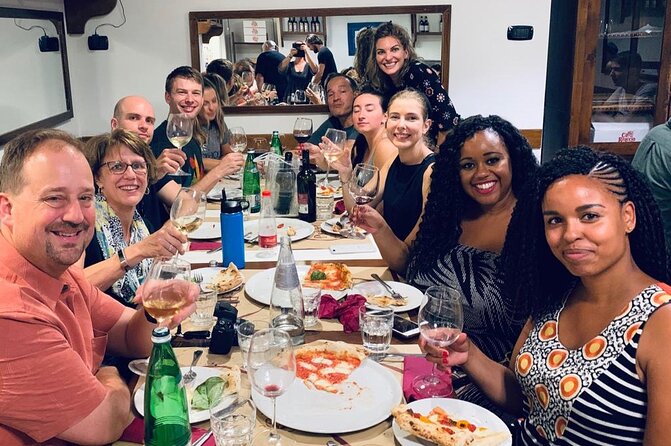
The final meal includes the pasta dishes and tiramisu you helped prepare. This creates a satisfying sense of payoff. You are not sampling a tiny portion made by someone else. You sit down with the group and eat food connected to the work you just completed.
Several people have found the meal substantial enough that they did not need dinner afterward. I would plan accordingly, particularly if your evening includes a large Roman meal. A light breakfast and modest lunch make more sense than arriving already full.
Wine, prosecco, and the social side
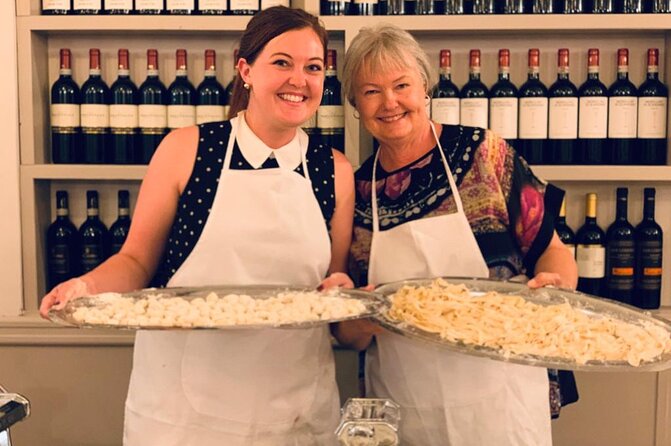
Wine is not a minor extra here. Prosecco is served during the tasting, and the meal includes prosecco, red wine, white wine, and non-alcoholic beverages.
The pours are described as free-flowing. Some participants have had six or more cups over the afternoon, and others describe drinking close to a bottle each. That gives the class a party-like feel, but it also deserves a clear warning: pace yourself.
You can enjoy the food and cooking without matching the group’s drinking pace. Ask for a non-alcoholic drink, take breaks, and remember that the class lasts several hours. If you have plans involving driving, cycling, strenuous sightseeing, or an early train, this is a poor fit.
The wine helps strangers relax and talk. People from different countries end up sharing a table, comparing pasta shapes, and celebrating small milestones. One group even raised a toast to a recently engaged couple. That sort of spontaneous warmth is a real part of the experience.
Still, the wine-centered atmosphere may not suit everyone. If you prefer a quiet, technical cooking workshop, the jokes, conversation, and repeated refills may feel distracting. This class is best understood as a food party with instruction, not a serious chef-certification course.
How the group size affects the lesson
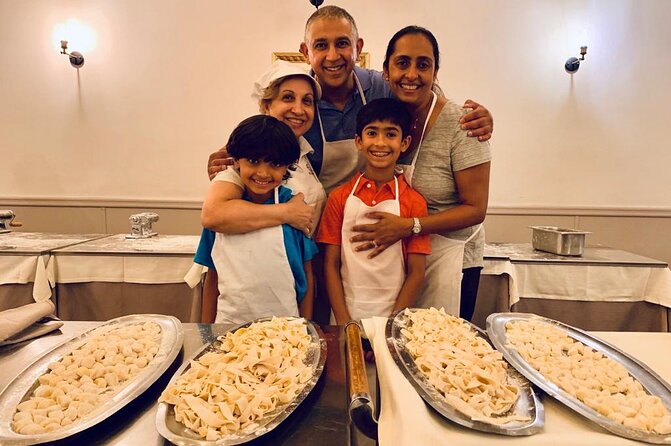
The maximum group size is 16. That is large enough to create energy, but not so large that the cooking becomes a stage show.
The group size can also affect how much individual help you receive. Instructors such as Patrick are praised for moving around the table and assisting people who need it. Even so, a group of 16 means you may sometimes wait briefly for guidance during a shared task.
The social setting suits solo visitors especially well. You have built-in company from the start, and the tasting gives you an easy opening for conversation. Couples and families also benefit, since the activity encourages everyone to work together instead of sitting passively.
Families with older children and teenagers should find plenty to hold their attention. The hands-on work, tastings, and dessert offer variety. Younger children may enjoy it too, but the supplied information does not specify a minimum age, so check the current booking details before relying on it for very young children.
Food restrictions deserve advance attention. The class has accommodated people with dietary restrictions, and one participant specifically praised the care shown to someone with hearing loss. That is encouraging, but I would still communicate your needs at booking rather than assume every substitution is available.
What $32.67 really buys you
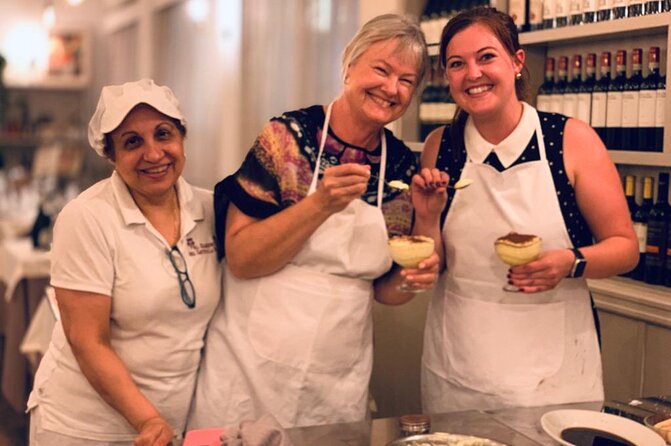
At $32.67 per person, this is unusually inexpensive for a three-and-a-half-hour Rome activity that includes instruction, a full meal, dessert, tastings, and alcoholic drinks.
The value comes from the combination. A standard pasta lesson might cover only the cooking. A food tasting might offer samples but no practical skill. This experience links both, then adds a meal made by the group.
You also avoid paying separately for dinner that evening if you eat a full portion of the pasta and tiramisu. That does not mean the class should be judged only as a cheap meal. The real value is the time spent learning and meeting people, with enough food and wine to make the afternoon feel generous.
The low price may also explain why the class fills ahead of time. It is booked about 39 days in advance on average, so I would not leave it until the final day of a short Rome visit.
The main cost is opportunity. A four-hour afternoon is a sizeable block in a city packed with ancient sites, churches, piazzas, and museums. If you have only one day in Rome, sightseeing may deserve priority. If you have several days, this gives your schedule a welcome change from monuments and museum floors.
Timing, transport, and practical planning
The class starts at 2 p.m. and ends back at the meeting point. Allow extra time to find Via Cipro, 4/L, especially if you are coming directly from the Vatican or another part of the city.
Public transportation is nearby. Directions supplied for the experience describe taking the Metro to a stop beyond the Vatican area, though you should check the current route from your hotel on the day.
Wear clothes you can move around in and do not bring a packed schedule for afterward. You will be handling food, standing or working around a kitchen, and eating a full meal. The activity is not described as wheelchair-specific, so anyone with mobility concerns should confirm the current arrangements before booking.
Confirmation arrives at booking, and the ticket is mobile. Cancellation is free up to 24 hours before the start time for a full refund. Changes or cancellations inside that 24-hour window are not accepted for a refund.
English is the offered language. The class is intended for an international audience, with instruction and conversation in English.
Who should book this Rome cooking class?
I would choose this experience if you want food, company, and a relaxed afternoon near the Vatican. It suits couples, families with school-age children or teenagers, solo visitors, and anyone who likes learning by doing.
It is especially useful for:
- A rainy afternoon when outdoor sightseeing loses its appeal
- A second or third day in Rome, after you have covered the biggest monuments
- Visitors who want a social activity rather than a private lesson
- People who enjoy wine, tastings, and a generous meal
- Anyone curious about making fresh pasta at home
I would skip it if your Rome schedule is extremely tight, you dislike group activities, or you want a sober and highly technical cooking course. The relaxed pace and abundant wine are central to the format, not side details.
Should you book it?
Yes, if you can spare the afternoon. At $32.67, the combination of tastings, fresh pasta, ravioli, tiramisu, wine, and instruction is hard to beat in Rome.
Book it early, plan it after a morning Vatican visit, and treat the 2 p.m. start as the beginning of a long food-centered afternoon. Go slowly with the wine, arrive hungry, and expect a social class rather than a rushed demonstration.
If you want a memorable break from churches and ruins, this is a smart choice. You leave with a full stomach, a few pasta skills, and a better feel for how Italian food brings people together.
FAQ
Where does the Rome pasta and tiramisu class begin?
It begins at Via Cipro, 4/L, 00136 Roma RM, Italy, near the Vatican area.
What time does the class start?
The class starts at 2 p.m.
Where does the experience end?
The activity ends back at the meeting point.
How long does the class last?
The listed duration is approximately three hours and 30 minutes. You should allow extra time, since some sessions have lasted closer to four or five hours.
What food do you make?
You make fettuccine with tomato sauce, ricotta and spinach ravioli with butter and sage, and tiramisu.
What drinks are included?
Included drinks are prosecco, red wine, white wine, and non-alcoholic beverages.
How many people can join?
The maximum group size is 16 people.
Can I cancel for a full refund?
Yes. You can cancel at least 24 hours before the local start time for a full refund. Cancellations or changes made less than 24 hours before the start time are not refunded.
Recently added around Rome
- Rome: Pantheon, Trevi Fountain & Roman Squares Guided Tour★ 4.7 · 386 reviews
- Vatican: Pope Francis Tomb and Papal Basilicas Tour★ 4.7 · 340 reviews
- Vatican: St. Peter’s Basilica with Audio Guide and Options★ 3.4 · 269 reviews
- Rome: Vatican Museums Skip-the-line Entry Ticket and Tour★ 4.2 · 400 reviews
- Rome: Vatican Museums & Sistine Chapel Ticket + Tour Options★ 4.7 · 344 reviews
- Vatican Museums & Sistine Chapel Guided Tour★ 4.3 · 832 reviews
- Vatican Museums & Sistine Chapel Entry Ticket★ 4.4 · 245 reviews
- Vatican: Museums, Raphael & Sistine Chapel + Basilica Option★ 4.7 · 350 reviews
Cooking Classes, compared.
3 in 1 Cooking Class near Navona: Fettuccine, Ravioli & Tiramisu
Read our review →
Florence Pizza or Pasta Class with Gelato Making at a Tuscan Farm
Read our review →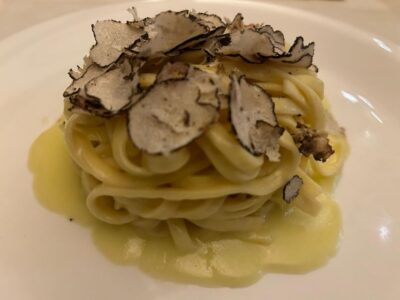
Pasta & Tiramisu Cooking Class with Unlimited Wine
Read our review →
Pizza-Making Workshop with Drink and Appetizer
Read our review →
Pasta & Tiramisu Class with Fine Wine by the Vatican
Read our review →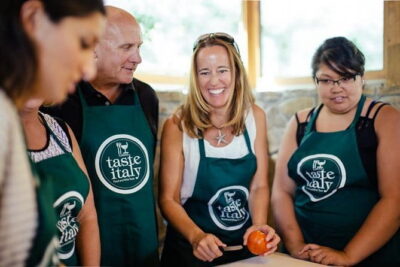
Cooking Class and Lunch at a Tuscan Farmhouse with Local Market Tour from Florence
Read our review →Browse the lists this tour appears in