Reviewed · GUIDED
Rome: Domus Aurea, Nero’s Golden House guide tour
Nero’s palace is hiding beneath Rome. The Domus Aurea gives you a rare look at the scale and ambition of Emperor Nero’s vanished villa, where bare brick, painted rooms, and restored spaces hint at a palace built for excess. I especially like the expert-led storytelling and the way the VR headset helps you picture the rooms as they may have appeared 2,000 years ago.
I also like that this is a short, focused visit. In 90 minutes, you see a major ancient site without giving up half a day, and the restoration work is fascinating in its own right. The main drawback is practical: the meeting point can be hard to find, and some groups may be large enough to make the guide difficult to hear.
In This Review
- Key points to know before you book
- Why Nero’s Golden House matters
- Meeting on Via delle Terme di Tito
- Walking through the archaeological remains
- Restoration that respects the old building
- The VR experience: seeing the palace before its fall
- Cold rooms, slow walking, and what to wear
- Is $59 a fair price?
- Who will enjoy this tour most?
- Practical strengths and weak spots
- Should you book the Domus Aurea tour?
- FAQ
- How long does the Domus Aurea tour last?
- What is included in the ticket price?
- How much does the tour cost?
- Where does the tour meet?
- Which languages are available?
- Do I need to bring identification?
- Do I need to provide participant names?
- How cold is the Domus Aurea?
- Can I bring food, drinks, luggage, or a large bag?
- Is the tour accessible to wheelchair users?
Key points to know before you book
- The VR is the star addition: The headset recreates Nero’s palace with color, decoration, and a sense of its original scale.
- The site feels raw and atmospheric: You walk through surviving rooms rather than a fully rebuilt monument.
- Guides make a real difference: Claudia, Simone, and Nico have received especially warm praise for clear explanations and lively storytelling.
- Bring a warm jacket: The temperature inside is around 10 degrees, even during Rome’s hotter months.
- Allow extra time to find the meeting point: The gathering place is on Via delle Terme di Tito, but directions have caused confusion.
- This suits adults and history fans best: The cold, slow pace, and historical detail may not hold young children’s attention.
Why Nero’s Golden House matters
The Domus Aurea was Emperor Nero’s enormous palace complex. It was built in the first century, after the great fire of Rome, and its surviving rooms offer a glimpse into the world of imperial luxury. The name means Golden House, a reference to the lavish decoration associated with the complex.
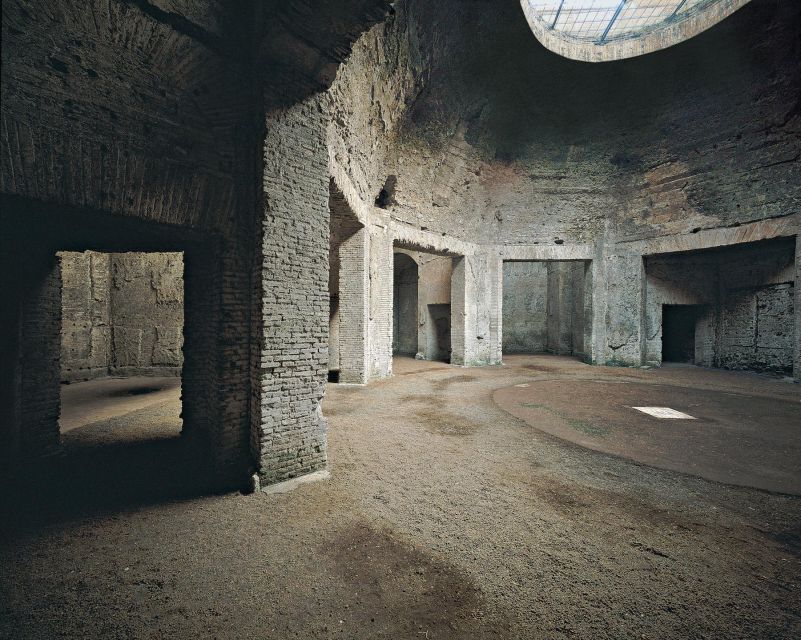
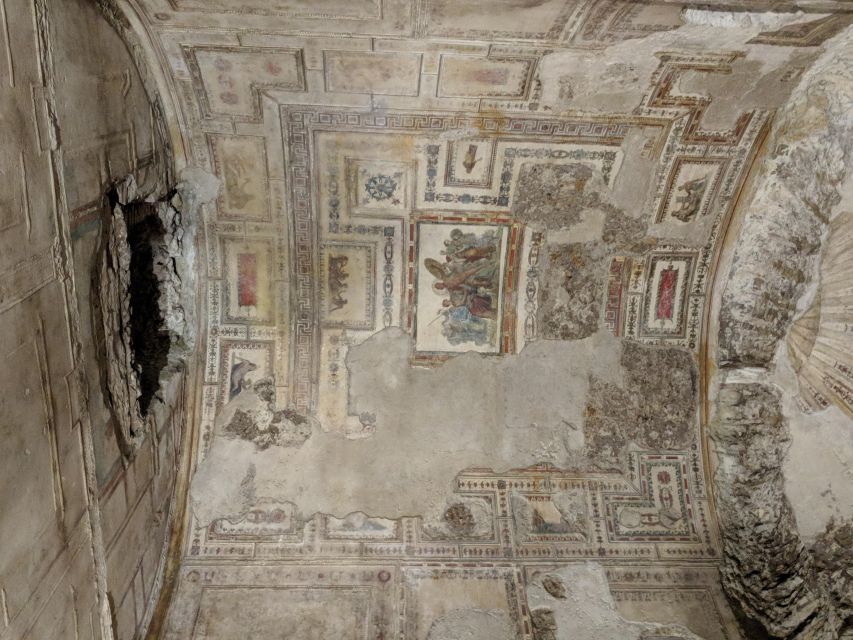
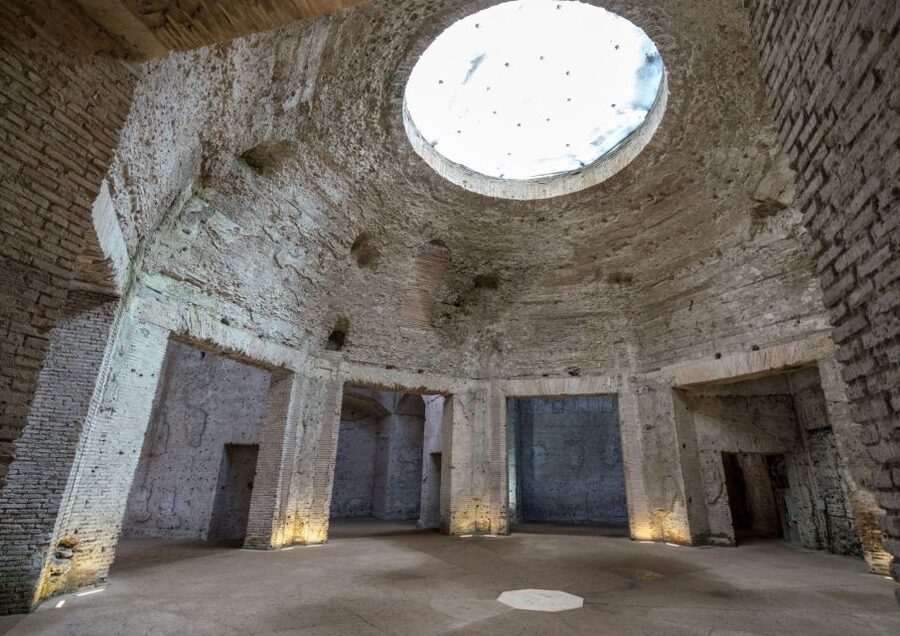
You should not expect a shining palace waiting underground. Much of what you see is a preserved archaeological shell: brick walls, vaulted ceilings, painted surfaces, and traces of grand design. That contrast is part of the appeal. The site is impressive not because everything is intact, but because enough survives for you to sense the size of what once stood here.
I find the scale especially striking. Even in its damaged condition, the complex feels far larger than you might expect from a surviving ruin. One room leads to another, and the layout gives you a sense of how Nero’s residence once stretched across the center of Rome.
The palace also helps explain later Roman and Renaissance art. The paintings and ornamental designs found here influenced artists who studied ancient decoration centuries later. A visit can sharpen your eye when you later see elaborate frescoes and ceilings in Rome’s churches and palaces.
A few more Rome bookings to compare
- Vatican: Museums & Sistine Chapel Entrance Ticket
★ 4.5 · 144,003 reviews - Vatican Museums & Sistine Chapel Tour with Optional Basilica
★ 4.3 · 67,413 reviews - Colosseum, Roman Forum & Palatine Guided Tour
★ 4.7 · 63,148 reviews
Meeting on Via delle Terme di Tito
The tour begins at Via delle Terme di Tito. The booking has two starting-location options, and the exact meeting point can vary according to the option you select, so you should check your confirmation carefully before leaving for the site.
This is the part of the experience that needs the most care. Several people found the directions unclear, particularly when approaching from the metro station. One useful tip is that the meeting point is up the steps from the metro area, but you should still allow extra time to get your bearings.
You will need to provide the first and last name of every participant. This is not a minor formality. The guard may refuse entry if those details are missing. Bring your ID, too, since it is mandatory for admission.
The operator may contact you by email or WhatsApp, so provide an address or phone number you check during your trip. That contact can help if the guide needs to clarify the meeting place.
Security is described as an express check, which helps the short tour fit into a busy Rome schedule. Still, do not assume you can arrive at the last second. The site has its own entrance controls, and one person found the staff unwelcoming when the group tried to wait inside before entry.
Walking through the archaeological remains
Once inside, your guide leads you through the remains of the Domus Aurea. The tour lasts about 1.5 hours, with much of that time spent slowly examining the rooms and listening to explanations.
The site works best when you take your time. This is not a grand, brightly lit palace like the Colosseum next door. It is a quieter archaeological visit, with dim interiors, exposed ancient fabric, and painted details that require attention.
Your guide explains what you are seeing and how the rooms fit into the larger villa. That context matters because the remains can otherwise look like a series of disconnected chambers. With a good explanation, a wall becomes part of a larger imperial design, and a faded decoration suggests the level of finish Nero’s court expected.
Guides Claudia, Simone, and Nico have been singled out for their ability to tell the story in an engaging way. Claudia, in particular, is praised for mixing clear information with humor and for keeping the group at a comfortable pace. That balance is useful here. The subject can become dense, but a strong guide keeps the story moving.
Language choices include English, Italian, Spanish, and French. The quality of spoken delivery can vary by guide and group position. Some people had trouble hearing because of accent, volume, or poor audio equipment, so try to stay near the guide when possible.
A group may contain around 25 people. That is manageable, but it is not intimate. If you are at the back, you may miss a gesture toward a fresco or architectural detail. The tour works best when you stay close enough to see what the guide is pointing out.
Restoration that respects the old building
The restoration is one of the most interesting parts of the visit. Modern doors, windows, and protective additions have been designed with care, allowing the site to remain accessible without pretending it is untouched.
You can see the tension between preservation and public access. Ancient rooms need protection, but a site hidden behind barriers is difficult to understand. Here, the restoration lets you move through the complex while keeping attention on the original structure and artwork.
The result is not polished in the way a new museum might be. You still see age, damage, and unfinished sections. That honesty makes the visit more rewarding for anyone who wants to understand how archaeological conservation works.
The scale of the complex becomes clearer as you move from room to room. The surviving sections are only part of the original palace, yet they still suggest a residence built to overwhelm. Even if you know little about Nero before arriving, the architecture quickly communicates power and extravagance.
Still Rome, but a slower afternoon:
- Vatican Museums, Sistine Chapel & St Peter’s Basilica Guided Tour
★ 4.5 · 39,149 reviews - Rome: Colosseum, Palatine Hill and Roman Forum Guided Tour
★ 4.8 · 32,814 reviews - Rome: Guided Tour of Colosseum, Roman Forum & Palatine Hill
★ 4.7 · 27,897 reviews - Rome: Colosseum & Forum with Audio Guide App -Optional Arena
★ 4.2 · 24,770 reviews
The VR experience: seeing the palace before its fall
The VR segment gives the tour its modern edge. You put on an Oculus headset and see a digital reconstruction of the Domus Aurea as it might have looked in Nero’s time.
This is not just a decorative extra. The surviving ruins are stripped of much of their original color and finish, so it can be hard to picture the ancient rooms from bare walls alone. VR adds the missing visual information and helps connect the archaeological remains to the imperial palace they once formed.
You can expect a vivid presentation, with the palace’s decoration and scale brought back through moving images. Several people found the experience so convincing that they instinctively looked around while wearing the headset. That reaction makes sense: VR gives you a temporary sense of standing inside the finished rooms rather than viewing them as fragments.
The technology also helps you understand why the Domus Aurea deserves more attention. The name Golden House can sound like a legend, but the digital reconstruction shows an environment designed to impress through size, ornament, and theatrical effect.
The placement of the VR presentation may matter to you. One person felt the octagonal room would have been an even better setting for it, since that space is such a memorable part of the complex. The current format still works well, but the headset is most effective when it connects directly to the room you have just seen.
You may also encounter video narration and animated visual material alongside the live guide. These tools give the tour a more active rhythm than a standard ruin walk. The best moments come when the guide first explains the remains, then the technology supplies a visual answer to the question of what they once looked like.
Cold rooms, slow walking, and what to wear
Take the temperature warning seriously. Inside the Domus Aurea, it is around 10 degrees. That is cold enough to distract you, especially because the visit moves at a slow walking pace.
Bring a jacket. Gloves and a hat may also be useful if you feel the cold easily. Several people wished they had dressed more warmly, and one described a coat, gloves, and hat as essential.
Wear comfortable shoes. You will be walking through an archaeological site rather than sitting through a presentation. The ground and route may not suit anyone who has difficulty walking for an extended period.
Food and drinks are not allowed inside. Large bags and luggage are also prohibited, so this is not a good stop to add while carrying suitcases or bulky shopping bags. Plan to visit after leaving large items elsewhere.
The site is not suitable for wheelchair users or people with mobility impairments. If you need step-free access or regular seating, this tour is unlikely to be comfortable.
Is $59 a fair price?
At $59 per person, this is not the cheapest way to see an ancient Roman site. You are paying for admission, a professional guide, taxes, and the VR equipment, not simply a ticket to walk through the ruins.
I think the price can be fair if you value interpretation. Without a guide, the Domus Aurea may be difficult to read, since the surviving rooms require explanation and imagination. The VR also adds something you would not get from a basic entry ticket.
The value depends heavily on the guide and group size. A strong guide such as Claudia can turn the visit into a clear, memorable story. A large group, weak audio, or a guide who speaks too softly can make the same price feel high.
The experience is non-refundable, so you should book only when your schedule is firm. Check the starting time, meeting point, participant names, and language before paying. It is also wise to compare the price available for different dates, since booking earlier may produce a better rate.
For a visitor with a strong interest in ancient Rome, archaeology, or digital museum technology, $59 is easier to justify. If you only want a quick look at a ruin, the cost may feel steep.
Who will enjoy this tour most?
I would choose this experience for you if you like ancient architecture and want more than a quick photograph. It is especially good for people who enjoy understanding how archaeologists interpret damaged buildings.
It also suits anyone who has trouble picturing ruins in their original form. The VR makes the lost decoration easier to grasp, while the guide explains how the palace functioned and why the surviving rooms matter.
The tour is less suited to young children. The setting is cold, the pace is slow, and the subject needs concentration. One parent described it as unsuitable for children, and I agree that adults and older children are likely to get more from it.
You should also think carefully about language and hearing. The tour is offered in four languages, but a group of 25 can make it hard to hear every sentence. Stay near the guide and speak up if the audio is unclear.
Practical strengths and weak spots
The best parts are clear:
- The palace remains feel substantial rather than superficial.
- The VR gives useful visual context instead of being a gimmick.
- The restoration is careful and attractive.
- The tour fits neatly into a 90-minute Rome itinerary.
- Several guides, especially Claudia, Simone, and Nico, have made a strong impression through storytelling and personal attention.
The weak spots are also clear:
- Meeting-point instructions need careful checking.
- Audio and guide volume may not work equally well for everyone.
- A larger group can limit what you see and hear.
- The interior is cold.
- The non-refundable terms leave little room for a change of plan.
None of these problems changes the character of the site itself. The Domus Aurea remains a powerful visit, but you will enjoy it more if you prepare for the practical details.
Should you book the Domus Aurea tour?
Book it if you want to understand Nero’s palace rather than simply pass another Roman ruin. The combination of preserved rooms, careful restoration, a live guide, and VR makes the site much easier to picture.
I would book early, confirm the meeting point, enter every participant’s full name, and dress for 10-degree temperatures. Choose it for an adult-focused cultural afternoon, not as a casual family stop or a last-minute activity with luggage.
If your Rome plans already include the Colosseum and Roman Forum, the Domus Aurea adds a different mood. It is quieter, stranger, and more dependent on interpretation. For history fans and curious visitors who enjoy seeing how technology can explain archaeology, the $59 price is reasonable. If you dislike cold interiors, guided groups, or headsets, you may prefer a more open-air monument.
FAQ
How long does the Domus Aurea tour last?
The tour lasts 1.5 hours.
What is included in the ticket price?
Admission to the Domus Aurea, a professional guide, all fees and taxes, and the VR devices are included.
How much does the tour cost?
The listed price is $59 per person.
Where does the tour meet?
The meeting location is on Via delle Terme di Tito. The exact meeting point may vary depending on the option booked, so check your booking information carefully.
Which languages are available?
Live guiding is available in English, Italian, Spanish, and French.
Do I need to bring identification?
Yes. You must bring your ID with you.
Do I need to provide participant names?
Yes. You must provide the first and last name of every participant. Without those details, the guard may refuse entry.
How cold is the Domus Aurea?
The temperature inside is around 10 degrees. Bring a jacket, and consider gloves or a hat if you get cold easily.
Can I bring food, drinks, luggage, or a large bag?
No. Food and drinks are not allowed, and luggage or large bags cannot be brought inside.
Is the tour accessible to wheelchair users?
No. The experience is not suitable for wheelchair users or people with mobility impairments.
Recently added around Rome
- Palatine Hill and Roman Forum Tour with Fast-Track Entrance★ 4.2 · 417 reviews
- Tivoli: Villa D’Este & Villa Adriana Pass & App Audioguide★ 4.4 · 364 reviews
- From Rome: Villa D’Este & Villa Adriana Day Trip with Lunch★ 4.4 · 289 reviews
- Vatican Museums & Sistine Chapel Skip-the-Line Guided Tour★ 4.6 · 254 reviews
- Rome: The Three Tenors at St. Paul’s Church Concert Ticket★ 4.7 · 699 reviews
- Tivoli: Villa D’Este Entry Ticket and App Audio Guide★ 4.3 · 191 reviews
- Rome: Capitoline Museums and Centrale Montemartini Tickets★ 4.4 · 328 reviews
- Rome: St. Peter’s Basilica and Papal Tombs Guided Tour★ 4.6 · 477 reviews
Guided, compared.
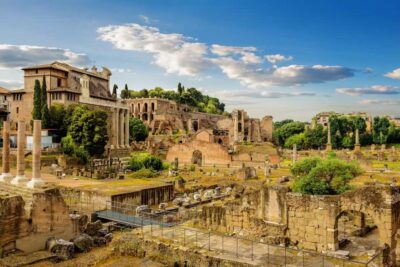
Colosseum, Roman Forum & Palatine Guided Tour
Read our review →
Vatican Museums, Sistine Chapel & St Peter’s Basilica Guided Tour
Read our review →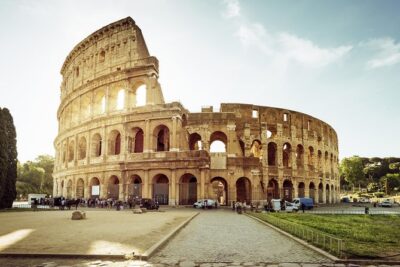
Colosseum, Palatine Hill and Roman Forum Guided Tour
Read our review →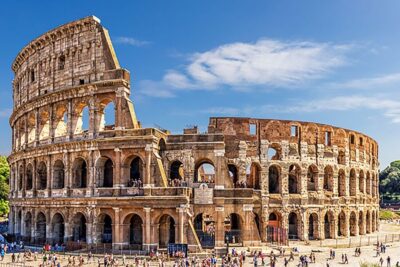
Guided Tour of Colosseum, Roman Forum & Palatine Hill
Read our review →
Colosseum & Forum with Audio Guide App -Optional Arena
Read our review →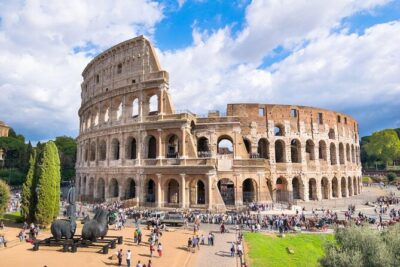
Colosseum, Roman Forum and Palatine Hill Guided Tour
Read our review →
Naples Underground Entry Ticket and Guided Tour
Read our review →