
Reviewed · COOKING CLASSES
Rome Cooking Class 2-in-1: Make Fresh Pasta and Tiramisu Together
Pasta tastes better when you make it. This three-hour Rome cooking class puts you in a real Roman restaurant kitchen, where you roll and cut fresh fettuccine, prepare carbonara or cacio e pepe, and make tiramisu from scratch. I like the practical format: you do the work instead of watching a chef perform, and you leave with recipes you can use at home.
I also like the warm social side of the class. You begin with prosecco, cook with Italian wine or soft drinks, and finish around the table with the food you helped create. The main consideration is dietary flexibility: the menu contains gluten and dairy, with no gluten-free, vegan, or dairy-free option.
In This Review
- Key points to know before booking
- What the three-hour Rome class is really like
- Starting with prosecco and Italian hospitality
- Making tiramisu before the pasta
- Kneading, rolling, and cutting fresh fettuccine
- Choosing between carbonara and cacio e pepe
- Eating together like an Italian family
- The instructors set the tone
- Is $83.48 good value in Rome?
- Who should book this pasta and tiramisu class?
- Practical details for your evening
- Should you book it?
- FAQ
- How long does the Rome pasta and tiramisu class last?
- Where does the cooking class start and finish?
- What food do I make during the class?
- Are drinks included?
- Can vegetarians join the class?
- Can the class accommodate gluten-free, vegan, or dairy-free diets?
- What is the cancellation policy?
Key points to know before booking
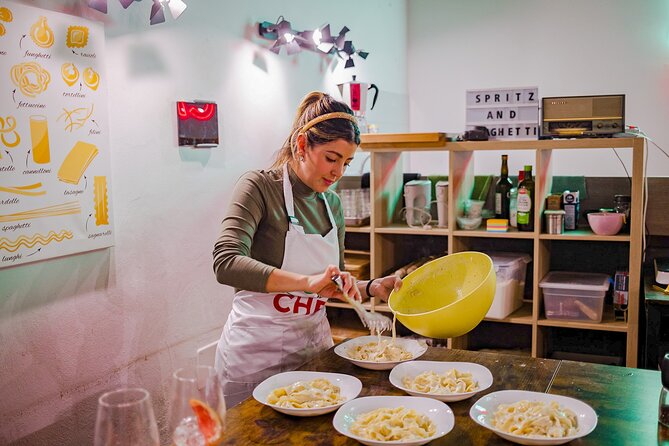
- You make two classic dishes from scratch: Fresh fettuccine and traditional tiramisu form the heart of the three-hour class.
- The sauces are Roman staples: You choose between carbonara and cacio e pepe for your pasta.
- The kitchen is hands-on: Expect to knead dough, roll it, cut it, and work with the chef until the texture is right.
- Drinks are part of the evening: The experience includes prosecco, Italian wine, limoncello, water, and soft drinks.
- Families can take part: Children as young as 8 have enjoyed the activity, and teenagers can handle the work with help.
- Dietary restrictions matter: The class cannot accommodate coeliac disease, gluten intolerance, lactose intolerance, vegan diets, or dairy-free diets.
What the three-hour Rome class is really like
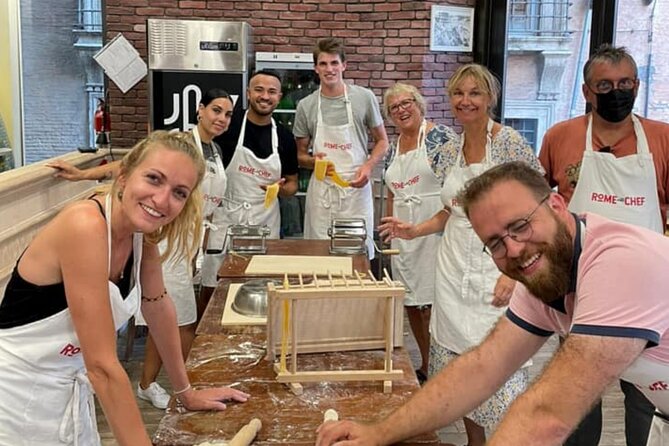
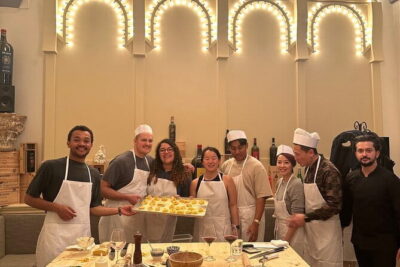
This is not a demonstration followed by a plate of pasta. You make the meal yourself, with a chef and assistants moving around the kitchen to help. The maximum group size is 15 people, so the class has enough energy for a social evening without feeling like a large cooking show.
The pace is active. You will spend much of the class standing, mixing, rolling, shaping, and moving between preparation and cooking. One participant noted that getting the pasta dough right took 20 to 25 minutes, which is useful to know if you imagine a quick stir and an instant plate of noodles.
The payoff is that you understand the effort behind fresh pasta. You also get the chance to ask questions as the dough changes under your hands. The class is offered in English, and the chef provides step-by-step help.
The exact chef can vary. Past sessions have been led by teachers including Gaia, Shivi, Gustavo, Ezgi, Angela, Gio, Sherry, Azin, Ida, Larissa, Benja, Jem, Angelica, Marzia, and others. The consistent theme is a friendly, upbeat teaching style, with humor, music, photographs, and plenty of encouragement.
More Cooking Classes in Rome
- 3 in 1 Cooking Class near Navona: Fettuccine, Ravioli & Tiramisu
★ 5.0 · 7,376 reviews - Rome: Pasta & Tiramisu Class with Fine Wine by the Vatican
★ 4.9 · 4,852 reviews - Rome: Pasta Making Class with Wine, Limoncello, and Dessert
★ 4.9 · 3,177 reviews
Starting with prosecco and Italian hospitality
The class begins at Via Cesare Balbo, 25, in Rome. The meeting point may occasionally change, but the alternate location is only about a five-minute walk away, and you are told in advance if that happens.
You start with a glass of prosecco. This does more than provide a pleasant welcome. It gives you a few minutes to meet the people at your table before everyone begins handling flour and eggs. These classes often bring together people from different countries, which adds a natural social layer to the evening.
During the cooking, you can have Italian wine, limoncello, water, or a soft drink. The inclusion of drinks makes the $83.48 price easier to assess, especially when you consider that the class lasts about three hours and includes a full meal. It is not the cheapest pasta lesson in Rome, but it combines instruction, food, drinks, and a social evening in one booking.
The alcohol is part of the atmosphere, but you are not required to drink it. Unlimited water and soft drinks are included, so you can take part without making wine the focus of the experience.
Making tiramisu before the pasta
The dessert portion comes early. You prepare your own tiramisu using fresh, local ingredients, then set it aside while you work on the pasta.
This is a smart part of the schedule. Tiramisu needs time to rest, and making it first lets the dessert develop while you focus on the dough and sauces. You get a better sense of how a traditional tiramisu is assembled rather than simply receiving a finished portion at the end.
The recipe is intended to be repeated at home. One especially useful point from the experience is that even people who do not usually care for tiramisu have enjoyed this version enough to want to make it again. That says something about the class recipe: it is not only a souvenir activity, but also a dish you may actually use.
You should expect a creamy, traditional dessert made with dairy and other standard tiramisu ingredients. The class cannot adjust it for lactose intolerance or a dairy-free diet.
Kneading, rolling, and cutting fresh fettuccine
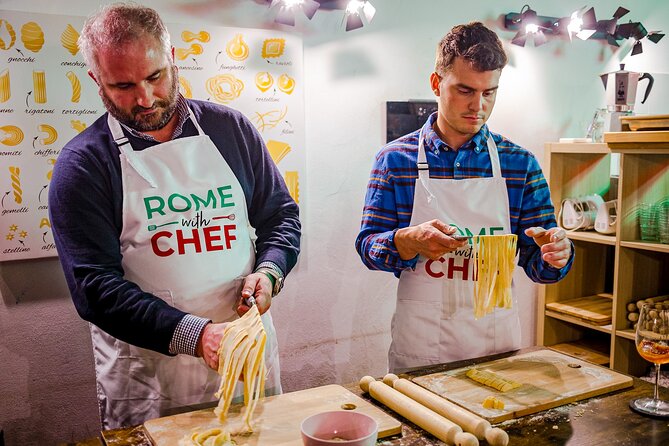
The pasta lesson is the central event. You work with flour, egg, and salt, then knead the dough until it reaches the proper consistency. This is where the chef’s help matters most.
Fresh pasta dough can feel stubborn at first. It may look too dry, too sticky, or uneven as you work it. The class gives you time to correct those problems instead of rushing you straight to a pasta machine. That hands-on correction is one of the strongest reasons to choose this experience over a short cooking demonstration.
Once the dough is ready, you roll and cut it into fettuccine. You learn the physical process that makes fresh pasta different from dried pasta. The work is simple in principle, but it takes patience and a bit of elbow grease.
I would wear comfortable shoes and clothing you do not mind cooking in. You will be standing for long stretches, and the experience is more kitchen workshop than formal dinner. The class is accessible to most people, but anyone who finds prolonged standing difficult should keep the format in mind.
The chef works around the group to give individual assistance. In a smaller session, that can mean more time for questions and closer attention to your dough. The maximum group size of 15 keeps the class manageable, though the amount of personal instruction can depend on how many people attend that day.
Still Rome, but a slower afternoon:
- Vatican: Museums & Sistine Chapel Entrance Ticket
★ 4.5 · 144,003 reviews - Vatican Museums & Sistine Chapel Tour with Optional Basilica
★ 4.3 · 67,413 reviews - Colosseum, Roman Forum & Palatine Guided Tour
★ 4.7 · 63,148 reviews - Vatican Museums, Sistine Chapel & St Peter’s Basilica Guided Tour
★ 4.5 · 39,149 reviews
Choosing between carbonara and cacio e pepe
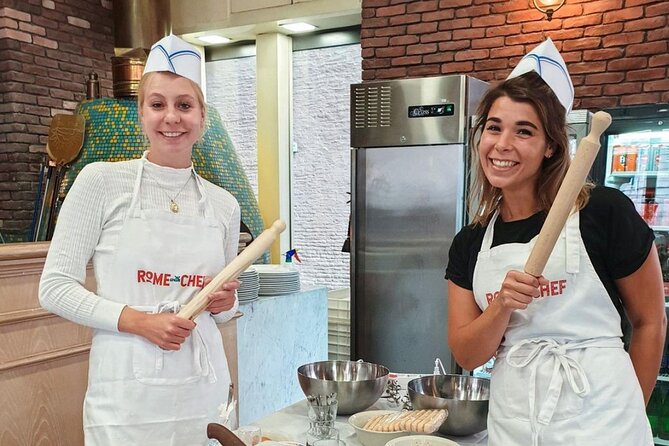
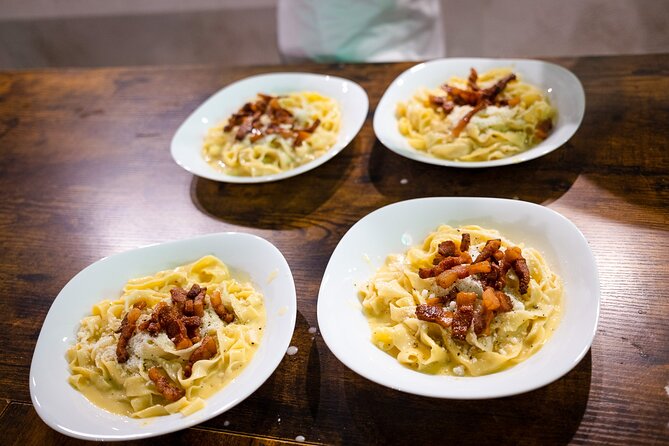
After making the fettuccine, you learn how to prepare one of two Roman sauces: carbonara or cacio e pepe.
Carbonara brings egg, cheese, and the savory flavor associated with classic Roman cooking. Cacio e pepe is simpler in its ingredient list, built around cheese and black pepper, but simplicity makes technique important. You need the right balance of pasta water, cheese, and heat to produce a smooth sauce rather than a clump of melted cheese.
The class demonstrates both sauces, while you choose which one to have with your pasta. This gives you useful comparison without turning the lesson into a long restaurant-style menu.
One small limitation is that the two choices are fairly close in spirit. If you hoped to learn a tomato sauce or a completely different pasta style, you will not find that here. Still, the two recipes fit the Roman setting well and are realistic dishes to recreate at home.
Once the pasta is cooked, you sit down and eat it. The meal is not an extra tasting portion. You receive a hearty serving of the pasta you helped prepare, along with wine or another included drink.
Eating together like an Italian family
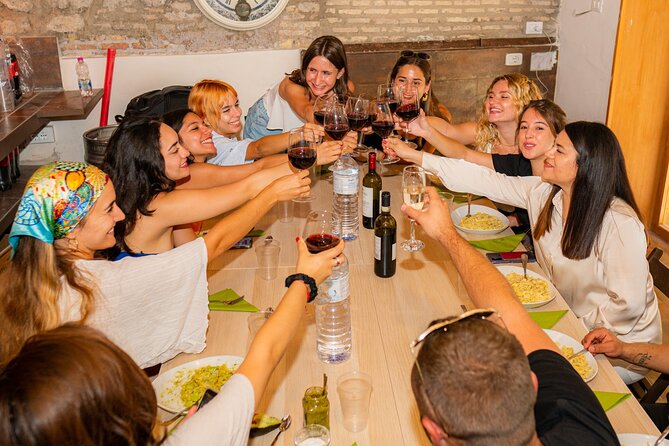
The final meal is where the class shifts from workshop to shared dinner. You sit with the group, eat the pasta, and finish with your tiramisu. The setting encourages conversation, and the friendly instructors keep the evening moving.
That social quality is one of the class’s best features. Families have enjoyed it together, couples have booked it for birthdays, and solo participants have met people from other countries. A 60th birthday celebration, a family’s last night in Rome, and an evening with an adult and a 15-year-old son all turned into memorable occasions.
For families, the activity offers more than a meal. Children can knead dough, shape pasta, and prepare dessert, so they have a real role in the evening. The chef may need to keep younger children focused, but the format gives them something concrete to do.
The class also works well for adults who already cook. You may pick up small tips about dough texture, pasta preparation, or sauce technique. It is not designed as advanced culinary training, but it can still sharpen basic skills.
The instructors set the tone
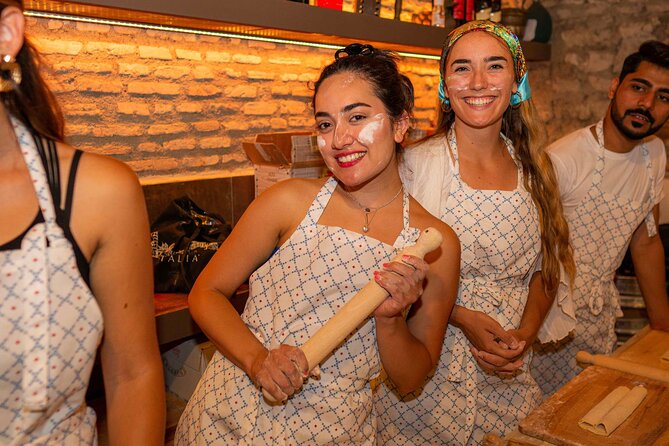
The teaching style appears to be a major strength. The chefs are described as patient, humorous, welcoming, and good at including everyone. Instructors such as Gaia, Sherry, Angela, Gio, Ida, Jem, and Marzia have been praised for keeping the room relaxed while still teaching useful techniques.
That matters because pasta dough can take time to master. A hurried or overly formal instructor could make the process stressful. Here, the mood is more forgiving. You can make mistakes, ask for help, and try again.
The staff also take photographs and videos during some sessions, giving you a record of the experience. Since this is a food activity with flour-covered hands, having someone else handle a few pictures is convenient.
The atmosphere can be lively, with music, conversation, and drinks. If you want a quiet, private lesson with a chef focused only on you, the standard group class may not be the best fit. A private upgrade is available for a more personal experience.
Is $83.48 good value in Rome?
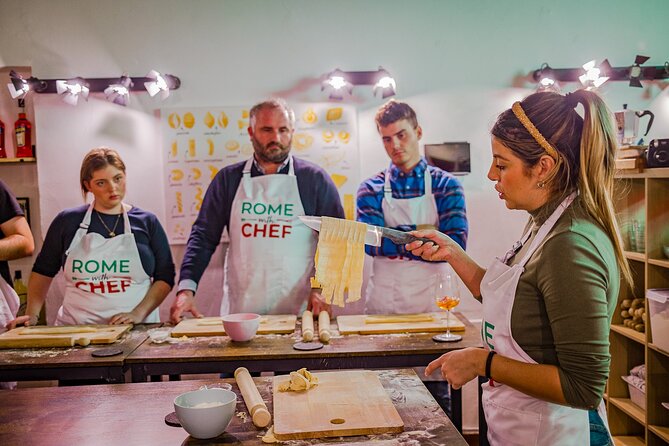
At $83.48 per person, this class sits above the cost of a simple meal but includes much more than dinner. You receive about three hours of instruction, a full serving of handmade pasta, tiramisu, prosecco, wine, limoncello, water, soft drinks, and an ebook of recipes.
The value depends on what you want from a Rome food experience. If you only want to eat carbonara, a restaurant meal will cost less. If you want to learn a skill, meet people, enjoy drinks, and turn dinner into an activity, the price is reasonable.
The ebook helps the experience last beyond your holiday. Fresh pasta is not difficult to understand, but having the recipe and sauce instructions in writing makes it more likely that you will actually cook them at home.
Group discounts may also help if you are booking for several people. A private upgrade costs more, but it may suit a birthday, family occasion, or group that wants more direct instruction.
The class is often booked around 50 days ahead, so I would not leave it until the last minute if the timing matters to you. Confirmation arrives at booking, and free cancellation is available up to 24 hours before the start time. Changes or cancellations inside that 24-hour window are not refunded.
Who should book this pasta and tiramisu class?
I would recommend it to couples, families, groups of friends, and solo visitors who enjoy meeting people over food. It is especially useful for anyone who wants to bring home a practical Roman recipe rather than only a photograph or souvenir.
It suits children and teenagers as well as adults. The class has worked well for families with children aged 8 and 11, and for a parent and a 15-year-old. The three-hour length gives everyone enough time to learn, eat, and socialize.
It is also a good choice for a birthday or a final evening in Rome. The shared meal creates a clear ending to the experience, and the food gives you something to talk about on the walk back.
I would skip it if you have coeliac disease, gluten intolerance, lactose intolerance, a vegan diet, or a strict dairy-free diet. The menu depends on flour, eggs, cheese, and other dairy products, and no suitable substitutions are available.
Practical details for your evening
The meeting point is near public transportation, and the activity ends where it begins. Build in a little extra time to reach Via Cesare Balbo, 25, especially if you are crossing central Rome from another neighborhood.
Wear comfortable clothes and shoes. You will spend much of the class standing, and the preparation work can take longer than expected. Come hungry, since the food portion is substantial and the class includes both pasta and dessert.
The experience is conducted in English and accepts mobile tickets. Most people can participate, but you should tell the provider about dietary needs before booking, even though the listed restrictions cannot be accommodated.
Bad weather can also affect the class. If it is canceled for that reason, you are offered another date or a full refund. That policy gives you some protection, but Rome’s weather can change, so keep your schedule flexible when possible.
Should you book it?
Book this class if you want an active evening, not just another restaurant meal. The strongest reasons are the genuine hands-on pasta work, the homemade tiramisu, the friendly chefs, and the chance to eat with an international group afterward.
I especially like that the recipes are simple enough to repeat at home. You will not leave as a professional pasta maker, but you should leave knowing how dough feels, how fresh fettuccine is cut, and how carbonara or cacio e pepe comes together.
Skip it only if you need dietary substitutions, dislike group activities, or prefer a quiet meal with no kitchen work. For everyone else, this is a generous three-hour introduction to Roman cooking, with enough food and personal guidance to make the price worthwhile.
FAQ
How long does the Rome pasta and tiramisu class last?
The experience lasts approximately three hours.
Where does the cooking class start and finish?
It starts at Via Cesare Balbo, 25, 00184 Rome, Italy, and ends back at the meeting point. The location may occasionally change, but the alternate meeting point is about a five-minute walk away and you will be informed in advance.
What food do I make during the class?
You make fresh fettuccine, prepare either carbonara or cacio e pepe, and create traditional tiramisu from scratch.
Are drinks included?
Yes. The experience includes one glass of prosecco, Italian wine, limoncello, unlimited water, and soft drinks.
Can vegetarians join the class?
Yes. Vegetarian options are available.
Can the class accommodate gluten-free, vegan, or dairy-free diets?
No. The class cannot accommodate coeliac disease, gluten intolerance, lactose intolerance, vegan diets, or dairy-free diets because the menu contains gluten and dairy.
What is the cancellation policy?
You can cancel at least 24 hours before the start time for a full refund. Cancellations or changes made less than 24 hours before the experience are not accepted for a refund.
Recently added around Rome
- Rome: Pantheon, Trevi Fountain & Roman Squares Guided Tour★ 4.7 · 386 reviews
- Vatican: Pope Francis Tomb and Papal Basilicas Tour★ 4.7 · 340 reviews
- Vatican: St. Peter’s Basilica with Audio Guide and Options★ 3.4 · 269 reviews
- Rome: Vatican Museums Skip-the-line Entry Ticket and Tour★ 4.2 · 400 reviews
- Rome: Vatican Museums & Sistine Chapel Ticket + Tour Options★ 4.7 · 344 reviews
- Vatican: Museums, Raphael & Sistine Chapel + Basilica Option★ 4.7 · 350 reviews
- Vatican Museums & Sistine Chapel Guided Tour★ 4.3 · 832 reviews
- Vatican Museums & Sistine Chapel Entry Ticket★ 4.4 · 245 reviews
Cooking Classes, compared.
3 in 1 Cooking Class near Navona: Fettuccine, Ravioli & Tiramisu
Read our review →
Florence Pizza or Pasta Class with Gelato Making at a Tuscan Farm
Read our review →
Pasta & Tiramisu Cooking Class with Unlimited Wine
Read our review →
Pizza-Making Workshop with Drink and Appetizer
Read our review →
Pasta & Tiramisu Class with Fine Wine by the Vatican
Read our review →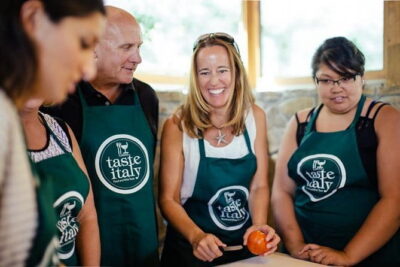
Cooking Class and Lunch at a Tuscan Farmhouse with Local Market Tour from Florence
Read our review →Browse the lists this tour appears in