Reviewed · GUIDED
Rome: Catacomb of St. Callixtus and Appian Way Guided Tour
Rome’s quiet side is underground. This three-hour outing leaves the crowded center behind for the Catacombs of St. Callixtus, the ancient Appian Way, and the great arches of the Roman aqueducts. I especially like the chance to see early Christian art in its original setting and the peaceful change of pace beyond the Colosseum and Vatican.
I also like the way the tour links several difficult-to-reach sights in one morning, with transport between them and a guide to explain what you are seeing. Guides such as Catia, Marije, Lara, Francesca, and Marina have been praised for clear storytelling, humor, and useful Rome advice. The main consideration is practical: the catacombs involve stairs and narrow underground passages, photography is forbidden, and the small vans can limit your views between stops.
In This Review
- Key details to know before you go
- Why this tour belongs after the Colosseum
- Entering the Catacombs of St. Callixtus
- What the underground visit feels like
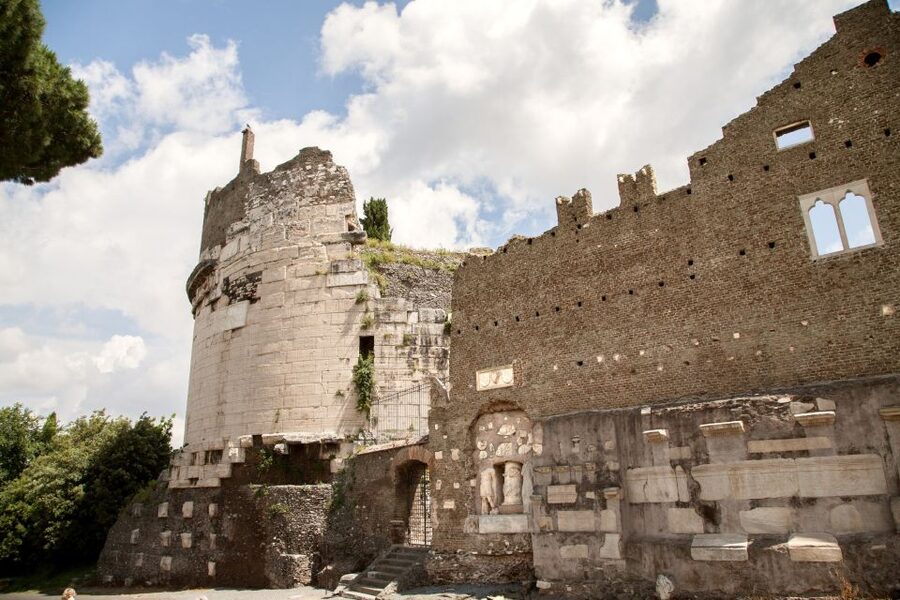
- The Mausoleum of Cecilia Metella from the road
- Walking the original Appian Way
- The aqueducts in Parco degli Acquedotti
- Guides, group size, and the human side
- Is $80 a fair price?
- Who should book this outing?
- Final verdict: a strong choice for a second Rome day
- FAQ
- Where does the tour meet?
- How early should I arrive?
- How long does the tour last?
- Is transportation included?
- Is the tour wheelchair accessible?
- Can I take photographs inside the catacombs?
- What should I wear?
Key details to know before you go
- The Crypt of the Popes is the tour’s central historical stop: You see one of the most important burial areas in the Catacombs of St. Callixtus, along with early Christian symbols and artwork.
- The Appian Way is a real change of pace: You walk a portion of the ancient road outside Rome, where the city noise gives way to open paths and old stone.
- The aqueduct stop is especially photogenic: The towering arches in the aqueduct park show the scale and engineering skill of ancient Rome.
- Transport saves you a planning headache: The tour begins and ends at Via Cavour 224, with a short drive between the sites.
- Dress like you are entering a church: Shorts, short skirts, and sleeveless shirts are not allowed. Shoulders must be covered, and clothing should fall below the knee.
- The $80 price pays for access and coordination: It is fair value if you want all three sights without arranging transport, entrance, and explanations yourself.
Why this tour belongs after the Colosseum
Rome’s center can wear you out. The Colosseum, Roman Forum, Pantheon, and Vatican all demand time, attention, and plenty of walking. This outing gives you a different view of the city, one that focuses on burial customs, early Christianity, Roman roads, and water engineering.
The meeting point is at the bus stop at Via Cavour 224, close to Cavour Metro station on Line B. You need to arrive 25 minutes before departure, a sensible cushion in a city where finding the right stop can take longer than expected.
From there, transport carries you beyond the old city walls. That matters because the Appian Way and aqueduct park are not as easy to combine by public transport, especially if you have only one morning. The tour handles the connections while your guide fills in details about sights you pass on the way.
The experience lasts three hours, though one past outing ran late at the start because of traffic and still kept the full tour length. Rome traffic is never a minor character, so do not schedule an important timed attraction immediately afterward.
A few more Rome bookings to compare
- Vatican: Museums & Sistine Chapel Entrance Ticket
★ 4.5 · 144,003 reviews - Vatican Museums & Sistine Chapel Tour with Optional Basilica
★ 4.3 · 67,413 reviews - Colosseum, Roman Forum & Palatine Guided Tour
★ 4.7 · 63,148 reviews
Entering the Catacombs of St. Callixtus
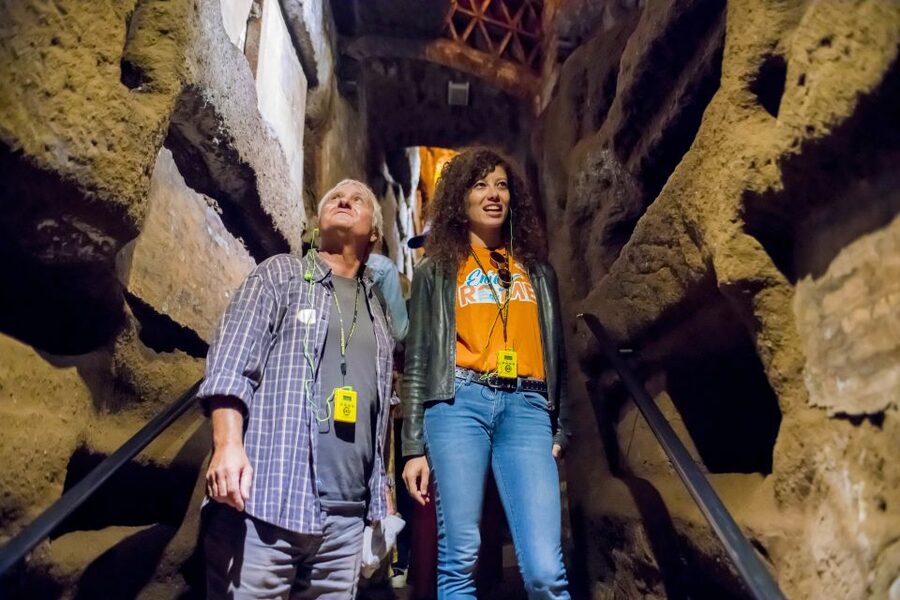
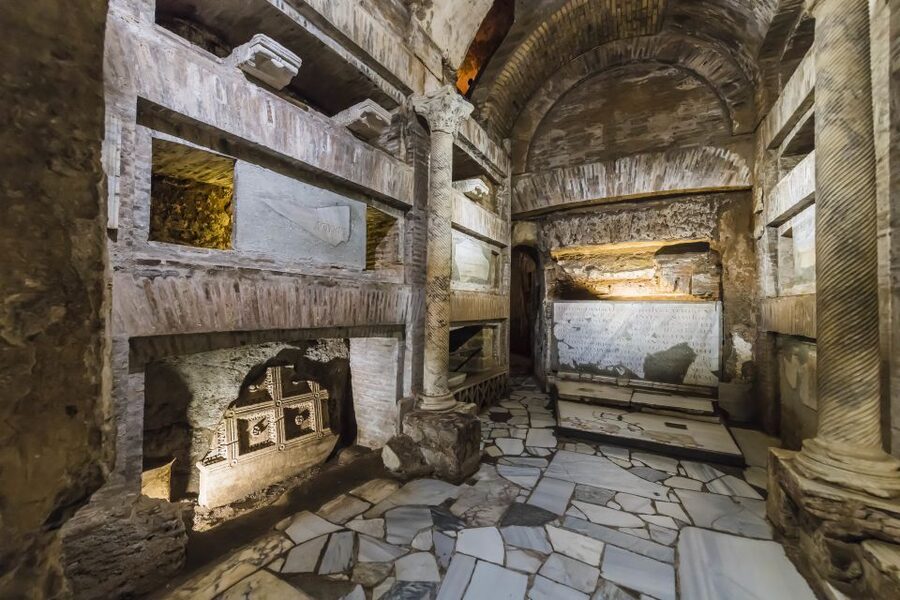
The Catacombs of St. Callixtus form the most substantial part of the outing. These underground burial chambers were cut into soft volcanic tufa between the second and fifth centuries, when Rome’s Christian population needed a practical way to bury large numbers of people.
The catacombs were not built as one enormous room. They developed as networks of corridors and burial chambers on several levels. Along the walls, you see burial niches, known as loculi, as well as sarcophagi, mosaics, and religious drawings.
The setting helps explain the social side of ancient Rome. Wealthy Romans could pay for large tombs and mausoleums. Many ordinary people could not. Cutting burial spaces into the soft rock allowed communities to create shared underground cemeteries instead.
The tour includes a guided visit inside St. Callixtus, with entrance and booking fees covered. A catacomb guide leads the underground portion, while your main guide provides the wider context. Clear English matters here, since the corridors are not a place where you want to miss an explanation, and past groups have praised the articulation of the catacomb guides.
One especially meaningful stop is the Crypt of the Popes. This area was used for the burial of several early bishops of Rome. You also see the tomb of St. Cecilia, though the figure visitors see is a replica rather than the original body.
The artwork is modest in scale but important. You might see symbols and drawings that reflect the first centuries of Christian worship in Rome. These are not grand church paintings made for public display. They are early signs of belief placed in burial spaces, which makes them feel more personal and solemn.
You cannot take photographs inside the catacombs. That rule may disappoint anyone hoping for underground snapshots, but it also keeps the visit focused and protects the site. I recommend paying close attention to the guide, because the details you carry out with you matter more than a dark, blurry phone picture.
What the underground visit feels like
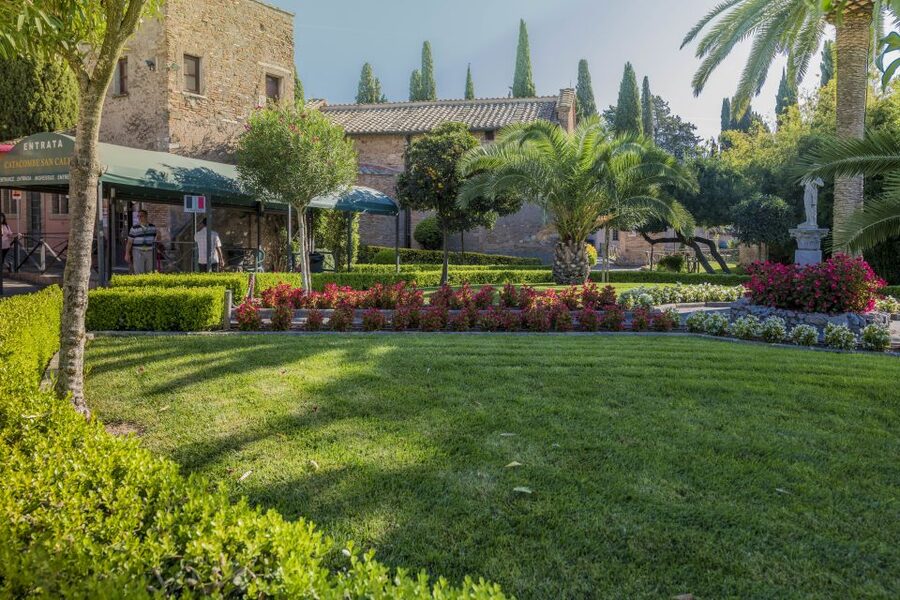
The catacombs are not suitable for everyone. Narrow passages and enclosed spaces can be difficult if you have severe claustrophobia. The tour is also not wheelchair accessible, and the stairs mean you should be comfortable going up and down steps.
One visitor who used a cane found the stairs manageable, but that is not a promise for every person. If walking is difficult, ask yourself whether you can handle the underground route before booking.
The temperature below ground can also be a welcome break in hot weather. One summer visitor especially enjoyed the cool catacombs after time in the heat of Rome. In cooler or wet weather, you may appreciate having a light layer.
This part of the tour is more sobering than entertaining. That is a strength, not a weakness, if you want to understand how early Roman Christians lived and died. The guide’s job is to make the history clear without turning a burial site into a theatrical attraction.
The Mausoleum of Cecilia Metella from the road
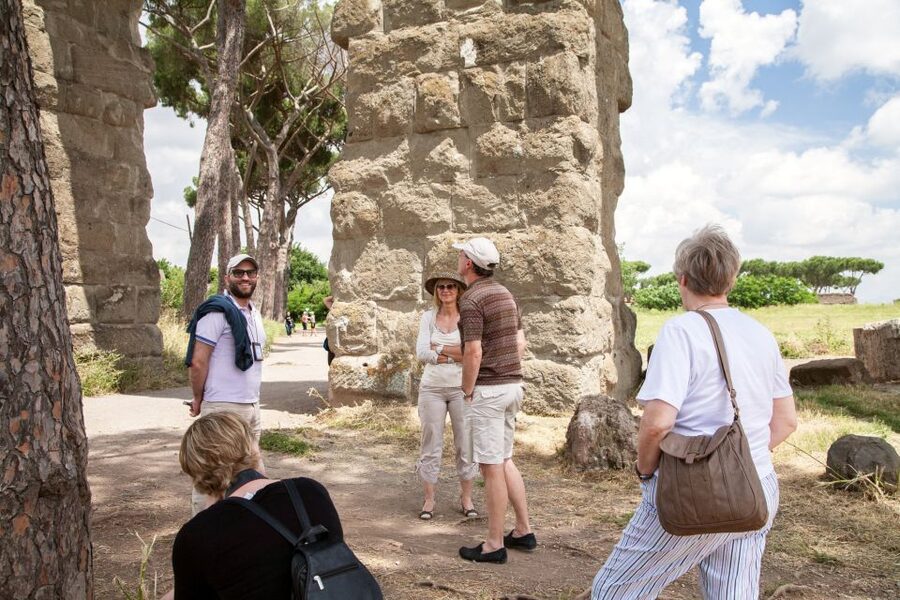
After the catacombs, the tour continues along the Appian Way. One highlight is the exterior view of the Mausoleum of Cecilia Metella, a large ancient tomb beside the road.
The stop is not presented as a full interior visit. You view the outside and hear about its place along one of Rome’s most important routes. That distinction matters if you expect to enter every monument.
The mausoleum helps you read the Appian Way as more than an old road. This was a route lined with tombs and monuments, where powerful families placed their memorials in visible positions. As you move along it, the combination of ancient paving stones and roadside ruins gives you a better sense of how Rome extended beyond its crowded center.
Some tours include an extra view of a villa or castle-like building in the area, depending on the route and guide. The core plan, however, is the exterior of Cecilia Metella’s mausoleum and a walk on the Appian Way.
Still Rome, but a slower afternoon:
- Vatican Museums, Sistine Chapel & St Peter’s Basilica Guided Tour
★ 4.5 · 39,149 reviews - Rome: Colosseum, Palatine Hill and Roman Forum Guided Tour
★ 4.8 · 32,814 reviews - Rome: Guided Tour of Colosseum, Roman Forum & Palatine Hill
★ 4.7 · 27,897 reviews - Rome: Colosseum & Forum with Audio Guide App -Optional Arena
★ 4.2 · 24,770 reviews
Walking the original Appian Way
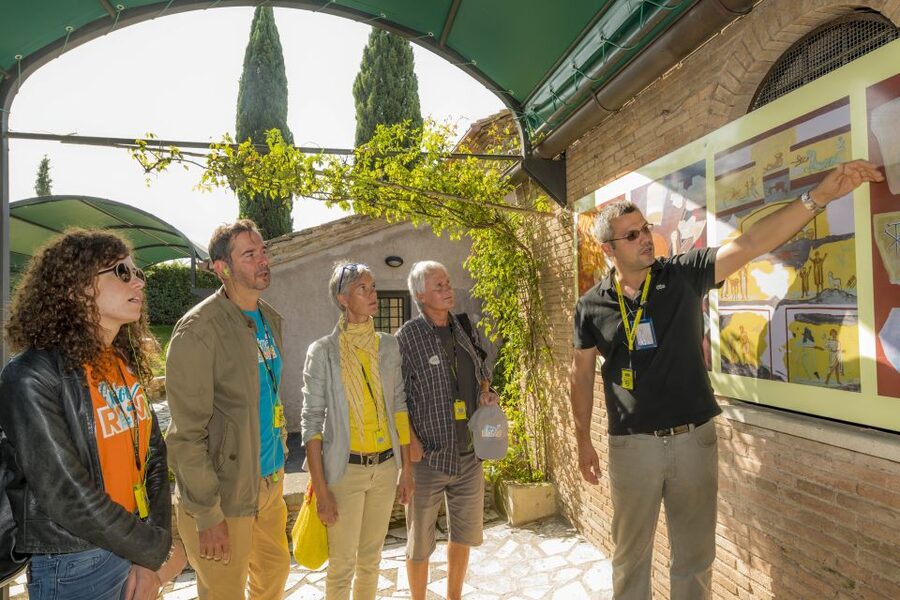
The Appian Way is the tour’s most tactile stop. In Rome’s museums, you often look at objects behind glass. Here, you walk on part of the ancient road itself.
The route is rustic rather than polished. Uneven stones and outdoor paths are part of the experience, so sensible shoes are a good idea. You may not walk a long distance, but you should be ready for uneven ground and the possibility of stairs elsewhere on the tour.
Past groups have described this portion as peaceful and relaxing, particularly after several crowded days in central Rome. One guide even invited the group to walk in a column, like Roman soldiers, which turned a simple stroll into a memorable bit of historical perspective.
Weather can change the experience. In warm sunshine, the open setting is a pleasant break from stone streets and indoor sights. In cold rain, some people may prefer to remain on the vehicle while others continue with the guide. The walk is part of the appeal, but it is not wise to treat it as a fixed athletic challenge.
The guide adds most of the value here. Without explanation, an old road can look like a line of worn stones. With context, you begin to understand its importance as a route into and out of Rome, and as a place where tombs, travelers, and military movement once gathered.
The aqueducts in Parco degli Acquedotti
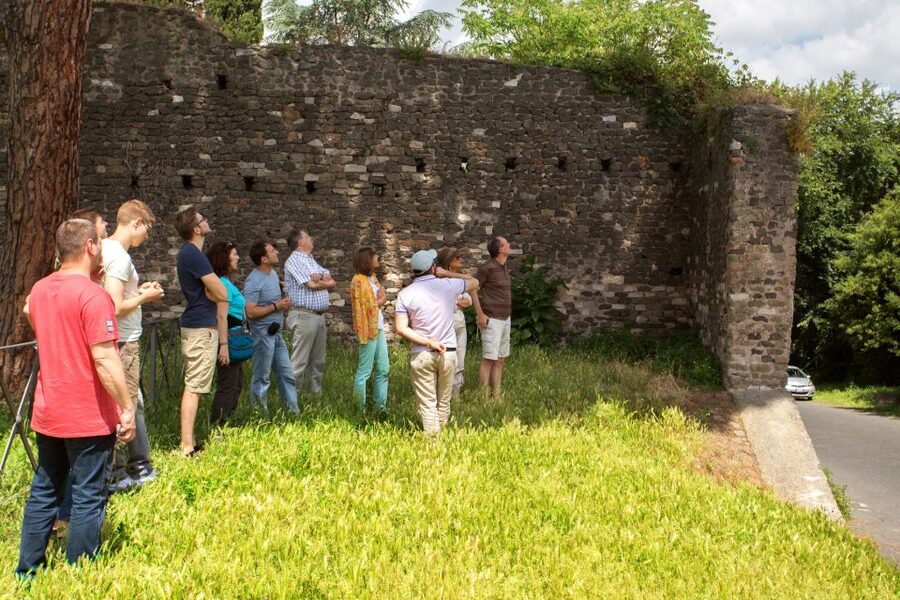
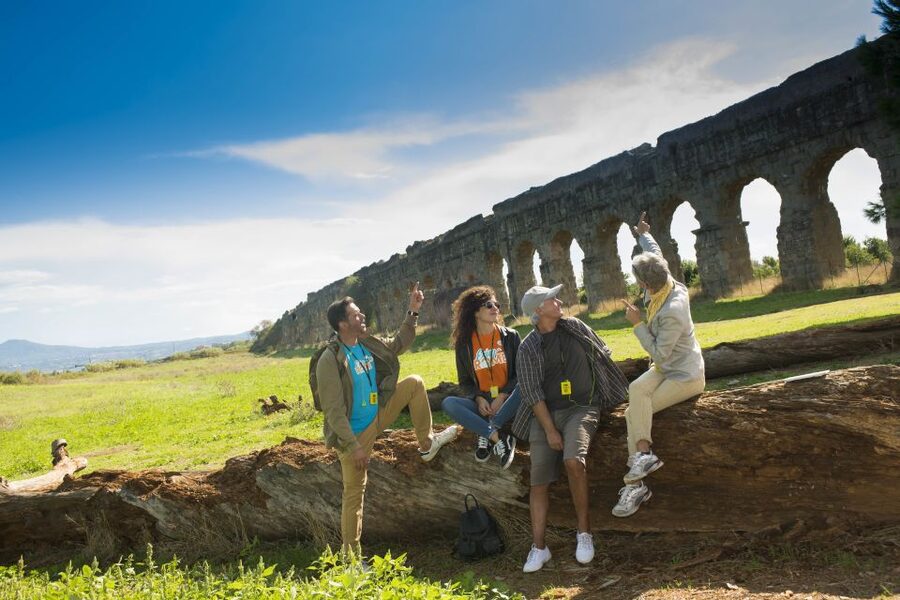
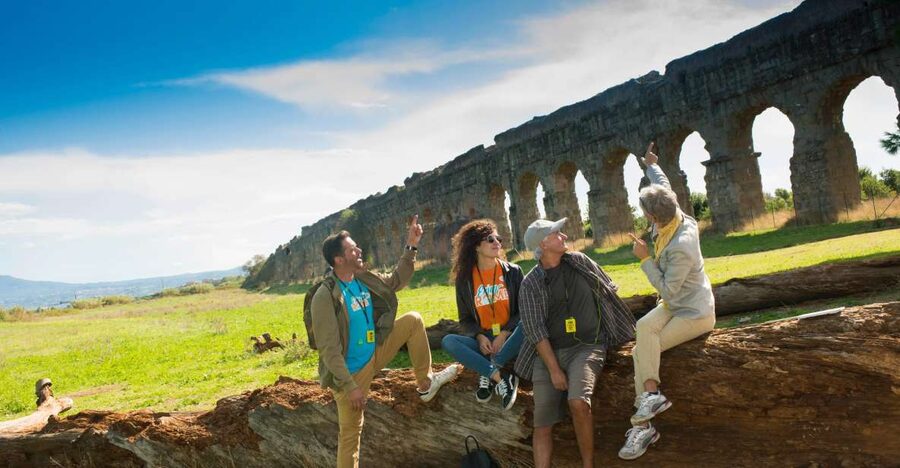
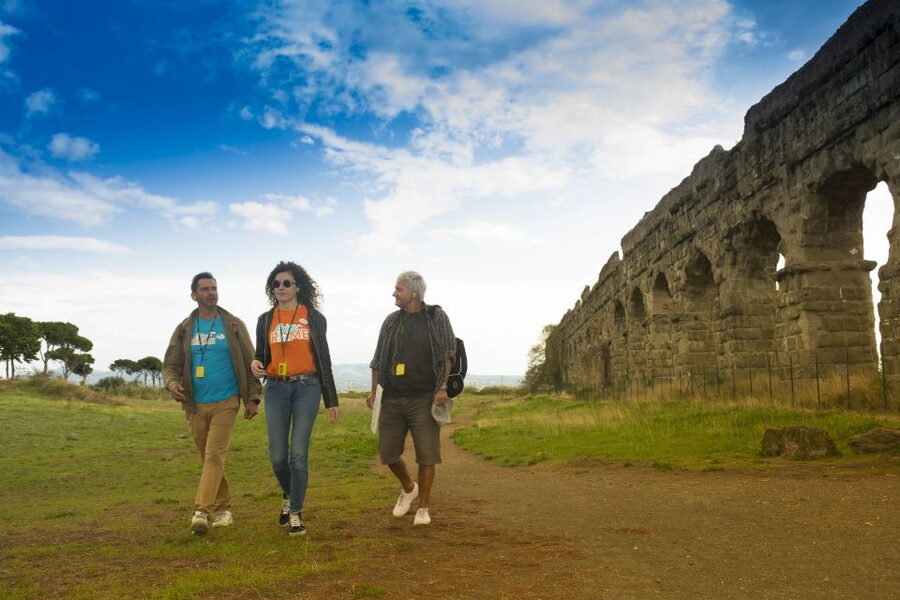
The final major stop is the aqueduct park, where you walk along a path and look up at the ancient arches. This is one of the most striking views on the tour.
The aqueducts show Roman engineering at a huge scale. Their purpose was practical, carrying water toward the city, yet the surviving arches create a powerful scene in the open countryside. Several people have singled out this stop as the unexpected favorite of the morning.
The park also gives you room to breathe. You are no longer underground, and you are away from the tight streets around Rome’s major monuments. The combination of open space, long lines of arches, and a guide explaining how the system worked makes the stop valuable even if you have already seen Roman ruins elsewhere.
The walk is usually short enough to feel manageable, though the tour still requires you to walk outdoors. You should bring water, especially in summer, and wear shoes suited to paths rather than polished floors.
The vehicle ride to the park is part of the fun and part of the limitation. Small vans can move through Rome and between sites efficiently, but one person found it hard to see outside because of the low windows. Another praised the comfortable minibus and driver Mario, so vehicle type may vary.
Guides, group size, and the human side
The strongest feature of this experience is the guiding. Catia has been praised for combining historical detail with patience, especially when children needed breaks. Marije has been described as a lively storyteller who mixed solid history with humor and practical restaurant advice.
Other highly praised guides include Lara, Francesca, Mariah, and Marina. The assigned guide can change, so you should not book solely to meet one particular person. The repeated pattern is more useful: guides explain the scheduled sights, add information about Rome during the drives, and often offer suggestions for the rest of your visit.
The tour is conducted in English and includes headsets. That is useful when you are walking outdoors or standing with a group near a busy road. You can hear the guide without needing to crowd around her.
Group size has sometimes been very small, with one outing reporting only six participants and another describing a group of about 14. The activity requires at least five participants, so it may be rescheduled or cancelled with a full refund if that number is not reached.
A small group makes a real difference at the catacombs. You can hear more easily, ask questions, and avoid the feeling of being pushed through every corridor. Still, the tour provider controls the final group size and vehicle.
Is $80 a fair price?
At $80 per person, this is not the cheapest way to spend three hours in Rome. It is a reasonable price if you value convenience and want several outlying sights in one organized trip.
The fee includes transport from and back to the meeting point, the three-hour guided service, the St. Callixtus entrance, booking fees, and headsets. Lunch is not included, and hotel pickup is not offered.
You are paying for more than admission. The Appian Way and aqueduct park are spread beyond central Rome, and arranging both with public transport would take extra planning. You also avoid sorting out the catacomb reservation and coordinating arrival times.
The value is weaker if you only want a long walk on the Appian Way or prefer to explore at your own pace. The tour gives you a set route and limited time at each stop. For a first visit to Rome, though, it adds sights that many people miss while concentrating on the famous center.
Free cancellation up to 24 hours before departure and the option to reserve now and pay later make the booking less rigid. Check the available starting times, then leave room in your day for Roman traffic.
Who should book this outing?
I would choose this tour if you have already allowed time for Rome’s headline monuments and want a quieter half-day. It suits people interested in early Christianity, archaeology, ancient engineering, and the daily realities behind Roman monuments.
Families can do well here, especially with a guide willing to allow breaks. Children who enjoy stories about underground passages, old roads, and giant arches may find it more memorable than another museum.
It is also useful if you do not want a full day of walking. The vehicle carries you between the main sites, and one visitor with limited walking ability found the pauses between venues helpful. Even so, this is not an accessible tour, and the catacombs require stairs and narrow passages.
Skip it if enclosed spaces make you anxious, if you need wheelchair access, or if you want to photograph every stop. You should also avoid booking it when you are unwilling to follow the dress rules.
Final verdict: a strong choice for a second Rome day
Book this tour if you want to get outside the historic center without spending your morning solving transport problems. The Catacombs of St. Callixtus provide the most serious and distinctive stop, while the Appian Way and aqueducts add open air, ancient stone, and a welcome pause from Rome’s crowds.
The tour is not perfect. Vehicle windows may limit the view, traffic can affect the start, and the outdoor walk depends on weather. But the combination of included transport, site admission, headsets, and consistently strong guiding makes $80 fair for the right visitor.
I would place it after the Colosseum, Roman Forum, and Vatican, not before them. Once you have seen Rome’s grand center, this outing shows you the city’s quieter edges, where burial chambers, old roads, and aqueduct arches tell a more intimate story.
FAQ
Where does the tour meet?
The meeting point is at the bus stop at Via Cavour 224. Cavour Metro station on Line B is the nearest metro stop.
How early should I arrive?
You should arrive 25 minutes before the scheduled departure time.
How long does the tour last?
The tour lasts three hours. Check the available starting times when booking.
Is transportation included?
Yes. Transport from and back to the meeting point is included, with travel between the main locations by bus or minibus.
Is the tour wheelchair accessible?
No. The tour is not wheelchair accessible.
Can I take photographs inside the catacombs?
No. Photography is not permitted inside the Catacombs of St. Callixtus.
What should I wear?
Wear clothing suitable for a place of worship. Shorts, short skirts, and sleeveless shirts are not allowed. Shoulders must be covered, and skirts or trousers should fall below the knee.
Recently added around Rome
- Palatine Hill and Roman Forum Tour with Fast-Track Entrance★ 4.2 · 417 reviews
- Tivoli: Villa D’Este & Villa Adriana Pass & App Audioguide★ 4.4 · 364 reviews
- From Rome: Villa D’Este & Villa Adriana Day Trip with Lunch★ 4.4 · 289 reviews
- Vatican Museums & Sistine Chapel Skip-the-Line Guided Tour★ 4.6 · 254 reviews
- Tivoli: Villa D’Este Entry Ticket and App Audio Guide★ 4.3 · 191 reviews
- Rome: The Three Tenors at St. Paul’s Church Concert Ticket★ 4.7 · 699 reviews
- Rome: Capitoline Museums and Centrale Montemartini Tickets★ 4.4 · 328 reviews
- Rome: St. Peter’s Basilica and Papal Tombs Guided Tour★ 4.6 · 477 reviews
Guided, compared.
Colosseum, Roman Forum & Palatine Guided Tour
Read our review →
Vatican Museums, Sistine Chapel & St Peter’s Basilica Guided Tour
Read our review →
Colosseum, Palatine Hill and Roman Forum Guided Tour
Read our review →
Guided Tour of Colosseum, Roman Forum & Palatine Hill
Read our review →
Colosseum & Forum with Audio Guide App -Optional Arena
Read our review →
Colosseum, Roman Forum and Palatine Hill Guided Tour
Read our review →
Naples Underground Entry Ticket and Guided Tour
Read our review →