
Reviewed · COOKING CLASSES
Rome: 3-in-1 Fettuccine, Ravioli, and Tiramisu Cooking Class
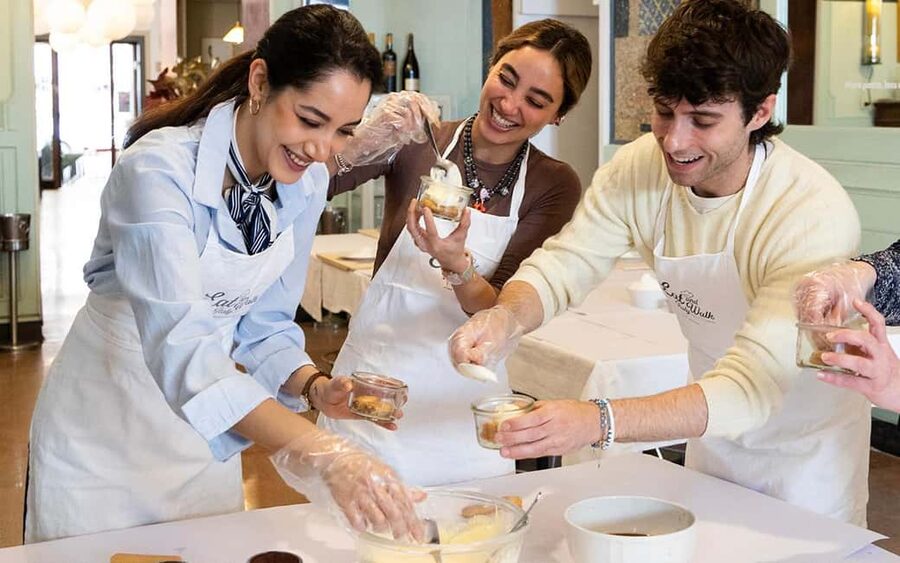
Come hungry, leave with new skills. This three-hour workshop at Restaurant Gusto in central Rome turns basic flour, eggs, and a few fillings into fettuccine, ravioli, and tiramisu. I like the hands-on pasta making, where you work the dough yourself, and I like the friendly, social setup, with wine, limoncello, and fellow participants at the table afterward. The one thing to keep in mind is that the class can feel brisk, especially when a large group is working through several recipes.
I also appreciate the range of chefs leading the sessions. Recent classes have been praised for instructors including Carlotta, Lori, Mattia, Maria, Leo, Tommy, Mimi, Furio, and Valentina. The experience costs $81 per person, which is fair for a meal, drinks, instruction, and three classic Italian preparations, though it is less useful if you want a quiet, private lesson.
In This Review
- Five things to know before you book
- What this Rome cooking class is really like
- Starting with tiramisu before the pasta
- Making pasta dough by hand
- The meal is the payoff
- A social class, not a private kitchen lesson
- Timing, location, and useful planning tips
- Is $81 a fair price?
- What could be better
- Who should book this experience?
- FAQ
- How long does the cooking class last?
- Where does the class meet?
- Which dishes do I make?
- Which sauce can I choose for the fettuccine?
- Are drinks included?
- Is the cooking class taught in English?
- Can children attend?
- Is the activity wheelchair accessible?
- Can I cancel the booking?
Five things to know before you book
- You make three Italian dishes from scratch: fettuccine, ravioli, and tiramisu, rather than watching a chef do all the work.
- The class meets at Restaurant Gusto: the address is Via Giuseppe Zanardelli 14, in the center of Rome.
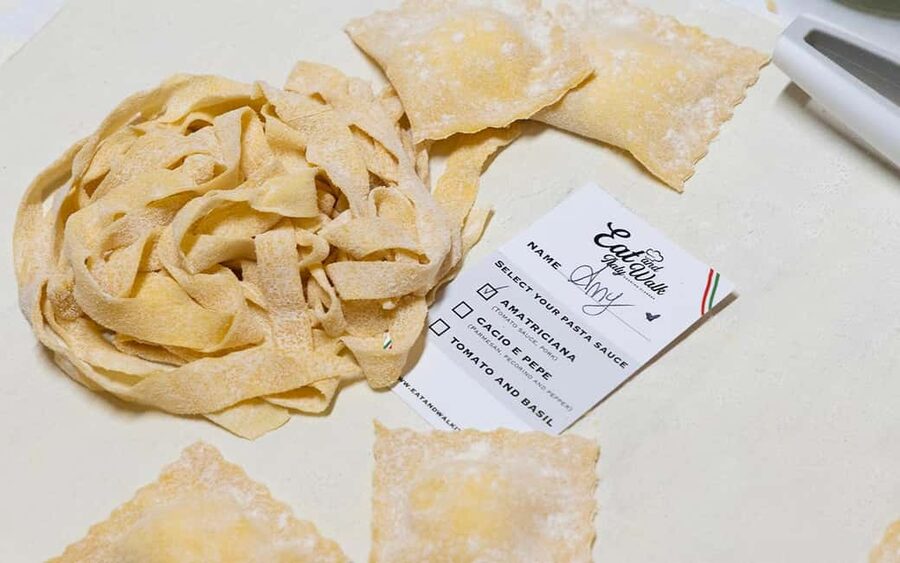
- Your pasta becomes your meal: choose tomato and basil, cacio e pepe, or amatriciana for the fettuccine, then enjoy ravioli with butter and sage.
- The tone is social and upbeat: some sessions have had about 19 or 20 people, so expect a group activity rather than a private tutorial.
- Drinks are part of the finish: you receive wine or a non-alcoholic drink, plus limoncello or coffee and water.
- English instruction and wheelchair access help: children under four and pets are not allowed.
What this Rome cooking class is really like
I see this as an activity that gives your Rome day a change of pace. Ancient ruins and grand churches ask you to look upward and listen. Here, you use your hands, make a little mess, and sit down to eat what you prepared.
The advertised session lasts three hours, though one recent participant described the class as taking about two hours. That difference probably reflects the pace of the particular group and how quickly the food is served. You should allow the full three hours when planning your day, especially if you have a timed museum visit or dinner reservation afterward.
The class takes place in a cozy restaurant rather than a rural farmhouse or a small family kitchen. That makes it easy to fit into a central Rome itinerary, but it also means the experience has a restaurant-workshop feel. You are learning traditional dishes in a social setting, not taking an intimate lesson in someone’s home.
The English-speaking chefs are a major part of the experience. The strongest feedback repeatedly praises patient, energetic instruction. Lori is described as attentive to both individuals and the group. Tommy is praised for humor and for helping participants who needed extra assistance. Mattia handled a group ranging in age from 15 to 83, while Leo kept a group of around 20 moving and checked in with each person.
That variety matters. The exact personality of your chef will shape the mood, and the names assigned to particular sessions can change. The consistent point is that the instructor is expected to demonstrate, explain, and help you correct your technique as you go.
More Cooking Classes in Rome
- 3 in 1 Cooking Class near Navona: Fettuccine, Ravioli & Tiramisu
★ 5.0 · 7,376 reviews - Rome: Pasta & Tiramisu Class with Fine Wine by the Vatican
★ 4.9 · 4,852 reviews - Rome: Pasta Making Class with Wine, Limoncello, and Dessert
★ 4.9 · 3,177 reviews
Starting with tiramisu before the pasta
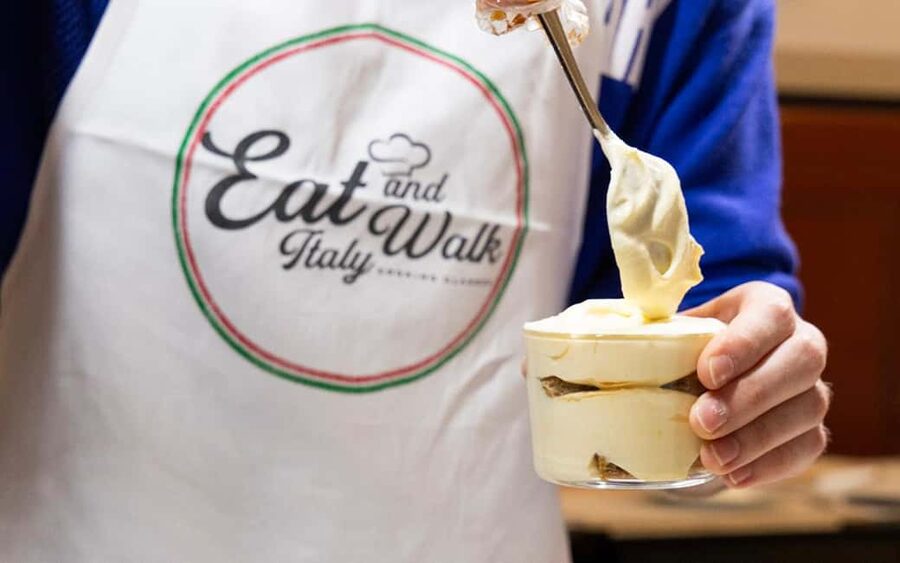
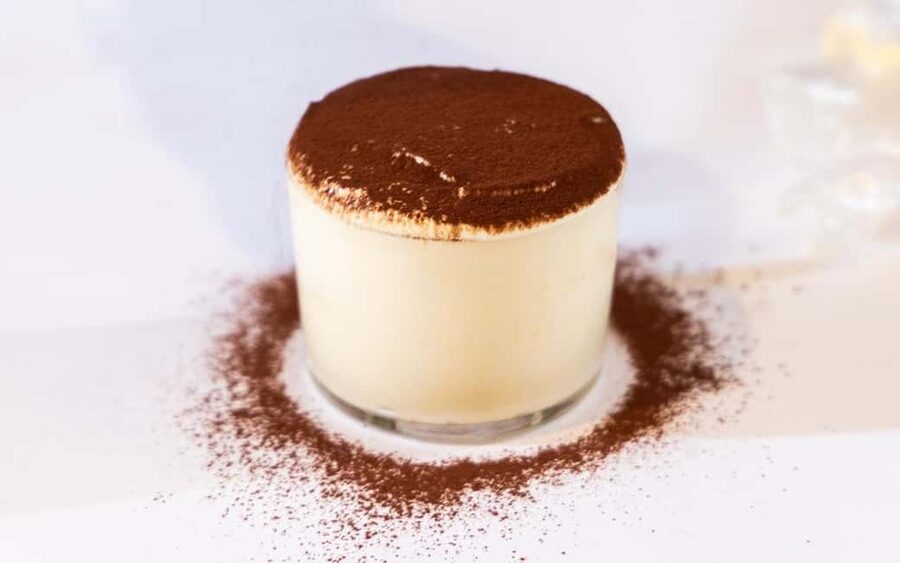
The class begins with tiramisu. This is a sensible choice because the dessert needs time to rest before you eat it, and it gets the sweet course out of the way before the flour starts flying.
You will prepare a traditional Italian tiramisu, then set it aside while you work on the pasta. The supplied details do not specify every ingredient or the exact method, so you should pay attention to the chef’s demonstration rather than expect one fixed recipe. One participant who already knew how to make tiramisu found the instructor’s approach easier and tastier, which suggests that the class includes useful technique, not just a basic assembly exercise.
This is also a good part of the class for beginners. Tiramisu does not require the same physical effort as pasta dough, and the chef can explain the order of the steps before the group moves into the more active work.
If you want to recreate the dessert at home, bring a phone for notes. A participant was happy to receive recipes, while another wished the class had provided a printed recipe sheet. That inconsistency means I would not count on a formal handout. Ask the instructor before leaving, or write down the proportions and method during the demonstration.
Making pasta dough by hand
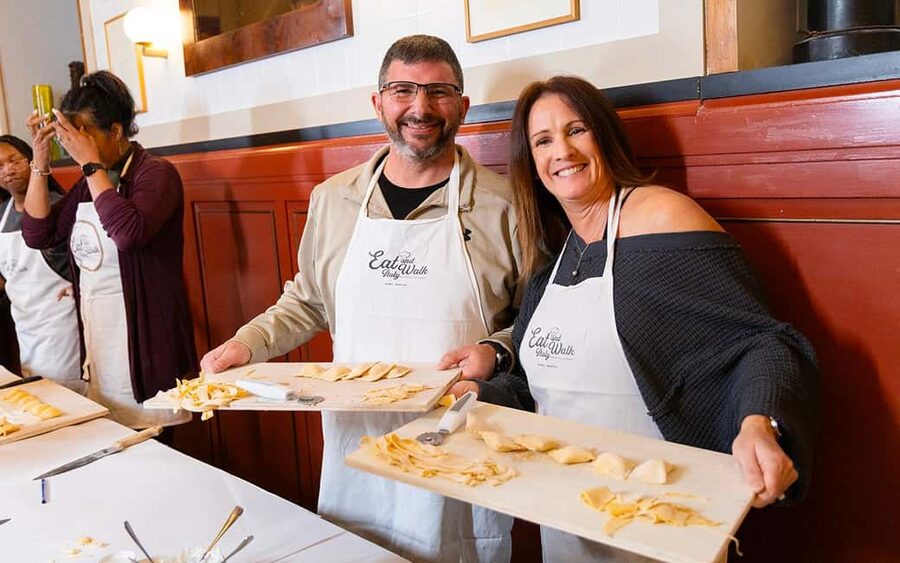
Next comes the part most people are waiting for: pasta dough. You learn how to combine the ingredients, knead the dough, and prepare it for shaping. The point is not only to produce lunch. You are learning the basic method that lets you make several kinds of fresh pasta at home.
The class covers both ravioli and fettuccine. These are different enough to make the session feel substantial, but closely related enough that the dough lesson carries across both dishes.
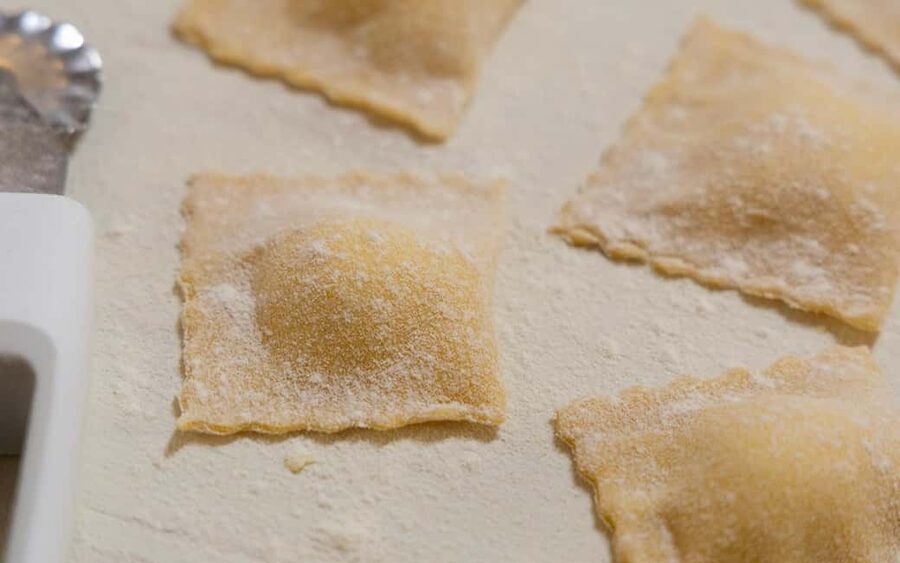
The ravioli section focuses on filling and shaping. The chef explains which fillings work best in different seasons, a useful bit of Italian cooking sense that goes beyond following one recipe. You also learn to pair sauces with pasta, so the lesson has practical value after you return home.
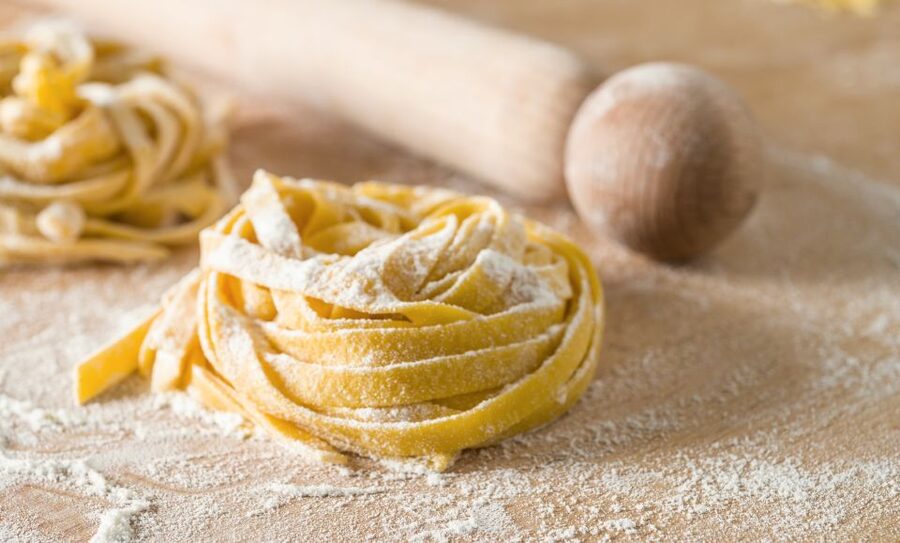
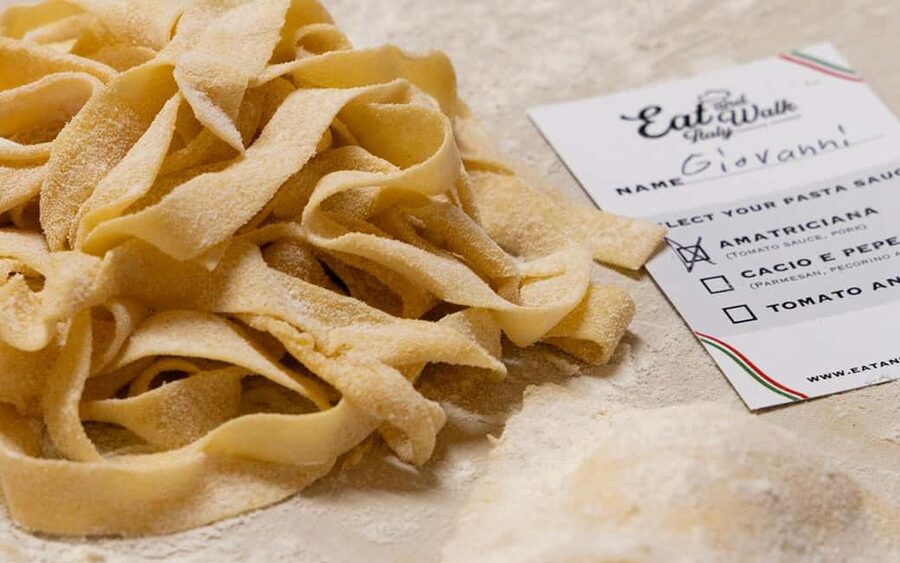
The fettuccine is served with your choice of sauce:
- Tomato and basil
- Cacio e pepe
- Amatriciana
That choice gives you a small taste of Roman cooking traditions. Cacio e pepe is built around cheese and pepper. Amatriciana brings tomato and a stronger savory flavor. Tomato and basil is the simplest option and may suit you if you prefer a lighter, familiar sauce.
The ravioli comes with butter and sage. That is a classic pairing that lets the pasta and filling remain the focus. Since the filling itself can vary by the class, you should listen closely to the chef’s explanation of how the ingredients work together.
You do not need advanced cooking skills. The class is designed for people with different levels of experience, and the instructor helps those who need more personal attention. Still, this is not a passive demonstration. You should be ready to knead, shape, and keep pace with the rest of the group.
The meal is the payoff
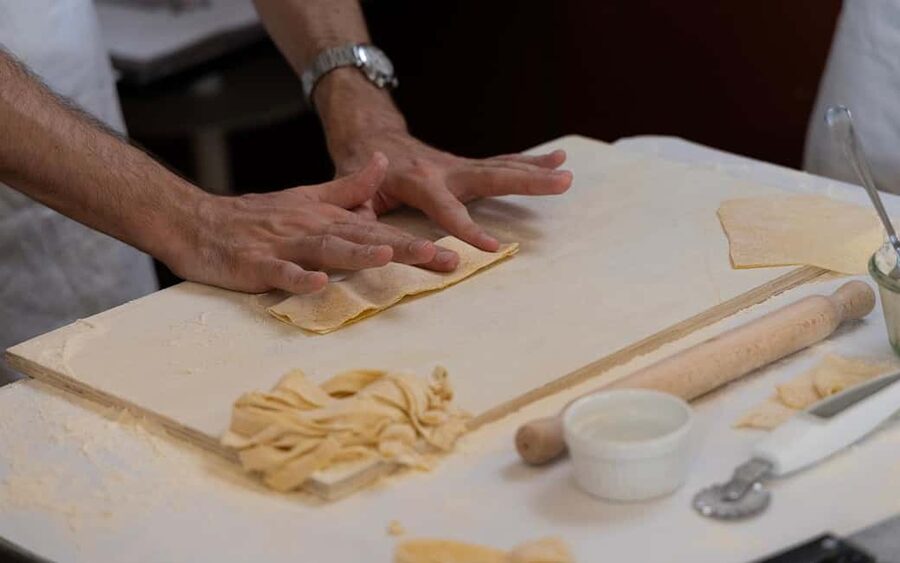
After the cooking, you sit down and eat the food you made. I like this structure because the meal has a clear purpose: you are not simply handed a plate of pasta at the end. You have watched the process, handled the dough, and then tasted the result.
The included meal consists of your fettuccine with the selected sauce, ravioli with butter and sage, and tiramisu. Water is included, along with either a glass of Italian wine or a non-alcoholic beverage. You also receive limoncello or coffee.
Limoncello is a particularly nice finish after a pasta-heavy meal. It gives the meal a distinctly Italian closing note, though coffee is the better choice if you do not drink alcohol. Additional food and drinks are not included, so anything beyond the stated beverages costs extra.
The dining portion appears to be part of the restaurant rather than a separate formal tasting. One participant wished the chef had sat down and enjoyed the meal with the group. That is a fair expectation to manage. The chef may remain involved in serving and checking on the class, but you should not assume the instructor will join your table for the entire meal.
The quality of the finished food receives strong praise. Participants describe the pasta and tiramisu as delicious, and one home cook said the pasta was better than what they usually make at home. That is encouraging, but your result will depend partly on how carefully you follow the instructions and how quickly your group works.
Still Rome, but a slower afternoon:
- Vatican: Museums & Sistine Chapel Entrance Ticket
★ 4.5 · 144,003 reviews - Vatican Museums & Sistine Chapel Tour with Optional Basilica
★ 4.3 · 67,413 reviews - Colosseum, Roman Forum & Palatine Guided Tour
★ 4.7 · 63,148 reviews - Vatican Museums, Sistine Chapel & St Peter’s Basilica Guided Tour
★ 4.5 · 39,149 reviews
A social class, not a private kitchen lesson
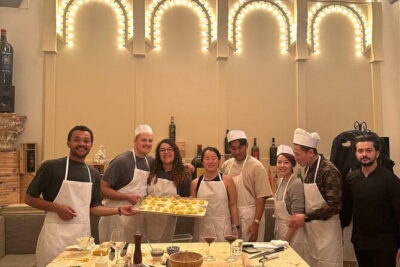
The class is built around shared activity. You meet people from different countries, work beside them, and eat together afterward. Several participants enjoyed making friends during the session, and one described the group as a highlight of the experience.
Group size can matter. A session of about 19 people is lively, but the chef cannot spend ten uninterrupted minutes with each participant. The instructors compensate by moving around the room, checking individual dough, and helping anyone who falls behind. If you want detailed one-on-one coaching, a smaller or private class would suit you better.
I would book this for couples, friends, families with older children, and solo visitors who enjoy meeting people. It also works well for a birthday or anniversary. One couple used the class to celebrate a 30th birthday, while another family found that even skeptical teenagers enjoyed it.
Children under four are not allowed. Older children and teenagers may enjoy it, but they need to be comfortable following instructions and taking part in a group activity. One family successfully included participants ranging from teenagers to someone in their eighties, so the age range can be broad.
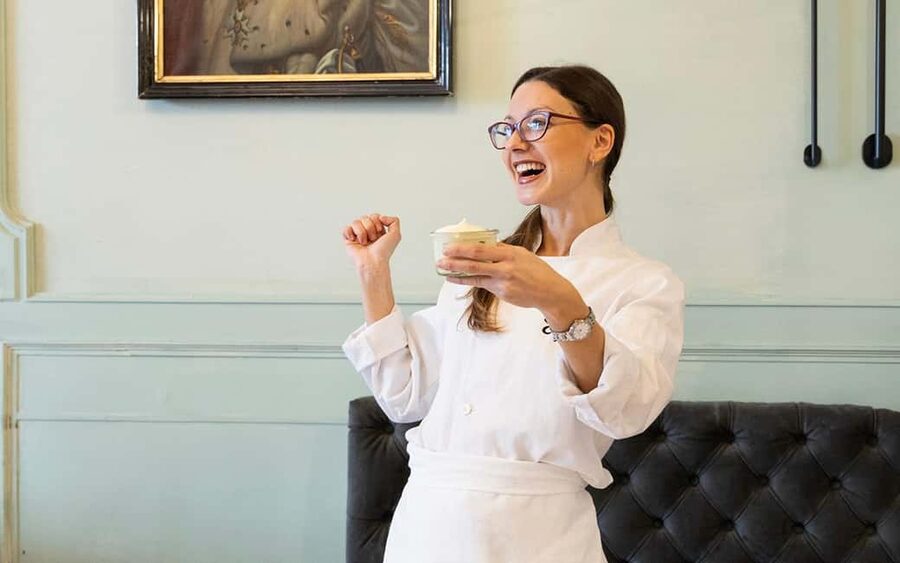
The tone is usually playful. Chefs such as Mimi, Tommy, Carlotta, and Lori have been praised for humor, warmth, and energy. That helps when the dough refuses to cooperate, which it occasionally does for everyone.
Timing, location, and useful planning tips
The meeting point is Restaurant Gusto at Via Giuseppe Zanardelli 14. It is in central Rome, making this easy to combine with sightseeing in the historic center. The exact starting time varies, so check the available session before you build the rest of your day.
I would arrive with enough time to find the restaurant. The supplied information gives the address but does not specify a separate transport service or a detailed arrival procedure. If you are coming from another part of Rome, build in a little cushion rather than aiming to arrive at the last second.
The class is listed as wheelchair accessible. That is useful, though the information does not describe the exact workspace or table arrangement. If you use a wheelchair and need a particular setup, it is sensible to confirm the details when booking.
Wear clothes you do not mind cooking in. No special equipment is listed, and the class provides the cooking instruction and meal. Pets are not allowed.
The workshop is available with free cancellation up to 24 hours before the start time for a full refund. You can also reserve now and pay later, which helps if your Rome schedule is still changing. These terms are practical, but check the current booking conditions before you finalize your plans.
Is $81 a fair price?
At $81, this is not the cheapest meal in Rome. You can eat a plate of pasta for far less. The comparison is not quite fair, though, because this price includes a three-hour activity, instruction from an English-speaking Italian chef, three preparations, your finished meal, wine or a non-alcoholic drink, limoncello or coffee, and water.
I consider it good value if you want a memorable activity as well as lunch or dinner. The class gives you skills you can use at home, particularly the dough method, ravioli shaping, sauce pairings, and seasonal filling ideas.
The value drops if you mainly want a quiet meal or a polished cooking demonstration. You will spend time mixing, kneading, waiting, and keeping pace with other people. You also pay for the social setting and teaching, not just the ingredients.
One participant called the price very fair, and another described the class as great value for money. I agree, with one condition: book it because you want to cook. If you are only interested in eating, a Rome trattoria will be simpler and cheaper.
What could be better
The most important drawback is pace. With several dishes to prepare, the workshop has a lot to cover. One participant felt rushed while doing everything, and another described the session as closer to two hours. If your dough needs extra attention, you may need to work quickly to stay with the group.
A printed recipe sheet would also improve the experience. Some people received recipes, but this was not consistent in the information provided. Since you may want to make the dishes at home, ask for the recipes or take notes as the chef works.
The included wine is another small variable. One participant found the white wine warm. That is not a deal breaker, but it reminds you that this is a group restaurant experience, not a wine tasting.
Finally, the chef may not sit with you during the meal. You still get to eat the food you prepared, but the final dining period may feel more like restaurant service than a shared chef-led dinner.
These are modest concerns beside the overall strengths. The class is well organized, the instructors receive unusually consistent praise, and the food gives you a satisfying reward for the work.
Who should book this experience?
I would book this if you want a break from museums and churches, enjoy practical activities, or like the idea of meeting people over a shared meal. It is especially suitable for couples, families with older children, birthday celebrations, and friends who want something more memorable than another restaurant reservation.
I would hesitate if you dislike group instruction, have very limited time, or want a highly detailed lesson on regional pasta traditions. The workshop teaches useful basics, but it aims for fun, food, and participation rather than professional culinary training.
For most visitors, the combination works. You make fettuccine, ravioli, and tiramisu, eat all three, and leave with techniques you can try at home. That is a satisfying way to spend part of a Rome day, especially when chefs such as Lori, Tommy, Mattia, Mimi, Leo, and Carlotta bring the warm, encouraging style that this class needs.
FAQ
How long does the cooking class last?
The advertised duration is three hours. One participant described completing the experience in about two hours, so the exact length may vary by group and pace. Allow three hours when planning your day.
Where does the class meet?
The meeting point is Restaurant Gusto at Via Giuseppe Zanardelli 14 in central Rome.
Which dishes do I make?
You make fettuccine, ravioli, and tiramisu. The pasta is prepared from scratch with guidance from an English-speaking chef.
Which sauce can I choose for the fettuccine?
You can choose tomato and basil, cacio e pepe, or amatriciana. The ravioli is served with butter and sage.
Are drinks included?
Yes. The inclusions are a glass of wine or a non-alcoholic beverage, a glass of limoncello or coffee, and water.
Is the cooking class taught in English?
Yes. The listed instructor language is English.
Can children attend?
Children under four are not suitable for the experience. The information does not give a maximum age, and one reported group included teenagers and adults up to age 83.
Is the activity wheelchair accessible?
Yes, the experience is listed as wheelchair accessible. Pets are not allowed.
Can I cancel the booking?
You can cancel up to 24 hours in advance for a full refund. Reserve-now, pay-later booking is also available.
Recently added around Rome
- Palatine Hill and Roman Forum Tour with Fast-Track Entrance★ 4.2 · 417 reviews
- Tivoli: Villa D’Este & Villa Adriana Pass & App Audioguide★ 4.4 · 364 reviews
- From Rome: Villa D’Este & Villa Adriana Day Trip with Lunch★ 4.4 · 289 reviews
- Vatican Museums & Sistine Chapel Skip-the-Line Guided Tour★ 4.6 · 254 reviews
- Rome: The Three Tenors at St. Paul’s Church Concert Ticket★ 4.7 · 699 reviews
- Tivoli: Villa D’Este Entry Ticket and App Audio Guide★ 4.3 · 191 reviews
- Rome: Capitoline Museums and Centrale Montemartini Tickets★ 4.4 · 328 reviews
- Rome: St. Peter’s Basilica and Papal Tombs Guided Tour★ 4.6 · 477 reviews
Cooking Classes, compared.

3 in 1 Cooking Class near Navona: Fettuccine, Ravioli & Tiramisu
Read our review →
Florence Pizza or Pasta Class with Gelato Making at a Tuscan Farm
Read our review →
Pasta & Tiramisu Cooking Class with Unlimited Wine
Read our review →
Pizza-Making Workshop with Drink and Appetizer
Read our review →
Pasta & Tiramisu Class with Fine Wine by the Vatican
Read our review →
Cooking Class and Lunch at a Tuscan Farmhouse with Local Market Tour from Florence
Read our review →Browse the lists this tour appears in