Reviewed · TICKETS
Orvieto: Pozzo della Cava Entry Ticket
A cool, quiet slice of Orvieto lies below. I like the way Pozzo della Cava brings together Etruscan, medieval, and Renaissance remains in one compact visit, and I especially like that you can move at your own pace with clear explanations in Italian, English, and French. At about $5, it is also one of Orvieto’s easier cultural stops to fit into a busy day.
The main trade-off is size. You can see the underground complex in roughly 30 minutes, or take closer to an hour if you stop at every panel, so you should not expect a large archaeological attraction. It is on the far side of the old town from the Duomo, and there is no guided tour or app included.
In This Review
- Key Things to Know Before You Go
- What Pozzo della Cava Really Is
- Starting With Orvieto’s Oldest Water Well
- Three-Story Basements Beneath the Medieval Streets
- The Renaissance Changes in the Final Cave
- A Self-Guided Visit With Clear Explanations
- How Long You Need and When It Fits Best
- Location and the Walk Across Orvieto
- Is the $5 Ticket Worth It?
- Who Will Enjoy Pozzo della Cava Most?
- Practical Verdict: Add It If You Like Ancient Infrastructure
- FAQ
- How much does entry to Pozzo della Cava cost?
- How long does the visit take?
- Is Pozzo della Cava a guided tour?
- What languages are available?
- Is there a route for children?
- How many underground spaces can I see?
- What historical periods are represented?
- Can I cancel my booking?
Key Things to Know Before You Go
- Nine underground caverns: You move through a series of connected spaces beneath the Cava district, with each section showing a different period of Orvieto’s past.
- An Etruscan water source: The oldest part includes a cistern lined with cocciopesto, a waterproof plaster used in ancient construction.
- Twenty-eight centuries in one visit: The site preserves changes made from Orvieto’s Etruscan beginnings through the Middle Ages, Renaissance, and later periods.
- Self-guided and easy to follow: Signs in several languages explain the rooms, objects, and changing use of the caves.
- A useful hot-weather stop: The underground rooms offer a noticeably cooler break during Orvieto’s summer heat.
- Good value at $5: The visit is brief, but the price is low enough to make this an easy addition to a day in town.
What Pozzo della Cava Really Is
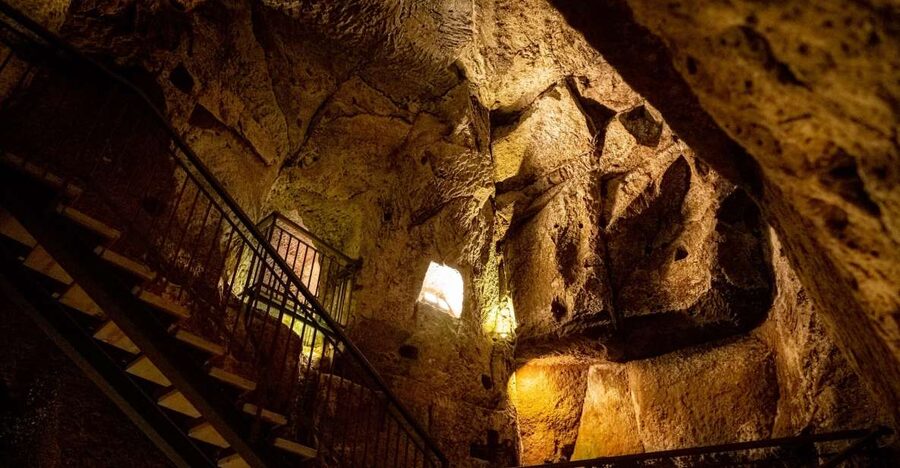
Pozzo della Cava is not simply a well with a staircase beside it. It is an underground complex beneath Orvieto’s medieval Cava neighborhood, made up of nine caverns that reveal how people used the space below their homes.
Orvieto is famous for its dramatic hilltop setting and medieval streets, but the story does not stop at street level. Beneath the old district, houses had deep basement areas cut into the volcanic stone. These spaces served practical needs over many centuries, including water storage, work areas, and other household uses.
The attraction gives you a close look at this buried side of the city. Rather than presenting one isolated monument, it shows how the underground rooms changed as Orvieto changed above them.
I find that idea more interesting than a simple archaeological display. You are not only looking at old objects. You are seeing the remains of ordinary infrastructure and domestic spaces that helped a city function.
A few more Italy bookings to compare
- Vatican: Museums & Sistine Chapel Entrance Ticket
★ 4.5 · 144,003 reviews - Milan: Cathedral and Duomo’s Terraces Entrance Ticket
★ 4.6 · 61,054 reviews - Venice: Doge’s Palace Reserved Entry Ticket
★ 4.6 · 42,716 reviews
Starting With Orvieto’s Oldest Water Well
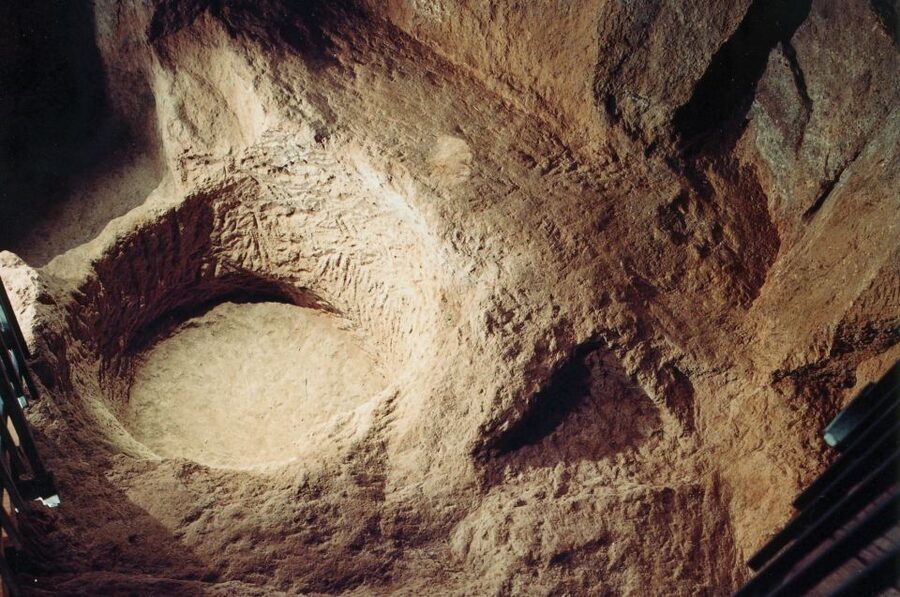
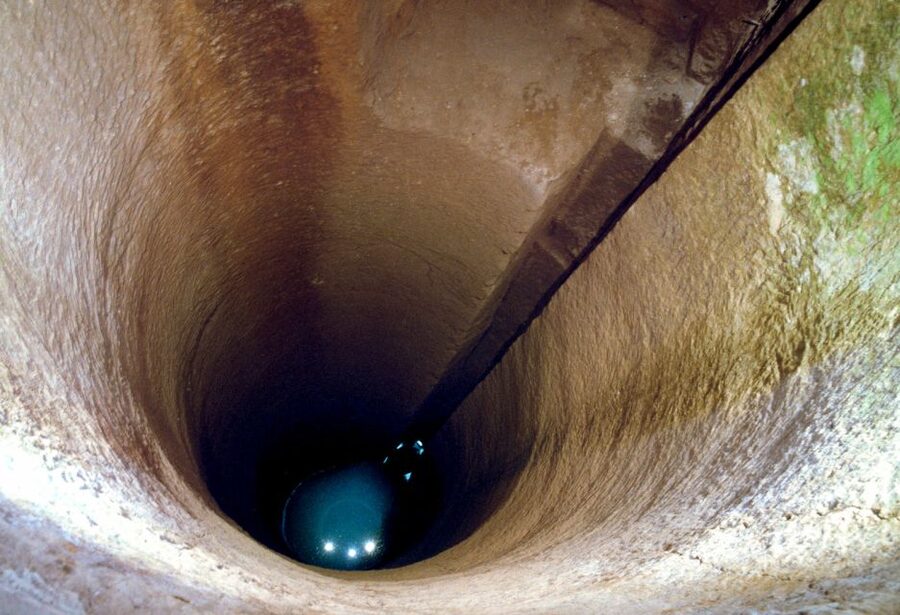
The first part of the visit focuses on the oldest section of Pozzo della Cava. Here you see the cistern with its cocciopesto lining, a practical ancient technique that helped make the structure waterproof.
This is where the Etruscan story comes into focus. The well is linked with Orvieto’s first spring water supply, and the site explains the ingenuity behind creating and preserving water sources beneath a settlement.
The setting helps you understand why underground construction mattered. On the surface, Orvieto’s medieval streets can feel tightly packed and difficult to read as a city plan. Below them, the well and cistern show how earlier inhabitants adapted to the stone and worked with the natural structure of the hill.
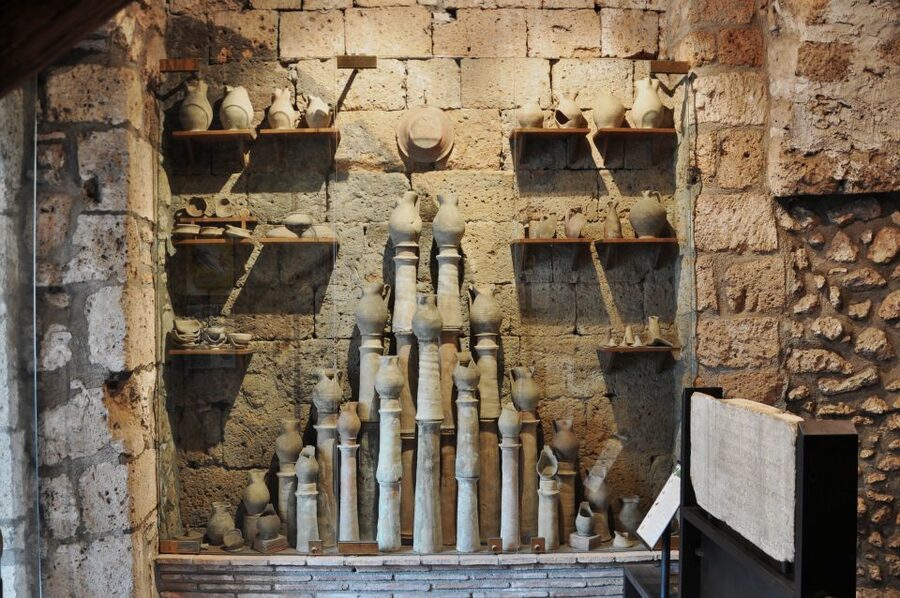
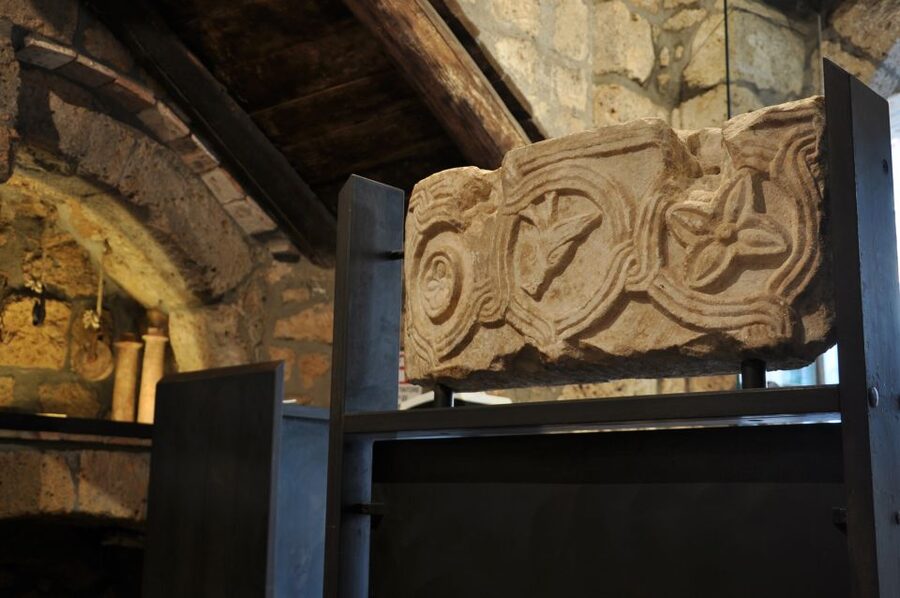
You may also find ancient Etruscan burial remains and other artifacts in this oldest section. They add human context to what could otherwise feel like a technical visit. A water cistern tells you how people solved a problem. Burial remains remind you that this was also a place tied to customs, beliefs, and daily life.
The explanations are important here because the rooms themselves can look plain at first glance. With the signs, you can understand what is original, what was added later, and why the construction methods mattered.
Three-Story Basements Beneath the Medieval Streets
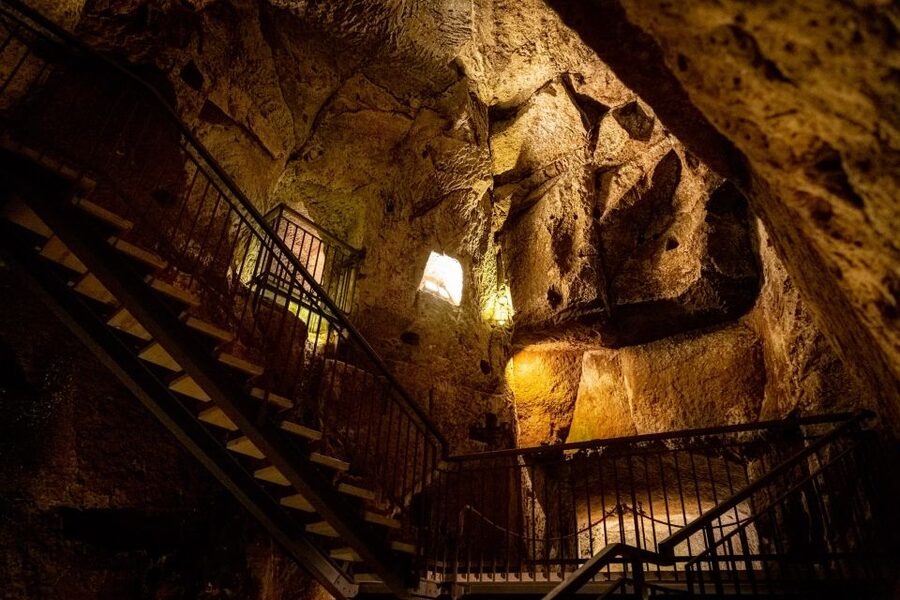
After the oldest section, the route leads into the underground maze associated with Urbs Vetus, the medieval name for Orvieto. This part shows the complexity of the houses above you, which could extend downward through three levels of basement space.
That is one of the most useful parts of the visit. It changes your sense of Orvieto’s old town. The medieval district was not just a collection of handsome façades and narrow lanes. Its homes had a second life below ground, with rooms carved into the stone and adapted across generations.
You can move from one cavern to the next without needing a guide to keep the story together. The panels provide enough background for a self-guided visit, and the route is clearly presented in Italian, English, and French.
If you enjoy architectural details, take time to notice how the underground rooms connect and how the spaces differ. The attraction is not polished into a modern museum setting. Its appeal comes from seeing the actual cuts, walls, and traces left by long use.
This is also where the attraction can feel most authentic. You are walking through spaces shaped by practical needs rather than through a reconstructed exhibit. Some rooms are small, and the route is not designed as a grand spectacle. That modest scale is part of its character, but it also explains why some people finish quickly.
The Renaissance Changes in the Final Cave
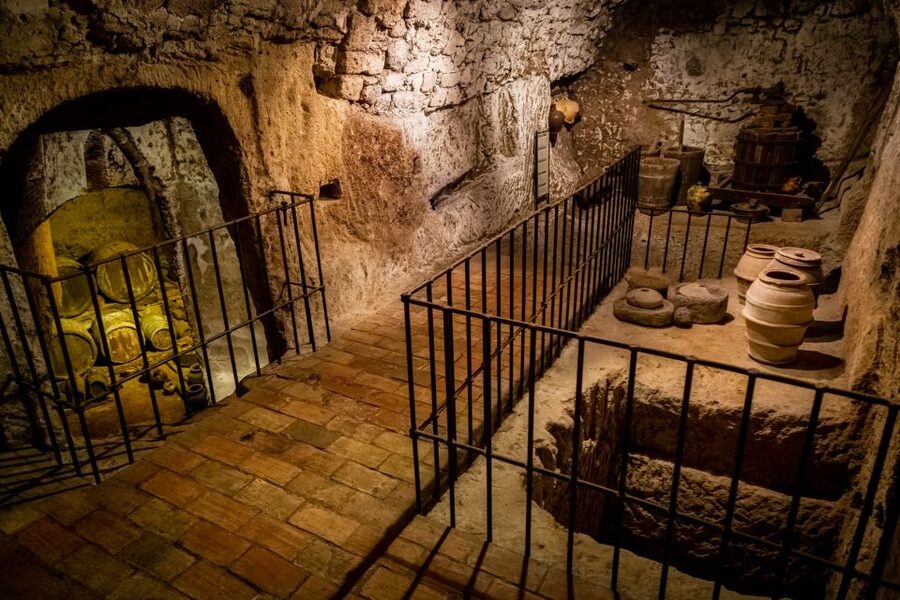
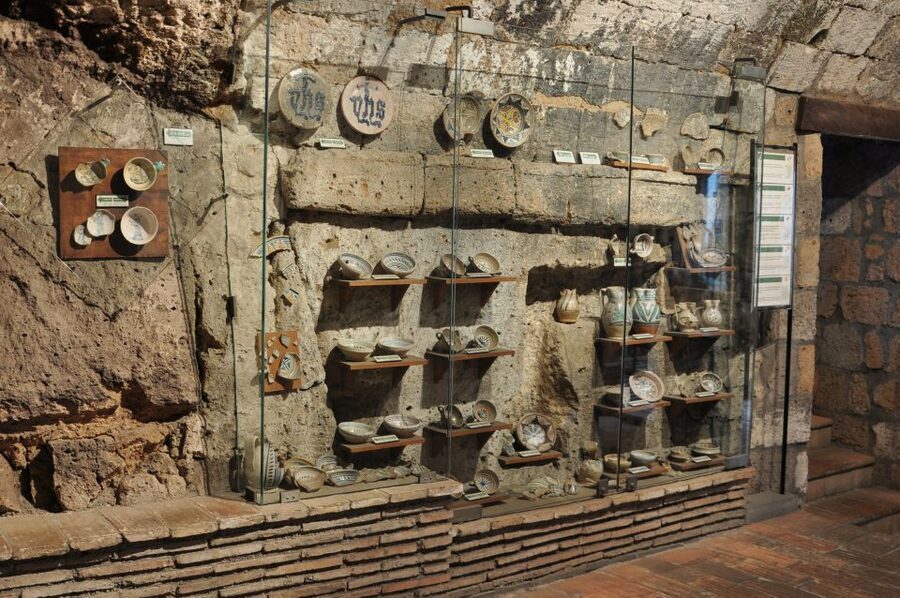
The final section presents the later development of Pozzo della Cava, including the most recent excavation work carried out during the Renaissance.
This last cavern helps complete the timeline. Instead of treating the Etruscan well as a frozen relic, the site shows that people continued to alter and use the underground areas long after the Etruscans were gone.
You can see traces of changes made over twenty-eight centuries. That long span is the strongest reason to pay attention to the displays. The value is not only in one spectacular object. It is in the layers: Etruscan engineering, medieval household spaces, and Renaissance modifications occupying the same underground setting.
The final room also gives the visit a natural ending. By this point, you have moved from the original water source through the medieval basement maze and into later alterations. The route reads almost like a compact history lesson in stone.
I would not rush this part. The site takes little time overall, but the final cavern is where the full story comes together. If you only glance at the signs, you may leave thinking you saw a few caves. If you read them, you gain a much clearer picture of how Orvieto developed.
Still Italy, but a slower afternoon:
- Vatican Museums & Sistine Chapel Tour with Optional Basilica
★ 4.3 · 67,413 reviews - Colosseum, Roman Forum & Palatine Guided Tour
★ 4.7 · 63,148 reviews - Vatican Museums, Sistine Chapel & St Peter’s Basilica Guided Tour
★ 4.5 · 39,149 reviews - Rome: Colosseum, Palatine Hill and Roman Forum Guided Tour
★ 4.8 · 32,814 reviews
A Self-Guided Visit With Clear Explanations
Pozzo della Cava does not include a guided tour. There is no guide leading a group and no app mentioned as part of the experience. Instead, you follow the route yourself and use the written panels to understand each section.
For many people, that is an advantage. You can stop when something interests you, move on when a room feels familiar, and avoid being tied to a fixed group pace. One person can finish in about 30 minutes, while another can take closer to an hour by reading more carefully.
The signs are available in Italian, English, and French. The English explanations are especially useful because the attraction depends on context. Without them, the caverns and artifacts would be harder to place in time.
The child-friendly itinerary is another practical feature. Younger children may not want to read every historical panel, but the special route gives families a way to make the visit more approachable. The underground setting itself can also hold a child’s attention better than a conventional display room.
You should keep your expectations realistic. This is a quiet, self-directed stop, not a theatrical performance or a full guided archaeological tour. If you want detailed interpretation from a specialist, this ticket will not provide it. If you prefer freedom and a short visit, the format works well.
How Long You Need and When It Fits Best
The ticket is valid for one day, but the time needed inside the complex is much shorter. Plan on around 30 minutes for a straightforward walk-through, or up to an hour if you read the signs and pause at the points of interest.
That makes Pozzo della Cava easy to combine with Orvieto’s other sights. You can place it between meals, after a walk through the Cava district, or during a break from the main monuments.
The cooler underground temperature is a real benefit in summer. Several visitors specifically appreciated getting out of the heat, and that makes the attraction more useful during a hot afternoon than its small size might suggest.
An early visit may offer the calmest experience. A Saturday morning around 10:30 was reported as quiet, and another visit first thing in the morning had no line. Conditions can change, but the attraction is generally short enough that you are unlikely to lose a large part of your day waiting.
You may not need to reserve far ahead during a quiet period. Still, advance booking gives you flexibility, especially since the ticket allows cancellation up to 24 hours before the visit for a full refund and offers a reserve-now, pay-later option.
Location and the Walk Across Orvieto
Pozzo della Cava is in the Cava neighborhood, on the far side of Orvieto’s historic center from the Duomo. It is still close enough to reach on foot, but you should not confuse it with another underground experience near the cathedral.
That distinction matters. One visitor expected the larger underground cave tour near the Duomo and found Pozzo della Cava much smaller. The two experiences can be visited separately, but they are not the same attraction.
The walk to Pozzo della Cava can be part of the pleasure. Orvieto’s old town is compact enough for exploring on foot, and the route takes you into one of the city’s oldest districts. At the same time, if your schedule is already packed around the Duomo, you should decide if the extra walk is worth a half-hour stop.
I would include it when you are already exploring the Cava neighborhood. I would be less likely to cross town for it if you have only a few hours in Orvieto and still want to see the cathedral, local streets, and other major sights.
Is the $5 Ticket Worth It?
At $5 per person, Pozzo della Cava offers strong value, provided you understand what you are buying.
You are paying for access to a genuine underground archaeological complex, not for a long guided program. The ticket includes the entrance, multilingual explanations, and a special itinerary for children. It does not include a guide, transport, or a separate underground tour.
The short duration is the main limitation. If you judge attractions by the number of hours they occupy, this one may seem minor. If you judge by the amount of history packed into a low-cost stop, it makes good sense.
I especially like that the visit offers more than one period. A single Etruscan well might be interesting for ten minutes. Nine caverns, medieval basements, Renaissance changes, and preserved objects give you enough variety to justify the admission.
The price also makes the decision easy for families and budget-minded visitors. You are not making a major financial commitment, and the visit does not require half a day. If you are curious about how Orvieto works beneath the streets, the cost is modest.
Who Will Enjoy Pozzo della Cava Most?
I would recommend this attraction to you if you enjoy archaeology, old construction methods, and the less polished side of historic cities. It is also a good choice if you want a short cultural stop with clear English information.
Families can benefit from the child-friendly route, while independent visitors will appreciate the freedom to set their own pace. The cool interior is useful for anyone seeking relief from summer heat.
You may be less satisfied if you want a large site with many rooms, a live guide, or a dramatic presentation. The attraction is small and self-guided. One visitor felt there was much more to see elsewhere in Orvieto, and that is fair advice if you have limited time.
I would also think carefully about mobility needs before booking. The information provided describes a route through underground caverns, but it does not give specific accessibility details. Contacting the site directly would be sensible if stairs, narrow passages, or uneven surfaces could affect your visit.
Practical Verdict: Add It If You Like Ancient Infrastructure
Pozzo della Cava gives you a different view of Orvieto. Above ground, you see the medieval town. Below ground, you find the water systems, work spaces, burial traces, and structural changes that helped shape it over twenty-eight centuries.
I like its excellent low price, its clear multilingual panels, and its ability to show several historical periods without taking much time. I also like that you can pause and reflect rather than being hurried through with a group.
Book it if you are already heading toward the Cava neighborhood, have an interest in Etruscan engineering, or need a cool and inexpensive stop. Skip it if your Orvieto schedule is extremely tight or you want a full guided underground tour. For most visitors with an extra 30 to 60 minutes, the ticket is an easy yes.
FAQ
How much does entry to Pozzo della Cava cost?
The listed price is $5 per person.
How long does the visit take?
A typical visit takes about 30 minutes, although you might spend up to an hour if you read all the explanations and stop at the main points of interest.
Is Pozzo della Cava a guided tour?
No. The ticket provides entry to a self-guided underground complex. A guided tour is not included.
What languages are available?
Explanations are available in Italian, English, and French.
Is there a route for children?
Yes. A special child-friendly itinerary is included.
How many underground spaces can I see?
The complex contains nine caverns.
What historical periods are represented?
The site includes Etruscan, medieval, and Renaissance remains, along with traces of later changes made across twenty-eight centuries.
Can I cancel my booking?
Yes. You can cancel up to 24 hours in advance for a full refund. A reserve-now, pay-later option is also available.
Recently added around Italy
- Florence Uffizi Gallery monolingual Small Group Tour★ 4.0 · 621 reviews
- Florence Private Walking tour with Skip-the-line to Accademia★ 4.5 · 236 reviews
- Uffizi Gallery Entrance Ticket with Priority Access★ 3.5 · 1,029 reviews
- Florence Skip-the-Line Duomo Tour with Guide & Brunelleschi Dome★ 5.0 · 1,176 reviews
- Skip-the-Line Accademia Guided Visit: David Secrets and Beyond★ 4.0 · 525 reviews
- Priority Entrance : Florence Accademia Gallery Timely Tickets★ 4.0 · 603 reviews
- Skip the line : David Guided Experience★ 4.5 · 1,076 reviews
- Private Tour in Siena, San Gimignano and Chianti Day Trip from Florence★ 5.0 · 405 reviews
Tickets, compared.

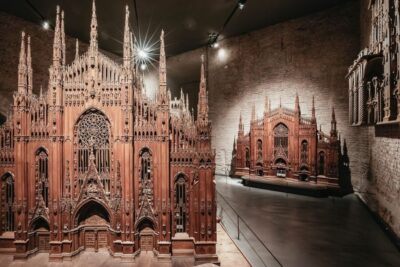
Cathedral and Duomo’s Terraces Entrance Ticket
Read our review →

Skip-The-Line Uffizi Gallery Timed Entry Ticket
Read our review →
Naples Underground Entry Ticket and Guided Tour
Read our review →
Pantheon Fast-Track Ticket and Official Audio Guide
Read our review →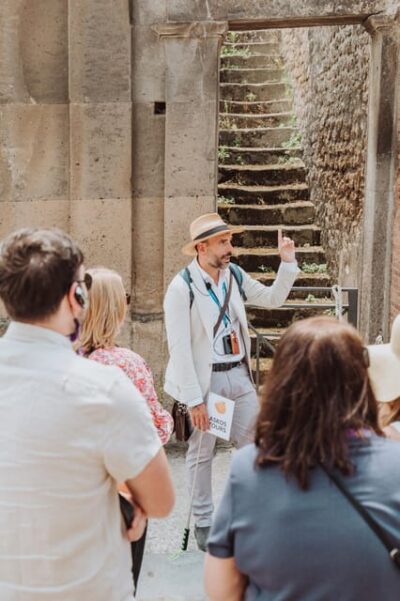
Entry Ticket and Guided Tour with an Archaeologist
Read our review →