
Reviewed · MILAN TOURS
Milan: “Museo Teatrale Alla Scala” Guided Tour
Opera does not get more Milanese than La Scala. This 90-minute guided visit brings you into one of Italy’s best-known opera houses, then adds the La Scala Museum’s costumes, instruments, portraits, and stage designs. I especially like the central location beside the Duomo and Galleria Vittorio Emanuele II, plus the chance to see the theater from inside rather than simply admire its famous name. The main consideration is access: rehearsals and private events can limit the visit to the museum.
The guides are the real strength. Names praised repeatedly include Fabio, Simone, Lorella, Chiara, Giorgio, Silva, and Alice, with visitors describing them as warm, witty, passionate, and full of useful facts. I also like that the tour works for more than opera experts. Families with children as young as seven and ten found it engaging, while serious music fans appreciated the stories about Verdi, Callas, Pavarotti, Rossini, and the work behind the curtain.
At $44 per person, this is not a cheap museum admission. Still, the price includes entry, a live guide, and headsets, and the tour can make a short visit feel far more meaningful. If you only want to walk through a museum at your own speed, it may feel costly. If you want the building and its people explained properly, the fee is easier to justify.
In This Review
- Key points to know before you go
- Starting beside the Duomo and Galleria
- Inside La Scala: an intimate opera house
- The musicians who give La Scala its meaning
- The La Scala Museum: costumes, instruments, and stagecraft
- Rehearsals: a lucky extra, not a promise
- Why the 90-minute format works
- Is $44 a fair price?
- Who should book this La Scala tour?
- Practical details that affect your visit
- Final verdict: book it for the stories
- FAQ
- Where does the La Scala Theatre and Museum tour meet?
- How long does the guided tour last?
- Is entry to both the theater and museum included?
- Can I see a rehearsal during the visit?
- Is the tour wheelchair and stroller accessible?
- What languages are available?
Key points to know before you go
- Theater access can change: Rehearsals and private events may mean you see only the museum, so do not book this expecting a guaranteed look inside the auditorium.
- The museum adds the human story: Costumes, instruments, set designs, paintings, and private artifacts give context that the grand interior alone cannot provide.
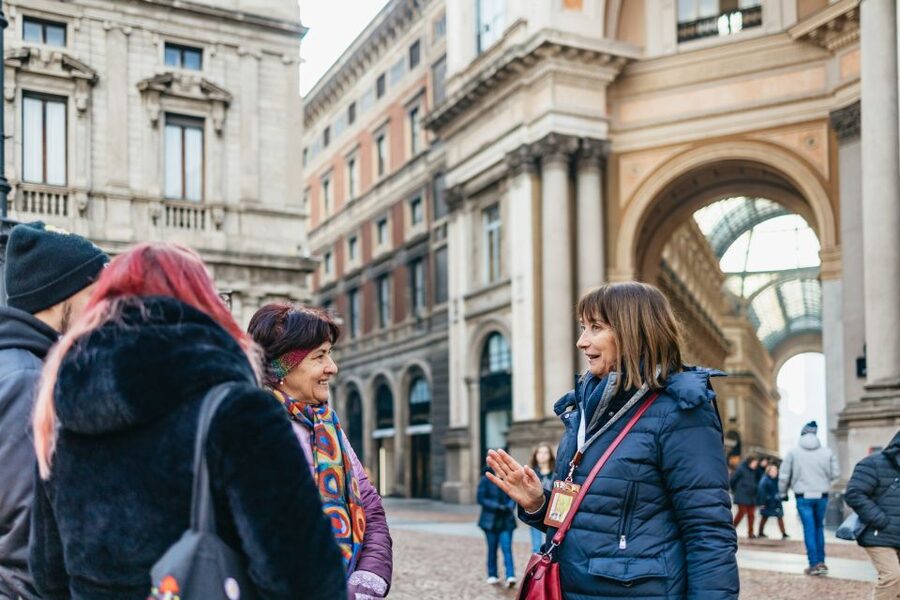
- Guides receive unusually strong praise: Fabio, Simone, Lorella, Chiara, Giorgio, and others are noted for clear English, humor, opera expertise, and personal attention.
- A small group can feel almost private: Several bookings had only two to five people, making it easy to ask questions and follow individual interests.
- The location is ideal for sightseeing: The meeting point is directly at the La Scala Museum entrance, a few steps from Milan Cathedral and the Galleria.
- Pack light: Large backpacks and bags must go into the cloakroom, and oversize luggage is not allowed.
Starting beside the Duomo and Galleria
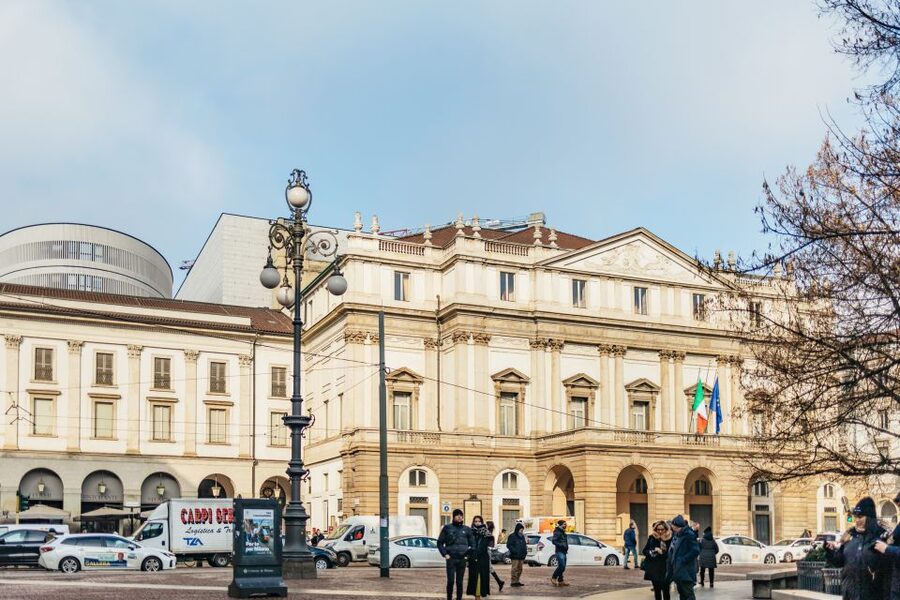
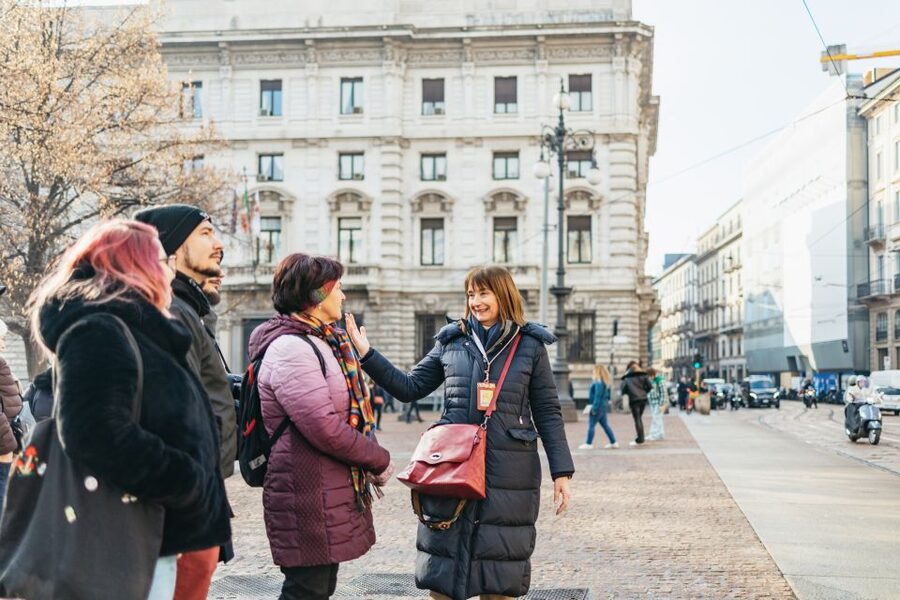
The meeting point is in front of the entrance to the La Scala Theatre Museum. Look for a guide holding the Hidden Experiences purple flag or board. There is no hotel pickup, so plan to reach the theater yourself.
This is one of the easiest cultural stops to add to a Milan walking day. La Scala sits in the heart of the city, only a short walk from the cathedral and the Galleria Vittorio Emanuele II. You can pair the tour with the Duomo, a look beneath the Galleria’s glass roof, or an afternoon stroll through central Milan without spending time on a long transfer.
Several guides begin outside by explaining the neighborhood and the theater’s place in Milan. That short introduction matters. La Scala is not an isolated monument sitting apart from city life. Its setting, its public image, and its links with Milanese culture help explain why the theater has mattered for generations.
Arrive with only what you need. Large bags and backpacks must be checked into the cloakroom, and oversize luggage is not allowed. The theater and museum are accessible to wheelchairs and strollers, which makes this a practical choice for families and people with limited mobility.
A few more Milan bookings to compare
- Milan: Cathedral and Duomo’s Terraces Entrance Ticket
★ 4.6 · 61,054 reviews - Milan: Da Vinci’s Last Supper Guided Tour
★ 4.7 · 10,143 reviews - Milan: Science and Technology Leonardo da Vinci Museum Entry
★ 4.5 · 7,169 reviews
Inside La Scala: an intimate opera house
The theater’s exterior can seem surprisingly restrained. Do not expect a huge palace-like façade to announce what is inside. Several visitors were struck by the contrast between the simple outside appearance and the elegant auditorium within.
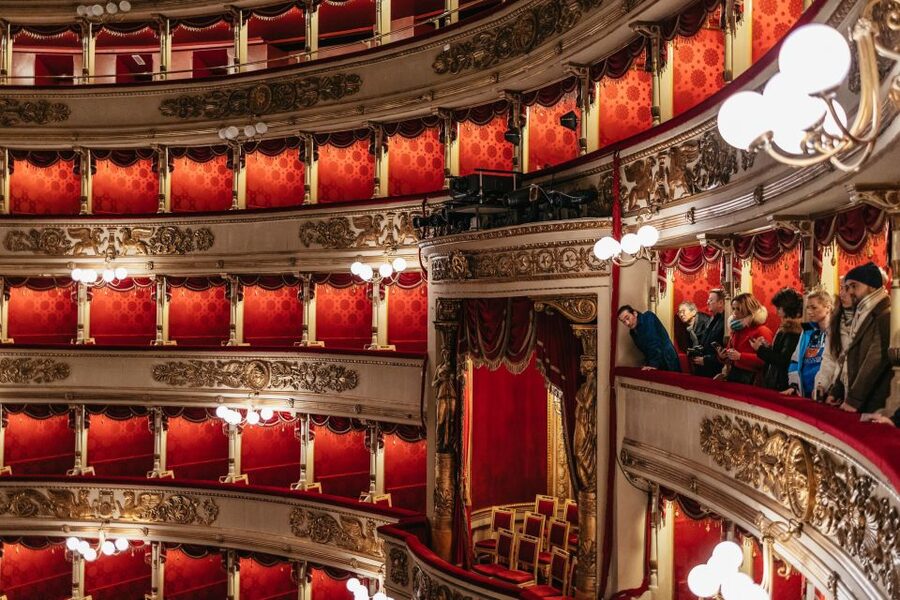
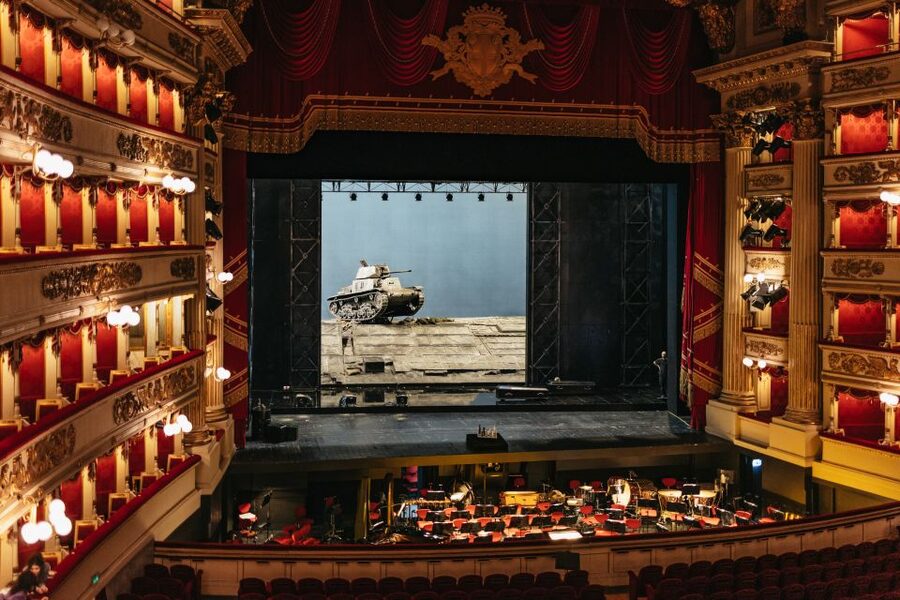
The interior is the visual center of the visit. Your guide discusses the design and points out details that are easy to miss if you enter alone. The theater has an intimate feel, even though its name carries worldwide weight. That closeness is part of its appeal: you are not simply looking at a grand room, you are considering how singers, musicians, and audiences share the same performance space.
Depending on the day, you may be taken into one of the theater boxes. A box gives you a different sense of the auditorium than a standard view from the floor. One guide explained the special character of the boxes, while another group was able to enter normally closed rooms. These moments are not promised, but they show why a guided visit can offer more than a quick look from a public gallery.
Use the word may carefully here. La Scala remains a working theater, not a permanently open museum display. Rehearsals, performances, maintenance, and private events can affect which rooms are available. In some cases, the visit is limited to the museum. That is the one meaningful uncertainty attached to the tour.
The musicians who give La Scala its meaning
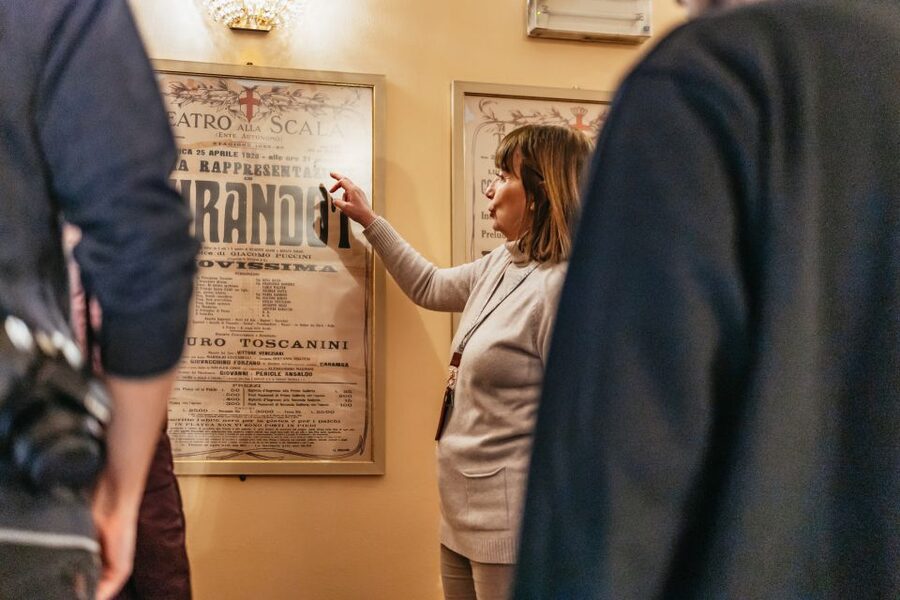
A theater can be beautiful and still feel empty if you do not know who performed there. The guide connects the room to major figures including Giuseppe Verdi, Gioachino Rossini, Luciano Pavarotti, and Maria Callas.
You will hear about opera singers, composers, and performers who shaped La Scala’s reputation. The strongest guides do more than list names. They explain how the institution developed, how performers influenced its public identity, and how the theater continues to function as a living arts venue.
That storytelling is why I would choose a guided tour over wandering through the museum without help. A portrait or costume has limited meaning on its own. Once a guide connects it to a performance or a person, the object becomes easier to remember.
The best feedback centers on guides who combine facts with personality. Simone is praised for clear explanations and an engaging manner. Fabio is repeatedly described as passionate and easy to follow. Lorella receives special praise for humor, warmth, and close attention to questions. Chiara is noted for explaining art details, while Giorgio is praised for making the subject accessible to a family group.
English is available, along with French, Italian, German, and Spanish. One visitor specifically appreciated taking the tour in Spanish. If language comfort matters to you, select the language that lets you ask questions freely and follow references to opera and music.
The La Scala Museum: costumes, instruments, and stagecraft
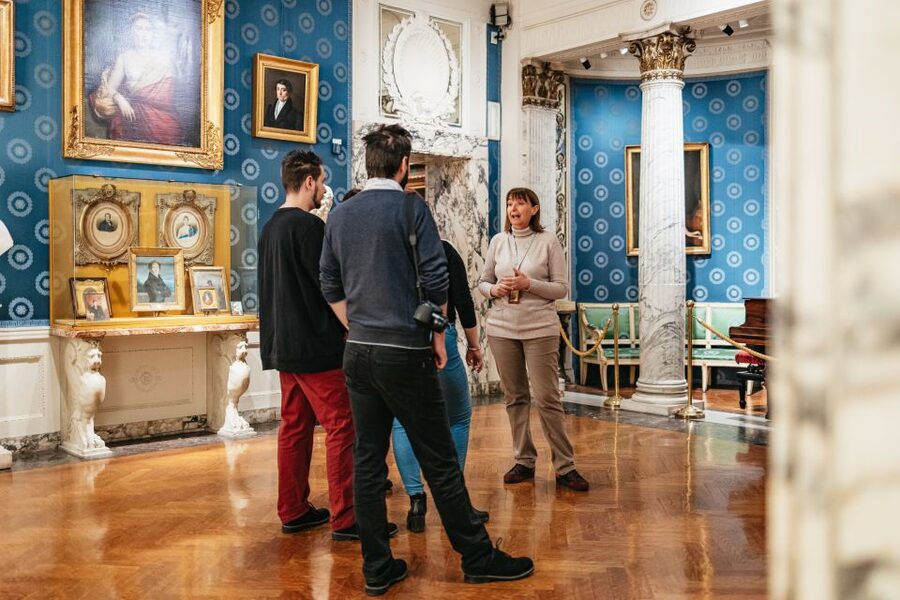
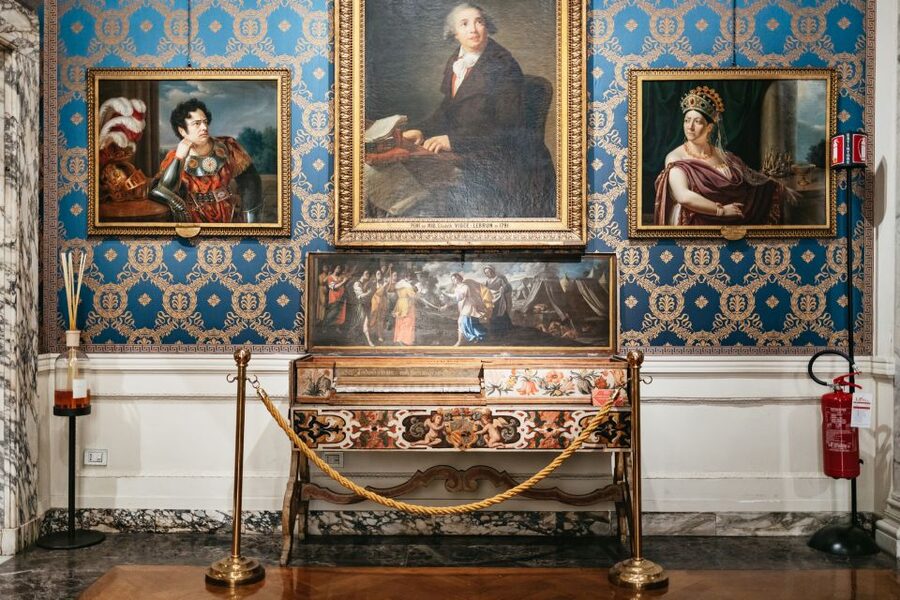
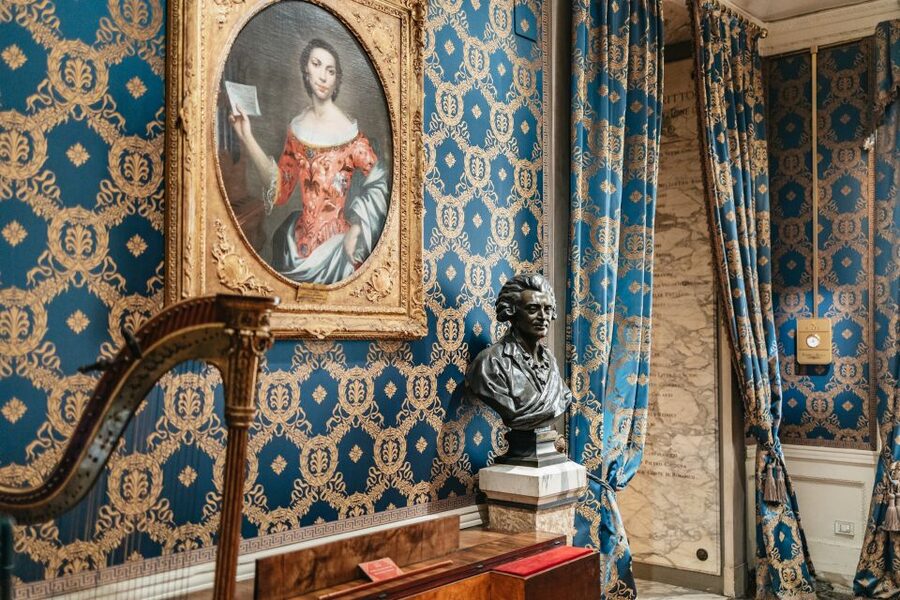
The museum is not just a collection of decorative objects. It gives you the practical side of theater, the work that turns music into a full production.
Expect displays that include:
- Costumes from major performances
- Set designs and theatrical models
- Musical instruments
- Portraits and paintings
- Sculptures
- Private artifacts connected with the theater and its performers
The costumes help you think about opera as a visual art, not only a musical one. Set designs show how productions create a sense of place before a singer delivers a single line. Instruments connect the museum to the sound produced inside the auditorium.
A few details mentioned by visitors give the museum extra appeal for music fans. One person singled out a Liszt piano. Another admired ballet costumes and sculptures. These are the kinds of objects you might pass quickly on a self-guided visit, especially if you do not already know their importance.
The museum also helps make the tour worthwhile when the auditorium is unavailable. If a rehearsal or private event closes parts of the theater, the collection still offers a substantial visit. It cannot fully replace seeing the auditorium, but it keeps the experience from becoming a complete disappointment.
Still Milan, but a slower afternoon:
- Milan: City Sightseeing Hop-On Hop-Off Bus with Audio Guide
★ 4.0 · 6,256 reviews - Milan Cathedral: Duomo Terraces Ticket (No Church Access)
★ 4.6 · 6,111 reviews - Milan: Milan Cathedral Direct Entrance – Terrace Excluded
★ 4.5 · 5,782 reviews - Milan: Guided Walking Tour & Last Supper Visit with Ticket
★ 4.7 · 5,409 reviews
Rehearsals: a lucky extra, not a promise
The most memorable moments can come when La Scala is working rather than posing for photographs. Several groups happened to see an orchestra, opera, or ballet rehearsal for a few minutes from a theater box or another viewing area.
One person watching a ballet rehearsal described it as an unexpected glimpse into the theater’s real life. Another group saw actors practicing for an opera. In one unusual case, a visitor whose museum tour coincided with a rehearsal received a voucher to return to the theater later.
Treat this as a bonus. The tour does not promise rehearsal access, and the schedule depends on the theater’s operations. You might see the auditorium prepared for a performance, hear music from a rehearsal, or find that only the museum is open for your visit.
That uncertainty is worth accepting because it reflects the building’s actual role. La Scala is still a functioning theater. Its schedule is not arranged solely around sightseeing. If you happen to hear musicians or see performers at work, you are catching a small piece of the institution as it operates.
Why the 90-minute format works
The duration is about 1.5 hours, long enough to cover both the theater and museum without turning into an exhausting lecture. Families found the pace manageable, including one group with a seven-year-old and a ten-year-old.
A shorter visit would risk becoming a photo stop. A much longer one could test the patience of anyone who does not already love opera. Ninety minutes gives the guide time to explain the building, performers, backstage work, and museum objects while keeping the outing compact enough to fit into a busy Milan schedule.
The quality depends heavily on the guide. A strong guide adjusts the explanation to the group, answers questions, and adds humor. A group of two or four can ask more questions than a large crowd, and several small bookings felt almost like private tours.
Private groups are available if you want a more personal format. The standard tour may also turn out to be very small, but group size can vary. If you are traveling with children or have a particular interest in architecture, ballet, instruments, or opera singers, a private option could make it easier to shape the conversation.
Headsets are included to help you hear the guide clearly. They are most useful in larger groups or inside a large room where sound can carry unevenly. In very small groups, some people found the setting intimate enough to hear without much amplification, but the headsets remain a practical inclusion.
Is $44 a fair price?
At $44, I would judge this as a paid cultural tour rather than a basic museum visit. You are paying for three things: admission, access to a guide who can interpret the building, and the possibility of seeing parts of the theater that are not obvious to someone walking through alone.
The value is strongest if you care about music, architecture, theater, or Milanese culture. A guide can explain the objects, introduce the major performers, and point out details in the auditorium. That context is the difference between looking at a costume and understanding why it belongs in the collection.
The value is less certain if you simply want to see a famous room and take a few photos. Since the theater may be closed for rehearsals or private events, you could end up paying the same fee for a museum-centered visit. The museum is worthwhile, but you should be comfortable with that possibility before booking.
Compared with buying a ticket for an opera or ballet performance, the tour is a much less expensive way to enter the world of La Scala. It does not reproduce the sensation of attending a performance, of course. It does give you access to the institution, its stories, and its objects without committing to an evening schedule or a costly seat.
The overall rating is 4.6 from 2,513 reviews, and the pattern of praise is consistent: guide quality, clear historical explanation, personal attention, and the beauty of the theater. That consistency makes the price easier to defend, especially for first-time visitors to Milan.
Who should book this La Scala tour?
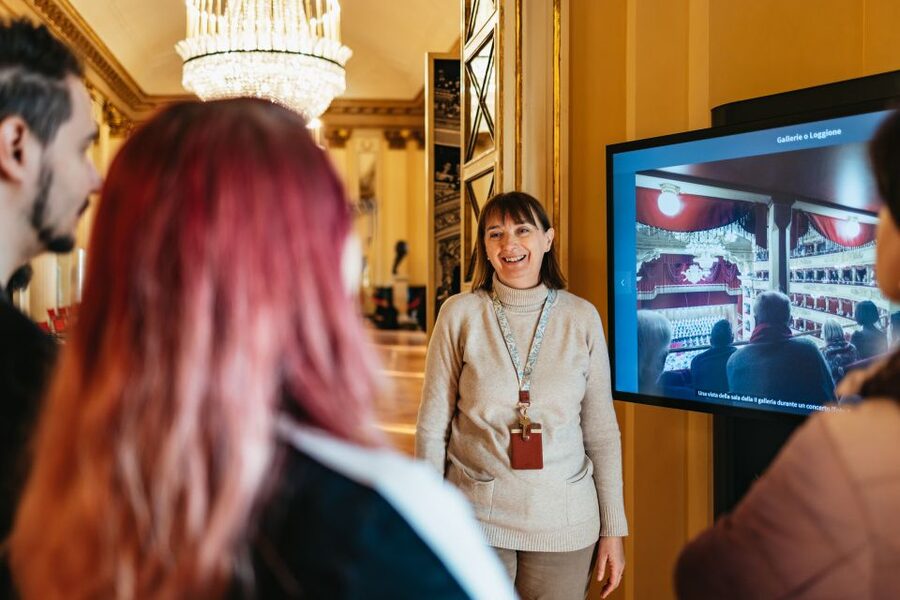
I would recommend it most strongly to:
- First-time visitors who want a cultural stop near the Duomo
- Opera, ballet, classical music, and theater fans
- People who want historical context rather than a silent museum walk
- Families with older children and teenagers
- Visitors who cannot attend a full La Scala performance
- Anyone interested in costume, stage design, architecture, or backstage work
You do not need to know opera in advance. The guides are praised for making the subject clear and entertaining. Children may not care about every composer’s name, but the theater’s costumes, boxes, stories, and working rehearsals can hold their attention.
I would be more cautious if your schedule is extremely tight or if seeing the auditorium is your only reason for booking. The tour lasts 90 minutes, and theater access is subject to change. You should view the museum as a major part of the experience, not a backup with no value.
Book the tour if you want La Scala explained by someone who cares about it. The repeated praise for guides such as Fabio, Simone, Lorella, Chiara, and Giorgio is important because this experience rises or falls on storytelling. The building is impressive, but the right guide gives it a voice.
Practical details that affect your visit
The tour is wheelchair and stroller accessible. Large bags and backpacks must be left in the cloakroom, so arrive without bulky luggage. Hotel pickup and drop-off are not included.
You can cancel up to 24 hours before the activity for a full refund, and the reserve-now, pay-later option lets you keep your plans flexible. Starting times vary, so check availability when selecting your date.
The meeting point is easy to find, but central Milan can be crowded around the cathedral and Galleria. Give yourself enough time to reach the La Scala Museum entrance without rushing. Once you meet the guide with the purple sign, the visit begins with the theater’s setting and story.
Final verdict: book it for the stories
I would book this tour if La Scala interests you but an opera ticket is too expensive, unavailable, or simply not practical during your Milan stay. The museum collection is strong, the location is convenient, and the guides add the context that turns a grand interior into a place connected with real performers and productions.
Just keep your expectations realistic. You may see the auditorium, a box, or even a rehearsal, but none of those extras is guaranteed. The dependable core is a 90-minute guided look at La Scala and its museum, delivered by guides who are widely praised for passion, humor, and clear explanations. At $44, that is a fair choice for a meaningful introduction to Milan’s most famous theater.
FAQ
Where does the La Scala Theatre and Museum tour meet?
Meet in front of the entrance to the La Scala Theatre Museum. Look for the guide holding the Hidden Experiences purple flag or board.
How long does the guided tour last?
The tour lasts about 1.5 hours, or 90 minutes.
Is entry to both the theater and museum included?
Entry tickets to La Scala Theatre and Museum are included, along with the guided tour and headsets.
Can I see a rehearsal during the visit?
You might see an orchestra, opera, or ballet rehearsal, but this is not guaranteed. Rehearsals and private events can also limit the visit to the museum.
Is the tour wheelchair and stroller accessible?
Yes. The theater and museum are accessible to wheelchairs and strollers.
What languages are available?
Live tours are available in French, Italian, English, German, and Spanish.
Recently added around Milan
- Milan: City Highlights Walking Tour with The Last Supper★ 4.9 · 195 reviews
- Milan: The Milan Pass City Card★ 4.0 · 655 reviews
- Milan: Skip-the-Line Guided Walk and “The Last Supper”★ 4.5 · 606 reviews
- Milan: Duomo & Rooftop Tour with Optional Hop-On Hop-Off Bus★ 4.5 · 262 reviews
- Milan: Duomo and The Last Supper Skip-the-Line Guided Tour
- Milan: Leonardo’s Last Supper and Michelangelo’s Pietà Tour★ 4.6 · 559 reviews
- Milan: Sforza Castle and Michelangelo’s Pietà Rondanini Tour★ 4.7 · 1,119 reviews
- Milan: San Sepolcro Crypt Skip-the-Line Entry Ticket★ 4.2 · 512 reviews
Milan Tours, compared.
Cathedral and Duomo’s Terraces Entrance Ticket
Read our review →
Science and Technology Leonardo da Vinci Museum Entry
Read our review →
City Sightseeing Hop-On Hop-Off Bus with Audio Guide
Read our review →
Milan Cathedral: Duomo Terraces Ticket (No Church Access)
Read our review →
Milan Cathedral Direct Entrance – Terrace Excluded
Read our review →
Guided Walking Tour & Last Supper Visit with Ticket
Read our review →
Fast-Track Milan Cathedral and Terraces Guided Tour
Read our review →Browse the lists this tour appears in