
Reviewed · MILAN TOURS
Milan Hop-On Hop-Off Bus Tour with Four Routes
Milan rewards a good first look. This open-air bus tour gives you four connected routes and more than 30 stops, making it easy to reach the Duomo, La Scala, Navigli, San Siro, and other far-flung sights without spending the whole day on foot. I like the freedom to choose a 24-, 48-, or 72-hour pass, and I especially like that the routes reach parts of Milan that are not clustered around the cathedral.
The wide city coverage is the main reason to consider it. I also like the real-time bus map in the free app, since finding the correct stop can otherwise take some detective work. The main drawback is service reliability: buses may arrive about 30 minutes apart, some stops are hard to spot, and the recorded commentary and headphone jacks can be hit or miss.
In This Review
- Key points to know before you board
- What this Milan bus tour is really good for
- Line A, the red route, links Milan’s classic center
- Castello and Foro Buonaparte
- Cadorna and Santa Maria delle Grazie
- Duomo
- Monte Napoleone, Manin, and Moscova
- Line B, the blue route, reaches Central Station and the Last Supper
- Palazzo Lombardia and Repubblica
- Central Station
- Buenos Aires and Porta Venezia
- Line C, the green route, is for San Siro and modern Milan
- Arco della Pace and City Life
- Casa Milan and San Siro
- Mico, Lotto, and the western neighborhoods
- Line D, the yellow route, connects the castle with Navigli
- Navigli and Piazza XXIV Maggio
- Brera
- Audio, seating, and the practical ride
- Timing, bus stops, and the free app
- Who will get the most from this pass?
- Is Milan’s four-route bus tour worth booking?
- FAQ
- How long does the Milan hop-on hop-off bus tour take?
- How many routes are included?
- How long can I use the ticket?
- Does the ticket include the Milan night tour?
- Is an audio guide included?
- Can I cancel the booking?
Key points to know before you board
- Four routes cover different sides of Milan: Red visits the Duomo and La Scala, blue reaches Santa Maria delle Grazie and Central Station, green heads toward San Siro and City Life, and yellow follows the Navigli canals.
- The full ride takes about 80 to 90 minutes: That is a useful city orientation ride, but traffic and waiting time can make a full day plan less exact.
- The Duomo is the easiest central base: Several routes pass through or near Piazza del Duomo, so you can change lines there.
- The audio guide is useful but basic: It comes in 10 languages, yet timing can be early or late, and some seat connections do not work.
- The buses usually stop running in the evening: A separate night tour is included only with a 72-hour weekend ticket used Saturday and Sunday from June through September.
- The $27.01 starting price is best for active use: The pass offers value if you ride several sections or use it as transport, not if you only complete one loop.
What this Milan bus tour is really good for
Milan is not difficult to cross by public transport, but its main sights are spread out. The Duomo and Brera are central, while Santa Maria delle Grazie, City Life, San Siro, Monumental Cemetery, and Navigli sit in different directions. The bus gives you a simple visual map of the city while saving your feet for the places where walking matters.
I would use the first ride as an orientation circuit. Sit upstairs if the weather is pleasant, listen to the commentary, and note which areas deserve a later stop. You get a useful sense of how the polished center, shopping streets, old gates, canals, football district, and modern towers fit together.
The tour is not a guided walking experience. Staff mainly check tickets and help at major stops. Some drivers and stop attendants are friendly and helpful, but you should not expect a live guide explaining every building. The recorded narration is fairly light, and it can sound dull if you want detailed art or architectural information.
The listed price is $27.01 per person. That is reasonable for a 24-hour pass if you use the buses several times and want a break from walking. A 48- or 72-hour ticket can make sense if you plan to spread sightseeing across multiple days, but only if the buses match your schedule. A pass that sits unused while you take the Metro is poor value.
A few more Milan bookings to compare
- Milan: Cathedral and Duomo’s Terraces Entrance Ticket
★ 4.6 · 61,054 reviews - Milan: Da Vinci’s Last Supper Guided Tour
★ 4.7 · 10,143 reviews - Milan: Science and Technology Leonardo da Vinci Museum Entry
★ 4.5 · 7,169 reviews
Line A, the red route, links Milan’s classic center
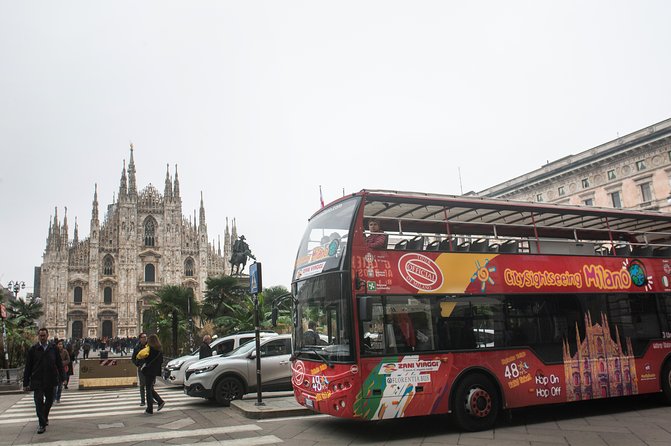
The red line is the essential first ride for most people. Its loop takes about 90 minutes and begins around Foro Buonaparte by Castello Sforzesco. From there, it passes Cadorna, the Last Supper stop, the Duomo, Monte Napoleone, Manin, and Moscova.
Castello and Foro Buonaparte
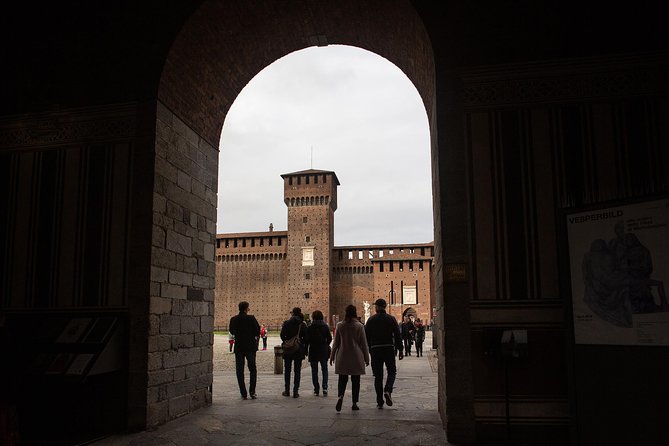
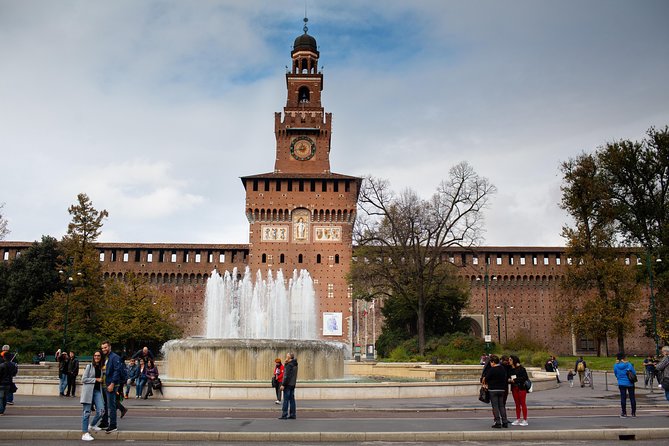
Castello Sforzesco is one of Milan’s best starting points. The large brick fortress now holds museums and galleries, while its grounds lead toward Parco Sempione. You can get off here for the castle, the park, or a walk toward the Arco della Pace.
The stop at Foro Buonaparte is also important because several lines connect here. If you are changing routes, pay attention to the line color and direction. It is easy to board the wrong bus when several vehicles are serving the same central area.
Cadorna and Santa Maria delle Grazie
Cadorna is a useful transport point with Metro connections. The nearby Via Boccaccio stop serves Santa Maria delle Grazie, where Leonardo da Vinci’s The Last Supper can be seen.
The bus ticket does not include entry to the fresco. If you have a timed reservation, allow extra time to walk from the stop and do not depend on a bus arriving immediately. This stop is valuable because the church is not right beside the Duomo, and the bus saves you a separate cross-city trip.
Still Milan, but a slower afternoon:
- Milan: City Sightseeing Hop-On Hop-Off Bus with Audio Guide
★ 4.0 · 6,256 reviews - Milan Cathedral: Duomo Terraces Ticket (No Church Access)
★ 4.6 · 6,111 reviews - Milan: Milan Cathedral Direct Entrance – Terrace Excluded
★ 4.5 · 5,782 reviews - Milan: Guided Walking Tour & Last Supper Visit with Ticket
★ 4.7 · 5,409 reviews
Duomo
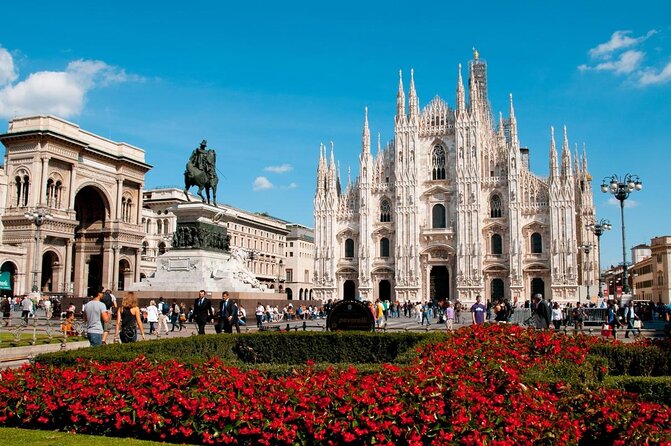
Piazza del Duomo is the natural center of the tour. The cathedral, Galleria Vittorio Emanuele II, and several major streets are all close by. This is also one of the easiest places to hop off, explore, and rejoin another route.
Expect crowds and traffic here. Keep your ticket ready when reboarding, and use the app to see where the next bus is. The Duomo stop connects with other lines, so it is a practical place to change rather than walking across town to find another route.
Monte Napoleone, Manin, and Moscova
Monte Napoleone puts you beside Milan’s famous luxury shopping quarter. You do not need to shop to enjoy the area, since the streets offer a sharp contrast with the medieval castle and cathedral.
Manin and Moscova take you toward the modern and fashionable side of central Milan. These stops are handy for Brera, restaurants, and a slower wander away from the Duomo crowds. The red route works well as a loop, but do not expect every passing building to receive a clear explanation. The audio may identify an area without giving you much help on exactly where to look.
Line B, the blue route, reaches Central Station and the Last Supper
The blue line starts at the Duomo and runs through Monte Napoleone, Manin, Piazza della Repubblica, Palazzo Lombardia, Central Station, Corso Buenos Aires, Porta Venezia, and San Babila.
Palazzo Lombardia and Repubblica
Palazzo Lombardia brings you into Milan’s modern business district. It is a useful contrast to the old center, especially if you want to see how quickly the city changes from ornate streets to tall office towers.
Piazza della Repubblica is another broad urban junction. The stop is practical rather than atmospheric, but it helps connect the central sights with the northern part of the city.
Central Station
Milan Centrale is one of Europe’s grand railway stations, with a huge facade and a busy transport setting. The bus stop here can be difficult to locate. The instructions may not make the position obvious, so check the app and nearby signs before walking around with luggage or tired feet.
This is one place where the bus is more useful as transport than as sightseeing. If you are arriving by train, confirm the stop before leaving the station area. A little patience here can prevent a frustrating 20-minute search.
Buenos Aires and Porta Venezia
Corso Buenos Aires is a long shopping avenue. It offers a more everyday Milan than the designer streets around Monte Napoleone, with shops, cafes, and steady city movement.
Porta Venezia is one of Milan’s historic gates and a good place to leave the bus for a neighborhood walk. San Babila then brings you back toward the Duomo. The blue line is a solid choice when you want to connect the cathedral with Central Station, shopping streets, and the northern center.
Line C, the green route, is for San Siro and modern Milan
The green line begins at Castello and runs west through Arco della Pace, City Life, Casa Milan, Mico and Fieramilanocity, Lotto, Lido, Ippodromo, San Siro Stadium, Buonarroti, Pagano, Conciliazione, and Sempione.
This is the route to choose when your interests go beyond the historic center. It also covers the greatest distance, so allow plenty of time if you plan to ride the entire circuit.
Arco della Pace and City Life
The Arco della Pace marks the broad end of Parco Sempione. It is a pleasant place to get off after visiting the castle and park. From there, the green line moves toward City Life, an area of modern towers and new development.
City Life gives you a different picture of Milan, with contemporary architecture replacing the older stone streets. The bus is useful here because the route covers several separate stops that would take effort to connect on foot.
Casa Milan and San Siro
Casa Milan is a stop for football fans, while San Siro Stadium is the major destination farther along the route. The stadium stop is listed at Gate 8, which gives you a clear reference point when planning your visit.
San Siro is well outside the cathedral area. If you are coming only for the stadium, check the return timing before leaving the bus. The green line can be less straightforward to understand than the red and blue routes, especially when service is spaced out.
Mico, Lotto, and the western neighborhoods
Mico and Fieramilanocity serve the major exhibition area. Lotto has two listed stops, Montebianco and Monterosa, and the route continues through Buonarroti, Pagano, Conciliazione, and Sempione.
These stops are most useful if you have a specific destination in the western part of Milan. For a short visit focused on the Duomo, La Scala, Brera, and the canals, you may not need the whole green circuit. For a longer stay, it helps you reach more of the city without arranging separate transport.
Line D, the yellow route, connects the castle with Navigli
The yellow line starts near Castello and Cadorna, passes the Last Supper stop, then heads to Via Vigevano, Piazza XXIV Maggio, the Duomo, Monte Napoleone, and Brera.
Navigli and Piazza XXIV Maggio
Navigli is the reason to choose this route. Milan’s canal district has waterside paths, restaurants, and a very different mood from the formal center. Via Vigevano and Piazza XXIV Maggio are useful stops for exploring the canals on foot.
The bus only gets you to the area. The best part begins after you leave it, so plan time to walk along the water and look around. This is also a good place for a meal, though food and drinks are not included in the tour.
Brera
The yellow route finishes its central circuit through Brera, one of Milan’s most appealing neighborhoods. Its narrow streets, galleries, cafes, and elegant buildings reward walking.
Brera is close enough to the Duomo that you could visit both in one outing, but the bus is handy if your feet need a rest. As with the other routes, watch the stop carefully. Audio announcements can be hard to hear, and it is easy to miss a stop if you are not following the map.
Audio, seating, and the practical ride
The bus has free Wi-Fi and an audio guide in 10 languages. English is offered, and the commentary gives basic background on the main sights and districts. I would treat it as an introduction, not a substitute for a museum guide or a detailed walking tour.
Several practical annoyances can affect the ride. Some headphone sockets do not work, and a device may switch from English to Italian without an obvious way to change it back. If the sound fails, move to another seat and try a different connection.
The narration may also be out of sync with the view. Sometimes the description comes before the building appears, or after you have passed it. Sit where you can see the road and keep the route map open, since stop announcements may be quiet.
The open upper deck offers the best view, but it is exposed to sun and rain. The buses can feel bumpy, and seats may fill up on busy departures. Rain can leave seats wet, so a small cloth or a few tissues are useful.
Timing, bus stops, and the free app
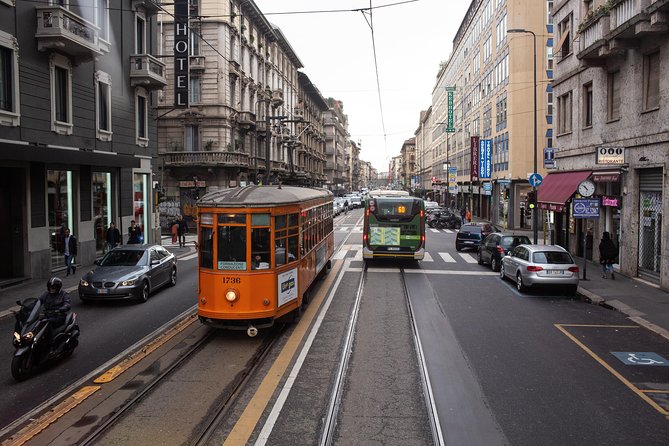
The published start time is 10:00 a.m. Service tends to be more useful in the middle of the day than late afternoon, since buses stop shortly after 6 p.m. The standard service does not provide an evening ride, except for the separately arranged night option.
The four routes are connected, but that does not mean transfers are instant. A wait of around 30 minutes can change your day plan, especially if you get off at an outlying stop. I would not schedule a timed attraction immediately after leaving the bus unless you have a generous buffer.
Download the free Sightseeing Experience app before you set out. It shows bus locations in real time and can help you identify stops. The app may close unexpectedly, so keep a route map or screenshot as a backup.
There is no hotel pickup or drop-off. The tour begins at a central stop, and the stops are near public transportation. You can cancel for a full refund up to 24 hours before the local start time, but changes or cancellations inside that window are not accepted.
Who will get the most from this pass?
I would recommend the tour to you if:
- You are visiting Milan for the first time and want a broad orientation.
- You dislike walking long distances between separate districts.
- You want to reach San Siro, Navigli, City Life, or Central Station without planning every Metro connection.
- You can start around 10 a.m. and use the bus several times before evening.
- You prefer flexible sightseeing over a tightly guided schedule.
I would be more cautious if you have only a few hours, want detailed commentary, or are comfortable using Milan’s public transport. For a short central visit, walking between the Duomo, La Scala, Brera, and Castello may be faster. The bus is also less appealing if you want guaranteed timing.
Is Milan’s four-route bus tour worth booking?
Book it if you want an easy first look at a spread-out city and will actively use the pass. The red and yellow routes are especially helpful for the historic center, Brera, and Navigli, while the blue and green lines add Central Station, modern Milan, and San Siro.
Choose 24 hours if your plan is focused and you can ride several sections in one day. Choose 48 or 72 hours only when you expect to return to the bus on more than one day. The 72-hour weekend ticket has an extra reason to tempt you: from June through September, when used Saturday and Sunday, it includes the Milan night tour.
This is a useful city transport and orientation tool, not a polished private sightseeing experience. If you accept the basic narration, possible waits, and occasional equipment problems, the coverage can be worth the price. If you want precise commentary and dependable departures, Milan’s Metro and your own walking route may serve you better.
FAQ
How long does the Milan hop-on hop-off bus tour take?
A full route loop takes about 80 to 90 minutes. Line A, the red route, is listed as taking about 90 minutes.
How many routes are included?
Your ticket includes four bus routes: red Line A, blue Line B, green Line C, and yellow Line D. The routes connect with one another.
How long can I use the ticket?
You can choose a 24-hour, 48-hour, or 72-hour ticket.
Does the ticket include the Milan night tour?
A 72-hour weekend ticket includes the Milan night tour when it is valid for Saturday and Sunday from June through September.
Is an audio guide included?
Yes. An onboard audio guide is included in 10 languages, including English. Free Wi-Fi is also available on the bus.
Can I cancel the booking?
Yes. You can cancel up to 24 hours before the experience start time for a full refund. Cancellations or changes made less than 24 hours before the start time are not accepted.
Recently added around Milan
- Milan: Wine Lovers Experience at Cantina Urbana Winery★ 4.6 · 454 reviews
- From Milan: Verona and Lake Garda Guided Day Trip★ 4.6 · 236 reviews
- From Milan: Day Trip to Venice with Guided City Tour★ 4.4 · 614 reviews
- Verona and Lake Garda Day Trip from Milan★ 4.5 · 214 reviews
- Venice Day Trip from Milan with Guided City Tour★ 4.0 · 383 reviews
- Full-day Skip-The-Line Milan, The Last Supper and Duomo Cathedral★ 5.0 · 293 reviews
- Small-Group Lake Como & Lugano by Swiss Train + Boat Cruise★ 5.0 · 1,084 reviews
- Transfer Milan City Centre – Bergamo Airport★ 4.5 · 975 reviews
Milan Tours, compared.
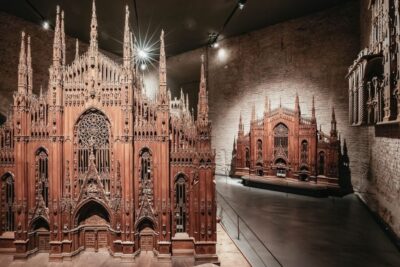
Cathedral and Duomo’s Terraces Entrance Ticket
Read our review →
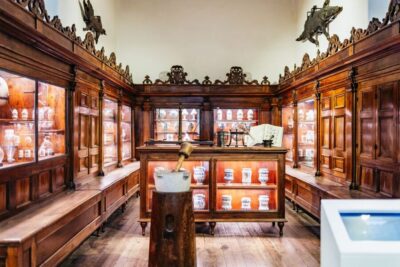
Science and Technology Leonardo da Vinci Museum Entry
Read our review →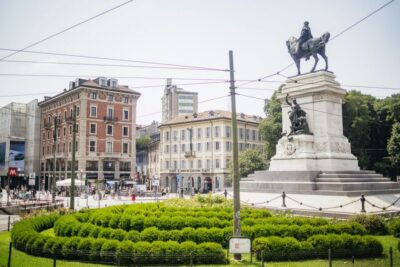
City Sightseeing Hop-On Hop-Off Bus with Audio Guide
Read our review →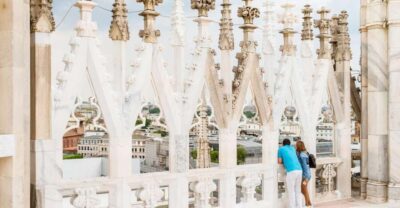
Milan Cathedral: Duomo Terraces Ticket (No Church Access)
Read our review →
Milan Cathedral Direct Entrance – Terrace Excluded
Read our review →
Guided Walking Tour & Last Supper Visit with Ticket
Read our review →
Fast-Track Milan Cathedral and Terraces Guided Tour
Read our review →Browse the lists this tour appears in