
Reviewed · HISTORICAL TOURS
Matera: Sassi di Matera Historical Self-Guided Audio Tour
Matera tells its story in stone. This low-cost smartphone tour helps you explore the Sassi, the city’s famous cave districts, with more than 30 geolocated points of interest covering natural caves, cisterns, underground buildings, churches, and ancient frescoes. I especially like the freedom to set your own pace and the choice of English, French, German, or Italian narration.
I also like that the audio guide remains valid for 365 days, so you are not tied to one narrow travel date. The main consideration is that this is an app-based guide, not a person walking beside you. The information can be useful and clear, but some descriptions may feel brief if you want a full account of Matera’s place in Italian history.
In This Review
- Key points to know before you go
- What the Sassi of Matera reveal
- Starting the tour without a meeting point
- The natural caves and early shelters
- Underground architecture and cisterns
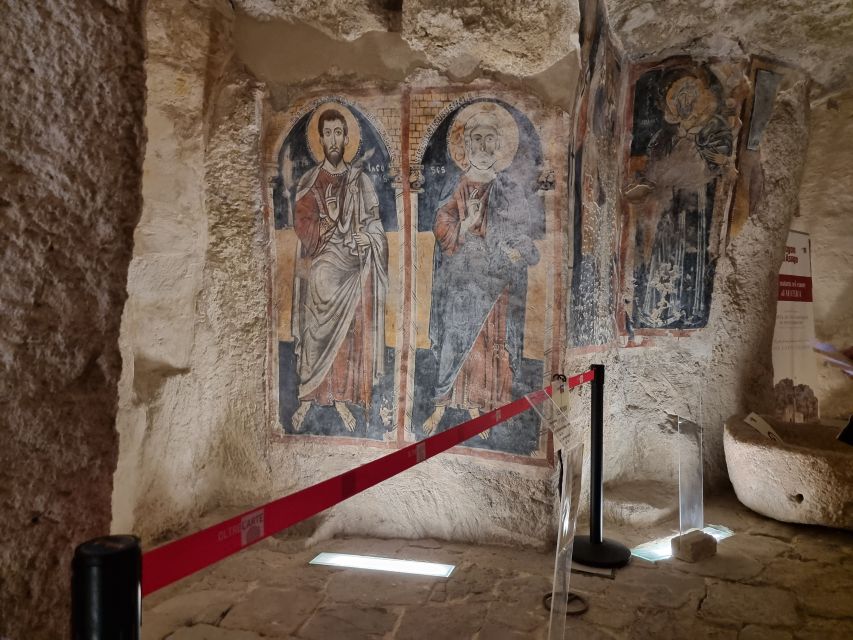
- Rock churches and Byzantine frescoes
- Matera’s difficult modern chapter
- How the geolocation works in practice
- What the $4.70 price really buys
- Who should choose this audio guide
- Practical tips for a better visit
- Should you book the Matera Sassi audio tour?
- FAQ
- Where does the tour meet?
- How long is the audio tour valid?
- What languages are available?
- What app does the tour use?
- Do I need a smartphone?
- Do I need earphones?
- Are entrance tickets included?
- Can I cancel the booking?
Key points to know before you go
- More than 30 geolocated stops: Outdoor points of interest trigger audio information through the ITGUIDES app as you move around Matera.
- A very low price: At about $4.70 per person, the tour costs far less than a traditional guided walk, though entrance tickets are not included.
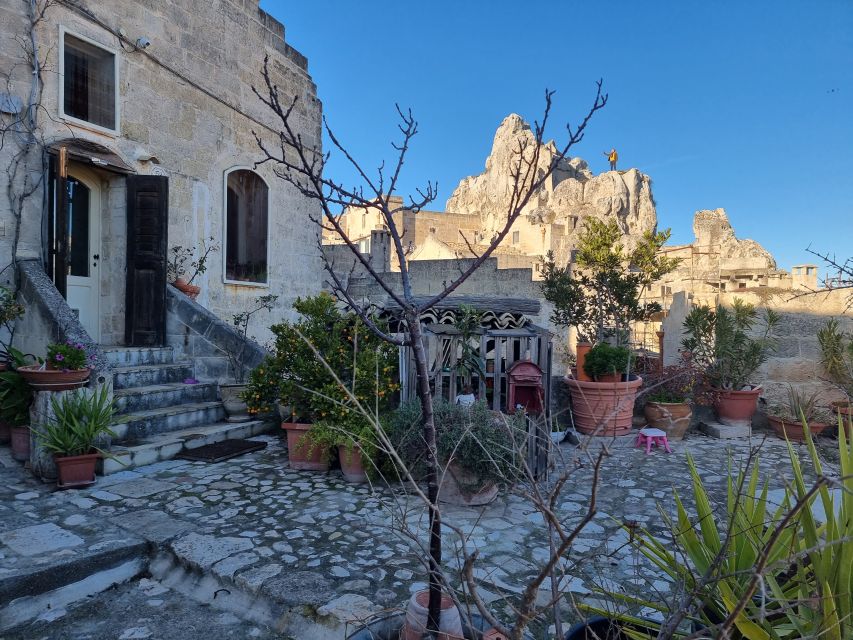
- Caves used for thousands of years: The route introduces dwellings, shelters, cisterns, worship spaces, and buildings cut directly into the rock.
- Four language choices: You can listen in English, French, German, or Italian.
- No meeting point: You begin independently with your own Android or Apple smartphone.
- Download before setting out: Use reliable Wi-Fi or a good cellular signal to load the audio and tour content in advance.
What the Sassi of Matera reveal
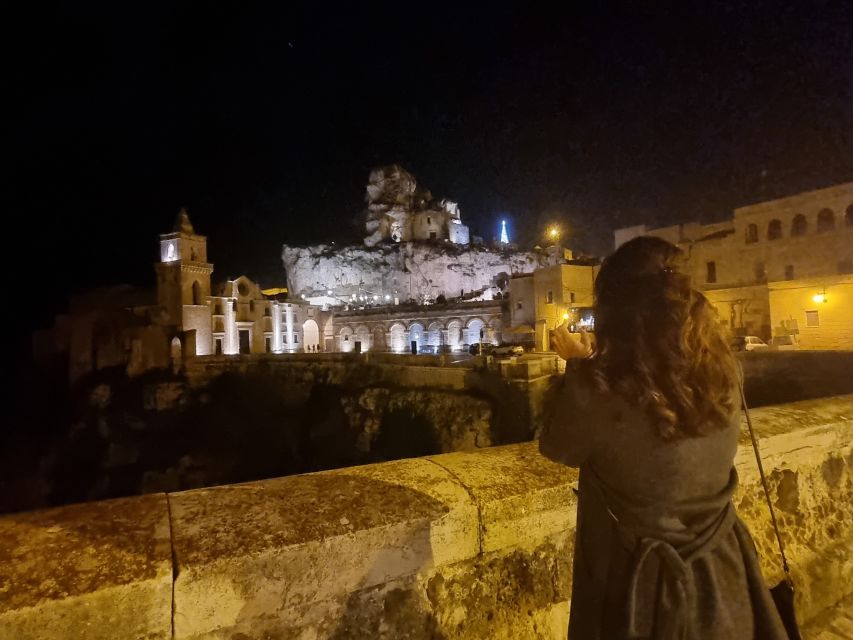
The Sassi, meaning Stones, spread across two valleys and form one of Italy’s most unusual urban areas. Instead of a neat grid of streets and conventional blocks, you find homes, churches, stairways, courtyards, ravines, and caves fitted into the rock.
I find the most useful way to approach Matera is to see it as a long record of human adaptation. The caves began as natural shelters and were later enlarged by hand. Over many centuries, people used them as homes, work spaces, places of worship, and storage areas.
The audio guide helps you connect these uses as you walk. It is not simply pointing out pretty stone walls. It explains how the same rock could provide protection, water storage, shelter, and religious space. That context gives the views more meaning.
The Sassi also reflect several cultures. During the Middle Ages, lay communities and monks from Armenia, Syria, Cappadocia, and Asia Minor sought safety in Matera’s caves. Some of these spaces became churches decorated with Byzantine frescoes, bringing eastern artistic and religious traditions into southern Italy.
Matera has about 155 rock churches in the surrounding area, so you will not see every one during a short walk. The audio stops instead give you a way to understand the wider tradition of rock-cut worship and the importance of the surviving sites.
More History Tours in Italy:
- Venice: St. Mark Basilica Ticket, Audioguide+History Gallery
★ 3.9 · 4,780 reviews - Venice’s Best: Basilica, Doge’s Palace, Gondola & History Gallery
★ 4.5 · 2,478 reviews - Historic Milan Tour with Skip-the-Line Last Supper Ticket
★ 4.5 · 1,976 reviews
Starting the tour without a meeting point
There is no guide, group, or fixed meeting place. You receive instructions in your voucher, download the free ITGUIDES app, and redeem the audio tour there. An Android or Apple smartphone is required.
I recommend installing the app and downloading the content before you reach the Sassi. This matters because the tour uses geolocation for outdoor attractions, and a weak signal can make the first few minutes needlessly frustrating. The app offers a free demo, which is a sensible way to check that it works on your phone before buying.
Bring earphones if you have them. They are not required, but they make it easier to hear the narration while walking through a busy open-air area or moving between stone walls that may affect sound.
The self-guided format suits people who dislike standing around waiting for a group. You can pause to take photos, stop for a drink, repeat a section, or wander briefly before returning to the route. The tradeoff is that you must manage the technology and your own direction.
The product is described as wheelchair accessible. Since the Sassi include slopes, stairways, ravines, and uneven historic areas, I would still check the current route details before setting out if step-free movement is important for you.
The natural caves and early shelters
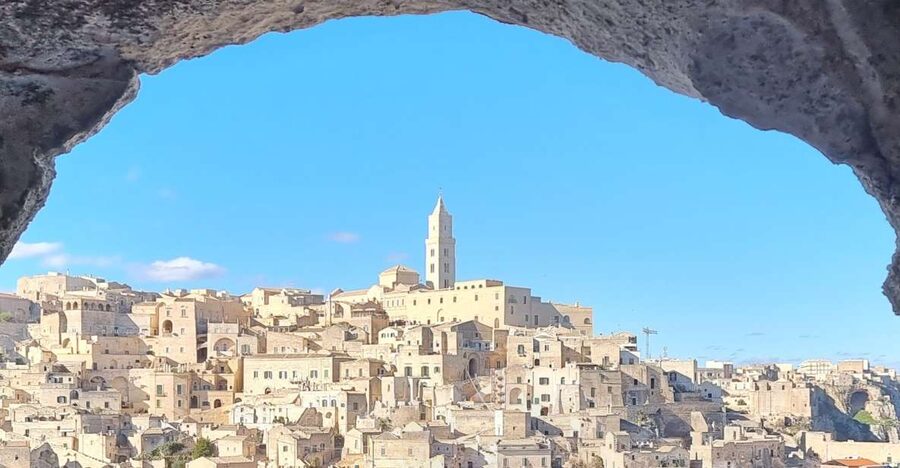
One of the first ideas to listen for is the original role of the caves. Matera’s earliest occupants used natural cavities as shelters and refuges, then altered them to meet changing needs.
That process continued from the Neolithic period into later centuries. The rock was not just a backdrop. It was the building material, the roof, the wall, and often the source of cool interior space.
As you move from one geolocated point to another, pay attention to the way the built and natural forms blend together. A doorway cut into the stone may lead to a former home. A dark opening may be part of a larger underground system. A terrace can be both a route through the district and the roof of a room below.
The audio descriptions are particularly useful here because the important details are often easy to miss. Without explanation, a cave can look like an empty hollow. With context, you begin to see the labor involved in widening, shaping, and maintaining these spaces.
The limitation is that the tour data describes the exterior and, in some cases, the interior of monuments in an essential way. If you want a long architectural analysis of every chamber, you may find the narration too short. For an affordable orientation, though, the format gives you a solid starting point.
Underground architecture and cisterns
Water was a major concern in a settlement built into dry rock. The Sassi contain cisterns and underground systems that show how people collected and stored water over time.
These features are easy to overlook because they are not always as visually dramatic as a church façade or a panoramic viewpoint. I consider them some of the most valuable stops because they show how ordinary life worked. A city is not only its monuments. It also needs ways to gather water, store food, create shelter, and support families.
The app’s location-based design can help you connect these practical structures to the streets around them. You hear the explanation when you are near the relevant outdoor point, rather than trying to match a long printed description to a distant site.
You should keep your phone charged and your volume at a comfortable level. The guide’s value depends on being able to hear the information at the right place. Downloading the content in advance is the safest choice, especially if you do not want to rely on mobile data.
A few more Italy bookings to compare
- Matera: Sassi Tour with Cave House and Rupestrian Church
★ 4.7 · 6,618 reviews - Discover Matera, the ancient city – English tour
★ 5.0 · 1,771 reviews - Guided Tour of Matera Sassi
★ 4.5 · 1,312 reviews - Matera: Sassi Tour with Entry to Rock Houses and Churches
★ 4.6 · 622 reviews
Rock churches and Byzantine frescoes
Matera’s rock churches are among the most memorable parts of the Sassi. Medieval communities and monks used caves for worship, and many interiors were decorated with Byzantine-style frescoes.
The churches matter for more than their age. They show how religious life, migration, art, and local building traditions came together in spaces that were originally natural caves. The paintings also help explain why Matera’s story reaches beyond a simple account of poor rural housing.
Depending on the attraction, the guide may describe the outside and inside in essential terms. This is helpful for orientation, but remember that entrance tickets are not included. An audio description does not give you access to a locked church, museum, or paid site.
I would treat the audio tour as a companion to the town rather than a complete ticketed sightseeing package. It can tell you why a church matters and help you decide where to spend extra time, but you should budget separately for any interiors you choose to visit.
The four language options are useful for couples or families who do not all speak the same language. English, French, German, and Italian are available, so you can select the narration that feels easiest to follow while walking.
Matera’s difficult modern chapter
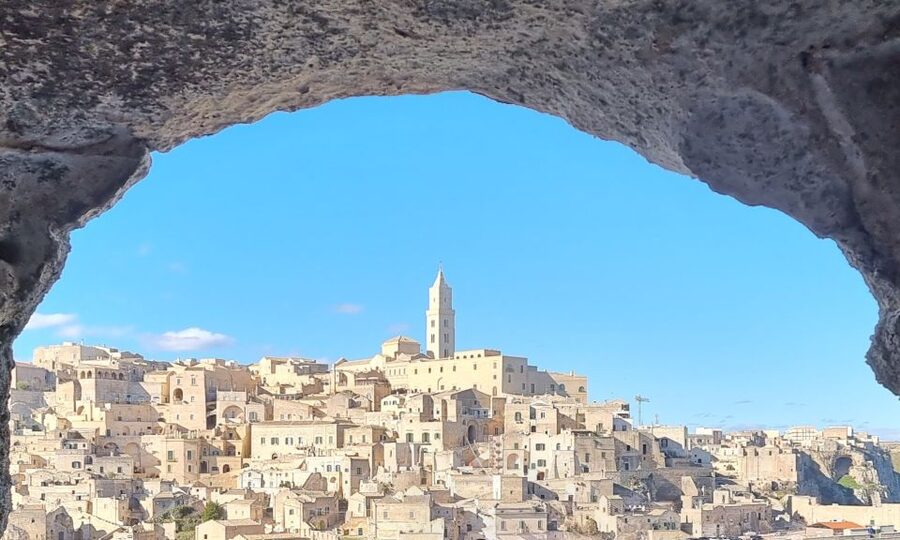
The Sassi are often presented as an ancient wonder, but their modern story is just as important. After the Second World War, almost 20,000 people still lived in the ravines and cave homes.
Those homes were part of family life for generations, yet living conditions could be extremely hard. In 1952, the Italian government passed the Sassi Law and allocated funds for a major restoration and relocation effort. Moving people from homes they had occupied for many generations was not a simple improvement project.
This is the point where I would like the audio to provide more broad historical framing. One useful piece of feedback about the tour is that its monument descriptions are clear, but the narration could do more to place Matera within the wider story of Italy.
That is an important distinction. The guide can tell you what a particular building or cave is, but it may not always explain how poverty, public health, government policy, restoration, and tourism changed the city. I recommend adding your own reading if this chapter is a major reason for your visit.
Still, the basic story gives the Sassi emotional weight. You are not walking through a frozen archaeological site. You are seeing a district that was lived in, emptied in part, restored over time, and brought back into public view.
How the geolocation works in practice
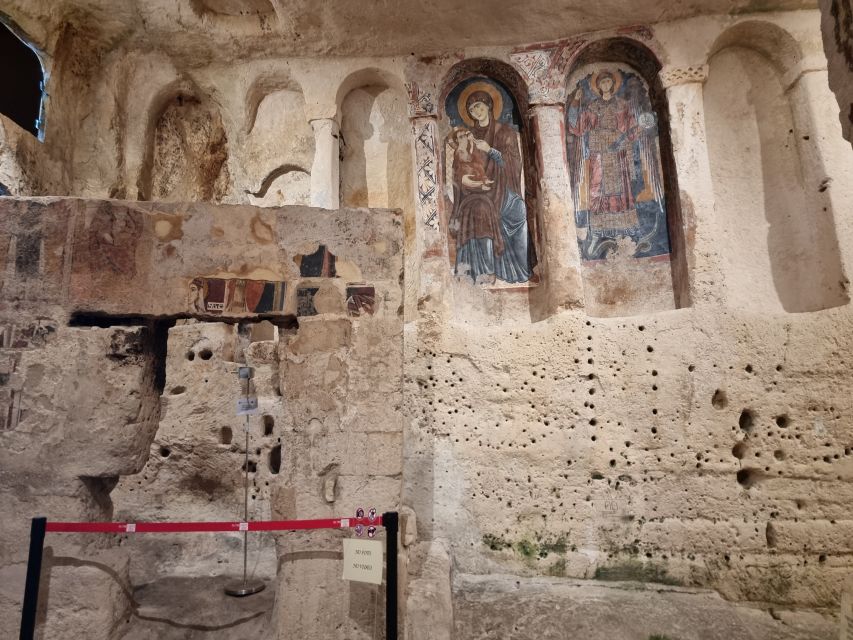
The tour includes more than 30 outdoor points of interest. The geolocated format means your phone uses your position to connect you with information about nearby sites.
This can feel more natural than following a numbered booklet. You walk, look around, and receive the relevant narration when you reach the right area. It also makes the tour flexible because you can stop and resume without needing to stay with a group.
At the same time, app-based geolocation is not the same as a human guide pointing with a hand. You may need to glance at your phone, confirm your position, and make sure the correct stop has loaded. If you wander away from the suggested path, the experience may feel less orderly.
I would use the guide as a loose route rather than a strict command. Let the audio introduce a site, then take time to look closely. Matera rewards slow observation, and the best moments may come from noticing how roofs, stairways, caves, and terraces fit together.
The tour is valid for 365 days. That is unusually generous for a small digital purchase. You can use it during a planned visit, save it for a later trip, or keep it available if weather or opening times change your plans.
What the $4.70 price really buys
At roughly $4.70 per person, this is a modest add-on to a Matera visit. The price is especially appealing if you are traveling alone or with a small group and do not want to pay for a private guide.
The strongest value comes from the combination of low cost, flexible timing, and many audio stops. You get a structured way to understand the Sassi without committing to a fixed start time or group pace.
There are limits. The price does not cover entrance fees, and the guide does not replace a local person who can answer questions or adapt the route to your interests. The narration may also feel concise for listeners who want detailed political, social, or architectural discussion.
A 3.6 rating from 183 reviews suggests a mixed but useful experience rather than a flawless one. The positive pattern is clear: people appreciate that the route is easy to follow and can be completed at their own speed. The less enthusiastic response appears tied to the amount of information and the desire for more destination choices or broader historical explanation.
For me, the cost makes those limits easier to accept. You are paying for a digital orientation tool, not a full private tour.
Who should choose this audio guide
I would recommend it most strongly to independent sightseers who like to explore without a schedule. It works well for visitors who want basic historical context but also want time to photograph the Sassi, stop for food, or take a break without holding up a group.
It is also a good fit if you are visiting Matera for the first time and want a route that points out more than the obvious views. The information about caves, cisterns, underground spaces, and rock churches can help you notice details you might otherwise pass.
Families may appreciate the ability to pause the narration and move at a comfortable pace. Couples and friends can also choose different listening languages if needed.
I would hesitate to choose it as your only source if you are deeply interested in Matera’s modern social history, Byzantine art, or detailed architectural study. In that case, use the audio guide for orientation and add a museum visit, book, or live guide.
Practical tips for a better visit
- Download the full content on Wi-Fi or with a strong cellular signal before starting.
- Try the free ITGUIDES demo first, especially if you are unsure how the app works on your phone.
- Carry earphones, since the guide is easier to hear while walking.
- Start with enough phone battery for the route and photography.
- Keep your voucher instructions available so you can redeem the tour without confusion.
- Use the audio stops as prompts to look around, not as a reason to hurry from one location to the next.
- Set aside extra money for entrance tickets to sites you want to enter.
- Choose your language before you begin, with English, French, German, and Italian available.
- Remember that there is no meeting point. You are responsible for getting to the Sassi and beginning the route yourself.
Should you book the Matera Sassi audio tour?
Book it if you want an inexpensive, flexible introduction to Matera and are comfortable using your own smartphone. The 365-day validity is generous, the route covers more than 30 points, and the self-guided pace lets you experience the Sassi without a group timetable.
Skip it if you want a live guide, detailed answers, or a long explanation of Matera’s wider place in Italian history. The narration is most useful as a clear framework for seeing caves, churches, frescoes, and cisterns. At $4.70, it offers good value, as long as you understand that it is a digital companion and that admission fees are separate.
FAQ
Where does the tour meet?
There is no meeting point. This is a self-guided audio tour that you begin independently.
How long is the audio tour valid?
The audio guide is valid for 365 days.
What languages are available?
You can use the audio guide in English, French, German, or Italian.
What app does the tour use?
The audio guide is provided through the free ITGUIDES app.
Do I need a smartphone?
Yes. You need an Android or Apple smartphone to use the audio guide.
Do I need earphones?
Earphones are recommended but not mandatory.
Are entrance tickets included?
No. Entrance tickets are not included in the price of the audio tour.
Can I cancel the booking?
You can cancel up to 24 hours in advance for a full refund. You can also reserve now and pay later, according to the booking terms.
Recently added around Italy
- Florence Uffizi Gallery monolingual Small Group Tour★ 4.0 · 621 reviews
- Florence Private Walking tour with Skip-the-line to Accademia★ 4.5 · 236 reviews
- Uffizi Gallery Entrance Ticket with Priority Access★ 3.5 · 1,029 reviews
- Florence Skip-the-Line Duomo Tour with Guide & Brunelleschi Dome★ 5.0 · 1,176 reviews
- Priority Entrance : Florence Accademia Gallery Timely Tickets★ 4.0 · 603 reviews
- Skip-the-Line Accademia Guided Visit: David Secrets and Beyond★ 4.0 · 525 reviews
- Skip the line : David Guided Experience★ 4.5 · 1,076 reviews
- Private Tour in Siena, San Gimignano and Chianti Day Trip from Florence★ 5.0 · 405 reviews
Historical Tours, compared.
St. Mark Basilica Ticket, Audioguide+History Gallery
Read our review →
Venice’s Best: Basilica, Doge’s Palace, Gondola & History Gallery
Read our review →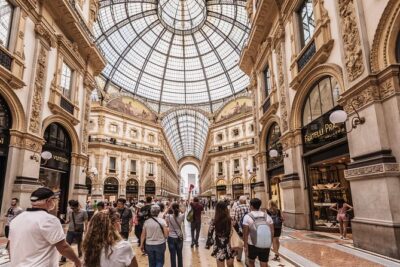
Historic Milan Tour with Skip-the-Line Last Supper Ticket
Read our review →

Rome in a Day Tour with Vatican, Colosseum and Historic Center
Read our review →
Rome Food Tour in the Historic Centre with 8+ Food Tastings
Read our review →Browse the lists this tour appears in