
Reviewed · MILAN TOURS
Learn to Cook Italian Recipes with an Italian Chef
Come hungry, leave with recipes. This three-hour Milan cooking class gives you a hands-on lesson in a starter, fresh pasta or dumplings, and dessert, followed by a meal made by the group. I especially like the changing menu, since you do not simply repeat the same tourist-friendly dishes every day. I also like the focus on how, when, and why each step works, rather than treating pasta making as a quick photo opportunity. The main point to consider is that the class menu is not fixed, and the wine is shared rather than unlimited.
Chef Ilaria is the main teacher mentioned throughout the experience, although Alessandro and Dalia have also led sessions. The class is designed for mixed ability levels, from confident home cooks to people who rarely touch a rolling pin. With a price of $82.27 per person, the value is strong if you want dinner, drinks, instruction, and recipes in one sitting. Just remember that this is a shared class, with up to 20 people, not a private lesson.
In This Review
- Key points before you book
- What this Milan cooking class is really about
- Finding the red Chef and the City sign
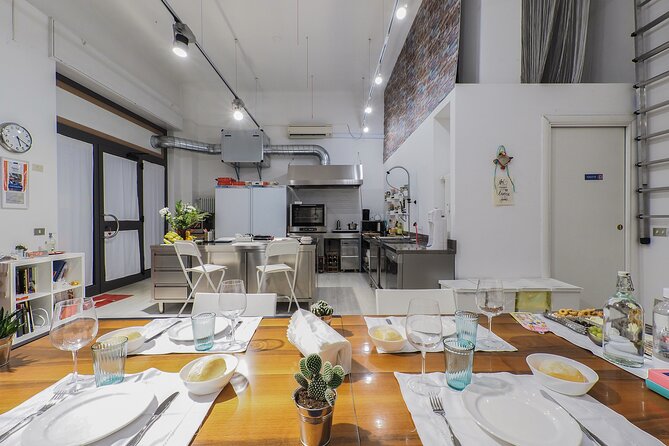
- The welcome snacks and kitchen setup
- Starter course: from bruschetta to eggplant parmigiana
- Fresh pasta and handmade dumplings
- Dessert: tiramisu, cantucci, and Milanese Pan Meino
- Sitting down to eat what you prepared
- How Chef Ilaria handles the room
- Price, group size, and overall value
- Who should book this class
- Should you book Learn to Cook Italian Recipes with an Italian Chef?
- FAQ
- How long does the cooking class last?
- Where does the class meet?
- What dishes will I cook?
- Can I choose the menu?
- Is dinner included?
- Is wine included?
- Are cooking tools provided?
- Is the class offered in English?
- Can I cancel for a refund?
Key points before you book
- The menu is a surprise: You may prepare bruschetta, focaccia, eggplant parmigiana, chickpea dishes, gnocchi, tagliatelle, ravioli, tiramisu, cantucci, or Pan Meino.
- You cook three courses: The usual format is a starter, a pasta or dumpling course, and a traditional Italian dessert.
- Chef Ilaria teaches the reasons behind each step: Expect practical tips about ingredients, timing, texture, cleanliness, and technique.
- Dinner is included: You sit down to eat the food prepared during class, with Italian wine, water, coffee, or tea.
- The class is social: You work with people from different countries and share tasks in one kitchen.
- Bring no luggage: The street-level kitchen has no luggage storage, and smoking and animals are not allowed.
What this Milan cooking class is really about
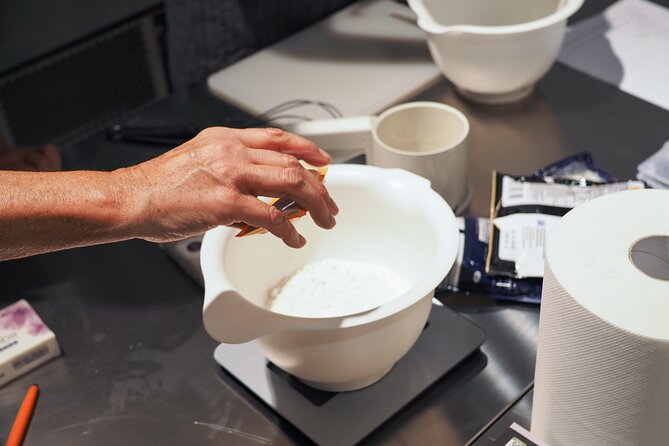
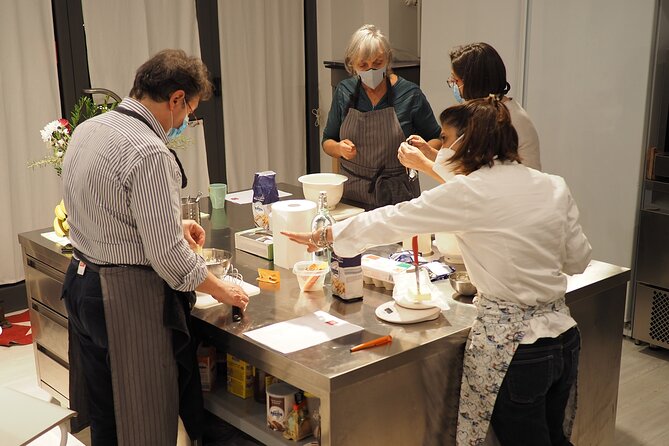
This is not a polished demonstration where you watch a chef work while standing safely behind a counter. You are expected to take part. You may knead dough, shape pasta, prepare a sauce, assemble a starter, or help make dessert. The precise jobs depend on the day’s menu and the size of the group.
That uncertainty is part of the charm. Many cooking classes in Italy promise local food but serve the same fixed combination of pasta, tiramisu, and bruschetta every time. Here, you could make gnocchi on one date and ravioli or tagliatelle on another. The sample dishes are examples, not promises.
I see this as a better choice for someone who wants to learn a flexible method rather than collect one carefully staged recipe. You will not know the full menu until class begins, so book it for the cooking experience itself, not for a particular dish.
The teaching style aims to be relaxed but serious. Chef Ilaria explains the practical logic behind the work: how a dough should feel, when an ingredient needs more time, and why a certain step matters. That kind of instruction is useful at home because it helps you adjust instead of blindly following measurements.
The atmosphere is also part of the experience. You cook as a group, talk with people from different countries, and then eat together. That makes the class feel more like a shared Italian meal than a private kitchen tutorial.
A few more Milan bookings to compare
- Milan: Cathedral and Duomo’s Terraces Entrance Ticket
★ 4.6 · 61,054 reviews - Milan: Da Vinci’s Last Supper Guided Tour
★ 4.7 · 10,143 reviews - Milan: Science and Technology Leonardo da Vinci Museum Entry
★ 4.5 · 7,169 reviews
Finding the red Chef and the City sign
The meeting point is Via Laura Ciceri Visconti, 4, 20137 Milano MI, and the activity ends at the same address. The cooking laboratory is on street level, which keeps arrival simple. Look for three windows marked with the red Chef and the City sign, then ring the front door bell.
The location is near public transportation, but private transportation is not included. You will need to arrange your own way there and back. A useful practical point: do not arrive with suitcases or large bags. Luggage storage is not available, and carrying luggage into the class is forbidden.
Confirmation is provided at booking. Since the class can have up to 20 people, the exact feel may vary. A small group can give you more direct contact with the chef, while a larger one may feel livelier but require more shared work and patience.
The class is offered in English. That matters in a kitchen, where a missed instruction can affect the food. The teachers have handled English and Italian together, and Chef Ilaria has been praised for moving between the two clearly.
The welcome snacks and kitchen setup
The class begins with Italian-style welcome snacks. Water is available in both natural and sparkling forms, and coffee, tea, and infusions are included. These small touches matter because the cooking takes about three hours, and you may not eat the main meal until later in the session.
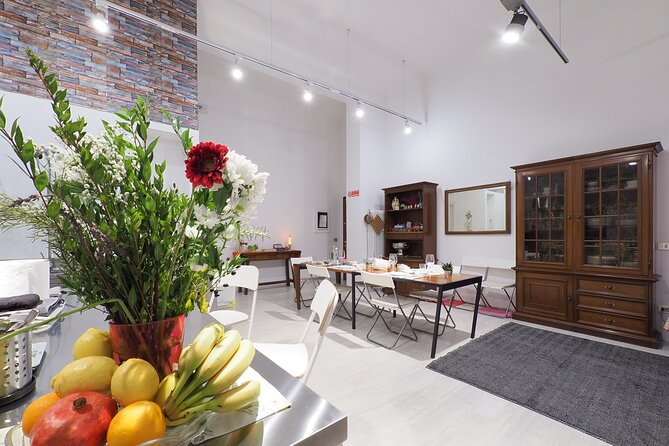
Each participant receives an apron and has access to the cooking tools needed for the course. You do not need to pack special equipment. The setup is practical rather than theatrical, with the kitchen serving as both classroom and dining room.
Cleanliness is treated as part of cooking, not as an afterthought. One especially useful lesson for home cooks is the attention given to keeping the work area orderly while several people prepare different parts of the meal. In a busy shared kitchen, that is a real skill.
The welcome period also gives you time to meet the group. If you are traveling alone, this is an easy setting for conversation because everyone has a task and a common meal ahead. If you are with family, the shared work can help keep older children and teenagers involved.
Starter course: from bruschetta to eggplant parmigiana
The first dish may be a simple starter such as bruschetta, focaccia, chickpea balls, or eggplant parmigiana. The appealing part is that the group prepares the dish from scratch, by hand, rather than simply arranging ingredients on a plate.
A starter course is a smart beginning for a cooking lesson. You learn how to season, combine textures, and judge when a basic preparation is ready. Dishes such as bruschetta can look easy, but the quality depends on details: the balance of toppings, the treatment of the bread, and the amount of seasoning.
Eggplant parmigiana offers a different kind of lesson. It requires more assembly and shows how Italian cooking can turn familiar ingredients into a layered dish. Chickpea preparations add another useful option for people who want a meat-free recipe with substance.
The menu can change, so you should not arrive expecting a specific starter. That can disappoint someone who booked mainly to make focaccia or parmigiana. For everyone else, the surprise keeps the class fresh and gives you a chance to cook something you may not have chosen on your own.
One minor caution: a few people may find the seasoning mild. The recipes seem designed for a broad audience, so the food may not satisfy someone looking for bold restaurant-style heat. You can still learn how to adjust seasoning at home, but the class may favor balance over intensity.
Still Milan, but a slower afternoon:
- Milan: City Sightseeing Hop-On Hop-Off Bus with Audio Guide
★ 4.0 · 6,256 reviews - Milan Cathedral: Duomo Terraces Ticket (No Church Access)
★ 4.6 · 6,111 reviews - Milan: Milan Cathedral Direct Entrance – Terrace Excluded
★ 4.5 · 5,782 reviews - Milan: Guided Walking Tour & Last Supper Visit with Ticket
★ 4.7 · 5,409 reviews
Fresh pasta and handmade dumplings
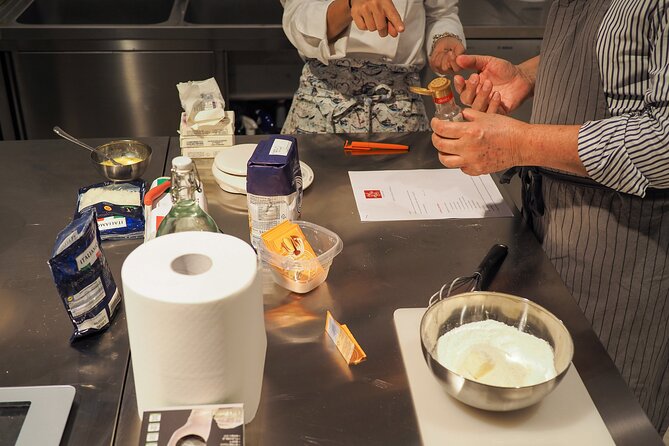
The pasta course is the heart of the class for many people. Depending on the day, you may make gnocchi, tagliatelle, ravioli, or another traditional pasta, then prepare a dressing or sauce together.
This is where the hands-on format pays off. Pasta dough is best understood through touch. Written instructions can tell you what to add, but the chef can show you what the dough should feel like and when it needs more work. That is the sort of tip that makes a home recipe less intimidating.
Gnocchi teaches a different skill. The dough must remain light, and handling it too much can make the finished dumplings heavy. Ravioli brings in shaping and filling, while tagliatelle focuses on rolling, cutting, and handling fresh pasta.
The class does not promise one particular pasta, so think of the course as a lesson in several related techniques. If you already make fresh pasta, you may find the basic work familiar, but the teacher’s comments about timing, ingredients, and sauces can still be useful.
Everyone takes part in the tasks, although the amount of individual practice depends on the number of people in the room. In a small group, you can expect a more intimate session. With a larger group, the work is shared, and you may spend part of the lesson watching another person handle a stage of preparation.
That shared arrangement is not a flaw, but it is worth understanding. This is not a one-to-one coaching session where you personally make every element from start to finish.
Dessert: tiramisu, cantucci, and Milanese Pan Meino
Dessert completes the three-course structure. Possible choices include tiramisu, Tuscan cantucci, Pan Meino, or chocolate tortini. Pan Meino is especially interesting because it is strongly linked with Milanese tradition, giving the class a local touch beyond the better-known tiramisu.
Tiramisu is familiar to many people, but making it yourself lets you see how the texture and balance come together. Cantucci provide a different lesson in baking and are practical to repeat at home. Pan Meino gives you a chance to learn a less common Italian sweet.
The changing dessert is another reason to treat the sample menu as a guide rather than a guarantee. You may have your favorite option, or you may discover a recipe that never appears on your usual restaurant order.
Recipes are delivered at the end of the experience. That is one of the strongest practical benefits of the class. You are not left with only photographs and a pleasant memory. You can try the dishes again for friends and family, using the notes and techniques from the lesson.
Take your own notes if you like. Participants are encouraged to ask questions, and the chef provides direct assistance during the preparations. Since the class covers three dishes in roughly three hours, writing down small details can help you remember them later.
Sitting down to eat what you prepared
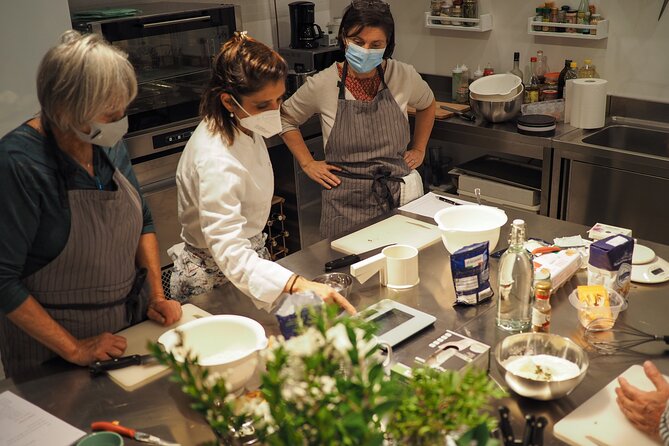
The class ends with dinner using the food prepared by the group. This is the satisfying payoff: you sit down, taste the results, and share the meal with the people who cooked beside you.
Dinner is included, as are Italian wines and spirits, bottled water, and coffee or tea. The wine arrangement needs a little explanation. Wine is shared, with one bottle intended for roughly every three people, and additional wine can be purchased if you want more.
That means you should not book this as an unlimited wine tasting. The included wine is a pleasant part of the meal, not the main event. If you care more about drinking than cooking, the arrangement may feel limited. If you care about learning and eating, it is a reasonable addition to the price.
The meal may combine food prepared by the whole group rather than giving each person an entirely separate plate. That is normal for a shared cooking class, but it is worth knowing if you prefer complete control over your own dish.
The social side works well here. You have spent the class cooperating, so dinner feels earned. You may leave with more than recipes, including ideas from other people about family cooking traditions and Italian food.
How Chef Ilaria handles the room
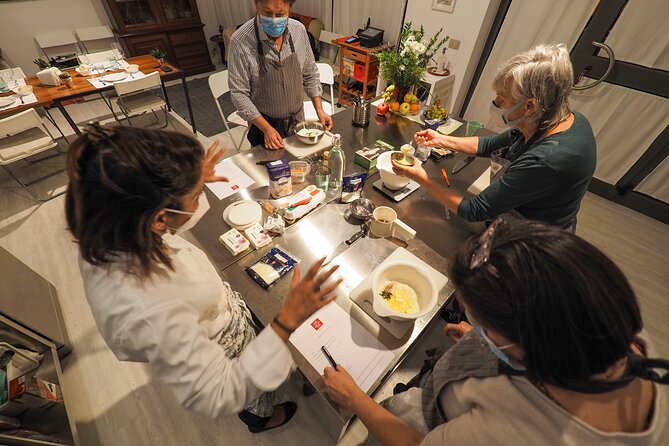
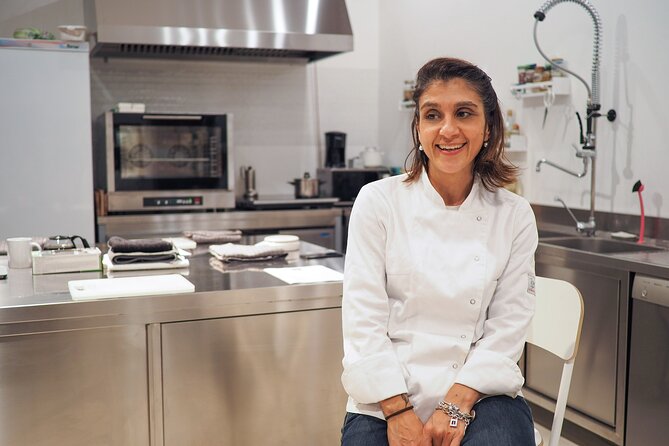
Chef Ilaria is repeatedly praised for her warmth, patience, humor, and energy. She has worked with beginners, teens, larger groups, and people with very different cooking skills. That range is important because a class can quickly become frustrating if the teacher assumes everyone already knows how to handle dough or a knife.
Her approach also includes stories about ingredients, their origins, and family traditions. One especially memorable session included stories about her grandmother while preparing local Italian dishes. These personal touches help connect the recipes to everyday Italian cooking rather than leaving them as restaurant exercises.
The class requires people to listen when instructions are being given. In a shared room, side conversations can make it hard for everyone to hear, so the chef may pause until the group is quiet. Some people will appreciate that order. Others may find it a bit strict, especially if they prefer a loose, chatty cooking party.
The best way to approach the class is to enjoy the social atmosphere while respecting the teaching moments. You can talk, laugh, and meet people, but you should expect the chef to take control when a technique needs explaining.
Price, group size, and overall value
At $82.27 per person, this is a solid value for Milan if you want several parts of an evening in one activity. The fee covers about three hours of instruction, welcome snacks, an apron, tools, three courses, the meal, shared Italian wine, and nonalcoholic drinks.
A restaurant dinner alone could cost a good portion of that amount, but the real value is the instruction. You leave with recipes and methods you can use again. If you cook even one of the dishes at home, the class becomes more useful than a standard meal.
The price is less attractive if you want a private chef, a guaranteed menu, or a wine-focused event. The class may include up to 20 people, and a full session can feel less personal than the smaller groups described by some participants.
It is booked on average 25 days ahead, so reserving early is sensible, especially if your Milan dates are fixed. Free cancellation is available up to 24 hours before the start time. If the minimum number of people is not reached, the provider offers another date or experience, or a full refund.
Who should book this class
I would recommend it most strongly to:
- Couples looking for a shared evening activity
- Families with teenagers who enjoy practical activities
- Solo visitors who like meeting people over food
- Beginner and intermediate home cooks
- Anyone who wants recipes to recreate after returning home
- People with a spare day in Milan who want more than sightseeing
The class can also accommodate a gluten allergy, according to one experience, but you should raise any dietary need when booking or before arrival. The menu is not fixed, so specific food requirements matter.
This is not the best match for a serious food specialist seeking advanced culinary training. The dishes are traditional and accessible, and the seasoning may be deliberately gentle. It is also not ideal if you need a guaranteed dish, dislike group participation, or expect free-flowing wine throughout the entire class.
Should you book Learn to Cook Italian Recipes with an Italian Chef?
Yes, if you want to cook, eat, and learn in one relaxed Milan activity. The strongest reasons are the changing menu, the useful explanations of technique, the warm teaching style associated with Chef Ilaria, and the chance to repeat the recipes at home.
Book it with realistic expectations. You will not choose the menu, the group may be larger than you hoped, and the wine is shared rather than unlimited. If those points suit you, the $82.27 price buys a generous three-hour experience with a proper meal at the end.
FAQ
How long does the cooking class last?
The experience lasts approximately three hours, including the cooking lesson and the meal at the end.
Where does the class meet?
It begins at Via Laura Ciceri Visconti, 4, 20137 Milano MI, Italy, and ends back at the same meeting point.
What dishes will I cook?
You will prepare three Italian dishes: a starter, a first course such as fresh pasta or handmade dumplings, and a dessert. The exact menu is announced in class.
Can I choose the menu?
No. The listed dishes are examples, and the menu changes. You will find out what you are preparing when the class begins.
Is dinner included?
Yes. Dinner using the food prepared during the class is included.
Is wine included?
Italian wine is included with the meal. The wine is shared, with one bottle intended for about every three people. Extra wine can be purchased separately.
Are cooking tools provided?
Yes. An apron and all cooking tools needed for the course are provided.
Is the class offered in English?
Yes. The experience is offered in English.
Can I cancel for a refund?
You can cancel at least 24 hours before the start time for a full refund. Cancellations or changes made less than 24 hours before the start time are not accepted for a refund.
Recently added around Milan
- Milan: Wine Lovers Experience at Cantina Urbana Winery★ 4.6 · 454 reviews
- From Milan: Verona and Lake Garda Guided Day Trip★ 4.6 · 236 reviews
- From Milan: Day Trip to Venice with Guided City Tour★ 4.4 · 614 reviews
- Verona and Lake Garda Day Trip from Milan★ 4.5 · 214 reviews
- Venice Day Trip from Milan with Guided City Tour★ 4.0 · 383 reviews
- Full-day Skip-The-Line Milan, The Last Supper and Duomo Cathedral★ 5.0 · 293 reviews
- Small-Group Lake Como & Lugano by Swiss Train + Boat Cruise★ 5.0 · 1,084 reviews
- Transfer Milan City Centre – Bergamo Airport★ 4.5 · 975 reviews
Milan Tours, compared.

Cathedral and Duomo’s Terraces Entrance Ticket
Read our review →
Science and Technology Leonardo da Vinci Museum Entry
Read our review →
City Sightseeing Hop-On Hop-Off Bus with Audio Guide
Read our review →
Milan Cathedral: Duomo Terraces Ticket (No Church Access)
Read our review →
Milan Cathedral Direct Entrance – Terrace Excluded
Read our review →
Guided Walking Tour & Last Supper Visit with Ticket
Read our review →
Fast-Track Milan Cathedral and Terraces Guided Tour
Read our review →Browse the lists this tour appears in