
Reviewed · CITY TOURS
Genoa: The City of Children and Young Museum Entry Ticket
Five senses, one compact family stop. Genoa’s City of Children and Young Museum turns sight, sound, smell, touch, and taste into hands-on play, making it a welcome break from standard sightseeing. I especially like the freedom to explore the five themed rooms in any order and the bright photo props, including the giant 3D nose and lollipop displays. The main drawback is size: at $14 per person, some families may find the visit too short for the price.
I like the way the museum mixes play with simple science, rather than asking children to look quietly at displays. The hearing workshop can add extra value, and the regular announcements make it easier to catch one if the timing works. Still, older children may finish quickly, while younger children seem likely to get the most from the building area and sensory stations.
In This Review
- Five things to know before you go
- A sensory museum beside Genoa Aquarium
- Room by room, using all five senses
- Sight: mirrors, reflections, and optical tricks
- Sound: waves, listening, and the hearing workshop
- Smell: one of the most memorable stations
- Taste: a simple lesson about taste buds
- Touch and construction: hands-on play with an age question
- What the 1.5-hour visit really feels like
- The best age range and family fit
- Is $14 a fair price?
- Planning your visit in Genoa
- How to get more from the sensory displays
- Should you book the City of Children and Young Museum?
- FAQ
- Where is the City of Children and Young Museum?
- How long does the museum visit last?
- What can children do inside the museum?
- Is the museum suitable for younger children?
- Is the museum wheelchair accessible?
- Can I cancel my ticket for a refund?
Five things to know before you go
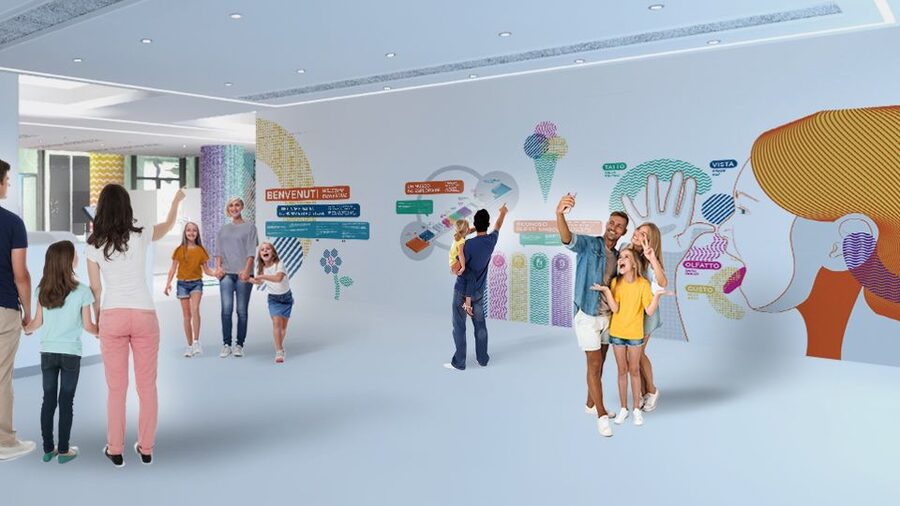
- The five senses shape the whole visit: You will see, hear, smell, touch, and learn about taste through colorful hands-on displays.
- The route is flexible: You can enter the five interactive rooms in any order, which helps families move at their own pace.
- The museum shares a building with Genoa Aquarium: Entry is on the ground floor, making it easy to combine with a Porto Antico visit.
- The visit may be shorter than expected: The official duration is 1.5 hours, but some families may finish the main areas in less than an hour.
- The hearing workshop adds learning: A well-received activity uses sound to teach new ideas in a playful way.
- It is best for younger children: Older children may find some sections too simple, while the building zone may suit smaller children better.
A sensory museum beside Genoa Aquarium
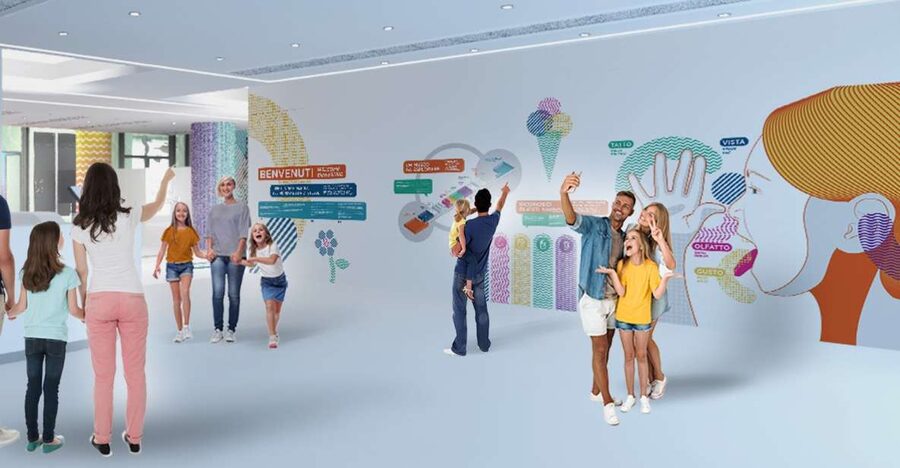
The City of Children and Young Museum sits in the same building as the Aquarium of Genoa. That location matters. You can pair a visit here with the aquarium and make the museum a lively change of pace between more traditional exhibits.
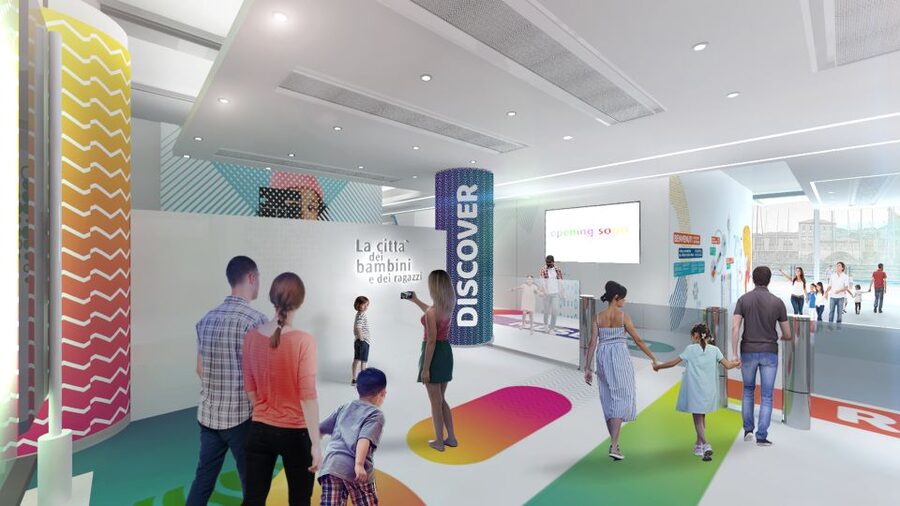
Entry is on the ground floor. You show your ticket when you arrive, then move into a colorful world built around the five senses. There is no required route, so you do not have to follow a fixed line from room to room. If one display catches your child’s attention, you can stay with it. If another area is crowded or feels too young, you can move on.
The museum is designed around participation. You are not simply reading labels or looking at objects behind glass. You can test sound waves, play with reflections, examine shapes, touch displays, and explore the basics of taste and smell.
That makes this a useful stop for families who need children to do something, not just watch something. It also means the quality of the visit depends on how much your children enjoy hands-on play. Adults looking for a large science museum may find the space modest.
More Museum Tours in Genoa:
- Genoa: Impossible Museum Entry Ticket
★ 4.2 · 226 reviews - Genoa: Aquarium, Galata Museum and Submarine Entry Tickets
★ 4.6 · 190 reviews - Vatican: Museums & Sistine Chapel Entrance Ticket
★ 4.5 · 144,003 reviews
Room by room, using all five senses
The museum’s five themed rooms create a broad sensory tour, but the supplied information does not assign specific room names or a fixed sequence. That is actually helpful for a family outing. You can choose the activities that suit your children instead of being pushed through a set itinerary.
Sight: mirrors, reflections, and optical tricks
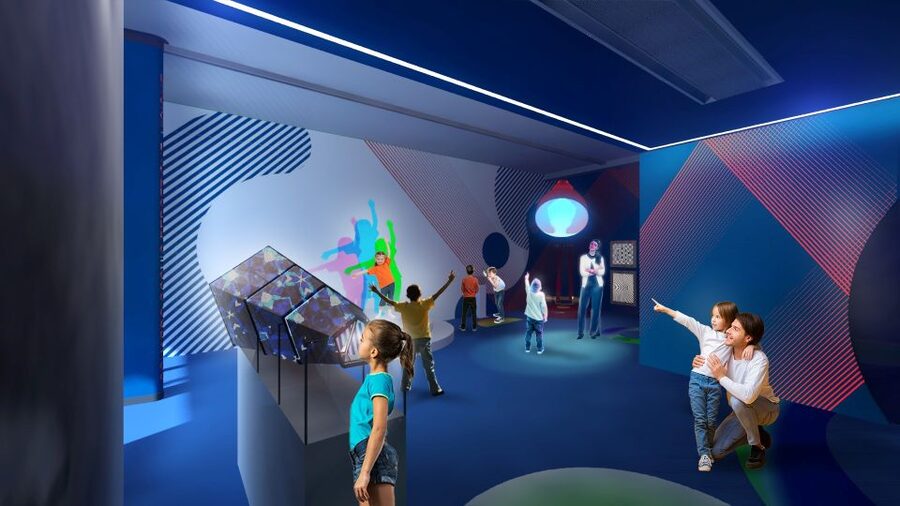
The visual areas use bright colors, shapes, mirrors, and optical effects. Expect displays that ask you to look closely and question what you see. The kaleidoscope-style effects and reflections are especially useful for children who enjoy patterns and visual puzzles.
This is also where the museum’s photo appeal comes in. The 3D nose and lollipop displays offer playful selfie opportunities. You may get better family photos here than in a room filled with standard museum panels, although the displays are made for fun rather than serious art study.
The visual activities suit a wide age range, but older children may want more explanation or a harder challenge. For younger children, simply seeing a room change through mirrors and color can be enough.
Sound: waves, listening, and the hearing workshop
The sound section gives children a chance to listen, test, and notice how sound behaves. Sound waves are part of the experience, and the museum also offers a hearing workshop at announced times.
The workshop is worth watching for. It has been praised as both interactive and educational, helping children learn new ideas while having fun. Announcements are made regularly, so listen for the next start time after you enter.
This is one of the strongest parts of the visit because it gives the museum a clear learning purpose. You are not only pressing buttons or posing for photos. Your child can connect an activity with a simple scientific idea.
The practical catch is timing. The available information does not give workshop schedules or exact session lengths, so you should ask on arrival if this activity matters to your plans.
A few more Genoa bookings to compare
- Genoa: Aquarium of Genoa Entry Ticket
★ 4.5 · 10,075 reviews - Milan: Branca Tower Entrance Ticket
★ 4.1 · 2,045 reviews - Genoa: Hop-on Hop-off Tour Ticket
★ 4.0 · 1,524 reviews - Genoa: Aquarium of Genoa with Lunch
★ 4.3 · 1,449 reviews
Smell: one of the most memorable stations
The smell activity appears to be one of the museum’s more successful ideas. Children can test their sense of smell and work out how familiar scents affect recognition.
This station has an easy appeal. Smell is often overlooked in museums, yet it can prompt quick reactions and plenty of family conversation. A child may identify a scent at once, while another may have no idea what it is. That uncertainty is part of the fun.
If your family has limited time, I would give this activity priority. It offers something different from the mirror and building displays, and it directly fulfills the museum’s promise to use all five senses.
Taste: a simple lesson about taste buds
The taste section introduces taste buds and the way we experience flavor. The supplied information does not specify exactly what visitors sample or how the activity is arranged, so you should think of this as a sensory learning area rather than a food tasting tour.
That distinction matters. The museum’s central idea is to make children notice how their bodies work. Taste is included as part of that wider lesson, alongside smell, hearing, sight, and touch.
You might find this area most useful when you take time to explain what your child is noticing. The museum provides the setting, but a parent can turn a quick activity into a better conversation about flavor and the senses.
Touch and construction: hands-on play with an age question
Touch is built into the museum’s displays. Children can handle eye-catching elements and interact with bright, physical installations rather than keeping their hands behind their backs.
There is also a construction area. This may be particularly appealing to younger children who enjoy building and taking things apart. For children aged seven and eight, however, one family found the building zone a little too young.
That age gap is worth keeping in mind. The museum is not aimed at one narrow age group, but each area will not suit every child equally. The sensory stations may hold the attention of school-age children, while the construction area may work better for preschool-age visitors.
What the 1.5-hour visit really feels like
The stated duration is 1.5 hours, which is a sensible planning figure for a first visit. It gives you enough time to try the main rooms without turning the museum into an all-day commitment.
In practice, your visit could be shorter. A family with two children aged seven and eight completed nearly everything in under an hour, then made another circuit. That does not mean every child will move so quickly, but it shows why you should not treat the museum as a guaranteed two-hour activity.
The earlier estimate of two to two and a half hours can be optimistic, especially for children who move quickly or skip the younger construction activities. On the other hand, a child who wants to repeat every mirror trick, smell station, or building challenge may take longer.
I would plan for about one to one and a half hours, with extra time only if you know your children like repeating hands-on activities. If you are combining the museum with the aquarium, this shorter visit can be an advantage. It gives you a manageable indoor stop without consuming your whole day.
The best age range and family fit
The museum is most likely to please families with younger children. The displays are bright, physical, and easy to understand without long reading sections. Children can move, test, touch, listen, and look, which helps burn off energy while still offering a basic educational angle.
Children around seven and eight can enjoy the sensory rooms, especially the smell and hearing activities. The hearing workshop may be the best match for this age because it adds a clear lesson. But some parts, including the building area, may feel too simple.
Older children may enjoy the optical illusions and photo props for a short time, but the museum may not hold them for the full planned duration. If your child expects advanced science experiments, complex technology, or a large collection of exhibits, the visit could feel limited.
Adults should also set the right expectation. This is not a major art museum, despite the references to innovative art and digital trends. It is a small, playful experience built around sensory discovery.
Is $14 a fair price?
At $14 per person, the ticket is reasonable if you get close to the full 1.5-hour visit and your children take part in the workshops and sensory stations. It becomes less convincing if your family completes the main areas in under an hour.
The value improves when you combine the museum with the Aquarium of Genoa because both are in the same building. You save the trouble of moving across town, and the museum gives children a different kind of activity after looking at marine life.
The price also covers a very specific experience. You are paying for participation, not a large number of galleries or a long route. Families who value hands-on play may find the cost fair. Families who measure value by total time and exhibit size may feel it is high.
I would book at $14 if your children are in the younger age range, you want an indoor activity, and you plan to use the museum as part of a larger Porto Antico day. I would hesitate if your children are older, quick to move on, or already tired from a full schedule.
Planning your visit in Genoa
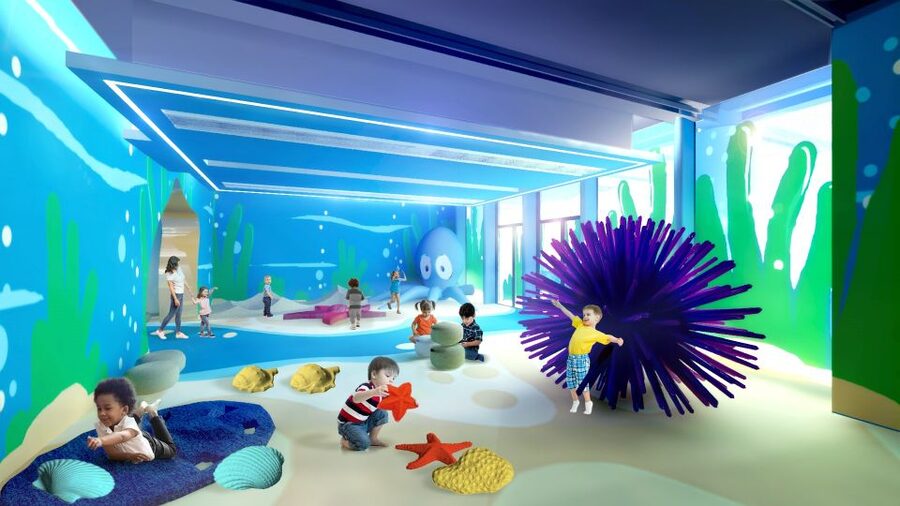
Wear comfortable shoes and clothes. The museum involves walking, standing, and interacting with displays, so formal clothing is unnecessary. Bring water, especially if you are visiting with small children.
Pets are not allowed. The museum is wheelchair accessible, which is useful for families who need step-free access, though the supplied information does not give further details about individual exhibit layouts.
You can cancel up to 24 hours before the activity for a full refund. A reserve now and pay later option is also available, so you do not have to pay at the time of booking. Check the available starting times before setting your Genoa schedule.
Because the museum is inside the aquarium building, confirm that you are heading to the museum entrance on the ground floor rather than assuming your aquarium ticket provides entry. The two attractions share a building, but they are separate experiences.
How to get more from the sensory displays
Give your child a simple mission before entering: find the best smell, the strangest reflection, or the most surprising sound. This makes the visit feel like a game and helps prevent the family from rushing through every room.
Listen for the hearing workshop announcements. The activity adds more structure than free play alone and can be a good reset if children begin to lose interest.
Take photos, but do not let the photo props become the whole visit. The 3D nose and lollipop displays are fun souvenirs, yet the museum’s better value lies in the chance to compare what each person sees, hears, smells, and tastes.
If your child is younger, allow extra time for the construction section. If your child is seven or older, start with the sensory rooms and treat the building zone as optional. Since you can choose any route, you have room to adjust.
Should you book the City of Children and Young Museum?
Book it if you want a short, playful indoor stop for younger children, especially alongside the Aquarium of Genoa. The smell station, hearing activities, colorful optical effects, and flexible route give families plenty to do without demanding quiet museum behavior.
Think twice if you expect a large museum or a full two to two and a half hours of activity. The $14 price can feel steep when children finish quickly, and some displays may seem too simple for older children.
For the right family, this is a cheerful sensory break with genuine educational value. For the wrong age group, it can be a compact visit dressed up as a major attraction. Check your children’s ages, plan around the 1.5-hour official duration, and book when the hands-on format fits your day.
FAQ
Where is the City of Children and Young Museum?
It is in Genova, Liguria, in the same building as the Aquarium of Genoa. Entry to the museum is on the ground floor.
How long does the museum visit last?
The stated duration is 1.5 hours. Some families may finish the main areas in less than an hour, while children who repeat activities may stay longer.
What can children do inside the museum?
Children can explore five interactive themed rooms and use sight, sound, smell, touch, and taste. Activities include sound waves, reflections, mirrors, shapes, taste-bud information, and hands-on displays.
Is the museum suitable for younger children?
Yes. The experience is designed as a family activity and is especially suitable for younger children. The construction area may suit smaller children better than children aged seven or eight.
Is the museum wheelchair accessible?
Yes, the activity is wheelchair accessible.
Can I cancel my ticket for a refund?
Yes. You can cancel up to 24 hours in advance for a full refund. A reserve now and pay later option is also available.
Recently added around Genoa
- Genoa: Impossible Museum Entry Ticket★ 4.2 · 226 reviews
- Guided Tour of Rolli Palaces UNESCO Site, Genoa★ 4.4 · 539 reviews
- Genoa: Aquarium, Galata Museum and Submarine Entry Tickets★ 4.6 · 190 reviews
- Genova: Segway Tour★ 4.9 · 275 reviews
- Genoa: Historic Guided Tour of Christopher Columbus’ House★ 4.4 · 186 reviews
- Genoa: Half-Day Tour to Portofino★ 4.2 · 1,123 reviews
- Genoa: Food and Wine Tasting Walking Tour★ 4.9 · 215 reviews
- Genoa: Cetacean Watching Cruise with Marine Biologist Guide★ 4.3 · 745 reviews
City Tours, compared.
City Sightseeing Hop-on Hop-off Bus with Audioguide
Read our review →
City Sightseeing Hop-On Hop-Off Bus with Audio Guide
Read our review →
City Sightseeing Rome Hop-On Hop-Off Bus Tour
Read our review →

Fettuccine Pasta Cooking Class in Rome’s City Center
Read our review →
Vatican City: Vatican Museums & Sistine Chapel Entry Ticket
Read our review →

City Sightseeing Florence Hop-On Hop-Off Bus Tour
Read our review →Browse the lists this tour appears in