
Reviewed · CITY TOURS
Florence: Firenze Card Official Museum City Pass
Florence rewards a well-planned museum day. I like the 72-hour access to around 60 museums, and I like that the card can cover major names such as the Uffizi Gallery, Accademia Gallery, and Brancacci Chapels without buying a separate ticket at every stop. The main catch is that you still need free reservations for the Uffizi and Accademia, and the card does not cover public transport or the Duomo complex.
The card works best for an art-focused visit with a busy but sensible schedule. I also appreciate the free entry for children under 18 in the cardholder’s family unit. The process can feel a little disjointed, though: you collect the physical card at the meeting point, then arrange timed entries for the most popular museums.
In This Review
- Key points at a glance
- How the FirenzeCard works in Florence
- Collecting your card beside Giotto’s Belfry
- The Uffizi Gallery, Florence’s essential first booking
- The Accademia and Michelangelo’s David
- Brancacci Chapels and the lesser-known stops
- A realistic three-day plan
- Is $110 a good value?
- Discounts beyond the museum doors
- Reservations, queues, and the small-print reality
- Who should buy the FirenzeCard?
- My booking advice
- Should you book the FirenzeCard?
- FAQ
- How long is the FirenzeCard valid?
- When does the FirenzeCard activate?
- How many museums are included?
- Are the Uffizi Gallery and Accademia Gallery included?
- Do children under 18 enter free?
- Do children need reservations for the Uffizi and Accademia?
- Is the Duomo complex included?
- Does the FirenzeCard include public transportation?
- Where do I collect the physical card?
- What should I bring to collect or use the card?
- Is the card wheelchair accessible?
- Can I cancel the booking?
Key points at a glance
- Pick up the physical card near Giotto’s Belfry: Exchange your voucher at the ticket counter under the blue flag, near the kiosk and ambulance.
- Use the card for 72 hours after first entry: The clock starts when you enter your first museum, not necessarily when you collect the card.
- Reserve the Uffizi and Accademia in advance: The reservations are free, but they are still required, including for eligible children under 18.
- Aim for three or more paid museums daily: At $110 per person, the pass makes the most sense when you visit several included sites.
- Plan around the big exclusions: Public transportation and the Duomo complex are not included.
- Expect extra savings beyond museums: Discounts range from 5 to 15 percent at selected shops, restaurants, a hotel, and a hair and beauty business.
How the FirenzeCard works in Florence
The FirenzeCard is a city museum pass with 72 hours of validity. You receive a physical card at the meeting point, then use it for entry to participating museums and cultural sites across Florence.
The card activates when you first enter a museum. That timing matters. If you collect it late in the day but wait until the next morning for your first museum, you preserve those lost afternoon hours. I would avoid activating it casually, especially if you arrive in Florence several days before your main sightseeing begins.
You can use the pass for around 60 museums. The exact value depends on your pace, your interests, and the regular admission prices at the places you choose. If you plan only one museum each day, the $110 price will be hard to justify. If you visit three or four sites daily, especially the major museums, the arithmetic improves quickly.
The card is not a general Florence transport pass. You will still pay for buses, trams, taxis, or other transportation separately. The complex of the Duomo is also excluded, so you need separate arrangements for the cathedral-related sights.
More Museum Tours in Florence
- Florence: Skip-The-Line Uffizi Gallery Timed Entry Ticket
★ 4.5 · 27,832 reviews - Florence: Leonardo Interactive Museum Entry Ticket
★ 4.5 · 11,763 reviews - Florence Accademia Gallery Tour with Entrance Ticket Included
★ 4.5 · 6,148 reviews
Collecting your card beside Giotto’s Belfry
The meeting point is in front of Giotto’s Belfry, close to the kiosk and ambulance, under a blue flag. You exchange your voucher at the ticket counter and receive the physical FirenzeCard.
This central location is useful if you are already near the Piazza del Duomo area. It also gives you a practical place to begin your Florence museum plan. Toilet access is available at the meeting point, a small but welcome detail after arriving with luggage or after a long walk through the city.
Bring your passport or identity card. Keep the FirenzeCard safe throughout the three days, since it is the item you present for museum access.
The collection process itself is not the difficult part. The more important task is sorting out reservations for the most popular venues. The card helps you avoid buying separate entrance tickets, but it does not remove the need to reserve a time at the Uffizi and Accademia.
The Uffizi Gallery, Florence’s essential first booking
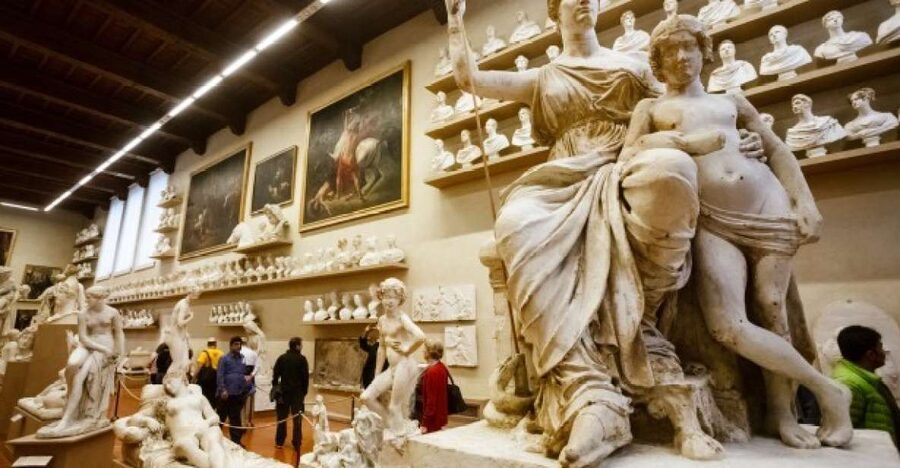
The Uffizi is the place where your reservation matters most. It is one of Florence’s best-known museums, and the crowds can make an unplanned visit frustrating. With the FirenzeCard, you still need a free timed reservation, but you avoid joining the ordinary ticket-buying queue.
Set aside a proper block of time rather than trying to squeeze the Uffizi between two other appointments. One visitor found that about three hours in the crowded museum was enough for one sitting. That is a useful warning: the building is packed with major works, and the experience can become tiring even when you love art.
The card can include exhibitions that normally carry an extra fee, which strengthens its value during periods with special displays. Check the reservation process carefully and allow time to reach the correct entrance. The pass does not mean you simply walk through every door without instructions.
I would reserve the Uffizi before planning the rest of your museum days. Once that time is fixed, you can build a practical route around it rather than rushing across Florence.
The Accademia and Michelangelo’s David
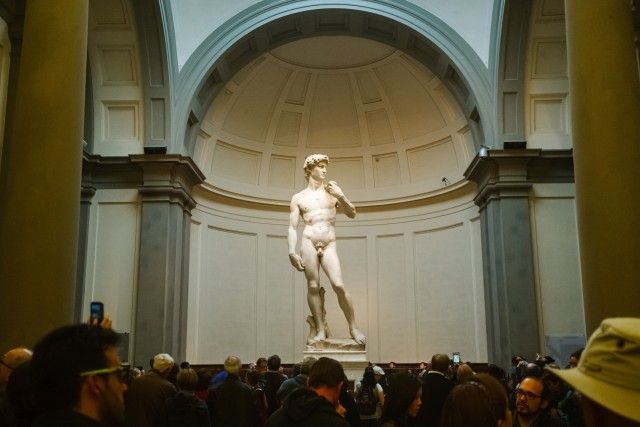
The Accademia Gallery is another required reservation. Its star is Michelangelo’s David, but the museum contains more than one famous statue, so avoid treating it as a five-minute photo stop.
The timed entry is especially helpful here because the gallery is compact and popular. The card lets you focus on getting inside at your scheduled time instead of first standing in a ticket line. Children under 18 also need a free reservation if they are using the family benefit.
Plan the Accademia alongside other central sights, but leave breathing room. Florence is easy to cross on foot in the central area, yet a packed schedule can turn a fine museum day into a march from doorway to doorway.
Still Florence, but a slower afternoon:
- Tuscany Day Trip from Florence: Siena, San Gimignano, Pisa and Lunch at a Winery
★ 5.0 · 21,634 reviews - Florence: Timed Entrance Ticket to Michelangelo’s David
★ 4.6 · 16,983 reviews - Florence: Michelangelo’s David Skip-the-Line Entry Ticket
★ 4.5 · 12,764 reviews - The Best tour in Florence: Renaissance & Medici Tales – guided by a STORYTELLER
★ 5.0 · 12,316 reviews
Brancacci Chapels and the lesser-known stops

The pass becomes more interesting after you have seen the Uffizi and Accademia. It includes places such as the Brancacci Chapels, giving you a reason to explore beyond the two headline museums.
The Brancacci Chapels are a good example of why a museum pass can shape a better Florence visit. You can add a smaller, more focused site instead of spending every hour in the biggest museums. The card covers many museums and churches, so you have room to choose sites that match your interests.
I would group museums by neighborhood when possible. One purchaser wished that the sightseeing information made nearby sites easier to plan. That is sound advice. The pass covers admission, but it does not create a route for you. Look at opening times and locations before activating the card.
The practical benefit is flexibility. If a major museum feels too crowded, you can move on to another included venue. During hot weather, one visitor used the card to enter smaller sites in the early morning, when the cooler hours made sightseeing easier.
A realistic three-day plan
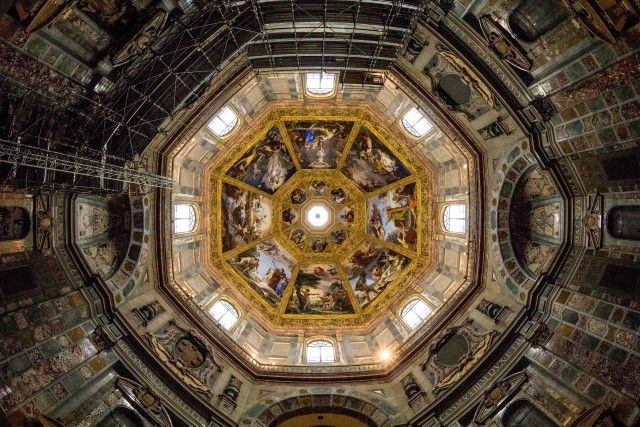
The FirenzeCard gives you 72 hours, but you should not mistake that for three unlimited museum marathons. Florence’s major museums can be tiring, and summer heat adds another limit.
A sensible first day might include card collection, the Uffizi at its reserved time, and one nearby museum. If you collect the pass early and activate it at once, make sure you are ready to use the first day fully.
On the second day, schedule the Accademia and add two other included sites. The card works well for this kind of plan because your main entry is arranged in advance and your additional stops can fill the surrounding hours.
Use the third day for smaller museums, chapels, or churches. This is where the pass can feel less like a race and more like permission to follow your curiosity. You can enter a site that you might otherwise skip because buying another individual ticket feels inconvenient.
A fast-moving art enthusiast may manage four venues in one day. One family used the card at four sites between 9 a.m. and 2 p.m., then reached seven venues during the full 72-hour period. That pace is possible, but it will not suit everyone. If you prefer to look closely, take breaks, and enjoy Florence outdoors, aim for fewer sites.
Is $110 a good value?
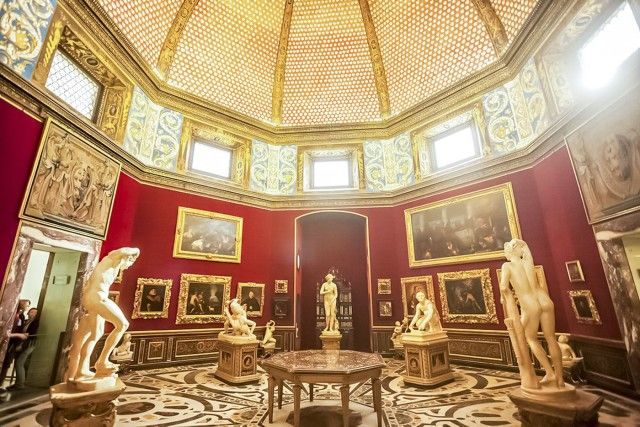
At $110 per person, the FirenzeCard is not an automatic bargain. Its value depends on how many included museums you visit and what their individual admission prices would be.
For a visitor interested in art history, the major advantage is convenience as well as cost. The Uffizi and Accademia are expensive and popular individual stops, and adding several other museums can make the total approach or exceed the pass price. You also avoid repeatedly handling separate ticket purchases.
I would consider the card a strong deal if you plan to visit about three significant sites per day. Seven venues over 72 hours can produce very good value, provided you actually want to see that much.
The pass is less attractive for a relaxed visitor who wants long lunches, wandering, shopping, and only one museum each day. Florence rewards slow walking too, and the card should not pressure you into filling every hour with indoor sightseeing.
There is also a family advantage. Children under 18 in the cardholder’s family unit enter free when accompanied by the cardholder. Their free reservations for the Uffizi and Accademia must still be arranged. For a family that plans several museum visits, this benefit can change the calculation considerably.
Discounts beyond the museum doors
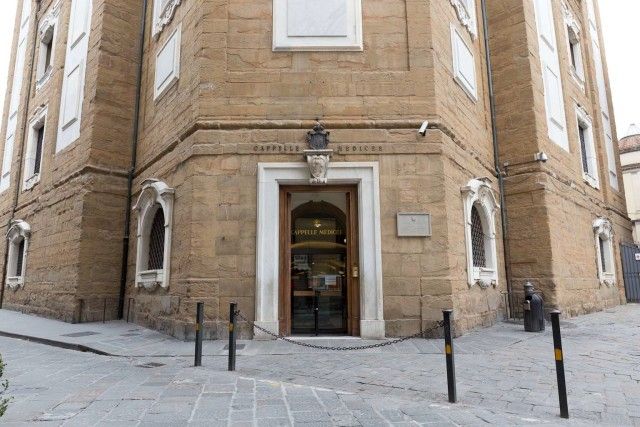
The FirenzeCard includes discounts at selected businesses. These are not the main reason I would buy the pass, but they can provide a little extra value.
You receive:
- 10 percent at the Hard Rock Shop on Via dei Brunelleschi, excluding limited-edition and charity items
- 10 percent at the Hard Rock Cafe restaurant on the à la carte menu, excluding alcohol
- 15 percent at Andrea Sassi clothing store on Via Panzani
- 5 percent at Enrico Verità watch shop on Via dei Calzaiuoli
- 10 percent at Residenza dei Pucci hotel
- 10 percent at P&P Style hair and beauty on Via dello Studio
These offers are specific, so do not count them as universal Florence discounts. If one of these businesses is already part of your plan, the savings are useful. If not, they should not influence your decision.
Reservations, queues, and the small-print reality
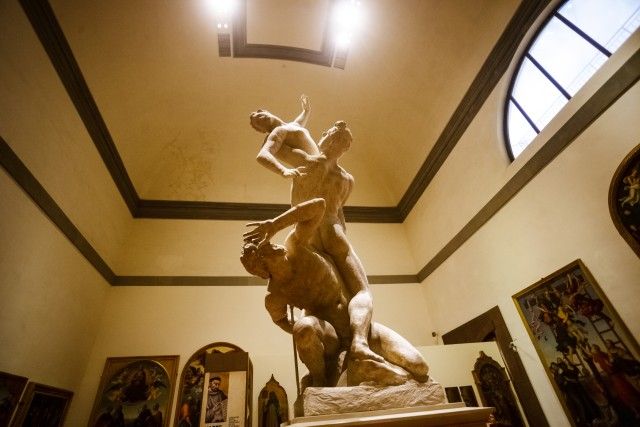
The biggest practical benefit is skipping the ordinary ticket-buying line. That does not always mean skipping every queue or walking in at any hour.
The Uffizi and Accademia require reservations. Arrange those times before your sightseeing days fill up. The free booking requirement applies to eligible children too, even though they enter without paying.
Some entrances may not be immediately obvious. Follow the signs and ask staff where FirenzeCard holders should go. The system generally works, but you may need to pause and confirm the correct desk or entrance rather than joining the longest line.
The card includes access to exhibitions that can otherwise cost extra, which is a helpful detail for anyone visiting during a special show. Still, opening hours and reservation rules can vary by site, so check them before building a tightly packed schedule.
Who should buy the FirenzeCard?
I would recommend it most strongly to three types of visitors.
First, art lovers who want the Uffizi, Accademia, and several additional museums will likely get good value. The card reduces repeated ticket purchases and makes a full museum program easier to manage.
Second, families with children under 18 may benefit from the free admission rule. Just remember to make the children’s reservations for the Uffizi and Accademia.
Third, repeat visitors who already know Florence and want to spend three days visiting cultural sites can use the pass efficiently. You are less likely to lose time deciding what to see once you have a clear list.
I would be more cautious if you are visiting Florence for the first time but prefer a loose schedule. You might spend much of your time outdoors, and the lack of transportation and Duomo admission means the pass will not cover all the major parts of your trip.
The card is wheelchair accessible, which makes it a practical option for visitors who need accessible museum admission. Individual site conditions and routes can still vary, so confirm details when arranging reservations.
My booking advice
Before buying, list the museums you genuinely want to see. Include the Uffizi, Accademia, and at least several additional card-covered sites. If that list fills three days, the $110 price is easier to defend.
Next, check your arrival time. Collecting the card does not activate it, but entering your first museum does. Then reserve the Uffizi and Accademia and arrange the rest of your day around those fixed appointments.
Finally, leave space for Florence itself. The best use of a museum pass is not racing through every doorway. It is having the freedom to add a smaller museum, chapel, or church without stopping to debate another admission fee.
Should you book the FirenzeCard?
Book it if you want a serious museum schedule and expect to visit three or more included sites each day. It is particularly useful for the Uffizi and Accademia, families with children under 18, and anyone who dislikes buying tickets repeatedly.
Skip it if you want a slow visit focused on cafés, walks, shopping, and only one or two museums. Remember that transport and the Duomo complex require separate payment.
For the right visitor, the FirenzeCard is a practical way to organize Florence’s art treasures. Just reserve the big museums early, plan by neighborhood, and treat the 72-hour clock as a tool, not a challenge.
FAQ
How long is the FirenzeCard valid?
The card is valid for 72 hours, or three days, from the moment you enter your first museum.
When does the FirenzeCard activate?
It activates when you make your first museum entry. Simply collecting the physical card does not start the 72-hour period.
How many museums are included?
The pass provides access to around 60 Florence museums.
Are the Uffizi Gallery and Accademia Gallery included?
Yes. Both are included, but reservations are required for entry.
Do children under 18 enter free?
Children under 18 in the cardholder’s family unit receive free access when accompanied by the cardholder.
Do children need reservations for the Uffizi and Accademia?
Yes. Free reservations must also be made for eligible children under 18.
Is the Duomo complex included?
No. The complex of the Duomo is not included in the FirenzeCard.
Does the FirenzeCard include public transportation?
No. Transportation is not included.
Where do I collect the physical card?
Collect it in front of Giotto’s Belfry, near the kiosk and ambulance, under a blue flag. Exchange your voucher at the ticket counter.
What should I bring to collect or use the card?
Bring your passport or identity card. The FirenzeCard is a physical card issued at the meeting point.
Is the card wheelchair accessible?
Yes, the activity is listed as wheelchair accessible.
Can I cancel the booking?
Yes. You can cancel up to 24 hours in advance for a full refund.
Recently added around Florence
- Florence Uffizi Gallery monolingual Small Group Tour★ 4.0 · 621 reviews
- Florence Private Walking tour with Skip-the-line to Accademia★ 4.5 · 236 reviews
- Uffizi Gallery Entrance Ticket with Priority Access★ 3.5 · 1,029 reviews
- Florence Skip-the-Line Duomo Tour with Guide & Brunelleschi Dome★ 5.0 · 1,176 reviews
- Skip-the-Line Accademia Guided Visit: David Secrets and Beyond★ 4.0 · 525 reviews
- Priority Entrance : Florence Accademia Gallery Timely Tickets★ 4.0 · 603 reviews
- Skip the line : David Guided Experience★ 4.5 · 1,076 reviews
- Private Tour in Siena, San Gimignano and Chianti Day Trip from Florence★ 5.0 · 405 reviews
City Tours, compared.
City Sightseeing Hop-on Hop-off Bus with Audioguide
Read our review →
City Sightseeing Hop-On Hop-Off Bus with Audio Guide
Read our review →
City Sightseeing Rome Hop-On Hop-Off Bus Tour
Read our review →

Fettuccine Pasta Cooking Class in Rome’s City Center
Read our review →
Vatican City: Vatican Museums & Sistine Chapel Entry Ticket
Read our review →

City Sightseeing Florence Hop-On Hop-Off Bus Tour
Read our review →Browse the lists this tour appears in