
Reviewed · COOKING CLASSES
Fettuccine Ravioli and Tiramisu Cooking Class in Rome
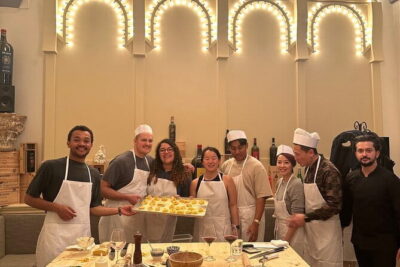
Rome tastes better when you make lunch. This three-hour class near Piazza Navona gives you a practical taste of Italian cooking, with a local chef showing you how to make fresh fettuccine, stuffed ravioli, and tiramisu from basic ingredients. I especially like the hands-on pasta work and the relaxed meal at the end, where you eat what you helped prepare with wine and other people from around the world.
The class is also a good break from Rome’s crowded sights. I like that you leave with recipes and useful skills, not just another photograph. The main consideration is that the pasta is prepared during the class but cooked for you afterward, so this is a cooking lesson and shared meal rather than a full restaurant-kitchen experience.
The class costs $84.69 per person and is taught in English. It has a maximum of 20 participants, so the room can feel lively, especially when the class is full. Some sessions may finish closer to two hours, while the stated duration is about three hours.
In This Review
- Key points at a glance
- Starting near Piazza Navona
- The first lesson: tiramisu before pasta
- Making dough with one egg and a cup of flour
- Choosing a sauce for the fettuccine
- The meal after the work
- What the chefs do well
- How long the experience really takes
- Is $84.69 a fair price?
- Who should book this class?
- Final verdict: a useful souvenir you can eat
- FAQ
- Where does the cooking class meet?
- Where does the class end?
- How long does the class last?
- What food do you make?
- Which sauces are available for the fettuccine?
- What sauce comes with the ravioli?
- Are drinks included?
- Is the class taught in English?
- How many people can join the class?
- Can I cancel for a full refund?
Key points at a glance
- Piazza Navona setting: Start at Via Giuseppe Zanardelli, 14, a short walk from one of central Rome’s most famous squares.
- Three Italian staples: Make fresh fettuccine, ravioli, and classic mascarpone tiramisu from scratch.
- Chef-led instruction: Chefs such as Maria, Leo, Lori, Mattia, Mimi, Tommy, and Leonardo are praised for patience, humor, and clear guidance.
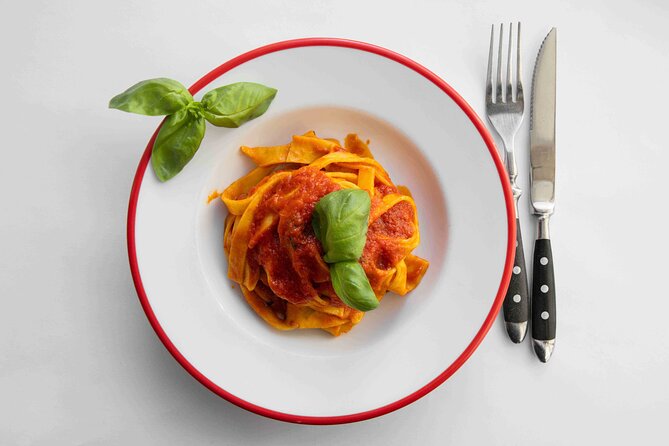
- Choose your fettuccine sauce: Options include tomato and basil, cacio e pepe, and amatriciana.
- Shared meal included: Sit down after the cooking and eat your pasta and dessert with Italian wine, water, and a final coffee or limoncello.
- Best for beginners and families: The instructions are approachable, and children and first-time pasta makers can take part.
Starting near Piazza Navona
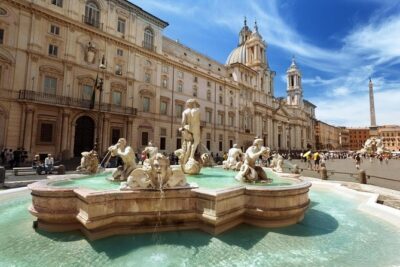
The meeting point is Via Giuseppe Zanardelli, 14, in postal code 00186, Rome. That puts you in the heart of the historic center, close to Piazza Navona and within easy reach of public transportation.
This location matters. You can pair the class with a morning visit to the Pantheon, a walk around Piazza Navona, or an evening stroll through the nearby streets. It is also useful as a pause from churches, ruins, and crowded piazzas. Rome can be tiring on foot, and a few hours indoors with food, conversation, and a glass of wine can reset your day.
One practical warning: check your confirmation carefully before setting out. One participant encountered two different meeting locations in email messages and went to the original address, which turned out to be correct. That confusion appears to have been resolved at the class, but it is still worth checking the latest instructions.
More Cooking Classes in Rome
- 3 in 1 Cooking Class near Navona: Fettuccine, Ravioli & Tiramisu
★ 5.0 · 7,376 reviews - Rome: Pasta & Tiramisu Class with Fine Wine by the Vatican
★ 4.9 · 4,852 reviews - Rome: Pasta Making Class with Wine, Limoncello, and Dessert
★ 4.9 · 3,177 reviews
The first lesson: tiramisu before pasta
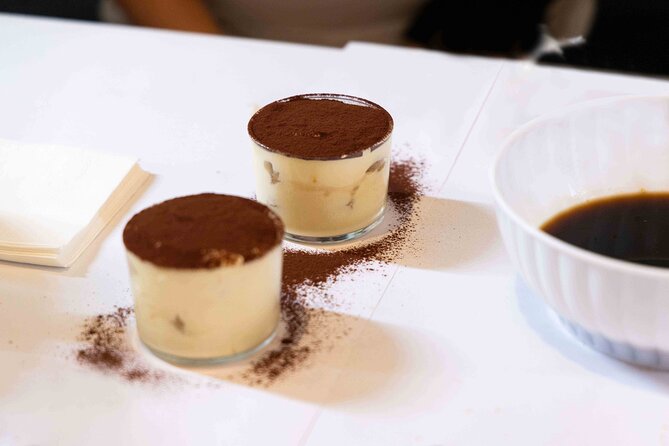
The class begins with preparation rather than a long chef demonstration. You make a classic tiramisu with mascarpone and espresso-soaked biscuits, then set it aside while you work on the pasta.
This is a smart order. Tiramisu benefits from resting, and making it first means dessert is ready by the time the meal reaches its end. You also get a quick win before the flour starts flying. The recipe is simple enough for beginners, but the result still feels like a proper Italian dessert.
The class is not only about following instructions. The chefs explain small techniques that make a difference, such as how to handle the dough and how to avoid common mistakes. Maria is praised for taking her time with each person, while Lory is noted for paying attention to participants who did not speak English comfortably. That suggests the teaching is not limited to a single fast demonstration at the front of the room.
The tiramisu is one of the strongest parts of the meal. It gives you something familiar to compare with Italian restaurant versions, and it is easy to recreate at home because the method does not require specialist equipment.
Making dough with one egg and a cup of flour
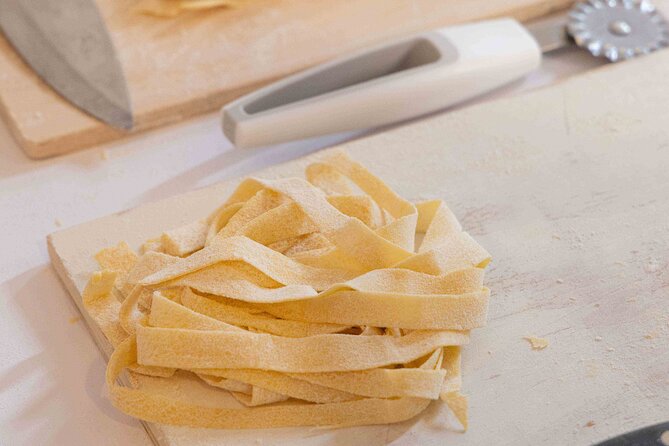
The pasta portion is the real center of the experience. You work with fresh dough, then roll it, cut it, and shape it into two different kinds of pasta.
The basic process can be surprisingly satisfying. One participant was struck by how much pasta came from only one cup of dough and one egg. That is exactly the kind of useful kitchen lesson you can take home: fresh pasta looks special, but its foundation is remarkably simple.
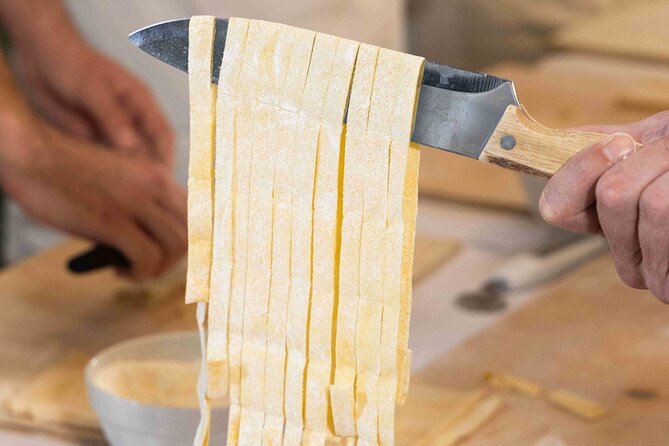
First comes fettuccine. You learn how to roll the dough thin and cut it into long ribbons. The work requires a little effort, especially when you are still learning how thin the dough should be. Chef Matt is praised for helping with the rolling, and other instructors are described as patient when people make mistakes.
Next comes ravioli. You stuff the pasta, seal it, and shape it into filled parcels. Ravioli takes more care than fettuccine because you need to keep the filling contained and press out unwanted air. It is still suitable for first-time cooks, but you should expect some hands-on work rather than a quick activity designed only for photographs.
The process is guided closely by the chef. You will not be left to guess how much filling to use or how to close the edges. Chef Leonardo, for example, is praised for helping everyone produce a good final result without making mistakes feel embarrassing. That friendly tone matters in a class where some people may be comfortable in the kitchen and others may rarely cook.
Choosing a sauce for the fettuccine
The fettuccine comes with a choice of sauce: tomato and basil, cacio e pepe, or amatriciana. These options give the meal a small lesson in Roman cooking styles.
Tomato and basil is the straightforward choice, with a bright, familiar flavor. Cacio e pepe is more distinctly Roman, built around cheese and pepper. Amatriciana brings a stronger, savory flavor and is another classic associated with the region.
The sauces are not an afterthought. Several participants specifically praised them and noted that they made the fresh pasta taste even better. If you are choosing between them, consider ordering a sauce you have not tried before rather than automatically selecting the most familiar option. This is one of the few places in the class where your choice changes the final dish.
The ravioli is served with butter and sage sauce. It is a restrained pairing that lets the pasta and filling do the work. The combination also shows an important Italian cooking principle: fresh pasta does not need a heavy sauce to become satisfying.
Still Rome, but a slower afternoon:
- Vatican: Museums & Sistine Chapel Entrance Ticket
★ 4.5 · 144,003 reviews - Vatican Museums & Sistine Chapel Tour with Optional Basilica
★ 4.3 · 67,413 reviews - Colosseum, Roman Forum & Palatine Guided Tour
★ 4.7 · 63,148 reviews - Vatican Museums, Sistine Chapel & St Peter’s Basilica Guided Tour
★ 4.5 · 39,149 reviews
The meal after the work
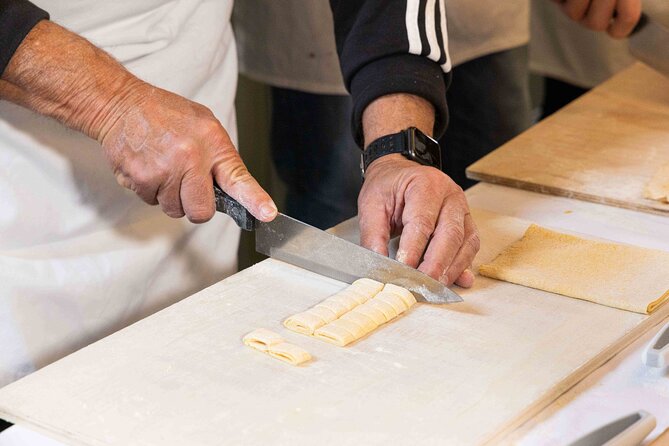
A particularly appealing part of the class comes after the preparation. Your pasta is cooked while you sit down, have a drink, and talk with the group.
This timing changes the feel of the experience. You are not eating at your work station while trying to follow the next instruction. Instead, the class shifts into a shared meal, with everyone able to relax and compare results.
The package includes Italian wine and water, followed by a final sip of limoncello or coffee. Additional food and drinks are not included, so do not treat the beverage service as an open bar. Still, the included drink and dessert help make the $84.69 price easier to justify.
The meal is served in a family-style social setting. That is a strong fit if you like meeting people while you eat. One family described sitting around the table with people from different countries as part of the fun. A solo participant also felt included and enjoyed staying afterward for dinner and wine.
If you prefer quiet dining or want a private lesson, this format may not suit you. With up to 20 people, conversation and group energy are part of the package. The social side is not decoration; it is one of the reasons the class feels different from simply booking a meal at a Roman restaurant.
What the chefs do well
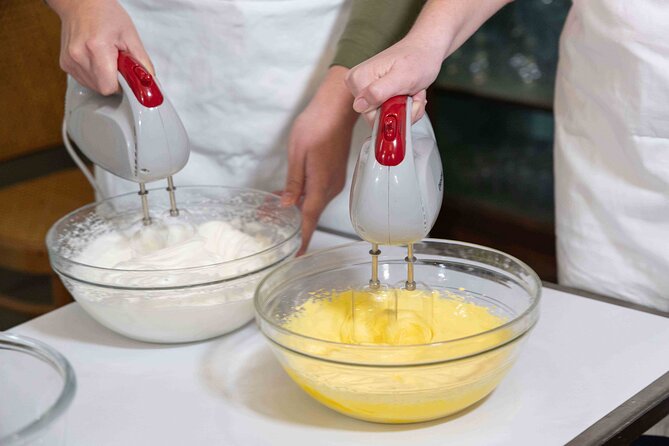
The teaching staff varies, but the praise is consistent across the different instructors. Maria is described as patient and willing to offer useful tricks. Leo is praised for clear instruction, strong energy, and good organization. Mattia is singled out for making the class approachable for a large group.
Mimi receives credit for involving everyone from start to finish. Tommy is remembered for humor and helpful guidance, while Carlotta brought enough energy to keep a family with children engaged. Leonardo is praised for warmth and for helping people recover from mistakes without embarrassment.
That range of teaching styles is useful because the class is not aimed only at serious cooks. You might arrive with no idea how pasta is made, or you might already cook regularly. The instruction appears designed to keep both types of participant moving together.
The language of instruction is English. One account describes a class where two people did not speak English comfortably, yet the chef still paid attention to them individually. You should not assume every explanation will be available in another language, but the hands-on nature of the work can help bridge language gaps.
How long the experience really takes
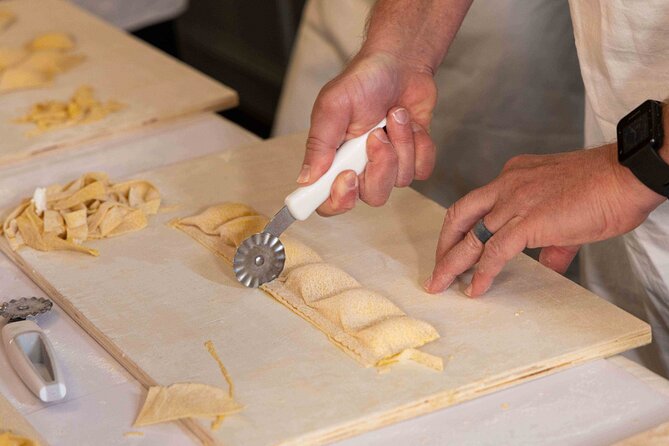
The advertised duration is approximately three hours. That gives enough time for tiramisu, two pasta shapes, cooking, and a sit-down meal without making the class feel rushed.
The actual timing can vary. One smaller class finished in about two hours, while a group of roughly 20 people took longer. That makes sense: a large class needs more time for rolling, filling, checking each person’s work, and serving the meal.
Plan the rest of your day with some flexibility. If you book a museum entry, train, or show immediately afterward, allow room for the class to run close to its full stated length. You may finish earlier, but you should not count on it.
The class is also useful on your first night in Rome. One participant found that the activity helped keep jet lag at bay and provided a meal without requiring another restaurant decision. I would still avoid booking it too close to an important timed attraction. Give yourself enough breathing room to enjoy the food.
Is $84.69 a fair price?
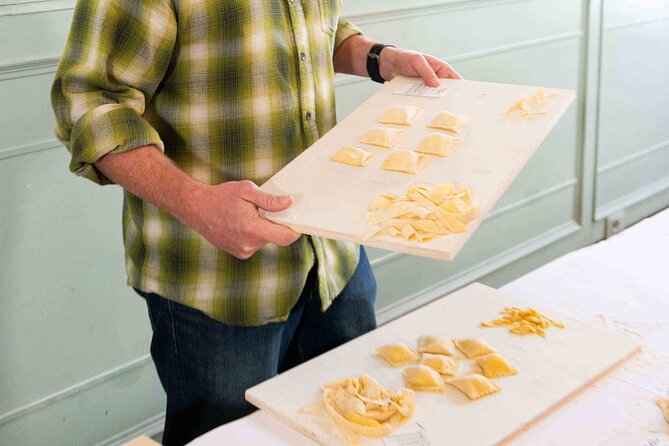
At $84.69 per person, this is not a bargain meal. You can find cheaper pasta in Rome. The value comes from combining instruction, ingredients, three dishes, drinks, a restaurant setting, and a social meal into one experience.
You are paying for more than the food on your plate. You receive a practical lesson in pasta making, learn how to shape ravioli, prepare tiramisu, and take home recipes. If you actually use those recipes with your family, the class keeps giving value after your trip.
The price looks strongest for families and small groups. A family can spend time together, share a meal, and bring home a skill. It also works well for solo visitors who want an easy way to meet people without arranging a separate dinner.
The value is less clear if you mainly want a polished restaurant meal or a serious culinary course. You do not cook every part of the pasta process yourself, and the class can include as many as 20 people. For a professional-level lesson, you may want something more specialized. For a friendly introduction to Roman pasta, the package is well balanced.
Who should book this class?
I would recommend it to first-time pasta makers, families with children, couples, and solo visitors who enjoy social activities. You do not need to be confident in the kitchen. The instruction is designed to make pasta feel manageable, and several chefs are praised for being patient when participants need extra help.
It is also a good choice for anyone who wants a break from sightseeing. You get time indoors, a meal, and a chance to meet people while still doing something strongly tied to Italian food culture.
You might skip it if your schedule is packed with timed attractions, if you dislike group activities, or if you want to cook and eat entirely on your own terms. The class is friendly and organized, but it is still a group event with a shared pace.
Book ahead if your dates are fixed. The experience is booked an average of 37 days in advance, which suggests popular dates can fill early. Free cancellation is available until 24 hours before the start time. After that point, the payment is not refunded, and changes are not accepted.
Final verdict: a useful souvenir you can eat
This is a strong Rome activity because it gives you something to do, something to eat, and something to repeat at home. The fresh fettuccine and ravioli provide the main lesson, while tiramisu and the shared meal keep the experience relaxed rather than overly technical.
I especially like the combination of central location, clear beginner-level instruction, and recipes you can take home. The main tradeoff is the group size and the fact that the chefs cook the prepared pasta for you. If you expect a private chef lesson, adjust your expectations.
If you want an approachable, social cooking class near Piazza Navona, I would book it. If your ideal food experience means a quiet meal with no group activity, spend the $84.69 at a restaurant instead.
FAQ
Where does the cooking class meet?
The class starts at Via Giuseppe Zanardelli, 14, 00186 Roma RM, Italy.
Where does the class end?
The activity ends back at the meeting point.
How long does the class last?
The stated duration is approximately three hours. Some sessions may finish in about two hours, particularly when the group is smaller.
What food do you make?
You prepare fresh fettuccine, ravioli, and classic Italian tiramisu.
Which sauces are available for the fettuccine?
You can choose tomato and basil, cacio e pepe, or amatriciana.
What sauce comes with the ravioli?
The ravioli is served with butter and sage sauce.
Are drinks included?
Italian wine and water are included, along with a final sip of limoncello or coffee. Additional food and drinks are not included.
Is the class taught in English?
Yes. The experience is offered in English.
How many people can join the class?
The maximum group size is 20 people.
Can I cancel for a full refund?
Yes. You can cancel at least 24 hours before the experience start time for a full refund. Cancellations or changes made less than 24 hours ahead are not accepted for a refund.
Recently added around Rome
- Rome: Pantheon, Trevi Fountain & Roman Squares Guided Tour★ 4.7 · 386 reviews
- Vatican: Pope Francis Tomb and Papal Basilicas Tour★ 4.7 · 340 reviews
- Vatican: St. Peter’s Basilica with Audio Guide and Options★ 3.4 · 269 reviews
- Rome: Vatican Museums Skip-the-line Entry Ticket and Tour★ 4.2 · 400 reviews
- Rome: Vatican Museums & Sistine Chapel Ticket + Tour Options★ 4.7 · 344 reviews
- Vatican: Museums, Raphael & Sistine Chapel + Basilica Option★ 4.7 · 350 reviews
- Vatican Museums & Sistine Chapel Guided Tour★ 4.3 · 832 reviews
- Vatican Museums & Sistine Chapel Entry Ticket★ 4.4 · 245 reviews
Cooking Classes, compared.
3 in 1 Cooking Class near Navona: Fettuccine, Ravioli & Tiramisu
Read our review →
Florence Pizza or Pasta Class with Gelato Making at a Tuscan Farm
Read our review →
Pasta & Tiramisu Cooking Class with Unlimited Wine
Read our review →
Pizza-Making Workshop with Drink and Appetizer
Read our review →
Pasta & Tiramisu Class with Fine Wine by the Vatican
Read our review →
Cooking Class and Lunch at a Tuscan Farmhouse with Local Market Tour from Florence
Read our review →Browse the lists this tour appears in