
Reviewed · MOUNT ETNA TOURS
Etna, Summit Craters
Etna rewards strong legs. This guided climb takes you high onto Europe’s active volcano, where you walk among steaming craters, black ash, old lava, and wide views across Sicily. I like the expert local guides, especially Marco, Vincenzo, Simone, and Davide, who are praised for setting a steady pace and keeping groups safe. I also like that boots, a jacket, a warm layer, and a helmet are supplied.
The main catch is cost and clarity. The advertised price of $84.69 does not include the required cable car and 4×4 ride, which can add roughly €50 to €78 per person. You also need to treat this as a real mountain hike, not a gentle sightseeing walk.
In This Review
- Key points to know before you go
- What this Etna hike is really like
- Walking from Torre del Filosofo to the central craters
- Bocca Nuova, the most impressive crater
- Around the Voragine and toward the North East Crater
- The descent through ash and scoria
- A serious hike, not a family stroll
- Equipment, food, and what to pack
- The extra €50 to €78 changes the value
- Guides are the strongest part of the experience
- Weather and volcanic activity can rewrite the itinerary
- Who should book this Etna experience?
- Should you book the Etna Summit Craters tour?
- FAQ
- Where does the Etna summit tour start?
- What time does the tour start?
- How long does the tour last?
- Is the cable car included?
- How much do the cable car and 4×4 cost?
- What equipment is provided?
- How fit do I need to be?
- Can children join the tour?
- Can I reach Etna’s exact summit?
- What happens if the weather is bad?
Key points to know before you go
- You start at 9:00 a.m. in Nicolosi: The morning departure leaves your evening free, but you need to allow around five hours, and some outings have lasted six.
- The climb begins at 2,900 meters: A cable car and 4×4 minibus take you most of the way up before the serious walking starts.
- The route visits Etna’s major summit craters: Bocca Nuova, the Voragine, and the North East Crater are the main sights when conditions and volcanic rules allow.
- The descent is on loose ash and scoria: Going down can be steep, slippery, and tiring, though many people enjoy the playful downhill steps.
- The extra transport cost matters: Cable car and 4×4 fees are not included in the tour price and should be confirmed before booking.
- Weather and volcanic activity control the day: The summit may be closed, the route may stop around 3,000 meters, or the schedule may change at short notice.
What this Etna hike is really like
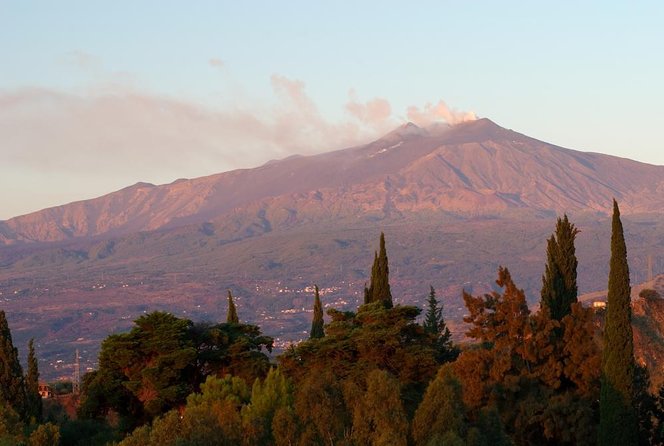
This is a high-altitude walk on an active volcano. That sentence deserves more weight than it usually gets in a tour description.
You meet at La Terrazza Dell’Etna, at Piazza Vittorio Emanuele in Nicolosi, on Etna’s southern side. The activity ends at the same place. From there, the group uses the cable car and a 4×4 minibus to reach the Torre del Filosofo area at about 2,900 meters.
That transport saves your knees and hours of uphill walking. It also means the tour reaches the dramatic upper slopes within a half-day schedule. The tradeoff is that the cable car and jeep are extra, and the walking still begins at an altitude where breathing feels harder than it does at sea level.
The group size is capped at 15 people. That is large enough to create a little waiting on steep sections, but small enough for a guide to watch the group. Several guides, including Marco, Fabio, Nino, Simone, Vincenzo, Mario, Giuseppe, and Davide, have been praised for adjusting the pace and helping people who struggle.
More Etna trips:
- Etna Morning Trip
★ 4.5 · 1,241 reviews - Mt. Etna nature and flavors half day Tour from Catania
★ 5.0 · 545 reviews - Etna excursion 3000 meters with 4×4 cable car and Trekking
★ 4.5 · 504 reviews
Walking from Torre del Filosofo to the central craters
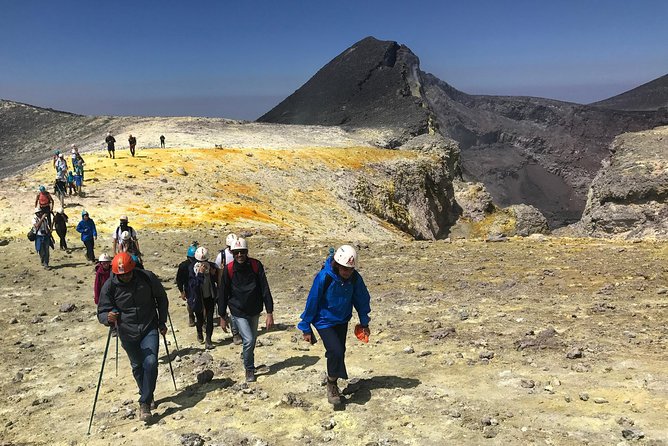
The uphill walk from Torre del Filosofo takes about an hour and a half. The surface is volcanic ash, scoria, and uneven ground rather than a smooth marked path.
You should expect a slow, steady climb. At this height, even a fit person can feel the altitude. The hike is described as moderate in the booking information, but the actual effort can feel hard, especially in wind, cold, loose ash, or thin air.
This is where a good guide matters. Marco is praised for waiting patiently for slower members without making them feel awkward. Vincenzo helped one participant who was uneasy with heights. Giuseppe is credited with supporting an inexperienced climber all the way to the top. Those details tell you more than a simple fitness label.
The supplied boots are useful because ash gets into ordinary shoes and loose rock can shift underfoot. The jacket, warm layer, and helmet also reduce the amount of gear you need to pack. Still, bring your own food, water, and a face covering. Several people found the volcanic gases uncomfortable around the upper craters, and a mask or buff was not always mentioned in advance.
Bocca Nuova, the most impressive crater
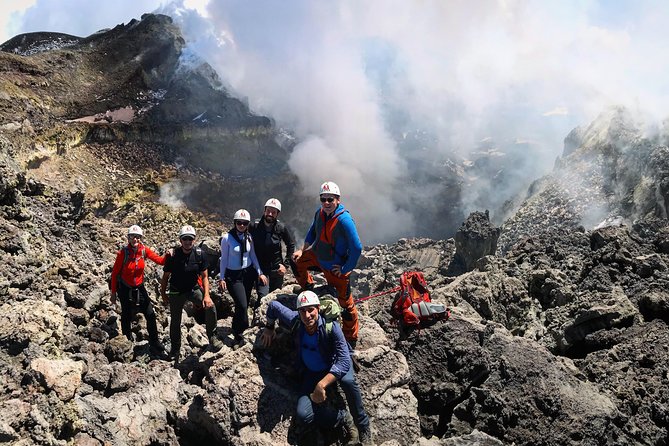
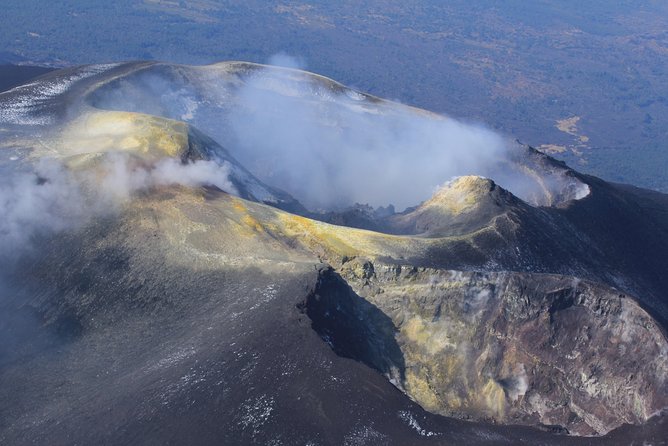
The route first reaches the edge of the central crater area. From there, you can see Bocca Nuova, a crater that opened in 1968.
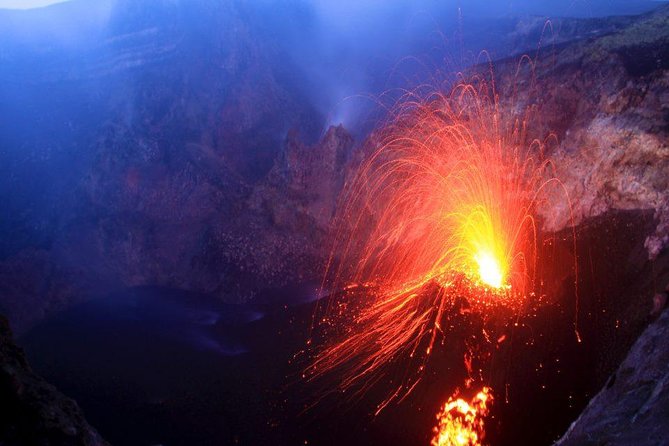
Bocca Nuova is often described as the most impressive crater on this route. It is not just a hole in the ground. It is a large, active volcanic feature, and the sight of steam, heat, dark rock, and changing fumes gives you a clear sense that Etna is still working below your feet.
The guide adds real value here. The volcanic details are easy to miss when you are focused on your footing. Simone, Nino, and other guides are praised for explaining Etna’s activity and pointing out features such as hot areas left by recent eruptions, ice beneath the volcanic material, and different crater formations.
Conditions can change the experience. Clouds may move across the summit, wind can push steam into the route, and active vents can restrict access. On some days, you may see lava or hot areas. On others, visibility may close in quickly. The volcano decides how much of the show you receive.
Around the Voragine and toward the North East Crater
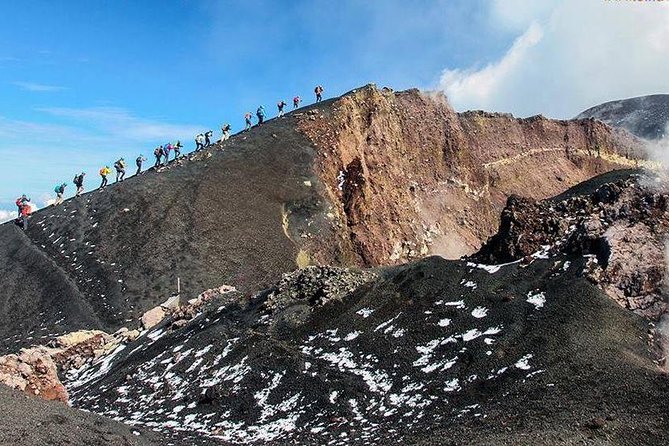
From Bocca Nuova, the route continues around the Voragine, the heart of Etna’s central crater. This section gives you a stronger sense of the mountain’s scale and activity.
A short but steep climb leads toward the North East Crater. It formed in 1911 and reaches about 3,329 meters. On a clear day, this is the high point of the route, with a 360-degree view over Etna and Sicily.
The Aeolian Islands may be visible to the north when the air is clear. That view is never guaranteed. Clouds, wind, volcanic fumes, and weather can all block it, so you should treat a clear panorama as a bonus rather than a promise.
The word summit needs a little care here. Access to Etna’s upper craters is controlled by weather, volcanic activity, and official regulations. Several outings stopped near 2,965 to 3,000 meters because reaching the very top was forbidden at the time. The route may still be excellent, but you should not book it assuming the highest crater will always be open.
A few more Sicily bookings to compare
- From Trapani: Cruise to Favignana and Levanzo with lunch
★ 4.2 · 2,286 reviews - From Milazzo: Panarea and Stromboli Boat Trip by Night
★ 4.2 · 1,605 reviews - Agrigento: Valley of the Temples Skip-the-Line Sunset Tour
★ 4.5 · 1,512 reviews - From Trapani: Day Cruise to Favignana & Levanzo with Lunch
★ 4.3 · 1,483 reviews
The descent through ash and scoria
After the upper craters, you begin the long descent. The route passes through the volcanic amphitheater of Valle del Bove, a huge caldera about 8 kilometers long and 4 kilometers wide.
This is one of the most striking parts of the day. The dark volcanic slopes and broad hollow show the force of earlier eruptions and collapses. You get a different view of Etna here than you do from the crater rim, with the mountain opening into a wide, rugged bowl.
The downhill surface is steep in places but often easier than the climb. Loose ash lets you take quick, sliding steps, and some people enjoy almost jumping down the slopes. Do not mistake that for effortless walking. Ash can strain your ankles and thighs, and a long descent can be hard on your knees.
The route returns toward the upper cable car station at about 2,500 meters. From there, the transport system takes you back down, and the activity finishes at the original meeting point in Nicolosi.
A serious hike, not a family stroll
You need a moderate to good level of fitness for this experience. The route includes a sustained uphill walk, a steep section near the upper craters, loose volcanic ground, altitude, and a long descent.
Some fit but inexperienced people have found the climb difficult. Others reached the top with encouragement and a carefully managed pace. The difference often comes down to weather, altitude, personal comfort on steep ground, and how prepared you are.
I would not choose this as a casual family outing without checking the age rules first. The information does not clearly state a minimum age. One guide considered a toddler unsuitable, while a seven-year-old completed the outing with help. Another account describes the walk as unsuitable for children under 12. That inconsistency means you should contact AITNE before paying for children.
The tour is not recommended for people with asthma problems. You should also think carefully about breathing issues, fear of heights, and your comfort walking on unstable volcanic surfaces.
Equipment, food, and what to pack
The supplied equipment is one of the better parts of the price. You receive trekking boots, a jacket, a warm layer, and a helmet. The gear is reported to be easy to collect and return.
You still need to pack for a mountain, not a warm Sicilian morning in town. Conditions can be cold and very windy in June, and weather can shift between cloud, sun, rain sprinkles, and strong wind.
Bring:
- Plenty of water
- A full lunch, not just a small snack
- A face mask or buff for volcanic gases
- Extra warm clothing
- Sun protection
- Comfortable clothing for several hours of walking
The food warning matters. The planned walk may be described as four to five hours, but some groups have taken more than six hours. Slow progress, weather delays, and group pacing can all stretch the day.
The extra €50 to €78 changes the value
The tour itself costs $84.69 per person. That includes the guide and equipment, but not the round-trip cable car and 4×4 ride to about 2,900 meters.
The additional transport has been quoted at different amounts, including €50 and €78 per person. The exact price may depend on the current arrangement, so confirm it before booking. You may also be asked to pay in cash, and one person had to find an ATM at short notice.
That extra cost is not a minor footnote. For two people, it can add roughly €100 to €156. For a family of four, it can become a major part of the total. One group was told the transport cost was €200 for four people, not €200 per person.
Is it worth it? If you want to walk near Etna’s upper craters with a guide and supplied gear, the added transport is part of reaching the route. The value is strongest when the weather is clear, access is open, and you want volcanic explanation along with the views.
If the summit is closed or the clouds hide everything, you may feel the total cost more sharply. The cable car and jeep are still needed, but the experience may stop lower than expected.
Guides are the strongest part of the experience
The guide quality is the clearest reason to book this rather than attempt a high route alone.
Davide is praised for more than 20 years of guiding experience. Marco is repeatedly described as friendly, patient, careful, and good at setting the right pace. Vincenzo helped with a fear of heights. Simone is praised for answering questions and taking care of the whole group. Nino adapted the route when access was limited.
A guide also knows that Etna is not a fixed mountain trail. Volcanic activity can alter access, and official rules can change from week to week. The guide’s job is not only to point at craters. It is to choose a safe route under current conditions and keep the group together.
The weak point is communication before the walk. Changes to the route, start time, summit access, extra transport charges, cash requirements, and mask advice have not always been made clear early enough. I would send a message before the cancellation deadline and ask for the current summit limit, total extra cost, expected finish time, and child policy.
Weather and volcanic activity can rewrite the itinerary
This is not a normal sightseeing tour where the printed route is guaranteed.
Etna’s activity has caused groups to stop near 3,000 meters rather than continue to the highest crater. Guides may also alter the route or start time if clouds or wind are expected later in the day. One group began 30 minutes earlier to improve its chance of better conditions.
That flexibility is sensible, but it can frustrate you if the tour is sold as a summit climb. Read the promise carefully: you are paying for a guided high-altitude Etna experience, not a guaranteed visit to the exact summit.
The weather policy offers a practical safety net. If poor weather causes cancellation, you are offered another date or a full refund. The same applies if the minimum group size is not reached. You can cancel for a full refund up to 24 hours before the start time, but late cancellations and changes are not accepted.
Who should book this Etna experience?
I would recommend it to an active adult who wants a close look at Etna’s craters and prefers a guide to handle route choices, equipment, and volcanic restrictions.
It suits you if you can walk uphill for 90 minutes, manage loose ash and scoria, and stay on your feet for roughly five to six hours. It is also a good fit if you value explanations about volcanoes rather than simply taking a cable car to a viewpoint.
I would hesitate if you have asthma, dislike steep or unstable ground, struggle at altitude, or need a guaranteed short outing. Families should confirm child suitability in writing. Anyone expecting a relaxed excursion should choose a lower Etna visit instead.
Should you book the Etna Summit Craters tour?
Yes, if you prepare properly and accept that Etna controls the final route.
The 4.9 rating and 97 percent recommendation make sense when the guide is strong and the weather cooperates. The crater views, Valle del Bove, hot volcanic features, and chance of seeing the Aeolian Islands create a memorable day. The supplied boots and protective clothing are useful, and the small maximum group helps the guide manage different walking speeds.
Book it with open eyes. Budget for the cable car and 4×4, carry a full lunch and mask, and ask about the current summit limit before the 24-hour cancellation point. If you can handle a demanding mountain walk and do not need a guaranteed summit, this is one of the more rewarding ways to experience Etna up close.
FAQ
Where does the Etna summit tour start?
It starts at La Terrazza Dell’Etna, Piazza Vittorio Emanuele, 95030 Nicolosi CT, Italy.
What time does the tour start?
The listed start time is 9:00 a.m. The schedule can change because of weather or volcanic conditions.
How long does the tour last?
The stated duration is about five hours. Some outings have lasted four to six hours, so you should allow extra time.
Is the cable car included?
No. The round-trip cable car and 4×4 ride to about 2,900 meters are excluded from the tour price.
How much do the cable car and 4×4 cost?
The additional cost has been reported at amounts ranging from about €50 to €78 per person. Confirm the current price before departure.
What equipment is provided?
The price includes trekking boots, a jacket, a warm layer, and a helmet.
How fit do I need to be?
You should have a moderate level of physical fitness. The walk includes uphill and downhill sections on ash and scoria and takes place at high altitude.
Can children join the tour?
The provided information does not give one clear minimum age. Since guides have assessed younger children differently, ask AITNE about your child’s age before booking.
Can I reach Etna’s exact summit?
Not always. Weather, volcanic activity, and official access rules can stop the group around 2,965 to 3,000 meters.
What happens if the weather is bad?
If the activity is canceled because of poor weather, you are offered another date or a full refund.
Recently added around Sicily
- Trapani: Salt Pans Sunset Tour and Flamingo Way★ 4.4 · 252 reviews
- Trapani: 2-Hour Salt Flats Tour★ 4.9 · 286 reviews
- Full Day Boat Tour San Vito Lo Capo to Castellammare del Golfo★ 5.0 · 292 reviews
- Boat tour to Egadi Favignana and Levanzo islands from Trapani★ 5.0 · 614 reviews
- Mini Cruise to Favignana and Levanzo with lunch on board★ 4.0 · 270 reviews
- 8-Hour Boat Tour from Castellammare del Golfo to San Vito Lo Capo★ 5.0 · 357 reviews
- Egadi Islands Tour: Favignana and Levanzo from Trapani★ 5.0 · 607 reviews
- Favignana and Levanzo, Egadi islands tour by boat from Trapani★ 5.0 · 720 reviews
Mount Etna Tours, compared.
Mount Etna Morning or Sunset Day Trip with Tasting
Read our review →
Mount Etna: Guided Volcano Summit Hiking Tour with Cable Car
Read our review →
Sunset Jeep Tour of Mount Etna and Lava Flow Caves
Read our review →
Mount Etna: Trek to 3000m with cable car and jeep
Read our review →
Mount Etna: Summit Crater Trek with Cable Car
Read our review →
Etna and Alcantara Gorges Full-Day Tour with Lunch
Read our review →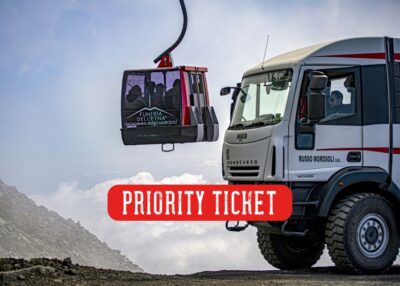
Mount Etna: Roundtrip Cable Car and 4×4 Bus Ticket
Read our review →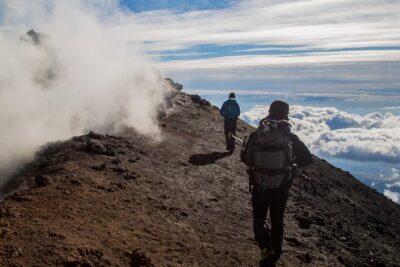
Browse the lists this tour appears in