
Reviewed · MILAN TOURS
Choose three recipes to cook from all the traditional cuisine
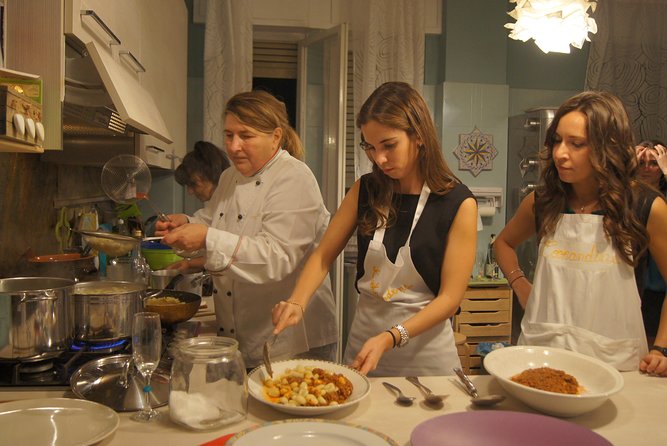
Come hungry, leave with new kitchen skills. This Milan cooking class gives you a chance to work beside a local chef in a private home kitchen, then sit down to eat what you made. I like the choice of three recipes, which can range from handmade pasta and Milanese risotto to eggplant parmigiana, lamb, fish, and classic desserts. I also like the small-group setup, with no more than 10 people, so the chef can offer real help instead of shouting instructions across a crowded room. The main thing to watch is that recipe choice depends on being the first person to book that date, and hands-on work may vary by dish.
The class lasts about three hours at Via Mantova, 19, in Milan. You spend roughly two hours preparing your food, followed by lunch or dinner with two glasses of wine, a welcome glass of Prosecco, and limoncello at the end. Aurora, Lucrezia, or Elena may lead the class, depending on the date, and each has received warm praise for patience and enthusiasm.
This is not limited to pasta and pizza. You can request vegetarian or gluten-free dishes, and the menu may include zucchini flowers, eggplant, pumpkin ravioli, cod, ossobuco, tiramisu, Sicilian cannoli, or Caprese cake. The tradeoff is that a home setting can be plain and informal, and one critical account described disorganization, a tense moment with the chef, construction noise, and recipes that were not initially received by email.
In This Review
- Key points to know before booking
- What the Milan cooking class is really about
- Arriving at Via Mantova, 19
- Choosing your three recipes
- Two hours of real kitchen work
- Pasta, risotto, and the best recipe choices
- Vegetables, meat, and fish beyond the usual tourist menu
- Dessert is part of the fun
- Sitting down to eat what you made
- The chefs and the teaching style
- Is $145.18 a fair price?
- Who should book this experience?
- Should you book the Milan cooking class?
- FAQ
- Where does the cooking class begin and end?
- How long does the experience last?
- How many recipes will I prepare?
- Who chooses the recipes?
- Are vegetarian and gluten-free dishes available?
- What drinks are included?
- Is hotel pickup available?
- What happens if I need to cancel?
Key points to know before booking
- The first person to book chooses the three recipes: Ask for your preferred menu as soon as the chef contacts you.
- You cook your own portion from scratch: Nothing is prepared beforehand, according to the experience details.
- The menu reaches well beyond pasta: Options include saffron risotto, lamb, Venetian-style cod, fried zucchini flowers, lasagna, and Italian desserts.
- The meal includes drinks: You receive a welcome Prosecco, two glasses of Italian wine, and limoncello after lunch or dinner.
- The group is capped at 10 people: Smaller groups may receive more personal guidance, and some sessions have ended up private.
- Allow extra care with timing and communication: Arrive on time, report dietary needs when booking, and check your spam folder for recipes.
What the Milan cooking class is really about
This experience is built around a simple idea: Italian food makes more sense when you prepare it with your own hands. Instead of watching a chef perform a polished demonstration, you learn how to cut ingredients, handle herbs and spices, judge cooking times, and choose between frying and boiling.
That practical focus is the best reason to book. You are not only eating a plate of pasta in Milan. You are learning methods that can be repeated at home with ingredients available in other countries. The recipes are supplied in English, which helps turn a pleasant afternoon into something you can use after your holiday.
The setting is a chef’s home kitchen, not a formal culinary school. That gives the class a more personal feel, but it also means you should expect an informal environment. One family described the atmosphere as warm and relaxed, while another found the room plain and the cooking less organized than expected. Your experience may depend partly on the chef and the size of the group on your date.
A few more Milan bookings to compare
- Milan: Cathedral and Duomo’s Terraces Entrance Ticket
★ 4.6 · 61,054 reviews - Milan: Da Vinci’s Last Supper Guided Tour
★ 4.7 · 10,143 reviews - Milan: Science and Technology Leonardo da Vinci Museum Entry
★ 4.5 · 7,169 reviews
Arriving at Via Mantova, 19
The meeting point is Via Mantova, 19, 20135 Milano MI. The activity begins and ends there, with no hotel pickup or drop-off. It is near public transportation, and one family found it convenient to reach from the yellow metro line.
Plan your route before the day of the class. The provider does not accept a delay of more than 20 minutes, so this is not the activity to approach casually after a long lunch or a last-minute museum visit. Comfortable walking shoes are recommended, especially if you are reaching the address by public transport.
A small practical detail may save you confusion at the door. One participant reported that the buzzer appeared to read coockling rather than cooking. If the building entry label looks slightly odd, check the address rather than assuming you are in the wrong place.
Confirmation is sent within 48 hours of booking, subject to availability. Since the class is often booked about 46 days ahead, reserve early if your Milan dates are fixed or if you want a particular menu.
Choosing your three recipes
The strongest feature here is the menu flexibility. When you book, Aurora or Lucrezia contacts you with a selection of recipes from different Italian regions and traditions. The first person to reserve the date gets to choose the three dishes.
That rule matters. If a specific combination is important to you, such as ravioli, saffron risotto, and tiramisu, do not assume you can select it after arriving. Read the booking details carefully and reply promptly when the chef sends the options.
The choices cover a good spread of Italian cooking:
- Handmade tagliatelle with Bolognese sauce
- Pumpkin ravioli or ricotta and spinach ravioli
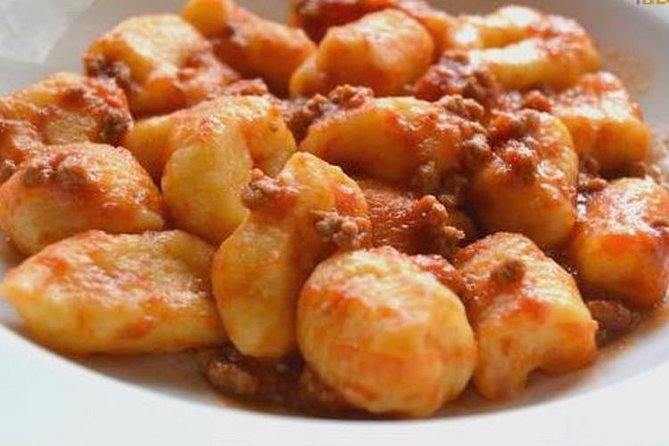
- Potato gnocchi
- Meat or vegetarian lasagna
- Milanese saffron risotto
- Eggplant parmigiana
- Fried zucchini flowers
- Roman-style lamb
- Venetian-style cod cooked with milk and onion
- Pizza or fried panzerotti
- Bruschetta
- Tiramisu
- Panna cotta with strawberries
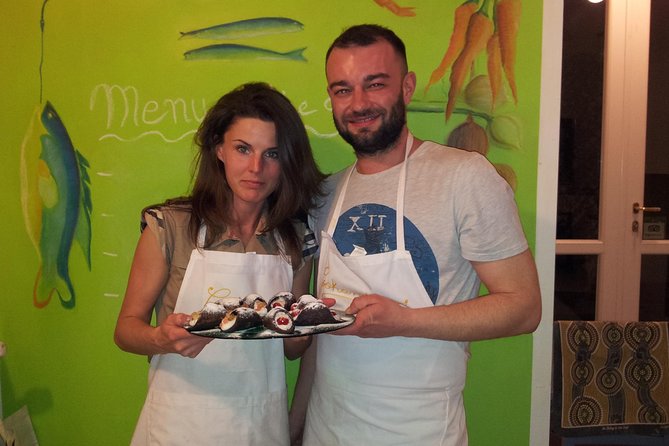
- Sicilian cannoli
- Gluten-free Caprese cake
The wording calls the meal a three-course lunch or dinner, while the menu list includes several possible starters, main dishes, and desserts. In practice, you select three recipes, and the chef shapes them into the class meal. Clarify your preferred combination when contacted, especially if you have strong dietary needs or want a particular balance of savory and sweet dishes.
Two hours of real kitchen work
The class gives you about two hours to prepare your food. You work on your own portion of each recipe, with the chef showing you the steps and correcting technique as needed.
For pasta, that can mean mixing and shaping fresh egg dough, preparing a filling, rolling sheets, and assembling ravioli. You may also use a pasta machine. One participant enjoyed the class so much that she bought the same automatic pasta maker after returning home, while another praised the gnocchi for being easy to repeat in a home kitchen.
The chefs also teach small details that are easy to miss in a restaurant kitchen. You learn how finely to cut ingredients, when to add herbs, how long something should cook, and how to fry or boil it properly. Those details are more valuable than a long lecture about Italian food. They help you understand what the food should look and feel like as it cooks.
Still, hands-on time is not identical for every dish. One person expected to make pizza dough but mainly worked on the cherry tomato and mozzarella topping. If you care about kneading, shaping, or making a sauce yourself, ask exactly which parts you will handle before settling on your recipes.
The group limit is 10 people. That is small enough for personal attention, but a full class will not feel like a private lesson. Some sessions have had only two participants and became private, while family groups have cooked alongside another couple or small party.
Still Milan, but a slower afternoon:
- Milan: City Sightseeing Hop-On Hop-Off Bus with Audio Guide
★ 4.0 · 6,256 reviews - Milan Cathedral: Duomo Terraces Ticket (No Church Access)
★ 4.6 · 6,111 reviews - Milan: Milan Cathedral Direct Entrance – Terrace Excluded
★ 4.5 · 5,782 reviews - Milan: Guided Walking Tour & Last Supper Visit with Ticket
★ 4.7 · 5,409 reviews
Pasta, risotto, and the best recipe choices
If this is your first Italian cooking class, handmade pasta is a smart choice. Tagliatelle with Bolognese gives you a familiar dish with several useful lessons: dough, shaping, sauce, timing, and serving. Ravioli adds more work through filling and sealing, but pumpkin or ricotta and spinach fillings make the finished dish feel special.
Gnocchi is another strong option. The potato dough requires a light touch, and the finished pieces are satisfying without demanding restaurant-level equipment. A participant specifically praised the gnocchi and planned to make it again at home.
Milanese saffron risotto offers something tied directly to the city. The rice is cooked in broth with saffron and meat-based flavors, making it a useful introduction to the patient stirring and gradual liquid addition that define good risotto. If you prefer a local specialty over a broadly Italian dish, this is the recipe to request.
Lasagna gives you a larger, layered project. The traditional version uses white sauce and Bolognese, while the vegetarian version can combine green beans and pesto. Since three recipes must share the class time, a menu built around both lasagna and handmade pasta may be more ambitious than one pairing a pasta dish with a simpler dessert or vegetable course.
Vegetables, meat, and fish beyond the usual tourist menu
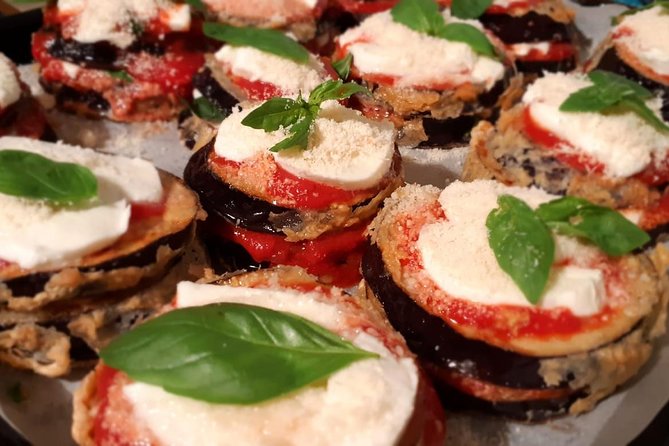
The class earns extra credit for showing Italian dishes that many visitors do not order at home. Eggplant parmigiana involves breading and frying sliced eggplant, then layering it with mozzarella, basil, and tomato sauce before baking. It is not a quick dish, but it teaches several techniques in one recipe.
Fried zucchini flowers are lighter and more unusual. The flowers may be filled with mozzarella before frying. This is a good choice if you want a seasonal Italian ingredient rather than another round of dough.
Roman-style lamb is cooked with wine, garlic, and anchovy. The combination may surprise you, but anchovy adds savory depth rather than a strong fish flavor. It is described as a traditional Easter-style recipe from Rome.
The Venetian-style cod takes a different route. It is cooked with milk and onion, then creamed and spread over polenta. This is useful for anyone who wants to see how Italian cooking varies by region, though fish availability and dietary preferences should be discussed ahead of time.
Bruschetta, pizza, and panzerotti are more familiar choices. Bruschetta uses toasted bread with tomatoes, garlic, basil, and anchovies. Pizza involves kneading and topping, while panzerotti is folded, filled with mozzarella and tomato, and fried rather than baked. These options suit families and first-time cooks, but they may offer less novelty than risotto, zucchini flowers, or regional meat and fish dishes.
Dessert is part of the fun
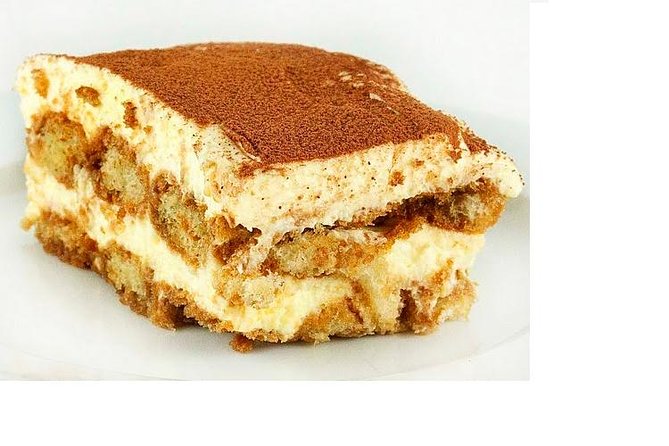
Do not skip dessert. The sweet recipes are among the most useful parts of the menu because they are easy to remember and share at home.
Tiramisu combines mascarpone and coffee in Italy’s most famous no-bake dessert. It is a good choice for a first class because the steps are accessible, yet the result feels festive. One family called the tiramisu the best they had during their holiday.
Panna cotta with strawberries is simpler and lighter. Sicilian cannoli gives you more of a project, since you make the pastry tube and fill it with sheep’s milk ricotta. One mixed review still praised the cannoli while criticizing parts of the pasta preparation.
Caprese cake is the standout option for gluten-free diners. It uses almonds, eggs, and cocoa powder, producing a baked dessert from Capri without wheat flour. If you have a gluten restriction, mention it at booking rather than waiting until you arrive. The provider specifically asks for dietary requirements in advance and says vegetarian and gluten-free menus are available.
Sitting down to eat what you made
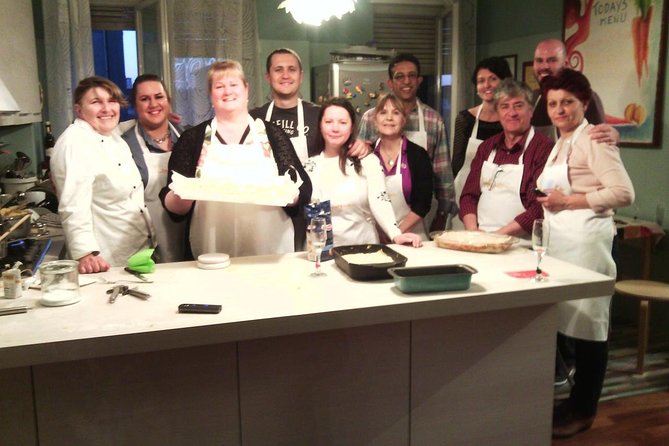
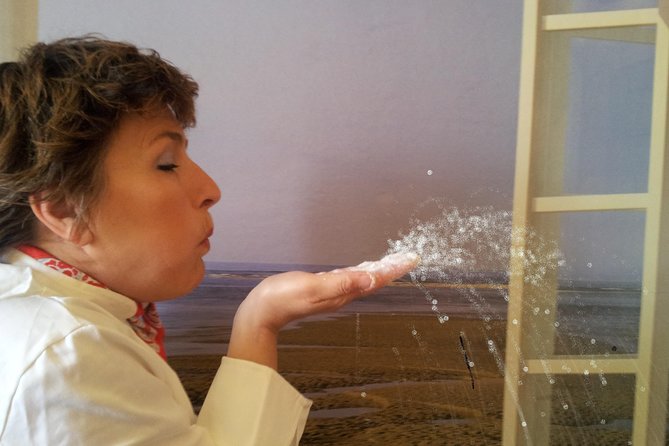
After the cooking, you eat lunch or dinner at the same home. This final meal is more than a reward. It gives you a chance to taste the results while the techniques are still fresh in your mind.
The package includes a welcome glass of Prosecco, two glasses of wine per person with the meal, and limoncello at the end. The drinks help create a social evening, though the class remains a cooking activity first. One complaint described uncertainty about wine and Prosecco at the start, while the provider stated that wine and aprons are normally offered and that morning sessions may handle Prosecco later in the day.
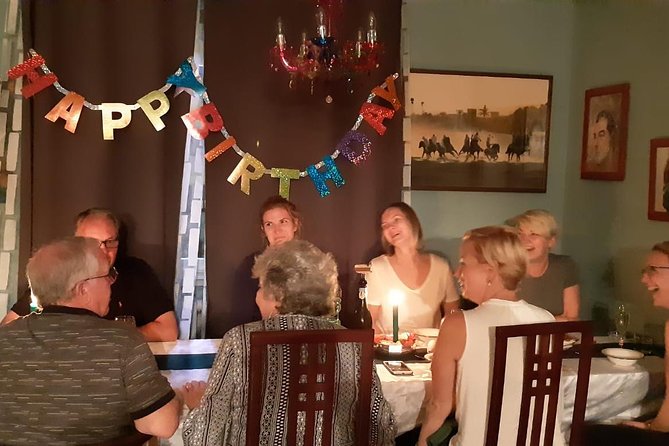
The shared table is a major part of the appeal. Families have used the class as a birthday activity, parents have cooked with children, and couples have enjoyed meeting other people over the meal. One family of four said the dinner became the best meal of its vacation and recommended the experience to its hotel concierge.
You may have leftovers, depending on the dishes and group. One couple had enough food to take some back to their hotel. That is a pleasant bonus, but do not count on it as a guaranteed takeaway service.
The chefs and the teaching style
The scheduled chef may be Aurora, Lucrezia, or Elena. Elena received especially strong praise for patience, clear instructions, and enthusiasm. Families with children aged 10, 12, 16, 17, and 20 described her as encouraging and adaptable.
Aurora is also described as warm and engaging, including during a 70th birthday celebration. Lucrezia has been praised for explaining each step and accommodating allergies. The teaching style appears friendly and personal, though one isolated account described a chef losing patience after an egg fell on the table.
That negative report is worth taking seriously. Cooking with strangers in a small home kitchen can be stressful if the session is crowded or the chef is having a difficult day. Another account described rubbery ravioli dough, loud construction in the building, and an unorganized class. These problems do not match the general pattern of praise, but they show why you should arrive prepared for an informal experience rather than a polished cooking studio.
Recipes are provided in English. If you do not receive them, check your spam folder and confirm that you supplied a usable email address. This small bit of follow-up can prevent an otherwise avoidable disappointment.
Is $145.18 a fair price?
At $145.18 per person, this is not a bargain meal. You are paying for about three hours, instruction, ingredients, a three-recipe meal, a welcome drink, two glasses of wine, limoncello, and the personal setting.
The value is strongest if you want to cook, not simply eat. A Milan restaurant meal might cost less, especially at lunch, but it will not teach you how to make ravioli, gnocchi, risotto, or Caprese cake. The class also gives you recipes in English and techniques you can repeat at home.
The price is easier to justify for a family activity or a special occasion. It can replace a standard evening meal while providing several hours of shared time. It is harder to justify if you expect a professional school kitchen, a fixed four-course menu, or complete control over every dish.
Children must be accompanied by an adult. A child rate is available only when the child shares the experience with two paying adults. Families should also remember that a full group means less individual attention than a private class.
Who should book this experience?
I would recommend it to home cooks, families, couples, and anyone who wants a meal with a personal connection. It works especially well for mixed skill levels because the chefs have taught complete beginners and experienced cooks in the same class.
It is also a good fit for vegetarians and people seeking gluten-free choices, provided you explain your needs in advance. The menu has enough range to avoid the usual pasta-and-pizza routine.
I would hesitate if you dislike group activities, need a highly polished venue, or want every step of a specific recipe guaranteed to be hands-on. The experience depends on the selected chef, the group size, the kitchen conditions, and the menu chosen for that date.
Free cancellation is available up to 24 hours before the start time. Cancellations or changes inside that window are not refunded, and the class may be rescheduled or refunded if its minimum number of participants is not met.
Should you book the Milan cooking class?
Book it if you want to make and eat authentic Italian food, with a chef who can explain the small techniques that restaurant meals hide. Choose recipes strategically: handmade pasta, saffron risotto, zucchini flowers, and a dessert give you more variety than three similar dough-based dishes.
Before booking, remember that the first person to reserve chooses the menu, no hotel transportation is included, and you must arrive within 20 minutes of the start time. If you accept those limits, the class offers a warm, useful, and very tasty way to spend part of your Milan visit.
FAQ
Where does the cooking class begin and end?
The experience begins at Via Mantova, 19, 20135 Milano MI, Italy, and ends back at the same meeting point.
How long does the experience last?
The class and meal take approximately three hours. About two hours are spent cooking, followed by lunch or dinner.
How many recipes will I prepare?
You will choose three recipes from the available Italian cooking options, subject to the selection process for your date.
Who chooses the recipes?
The first person to book the date can choose the three recipes. The chef contacts you after booking with a list of options.
Are vegetarian and gluten-free dishes available?
Yes. Vegetarian and gluten-free options are available, but you must report dietary requirements when booking.
What drinks are included?
The experience includes one welcome glass of Prosecco, two glasses of Italian wine per person, and limoncello at the end of the meal.
Is hotel pickup available?
No. Hotel pickup and drop-off are not included, so you must make your own way to Via Mantova, 19.
What happens if I need to cancel?
You can cancel at least 24 hours before the start time for a full refund. Cancellations and changes made less than 24 hours before the experience are not refunded.
Recently added around Milan
- Milan: Wine Lovers Experience at Cantina Urbana Winery★ 4.6 · 454 reviews
- From Milan: Verona and Lake Garda Guided Day Trip★ 4.6 · 236 reviews
- From Milan: Day Trip to Venice with Guided City Tour★ 4.4 · 614 reviews
- Verona and Lake Garda Day Trip from Milan★ 4.5 · 214 reviews
- Venice Day Trip from Milan with Guided City Tour★ 4.0 · 383 reviews
- Full-day Skip-The-Line Milan, The Last Supper and Duomo Cathedral★ 5.0 · 293 reviews
- Small-Group Lake Como & Lugano by Swiss Train + Boat Cruise★ 5.0 · 1,084 reviews
- Transfer Milan City Centre – Bergamo Airport★ 4.5 · 975 reviews
Milan Tours, compared.
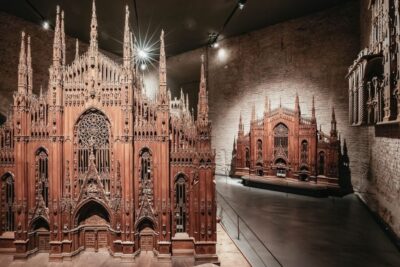
Cathedral and Duomo’s Terraces Entrance Ticket
Read our review →
Science and Technology Leonardo da Vinci Museum Entry
Read our review →
City Sightseeing Hop-On Hop-Off Bus with Audio Guide
Read our review →
Milan Cathedral: Duomo Terraces Ticket (No Church Access)
Read our review →
Milan Cathedral Direct Entrance – Terrace Excluded
Read our review →
Guided Walking Tour & Last Supper Visit with Ticket
Read our review →
Fast-Track Milan Cathedral and Terraces Guided Tour
Read our review →Browse the lists this tour appears in