
Reviewed · MOUNT ETNA TOURS
2002 Crater Excursion – Northern Etna
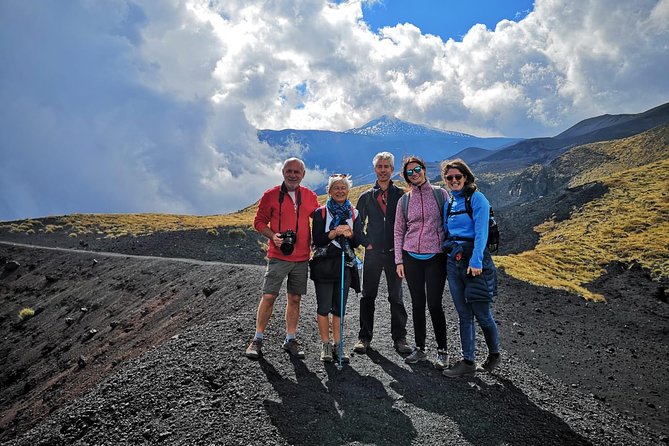
Volcanoes tell their stories in stone. This three-hour walk on Mount Etna’s north side takes you across the remains of the destructive 2002 eruption, past older craters, and into a quieter part of Sicily’s best-known natural wonder. I especially like the smaller crowds at Piano Provenzana and the way the guide connects each black lava field to a real eruption story. The main caution is simple: loose volcanic ground, steep ash, and exposed crater edges require decent fitness and proper shoes.
At $43.55 per person, this is a strong-value outing if you want more than a quick viewpoint and a few photographs. The price includes a licensed volcanological guide and accident insurance, while parking, drinks, trekking shoes, and winter snowshoes cost extra. Weather can also change the plan, since the guides may alter or stop the walk if conditions become unsafe.
In This Review
- Key points about the 2002 Etna crater hike
- Why Piano Provenzana is the right starting point
- Walking across the 2002 lava flow
- The 1911 and 1923 flows add older layers
- Climbing the 2002 eruptive fracture
- The ash descent through beech forest
- Guides who make a short hike more rewarding
- Price, equipment, and the real value
- Weather, safety, and family suitability
- Who should book this northern Etna experience?
- Should you book the 2002 Crater Excursion?
- FAQ
- Where does the 2002 Crater Excursion start?
- What time does the tour begin?
- How long does the excursion last?
- How far do you walk?
- Are trekking shoes included?
- Is parking included?
- Can children and dogs join?
- What happens if bad weather cancels the tour?
Key points about the 2002 Etna crater hike
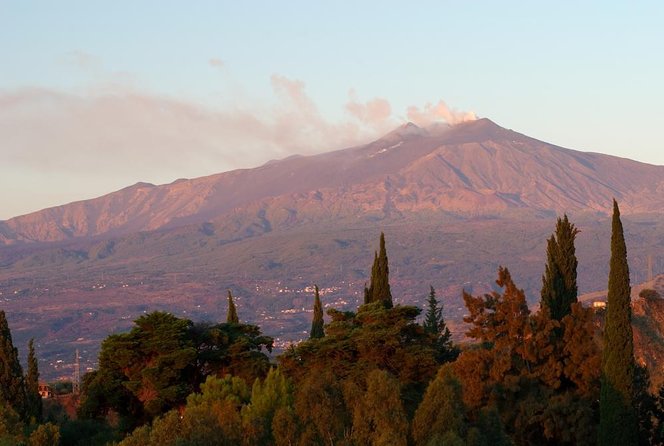
- The 2002 lava flow buried a working resort area: A 7.2-kilometer flow covered hotels, shops, restaurants, and a large car park. Only the roof of one hotel remains visible.
- You explore Etna’s quieter northern side: Piano Provenzana is less crowded than the southern station and feels more open and rugged.
- The walk covers about 5 kilometers: Expect roughly 300 meters of ascent and descent over 2.5 to 3 hours, though the pace can change the total time.
- The route visits old and new volcanic features: You pass the 1911 and 1923 flows, the 1911 crater chain, and the huge fracture opened during the 2002 eruption.
- Guides make the difference: Guides such as Giuseppe and Luca are praised for clear explanations, patient pacing, practical hiking advice, and a good sense of humor.
- You need sound footwear: Shoes can be rented on site for €5, but trekking poles, warm accessories, and water are not included.
Why Piano Provenzana is the right starting point
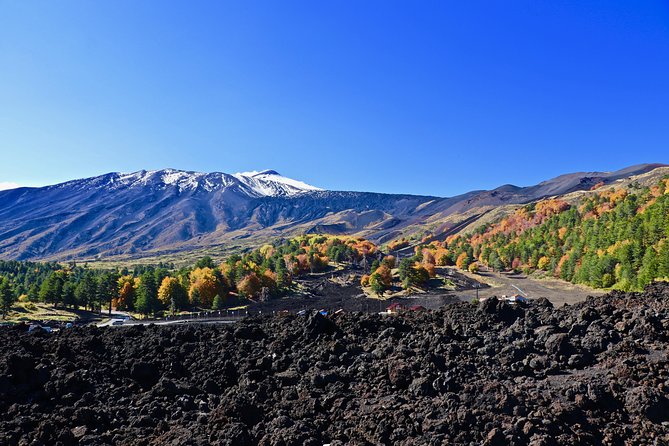
Piano Provenzana sits on Mount Etna’s northern slope, reached by fully paved public roads from the town of Linguaglossa. That matters if you are driving yourself. You do not need a special transfer or a rugged vehicle to reach the meeting point.
The setting changes with the season. Pine forest surrounds the station, while dark lava fields spread across the slopes. In winter, Piano Provenzana operates as a ski resort. In summer, it becomes a base for guided walks and other trips on the volcano.
You will find cafés, bars, and souvenir shops near the start. These are useful for coffee, breakfast, lunch, or a last-minute drink. Water bottle refill points are available, but bottled water itself is not part of the tour, so bring your own container and fill it before walking.
The 2002 eruption reshaped Piano Provenzana. The original facilities were destroyed, leaving behind a striking reminder that Etna is an active volcano, not simply a scenic mountain. The area gives you a sense of the force involved before your hike even begins.
Parking is marked in blue-lined areas for cars and camper vans. The fee is €5 for the full day on weekdays and €8 on Sundays and public holidays. The meeting point is the Ufficio Guide Vulcanologiche Etna Nord at Via Provenzana 35, with a 9:15 am start.
This station is less crowded than Etna’s southern access point. I see that as a major benefit. You trade some of the busier facilities and bigger flow of organized groups for a calmer start and a closer look at the volcano’s northern side.
More Etna trips:
- Etna Morning Trip
★ 4.5 · 1,241 reviews - Mt. Etna nature and flavors half day Tour from Catania
★ 5.0 · 545 reviews - Etna excursion 3000 meters with 4×4 cable car and Trekking
★ 4.5 · 504 reviews
Walking across the 2002 lava flow
The central part of the excursion is a guided hike across the vast lava flow from October 27, 2002. The eruption buried about 7.2 kilometers of the northern resort area. Hotels, restaurants, shops, and a large parking area disappeared beneath the rock.
Only the roof of one hotel remains visible. That small detail makes the event easier to understand. Instead of hearing a vague story about an eruption, you can see how the lava moved through a place built for people.
The guide helps you read the ground. Fresh-looking black rock, older lava, ash, forest, and fractured volcanic material each tell a different part of Etna’s story. The walk is not simply a march to a crater. It is a lesson in how eruptions alter roads, buildings, forests, and ski runs.
Several people praise the guides for using photographs and stopping at useful points along the way. That makes a real difference on volcanic terrain, where one black rock can look much like another. A guide such as Giuseppe may add humor while explaining the eruption, while Luca is noted for a friendly manner and a light touch with families.
The walk includes breaks, which helps make the route manageable. One guide is praised for choosing good stopping points and offering advice on steep sections. You should still expect a workout, but the route is not described as technically difficult or filled with major obstacles.
The 1911 and 1923 flows add older layers
After the main 2002 section, the route continues through forest toward the 1911 and 1923 lava flows. These older eruptions show how quickly Etna’s volcanic features can become part of the surrounding woodland.
The contrast is one of the best parts of the walk. You move from open black rock and ash into beech forest, then back toward broken volcanic ground. The setting changes without requiring a long transfer or a separate excursion.
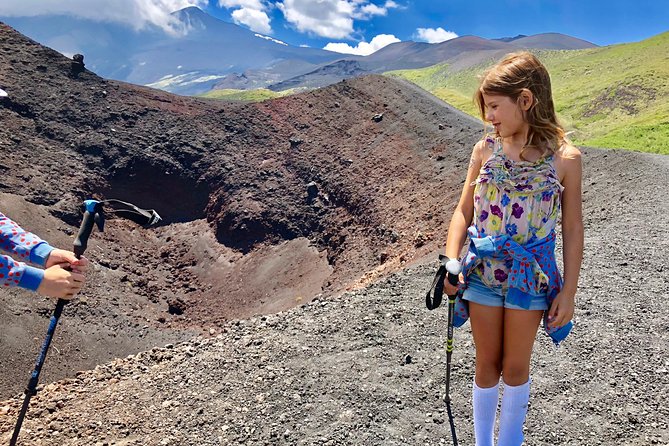
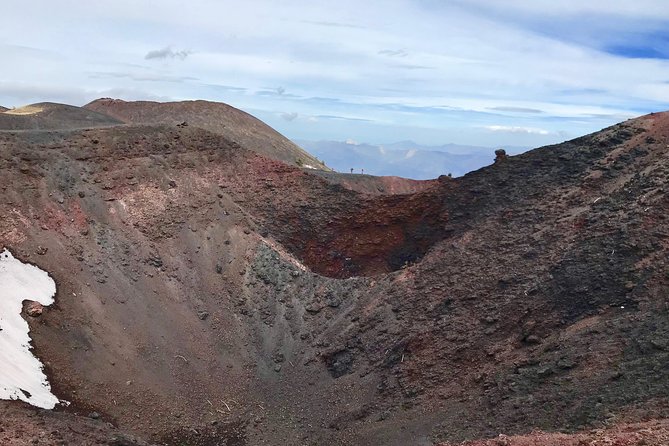
The 1911 flow leads toward a chain of craters formed during that eruption. Their shafts range from about 7 to 40 meters deep. You should pay attention near the edges, since the route includes crater rims and loose volcanic soil.
The ground can be unstable. Small stones shift underfoot, and ash gives way more easily than a normal trail. This is why proper shoes matter for both comfort and safety. The tour states that accident insurance does not cover you without adequate footwear.
That rule is worth taking seriously. You can rent trekking shoes at an authorized rental point for €5 per pair. Taller boots would also help on the downhill sections, especially where loose material slides around your ankles. Trekking poles are not included, but they could be useful during the lava-rock crossings and steep descents.
Climbing the 2002 eruptive fracture
The route then climbs toward the crest of the large fracture created by the 2002 eruption. This is the point where the walk feels most connected to the force beneath Etna.
The fracture forms a canyon-like line scattered with volcanic bombs. You continue toward the vent that produced the destructive lava flow, along with other large explosive mouths reaching up to about 2,100 meters.
The word crater can sound tidy and harmless. Here, the openings and broken ground make the volcano feel active and unpredictable. The route does not take you into an ordinary mountain hollow. It brings you along eruptive features formed when the volcano split open and released rock, ash, and lava.
The ridge and crater edges may trouble anyone with vertigo. The tour specifically warns that the ascent and passages near the rims can be difficult for people sensitive to heights. If you dislike exposed edges, tell the guide before setting out and follow all instructions carefully.
This section is also where the guide’s role matters most. A good explanation turns a rough ridge into a readable record of the eruption. The best guides balance facts with an easy pace, rather than burying you in technical terms.
A few more Sicily bookings to compare
- From Trapani: Cruise to Favignana and Levanzo with lunch
★ 4.2 · 2,286 reviews - From Milazzo: Panarea and Stromboli Boat Trip by Night
★ 4.2 · 1,605 reviews - Agrigento: Valley of the Temples Skip-the-Line Sunset Tour
★ 4.5 · 1,512 reviews - From Trapani: Day Cruise to Favignana & Levanzo with Lunch
★ 4.3 · 1,483 reviews
The ash descent through beech forest
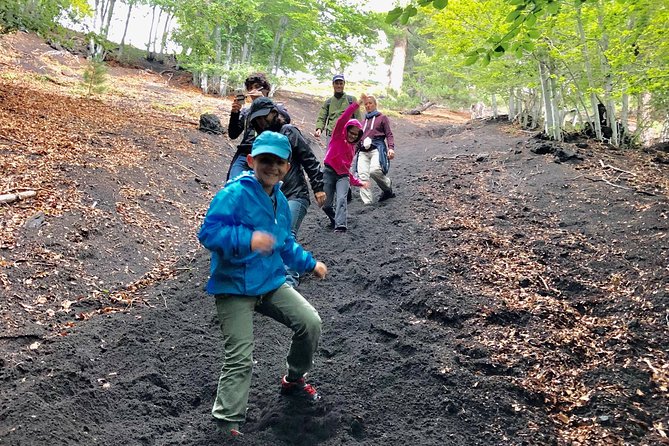
The return route uses soft ash channels through beech forest and ski slopes. The downhill section can be playful, but it is also where your footing needs the most care.
Soft ash sometimes lets you slide rather than walk. One guide adds a fun sandy descent that has become a favorite part of the route. It can feel like a short, controlled run down a loose slope, though you should only do it as directed and with suitable shoes.
Long trousers are a smart choice. The rocks can be coarse and uneven, and shorts offer little protection against scrapes. A few people find taller boots or hiking poles helpful on the way down.
The route returns to Piano Provenzana and ends at the original meeting point. The planned hike covers about 5 kilometers with approximately 300 meters of ascent and descent. The hiking portion is listed at about 2.5 to 3 hours, while the full experience is advertised at approximately 3 hours. Your walking speed, breaks, snow, and weather can change the final timing.
Guides who make a short hike more rewarding
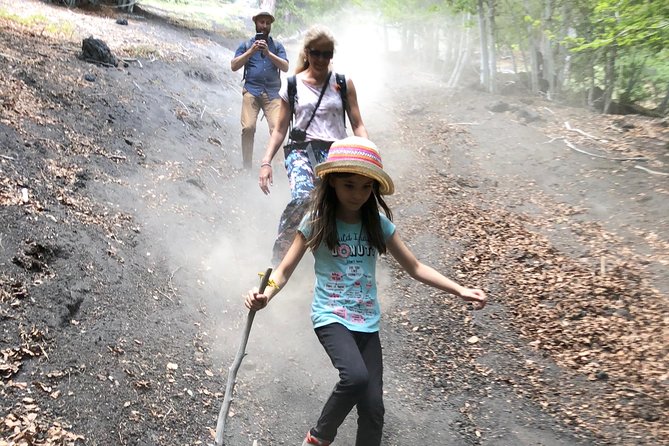
The guide is not an accessory here. Without one, the 2002 lava flow and crater chain would still be impressive, but much of the meaning would be easy to miss.
The guides are authorized volcanological professionals, and their job is to explain the volcano as you move through it. Giuseppe is praised for patience, clear answers, and a strong grasp of Etna’s eruption history. Luca is remembered for being considerate, cheerful, and good with families.
The guiding style seems to work well for mixed groups. You can expect explanations about volcanoes in general and Etna in particular, with breaks that keep the walk comfortable. A little humor helps too. One family recalls a fun race near the end, which gives you an idea of the friendly tone some guides bring to the outing.
The maximum group size is 20 people. That is not a private walk, but it is still small enough for a guide to manage a shared pace and answer questions. If the group contains people walking at different speeds, the total duration may stretch beyond the estimate.
The official language offered is English. The guide team has also served people speaking Italian, French, German, Dutch, and Spanish, but you should confirm the language you need when booking if English is not suitable.
Price, equipment, and the real value
At $43.55 per person, the cost is reasonable for a guided Etna hike. You are paying for a licensed specialist, accident insurance, route supervision, and interpretation of the volcanic features. The access ticket for the hike is included.
The extra costs are modest but easy to overlook:
- Trekking shoes: €5 per pair
- Snowshoes in winter: €15 per person
- Parking: €5 on weekdays, €8 on Sundays and public holidays
- Water, hats, gloves, and trekking poles: not included
The price does not include pickup from your accommodation. You need to reach Piano Provenzana yourself, so this works best if you have a private car or rental car. The roads to the station are fully paved, but the tour does not provide transport.
You should budget for the €5 shoe rental if your footwear is not suitable. That small fee is better than attempting the hike in casual trainers. In winter, spring, and autumn, bring a hat and gloves even if the weather looks mild at lower elevations.
The tour does not demand extensive preparation, but it is intended for people in good physical health. It is not recommended if you usually do very little exercise. Anyone with cardiovascular, respiratory, or blood pressure conditions should consider the demands carefully and tell the guide about relevant health concerns.
Weather, safety, and family suitability
Etna’s conditions can shift. Hail has interrupted a walk before, yet the group still completed an enjoyable outing. The guides may change the route or stop the excursion if weather, volcanic activity, or trail conditions threaten group safety.
That flexibility is a strength, not a flaw. On an active volcano, a fixed route matters less than a safe route. If poor weather cancels the outing, you can choose another date or receive a full refund.
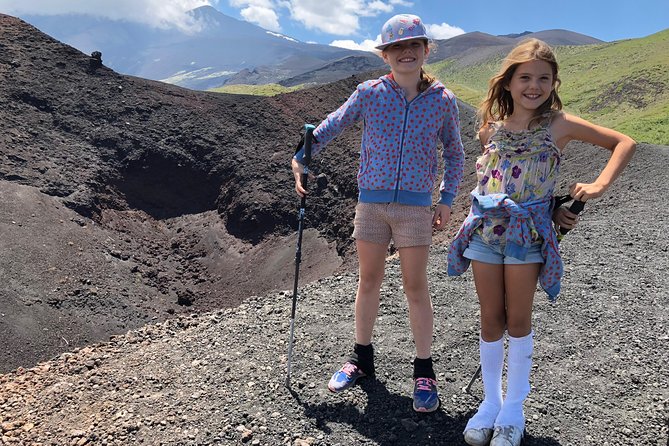
Families with active children can manage the walk. The route is described as suitable for children in at least one family outing, and dogs are allowed, including service animals. Still, adults should be comfortable supervising children near crater edges and on loose ground.
You should not treat this as a casual stroll from a car park. The route includes climbing, descending, unstable soil, and passages beside craters. Most active people should find it manageable, but the 300-meter elevation change still creates a genuine workout.
Who should book this northern Etna experience?
I would choose this hike if you want Etna’s volcanic story without the busiest possible setting. The north side gives you a quieter base, direct access to the 2002 eruption zone, and a route that links several periods of volcanic activity.
It suits you if you enjoy walking, asking questions, and seeing natural features up close. It also works well for families with active children, couples, and anyone who prefers a guided experience to finding a viewpoint alone.
You may want another plan if you need hotel pickup, dislike uneven ground, have serious fitness or medical concerns, or want a fully sheltered activity. This is an outdoor mountain walk, and the volcano controls the schedule.
Book at least a day ahead if you want the standard cancellation protection. You can cancel for a full refund up to 24 hours before the start time. Changes or cancellations inside that window are not refunded, except when the provider cancels for weather or an insufficient number of participants.
Should you book the 2002 Crater Excursion?
Yes, if you want a focused, good-value walk through Etna’s recent volcanic past. The combination of buried resort remains, older lava flows, deep 1911 craters, and the 2002 fracture gives the outing a clear story rather than a collection of scenic stops.
Bring sturdy trekking shoes, long trousers, water, and a warm layer. Allow extra time for parking and changing footwear, and do not plan another tightly timed activity immediately afterward.
I would book this over a busier southern-side option if quiet trails and direct volcanic detail matter most to you. Just arrive prepared for loose ash, changing weather, and a real hike.
FAQ
Where does the 2002 Crater Excursion start?
It starts at the Ufficio Guide Vulcanologiche Etna Nord, Via Provenzana 35, 95015 Linguaglossa CT, Italy.
What time does the tour begin?
The scheduled start time is 9:15 am.
How long does the excursion last?
The full activity lasts approximately three hours. The hike itself covers about 2.5 to 3 hours, depending on the group’s walking pace and conditions.
How far do you walk?
The route is approximately 5 kilometers round trip, with about 300 meters of ascent and descent.
Are trekking shoes included?
No. Trekking shoes can be rented on site from an authorized rental service for €5 per pair. Adequate shoes are required for accident insurance coverage.
Is parking included?
No. Parking costs €5 for the full day on weekdays and €8 on Sundays and public holidays.
Can children and dogs join?
Most people can participate, and the experience has been completed by families with children. Service animals are allowed, and dogs have also been taken on the walk.
What happens if bad weather cancels the tour?
You will be offered a different date or a full refund if the excursion is canceled because of poor weather. The guides can also change or stop the route if weather, volcanic, or environmental conditions become unsafe.
Recently added around Sicily
- Trapani: Salt Pans Sunset Tour and Flamingo Way★ 4.4 · 252 reviews
- Trapani: 2-Hour Salt Flats Tour★ 4.9 · 286 reviews
- Full Day Boat Tour San Vito Lo Capo to Castellammare del Golfo★ 5.0 · 292 reviews
- Boat tour to Egadi Favignana and Levanzo islands from Trapani★ 5.0 · 614 reviews
- Mini Cruise to Favignana and Levanzo with lunch on board★ 4.0 · 270 reviews
- 8-Hour Boat Tour from Castellammare del Golfo to San Vito Lo Capo★ 5.0 · 357 reviews
- Egadi Islands Tour: Favignana and Levanzo from Trapani★ 5.0 · 607 reviews
- Favignana and Levanzo, Egadi islands tour by boat from Trapani★ 5.0 · 720 reviews
Mount Etna Tours, compared.
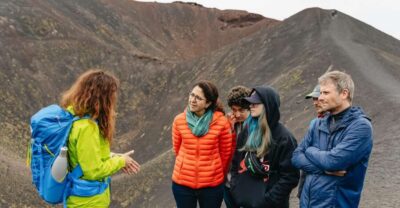
Mount Etna Morning or Sunset Day Trip with Tasting
Read our review →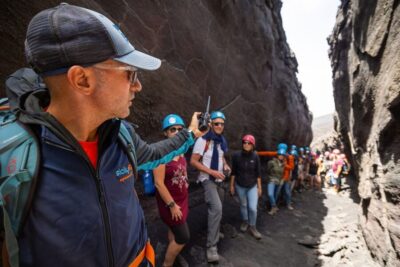
Mount Etna: Guided Volcano Summit Hiking Tour with Cable Car
Read our review →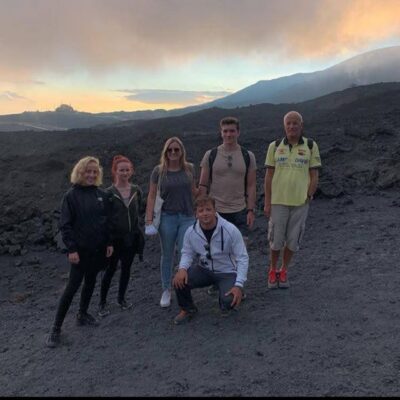
Sunset Jeep Tour of Mount Etna and Lava Flow Caves
Read our review →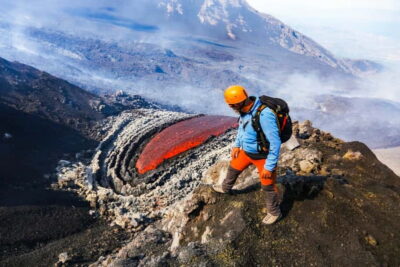
Mount Etna: Trek to 3000m with cable car and jeep
Read our review →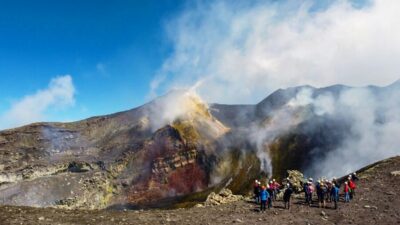
Mount Etna: Summit Crater Trek with Cable Car
Read our review →
Etna and Alcantara Gorges Full-Day Tour with Lunch
Read our review →
Mount Etna: Roundtrip Cable Car and 4×4 Bus Ticket
Read our review →
Browse the lists this tour appears in