
Reviewed · WORKSHOPS
Wine Class – Tuscan Classics
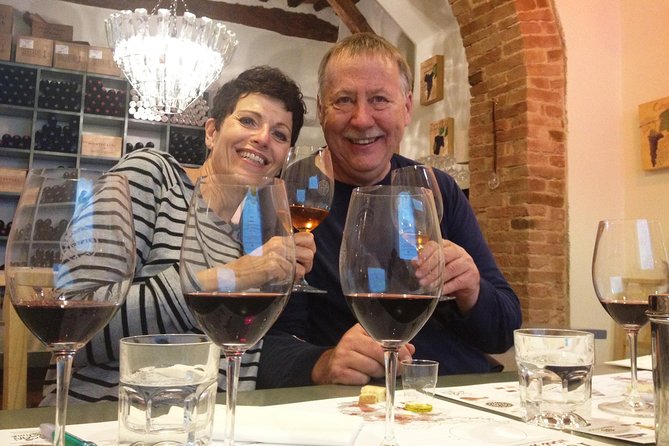
Wine can make Siena even better. This two-hour Tuscan wine class turns a sightseeing break into a useful lesson in Chianti Classico, Brunello di Montalcino, local grapes, and food pairing. I like the central Siena location, which saves you a trip into the countryside, and the practical tasting guidance from English-speaking instructors such as Manuel, Milo, Giorgia, Georgia, and Nina. The main consideration is that the class may feel more generous than formal, especially if you prefer a quiet, technical tasting with small pours.
For $72.59, you get several wines, local snacks, and a friendly introduction to Tuscan wine without booking a full vineyard excursion. The class is a good fit if you want to understand Siena’s wine lists before dinner, though one isolated opinion found the wine quality average for the price. Also note that the published details describe four or five wines in one place and six in another, so confirm the current lineup when booking.
In This Review
- Key points to know before booking
- A wine classroom inside central Siena
- What happens from 5:00 pm to the final pour
- Tuscan wine makes more sense with a map
- Pecorino, salumi, olive oil, and chocolate
- The guides set the mood
- Is $72.59 a fair price in Siena?
- Timing, meeting point, and cancellation rules
- Who will enjoy this Tuscan wine class?
- Should you book the Tuscan Classics class?
- FAQ
- Where does the wine class meet?
- What time does the class begin?
- How long does the experience last?
- Is the class offered in English?
- How many people can join?
- How many wines will I taste?
- Which famous Tuscan wines are included?
- What food is served?
- Is transportation included?
- Can I cancel for a full refund?
Key points to know before booking
- Six Tuscan wines may be included: The advertised selection includes Chianti Classico and Brunello di Montalcino, two of Tuscany’s best-known names.
- A class, not just a tasting: You learn how to swirl, smell, and compare body, aromas, persistence, vintages, soils, and grape varieties.
- Food is part of the lesson: Pecorino, cured meats, bruschetta with extra virgin olive oil, bread, and chocolate help explain pairing choices.
- Easy to fit into a Siena day: The 5:00 pm start and central meeting point work well before an evening meal.
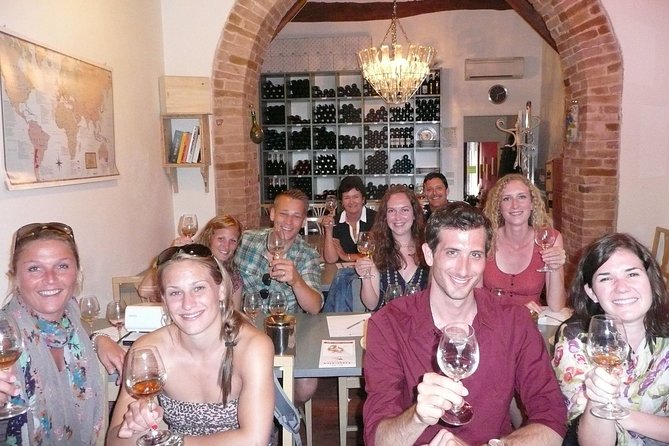
- Small groups help: The maximum is 14 people, and personal attention is a recurring strength of the experience.
- The tone is lively: Instructors are praised for humor, generous pours, and useful tips you can use in restaurants.
A wine classroom inside central Siena
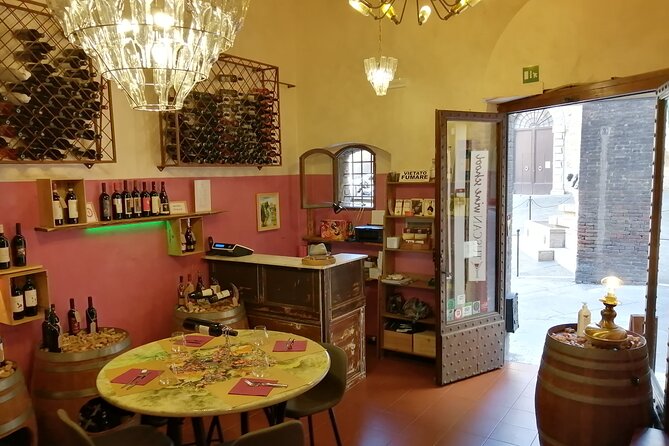
The class begins at 5:00 pm, with the meeting point listed on Via Stalloreggi in Siena. The activity remains in the city, with Via di Citta identified as the stop, so you do not need to arrange transport to a distant estate or village. That matters in Siena, where a short walk across the historic center can be much easier than finding a bus or taxi outside town.
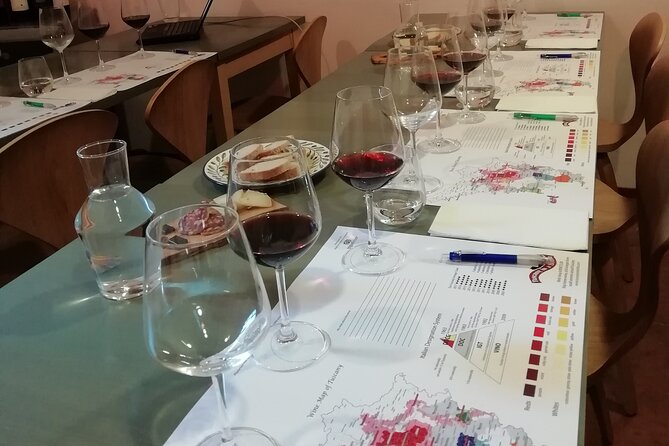
The setting has a classroom feel rather than a winery-tour format. One description of the experience includes a projector, a map, stationary wine glasses, and snacks arranged for the lesson. You are not simply handed a glass and left to guess what you are drinking. The instructor gives the tasting a structure, moving from regional background to the glass in front of you.
I like this format for a first or second day in Tuscany. You can use the information soon afterward, when you face a restaurant wine list filled with names such as Chianti Classico, Brunello, and other local labels. The class is less useful if you already hold advanced wine qualifications or want a long visit among vineyards, cellars, and producers.
The group limit of 14 is another practical plus. That is large enough to create a social evening but small enough for questions and personal attention. Some sessions have been especially small, and the operator has occasionally combined groups when numbers were low. That can change the feel of the class, but it also suggests a flexible approach when schedules or minimum numbers create a problem.
A few more Siena bookings to compare
- From Florence: San Gimignano, Siena, and Chianti Wine Tour
★ 4.5 · 3,762 reviews - Siena: Siena Cathedral and Piccolomini Library Entry Ticket
★ 4.5 · 3,462 reviews - Siena: Cathedral Complex Pass with Audio Guide (OPA SI PASS)
★ 4.4 · 2,773 reviews
What happens from 5:00 pm to the final pour
The class lasts about two hours. You begin with an introduction to Tuscany’s main wine areas, their soils, grape varieties, and the traditions that shaped their wines. The instructor then guides you through the tasting process, explaining how to look at the wine, swirl it, smell it, and take a measured sip.
You will compare the wines by aroma, body, persistence, style, and vintage. These terms become useful when you are ordering later. Instead of hearing that one wine is simply better than another, you learn to notice how a wine feels in your mouth, how long its taste remains, and how its character relates to where and how it was made.
The class explores several Tuscan regions and styles. Chianti Classico receives particular attention, as does Brunello di Montalcino. These wines offer a useful contrast in reputation, structure, and age, though the exact bottles and vintages can change.
The supplied information is not fully consistent about the number of wines. The overview says four or five different Tuscan wines, while the inclusions specify six local wines. I would plan for a substantial tasting of several wines, but ask the operator for the current number if that detail matters to you.
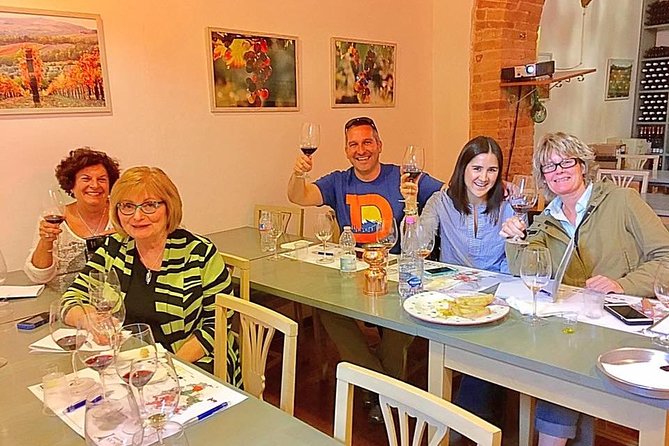
Expect the atmosphere to be social rather than solemn. Manuel is praised for being a good-natured teacher, while Milo is described as bringing a lively energy and generous pours. Giorgia, Georgia, and Nina are also named as engaging instructors in different sessions. Since the guide can vary, do not book based on a promise that one specific person will lead your class unless the operator confirms it.
Tuscan wine makes more sense with a map
Tuscany is not one single wine style. Soil, altitude, grape choice, local rules, and aging all affect what reaches your glass. The map and regional discussion help connect those details, so the names on a restaurant menu stop looking like a list of mysterious passwords.
The class also gives needed context for the famous labels. Chianti Classico and Brunello di Montalcino are not interchangeable, even though both are strongly linked with Tuscany. Learning about their categories and production areas can help you decide if you want something fresh and approachable, something more structured, or a bottle suited to a long meal.
The lesson covers traditional grape varieties and different wine styles. You are encouraged to compare rather than simply approve or reject each pour. That approach is helpful for people who enjoy wine but have never had a clear way to describe what they like.
One especially useful takeaway concerns ordering by more than price. The class explains how production year can affect your choice, giving you another tool besides selecting the cheapest or most expensive bottle. You should leave better prepared to ask a restaurant server a sensible question about vintage, body, or food pairing.
The teaching also includes bits of regional history and local legends. That gives the tasting a cultural frame without turning the entire evening into a lecture. The best sessions seem to balance facts with humor, so the information remains easy to remember.
Pecorino, salumi, olive oil, and chocolate
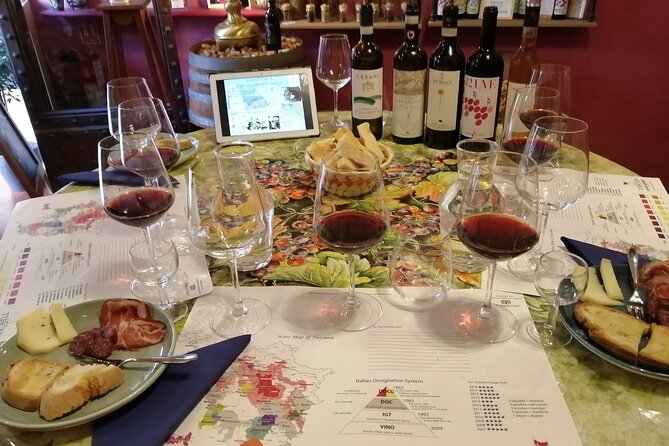
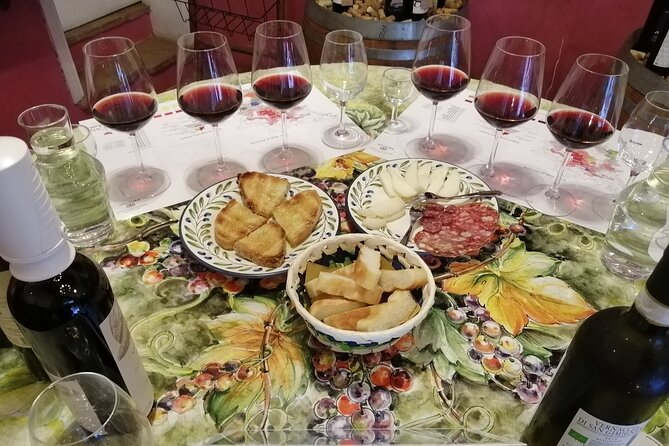
The food is not an afterthought. A starter of local pecorino sheep cheese and cured meats is paired with the wines, along with bruschetta made with extra virgin olive oil. Bread and chocolate are also listed among the tasting snacks.
These small foods serve a clear purpose. Pecorino can show how a firm, salty cheese works with a Tuscan red. Cured meats bring salt and fat into the comparison. Bruschetta and olive oil connect the wine to everyday local eating, while chocolate offers a different test for the final pours.
The pairing guidance is one of the strongest reasons to choose this class instead of a casual wine bar tasting. You learn how food changes your sense of acidity, body, and flavor. That can help you make a smarter choice when ordering a bottle with pasta, meat, cheese, or a plate of local appetizers.
Portions appear to be generous for a tasting class. Several sessions are described as having large pours or encouraged refills. That may sound appealing, but it is also a reason to pace yourself. You are tasting multiple wines, not drinking a single glass over dinner, and two hours can pass quickly when the pours are generous.
If you are looking for a strict professional tasting, this relaxed approach may not suit you. The class puts enjoyment and participation first. If you want a friendly evening with enough food to support the wine and enough explanation to improve your choices, the format makes sense.
Still Siena, but a slower afternoon:
- Siena: Walking Tour and Skip-the-Line Duomo Tickets
★ 4.8 · 1,116 reviews - Small-Group Brunello di Montalcino Wine-Tasting Trip from Siena
★ 5.0 · 952 reviews - Skip the Line: Siena Duomo and City Walking Tour
★ 5.0 · 689 reviews - From Siena: Chianti and Castles Tour with Wine Tastings
★ 4.6 · 631 reviews
The guides set the mood
The instructor is central to the value of this experience. The strongest sessions feature a guide who can explain technical points in plain language, remember names, answer questions, and keep the group laughing without losing the thread of the lesson.
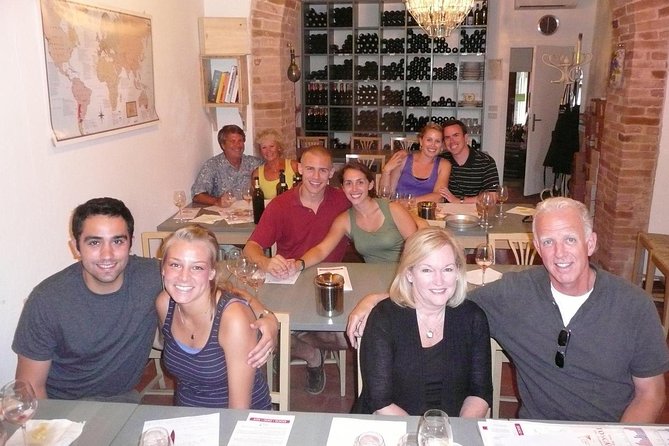
Manuel receives particular praise for being entertaining and sincere, while Milo is associated with a warm, high-energy style and generous pours. Giorgia has been praised for remembering everyone’s names, and Georgia is described as both friendly and expert at teaching proper tasting technique. Nina is noted for making the lesson informative and enjoyable.
These names tell you something important about the experience: the class depends partly on who is leading it. The material is useful, but a dry instructor could make soil types and vintage comparisons feel heavy. A warm instructor turns the same material into a memorable evening.
The class also seems comfortable for mixed levels. People with little wine experience can learn the basics without feeling out of place, while avid wine lovers may still pick up regional details and better pairing habits. I would not expect a specialist certification course, but I would expect a practical introduction with real tasting practice.
Is $72.59 a fair price in Siena?
At $72.59 per person, this is not the cheapest way to drink wine in Siena. You could order a glass or two at a wine bar for less. The value comes from combining instruction, multiple regional wines, local food, and a central location in one two-hour session.
The price looks strongest if you are already planning to eat out in Siena. The class can help you avoid an uninformed bottle choice later, and the food pairings give you more than a stand-alone lecture. It is also less costly and less time-consuming than arranging transport to several wineries.
The value is weaker if your main goal is to visit vineyards or meet winemakers at the source. This is an indoor, city-based class. You will learn about Tuscan wine regions, but the experience does not promise a countryside drive, cellar tour, vineyard walk, or producer visit.
Wine quality can vary with the selection and the current program. One less positive assessment found the wines average and questioned the price. I would treat that as a fair caution rather than a reason to dismiss the class. The educational structure, food, and guide make up much of the experience, so serious collectors should ask which bottles and vintages are scheduled.
Timing, meeting point, and cancellation rules
The 5:00 pm start is well chosen. It gives you most of the afternoon for Siena’s cathedral, Piazza del Campo, or a walk through the historic center, then shifts naturally into aperitivo and dinner time.
The meeting point is listed at Via Stalloreggi, 53100 Siena, and the activity ends back at the meeting point. Because central Siena has pedestrian streets and confusing turns, arrive with enough time to locate the exact entrance. Via di Citta is also connected with the itinerary, so check the final meeting instructions carefully rather than relying only on a broad map pin.
A mobile ticket is provided, and the class is offered in English. It is near public transportation, although the central location means many people staying in Siena may simply walk. Most people can participate, and the maximum group size is 14.
Free cancellation is available until 24 hours before the start time. Changes or cancellations inside that window are not accepted for a refund. The experience also requires good weather and a minimum number of participants. If poor weather or low enrollment causes cancellation, you are offered another date or experience, or a full refund.
Who will enjoy this Tuscan wine class?
I would choose this for several kinds of visitors:
- First-time Tuscany visitors who want a clear introduction before visiting restaurants or wineries.
- Couples and friends looking for a relaxed evening activity in Siena.
- Food lovers who want to understand why cheese, cured meat, olive oil, and chocolate alter a wine pairing.
- Wine drinkers without formal training who want useful language and tasting habits.
- People on a short itinerary who cannot spare half a day for a rural winery excursion.
I would be more cautious if you dislike group classes, prefer tiny pours, or already know Tuscan wine in detail. The humor and generous serving style will appeal to many people, but not everyone wants an energetic classroom atmosphere.
Should you book the Tuscan Classics class?
Book it if you want practical wine education in Siena, not a full vineyard day. The central setting, manageable two-hour length, food pairings, and repeated praise for the instructors make it an easy addition to a city itinerary.
The best reason to go is not simply the chance to drink Chianti Classico or Brunello. It is the chance to understand what you are tasting and make better choices afterward. If you keep the price in mind, confirm the number of wines, and accept that the exact guide and bottles may vary, this is a useful and enjoyable introduction to Tuscany in a compact format.
FAQ
Where does the wine class meet?
The listed starting point is Via Stalloreggi, 53100 Siena, Italy. Via di Citta is identified in the itinerary, so check the final meeting instructions for the exact entrance.
What time does the class begin?
The class starts at 5:00 pm.
How long does the experience last?
The wine class lasts approximately two hours.
Is the class offered in English?
Yes. The experience is offered in English and led by a local English-speaking instructor.
How many people can join?
The maximum group size is 14 participants.
How many wines will I taste?
The details describe four or five Tuscan wines in one section and six local wines in another. Confirm the current tasting lineup with the provider if the exact number matters to you.
Which famous Tuscan wines are included?
The tasting includes the traditional and famous Chianti Classico and Brunello di Montalcino wines.
What food is served?
Food includes local pecorino sheep cheese, cured meats, bruschetta with extra virgin olive oil, bread, and chocolate. These are served as pairing snacks.
Is transportation included?
No transportation service is listed. The class takes place in central Siena, is near public transportation, and ends back at the meeting point.
Can I cancel for a full refund?
Yes, if you cancel at least 24 hours before the experience starts. Cancellations or changes made less than 24 hours before the start time are not refunded.
Recently added around Siena
- Florence: Siena, San Gimignano and Chianti Small Group Tour★ 4.9 · 433 reviews
- A Brunello Cooking Class with Vineyards View Winery★ 5.0 · 221 reviews
- Tuscan Cooking Class in Central Siena★ 5.0 · 337 reviews
- Small-Group San Gimignano and Volterra Day Trip from Siena★ 5.0 · 180 reviews
- Skip the Line: Siena Duomo and City Walking Tour★ 5.0 · 689 reviews
- Siena’s Ultimate Food Tour: Full Tuscan Meal by Do Eat Better★ 5.0 · 203 reviews
- Discover the Medieval Charm of Siena on a Private Walking Tour★ 5.0 · 247 reviews
- Small-Group Montepulciano and Pienza Day Trip from Siena★ 5.0 · 281 reviews
Workshops, compared.
3 in 1 Cooking Class near Navona: Fettuccine, Ravioli & Tiramisu
Read our review →
Florence Pizza or Pasta Class with Gelato Making at a Tuscan Farm
Read our review →
Pasta & Tiramisu Cooking Class with Unlimited Wine
Read our review →
Pizza-Making Workshop with Drink and Appetizer
Read our review →
Pasta & Tiramisu Class with Fine Wine by the Vatican
Read our review →
Cooking Class and Lunch at a Tuscan Farmhouse with Local Market Tour from Florence
Read our review →Browse the lists this tour appears in