Reviewed · ROME TOURS
Welcome To Rome Experience
Rome makes more sense once you see its layers. The Welcome to Rome Experience packs the city’s long story into about an hour, using projections, models, audio, interactive displays, and a closing film. I like its clear overview of Rome’s changing eras, and I like how the 3D reconstructions help you picture ruined sites as complete buildings. The main drawback is that some of the early displays require standing, and the information can feel too detailed or slow for young children.
The central location on Corso Vittorio Emanuele II makes this an easy first-day stop, especially if jet lag has knocked your sightseeing plans sideways. At $21.77 per person, it is not a bargain attraction, but it can earn its keep by giving you a useful framework for the Colosseum, Roman Forum, Palatine Hill, churches, museums, and palaces you will see later.
In This Review
- Key points to know before you go
- Why this makes sense as your first Rome activity
- The four small rooms and their 3D displays
- The film in the auditorium
- What you will understand better afterward
- How much value do you get for $21.77?
- Location, timing, and the first-day advantage
- Is it good for children?
- What could be improved
- Who should book Welcome to Rome?
- Should you book it?
- FAQ
- How long does the Welcome to Rome Experience last?
- What does the experience include?
- Is the film part of the experience?
- Is the experience offered in English?
- Where is Welcome to Rome located?
- Is the venue near public transportation?
- Are service animals allowed?
- Can most people participate?
- When is the last entry?
- Can I cancel for a refund?
Key points to know before you go
- Rome in one hour: You get a fast introduction to the city’s geology, founding, major building periods, and changing appearance.
- Ancient buildings brought back to life: 3D images and models show how important ruins may have looked when they were new.
- Four early display areas: The experience begins with several small stations before moving into a seated auditorium for the film.
- Best at the start of your trip: The information can help you understand Rome’s sites instead of seeing them as disconnected ruins.
- A family-friendly idea with limits: Children often enjoy the visuals, but some under age eight and some teenagers may lose interest.
- Easy practical setup: You receive a mobile ticket, confirmation at booking, and can choose among multiple showings each day.
Why this makes sense as your first Rome activity
Rome can be confusing at first. You see ancient columns beside Renaissance churches, Baroque fountains beside medieval streets, and layers of construction piled onto the same patch of ground. Without some background, the city can feel like a collection of impressive but unrelated monuments.
This experience gives you a simple timeline. It begins with a brief explanation of the early terrain around Rome, then moves through the city’s development and its architectural periods. You get a broad look at Classical, Medieval, Renaissance, and Baroque Rome, with visual examples to help you recognize those periods later.
I especially like that the program does not focus only on famous emperors and battles. It also shows how the city changed physically and architecturally. That matters when you later visit the Roman Forum and see broken walls, scattered columns, and partial foundations. The 3D comparisons help you imagine the original structures rather than treating every ruin as a pile of old stones.
This is not a replacement for a full Colosseum tour or a museum visit. It is a primer. Think of it as a quick set of glasses for seeing Rome more clearly.
A few more Rome bookings to compare
- Vatican: Museums & Sistine Chapel Entrance Ticket
★ 4.5 · 144,003 reviews - Vatican Museums & Sistine Chapel Tour with Optional Basilica
★ 4.3 · 67,413 reviews - Colosseum, Roman Forum & Palatine Guided Tour
★ 4.7 · 63,148 reviews
The four small rooms and their 3D displays
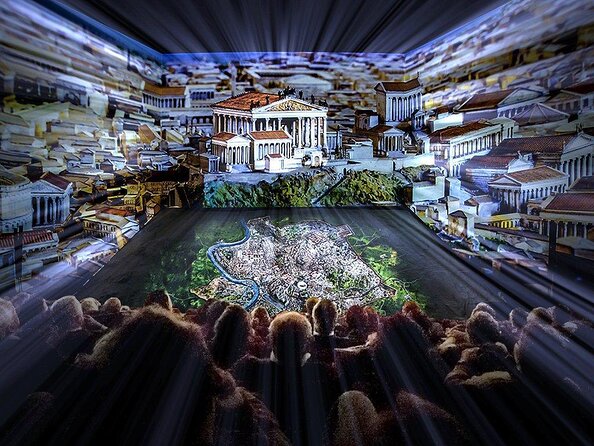
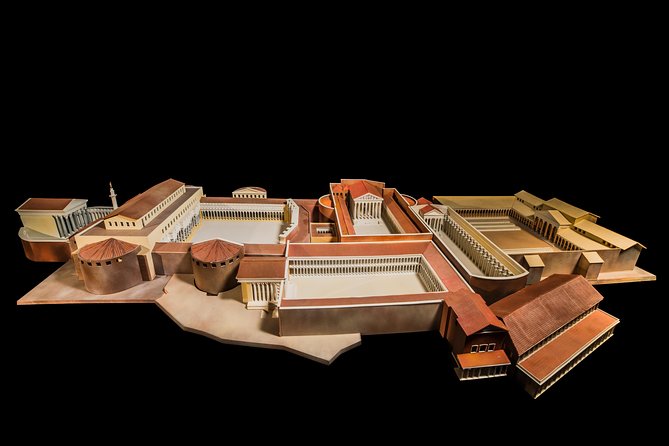
The first portion moves you through four compact areas. You watch demonstrations involving projections, models, graphics, and audio explanations. The displays show different stages of Rome’s development and reconstruct monuments and sections of the city.
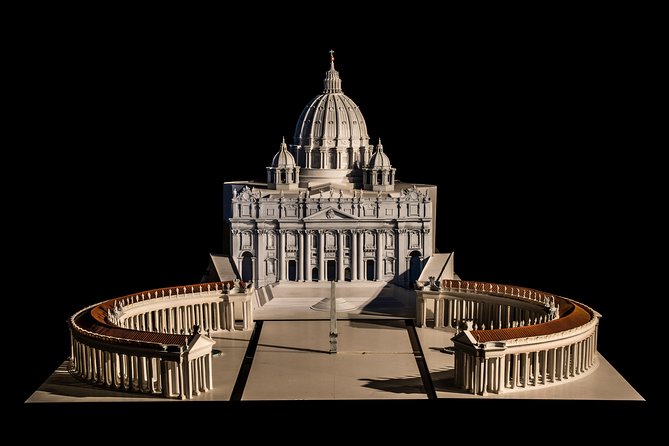
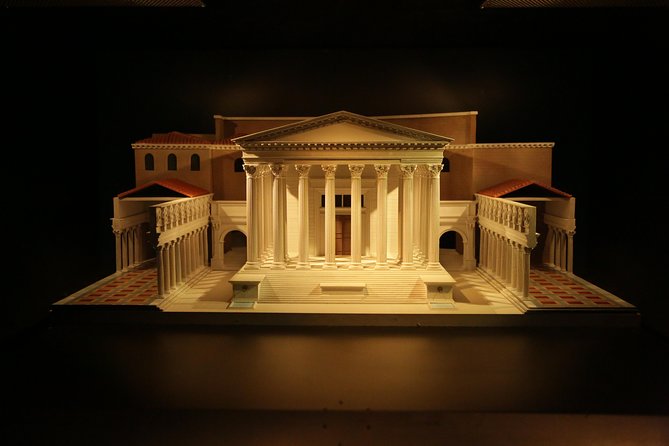
The most useful feature is the contrast between Rome as it looks now and how it may have looked in earlier periods. A ruined monument can be difficult to understand when you see only its surviving pieces. A reconstructed image gives you the missing roof, walls, decoration, and surrounding structure.
The models and graphics also help with scale. A photograph can show a temple or forum, but a model gives you a better sense of how buildings related to one another. That can be especially helpful before you walk through the Roman Forum, Palatine Hill, or Circus Maximus.
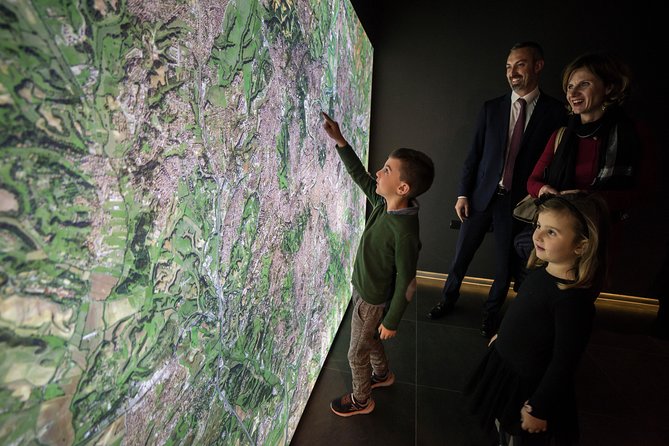
The opening geological section may surprise you. It provides a short explanation of the early ground and terrain on which Rome developed, rather than beginning immediately with the Roman Republic or emperors. If you enjoy history, this adds useful context. If you want only famous monuments, it may feel like a slow start.
You generally remain on your feet during these display sections. That is worth knowing if you are already arriving after a long flight or a day of walking. The later auditorium provides seating, but the early stations are not designed as a relaxed sit-down presentation.
Audio equipment is part of the presentation. The booking information lists the experience in English, and the audio is intended to make the displays easy to follow. Equipment problems have occurred, but staff can replace a faulty audio unit. That is a small inconvenience, not a reason to abandon the activity, though it can interrupt the flow.
The film in the auditorium
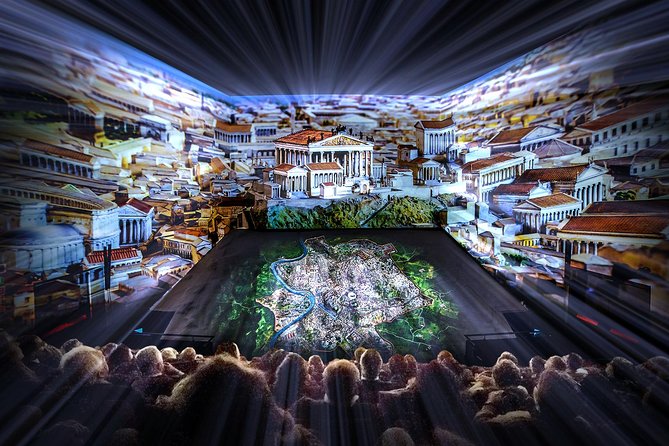
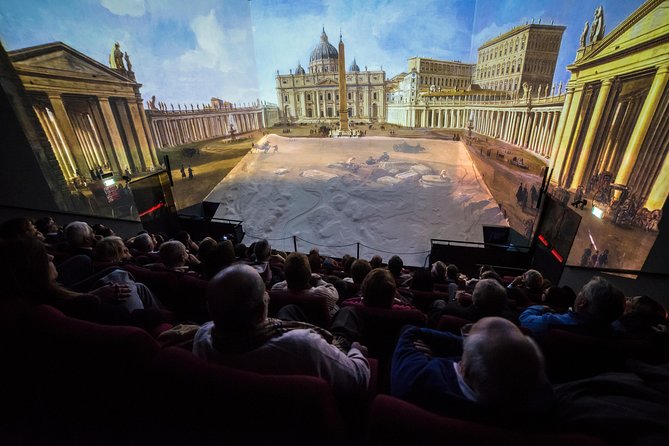
After the display stations, you move into an auditorium for the film. The movie section lasts roughly 30 minutes, making it the longest single part of the experience and the place where you can finally sit down.
I found this structure sensible. The models give you concrete images first, then the film pulls the story together. The presentation covers Rome across different periods and shows how many buildings looked before they became ruins. That visual contrast is one of the program’s strongest teaching tools.
The film is also the part most likely to hold the attention of older children and adults. It provides a more complete narrative than the individual displays, and the combination of images, sound, and commentary keeps the presentation moving.
Still, do not expect a full academic lecture. An hour cannot explain Roman politics, religion, art, engineering, and daily life in detail. The show gives you a high-level account. I think that is the right goal, but you may find it too basic if you already know Rome well.
Some people also find the overall presentation more educational than entertaining. The visuals are attractive, but the content remains fairly dense. Younger children may enjoy the 3D effects without following the full story. Some teenagers may find the pace sleepy, particularly if they are tired from travel.
What you will understand better afterward
The value of this activity becomes clearer once you begin sightseeing outdoors. After the show, you have a better chance of understanding why Rome looks so layered and incomplete.
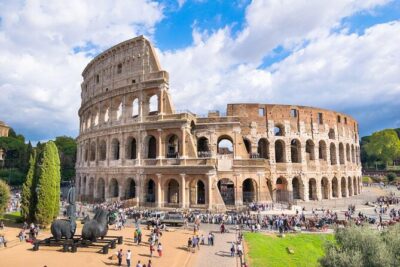
At the Colosseum, the reconstructions can help you imagine the amphitheater in use rather than as a weathered shell. At the Roman Forum, you can connect scattered foundations with the buildings and public spaces that once occupied them. At Palatine Hill, the connection between political power, imperial residences, and the wider city becomes easier to picture.
The program also gives you a rough guide to Rome’s later architecture. You may recognize the difference between Classical forms, medieval changes, Renaissance design, and Baroque decoration. That does not turn you into an art historian, but it gives you useful questions to ask as you visit churches, palaces, and museums.
I like this kind of preparation because it improves independent sightseeing. You do not need to remember every date. If you understand the broad sequence, the monuments begin to relate to one another.
Several people who enjoyed the experience used it as a reference during later visits. That is exactly how I would use it. Watch it early, then let the real city fill in the details.
Still Rome, but a slower afternoon:
- Vatican Museums, Sistine Chapel & St Peter’s Basilica Guided Tour
★ 4.5 · 39,149 reviews - Rome: Colosseum, Palatine Hill and Roman Forum Guided Tour
★ 4.8 · 32,814 reviews - Rome: Guided Tour of Colosseum, Roman Forum & Palatine Hill
★ 4.7 · 27,897 reviews - Rome: Colosseum & Forum with Audio Guide App -Optional Arena
★ 4.2 · 24,770 reviews
How much value do you get for $21.77?
The price is $21.77 per person. For a one-hour presentation, that may initially feel high, especially when Rome offers so many free churches, piazzas, viewpoints, and outdoor ruins.
The value depends on how you plan to explore. If you already have a strong understanding of Roman history, you may find the show too introductory for the cost. If you are visiting for the first time and want context before a busy sightseeing schedule, the price is easier to justify.
You are paying for a structured overview rather than admission to a major ancient monument. The show does not replace the Colosseum, Forum, or Palatine Hill. Instead, it can make those paid and time-consuming visits more rewarding.
I would consider it good value for:
- A first visit to Rome
- Families who want history presented with images
- Anyone who struggles to picture ruined buildings as complete structures
- People arriving with limited time
- Visitors who want a gentle activity before tackling major sites
I would think twice if you have already taken several detailed history tours or prefer to learn entirely by walking through the actual monuments. The program is concise, but the price is not tiny for what amounts to an introductory presentation.
Location, timing, and the first-day advantage
The address is Corso Vittorio Emanuele II, 203, in central Rome. The venue is near public transportation, so it can fit into a day that already includes central sights. Multiple showings are offered daily, which gives you some flexibility when arranging meals, churches, museums, and outdoor stops.
The experience lasts about an hour. The schedule begins with the display areas and ends with the auditorium film, so allow enough time to arrive before your selected entry. The last entry is one hour before closing, an important detail if you are planning to arrive late in the day.
I think the best timing is during your first day or two. It is short enough to fit around a relaxed walking route, and it gives you a mental map before you encounter Rome’s major ruins. It can also be a practical choice on an arrival day when a three-hour tour feels too ambitious.
Bring your mobile ticket and check the confirmation details at booking. Service animals are allowed, and most people can participate. The available information does not specify a group size or detailed accessibility arrangements, so anyone who needs particular seating or mobility support should confirm those details before booking.
Free cancellation is available if you cancel at least 24 hours before the experience start time. Cancellations made less than 24 hours in advance, along with late changes, are not refunded.
Is it good for children?
The answer depends on your child’s age and patience. The program has plenty of visual material, and the models, projections, and reconstructed monuments can keep children interested more effectively than a traditional lecture.
Children around 11 have found the presentation easy to enjoy, especially because the information arrives through pictures and sound. Families also appreciate the one-hour length. It is long enough to teach something useful but short enough to fit into a busy day.
Children under eight may struggle to stay engaged during the explanations. The early display areas involve moving between stations, listening, and watching rather than hands-on play at every moment. The movie may hold attention for a while, but tired children can still lose interest.
Teenagers can go either way. A teenager interested in history may appreciate the visual reconstructions. A teenager hoping for a fast special-effects show may find the detailed narration too slow.
If you bring children, I would explain the purpose beforehand: you are learning how to recognize the Rome you will see outside. That makes the experience feel connected to the rest of the trip rather than like a separate indoor attraction.
What could be improved
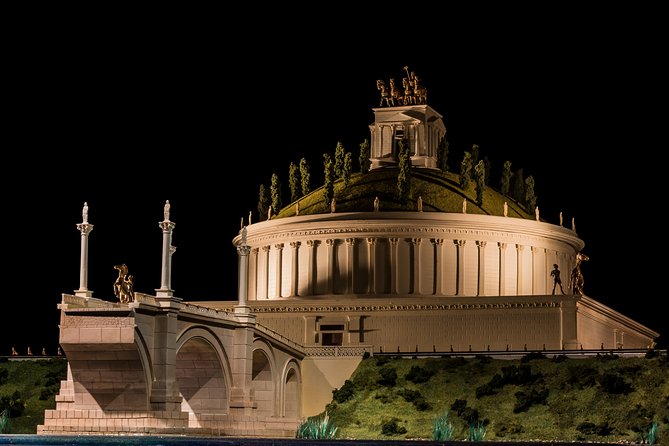
The concept is strong, but the experience is not flawless. The early stations can feel tiring because you move through four small rooms before reaching the auditorium seats. If your legs are already worn out from sightseeing, that sequence may be less comfortable than expected.
Seating is mainly available during the film. Some families would appreciate benches or chairs near the models, particularly after a long day on foot.
Audio equipment may occasionally malfunction. Staff can replace a faulty unit, but you should speak up immediately if you cannot hear clearly. Missing part of the explanation makes the display areas less useful.
The facility itself has also received criticism for an empty or cold atmosphere, broken auditorium seats, and poorly maintained bathrooms. Those problems do not appear to affect every visit, but they are worth keeping in mind. The content may be well planned even if the venue’s upkeep is uneven.
The biggest content limitation is depth. The show covers a huge subject in about an hour, so some areas receive only a brief explanation. Ancient Rome, in particular, may leave you wanting more. I see that as a natural limit of the format, but it means you should treat the experience as an introduction, not a complete account of Rome.
Who should book Welcome to Rome?
I would book this for a first-time Rome visit, especially if I had children or wanted a quick historical orientation before touring the ruins. The strongest benefit is not the entertainment by itself. It is the way the reconstructions prepare you to read the city.
I would also consider it for a short trip. With limited days, you may not have time for a long introductory course in Roman history. This presentation gives you a useful outline in one hour, then lets you spend the rest of your trip exploring.
I would skip it if your schedule is packed with major sites and you already know the basic story of Rome. I would also skip it if your priority is the most authentic possible experience, since this is a staged multimedia show rather than a walk through an ancient monument.
Should you book it?
Book Welcome to Rome if you want a compact, visual explanation before seeing the Colosseum, Roman Forum, Palatine Hill, and Rome’s many churches and palaces. The 3D reconstructions are the main reason to go, and the early-trip timing gives the show its greatest value.
At $21.77, it is best viewed as preparation for Rome, not as a major attraction in its own right. Start your trip here if you need context. Skip it if you prefer to learn directly from the streets and ruins, or if your family is unlikely to enjoy a detailed indoor presentation.
FAQ
How long does the Welcome to Rome Experience last?
The experience lasts approximately one hour.
What does the experience include?
It includes admission to a multimedia presentation about Rome, with projections, audio, interactive elements, models, and a film.
Is the film part of the experience?
Yes. The program ends with a film shown in an auditorium. The film portion is approximately 30 minutes according to the available experience details.
Is the experience offered in English?
Yes. English is listed as the available language for the experience.
Where is Welcome to Rome located?
The address is Corso Vittorio Emanuele II, 203, 00186 Rome, Italy.
Is the venue near public transportation?
Yes. The venue is described as being near public transportation.
Are service animals allowed?
Yes. Service animals are allowed.
Can most people participate?
Yes. The available information states that most people can participate. Detailed accessibility information is not provided.
When is the last entry?
The last entry is one hour before closing.
Can I cancel for a refund?
Yes. You can receive a full refund if you cancel at least 24 hours before the experience start time. Cancellations or changes made less than 24 hours before the start time are not accepted for a refund.
Recently added around Rome
- Rome: Pantheon, Trevi Fountain & Roman Squares Guided Tour★ 4.7 · 386 reviews
- Vatican: Pope Francis Tomb and Papal Basilicas Tour★ 4.7 · 340 reviews
- Vatican: St. Peter’s Basilica with Audio Guide and Options★ 3.4 · 269 reviews
- Rome: Vatican Museums Skip-the-line Entry Ticket and Tour★ 4.2 · 400 reviews
- Rome: Vatican Museums & Sistine Chapel Ticket + Tour Options★ 4.7 · 344 reviews
- Vatican: Museums, Raphael & Sistine Chapel + Basilica Option★ 4.7 · 350 reviews
- Vatican Museums & Sistine Chapel Guided Tour★ 4.3 · 832 reviews
- Vatican Museums & Sistine Chapel Entry Ticket★ 4.4 · 245 reviews
Rome Tours, compared.
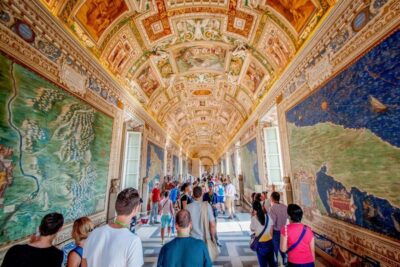
Vatican Museums & Sistine Chapel Tour with Optional Basilica
Read our review →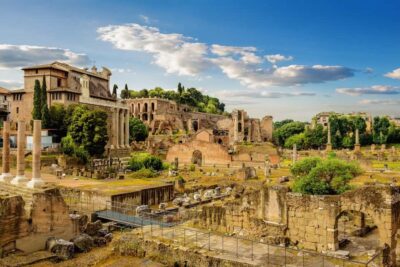
Colosseum, Roman Forum & Palatine Guided Tour
Read our review →
Vatican Museums, Sistine Chapel & St Peter’s Basilica Guided Tour
Read our review →
Colosseum, Palatine Hill and Roman Forum Guided Tour
Read our review →
Guided Tour of Colosseum, Roman Forum & Palatine Hill
Read our review →
Colosseum & Forum with Audio Guide App -Optional Arena
Read our review →