
Reviewed · COOKING CLASSES
Venice: Pasta and Tiramisu Cooking Class with Wine
Pasta tastes better when you make it. This three-hour class gives you a hands-on way to step away from Venice’s churches and canals and spend time with food, local cooking traditions, and people from around the world. I like that you prepare fresh fettuccine, ravioli, and tiramisu, then sit down to eat what you made with wine. I also like the relaxed social side, with hosts such as Barbara, Serena, Thomas, and Eddie bringing humor and warmth to the lesson.
The main consideration is dietary fit. Substitutions are available for some food preferences, but the teaching centers on traditional recipes containing gluten, dairy, and eggs. Cross-contamination cannot be ruled out, and the activity is specifically not suitable for vegans or people with gluten or lactose intolerance.
In This Review
- Key Things To Know Before Booking
- Why A Cooking Class Makes Sense In Venice
- Arriving In Dorsoduro
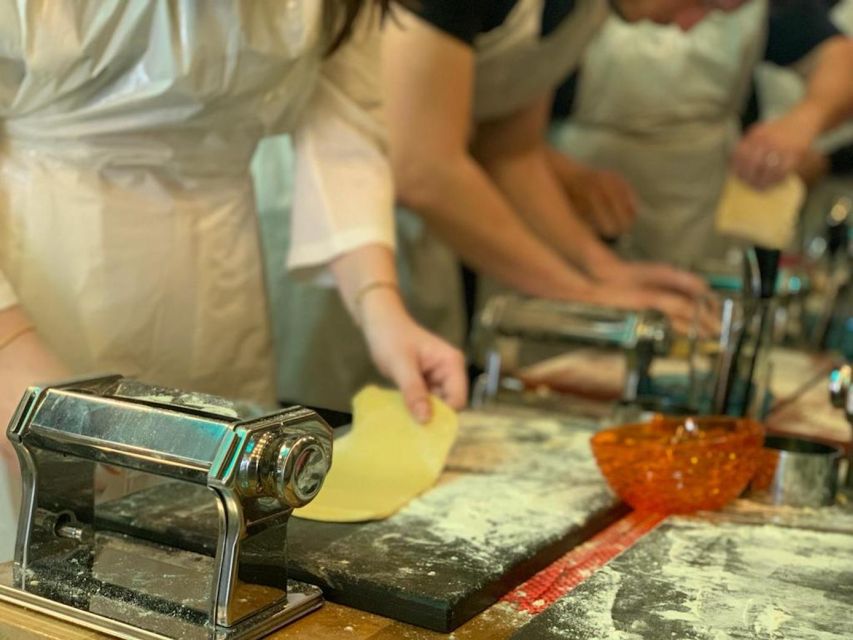
- Rolling Pasta Dough And Making Fettuccine
- Shaping Ravioli By Hand
- Mixing Tiramisu Before Dinner
- Sitting Down To Eat What You Made
- The Guides Make The Difference
- Meeting People Over Pasta
- Dietary Rules You Should Take Seriously
- Is Three Hours The Right Length?
- Is $78 A Good Price?
- Who Should Book This Venice Class?
- Should You Book It?
- FAQ
- How long does the Venice cooking class last?
- What dishes do you make?
- Are wine and other drinks included?
- Is the class taught in English?
- Can people with dietary restrictions take part?
- Is the class suitable for children?
Key Things To Know Before Booking
- Three classic dishes: You make fresh fettuccine, ravioli, and tiramisu from supplied ingredients.
- A full meal follows: The pasta and dessert you prepare are served at the table with wine, limoncello, and coffee.
- English instruction: The class is taught in English by a live guide, with time for questions about food and local traditions.
- Dorsoduro setting: The restaurant is in the heart of Venice, giving you an easy reason to explore this appealing area before or after class.
- Strong value at $78: For three hours of instruction, ingredients, wine, and a meal, the price is fair for Venice.
- Best for curious eaters: Families with older children, couples, solo visitors, and first-time cooks all have good reasons to join.
Why A Cooking Class Makes Sense In Venice
Venice can be tiring. You walk over bridges, squeeze through narrow lanes, and spend hours taking in grand art and architecture. A cooking class gives your feet a rest without wasting an afternoon or evening.
This is not just a demonstration where you sit back and watch a chef do everything. You roll up your sleeves, handle the ingredients, shape pasta, and prepare tiramisu. That hands-on work makes the meal more memorable, and it gives you skills you can use at home.
I also like the human scale of the experience. Instead of passing through another famous sight, you spend several hours at a table with a guide and a small group of fellow participants. The class creates an easy setting for conversation because everyone has flour on their hands and a shared dinner waiting at the end.
The activity is operated by The Roman Food Tour, but the setting is Venice’s Dorsoduro area. That matters because you are not being sent out to a distant cooking school or an industrial kitchen. The experience takes place in a restaurant, so the class has the feel of an evening meal as well as a lesson.
More Cooking Classes in Venice:
- Pasta and Tiramisu Cooking Class with Wine in Venice
★ 5.0 · 945 reviews - Market Tour and Cooking Class with a Local Venetian Chef
★ 5.0 · 313 reviews - Small Group Pasta and Tiramisu Class at Local’s Home in Venice
★ 4.5 · 236 reviews
Arriving In Dorsoduro
The meeting point can vary depending on the option you book, so check your confirmation carefully before setting out. The restaurant is in the Dorsoduro area, one of the more pleasant parts of central Venice for a walk.
Dorsoduro gives you a useful change of pace from the busiest sightseeing routes. You can plan to arrive early and enjoy the surrounding streets, or stay nearby afterward for a walk once dinner is finished. The activity itself remains inside the restaurant, which is helpful on a rainy day or after a long day on foot.
You do not need to arrange transportation as part of the class. Since the meeting location may vary, allow enough time to find the correct restaurant rather than assuming every session begins at the same address.
Rolling Pasta Dough And Making Fettuccine
The class begins with the central skill: fresh pasta. You receive the ingredients and instructions, then work through the process with the teacher guiding the group.
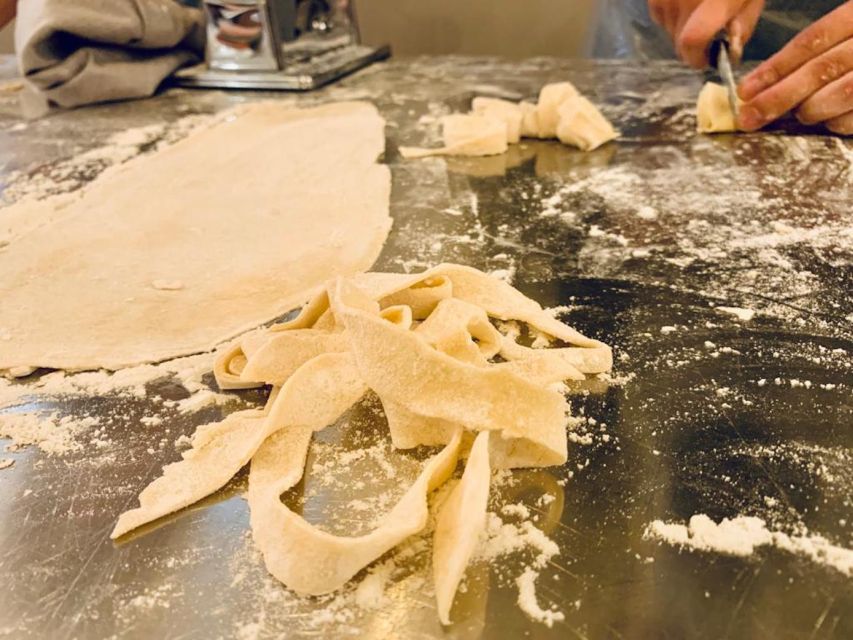
Fettuccine is a good choice for beginners. It lets you see how a simple mixture becomes a workable dough and then turns into long ribbons. The process is practical rather than mysterious. Your guide can show you how to handle the dough and answer questions as you go.
The pace appears to be one of the strongest parts of the class. Serena is praised for keeping the instructions clear and moving at a speed that the whole group could follow. Barbara is also singled out for being lively while still teaching well. That combination matters because a pasta class can quickly become frustrating if the instructor races ahead.
You should expect some group teaching, not a private lesson. The hosts demonstrate steps for everyone, then offer help as people work. The structure gives you enough independence to feel involved while keeping you from getting stuck.
This is also where the class connects cooking with local culture. The instructors explain traditional methods and the origins of the dishes rather than treating pasta as a set of mechanical instructions. You leave with more than a recipe. You gain a clearer idea of why fresh pasta is handled in a particular way.
Shaping Ravioli By Hand
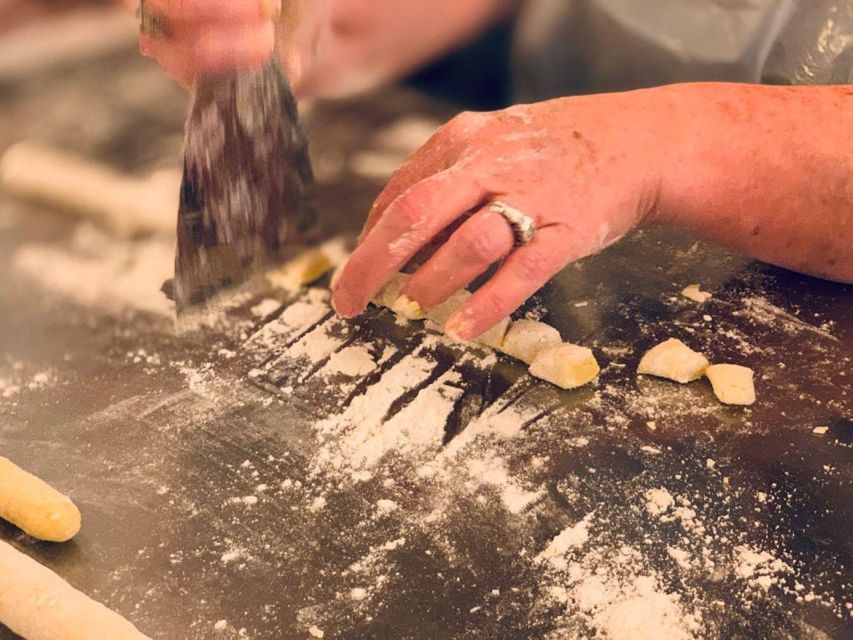
Ravioli adds a second kind of pasta work. Fettuccine teaches you to roll and cut dough into ribbons, while ravioli asks you to fill, fold, and seal it neatly.
That makes the ravioli segment especially satisfying. You can see the finished parcels take shape under your hands, and the meal later gives you a chance to taste whether your work held together. One participant described the ravioli as the best they had ever eaten, while others were surprised by how manageable the process felt.
Do not expect every piece to look restaurant-perfect. That is part of the fun. The guide’s job is to show you the technique, not to make every person produce identical pasta. If you enjoy cooking, you will appreciate the useful tips and small corrections. If you rarely cook, the clear instruction should make the task approachable.
The class seems well suited to mixed groups. Couples can work together, families can share the job, and solo participants have a natural way to meet people at the table. Older children and teenagers have enjoyed the hands-on work, though the activity is not suitable for children under three.
A few more Venice bookings to compare
- Venice: Doge’s Palace Reserved Entry Ticket
★ 4.6 · 42,716 reviews - Venice: Grand Canal Gondola Ride with App Commentary
★ 4.1 · 18,908 reviews - Boat Trip: Glimpse of Murano, Torcello & Burano Islands
★ 4.3 · 15,699 reviews - Venice: Grand Canal by Gondola with Live Commentary
★ 4.1 · 13,681 reviews
Mixing Tiramisu Before Dinner
Tiramisu provides a welcome change from pasta dough. You prepare the dessert during the class, then allow it to become part of the meal at the end.
The appeal here is speed and familiarity. Tiramisu is recognizable, but making it yourself gives you a better sense of how the layers and cream come together. The instructor also shares techniques for getting the dessert right, keeping the focus on traditional preparation.
The dessert course helps balance the pasta work. You are not spending three hours on one repetitive task. Instead, the class moves through several stages and gives you a sweet course to look forward to while the pasta is prepared.
If tiramisu is your main reason for booking, remember that the class remains centered on the traditional recipe. Dairy and eggs are part of the standard instruction, and the provider cannot guarantee a completely dairy-free or egg-free preparation.
Sitting Down To Eat What You Made
The best payoff comes when the practical work becomes dinner. Your fettuccine, ravioli, and tiramisu are served at the table, along with wine.
The food is not simply a token sample. The class is designed to end with a proper shared meal, which is why several people describe it as solving lunch or dinner plans for the day. At $78 per person, that makes the cost easier to assess. You are paying for a three-hour activity, ingredients, instruction, wine, and the meal itself.
Wine is included, and the atmosphere continues after the cooking stops. Limoncello and coffee are also provided, adding a distinctly Italian finish. The drinks help turn the final stage into a social dinner rather than a quick taste before everyone leaves.
The amount of wine may appeal to adults looking for a convivial evening, but it is worth pacing yourself. You are eating, cooking, and talking for several hours, so there is no need to rush the drinks.
The restaurant setting also gives the meal a sense of occasion. Music may be played during the class, and some hosts add singing or personal touches. Eddie, for example, has been praised as an entertaining host and singer. Birthday celebrations have also received special attention, including a birthday song for one engaged couple.
The Guides Make The Difference
Cooking technique matters, but the guide can make or break this sort of activity. The strongest praise is directed at the people leading the class.
Barbara is repeatedly described as warm, lively, entertaining, and a strong teacher. Serena receives similar praise for her clear pace and patient answers. Thomas is noted for making the experience fun and informative, while Eddie brings a more theatrical energy, including singing.
Other hosts named in the feedback include Bleona, Lauti, Fammy, Emma, and Sarina. The descriptions vary in personality, but the common thread is friendly instruction and attention to the group.
You should not book expecting a silent technical workshop. The tone is social and light. Questions are welcome, and the instructors explain traditional methods, food culture, and regional connections while guiding the cooking.
That style suits beginners especially well. You do not need advanced kitchen skills, and you should not feel embarrassed if your first ravioli looks a little uneven. The class is built around participation, conversation, and eating together.
Meeting People Over Pasta
One of the less obvious benefits is the social setting. You sit with people from different countries and work toward the same meal. That gives solo visitors an easy way to meet others without having to force conversation.
For couples, it adds a shared activity to a Venice trip. For families, it gives teenagers something more active than another museum. Several families have found the class a hit with teenagers, and one family even used the experience to make the evening meal part of the activity.
The group format can also be a drawback if you want personal attention at every step. You share the teacher with other participants, and the atmosphere may be lively. If you prefer a quiet, private lesson, this is probably not the right fit.
For most people, though, the group is part of the value. The meal gives everyone a reason to linger, and you may leave with new friends as well as recipes.
Dietary Rules You Should Take Seriously
The provider asks you to report allergies and food restrictions when booking. Substitutions may be offered for some needs, including vegetarian preferences and certain food choices.
Still, the limitations are important. The instruction focuses on traditional recipes containing gluten, dairy, and eggs. Cross-contamination cannot be guaranteed against.
The activity is listed as unsuitable for vegans, people with gluten intolerance, and people with lactose intolerance. That restriction should take priority over the broader note about dietary options. If your condition is serious, ask the provider before booking and do not assume a substitution will make the class safe.
The class is also not suitable for babies under one year or children under three. Older children and teenagers can take part, and the family feedback suggests the hands-on format works well for them.
Is Three Hours The Right Length?
Three hours is enough time to learn, cook, eat, and talk without making the activity feel like a full-day commitment. The class has a natural rhythm: pasta preparation, ravioli work, tiramisu, then the meal.
Several participants found the length just right. That makes sense for Venice, where you may want to fit the class between sightseeing plans. It is also a smart choice after a morning of walking, since the entire activity takes place in the restaurant.
Check the available starting times before you book because the schedule can vary. If you want the cooking class to serve as lunch or dinner, choose a session that matches your appetite and the rest of your plans.
Is $78 A Good Price?
At $78, this is not the cheapest meal in Venice, but comparing it with an ordinary restaurant dinner misses the point. You are also buying instruction, ingredients, a cultural activity, wine, limoncello, coffee, and three hours of structured entertainment.
The value is strongest if you would otherwise pay for both a meal and another activity. The class can function as lunch or dinner, and several people appreciated not needing to arrange a separate meal afterward.
The price is less attractive if you do not enjoy group activities, cannot eat the standard dishes, or mainly want to watch a professional chef. You get the most from the fee when you take part fully and enjoy the social side.
The high rating of 4.9 from 1,010 reviews supports the idea that the experience delivers consistently, especially in teaching, food, organization, and atmosphere. Individual instructors vary, but the repeated praise for Barbara, Serena, Thomas, and Eddie points to a strong hosting team.
Who Should Book This Venice Class?
I would recommend it to:
- First-time pasta makers who want clear guidance
- Couples seeking a shared activity beyond sightseeing
- Families with teenagers
- Solo visitors who enjoy meeting people
- Food lovers who want practical recipes to recreate at home
- Anyone needing a seated break after a long day in Venice
I would think twice if you want a private class, dislike communal dining, or need strict control over ingredients. The traditional recipes and cross-contamination warning are not minor details.
Bring curiosity, an appetite, and a willingness to laugh at imperfect pasta. You may even leave inspired to buy a pasta press and teach the method to your family, as one participant did.
Should You Book It?
Yes, if you want an active, social food experience in Venice rather than another meal served to you. The combination of fresh fettuccine, ravioli, tiramisu, wine, and friendly English-speaking instruction offers solid value at $78.
Book it especially if you are visiting with a partner, teenager, or solo and want an easy way to meet people. Before paying, confirm the meeting point, starting time, and whether your dietary needs can be accommodated safely.
Skip it if you are vegan, gluten intolerant, lactose intolerant, or looking for a quiet private lesson. For everyone else, this is a practical and cheerful way to spend three hours in Dorsoduro, with dinner already taken care of.
FAQ
How long does the Venice cooking class last?
The cooking class lasts three hours. Starting times vary, so check availability when booking.
What dishes do you make?
You learn to make fresh fettuccine, ravioli, and tiramisu. You sample the dishes you prepare at the end of the class.
Are wine and other drinks included?
Wine is included. The experience also ends with limoncello and coffee.
Is the class taught in English?
Yes. A live English-speaking guide leads the class and answers questions about Italian cuisine and local food traditions.
Can people with dietary restrictions take part?
You must inform the provider about allergies or food restrictions when booking. Substitutions may be available, but the traditional instruction contains gluten, dairy, and eggs, and cross-contamination cannot be guaranteed against.
Is the class suitable for children?
The class is not suitable for children under three or babies under one year. Families with teenagers and older children have enjoyed the hands-on format.
Recently added around Venice
- Venice Walking Tour and Gondola Ride Combo★ 4.4 · 266 reviews
- Venice: Walking Tour and Shared Gondola Ride★ 4.1 · 466 reviews
- Venice: Private Tour with a Local Guide★ 4.6 · 718 reviews
- Venice: The Footsteps of Commissario Brunetti Walking Tour★ 4.9 · 445 reviews
- Venice: Vivaldi Four Seasons Concert at Vivaldi Church★ 4.8 · 287 reviews
- Venice: Walking Guided Tour of the City Must-See Sites★ 4.7 · 1,095 reviews
- Venice: The Three Tenors Concert Ticket★ 4.8 · 1,183 reviews
- Venice: Lagoon Catamaran Cruise with Music and Drinks★ 4.7 · 419 reviews
Cooking Classes, compared.

3 in 1 Cooking Class near Navona: Fettuccine, Ravioli & Tiramisu
Read our review →
Florence Pizza or Pasta Class with Gelato Making at a Tuscan Farm
Read our review →
Pasta & Tiramisu Cooking Class with Unlimited Wine
Read our review →
Pizza-Making Workshop with Drink and Appetizer
Read our review →
Pasta & Tiramisu Class with Fine Wine by the Vatican
Read our review →
Cooking Class and Lunch at a Tuscan Farmhouse with Local Market Tour from Florence
Read our review →Browse the lists this tour appears in