Reviewed · ROME TOURS
Rome: Palazzo Valentini Roman Domus Multimedia Experience
Rome’s past is still under your feet. The Palazzo Valentini Roman Domus experience brings buried rooms, mosaics, baths, kitchens, and ancient decorations back into view through video and a VR headset. It is a clever way to make archaeological remains easier to understand, especially when bare walls and broken floors leave you guessing.
I like the virtual reconstruction of the Domus, which gives shape to rooms that are difficult to picture from ruins alone. I also like the close look at Trajan’s Column and its scenes from the Roman conquest of Dacia. The main consideration is that this is not a traditional guided tour, and the first multimedia film takes place at the Touristation office before the Domus visit begins about an hour later.
In This Review
- Key points to know before booking
- What Palazzo Valentini adds to a Rome itinerary
- Starting with Rome’s major monuments on film
- Reconstructing the Roman house with a headset
- Why the ancient, medieval, and modern layers matter
- Seeing Trajan’s Column in a different way
- Adding the optional FOROF experience
- Languages, headphones, and the level of independence
- Is the $35 price good value?
- Practical planning at Piazza D’Ara Coeli
- Who will enjoy this Roman Domus visit most?
- Should you book Palazzo Valentini?
- FAQ
- Where does the Palazzo Valentini experience meet?
- How long does the experience last?
- What does the multimedia video show?
- Is a headset included?
- What languages are available for Palazzo Valentini?
- Are other audio guide languages available?
- Is a live guided tour included?
- What is included if I select the FOROF option?
- Is the experience accessible to wheelchair users?
Key points to know before booking
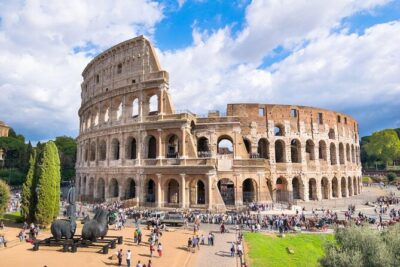
- The visit begins with a 25-minute Rome film covering the Colosseum, Roman Forum, St. Peter’s Basilica, Castel Sant’Angelo, Circus Maximus, and Ara Pacis.
- The archaeological visit uses a headset to show reconstructed rooms, peristyles, mosaics, baths, kitchens, furniture, and wall decoration.
- Trajan’s Column gets a virtual makeover, making its carved military scenes easier to inspect.
- The meeting point is Touristation Aracoeli, at Piazza D’Ara Coeli 16, marked by orange flags and a fountain.
- The optional FOROF visit adds contemporary art, archaeology, and scent-based interpretation near Trajan’s Column.
- The experience is not suitable for wheelchair users or people with claustrophobia, and large bags and pets are not allowed.
What Palazzo Valentini adds to a Rome itinerary
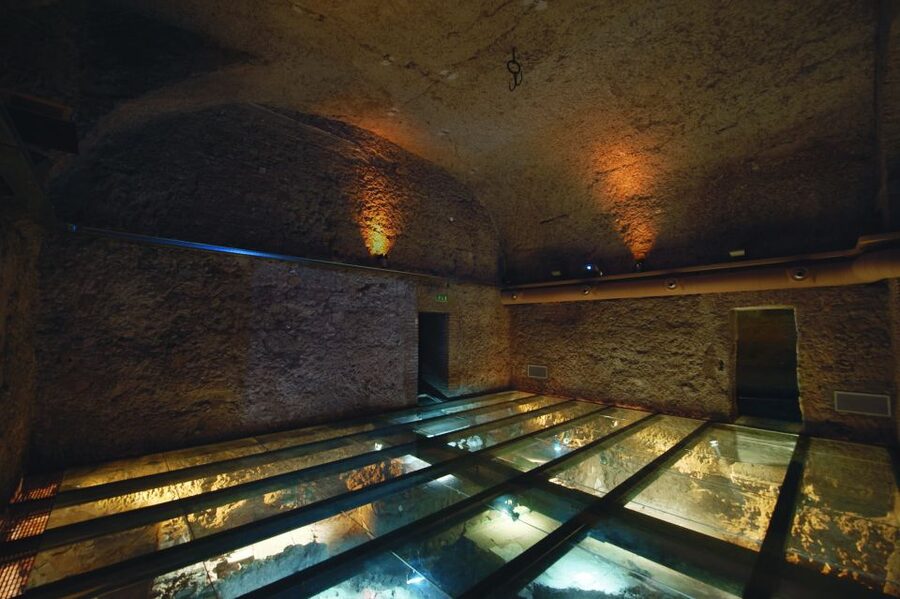
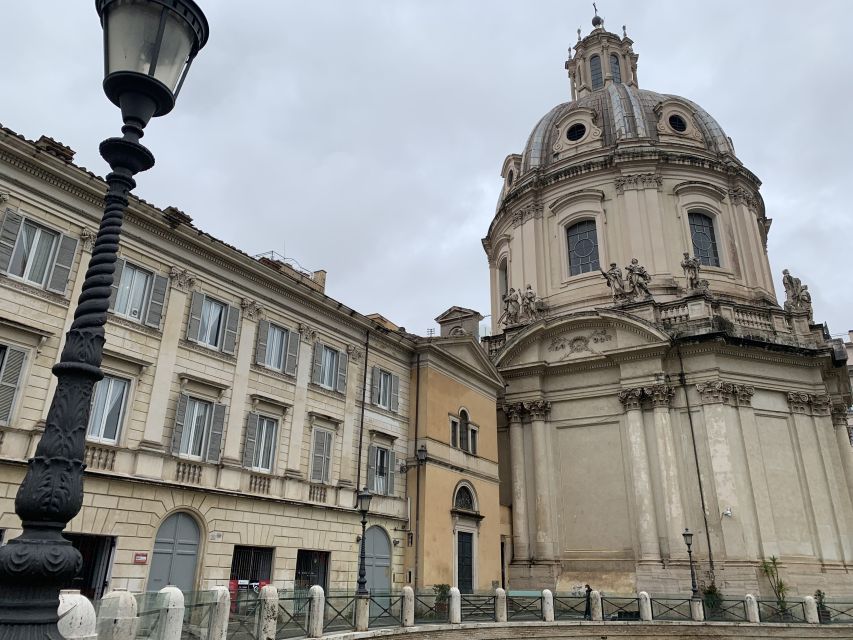
Many Rome visits focus on famous monuments viewed from the outside. Palazzo Valentini offers something different: a look below the modern city, where the remains of an Imperial Roman house help connect several periods of Rome’s past.
The site is useful because Roman buildings rarely survive as neat, complete structures. Walls may be cut off. Floors may be missing. Later construction may sit directly above earlier foundations. The multimedia presentation helps you read those fragments as parts of a real home rather than isolated pieces of stone.
You are not simply looking at an old floor and being told that it once belonged to a Roman house. The headset shows how the rooms may have been arranged and decorated. That makes the visit more approachable if you enjoy Roman history but do not have a specialist’s eye for archaeology.
The activity lasts about two hours, though the timing has an important wrinkle. You first report to Touristation Aracoeli for the opening film. The Domus visit starts one hour later, so you need to plan for that gap rather than assuming the whole experience happens in one continuous room.
A few more Rome bookings to compare
- Vatican: Museums & Sistine Chapel Entrance Ticket
★ 4.5 · 144,003 reviews - Vatican Museums & Sistine Chapel Tour with Optional Basilica
★ 4.3 · 67,413 reviews - Colosseum, Roman Forum & Palatine Guided Tour
★ 4.7 · 63,148 reviews
Starting with Rome’s major monuments on film
The first part is a 25-minute multimedia video shown inside the Touristation office. It covers several of Rome’s headline sights, including the Colosseum, Roman Forum, St. Peter’s Basilica, Castel Sant’Angelo, Circus Maximus, and Ara Pacis.
This opening film works as a broad introduction to Rome. It is not the main archaeological experience, but it gives you a quick visual reminder of how the city changed from Imperial Rome to the Christian and modern eras. If this is your first day in Rome, the film can help place the Domus within the wider city.
I would keep your expectations sensible. The film is an add-on, not a replacement for visiting those monuments. It also adds a waiting period, since the Domus visit begins one hour later. One recent booking comment found the video and city app unnecessary because the Palazzo Valentini experience was strong enough on its own. That is fair advice if you already know Rome well or prefer to spend every minute at archaeological sites.
The included city app audioguide can still be useful for independent sightseeing, but its value depends on your plans. If you want a simple Domus visit and already have Rome arranged, you may see it as extra material rather than a major benefit.
Reconstructing the Roman house with a headset
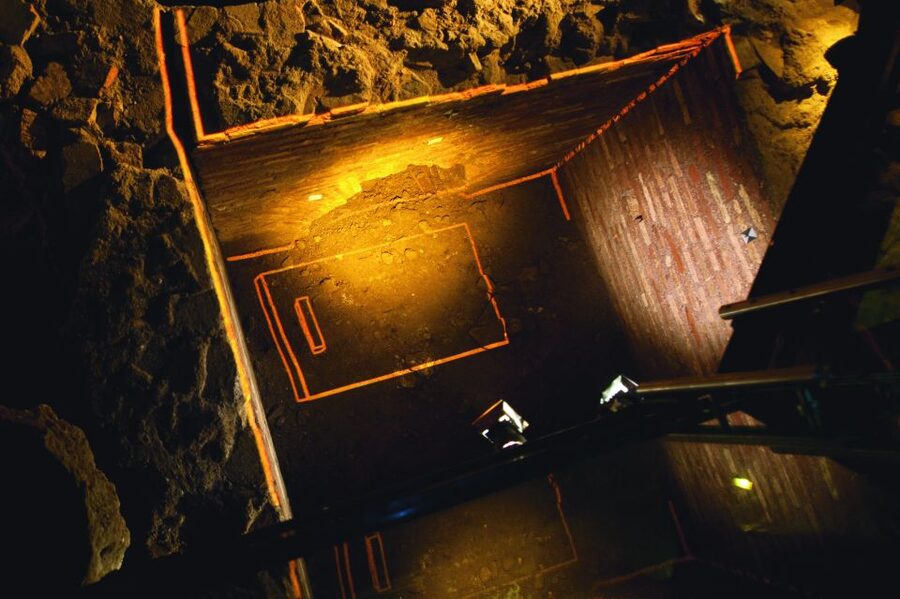
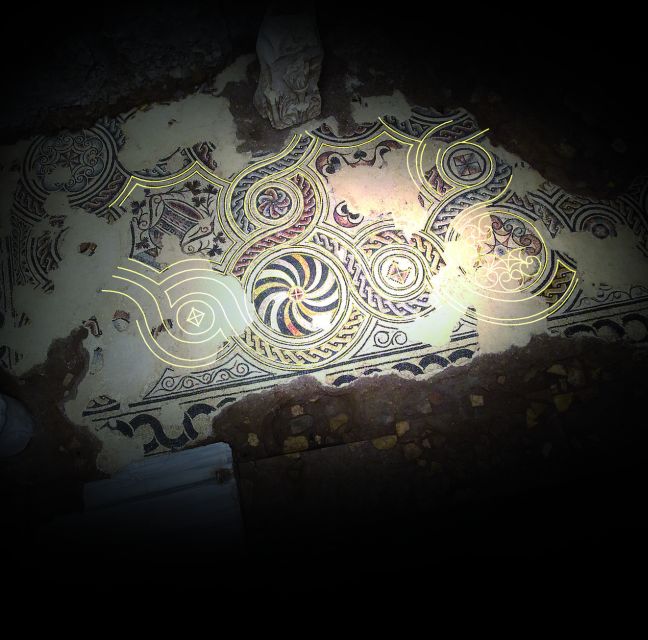
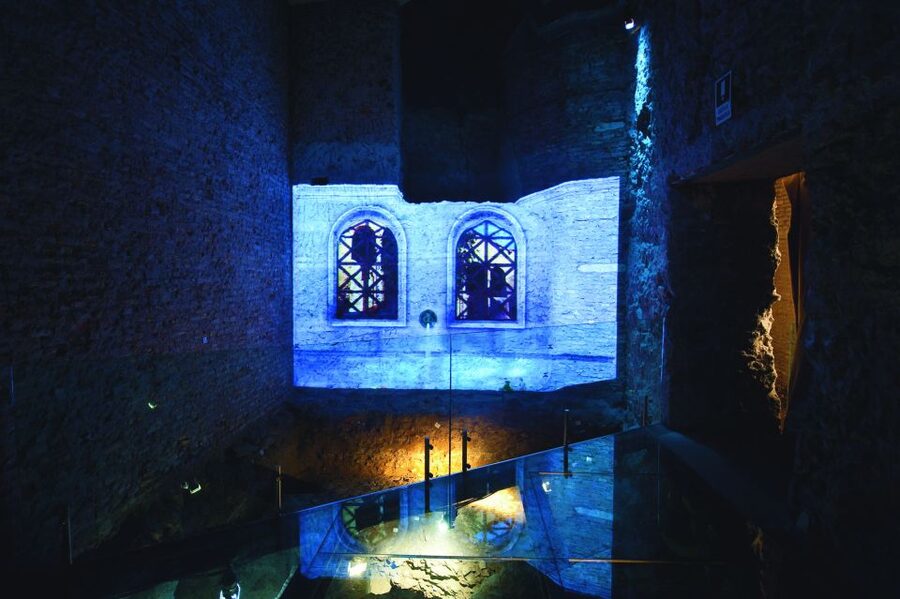
The central part of the experience uses an audioguide headset and virtual images. You see reconstructed rooms, walls, mosaics, peristyles, kitchens, baths, furnishings, and decorative details.
This is where the activity earns its place. Archaeological ruins can be powerful, but they demand imagination. A damaged wall does not automatically tell you where a room ended, how a courtyard looked, or how its floor once fit into the whole design. The virtual reconstruction supplies that missing visual link.
The Domus was not just a set of plain living rooms. The presentation includes polychrome floors, decorated walls, mosaics, peristyles, bathing areas, kitchens, and furnishings. Those details help you picture the Roman home as a designed space, with movement between rooms and courtyards rather than as a pile of surviving fragments.
I especially like the attention to the floors. Mosaics and colored stone often tell you about taste, money, and the intended use of a room. A polychrome floor can also reveal how Roman interiors relied on pattern and color, even when much of the original decoration has disappeared.
The headset makes this more than a standard audio explanation. You receive spoken context while seeing a digital version of the ancient setting. The effect is designed to bring the rooms back to life without pretending that the modern ruins have disappeared.
Why the ancient, medieval, and modern layers matter
One of the most useful parts of the visit is the way it connects different stages of Rome. The Domus belongs to the Imperial period, but the area continued to change through the medieval and modern eras.
Rome is a city where old and new often occupy the same few steps. A Roman foundation may sit beneath a later building, and a modern street may follow a route shaped by ancient construction. This experience helps you understand that the archaeological site is not an isolated museum piece. It is part of a long sequence of rebuilding and reuse.
That context can make the rest of your Rome sightseeing more rewarding. After visiting the Roman Forum or the Imperial Fora, you will have another example of how much of the ancient city lies below the present one. The Palazzo Valentini visit is especially useful for anyone who wants to understand domestic life rather than only temples, arenas, and government buildings.
Still Rome, but a slower afternoon:
- Vatican Museums, Sistine Chapel & St Peter’s Basilica Guided Tour
★ 4.5 · 39,149 reviews - Rome: Colosseum, Palatine Hill and Roman Forum Guided Tour
★ 4.8 · 32,814 reviews - Rome: Guided Tour of Colosseum, Roman Forum & Palatine Hill
★ 4.7 · 27,897 reviews - Rome: Colosseum & Forum with Audio Guide App -Optional Arena
★ 4.2 · 24,770 reviews
Seeing Trajan’s Column in a different way
The virtual reconstruction also shows how the area around Trajan’s Column appeared in ancient times. You get a closer look at the column’s bas-reliefs and the story they tell about Emperor Trajan’s military campaign against Dacia, in present-day Romania.
Trajan’s Column is famous, but its carvings are difficult to study from ground level. The relief winds upward around the column, and many scenes are too small or too distant to read clearly during an ordinary visit. A virtual reconstruction can bring the carvings closer and help you follow the campaign as a sequence of images.
This is a strong companion to a walk through the Imperial Fora. You can see the column in person nearby, then use the digital presentation to understand what its reliefs depict. The experience does not replace the physical monument, but it gives you a better chance of noticing details that are easy to miss outdoors.
The column also adds a political side to the visit. Roman monuments did not merely record events. They presented military success in a carefully designed public form. Seeing the reliefs as a connected story helps you read the monument as both history and imperial propaganda.
Adding the optional FOROF experience
You can add the FOROF experience, located at Palazzo Roccagiovine opposite Trajan’s Column. This option combines archaeology and contemporary art in a setting tied to the Basilica Ulpia and the Imperial Fora.
The underground rooms preserve the colored marble pavement of the Basilica Ulpia and remains of its eastern apse, dating to the second century AD. The contemporary art program is designed to work in dialogue with those archaeological remains rather than treating the ancient site as a separate display.
The listed exhibition is Nimbus Limbus Omnibus by Bartolomeo Pietromarchi. It is described as a site-specific project by a Viennese collective visiting Rome for the first time. The program reflects FOROF’s larger idea of placing contemporary art and archaeology in a shared process of renewal.
There is also an olfactory element called FOROF ESSENZA, developed by Laura Bosetti Tonatto. The scent experience aims to express the spirit of the place and frame it as a cultural and social story about freedom.
This add-on will suit you if you enjoy modern art, experimental museum formats, and connections between old buildings and new ideas. It may not suit you if you want the cleanest possible archaeological visit. The FOROF tour is conducted in English and Italian, so check that language arrangement before adding it.
Languages, headphones, and the level of independence
The Palazzo Valentini experience is available in English, Italian, Spanish, French, and German. The general audio guide options also include Russian and Japanese.
That distinction matters. The broader audioguide language list includes more choices, but the Palazzo Valentini portion is specifically listed with five languages. Check the selected language carefully at booking if this is important to you.
You move through the experience with a headset rather than with a named personal guide. The included audio guide gives you structure and information, while the virtual images provide the visual explanation. This format is a good fit if you like setting your own pace and do not need to ask frequent questions.
It is less ideal if you want a live archaeologist or a guided discussion. A guided tour at Palazzo Valentini is not included. The experience is designed as a multimedia visit, so you should choose it for the technology and visual storytelling rather than for personal commentary.
Is the $35 price good value?
At $35 per person, the experience sits above the cost of simply walking through an outdoor Roman site, but you are paying for more than admission. The price includes entry to the Ancient Roman Domus museum, the 25-minute film, the headset, and the downloadable city app audioguide.
The value depends on how much help you need to read ruins. If you already know Roman architecture and can easily reconstruct missing rooms in your head, the film and app may feel like extras. One booking comment made exactly that point, saying the Domus itself was enough and that the video and app were not necessary.
For most people, the headset is the key part of the price. It changes the visit from a short look at remains into a guided visual reconstruction of an Imperial Roman home. That is useful for families, first-time Rome visitors, and anyone who finds archaeological sites difficult to interpret.
The optional FOROF experience changes the value calculation. It adds archaeology, contemporary art, and the scent program near Trajan’s Column. If those subjects appeal to you, the combined visit can make better financial sense than treating FOROF as a separate decision. If not, choose the basic experience and save your time for another Roman site.
Practical planning at Piazza D’Ara Coeli
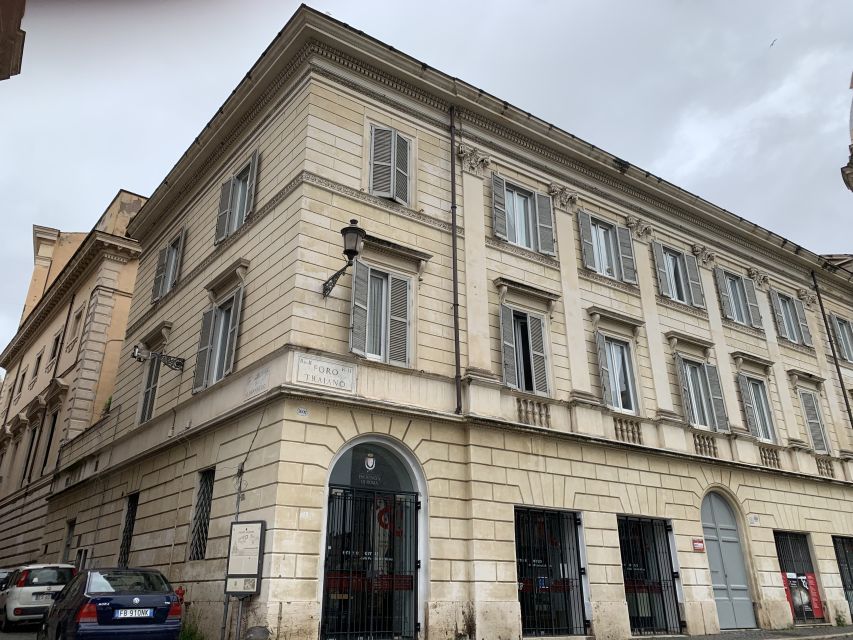
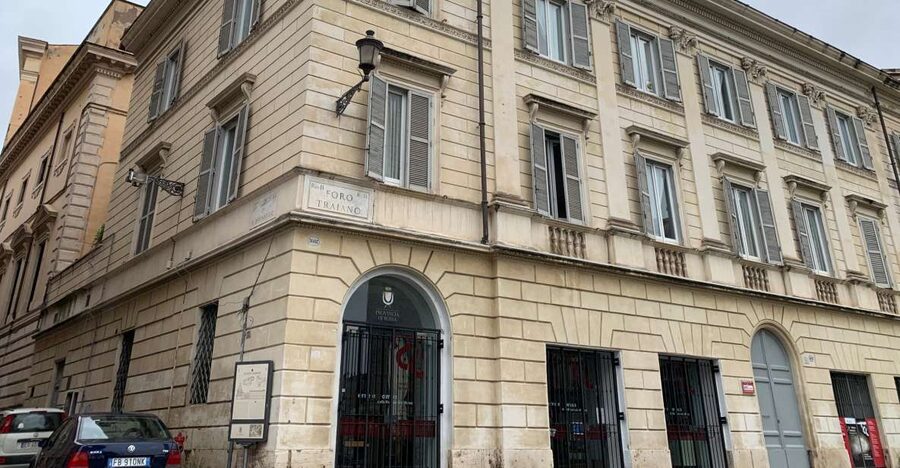
Your meeting point is TOURISTATION ARACOELI at Piazza D’Ara Coeli 16. Look for the fountain and orange flags in front of the office entrance.
The location is near several major central Rome sights, so it can fit neatly into a day around the Capitoline Hill, Roman Forum, or Imperial Fora. Still, the one-hour interval before the Domus visit means you should not schedule another timed attraction too tightly around it.
Wear comfortable shoes. The experience includes archaeological remains and is not recommended for wheelchair users or people with claustrophobia. Pets are not allowed, and large bags or luggage cannot be brought in. Children need a passport or ID card.
The activity is non-refundable, so check your schedule before committing. Starting times vary, and you should check availability for the exact slot you want.
Who will enjoy this Roman Domus visit most?
I would recommend it most strongly if you fit one of these profiles:
- You want Roman archaeology explained with pictures, not only spoken descriptions.
- You enjoy virtual reality and multimedia museum displays.
- You are curious about Roman homes, decoration, and daily spaces, not just emperors and battles.
- You plan to visit Trajan’s Column and want help understanding its reliefs.
- You are comfortable exploring without a live guide.
- You are interested in pairing ancient remains with contemporary art through FOROF.
Families may find the digital reconstructions easier for children to follow than a silent ruin. History fans will appreciate the connection between the Domus, Trajan’s Column, the Imperial Fora, and the later city.
I would hesitate if you dislike headsets, want a fully live guided tour, use a wheelchair, or feel uncomfortable in enclosed archaeological areas. I would also think twice about the full package if you already have a packed Rome schedule and do not care about the opening film or city app.
The strongest praise in the available booking feedback is simple: the experience itself was considered excellent, and one person described everything as amazing. That matches the basic appeal here. The Domus is the main reason to come, while the film and app are supporting pieces that may or may not matter to you.
Should you book Palazzo Valentini?
Book it if you want help seeing the Roman house that the ruins no longer show clearly. The virtual rooms, colored floors, mosaics, baths, kitchens, and furnishings give you a more complete picture of Imperial Roman domestic life, while the Trajan’s Column reconstruction adds a useful connection to the monuments outside.
Choose the basic version if you want a focused archaeological visit. Add FOROF if contemporary art, the Basilica Ulpia remains, and the scent program sound worthwhile. At $35, the experience is a fair buy for visitors who value interpretation and visual storytelling, but less compelling for experts who prefer unmediated ruins.
FAQ
Where does the Palazzo Valentini experience meet?
Meet at TOURISTATION ARACOELI, Piazza D’Ara Coeli 16. A fountain and orange flags are in front of the office entrance.
How long does the experience last?
The listed duration is two hours. The initial multimedia film lasts 25 minutes, and the Domus visit begins one hour after the first meeting at the Touristation office.
What does the multimedia video show?
The video presents the past and present of major Rome monuments, including the Colosseum, Roman Forum, St. Peter’s Basilica, Castel Sant’Angelo, Circus Maximus, and Ara Pacis.
Is a headset included?
Yes. An audioguide headset is included for the Ancient Roman Domus visit.
What languages are available for Palazzo Valentini?
The Palazzo Valentini experience is available in English, Italian, Spanish, French, and German.
Are other audio guide languages available?
The general audio guide information lists English, French, German, Italian, Spanish, Russian, and Japanese. The Palazzo Valentini portion has the five languages listed above.
Is a live guided tour included?
No. A guided tour at Palazzo Valentini is not included. The visit uses an audioguide headset and multimedia presentation.
What is included if I select the FOROF option?
The FOROF option adds the experience at Palazzo Roccagiovine, including its archaeology and contemporary art program near Trajan’s Column. Its guided tours are in English and Italian.
Is the experience accessible to wheelchair users?
No. The activity is listed as unsuitable for wheelchair users and people with claustrophobia. Comfortable shoes are recommended, and large bags, luggage, and pets are not allowed.
Recently added around Rome
- Palatine Hill and Roman Forum Tour with Fast-Track Entrance★ 4.2 · 417 reviews
- Tivoli: Villa D’Este & Villa Adriana Pass & App Audioguide★ 4.4 · 364 reviews
- From Rome: Villa D’Este & Villa Adriana Day Trip with Lunch★ 4.4 · 289 reviews
- Vatican Museums & Sistine Chapel Skip-the-Line Guided Tour★ 4.6 · 254 reviews
- Rome: The Three Tenors at St. Paul’s Church Concert Ticket★ 4.7 · 699 reviews
- Tivoli: Villa D’Este Entry Ticket and App Audio Guide★ 4.3 · 191 reviews
- Rome: Capitoline Museums and Centrale Montemartini Tickets★ 4.4 · 328 reviews
- Rome: St. Peter’s Basilica and Papal Tombs Guided Tour★ 4.6 · 477 reviews
Rome Tours, compared.
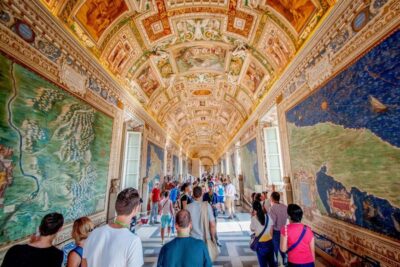
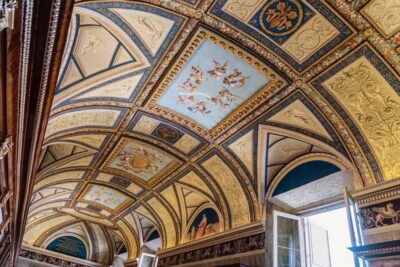
Vatican Museums & Sistine Chapel Tour with Optional Basilica
Read our review →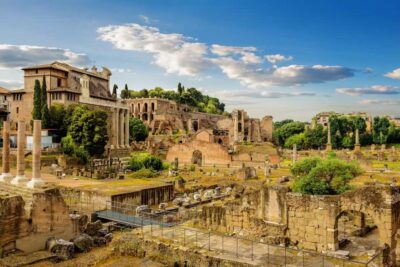
Colosseum, Roman Forum & Palatine Guided Tour
Read our review →
Vatican Museums, Sistine Chapel & St Peter’s Basilica Guided Tour
Read our review →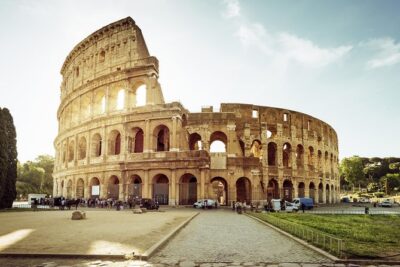
Colosseum, Palatine Hill and Roman Forum Guided Tour
Read our review →
Guided Tour of Colosseum, Roman Forum & Palatine Hill
Read our review →
Colosseum & Forum with Audio Guide App -Optional Arena
Read our review →