
Reviewed · SKIP THE LINE
Rome: Capuchin Crypts Skip-the-Line Ticket and Tour
Death gets an unusual makeover beneath Via Veneto. The Capuchin Crypts turn the bones of roughly 3,700 people into a solemn, startling display of faith, mortality, and artistic skill. I like the small groups of up to 10, which make it easier to hear the guide in the narrow underground rooms. I also like that the ticket includes the Capuchin Museum, not just the crypts themselves. The main drawback is simple: this is not a sight for everyone, especially if human bones or macabre imagery make you uncomfortable.
The tour lasts about 50 minutes to one hour, and the English-speaking guide leads you through each chamber. Guides such as Luigi and Slobodan have earned especially warm praise for mixing clear explanations with humor, but the quality of any live tour can depend on the person leading it that day. You should also plan your clothing carefully, since both shoulders and knees must be covered.
In This Review
- Key points to know before you book
- Why the Capuchin Crypts feel unlike other sights in Rome
- Meeting at Via Vittorio Veneto 27
- The Capuchin Museum sets the tone
- The Crypt of the Three Skeletons
- Leg Bones, Thigh Bones, and Pelvises
- The Crypt of the Skulls and its hourglass
- The Mass Chapel brings a quieter ending
- What the guide adds in one hour
- Is the $44.41 price good value?
- Who should book this Capuchin Crypt tour?
- Final verdict: book it for context, not just shock value
- FAQ
- How long does the Capuchin Crypts tour last?
- What is included in the price?
- Where does the tour start?
- Where does the tour finish?
- How many people are in the group?
- Do I need to cover my shoulders and knees?
- Can I cancel the booking?
Key points to know before you book
- The bones are the main artwork: Human skulls, leg bones, pelvises, and complete skeletons form the crypt’s decorations.
- The Crypt of the Three Skeletons is unique: It is the only room featuring a complete human skeleton in its natural state.
- The Mass Chapel adds a quieter tone: This room shifts the visit from spectacle toward prayer and reflection.
- The group stays small: A maximum of 10 participants helps you follow the guide and ask questions.
- You need covered shoulders and knees: Bring suitable clothing, or you may need a cover-up.
- The tour is short but focused: It works well as a one-hour addition to a day around Piazza Barberini and Via Veneto.
Why the Capuchin Crypts feel unlike other sights in Rome
Rome gives you ancient ruins, grand churches, and layers of art at every turn. The Capuchin Crypts offer something much stranger: an underground cemetery decorated with the bones of Capuchin friars and others connected with the order.
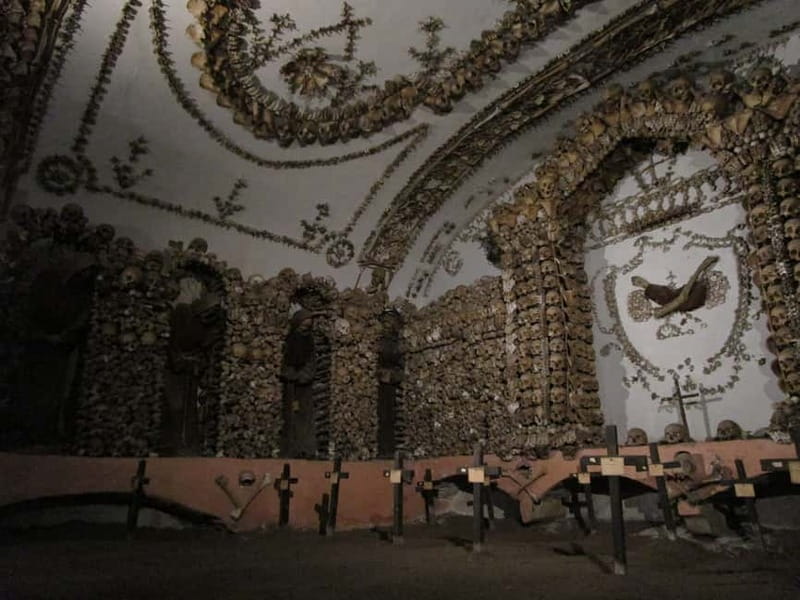
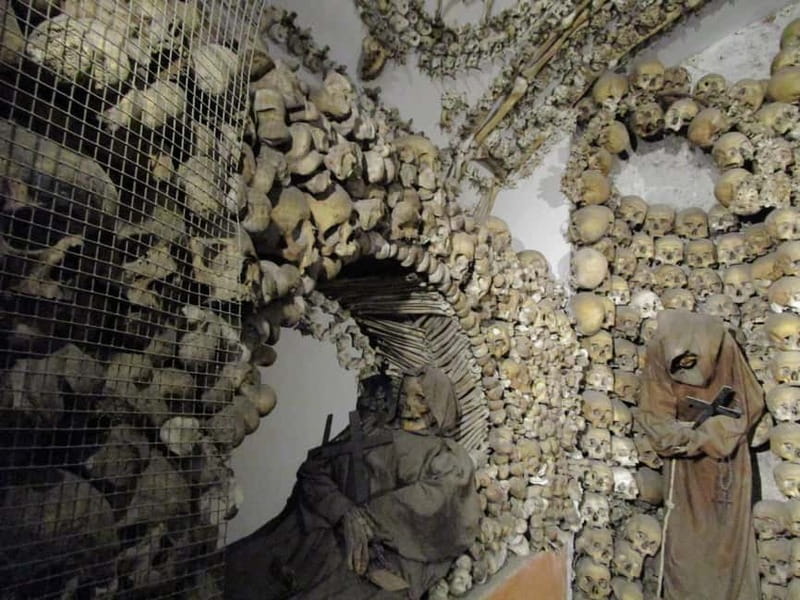
This is not a standard museum filled with paintings behind glass. The walls, ceilings, and niches use real human remains to create patterns, symbols, and religious scenes. Skulls form repeated designs. Long bones line architectural shapes. Pelvises appear in arranged groupings. An hourglass reinforces the message that time passes and death comes for everyone.
I find the site most meaningful when you look past the shock. The crypts were not made simply to frighten people. They reflect Capuchin ideas about humility, mortality, prayer, and the temporary nature of earthly life. The bones also tell a practical story. The friars were not allowed to bury their dead inside churches, so an underground cemetery was created.
The bones of friars from an older friary near the Trevi Fountain were moved here and placed in the crypt. Since then, the site has served as a final resting place for Capuchins. That detail gives the rooms a stronger sense of purpose. This is a religious site first, an unusual attraction second.
A few more Rome bookings to compare
- Vatican: Museums & Sistine Chapel Entrance Ticket
★ 4.5 · 144,003 reviews - Vatican Museums & Sistine Chapel Tour with Optional Basilica
★ 4.3 · 67,413 reviews - Colosseum, Roman Forum & Palatine Guided Tour
★ 4.7 · 63,148 reviews
Meeting at Via Vittorio Veneto 27
Your starting point is in front of Via Vittorio Veneto 27, at street level beside the bronze gate. The tour ends back at the same meeting point after the visit.
That simple arrangement matters in Rome. You do not need to work out a second pickup point after leaving the crypts, and the tour does not send you across the city at the end. Check the selected starting time carefully when you book, since the activity runs at set times rather than continuously.
Arrive ready to enter the museum and proceed underground with the group. You will want your shoulders and knees covered from the start. A child on one tour needed a cover-up for her legs, so do not assume that modest shorts or a sleeveless top will be accepted.
The skip-the-line entry is useful here because it removes one piece of uncertainty from a busy sightseeing day. It does not make the crypts a long visit, but it helps you spend your limited Rome time inside rather than waiting at the entrance.
The Capuchin Museum sets the tone
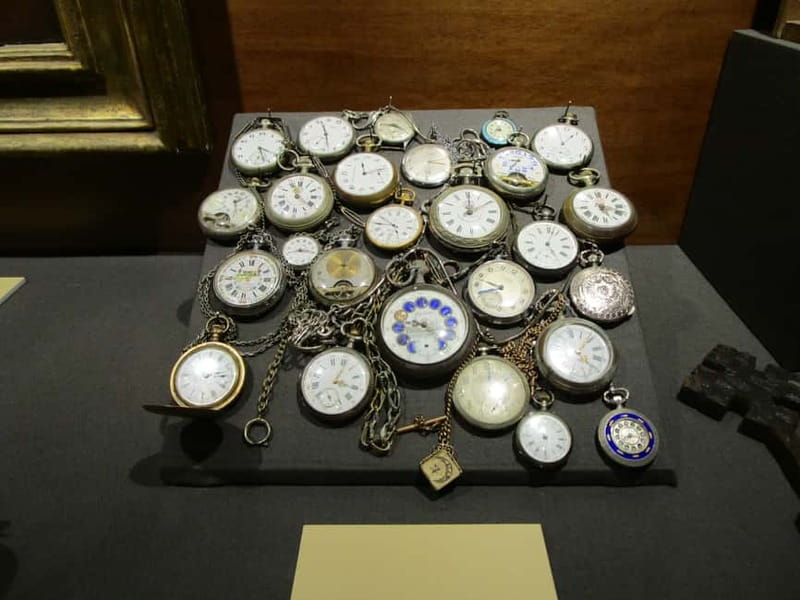
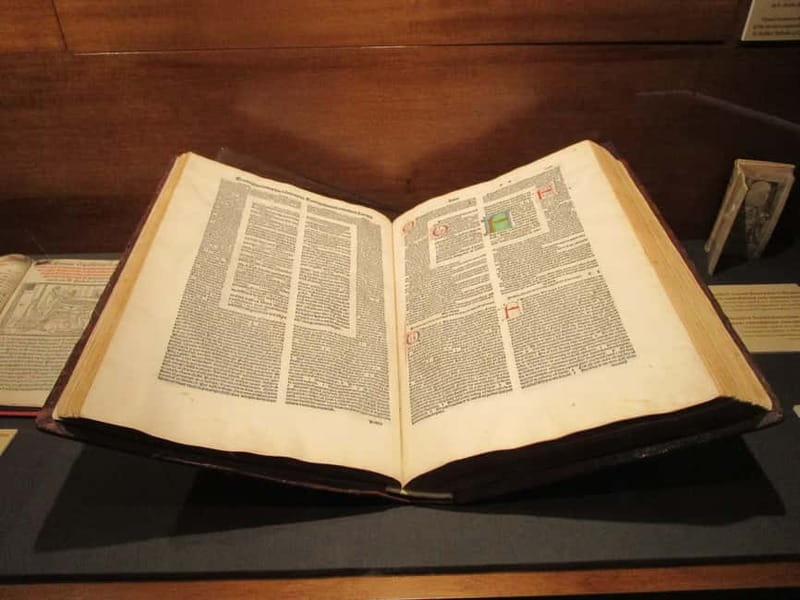
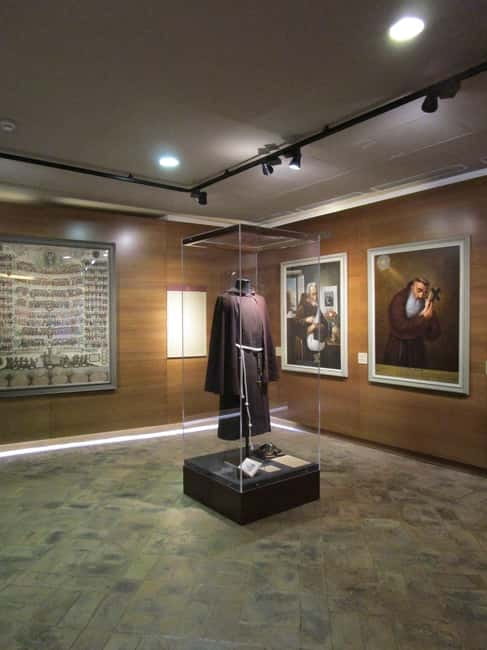
The tour begins in the Capuchin Museum. This section gives you a cultural and spiritual frame for what follows, which is important because the crypts can otherwise feel like a shock display.
You learn about the Capuchin order and the meaning behind the underground rooms before seeing the most striking arrangements. That order makes the visit easier to understand. Instead of walking into a room covered in bones with no context, you first get an explanation of why the cemetery exists and how the friars viewed death.
The museum also helps you notice the difference between the site’s religious purpose and its visual impact. The crypts are certainly memorable, but the guide’s commentary gives the bones a human and spiritual context. Several guides have been praised for explaining details that are not obvious from the information boards.
I would pay attention here rather than rushing toward the crypts. The museum is part of the ticket, and it supplies the background that makes the rest of the tour more than a quick look at skulls.
The Crypt of the Three Skeletons
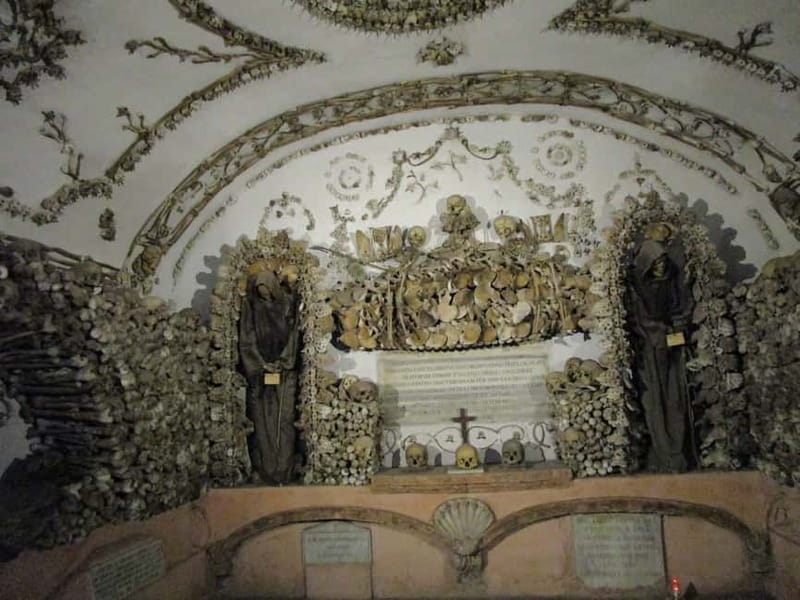
The first major crypt is the Crypt of the Three Skeletons. It is the only room where a complete human skeleton is displayed in its natural state.
That makes this chamber different from the others. In later rooms, the bones are arranged into decorative shapes and patterns. Here, the intact skeleton gives you a direct reminder of the human body beneath the artwork.
Your guide explains what you are seeing and helps you understand the symbols and arrangements. The subject is serious, but the guides are often able to use gentle humor without making the place feel disrespectful. That balance matters. A flat, theatrical presentation would weaken the visit, while a cold lecture would make the rooms feel distant.
This room may be the point where you decide how comfortable you are with the rest of the crypts. You can expect a subdued but visually intense setting. If you have children or teenagers with you, use your judgment. Teenagers who enjoy unusual subjects may find the visit fascinating, while younger children could find the skeletons unsettling.
Still Rome, but a slower afternoon:
- Vatican Museums, Sistine Chapel & St Peter’s Basilica Guided Tour
★ 4.5 · 39,149 reviews - Rome: Colosseum, Palatine Hill and Roman Forum Guided Tour
★ 4.8 · 32,814 reviews - Rome: Guided Tour of Colosseum, Roman Forum & Palatine Hill
★ 4.7 · 27,897 reviews - Rome: Colosseum & Forum with Audio Guide App -Optional Arena
★ 4.2 · 24,770 reviews
Leg Bones, Thigh Bones, and Pelvises
The next sections include the Crypt of the Leg Bones and Thigh Bones, followed by the Crypt of Pelvises. The materials are familiar in one sense, but the arrangements make you look at the human body in a new way.
The bone displays are not random piles. They create repeating forms and architectural designs. Your guide points out the messages and symbols, giving you a reason to pause instead of simply moving from one chamber to the next.
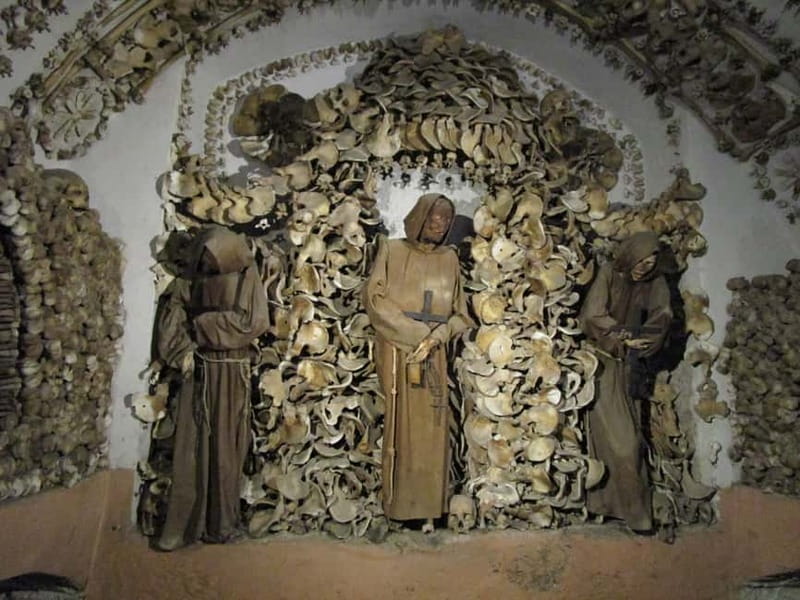
The Crypt of Pelvises includes two Capuchin friars placed in a peaceful arched arrangement. The image is unusual, but the presentation is not meant to be violent or graphic. The friars appear in a composed position, which gives the room a calmer feel than the first shock of the crypts might suggest.
Crosses on the floor mark the resting places of seven Capuchins. This is an easy detail to miss if you move quickly, and it shows why the guide adds value. You are not just looking at bone patterns. You are also seeing a cemetery with individual burial places and religious meaning.
The rooms are compact, so the small group size helps. With no more than 10 people, you should be able to stand near the guide and hear the explanation without fighting through a large crowd.
The Crypt of the Skulls and its hourglass
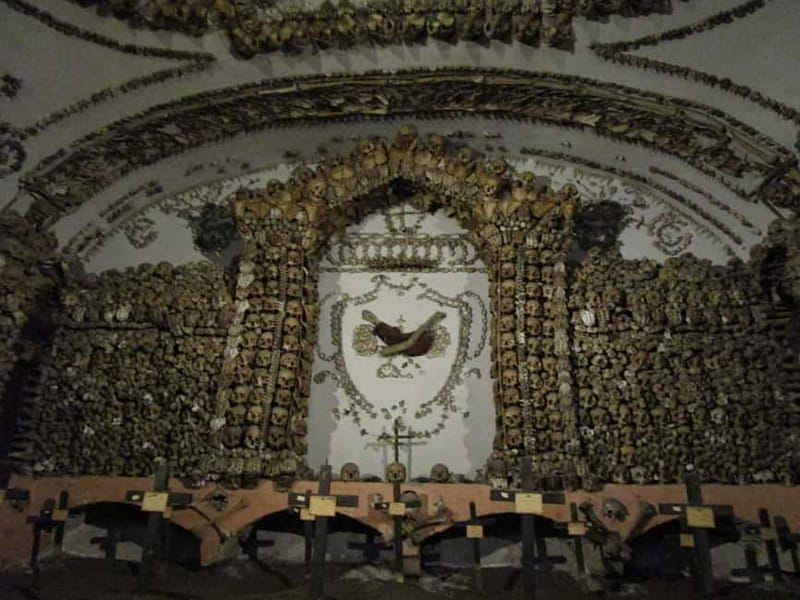
The Crypt of the Skulls is one of the most recognizable spaces in the visit. Skulls dominate the decoration, creating a pattern that is both artistic and unsettling.
The famous hourglass is especially effective because it makes the crypt’s message clear without needing a long explanation. Time moves on. Human life ends. The bone decoration is not merely an oddity, but a visual lesson connected to the Capuchin view of mortality.
This is also the room where the guide’s personality can make the biggest difference. A strong guide keeps the group engaged, points out symbols, and explains the spiritual message without turning the tour into a grim performance. Luigi has been praised for his mix of subject knowledge and energy, while other guides have been noted for making a difficult topic easier to approach.
You should expect some humor, but not a comedy show. The best tone is light enough to keep the group comfortable and respectful enough to suit a religious burial site. That balance is one of the most praised parts of this activity.
The Mass Chapel brings a quieter ending
The Mass Chapel offers a change of mood. After several rooms filled with skulls and bones arranged into patterns, the chapel brings the visit back to worship and remembrance.
I like this part because it keeps the crypts from feeling like a collection of macabre curiosities. The chapel reminds you that these remains belonged to people, and that the site continues to carry religious meaning.
Your guide can connect the chapel with the wider story of the Capuchins and their approach to death. The result is a more balanced visit. You see the unusual decoration, but you also understand the faith behind it.
The chapel may not be as visually dramatic as the Crypt of the Skulls, yet it is an important part of the route. Give it a moment rather than treating it as a passage to the exit.
What the guide adds in one hour
At 50 minutes to one hour, this is a compact tour. You will not spend half a day underground, and that is both a strength and a limitation.
I like the short format because Rome rewards careful planning. You can fit the crypts into a morning or afternoon that includes other sights near Via Veneto. The guide keeps the visit moving, while still explaining the rooms, symbols, burial practice, and religious context.
The short length also means you should not expect a long seminar on Capuchin history. The tour gives you a clear introduction and a guided look at the principal rooms. If you want every detail, you may wish the visit lasted longer. On the other hand, the subject is intense, and an hour is enough for many people.
The guide is central to the value. The best tours use humor, invite questions, and explain what the information boards cannot. Guides described as dynamic, friendly, passionate, and easy to follow have made the tour especially enjoyable. Slobodan, for example, has been praised for involving people in the group and using humor while keeping the information clear.
After the guided portion, you can walk back through the museum again. That is a useful touch. You may understand the displays better after seeing the crypts, and you can revisit anything you missed during the first pass.
Is the $44.41 price good value?
At $44.41 per person, this costs more than simply entering a small museum on your own. The value depends on how much you want interpretation.
The ticket includes entry to the Capuchin Crypt and an English-speaking guide. You are paying for skip-the-line access, a small group, and a structured explanation of a site that can be confusing without context.
I think the price is fair if you want to understand the religious meaning and bone arrangements rather than simply take a quick look. The crypts are unusual enough that a guide can add real value, especially when explaining the relocated bones, the burial rules, the crosses, and the symbols.
The value is weaker if you prefer to explore quietly at your own pace or if you already know the site well. This is a guided walking tour, not an open-ended visit. Still, the maximum of 10 participants makes it feel more personal than a large group tour.
You can reserve now and pay later, which helps if your Rome schedule is still changing. Free cancellation is available up to 24 hours before the activity for a full refund.
Who should book this Capuchin Crypt tour?
I would recommend it to you if you enjoy unusual religious sites, Roman history, cemetery art, or places that make you think. It also suits families with older children and teenagers who are curious about death, symbolism, and strange corners of Rome.
The tour works well for first-time visitors because it takes less than an hour and needs no complicated transport between stops. It also suits repeat visitors who have already seen the Colosseum, Pantheon, and Vatican and want something less predictable.
You may want to skip it if you dislike human remains, feel uneasy in underground chambers, or prefer cheerful sightseeing. The crypts are not a casual stop for everyone. The setting is respectful, but the visual subject remains skulls, skeletons, and bones.
Dress for the rules. Cover your shoulders and knees before you arrive. That small bit of planning will prevent an avoidable problem at the entrance.
Final verdict: book it for context, not just shock value
I recommend this tour if you want more than a strange photograph from Rome. The Capuchin Crypts are memorable because the bones are real, but the visit becomes worthwhile when you understand the Capuchins’ beliefs, burial customs, and ideas about mortality.
The strongest reasons to book are the small group, clear English guidance, short duration, and access to both museum and crypt. The main warning is the subject matter. If you can handle the macabre, this is an unusual and thoughtful addition to a Rome itinerary. If not, spend your hour above ground.
FAQ
How long does the Capuchin Crypts tour last?
The tour lasts approximately 50 minutes to one hour. Check the available starting times when booking.
What is included in the price?
The price includes an English-speaking guide and entry to the Capuchin Crypt.
Where does the tour start?
Meet in front of Via Vittorio Veneto 27, at street level next to the bronze gate.
Where does the tour finish?
The activity ends back at the meeting point after the guided visit.
How many people are in the group?
Small groups can include a maximum of 10 participants. Private group options are also available.
Do I need to cover my shoulders and knees?
Yes. Both shoulders and knees must be covered to enter the crypts.
Can I cancel the booking?
Yes. You can cancel up to 24 hours in advance for a full refund. You can also reserve now and pay later.
Recently added around Rome
- Palatine Hill and Roman Forum Tour with Fast-Track Entrance★ 4.2 · 417 reviews
- Tivoli: Villa D’Este & Villa Adriana Pass & App Audioguide★ 4.4 · 364 reviews
- From Rome: Villa D’Este & Villa Adriana Day Trip with Lunch★ 4.4 · 289 reviews
- Vatican Museums & Sistine Chapel Skip-the-Line Guided Tour★ 4.6 · 254 reviews
- Tivoli: Villa D’Este Entry Ticket and App Audio Guide★ 4.3 · 191 reviews
- Rome: The Three Tenors at St. Paul’s Church Concert Ticket★ 4.7 · 699 reviews
- Rome: Capitoline Museums and Centrale Montemartini Tickets★ 4.4 · 328 reviews
- Rome: St. Peter’s Basilica and Papal Tombs Guided Tour★ 4.6 · 477 reviews
Skip the Line, compared.
Skip-The-Line Uffizi Gallery Timed Entry Ticket
Read our review →
Vatican Museums & Sistine Chapel Skip-the-Line Entry Ticket
Read our review →
Skip-the-Line Group Tour of the Vatican, Sistine Chapel & St. Peter’s Basilica
Read our review →
Michelangelo’s David Skip-the-Line Entry Ticket
Read our review →
Vatican Museums & Sistine Chapel Skip-The-Line Ticket
Read our review →
Vatican, Sistine Chapel & St. Peter’s Skip-the-Line Tour
Read our review →
Skip-the-Line Vatican, Sistine Chapel & St. Peter’s | Small Group
Read our review →
Vatican Museums Sistine Chapel Skip-the-Line Ticket
Read our review →Browse the lists this tour appears in