
Reviewed · SKIP THE LINE
Rome: Borghese Gallery Guided Tour with Skip-the-Line Entry
Art this good needs a little explaining. This two-hour Borghese Gallery tour gives you priority admission, an English-speaking guide, and a small group capped at 15 people. I especially like the Bernini and Caravaggio focus, since these artists form the heart of the collection, and I like the way guides connect the works to their patrons, techniques, and dramatic stories. The main drawback is the meeting-point routine: you must arrive 15 minutes early, find the correct staff member, and avoid bringing a bag that needs checking.
The price is $84 per person, which is not cheap for a two-hour museum visit. Still, the Borghese Gallery often sells out, and a good guide can change the experience from admiring pretty objects to understanding why they matter. Guides such as Clarissa, Federico, Agnese, Mattia, Sylvia, and Alicia have been singled out for their storytelling, humor, pacing, and command of the art.
In This Review
- Key points to know before booking
- Why the Borghese Gallery deserves two focused hours
- Meeting the group outside the gallery
- Priority admission and the value of a reserved place
- The opening rooms and the Borghese setting
- Bernini’s marble figures in motion
- Canova’s Paolina Bonaparte and the power of pose
- Caravaggio’s paintings and their human edge
- Raphael’s Entombment of Christ
- What the two-hour pace feels like
- Villa Borghese Gardens after the museum
- Who will get the most from this tour
- Practical value at $84 per person
- My verdict on the Borghese Gallery guided visit
- FAQ
- How long does the Borghese Gallery guided tour last?
- What language is the tour conducted in?
- How many people are in the group?
- Does the tour include admission to the gallery?
- Does the tour include skip-the-line entry?
- Where do I meet the guide?
- How early should I arrive?
- Can I bring a bag into the gallery?
- Is Villa Borghese Gardens included with the tour?
Key points to know before booking
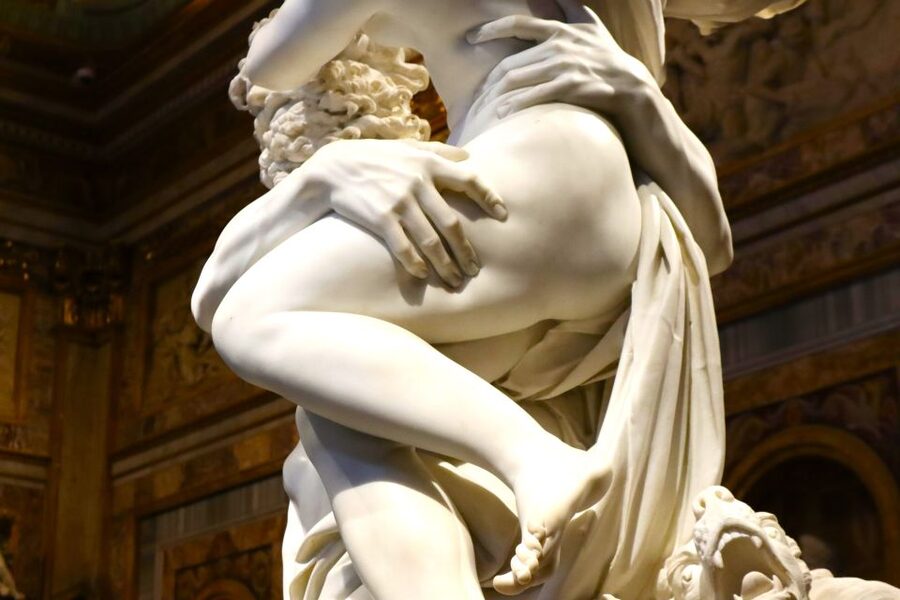
- Bernini gets the star treatment: Expect close attention to Apollo and Daphne and the sculptor’s ability to make marble seem soft, wet, and alive.
- Caravaggio adds emotional force: Young Sick Bacchus and Boy with a Basket of Fruit are among the major paintings discussed.
- The group stays small: With a maximum of 15 people, it is easier to hear the guide and keep up inside crowded rooms.
- Priority admission matters: Borghese Gallery tickets can sell out ahead of time, so this tour may be useful when ordinary admission is unavailable.
- The palace is part of the experience: Casina Borghese has frescoed rooms, elaborate decoration, and art built into the architecture.
- Pack lightly: Large and small bags are not permitted in the gallery and must be left at the cloakroom.
Why the Borghese Gallery deserves two focused hours
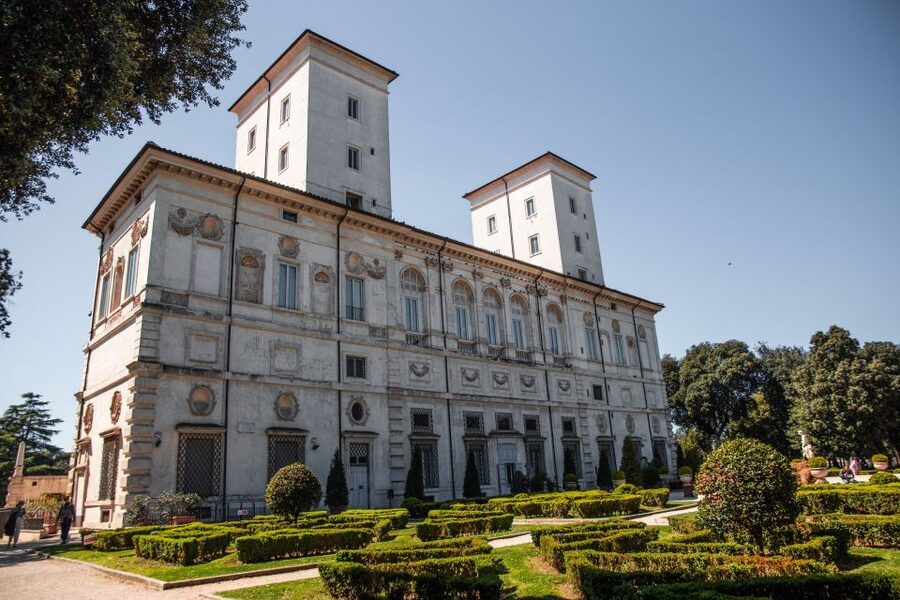
The Borghese Gallery is not a huge museum that asks you to march through room after room for half a day. Its strength is concentration. The collection places major works of sculpture and painting in richly decorated rooms, so you can see important pieces without exhausting yourself.
That compact size makes a guide especially useful. In a large museum, you can wander until something catches your eye. Here, almost everything deserves attention. Without context, you might spend five minutes looking at a famous statue, take a photograph, and move on. With a strong guide, you start noticing the turn of a wrist, the direction of a glance, a fold of fabric, or the exact point where a sculptor creates movement in stone.
I would not book this tour simply to tick the gallery off your Rome list. Book it because you want help seeing. The strongest feedback about the experience centers on guides who made individual works easier to understand, even for people who do not usually consider themselves art enthusiasts.
More Museum Tours in Rome
- Vatican: Museums & Sistine Chapel Entrance Ticket
★ 4.5 · 144,003 reviews - Vatican Museums & Sistine Chapel Tour with Optional Basilica
★ 4.3 · 67,413 reviews - Vatican Museums, Sistine Chapel & St Peter’s Basilica Guided Tour
★ 4.5 · 39,149 reviews
Meeting the group outside the gallery
You are asked to arrive in front of the Borghese Gallery’s main entrance 15 minutes before the scheduled start. Look for staff holding a Loving Rome flag. This sounds simple, but the area can have several tour companies gathering near the entrance, so give yourself time to identify the right person.
One visitor reported confusion about being told to collect tickets first, then having trouble finding a guide because the flag color did not match the instructions. The practical lesson is clear: do not arrive at the last second. If you cannot find the staff member, ask directly for Loving Rome rather than waiting for a generic tour guide to approach you.
Late arrivals cannot be accommodated, and missed tours are not refunded. That policy matters here because gallery entry is tied to a timed visit. I would allow extra time for getting across the park and locating the entrance, especially if you are coming from another part of central Rome.
The activity is listed as wheelchair accessible. Bags are a separate concern. Small and large bags are not allowed inside and must be checked at the cloakroom for collection later. The safest plan is to arrive with only essentials that are permitted. Do not bring luggage.
Priority admission and the value of a reserved place
The phrase skip-the-line does not mean you can ignore every procedure. You still meet the tour staff, receive or confirm your entry, and follow the gallery’s cloakroom rules. What you avoid is the uncertainty of turning up without a reserved place and discovering that the timed tickets are gone.
That is a real benefit at the Borghese Gallery. Several people booked this tour late after regular tickets had sold out. For those visitors, the guided option was not just a pleasant extra. It was the practical way to get inside.
At $84, the tour costs more than a basic museum ticket would normally suggest. You are paying for three things: admission, access at a popular time, and an English-language guide who leads you through the collection. If your schedule is tight or your Rome dates are close, the secured entry can make the price easier to justify.
If you are already an art specialist and prefer to study works alone, the premium may feel less worthwhile. For most first-time visitors, though, the guide is the part that gives the tour its value.
The opening rooms and the Borghese setting
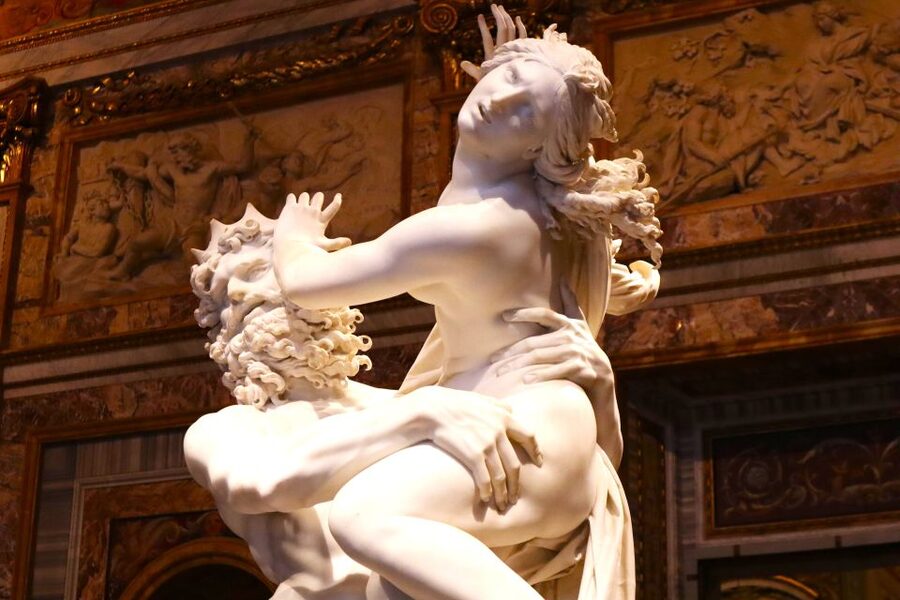
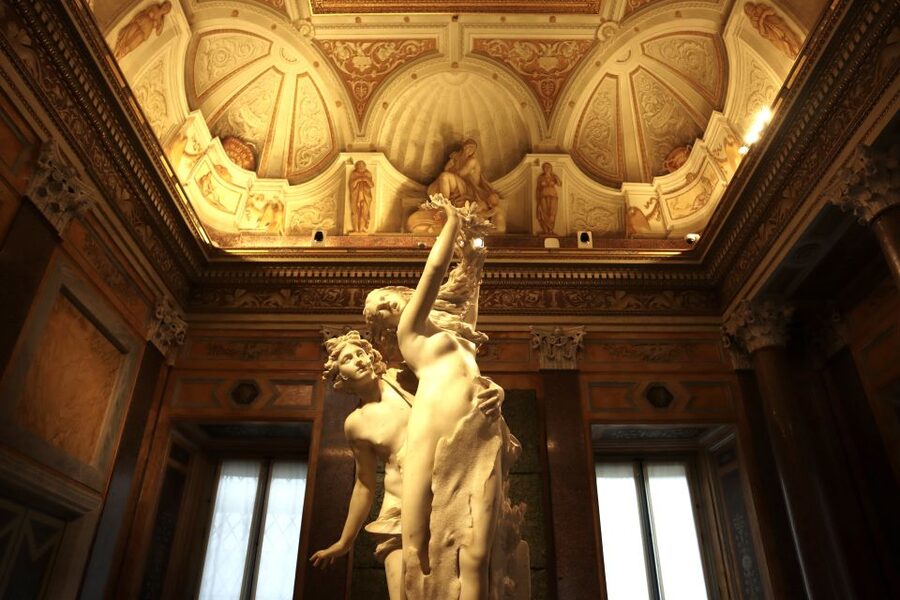
Once inside, take a moment to appreciate the building itself. The Casina Borghese is not a plain white-box museum. Its rooms feature frescoes and ornate decoration, creating a setting that feels closer to a princely villa than a modern gallery.
That setting changes the way you see the art. Sculptures do not sit in isolation from the world that commissioned and displayed them. Paintings share space with architectural details, ceiling decoration, and other works chosen to create a particular effect.
A good guide will help you read both the objects and the rooms. This is one reason the tour is more than a list of famous names. You learn how the collection functioned, why certain subjects appealed to powerful patrons, and how the building was designed to impress.
The tradeoff is that you will not have unlimited time with every piece. A two-hour guided visit must choose priorities. If a particular artist matters greatly to you, tell the guide early if there is a natural opportunity. Otherwise, accept that the tour is designed to give you a clear route through the highlights.
Still Rome, but a slower afternoon:
- Colosseum, Roman Forum & Palatine Guided Tour
★ 4.7 · 63,148 reviews - Rome: Colosseum, Palatine Hill and Roman Forum Guided Tour
★ 4.8 · 32,814 reviews - Rome: Guided Tour of Colosseum, Roman Forum & Palatine Hill
★ 4.7 · 27,897 reviews - Rome: Colosseum & Forum with Audio Guide App -Optional Arena
★ 4.2 · 24,770 reviews
Bernini’s marble figures in motion
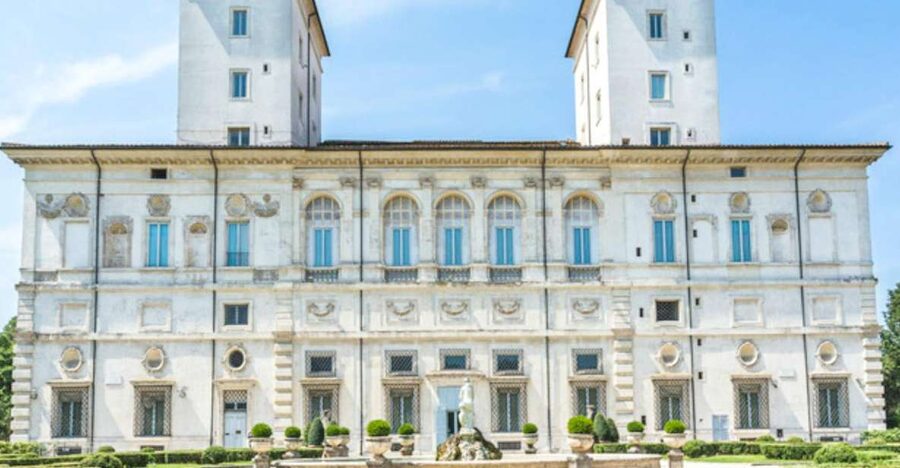
For many people, Gian Lorenzo Bernini is the reason to visit. The gallery contains several of his best-known sculptures, including Apollo and Daphne. The subject comes from ancient mythology: Apollo pursues Daphne, who transforms into a laurel tree to escape him.
The story is only the beginning. The pleasure comes from looking closely at the carving. Daphne’s fingers become leaves, her hair seems to move, and the surface changes from skin to bark. Apollo’s forward motion is caught at the instant of pursuit. Marble, normally a hard and heavy material, appears to twist and grow.
This is where a guide earns the fee. You can see that the sculpture is technically impressive on your own. A skilled explanation points out how Bernini controls the view, where the emotional climax occurs, and how the work was meant to affect the person standing before it.
Guides praised in the feedback, including Mattia, Federico, Agnese, and Clarissa, were valued for explaining both the stories and the artistic choices. Their approach appears to be conversational rather than dry. That matters because two hours of art terms can become tiring if the guide forgets that you are on holiday.
Bernini’s work also benefits from comparisons. You may begin to notice how expressions, gestures, and clothing behave differently in the hands of various sculptors. The gallery includes Canova as well, whose Paolina Bonaparte offers a useful contrast in style, polish, and presentation.
Canova’s Paolina Bonaparte and the power of pose
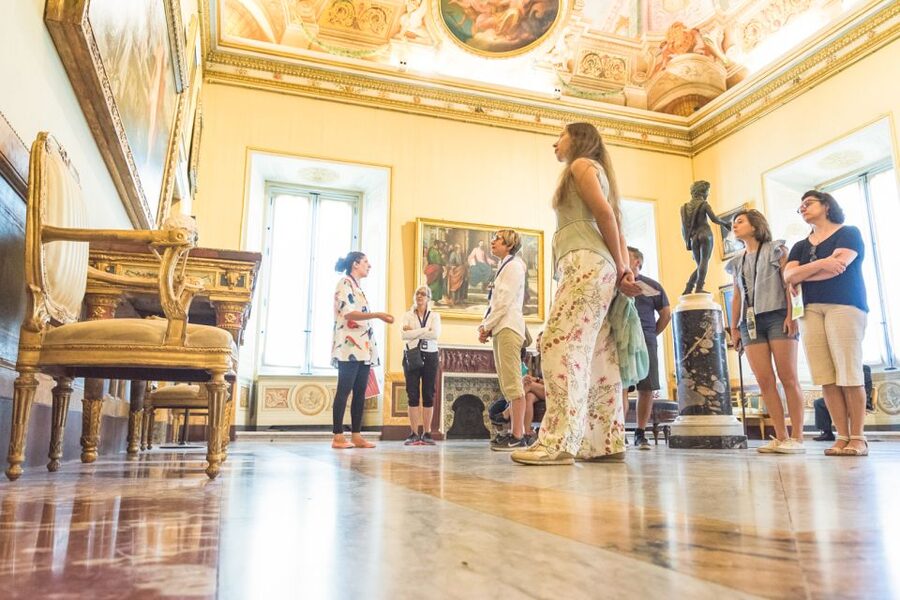
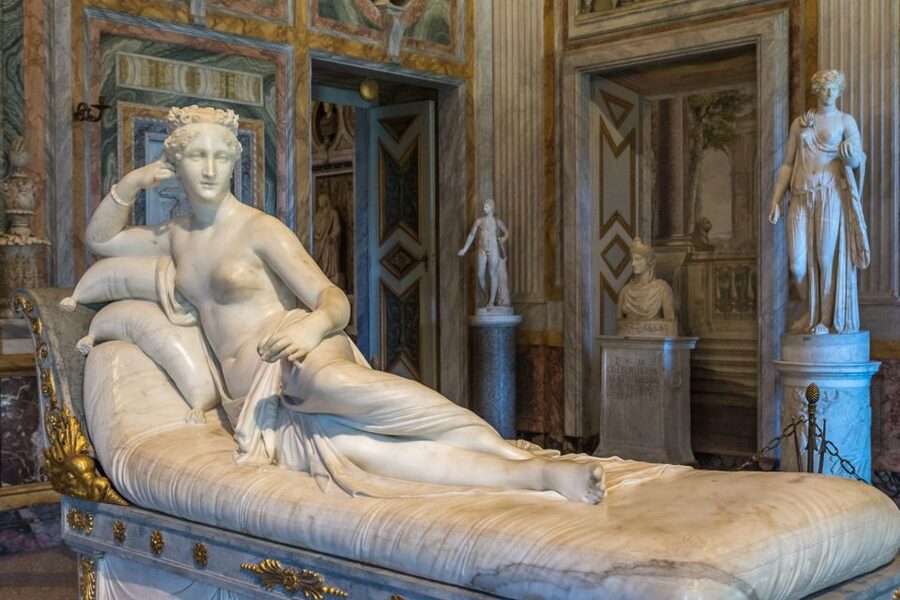
Antonio Canova’s Paolina Bonaparte is one of the gallery’s signature sights. It presents Napoleon’s sister reclining as Venus Victrix, an image that mixes political status, classical mythology, and controlled glamour.
The pose is relaxed, but the message is carefully arranged. Paolina is not simply shown as a private woman resting on a couch. She is turned into an idealized figure, with the pose and attributes carrying meaning beyond the portrait itself.
This is another moment when your guide can help you look past the first impression. Ask yourself how the sculpture manages to feel both personal and formal. Notice the smooth finish and the difference between Canova’s calm elegance and Bernini’s explosive movement.
The gallery’s arrangement lets you encounter these major sculptors in the same visit. You are not studying an isolated masterpiece in a textbook. You are seeing artists respond to different patrons, subjects, and ideas about beauty.
Caravaggio’s paintings and their human edge
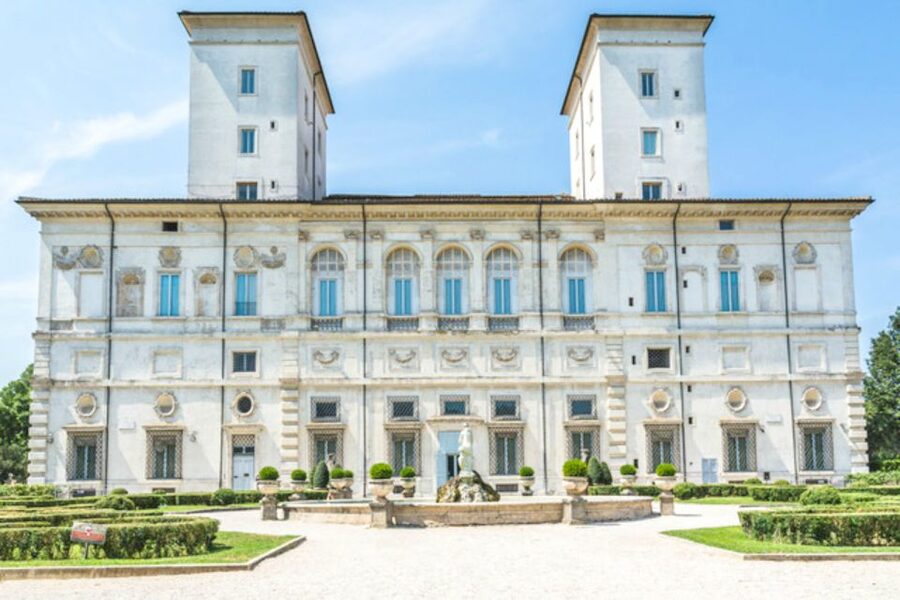
The Caravaggio rooms bring a different kind of drama. Young Sick Bacchus and Boy with a Basket of Fruit show the painter’s interest in ordinary human presence, strong light, and physical detail.
Young Sick Bacchus is especially striking because the subject does not look like a distant, perfect god. The pale skin and tired expression make the figure feel vulnerable and immediate. Boy with a Basket of Fruit gives you another chance to notice Caravaggio’s attention to texture: fruit, leaves, skin, and fabric all carry visual weight.
A guide can point out how light directs your eye and how Caravaggio makes a religious or mythological subject feel close to everyday life. The paintings are not just famous because of their names. They work because the people in them seem to occupy the same physical world you do.
Several people found the Caravaggio portion particularly moving. One described the segment as the emotional high point of the visit, while another said the guide made Caravaggio’s work come alive through historical context and storytelling. I can see why. The paintings are powerful at a glance, but their force grows when you understand the choices behind the expressions, lighting, and bodies.
If you prefer sculpture, you will still find plenty here. If you mainly came for Caravaggio, make sure you do not rush through these works while following the group. Listen for the guide’s key points, then take a few quiet seconds to look without commentary.
Raphael’s Entombment of Christ
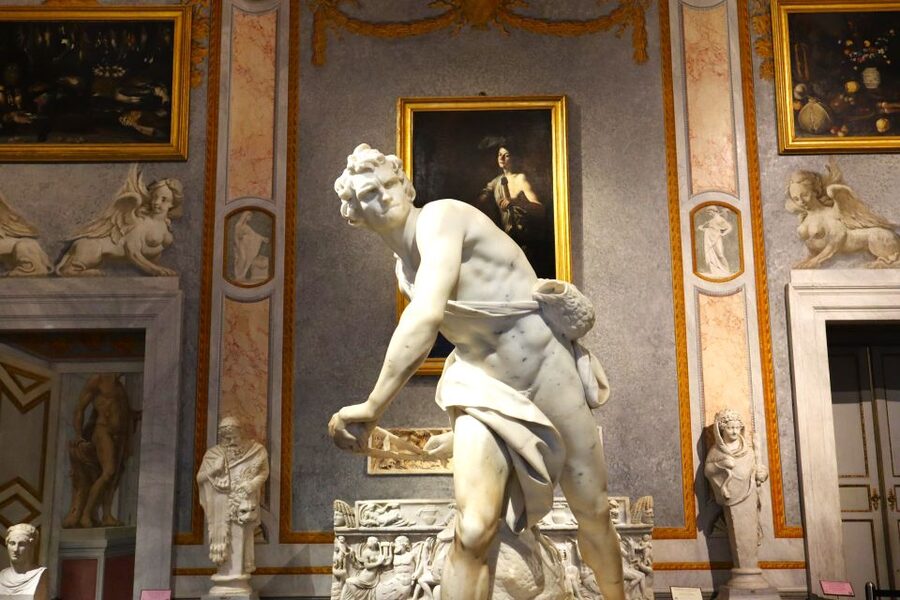
Raphael’s Entombment of Christ adds another layer to the visit. The painting shows a sacred subject with movement, grief, and carefully organized figures. It also helps place the collection beyond a simple Bernini and Caravaggio showcase.
Your guide will likely use the painting to discuss composition, emotion, and the way Raphael arranges the scene. Look at how the figures lead your eye across the image and how the physical effort of carrying Christ shapes the group.
This stop is valuable because it broadens your sense of the collection. You see how different artists handle drama. Bernini turns marble into action, Caravaggio uses light and realism to pull you close, and Raphael organizes the painted scene with balance and purpose.
For an art novice, these comparisons make the gallery easier to follow. You do not need to memorize dates or technical vocabulary. You only need to watch how the artists solve similar problems in different materials.
What the two-hour pace feels like
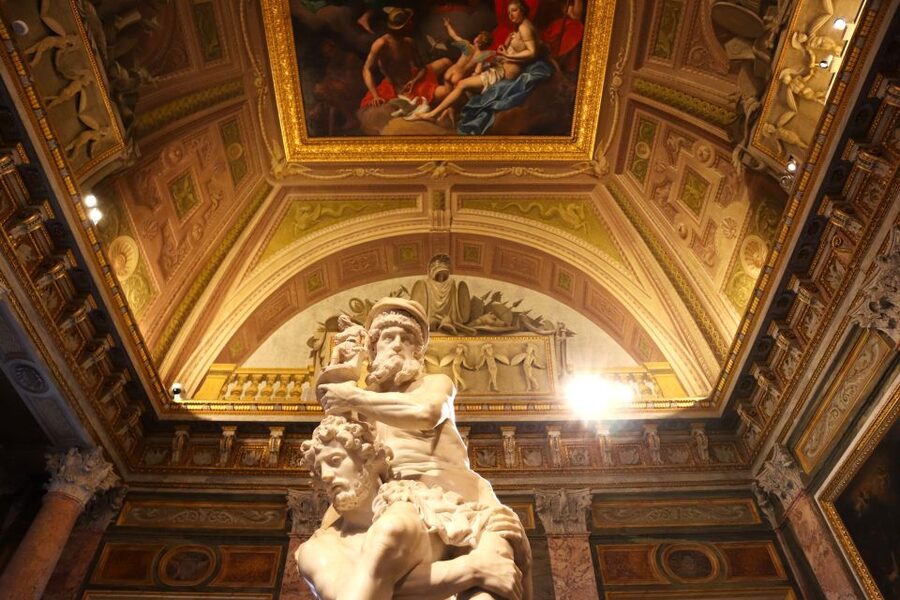
Two hours is a sensible length for the Borghese Gallery. It is long enough to cover major sculptures, paintings, and rooms, but short enough to keep your attention from fading.
The best guides keep the pace moving while allowing time at the major works. Mattia was praised for making the tour interesting and fun, while Agnese was noted for lively storytelling. Federico was appreciated for humor, organization, and interactive explanations. These details suggest a tour that does not rely on a nonstop lecture.
That said, your experience depends partly on the guide assigned to your departure. The feedback includes many strong names, but you cannot choose among them when booking. The overall record is excellent, with a 4.8 rating from 2,649 reviews, but a tour is still a live performance. Group size, guide style, and audio equipment can affect the day.
Headsets have been useful for some groups, especially when standing near a popular work. One person reported that the audio equipment took time to get working, while others appreciated being able to hear clearly. If the guide distributes an audio device, check it early and speak up if the sound is poor.
Villa Borghese Gardens after the museum
The booking includes a walking tour of Villa Borghese Gardens without a guide. This is worth treating as a pleasant add-on, not as a second guided activity.
After two hours inside, the gardens give you a chance to slow down and reset. You can walk through the park at your own pace and enjoy the setting around the gallery. Since no guide accompanies this portion, do not expect more art commentary, historical explanation, or organized sightseeing.
I like this arrangement because it gives you flexibility. You can continue walking, pause for a break, or leave the park and head to your next Rome sight. If you want every minute planned, the unguided portion may feel vague. If you prefer breathing room after a concentrated museum visit, it works well.
Who will get the most from this tour
I would recommend it most strongly to first-time Borghese visitors, people who want art explained in plain English, and anyone who has struggled to enjoy museums without context.
It is also a good fit if:
- You want to see Bernini, Canova, Caravaggio, and Raphael in one focused visit.
- You are booking close to your travel dates and ordinary tickets are sold out.
- You prefer a small group rather than a large procession.
- You want stories about patrons, artists, and techniques.
- You are not an art expert but still want to understand what you are seeing.
Families and mixed-interest groups may also benefit. Matteo was able to keep a visitor who did not consider himself an art enthusiast engaged for the full two hours. That is a useful sign if someone in your party worries that a museum tour will feel dull.
I would hesitate if you dislike guided visits, need a long time alone in front of individual works, or already know the Borghese collection well. The small group helps, but you are still following a set route and schedule.
Practical value at $84 per person
At $84, this is a premium museum visit. The price makes the most sense when you value the guide and the secure admission equally.
If standard tickets are sold out, the comparison is simple: this may be your only realistic way to visit at your preferred time. If regular tickets are widely available, you need to decide how much you want interpretation. The strongest part of the tour is not merely getting through the door. It is learning to see details you could easily miss.
I would also consider the cost in relation to your wider Rome plans. You are paying for a short, focused experience rather than an entire day. That can be good value when your schedule is full of churches, ruins, and long walks. Two hours in a cool, art-filled villa can give your day a welcome change of pace.
Free cancellation is available up to 24 hours before the activity, and you can reserve now and pay later. Those terms help if your Rome schedule is still shifting, but they do not remove the need to arrive on time.
My verdict on the Borghese Gallery guided visit
Book this tour if you want the Borghese Gallery to make sense, not just look impressive. The guides are the main reason to choose it, with repeated praise for clear explanations, warm personalities, humor, strong pacing, and the ability to connect art with the people who commissioned it.
The best moments are likely to be Bernini’s Apollo and Daphne, Caravaggio’s paintings, Canova’s Paolina Bonaparte, and the ornate rooms of Casina Borghese. Arrive early, carry no bag, confirm the Loving Rome flag, and be ready for a brisk but focused two hours.
I would not call it the cheapest route into the museum. I would call it a sensible choice when tickets are scarce or when you know you will get more from art with a guide beside you. For most first visits, that added context is worth the premium.
FAQ
How long does the Borghese Gallery guided tour last?
The guided visit lasts two hours.
What language is the tour conducted in?
The live tour guide speaks English.
How many people are in the group?
The small group is limited to a maximum of 15 people.
Does the tour include admission to the gallery?
Yes. The entrance ticket is included.
Does the tour include skip-the-line entry?
Yes. Guaranteed priority admission and skipping the ticket line are included.
Where do I meet the guide?
Meet outside the main entrance to the Borghese Gallery. Staff will be holding a Loving Rome flag.
How early should I arrive?
You should arrive 15 minutes before the scheduled start time.
Can I bring a bag into the gallery?
No. Small and large bags are not permitted inside and must be checked at the cloakroom for collection afterward. Luggage is also not allowed.
Is Villa Borghese Gardens included with the tour?
Yes. A walking tour of Villa Borghese Gardens is included, but that portion takes place without a guide.
Recently added around Rome
- Palatine Hill and Roman Forum Tour with Fast-Track Entrance★ 4.2 · 417 reviews
- Tivoli: Villa D’Este & Villa Adriana Pass & App Audioguide★ 4.4 · 364 reviews
- From Rome: Villa D’Este & Villa Adriana Day Trip with Lunch★ 4.4 · 289 reviews
- Vatican Museums & Sistine Chapel Skip-the-Line Guided Tour★ 4.6 · 254 reviews
- Rome: The Three Tenors at St. Paul’s Church Concert Ticket★ 4.7 · 699 reviews
- Tivoli: Villa D’Este Entry Ticket and App Audio Guide★ 4.3 · 191 reviews
- Rome: Capitoline Museums and Centrale Montemartini Tickets★ 4.4 · 328 reviews
- Rome: St. Peter’s Basilica and Papal Tombs Guided Tour★ 4.6 · 477 reviews
Skip the Line, compared.
Skip-The-Line Uffizi Gallery Timed Entry Ticket
Read our review →
Vatican Museums & Sistine Chapel Skip-the-Line Entry Ticket
Read our review →
Skip-the-Line Group Tour of the Vatican, Sistine Chapel & St. Peter’s Basilica
Read our review →
Michelangelo’s David Skip-the-Line Entry Ticket
Read our review →
Vatican Museums & Sistine Chapel Skip-The-Line Ticket
Read our review →
Vatican, Sistine Chapel & St. Peter’s Skip-the-Line Tour
Read our review →
Skip-the-Line Vatican, Sistine Chapel & St. Peter’s | Small Group
Read our review →
Vatican Museums Sistine Chapel Skip-the-Line Ticket
Read our review →Browse the lists this tour appears in