
Reviewed · WINE TOURS
Private Secret Venice Tour; Rialto Market, San Polo & Food and Wine tasting
Venice reveals itself in side streets. This two-hour walk connects the Rialto Market, San Polo, Carampane, and the Grand Canal, giving you a useful look at Venice beyond St. Mark’s Square. I especially like the market visit, where seafood and vegetables bring the city’s old trading quarter to life, and the stop at an osteria for wine and cicchetti. The main drawback is that the food portion is light, with one tasting stop rather than a full crawl through several bars.
The guides can make a big difference here. Christina, Cristina, Georgia, Barbara, and Frederica are praised for lively storytelling and a strong feel for Venice. Still, the pace and energy may vary, and some people found the walk shorter or less spirited than expected.
In This Review
- Key points to know before booking
- Why this Rialto walk is different
- Meeting at Campo San Bartolomeo
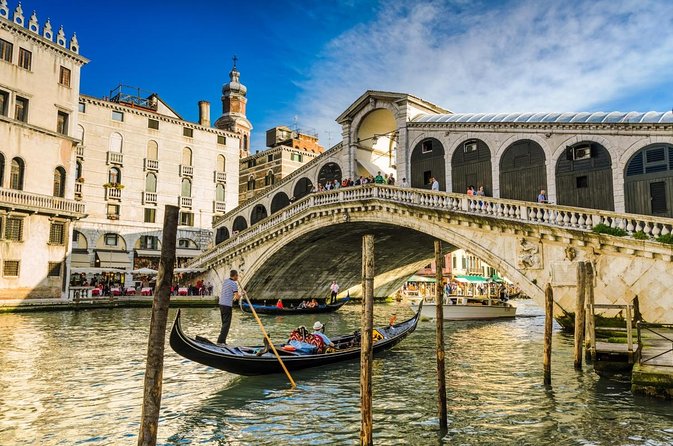
- Ponte di Rialto and the business of Venice
- Rialto Market: fish, vegetables, and daily life
- Cicchetti and wine at a local osteria
- San Polo and the old trading quarter
- Carampane and Venice’s less polished past
- Palazzo dei Camerlenghi and the Grand Canal
- T Fondaco dei Tedeschi and German merchants
- What the guides add
- Timing, walking effort, and weather
- Who will get the most from this tour?
- Should you book the Rialto and San Polo walk?
- FAQ
- How long does the tour last?
- Where does the tour begin?
- Where does the tour end?
- Is hotel pickup included?
- What food and drink are included?
- Is this a private tour?
- What happens during high water?
Key points to know before booking
- Rialto’s working market comes first: You see fish, vegetables, and the commercial heart of Venice rather than only postcard views.
- Cicchetti is a tasting, not lunch: Expect a glass of wine and a light serving of Venetian snacks at a local osteria.
- San Polo adds the city’s older character: Narrow lanes, old trading routes, and stories about merchants shape this part of the walk.
- Carampane offers darker local history: The former red light district gives the tour a less polished, more human side of Venice.
- The group may be small, but confirm the format: The activity is described as private, while some departures have included several people, with one group numbering 10.
- Arrive early at Campo San Bartolomeo: Venice’s lanes can confuse map apps, and reaching the meeting point may take longer than expected.
Why this Rialto walk is different
Many first visits to Venice follow the same path: St. Mark’s Square, the Doge’s Palace, the Bridge of Sighs, and perhaps a gondola ride. Those sights deserve their fame, but they do not explain how ordinary Venetian life worked.
This walk shifts the focus to the Rialto area and San Polo. For centuries, this was where goods arrived, merchants met, taxes were collected, and residents bought food. You get a better sense of Venice as a trading city, not simply as a beautiful collection of palaces.
The experience is sold at about $257.05 per person. That is a serious price for a two-hour walk, especially since hotel pickup and drop-off are not included. The value depends on your group size and your guide. If you are a couple or a small family and receive a private tour, the personal attention may justify the cost. If the group is larger, you are mainly paying for a guided introduction to central Venice, a small food tasting, and local interpretation.
The tour is offered in English and includes a professional guide, wine, and a light taste of cicchetti. Admission fees are not needed for the listed stops. You are paying for the walking experience and the guide’s knowledge of the streets, buildings, and stories.
More Food Tours in Venice
- Eat Like a Local: Venice 3-Hour Small-Group Food Tasting Tour
★ 5.0 · 3,137 reviews - Venice: Street Food Tour with a Local Guide and Tastings
★ 4.8 · 2,613 reviews - Venice Like a Local: Food, Wine & Spritz Tour with Traghetto Ride
★ 5.0 · 1,858 reviews
Meeting at Campo San Bartolomeo
The tour begins at Campo San Bartolomeo, a public square close to the Rialto area. This is a sensible starting point because it puts you near the Grand Canal and the old commercial center.
Give yourself plenty of time to arrive. Venice is easy to reach by public transport, but the walking route from a hotel can be slow. High buildings and narrow passages can interfere with phone directions, and a planned 20-minute walk may become much longer if you take a wrong turn. A paper map can be useful, even if you normally depend on your phone.
The meeting instructions are important because hotel pickup is not provided. Wear shoes suited to cobblestones and bridges. The walk operates in most weather, though high water can require changes to the route.
Ponte di Rialto and the business of Venice
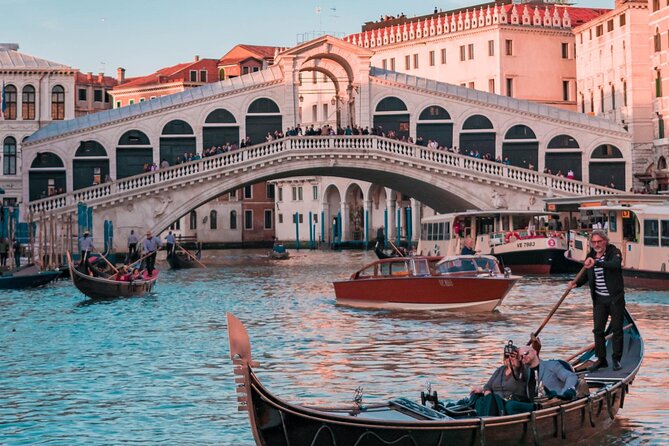
The first formal stop is the Rialto Bridge, with about 15 minutes devoted to the bridge and nearby buildings. It is a short introduction, but a useful one.
The bridge is more than a scenic crossing. It links the districts on either side of the Grand Canal and has long been tied to trade. From here, your guide explains how Venice became a major commercial power during the medieval and Renaissance periods.
You will hear about mercantile Venice, when the Rialto area functioned as one of the western world’s major marketplaces. That background gives the bridge a new purpose. Instead of seeing only its shops and crowded steps, you begin to understand why this exact location mattered.
The limitation is time. Fifteen minutes is enough for orientation and stories, but not enough for a detailed architectural study. If you want photographs without a crowd, you will need to return on your own.
Rialto Market: fish, vegetables, and daily life
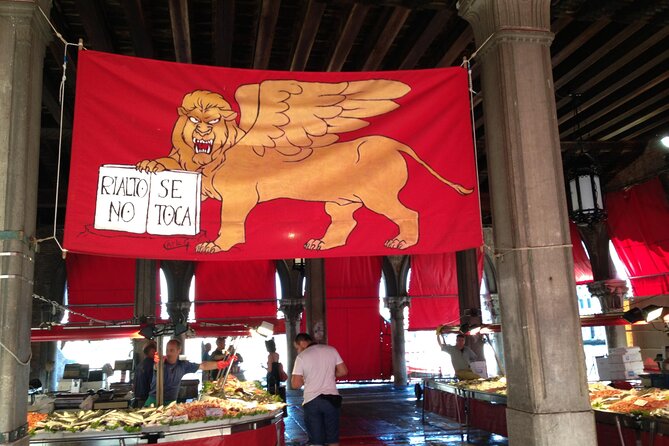
The Rialto Fish and Vegetable Market receives the longest stop, about 50 minutes. This is the strongest part of the experience for many people because it brings you close to the everyday side of Venice.
The market area has been tied to trade since at least the ninth century and has served as Venice’s main commercial center for centuries. The stalls provide a welcome change from souvenir shops and grand monuments. Fresh seafood and produce show you what still connects the city to its older food traditions.
Your guide explains the market’s place in Venetian life and points out details you might otherwise pass without noticing. This is where a local guide earns the fee. A market can look like a quick photo stop when you are alone, but stories about its function and past help turn it into a meaningful part of the city.
If the market is a priority, tell your guide at the start. Some departures have felt that the market portion could have lasted longer. The amount of activity will also depend on the day and conditions, though the tour description specifically promises a visit to the fish and vegetable market.
More Wine Tastings in Venice
- Venice Sunset Cruise by Typical Venetian Boat with Prosecco
★ 5.0 · 505 reviews - A Sparkling Day in the Prosecco Hills from Venice
★ 5.0 · 493 reviews - From Venice: Prosecco Hills and Wine Tasting Tour
★ 4.9 · 357 reviews - Venice: Cicchetti, Spritz, and Wine Tour in Ghetto Ebraico
★ 4.9 · 315 reviews
Cicchetti and wine at a local osteria

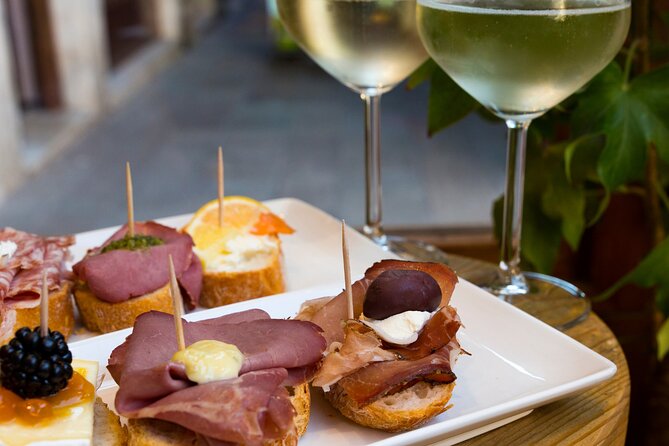
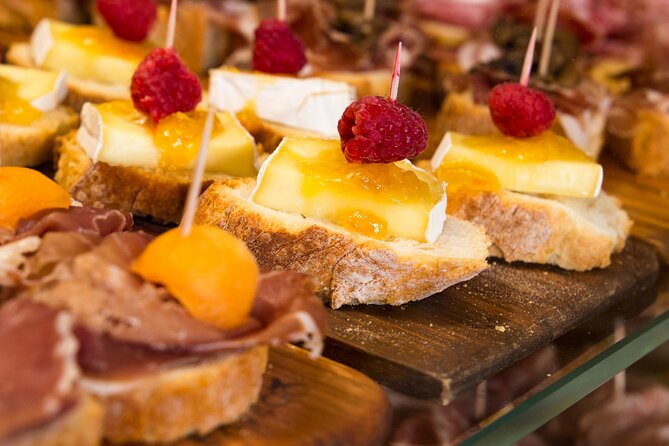
After exploring the market, you sit at a nearby osteria for a glass of wine and a light taste of cicchetti. These small Venetian snacks are often compared with tapas, but the important point is how they fit local social life. Cicchetti are made for casual eating, conversation, and a drink at the end of the day.
The included food is modest. One account describes a glass of wine and two small bites per person, which makes this a pleasant pause rather than a meal. You should eat beforehand if you expect lunch or dinner.
This stop works well because it gives your feet a break and lets you talk with the guide and other members of the group. A round wooden table and relaxed setting have made the ending especially enjoyable for some groups.
The tradeoff is that this is not a multi-stop cicchetti crawl. The title may suggest a broader food tour, but the supplied details point to one osteria stop. If you want several bars, larger portions, or a serious wine tasting, choose a dedicated food tour instead.
San Polo and the old trading quarter
The walk continues through San Polo, one of Venice’s oldest districts. The area has been settled since the ninth century and has been connected with the main market since the eleventh century.
San Polo helps explain the city’s structure. Venice is not arranged around broad avenues. Its story unfolds through small squares, narrow lanes, bridges, and passages that once carried merchants and goods. You walk through corners that can feel calm even when the nearby Rialto Bridge is crowded.
The guide’s storytelling matters here. Several guides, including Christina and Barbara, have been praised for explaining local customs, old occupations, and the people who shaped these streets. The best moments are not always at a famous monument. They come when a guide points to an ordinary building and explains its former use.
Expect a walking tour rather than a museum visit. The stops are outside, and admission tickets are not included or needed for the listed route. If you prefer long periods inside churches and palaces, this will feel less substantial.
Carampane and Venice’s less polished past
Carampane adds a darker note to the walk. This area was historically associated with Venice’s red light district, and it offers a look at lives that grand palace tours often leave out.
That subject may not suit every family or every child, so consider your group before booking. For adults interested in social history, it gives the city more depth. Venice was not only a place of wealthy merchants, grand ceremonies, and famous artists. It was also a working city with strict rules, private struggles, and less respectable trades.
The tour’s appeal comes from this range. You move from market stalls to merchant buildings, then toward stories about crime, taxation, and social life. The result is a more rounded picture of Venice.
Palazzo dei Camerlenghi and the Grand Canal
One of the most striking buildings on the route is Palazzo dei Camerlenghi, an ornate 16th-century palace beside the Grand Canal. Its position makes it easy to admire from the outside, but its past is less decorative.
The building was once associated with the imprisonment of small-time tax evaders. That contrast gives the stop its punch: an elegant palace could also inspire fear. Your guide connects the building to the financial systems that kept the Venetian state operating.
The Grand Canal views also appear at several points during the walk. You will see the Rialto Bridge and water traffic from different angles while hearing about medieval and Renaissance commerce.
The tour does not include a boat ride on the Grand Canal. A few accounts refer to a brief gondola crossing in a version of the experience, but the formal details supplied for this tour do not promise one. Do not book it expecting a full gondola trip. If a water crossing matters to you, confirm the current route before paying.
T Fondaco dei Tedeschi and German merchants
The walk also reaches T Fondaco dei Tedeschi, a major building facing the Grand Canal. It once served as headquarters and living quarters for German merchants.
This stop helps you understand how international Venice was. The city’s wealth depended on trade with people from many regions, and buildings such as this one housed both business and daily life.
You will likely spend about 10 minutes here. That is enough for the building’s role and setting, but not a full interior visit. The value comes from placing the building into the larger story of Venice as a commercial crossroads.
What the guides add
The strongest part of this experience is the guide. A good guide makes familiar streets feel new, gives shape to the market, and explains why San Polo developed as it did.
Christina and Cristina receive especially warm praise for energy, warmth, and clear storytelling. Georgia is described as enthusiastic and eager to share the city. Barbara is praised for lively stories and for helping people understand places such as the Frari area. Frederica is also noted for an informative and pleasant style.
That said, the experience is not identical with every guide. Some departures have felt less energetic, even when the guide provided solid information. This is a reminder that a walking tour depends heavily on the individual leading it.
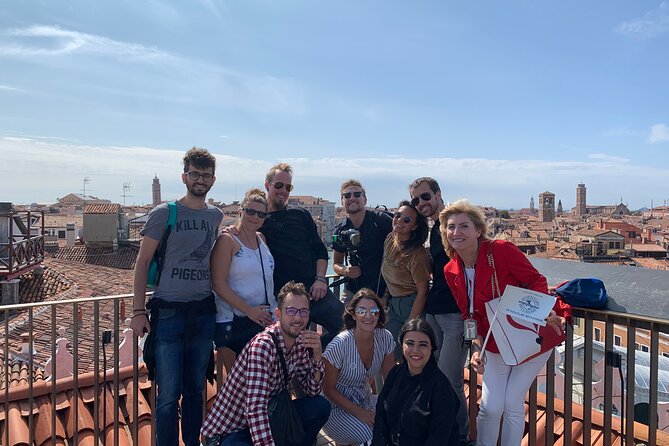
The tour uses individual receivers on some departures, which can help you hear the guide in noisy streets or while walking through crowded areas. Group sizes have varied. Some experiences have involved only two people, while others had five, six, seven, or as many as 10.
Timing, walking effort, and weather
The stated duration is about two hours, with the listed stops adding up to roughly that amount. In practice, the pace may vary. Some accounts describe a shorter experience, while another describes a much longer walk. This could reflect changes in the route, guide, or version of the tour.
Plan for steady walking over bridges and uneven streets. Most people can participate, but comfortable footwear is specifically advised. There is no hotel pickup, so your day includes the walk to Campo San Bartolomeo and the return journey from the end point.
The activity runs in most weather. During high water, the route may be partly adjusted. Bring suitable clothing and do not treat the food stop as a guarantee that you will remain indoors for much of the tour.
Who will get the most from this tour?
I would recommend this experience to you if:
- You are visiting Venice for the first time and want context before exploring alone.
- You have already seen St. Mark’s Square and want a different side of the city.
- You like markets, local food customs, and social history.
- You prefer a walking tour with stories rather than a long museum visit.
- You value a small group and the chance to ask questions.
- You want a gentle introduction to cicchetti without committing to a full food crawl.
I would look elsewhere if you want a substantial meal, several wine stops, a full gondola ride, or a strict half-day tour. The price is high for the amount of food and the short listed duration, so the guide’s quality and the private format need to matter to you.
Free cancellation is available when you cancel at least 24 hours before the start time. The experience may also be canceled if its minimum number is not reached, in which case a different date or a full refund is offered. Day visitors should also check if Venice’s €5 access fee applies on their date.
Should you book the Rialto and San Polo walk?
Book it if you want Venice explained through its market, merchants, tax system, working streets, and less polished social past. The market and guide-led storytelling are the real reasons to go, while the wine and cicchetti provide a pleasant finish.
Skip it if your main goal is a large food tasting or a gondola ride. At $257.05 per person, this is best treated as a private or small-group introduction to old Venice, not a cheap sightseeing walk. Arrive early, wear good shoes, confirm the group format, and ask for enough time at the market. Done on those terms, it can give you a much clearer sense of how Venice functioned beyond its famous views.
FAQ
How long does the tour last?
The advertised duration is approximately two hours. The listed stops add up to about two hours, though the pace and total timing can vary.
Where does the tour begin?
It begins at Campo San Bartolomeo, Campo S. Bortolomio, 30124 Venezia VE, Italy.
Where does the tour end?
The activity ends back at the meeting point.
Is hotel pickup included?
No. Hotel pickup and drop-off are not included.
What food and drink are included?
The tour includes a light taste of cicchetti and a glass of wine at a local osteria.
Is this a private tour?
The activity is described as private, with only your group participating. Group sizes described for departures have varied, so confirm the exact format when booking if exclusivity is important to you.
What happens during high water?
The tour still operates, but part of the route may be adjusted to suit the weather and water conditions.
More Markets in Venice
- Cooking Class and Lunch at a Tuscan Farmhouse with Local Market Tour from Florence
★ 5.0 · 4,831 reviews - Rome: Colosseum, Roman Forum & Trajan’s Market Exterior Tour
★ 4.3 · 2,038 reviews - Small Group Cooking Class & Market Food Tour in Florence
★ 5.0 · 1,574 reviews - Bologna Food & Market Tour with 6 Tastings, Pasta, Wines & More
★ 5.0 · 1,328 reviews
More Market Tours in Venice
- Venice Street Food Tour with Local Guide with Local Food Market Visit
★ 5.0 · 822 reviews - Venice: Rialto Market Food and Wine Lunchtime Tour
★ 5.0 · 383 reviews - Market Tour and Cooking Class with a Local Venetian Chef
★ 5.0 · 313 reviews - Rialto Market Food and Wine Lunchtime Tour of Venice
★ 5.0 · 278 reviews
Recently added around Venice
- Venice Walking Tour and Gondola Ride Combo★ 4.4 · 266 reviews
- Venice: Walking Tour and Shared Gondola Ride★ 4.1 · 466 reviews
- Venice: Private Tour with a Local Guide★ 4.6 · 718 reviews
- Venice: Walking Guided Tour of the City Must-See Sites★ 4.7 · 1,095 reviews
- Venice: The Footsteps of Commissario Brunetti Walking Tour★ 4.9 · 445 reviews
- Venice: Vivaldi Four Seasons Concert at Vivaldi Church★ 4.8 · 287 reviews
- Venice: The Three Tenors Concert Ticket★ 4.8 · 1,183 reviews
- Venice: Lagoon Catamaran Cruise with Music and Drinks★ 4.7 · 419 reviews
Wine Tours, compared.

Tuscany Day Trip from Florence: Siena, San Gimignano, Pisa and Lunch at a Winery
Read our review →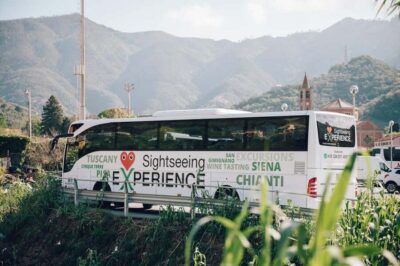
Pisa, Siena, San Gimignano, and Chianti Experience
Read our review →
Small-Group Wine Tasting Experience in the Tuscan Countryside
Read our review →
Tuscany & Montepulciano Day Trip with Lunch & Wine Tasting
Read our review →
SMALL-GROUP Wine Safaris: Tuscan Wine Tasting Tours from Florence
Read our review →
Winner 2025 Florence Sunset Food & Wine Tour by Eating Europe
Read our review →
Siena, San Gimignano, Pisa & Lunch at Winery
Read our review →Browse the lists this tour appears in