
Reviewed · COOKING CLASSES
Pasta Cooking Class: Mastering Nonna’s Recipes
Good pasta can turn strangers into friends. This three-hour Florence class combines hands-on work with Michelin-trained chefs, three pasta dishes, local ingredients, and wine served throughout the meal. I especially like the small-group limit of 13 and the fact that you do not just watch a demonstration: you shape the pasta yourself, then eat what you made.
I also like the range of techniques, from filled tortelli and ravioli to long, graceful tagliatelle and fettuccine. The main consideration is the meeting point on Via dell’Agnolo, which may look a little rough around the edges from the outside. Once inside, the cooking space is described as clean and attractive, but you should not expect a grand restaurant entrance.
In This Review
- Key things to know before booking
- Arriving on Via dell’Agnolo
- Meeting the chef and starting with sauces
- Making tortelli from scratch
- Rolling tagliatelle and serving Tuscan ragù
- Shaping ravioli with garlic oil and sage
- The meal and unlimited wine
- Why the small group improves the lesson
- Is $126.98 a good value?
- Who should book this Florence pasta class?
- Final verdict: book it for food, skills, and company
- FAQ
- How long does the pasta cooking class last?
- Where does the class begin and end?
- Is the class offered in English?
- How many people can attend?
- What food will I make and eat?
- Is wine included, and are vegetarian options available?
Key things to know before booking
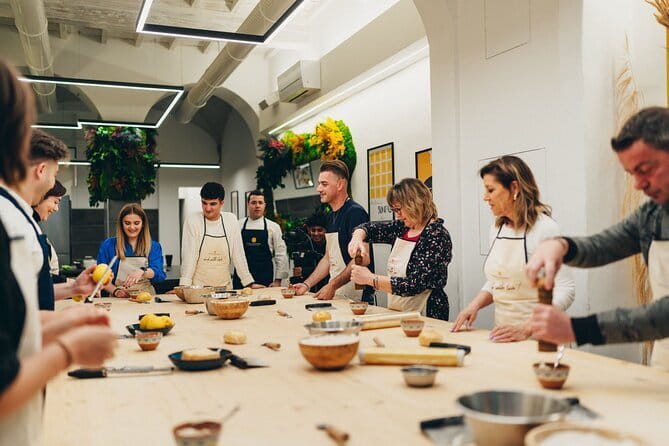
- Three pasta styles in one class: You work with filled and ribbon pasta, then eat all three dishes as part of the final meal.
- Michelin-trained instruction: Chefs such as Marco, Andrea, Simone, Thomas, Davide, and Michele have led sessions, with praise for their humor, patience, and clear teaching.
- Small groups matter: The maximum is 13 people, and several sessions have had around 9 to 12 participants.
- Wine is included throughout: Red and white wine are available during the cooking and meal.
- Recipes and practical tips: You can leave with techniques for pasta, sauces, knife care, and everyday Italian cooking.
- A full Florence meal, not just a lesson: The class ends with three pasta dishes, including tortelli, tagliatelle with Tuscan ragù, and ravioli with garlic oil and sage.
Arriving on Via dell’Agnolo
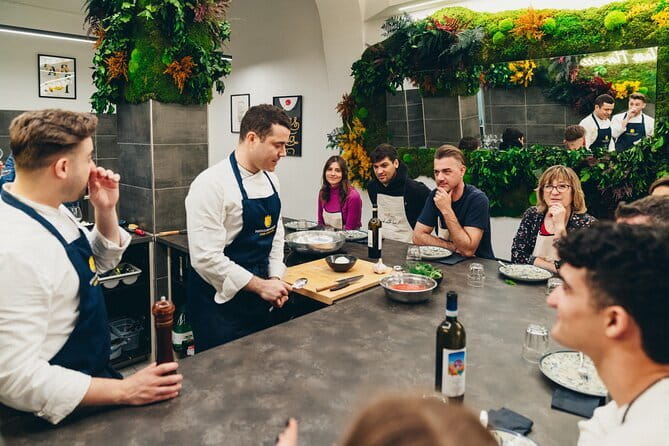
The class begins at V. Dell’Agnolo, 77r, in central Florence, and returns to that same meeting point at the end. The location is near public transportation, so it should fit easily into a day spent around the historic center.
You should allow a little time to find the exact doorway. Florence addresses can be confusing, and the red-number system used for businesses does not always feel intuitive. One direct account described the exterior as a storefront in a slightly questionable-looking area. That is useful to know, but the same account found the experience inside well run, clean, and worth the effort.
The setting matters because this is not presented as a formal restaurant dinner with a short cooking display. You enter a working teaching kitchen and take part. Earlier sessions have used enough space for people to work comfortably, which is important when flour, dough, boards, and pasta tools begin to cover the tables.
The group limit of 13 is a real advantage. A class of 9 or 10 should feel social without becoming a crowd, while a full group of 12 or 13 will have more energy and more people to meet. You will be cooking beside strangers, so this suits you if you enjoy conversation and a little shared mess. It may be less appealing if you want a quiet, private lesson.
More Cooking Classes in Florence
- Florence: Pasta Cooking Class with Unlimited Wine
★ 4.9 · 10,285 reviews - Florence Pizza or Pasta Class with Gelato Making at a Tuscan Farm
★ 5.0 · 6,801 reviews - Florence: Pasta & Tiramisu Cooking Class with Unlimited Wine
★ 4.9 · 6,708 reviews
Meeting the chef and starting with sauces
The class is led in English by a chef with Michelin-level training. The chef names vary by session, but the teaching style praised most often is consistent: clear instructions, practical advice, humor, and patience.
Marco has been praised for making the process comfortable for different skill levels. Andrea is described as funny and articulate, while Simone is energetic and entertaining. Thomas has been especially appreciated for his careful attention to hygiene and for explaining the reasons behind each technique. Davide has also been praised for making everyone feel included and for offering local recommendations at the end.
The first stage may focus on sauces before you begin shaping pasta. This is smart instruction. Pasta is only half the dish, and a good sauce teaches you how Italians think about balance, texture, and timing. You might watch the chef prepare a Tuscan ragù, brown butter and herbs, or garlic oil with sage while explaining practical cooking methods.
This part can be one of the most useful sections if you already cook at home. The class is not limited to rolling dough and making attractive shapes. Thomas, for example, has shared everyday kitchen advice, including guidance on knife sharpening. That kind of tip may save you from damaging an expensive knife long after your Florence holiday ends.
You should also expect some discussion of hygiene. Since the pasta will be cooked and served to the group, clean work habits are essential. The class has been praised for paying attention to handwashing, clean surfaces, and careful preparation. That may sound basic, but it makes a difference when many people are handling the food.
Making tortelli from scratch
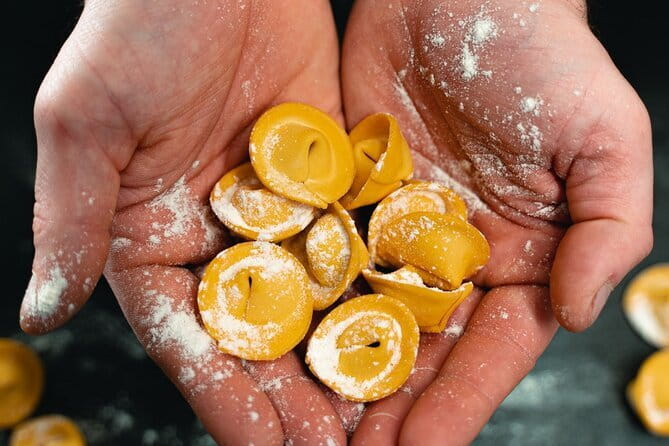
The sample menu begins with tortelli filled with ricotta, brown butter, and herbs. Filled pasta gives you a good introduction to precision. You must roll the dough thin enough, place the filling carefully, and seal the edges without trapping too much air.
This is the sort of task that looks simple when a chef performs it quickly. Your first pieces may be less tidy. That is part of the fun, and the instructors are used to working with cooks who have never made pasta before.
The ricotta filling keeps the dish rooted in familiar Tuscan flavors, while brown butter and herbs bring a warm, savory finish. The chef’s role here is not only to show you the shape. You also learn how much filling to use, how to avoid tearing the dough, and how to create a seal that survives boiling.
Tortelli can be especially rewarding for families and couples because each person’s results look a little different. You have a clear task, but enough room for personality. If you are traveling with children, the supplied information confirms that cooks of all skill levels are welcome, though the exact suitability for very young children is not specified.
Rolling tagliatelle and serving Tuscan ragù
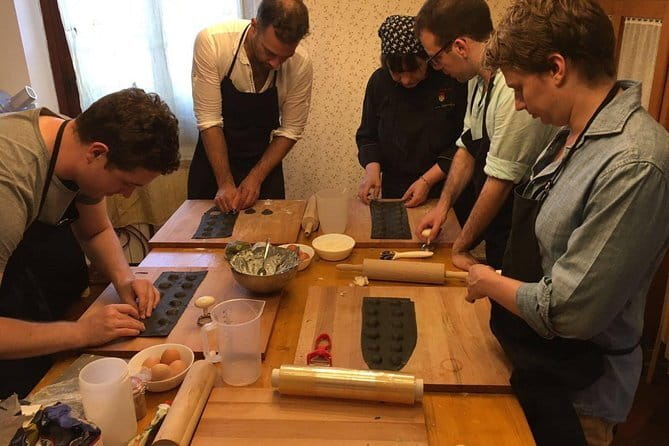
The next major pasta is tagliatelle, served with fresh Tuscan ragù. Long pasta gives you a different lesson from tortelli. Here the challenge is consistency: rolling the dough evenly and cutting ribbons that cook at roughly the same speed.
The dish also shows why sauce matters. Fresh ragù is hearty and familiar, but it should support the pasta rather than bury it. Watching the chef finish the sauce while you work helps connect the separate parts of the class.
Several sessions have been described as producing restaurant-quality food. That does not mean every strand will be perfect, especially for a first attempt, but it does mean the chef handles the final cooking and finishing with professional skill. The result is more polished than what you might manage alone at home on your first try.
This is also where the experience begins to feel like a proper meal. You are not taking a few bites at a counter before rushing away. The pasta you shape becomes part of a three-course-style tasting, with the chance to compare different forms and sauces.
Still Florence, but a slower afternoon:
- Florence: Skip-The-Line Uffizi Gallery Timed Entry Ticket
★ 4.5 · 27,832 reviews - Tuscany Day Trip from Florence: Siena, San Gimignano, Pisa and Lunch at a Winery
★ 5.0 · 21,634 reviews - Florence: Timed Entrance Ticket to Michelangelo’s David
★ 4.6 · 16,983 reviews - Florence: Michelangelo’s David Skip-the-Line Entry Ticket
★ 4.5 · 12,764 reviews
Shaping ravioli with garlic oil and sage
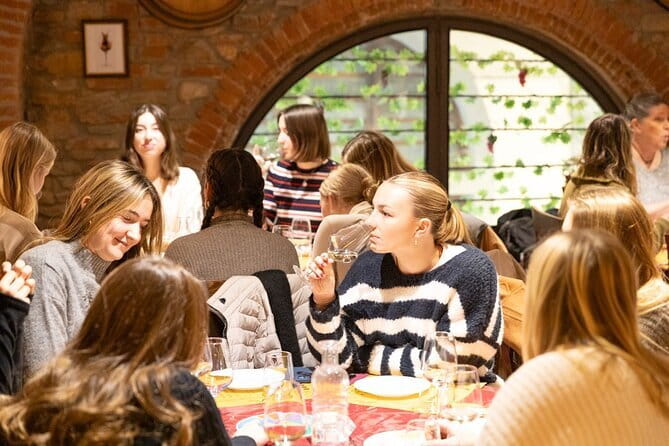
The third pasta is ravioli, served with garlic oil and sage with a twist. Like tortelli, ravioli requires filled-pasta technique, but the shape and finish give you another chance to improve.
Garlic oil and sage are simple ingredients, yet they are not dull when handled carefully. The dish depends on the quality of the pasta, the right amount of garlic, and the fragrance of the sage. It is a good example of Italian cooking using a short ingredient list rather than hiding everything under a heavy sauce.
The class may also include fettuccine or other ribbon shapes as part of the broader pasta lesson. The exact sequence can vary with the chef and session, so you should think of the advertised dishes as the central menu rather than a minute-by-minute promise.
The strongest part of this format is repetition. You work with dough more than once, and each pasta style presents a new problem to solve. By the final shape, you should feel more confident about thickness, filling, sealing, and cutting than you did at the start.
The meal and unlimited wine
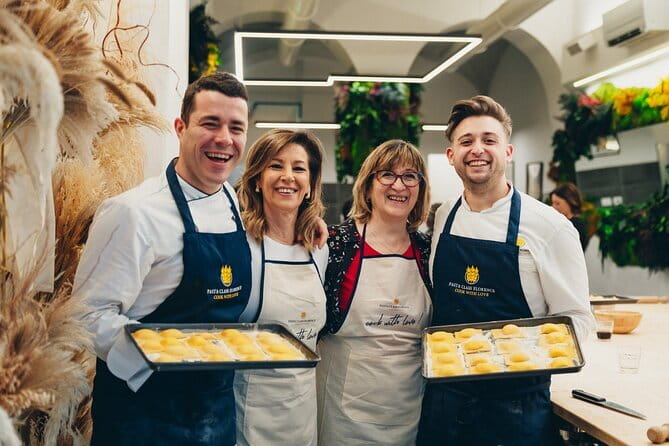
At the end, the chefs cook and serve the three pasta dishes. The meal includes tortelli, tagliatelle with Tuscan ragù, and ravioli with garlic oil and sage, though details can vary. Wine is available throughout the experience, with red and white options described as particularly good.
The wine helps create a relaxed social mood, but it also affects the kind of class this is. This is not a sober technical workshop where everyone works in silence and takes detailed notes. It is a cooking lesson combined with dinner, conversation, and an open bottle.
You should pace yourself. Three pasta dishes plus wine can make the final part of the evening feel substantial. If you do not drink alcohol, the supplied details confirm that vegetarian options are available, but they do not specify nonalcoholic drink choices. Ask ahead if that matters to you.
The menu is most useful for showing variety. You taste a filled pasta with dairy and herbs, a long pasta with ragù, and another filled pasta with a light aromatic sauce. That comparison helps you understand how shape and sauce work together, rather than treating fresh pasta as one single skill.
Why the small group improves the lesson
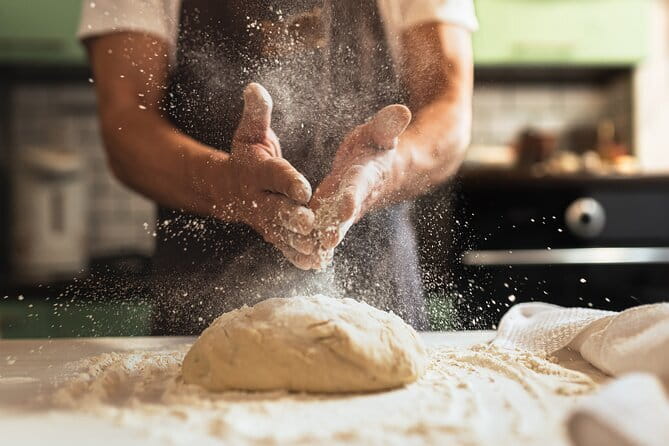
A maximum of 13 people is not tiny, but it is manageable. You will still have enough classmates to make the evening social, while the chef can move around the room and correct mistakes.
That personal attention comes through in the teaching. Michele, for example, was praised for patiently making sure everyone understood each type of pasta. Thomas was praised for watching hygiene closely and keeping instructions clear even with 12 people at the table.
Small groups also reduce the chance of feeling packed in. One particularly detailed account compared this class favorably with another popular Florence pasta experience, noting that the work area had room between participants and did not feel overheated or crowded. That is important when you are rolling dough and trying to concentrate.
Still, your experience will depend partly on the size and mix of your group. With 13 people, you should expect shared instruction rather than a private chef lesson. The class works best if you are willing to listen, take turns, and ask for help when you need it.
Is $126.98 a good value?
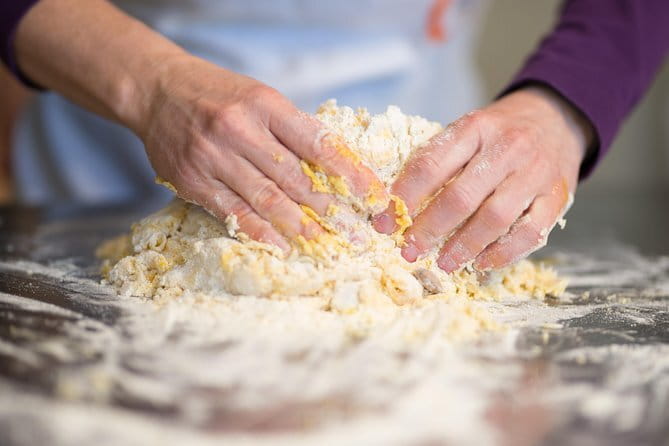
At $126.98 per person, this is not a budget meal. The value comes from what is bundled into the three hours: instruction from a Michelin-trained chef, hands-on preparation, local products, unlimited wine, three pasta dishes, and a full meal.
A restaurant meal in Florence may cost less, especially if you choose a simple trattoria. But a restaurant will not teach you how to make tortelli, tagliatelle, and ravioli, nor will it send you home with new techniques and recipes. If you want only dinner, spend your money elsewhere. If you want a social class that also feeds you well, the price is easier to justify.
The most valuable part is the transfer of skill. You can recreate pasta at home, and the recipes are provided after the cooking in at least some sessions. The practical instruction about sauces, dough, tools, and hygiene adds value beyond the meal itself.
The wine also adds to the package, though unlimited alcohol should not be the main reason to book. The food and teaching need to carry the experience, and the available details suggest they do.
Who should book this Florence pasta class?
I would choose this class for couples, families with older children, groups of friends, and solo visitors who enjoy meeting people over food. The age range in one session ran from 20 to 80, so you do not need to fit a narrow age group or arrive with professional cooking skills.
It is also a good break from museums and long walks. Florence can become a demanding city on foot, and a three-hour seated cooking session gives your legs a rest while keeping the day active and social.
You may want to skip it if you dislike group activities, do not want to handle food made by several people, or are looking for advanced professional training. The class welcomes beginners and experienced cooks, but its main goal is an enjoyable, useful introduction rather than a formal culinary qualification.
Vegetarian options are available. Specific allergy arrangements are not provided in the details here, so contact Pasta Class Florence before booking if you have a serious food restriction.
The experience is offered in English, uses a mobile ticket, and is often reserved about 47 days in advance. That booking pattern suggests you should plan ahead, especially if you need a particular date or want to attend with a larger family group.
Final verdict: book it for food, skills, and company
I recommend Pasta Cooking Class: Mastering Nonna’s Recipes if you want more than a Florence meal. The strongest reasons are the hands-on work, the small group, the patient chefs, and the chance to eat three different pastas you helped make.
The only real cautions are the price, the shared format, and the less polished feel around the meeting point. None of those outweighs the experience for me if you enjoy cooking and social evenings.
Book it if you want to leave Florence with recipes, practical pasta skills, and a dinner story that involves more than another plate of food. Skip it if you prefer quiet sightseeing or a standard restaurant meal. For most food-loving visitors, the combination of instruction, wine, and a generous final meal makes this a strong use of three hours.
FAQ
How long does the pasta cooking class last?
The experience lasts approximately three hours.
Where does the class begin and end?
It begins at V. Dell’Agnolo, 77r, 50122 Firenze FI, Italy, and ends back at the same meeting point.
Is the class offered in English?
Yes. The class is offered in English, and a mobile ticket is available.
How many people can attend?
The maximum group size is 13 people.
What food will I make and eat?
The sample menu includes ricotta tortelli with brown butter and herbs, tagliatelle with fresh Tuscan ragù, and ravioli with garlic oil and sage with a twist. You eat all three pasta dishes as part of the final meal.
Is wine included, and are vegetarian options available?
Yes. Unlimited wine is included throughout the experience, and vegetarian options are available.
Recently added around Florence
- Florence Uffizi Gallery monolingual Small Group Tour★ 4.0 · 621 reviews
- Florence Private Walking tour with Skip-the-line to Accademia★ 4.5 · 236 reviews
- Uffizi Gallery Entrance Ticket with Priority Access★ 3.5 · 1,029 reviews
- Florence Skip-the-Line Duomo Tour with Guide & Brunelleschi Dome★ 5.0 · 1,176 reviews
- Skip-the-Line Accademia Guided Visit: David Secrets and Beyond★ 4.0 · 525 reviews
- Priority Entrance : Florence Accademia Gallery Timely Tickets★ 4.0 · 603 reviews
- Skip the line : David Guided Experience★ 4.5 · 1,076 reviews
- Private Tour in Siena, San Gimignano and Chianti Day Trip from Florence★ 5.0 · 405 reviews
Cooking Classes, compared.
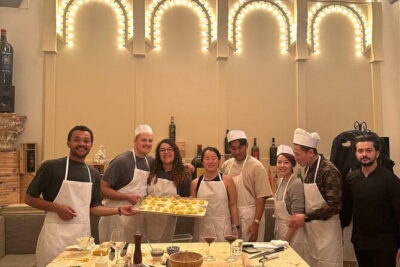
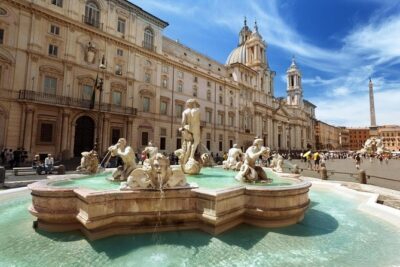
3 in 1 Cooking Class near Navona: Fettuccine, Ravioli & Tiramisu
Read our review →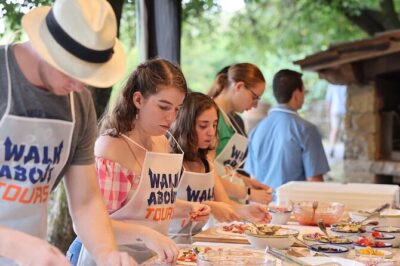
Florence Pizza or Pasta Class with Gelato Making at a Tuscan Farm
Read our review →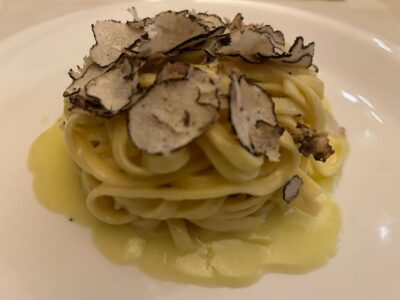
Pasta & Tiramisu Cooking Class with Unlimited Wine
Read our review →
Pizza-Making Workshop with Drink and Appetizer
Read our review →
Pasta & Tiramisu Class with Fine Wine by the Vatican
Read our review →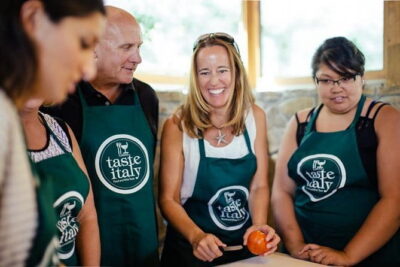
Cooking Class and Lunch at a Tuscan Farmhouse with Local Market Tour from Florence
Read our review →Browse the lists this tour appears in