
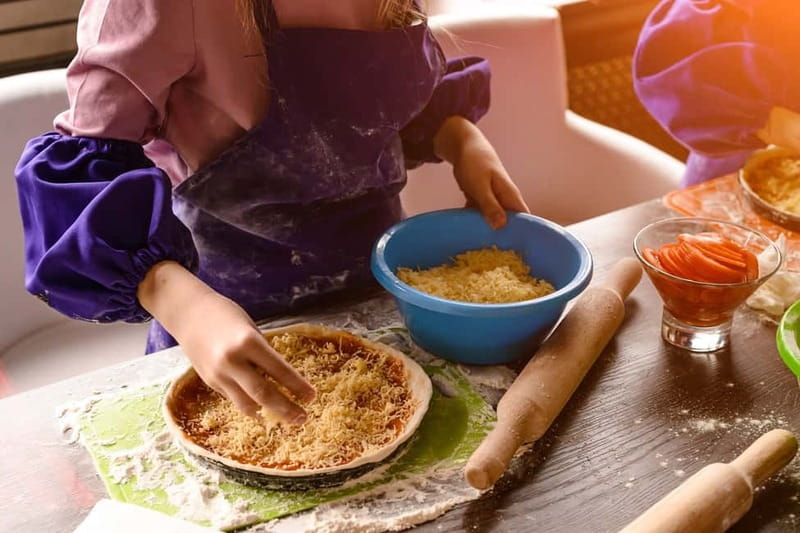
Reviewed · COOKING CLASSES
Naples: Premium Pizza-Making Class at a Pizzeria
Pizza is Naples in edible form. This two-hour class puts you at a personal workstation inside a 2017 World Pizza Championship-winning pizzeria, where you make a full meal from flour, water, salt, and yeast. I like the small-group format and the fact that you eat the pizza you shape, bake, and top yourself.
I also like the mix of serious technique and good fun. You learn staglio, the old method of dividing dough into individual balls, then work with San Marzano tomatoes, buffalo mozzarella, basil, and DOP extra virgin olive oil. The one thing to consider is timing: two hours is enough for a lively lesson, but not enough for a long dough fermentation. One class solved this by using part of the dough for bread, so you should expect a practical demonstration rather than a full day of slow pizza production.
In This Review
- Key Points to Know Before Booking
- What This Naples Pizza Class Is Really Like
- Four Ingredients, Plenty of Technique
- Shaping a Neapolitan Base Without a Rolling Pin
- San Marzano Tomatoes and the Classic Margherita
- Eating the Pizza You Made
- Fried Pizza Dough and a Sweet Finish
- The Guides Make the Difference
- Small Groups and Personal Workstations
- Is $67.19 a Fair Price?
- Who Should Book This Experience?
- Tips for Getting the Most From the Class
- Should You Book the Naples Pizza-Making Class?
- FAQ
- How long does the Naples pizza-making class last?
- How much does the experience cost?
- Where does the class take place?
- What languages are offered?
- Do I need cooking experience?
- What will I make during the class?
- What food and drinks are included?
- Is the class private or shared?
- Can I cancel the booking?
Key Points to Know Before Booking
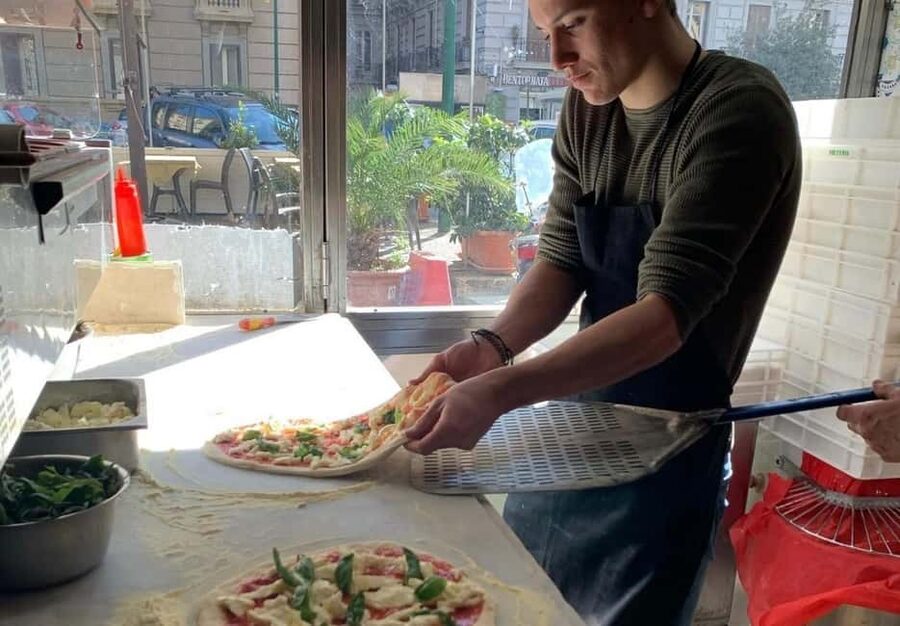
- You work at your own station: Each person gets hands-on time for mixing, kneading, shaping, topping, and baking.
- The pizzeria has a serious pedigree: The class takes place at a pizzeria associated with the 2017 World Pizza Championship.
- The lesson covers staglio: You learn how pizzaioli divide dough into smooth panetti before shaping the pizza.
- The menu goes beyond Margherita: You make a savory pizza, then try sweet fried dough filled with chocolate spread.
- The class is intimate: Small groups and private options are available, with some groups as small as four people.
- Drinks are part of the meal: Your package includes water and a choice of wine or beer, followed by limoncello.
What This Naples Pizza Class Is Really Like
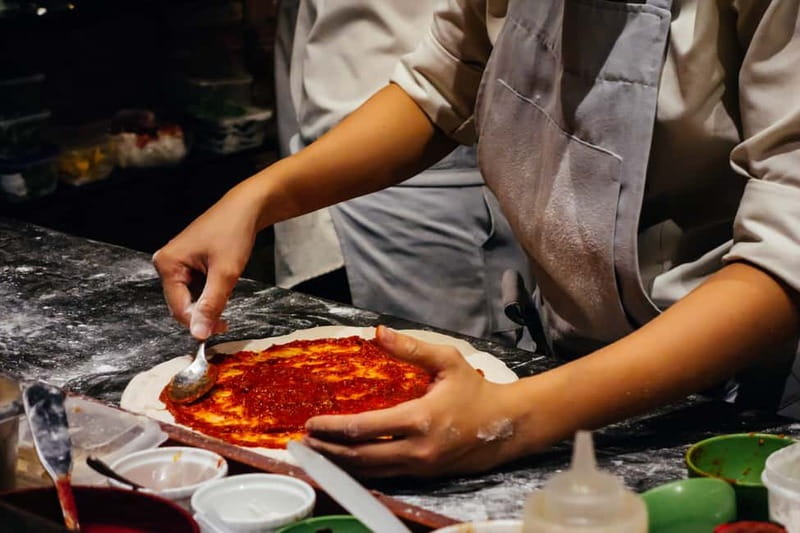
This is not a demonstration where you sit back and watch a chef do all the work. You become part of the production line, with your own dough, tools, toppings, and mistakes to manage. That makes the experience useful even if your pizza comes out looking more like Italy than a perfect circle.
The class begins with the basic dough. The recipe uses four simple ingredients: water, flour, salt, and yeast. That simplicity is part of the lesson. Neapolitan pizza depends less on a long shopping list and more on quantities, handling, temperature, and timing.
A master pizzaiolo demonstrates the process, then you copy it at your station. In several sessions, the chef spoke Italian while an English-speaking guide translated and explained each step. Guides named Francesca, Lucia, Sabrina, Federica, and Dora received especially warm praise for keeping the class friendly, clear, and inclusive.
The chef and guide often work as a pair. The pizzaiolo shows the physical technique, while the guide fills in the local background and translates questions. That arrangement matters because the chef may not speak English, but you still get direct instruction rather than a watered-down cooking show.
More Cooking Classes in Naples:
- Naples: Pizza-Making Workshop with Drink and Appetizer
★ 4.9 · 5,411 reviews - Authentic Pizza Making Class in Naples with Appetizers and Drink
★ 5.0 · 3,178 reviews - Naples: Pasta Making Class with Starter and Drink
★ 4.9 · 1,060 reviews
Four Ingredients, Plenty of Technique
The first surprise is how much attention goes into such a plain recipe. You learn that pizza dough is not improved by adding more ingredients. It improves when you understand how the ingredients behave.
You will likely see the dough mixed and worked by hand before moving on to kneading. The goal is a smooth, workable dough with enough strength to stretch without tearing. The instructor demonstrates the motions, then helps when your dough starts resisting or sticking.
This is where the class earns its keep. A recipe sent to your phone can tell you how much flour to use, but it cannot easily tell you what the dough should feel like. In person, you can watch the chef adjust pressure and speed, then try the same movement yourself.
The class also introduces staglio. This traditional technique divides the larger mass of dough into smaller portions, called panetti. Each portion becomes one pizza. You learn to cut and shape the dough so it forms a neat ball with a smooth surface.
That step is more important than it sounds. A well-shaped dough ball helps the pizza stretch evenly later. If you rush it, the center may become thin while the edge stays too thick. The chef demonstrates the process, then corrects small errors before they become large ones.
Shaping a Neapolitan Base Without a Rolling Pin
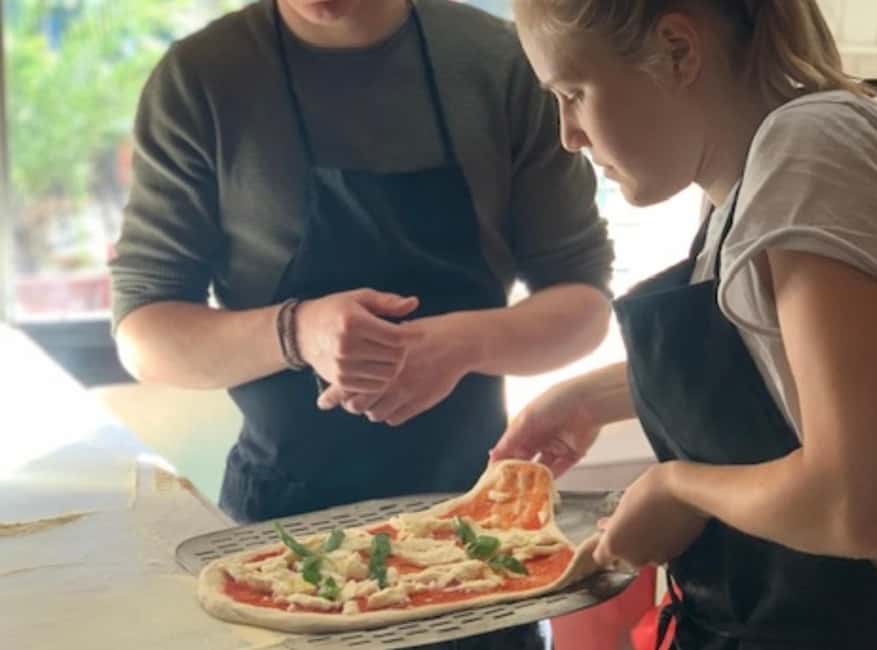
After the dough is divided, you shape the pizza by hand. This is not the place for a rolling pin. The point is to press and stretch the dough while protecting the raised edge, which becomes the puffy crust.
You will probably find this easier to watch than to perform. Dough has a mind of its own, and first attempts can become lopsided quickly. That is part of the fun, though the individual workstation means you do not have to share one piece of dough with a whole table.
The instructor shows how to press the center, move air toward the edge, and stretch the round carefully. You then transfer the base for topping. The class is hands-on from start to finish, so you get a clear sense of how little force is needed once the dough has been prepared correctly.
This is also a good class for people without cooking experience. Several participants found the step-by-step guidance easy to follow, and one particularly warm response credited Lucia with making the process feel manageable and confidence-building.
San Marzano Tomatoes and the Classic Margherita
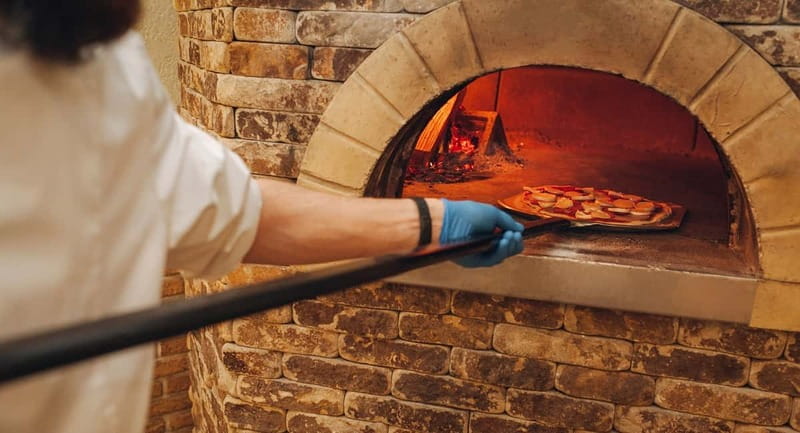
Once the dough is shaped, the toppings stay traditional. You use San Marzano tomatoes, buffalo mozzarella, basil, and DOP extra virgin olive oil. The combination is simple, but the ingredients carry the flavor.
The Margherita is a smart choice for a lesson because it leaves nowhere to hide. With no pile of toppings to cover the crust, you can judge the dough, sauce, cheese, and bake. You also get a taste of the classic Neapolitan balance: tomato, dairy, herbs, olive oil, and a hot, airy crust.
The instructor explains the importance of quantities and ingredient quality. That is useful for cooking at home because overloading a pizza is one of the easiest ways to produce a soggy center. The class makes the point that good pizza is often about restraint.
Your pizza then goes into a traditional wood-fired oven. The baking is handled by the pizzeria team, who know how to manage intense heat and timing. You get to watch the transformation from pale dough to a finished pizza with browned edges and melted mozzarella.
The exact level of involvement around the oven can vary, so do not expect to operate the oven yourself. The main work is yours, while the trained pizzaiolo manages the baking.
A few more Naples bookings to compare
- Naples: Naples Underground Entry Ticket and Guided Tour
★ 4.4 · 21,781 reviews - From Naples: Pompeii Ruins & Mount Vesuvius Day Tour
★ 4.3 · 11,459 reviews - From Naples: Sorrento, Positano and Amalfi Full-Day Tour
★ 4.6 · 10,988 reviews - From Naples: Sorrento, Positano & Amalfi Coast – Small Group Tour
★ 5.0 · 8,643 reviews
Eating the Pizza You Made
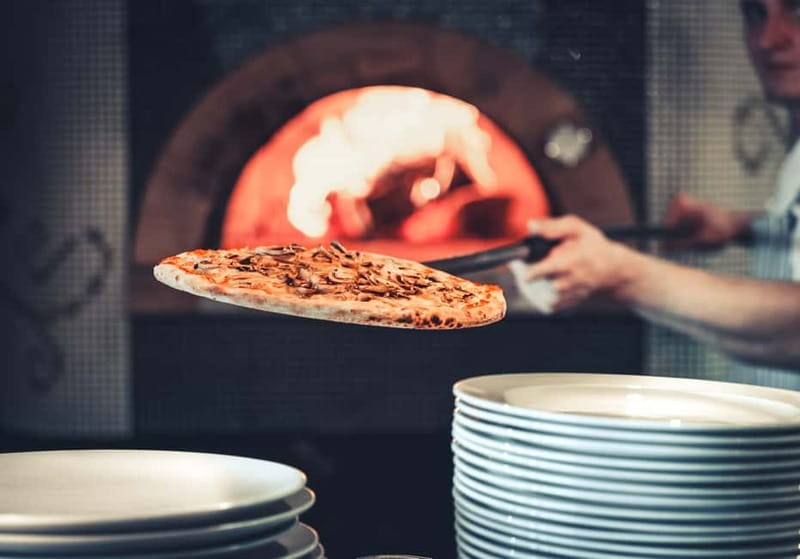
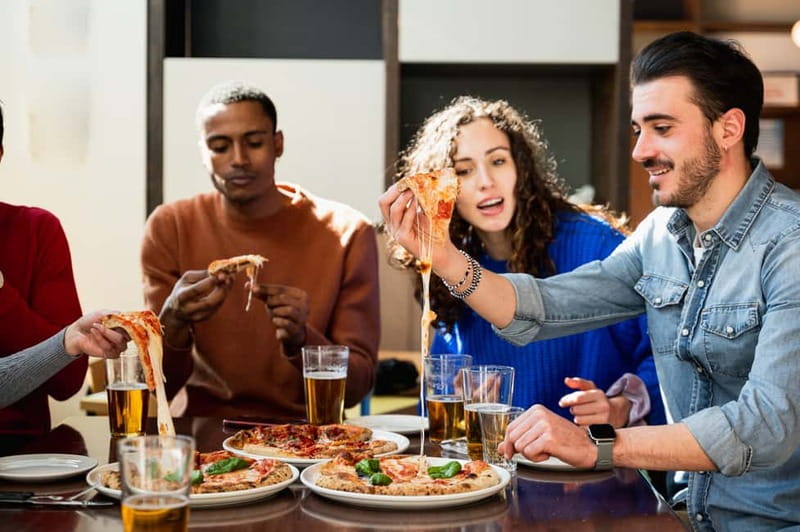
The best part arrives quickly: you sit down and eat your own Margherita. This is more satisfying than simply receiving a slice because you understand the work behind it.
The meal includes water and one glass of local wine or beer. The drink helps turn the lesson into a relaxed dinner rather than a rushed cooking task. Some sessions have been described as pleasant shared meals, with the group chatting while eating the pizzas they made.
The portions appear generous enough to make this a proper meal. You also receive a sweet course made from the same dough, so plan to arrive hungry rather than treating this as a small snack.
One practical point: a two-hour class cannot reproduce the long fermentation schedule used in many serious pizza kitchens. The dough you make may not have enough time to prove fully before you bake your pizza. In at least one session, the remaining dough was turned into bread so none of it went to waste.
That is not a flaw, but it is worth understanding. If your main goal is to study slow fermentation over many hours, choose a longer workshop. If you want to learn the core handling techniques and eat a fresh pizza in Naples, the schedule works well.
Fried Pizza Dough and a Sweet Finish
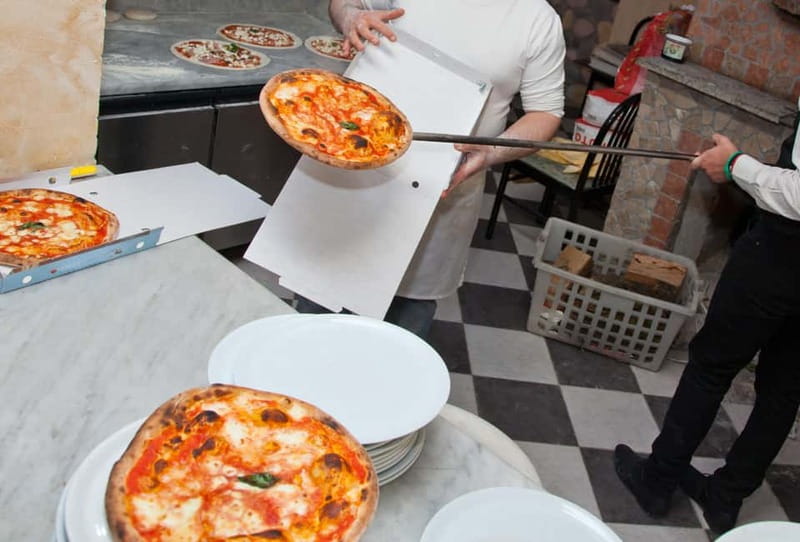
The dessert is one of the more distinctive parts of the class. Instead of serving a standard pastry, the pizzeria uses pizza dough to make crispy fried bites filled with the world’s best-known chocolate spread.
This shows another side of Neapolitan food culture. Pizza dough is not limited to a round, tomato-topped pie. It can be fried, filled, and served as a sweet treat. The result is rich and filling, especially after your Margherita.
Not everyone will want another substantial dough course after dinner. One couple preferred the idea of a smaller dessert such as ice cream or tiramisu. If you are already full after your pizza, the fried dough may feel like one bite too many.
Still, it is a memorable addition, and many participants particularly enjoyed the savory fried-pizza tradition as well. The class may include a taste of fried pizza with fillings such as ricotta, sausage, or cheese, depending on the session. The supplied details specifically describe the sweet version as part of the experience, so the exact savory offering can vary.
Limoncello follows the meal. This lemon liqueur is a fitting Neapolitan finish, bright and sharp after all that dough, cheese, and chocolate.
The Guides Make the Difference
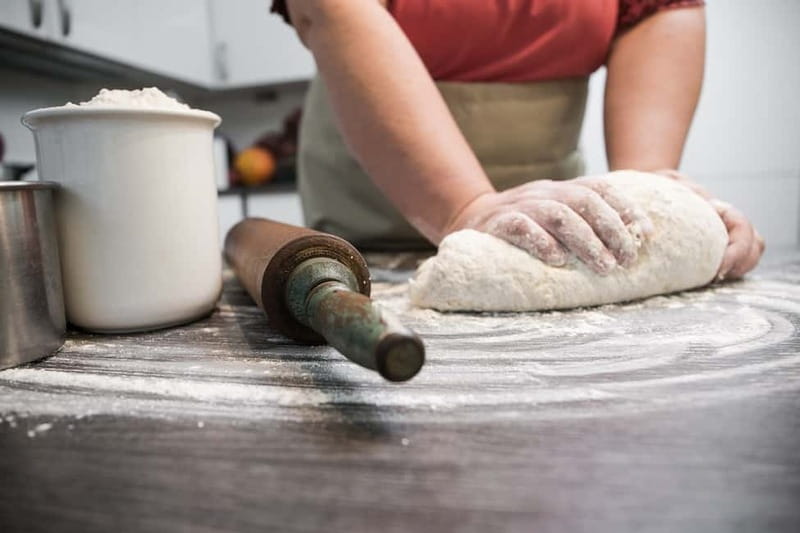
The cooking is the headline, but the guide can shape the whole evening. Francesca was praised for explaining the origins of Pizza Margherita, discussing local ingredients, and making sure everyone felt included. Lucia was described as warm, patient, and especially good at answering questions.
Sabrina brought strong English and a lively understanding of local attitudes toward pizza. Federica kept one group together by asking questions and translating the chef’s instructions. Dora was also singled out for helping make the session enjoyable.
These details matter because the chef may communicate mainly in Italian. Translation is not an afterthought here. It is part of the experience, and the guide helps connect the technical demonstration with the local context.
The quality of that partnership can also vary slightly from one class to another. You may have a chatty guide and an animated chef, or a quieter chef who communicates mostly through demonstration. The teaching still works because pizza is visual and physical, but you should not expect every session to have the same personality.
Small Groups and Personal Workstations
Group size is one of the strongest practical advantages. The experience offers small-group and private options, and one particularly comfortable class had only four people.
A small group gives you more direct help with kneading and stretching. It also makes it easier to ask questions without stopping the whole room. If you are traveling with family or friends, a private booking may be worth considering for the extra control and shared atmosphere.
The individual workstation is just as important. You are not standing behind someone else while they make the dough. You handle your own portion, and the instructor can see exactly where you need help.
Families can enjoy this setup, including teenagers who take pizza seriously. The activity is also suitable for beginners because cooking experience is not required. One session accommodated a food intolerance, though you should communicate dietary needs when booking rather than relying on a last-minute adjustment.
The class is offered in English and Italian. Because meeting points may vary by the option booked, check the exact starting location and time on your confirmation. The activity ends back at the meeting point, and the stated duration is two hours.
Is $67.19 a Fair Price?
At $67.19 per person, this is more expensive than simply ordering pizza in Naples. You are paying for food, instruction, a personal workstation, drinks, dessert, translation, and access to a working pizzeria with a World Pizza Championship connection.
The value is strongest if you want participation. A standard meal gives you a Margherita and a drink, but this class adds the dough lesson, shaping practice, the sweet course, limoncello, and a digital recipe for home.
It is also a reasonable use of two hours, particularly on a rainy afternoon or during your first days in Naples when you want an easy introduction to local food. You finish with a full meal rather than leaving hungry for a second restaurant stop.
The price is less attractive if you only want to eat pizza or already have substantial baking experience. You may know many of the basic steps, and the short proving time limits the science you can study. For most first-time pizza makers, though, the personal instruction makes the cost easier to justify.
Free cancellation up to 24 hours in advance and reserve-now, pay-later terms add useful flexibility. Starting times vary, so check availability before planning the rest of your day.
Who Should Book This Experience?
I would recommend this class to first-time visitors who want a meal and an activity in one. It gives you a taste of Naples through ingredients, technique, language, and local food customs without requiring a full day away from the city.
It suits families particularly well. Teenagers can work with their hands, adults get a genuine cooking lesson, and everyone sits down to eat afterward. Couples and friends will also enjoy the relaxed social side, especially if you choose a small group.
It is a good fit for curious beginners, not just confident cooks. The instructors demonstrate each step, and the chef can help when your dough does not behave.
You may want another type of class if you are looking for detailed fermentation science, several pizza styles, or a broad menu of dishes. This experience focuses on one central idea: making classic Neapolitan pizza properly, then showing what else the dough can do.
Tips for Getting the Most From the Class
Arrive on time. A participant who was a few minutes late received considerate help, but arriving promptly gives you the full dough demonstration and keeps the group moving.
Wear something comfortable and practical. You will knead, shape, stretch, and top dough, so this is not a sit-down tasting. Also, avoid scheduling a large dinner immediately afterward because the Margherita, fried dough, drink, and limoncello make a substantial meal.
Ask questions during the shaping stage. That is where small corrections have the biggest effect, and the guide can translate directly for the pizzaiolo.
Save the digital recipe when it arrives. The class gives you a useful home reference, and the recipe can help you repeat the process even without a wood-fired oven. Your home result will not be identical, but you will understand the dough much better.
Finally, treat the imperfect pizza as part of the lesson. A slightly uneven circle still tastes good, and you will remember the technique more clearly because you had to perform it yourself.
Should You Book the Naples Pizza-Making Class?
Book it if you want to do more than order pizza. The combination of a World Champion pizzeria, individual workstations, small groups, skilled pizzaioli, warm English-speaking guides, a full meal, and limoncello makes this a strong Naples food experience.
The main limitation is the two-hour format. You will learn the key techniques, but not the full slow fermentation process used in a longer baking course. The fried dough dessert may also feel heavy after your pizza.
For most visitors, those are minor trade-offs. At $67.19, you get instruction, dinner, drinks, dessert, and a recipe you can use at home. If you have two free hours and want a practical taste of Neapolitan food culture, I would book it.
FAQ
How long does the Naples pizza-making class last?
The class lasts two hours. Starting times vary, so check availability for the date you want.
How much does the experience cost?
The listed price is $67.19 per person.
Where does the class take place?
It takes place in a Neapolitan pizzeria in Campania associated with the 2017 World Pizza Championship. The exact meeting point may vary depending on the option booked.
What languages are offered?
Instruction and guiding are available in English and Italian.
Do I need cooking experience?
No cooking experience is required. The pizzaiolo demonstrates each stage, and the guide helps explain the instructions.
What will I make during the class?
You make a traditional Neapolitan Margherita pizza from dough prepared with water, flour, salt, and yeast. You also make sweet fried dough bites filled with chocolate spread.
What food and drinks are included?
The experience includes your savory pizza, the sweet dough dessert, water, one glass of wine or beer, and limoncello.
Is the class private or shared?
You can choose a private or small-group option. Individual workstations are provided, and some groups may be as small as four people.
Can I cancel the booking?
You can cancel up to 24 hours in advance for a full refund. Reserve-now, pay-later booking is also available.
Recently added around Naples
- Vesuvius National Park Skip-the-Line Ticket★ 3.8 · 221 reviews
- Naples: The Holy Mile 3-Hour Guided Tour★ 4.9 · 711 reviews
- Pompeii and Vesuvius Full-Day Tour from Amalfi Coast★ 4.4 · 319 reviews
- From Naples: Pompeii & Herculaneum with Archaeologist Guide★ 4.8 · 665 reviews
- From Naples: Pompeii and Herculaneum Tour with Lunch★ 4.3 · 444 reviews
- From Naples: Pompeii Guided Tour with Skip-the-Line Tickets★ 4.8 · 1,171 reviews
- Naples: Day Trip to Pompeii and Capri★ 4.4 · 272 reviews
- From Naples: Pompeii & Amalfi Coast Full-Day Trip★ 4.5 · 279 reviews
Cooking Classes, compared.
3 in 1 Cooking Class near Navona: Fettuccine, Ravioli & Tiramisu
Read our review →
Florence Pizza or Pasta Class with Gelato Making at a Tuscan Farm
Read our review →
Pasta & Tiramisu Cooking Class with Unlimited Wine
Read our review →
Pizza-Making Workshop with Drink and Appetizer
Read our review →
Pasta & Tiramisu Class with Fine Wine by the Vatican
Read our review →
Cooking Class and Lunch at a Tuscan Farmhouse with Local Market Tour from Florence
Read our review →Browse the lists this tour appears in