
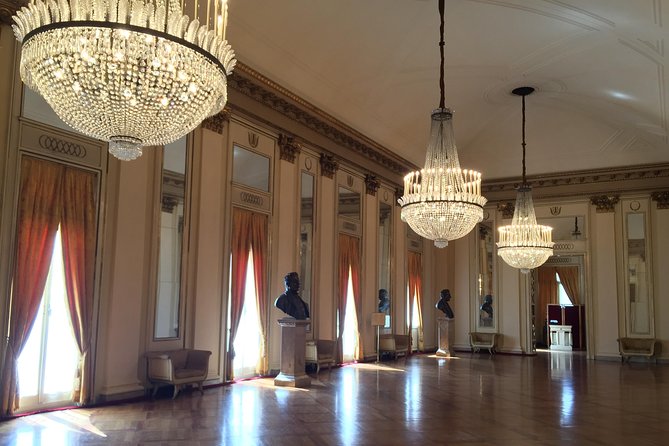
Reviewed · MUSEUMS
La Scala Theatre and Museum guided experience
Opera does not get more Milanese than this. La Scala offers a close look at one of the world’s best-known theaters, with an English-speaking guide explaining its building, performances, composers, singers, and backstage work. I like the small groups of no more than 15 and the central meeting point at the museum. I also like that the tour can include views into the theater, stage rehearsals, and even an opera box when conditions allow.
The main catch is important: rehearsals and private events can limit the visit to the museum. Some departures have also felt shorter than the advertised 90 minutes, so you should book this for the stories and setting, not as a guaranteed full theater walk-through.
In This Review
- Key points to know before booking
- Why La Scala matters in Milan
- Meeting at the Teatro alla Scala Museum
- Inside the Museo Teatrale alla Scala
- Seeing the theater, boxes, and stage
- What the 90-minute format feels like
- The guide makes or breaks the experience
- Is the $56.84 price fair?
- Who should book this La Scala tour?
- Practical advice for choosing your departure
- Final verdict: should you book it?
- FAQ
- Where does the La Scala Theatre and Museum tour begin?
- Where does the tour end?
- How long does the experience last?
- Is the tour offered in English?
- Will I definitely enter the La Scala theater?
- How many people can join the group?
Key points to know before booking
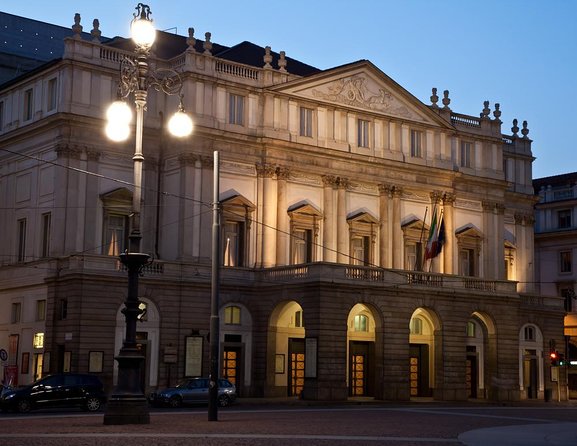
- La Scala opened in 1778: The theater was designed by Giuseppe Piermarini and remains one of Milan’s defining cultural landmarks.
- The theater interior is not guaranteed: Rehearsals, performances, and private events may restrict the tour to the museum.
- English guidance adds real value: Guides such as Giorgio, Maria, Simone, Lorella, Lara, and others have brought the composers, singers, and theater traditions to life.
- Groups are capped at 15 people: That gives you a better chance to ask questions than on a large coach tour.
- A private upgrade is available: This suits couples or families wanting a more personal pace and extended conversation.
- Book ahead when possible: The experience is often reserved about 35 days before the visit.
Why La Scala matters in Milan
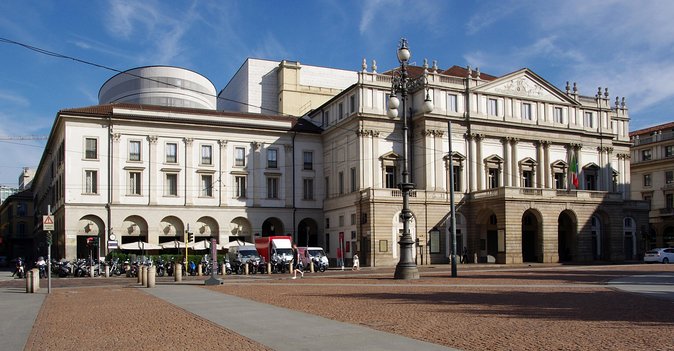
La Scala is not simply a pretty opera house. It is part of Milan’s identity, and the theater has helped shape the city’s place in European music and performance.
Giuseppe Piermarini designed the building, which opened in 1778. That date gives the visit useful context. You are not just admiring gilt details and red seating. You are looking at a theater built in the 18th century that has continued to operate as a major performance venue.
The guide connects the building to the people who made it famous. That can include composers, singers, conductors, performances, and the practical work needed to put an opera or ballet on stage. Even if you cannot name a single opera, the visit gives you a clear sense of why La Scala carries such weight.
I especially like this approach for Milan. The city has plenty of grand architecture, but La Scala offers a different kind of story. Its importance comes from what happened inside the building, not just from its exterior appearance.
More Museum Tours in Milan
- Milan: Science and Technology Leonardo da Vinci Museum Entry
★ 4.5 · 7,169 reviews - Official San Siro Stadium and Museum Guided Tour
★ 4.4 · 3,573 reviews - Milan: Leonardo3 The World of Leonardo Museum Entry Ticket
★ 4.4 · 3,241 reviews
Meeting at the Teatro alla Scala Museum
The tour begins at the Museo Teatrale alla Scala, Largo Antonio Ghiringhelli 1, in central Milan. The activity ends at the same point, which makes the plan easy to fit around other sightseeing.
The meeting location is near public transportation, so you do not need a hotel transfer or a complicated pickup arrangement. You are responsible for reaching the museum yourself, and food, drinks, and gratuities are not included.
Allow a little extra time to find the entrance and settle in. A central location is convenient, but central Milan can still be busy, and rushing into a timed experience is no way to start a visit built around music and theater.
The tour is offered in English. If you care about the quality of the explanation, this matters more than it might at a simple monument. La Scala is full of names, traditions, and technical terms, and a good guide turns those details into a story you can follow.
Inside the Museo Teatrale alla Scala
The museum is the reliable part of the experience. Even when the theater itself is closed for rehearsal or a private event, the museum can remain available.
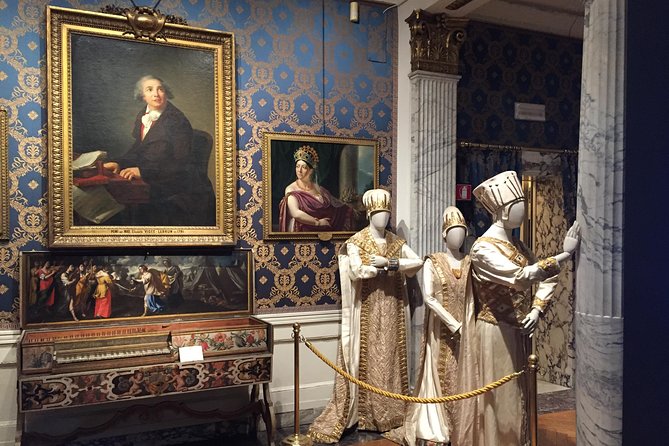
You can expect the guide to use the museum’s objects and displays to explain La Scala’s past and the people connected with it. The focus is not limited to architecture. Guides have discussed performers, composers, productions, the operation of the building, and the behind-the-scenes work involved in staging opera and ballet.
That broader approach is useful. A museum visit on your own may give you attractive objects and labels, but a guide can explain why they matter. The best guides use stories to connect a singer or composer to the theater, then link that person to Milan’s cultural life.
This is also where the experience works for people who are not opera experts. You do not need to know Wagner, Verdi, or the details of Italian theater customs in advance. The guide can provide the basic framework, then add the details that make the visit memorable.
One guide, Maria, was praised for bringing composers and singers to life through her stories. Another guide, Lara, kept an English-speaking group engaged for the full 90 minutes without relying on notes. Those details point to what you should want from this tour: not a recital of dates, but a lively explanation that makes the objects and names easier to understand.
Seeing the theater, boxes, and stage
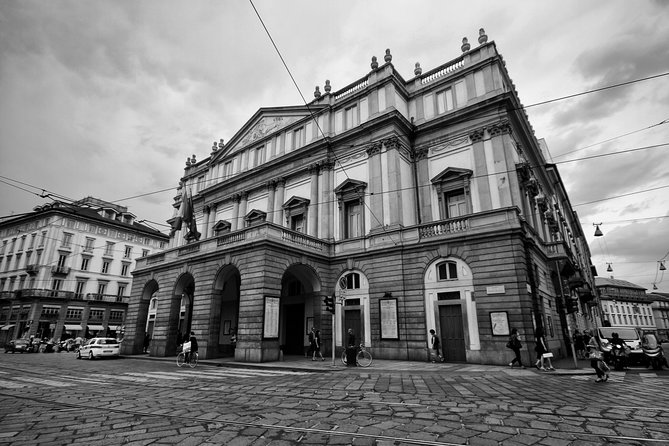
The theater portion is the most exciting possibility, but it is also the least certain part.
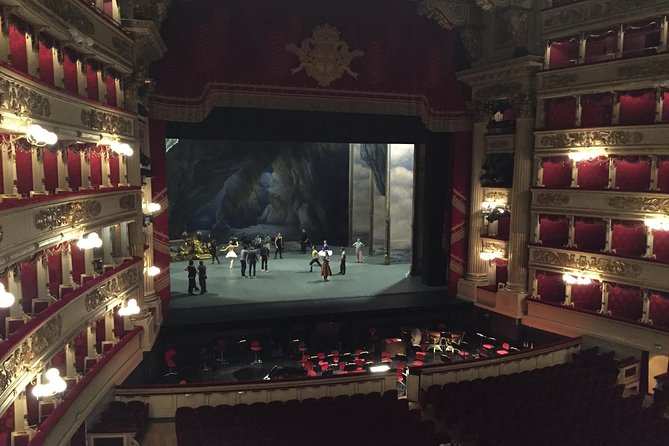
When access is available, you might see the auditorium, take photographs, and view one of the opera boxes. A late afternoon departure allowed one group to enter a box before the theater closed, while morning visits have sometimes offered a chance to watch stage practice.
Rehearsal access can be a wonderful bonus. Watching the stage being prepared for a Wagner opera gives you a glimpse of the working theater rather than a polished public performance. You may see or hear some of the practical activity behind an opera, including the setup that makes the final production possible.
That access depends entirely on the theater’s schedule. The official condition is clear: rehearsals and private events can restrict the experience to the museum only. In that case, you should not expect access to the auditorium, stage, or boxes.
This is the point where expectations matter. If your main goal is to sit inside the famous auditorium and photograph the red-and-gold interior, you may feel disappointed if the museum is the only available area. If your goal is to understand La Scala and its role in opera, the museum visit can still be worthwhile.
The acoustic side of the theater has also impressed people on the tour. A guide may explain how the hall operates and how sound works in the performance space. That gives the visit more substance than simply looking around and taking a few photographs.
Still Milan, but a slower afternoon:
- Milan: Cathedral and Duomo’s Terraces Entrance Ticket
★ 4.6 · 61,054 reviews - Milan: Da Vinci’s Last Supper Guided Tour
★ 4.7 · 10,143 reviews - Milan: City Sightseeing Hop-On Hop-Off Bus with Audio Guide
★ 4.0 · 6,256 reviews - Milan Cathedral: Duomo Terraces Ticket (No Church Access)
★ 4.6 · 6,111 reviews
What the 90-minute format feels like
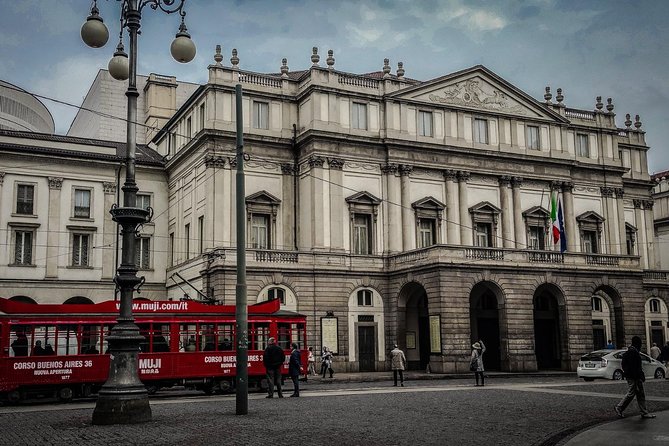
The stated duration is about 1 hour and 30 minutes. That is long enough for a proper explanation, but short enough to fit into a day of sightseeing in Milan.
A good 90-minute tour should give you time to look, listen, and ask a few questions. The small group helps here. With no more than 15 people, the guide can respond to individual interests, and you are less likely to be lost in a crowd.
The pace can vary. One departure reportedly finished after about 70 minutes, while another group wished for more time because the theater closed at 5 p.m. This may depend on access, closing times, rehearsals, and the guide’s approach.
I would choose your departure with the theater schedule in mind. Morning visits have sometimes coincided with stage practice. A late afternoon tour may work well if the theater is open, but it can also leave less time before closing.
From 10 participants onward, headphones are provided. That is useful in a theater setting, where sound can carry unevenly and a guide may be speaking from a distance. In a smaller group, you may be close enough to hear comfortably without them.
The guide makes or breaks the experience
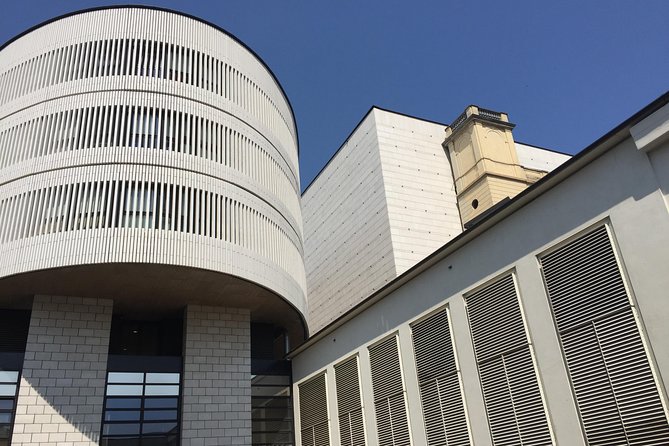
This is a guide-led experience, so the person holding the tour matters a great deal.
The strongest guides have been praised for their passion, storytelling, patience, and command of the theater’s past. Giorgio, for example, was described as punctual and especially strong at explaining the building, its details, and the rehearsal taking place during the visit. Simone has been praised for making the history of La Scala and the surrounding area easy to follow.
Lorella also received strong praise for giving a thorough explanation of how the building operates. Other guides, including Maria, Lara, and Anne, were remembered for clear English and engaging stories.
That said, guide quality can vary. One poor experience involved a guide who seemed unprepared and unsure of the material. That was an isolated negative assessment within an otherwise strong response, but it is worth keeping in mind. No guided tour is better than the person leading it.
The overall rating is 4.6 from 664 reviews, with 90 percent recommending the experience. Those figures suggest a dependable tour, not a perfect one. You should expect a good chance of an excellent guide, while accepting that the presentation may not be equally strong every time.
Is the $56.84 price fair?
At $56.84 per person, this is not the cheapest cultural stop in Milan. You are paying for admission, a licensed English-speaking guide, and a small-group format rather than museum entry alone.
I think the price is fair when theater access is available and the guide gives the place a full explanation. The value increases if you see a rehearsal, enter an opera box, or get useful answers about the stage, acoustics, and performers.
The price is harder to justify if you receive only a brief museum visit. That does not make the experience poor, but it changes what you are buying. In that case, the guide and the museum collection carry most of the value.
Group discounts may be available, and you can upgrade to a private tour. A private visit costs more, but it may suit you if you care about asking many questions, keeping a relaxed pace, or focusing on a particular composer or period.
For a couple who loves opera, the private option could be a memorable splurge. For most people, the small-group tour offers the better balance.
Who should book this La Scala tour?
You should consider it if you enjoy:
- Opera, ballet, music, or theater history
- Famous buildings with a working cultural purpose
- Guided storytelling rather than a self-guided museum visit
- Small groups and the chance to ask questions
- Seeing how a performance venue functions behind the curtain
You do not need specialist music knowledge. Several guides have made the subject accessible to people who simply wanted to understand why La Scala matters.
Families and mixed-interest groups can also find value here, especially if one person loves opera and others are curious about Milan. The guide’s stories about performers, productions, and stage work can give the visit a wider appeal.
I would be more cautious if you need guaranteed access to the auditorium. The theater can be closed to tours, and the visit may then be limited to the museum.
Practical advice for choosing your departure
Try to book well ahead. The experience is often reserved about 35 days in advance, which suggests that popular dates can fill before your Milan trip is fully planned.
Choose a morning departure if the possibility of seeing stage practice appeals to you. This is not guaranteed, but morning visits have allowed some people to see rehearsals.
Choose late afternoon only after checking the timing carefully. One group entered an opera box at 4 p.m., but the theater closed at 5 p.m. A late start may work perfectly, or it may leave you wishing for more time.
Plan to meet at the museum rather than expecting hotel pickup. The meeting point is central and near public transportation, and the tour returns there at the end.
You can cancel for a full refund if you do so at least 24 hours before the scheduled start time. Changes made within 24 hours are not accepted, and late cancellations are not refunded. The experience also requires a minimum number of participants, so a cancellation by the operator can result in another date, another experience, or a full refund.
Final verdict: should you book it?
I would book the La Scala Theatre and Museum guided experience if you want context, stories, and a better understanding of Milan’s opera tradition. The small group, central meeting point, English guide, and strong record of guide quality make it a sensible choice at $56.84.
Book it with realistic expectations. Theater access is subject to rehearsals and private events, and the full 90 minutes is not guaranteed at every departure. If you can accept that uncertainty, the museum and guide still offer a rewarding visit, especially when the guide is as strong as Giorgio, Maria, Simone, Lorella, or Lara.
If seeing the auditorium is your one essential goal, confirm the access conditions before paying. If you want to understand what happens on and behind the stage, this tour is a good use of part of your Milan day.
FAQ
Where does the La Scala Theatre and Museum tour begin?
It begins at the Teatro alla Scala Museum, Largo Antonio Ghiringhelli 1, 20121 Milan, Italy.
Where does the tour end?
The activity ends back at the meeting point at the La Scala Museum.
How long does the experience last?
The advertised duration is approximately 1 hour and 30 minutes.
Is the tour offered in English?
Yes. The experience is offered in English and includes a licensed tour guide.
Will I definitely enter the La Scala theater?
No. Rehearsals and private events can limit the visit to the museum only. When access is available, the visit may include parts of the theater, an opera box, photographs, or a view of stage practice.
How many people can join the group?
The tour has a maximum of 15 participants. Headphones are provided when the group reaches 10 participants.
Recently added around Milan
- Milan: Wine Lovers Experience at Cantina Urbana Winery★ 4.6 · 454 reviews
- From Milan: Verona and Lake Garda Guided Day Trip★ 4.6 · 236 reviews
- From Milan: Day Trip to Venice with Guided City Tour★ 4.4 · 614 reviews
- Verona and Lake Garda Day Trip from Milan★ 4.5 · 214 reviews
- Venice Day Trip from Milan with Guided City Tour★ 4.0 · 383 reviews
- Full-day Skip-The-Line Milan, The Last Supper and Duomo Cathedral★ 5.0 · 293 reviews
- Small-Group Lake Como & Lugano by Swiss Train + Boat Cruise★ 5.0 · 1,084 reviews
- Transfer Milan City Centre – Bergamo Airport★ 4.5 · 975 reviews
Museums, compared.
Vatican Museums & Sistine Chapel Tour with Optional Basilica
Read our review →
Vatican Museums, Sistine Chapel & St Peter’s Basilica Guided Tour
Read our review →
Skip-The-Line Uffizi Gallery Timed Entry Ticket
Read our review →
Vatican Museums, Sistine Chapel & Basilica Tour
Read our review →
Vatican Museums & Sistine Chapel Skip-the-Line Entry Ticket
Read our review →Vatican Museums, Sistine Chapel & Basilica Tour
Read our review →
Vatican Museums & Sistine Chapel Guided Tour
Read our review →Browse the lists this tour appears in