Reviewed · TOURS
From Tuscany Carrara: Marble Quarries Tour by Jeep
Carrara’s mountains are made of working marble. This 2.5-hour jeep tour takes you up steep quarry roads, into an underground excavation site, and through the Colonnata Valley, where ancient craft still shapes daily life. I like the close look at active quarries and the way guides connect the stone to the Pantheon, Trajan’s Column, and Renaissance sculpture. I also like the Lardo di Colonnata tasting, a small but memorable local finish. The main drawback is the rough, dusty ride, which is not suitable for pregnant women, people with back problems, or wheelchair users.
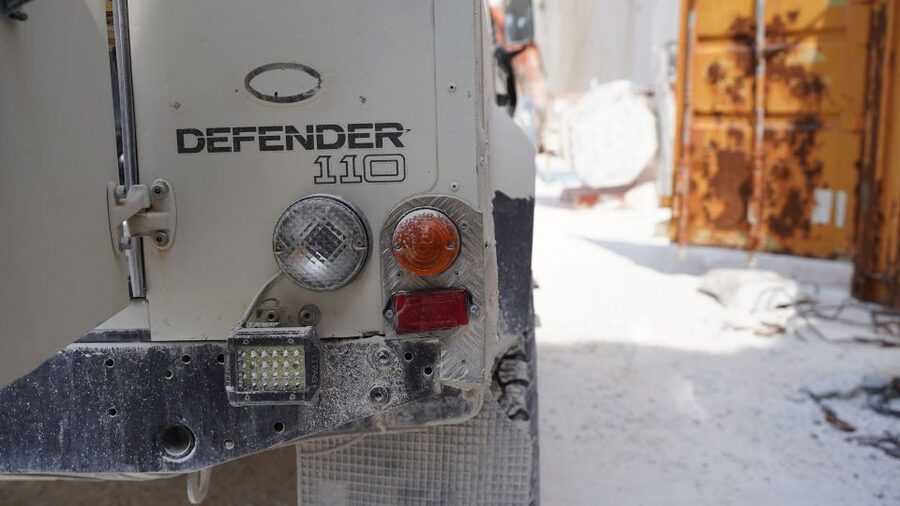
This is not a polished sightseeing loop from a comfortable coach. You ride in a Defender or similar 4×4 because ordinary cars cannot handle the hairpin bends and steep mountain roads. Guides such as Luca, Lucca, and Marco have earned praise for clear explanations, patient driving, and making time for photographs. Bring water, wear practical shoes, and expect quarry dust inside the vehicle.
In This Review
- Key points to know before booking
- Why Carrara’s marble quarries matter
- Meeting at the marble obelisk
- The 4×4 climb into the Colonnata Valley
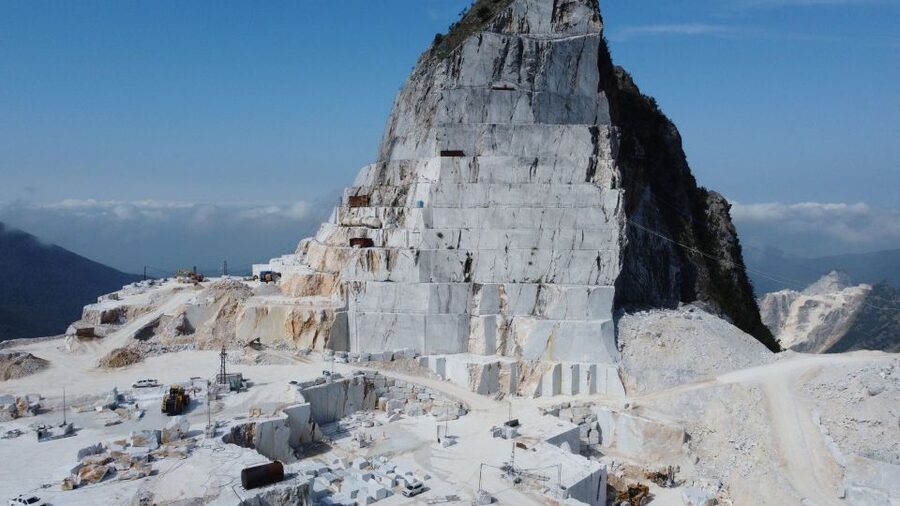
- Open quarries and the white cuts in the mountain
- Inside the underground marble quarry
- Colonnata and the lardo tasting
- How the 2.5-hour schedule works
- What the price includes at $78.17
- Who will enjoy this quarry tour most
- A few practical tips for a better ride
- Should you book the Carrara marble jeep tour?
- FAQ
- How long does the Carrara marble quarries tour last?
- Where does the tour begin?
- How can I reach the meeting point from Carrara Avenza Train Station?
- What languages are available?
- Is the Lardo di Colonnata tasting included?
- What should I bring?
- Is the tour suitable for everyone?
Key points to know before booking
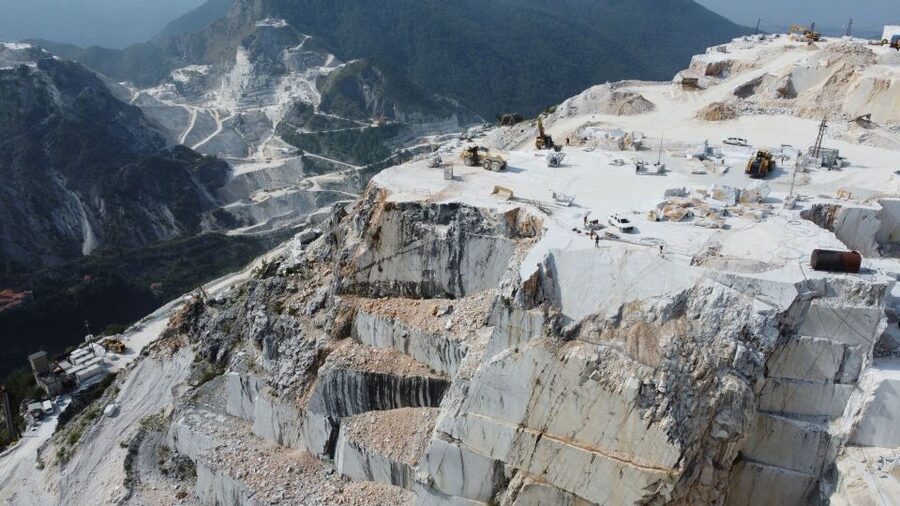
- A working mountain, not a museum: You see active quarry areas, machinery, excavation sites, and the scars cut into Carrara’s slopes.
- The underground section is the star: The tour includes a unique marble cave reached through a tunnel more than one kilometer long, according to tour feedback.
- History reaches back to Ancient Rome: The same marble region supplied stone for the Pantheon and Trajan’s Column, as well as Renaissance sculpture.
- Colonnata adds a tasty local stop: You try Lardo di Colonnata IGP, pork fat cured in marble basins.
- The 4×4 is essential: Winding roads, steep climbs, and hairpin turns explain why this is a jeep tour rather than a standard minibus outing.
- Plan for a short, focused visit: The tour lasts 2.5 hours, with about 1.5 hours assigned to the Colonnata visit and guided quarry experience.
Why Carrara’s marble quarries matter

Carrara marble is not simply a pretty white stone sold in Italian shops. It has supplied towns and cities across Italy for more than 2,000 years. When you see the mountains cut open, you begin to understand the scale of that work.
The white quarry faces look almost unnatural against the darker rock. They are the result of generations of extraction, first by hand and later with heavy machinery and modern cutting methods. Your guide explains how the stone is removed, shaped, and moved from the mountain toward its final use.
The Roman connection gives the outing real weight. Marble from this area was used in the Pantheon and Trajan’s Column. Later, Renaissance artists selected Carrara marble for major sculptures. One stop points toward the mountain area associated with marble chosen by Michelangelo, adding a human story to what might otherwise feel like a lesson about mining.
I appreciate that the tour deals with both the past and the present. You are not looking only at old quarry marks. You also see active work areas and the machines involved in a trade that continues today.
Other ways to spend a day in Italy:
- Vatican: Museums & Sistine Chapel Entrance Ticket
★ 4.5 · 144,003 reviews - Vatican Museums & Sistine Chapel Tour with Optional Basilica
★ 4.3 · 67,413 reviews - Colosseum, Roman Forum & Palatine Guided Tour
★ 4.7 · 63,148 reviews
Meeting at the marble obelisk
The tour begins at Stadio dei Marmi, at 4 Olimpionici Azzurri. Look near the marble obelisk in front of the stadium and the bus stop for a Defender with an orange sign.
That detail matters because the meeting point is not described as a large visitor center. You need to arrive alert and look for the correct vehicle. From Carrara Avenza Train Station, the journey takes about 10 minutes. Local buses L51, L52, L53, L54, and L70 travel in the direction of Carrara Ospedale.
If you arrive by car, the guide will help you park. The tour returns to the same meeting point, which makes it easier to fit into a short visit to Carrara or a larger day in northern Tuscany.
One small point could be improved: a clear introduction at the start would help. One person felt they were asked into the vehicle and driven away before getting a proper explanation of the plan. I would arrive a few minutes early and ask the guide to confirm the route, quarry stops, underground visit, and tasting before setting off.
The 4×4 climb into the Colonnata Valley
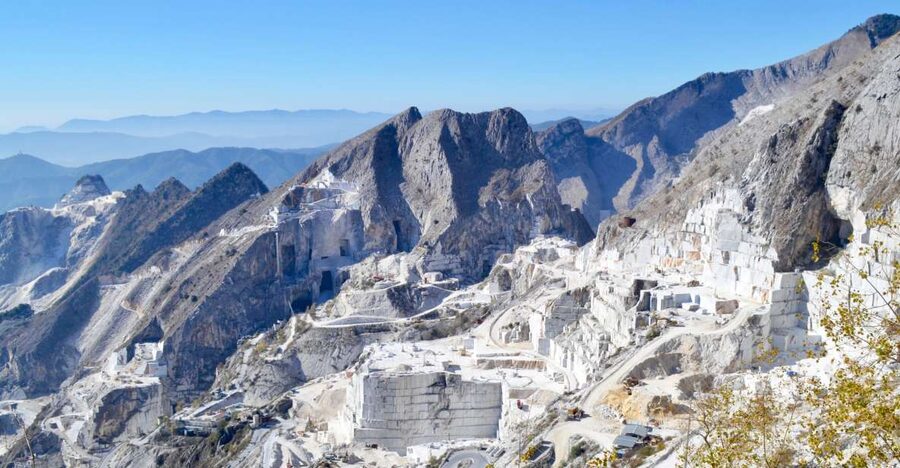
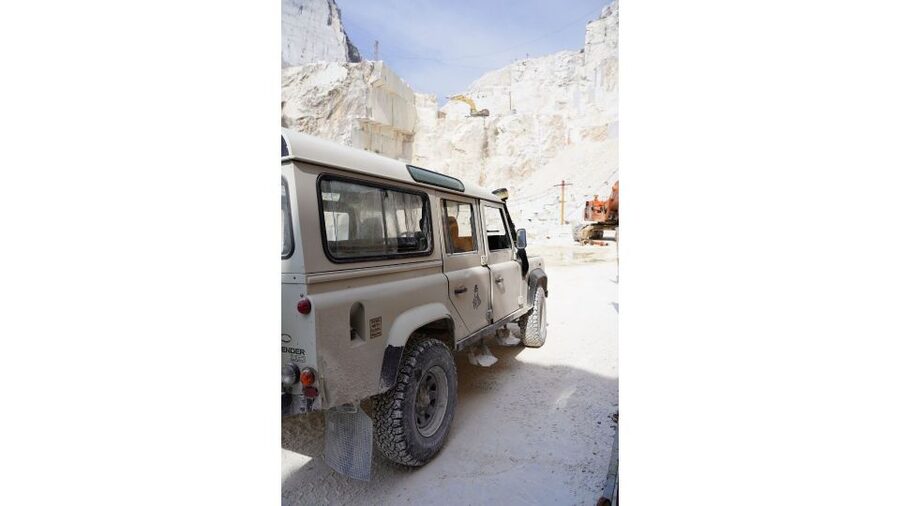
The jeep ride is the tour’s practical backbone. The road winds into the Colonnata Valley, climbing toward quarries as high as 1,000 meters above sea level. This is where the vehicle earns its keep.
Expect bends, inclines, and narrow mountain roads. The ride can be exciting, but it is not ideal for anyone who needs a smooth trip. The tour specifically excludes pregnant women, people with back problems, and wheelchair users. If you are sensitive to jolts or confined vehicle seating, consider that carefully before booking.
The reward is access. A normal car would not take you into these quarry areas, and a large bus would have trouble with the turns. The 4×4 gets you close to the extraction sites and lets you see the mountain from several angles.
The guides receive especially strong praise for driving safely while explaining the route. Lucca was singled out for handling steep inclines and hairpin turns with care. Marco was also praised for taking his time, answering questions, and stopping at good viewpoints.
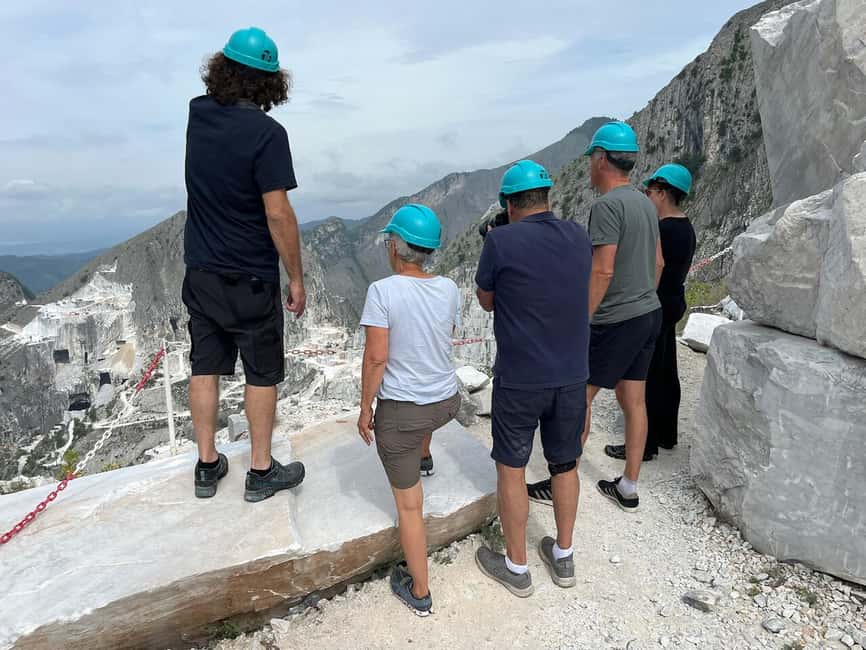
Photography is a major part of the experience. The guides are willing to pause while you take pictures, particularly at the high points above the valleys. Keep your phone or camera ready, but do not let the views distract you from where you are stepping.
Open quarries and the white cuts in the mountain
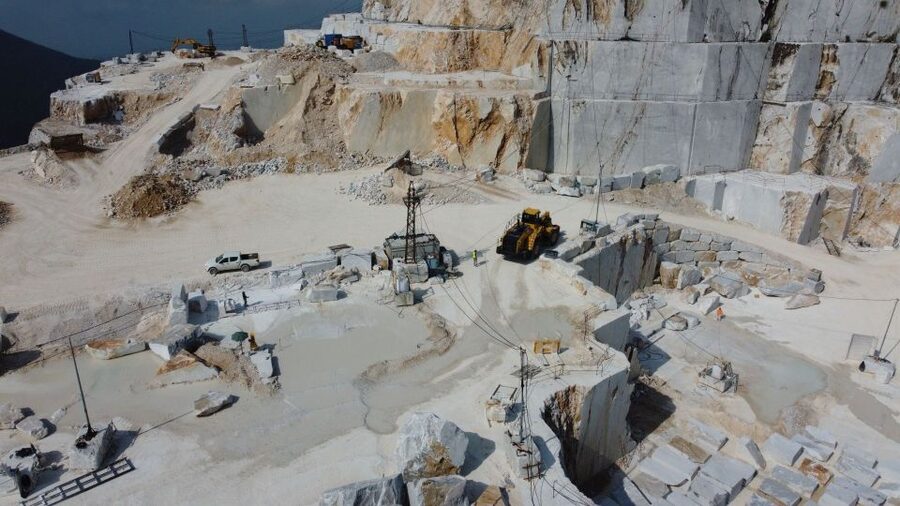
The first major quarry experience is outdoors. From a terraced quarry in the Miseglia Valley, you can take panoramic photographs before continuing toward the underground section.
This is the moment when Carrara’s scale becomes clear. The mountain is not just white in isolated patches. Vast pale cuts run through the slopes, showing where marble has been removed over many generations. The description of these quarry faces as white wounds is apt, though the real impression comes from their size and position high above the valley.
Your guide explains the old excavation methods and modern techniques. You learn about the people, machinery, and routines behind the stone. That makes the view more useful than a simple photo stop. You leave with an understanding of how the marble is reached and why the work requires such specialized equipment.
I like this part because it keeps the experience grounded. You are not being shown a finished slab in a showroom. You are looking at the source, the roads, the machines, and the difficult mountain setting that shaped the industry.
The setting can also look stark. If you expect green Tuscan hills, vineyards, and medieval villages, this is a different side of the region. The Carrara mountains are dramatic because they are industrial and rugged, not because they are untouched.
Still Italy, but a slower afternoon:
- Milan: Cathedral and Duomo’s Terraces Entrance Ticket
★ 4.6 · 61,054 reviews - Venice: Doge’s Palace Reserved Entry Ticket
★ 4.6 · 42,716 reviews - Vatican Museums, Sistine Chapel & St Peter’s Basilica Guided Tour
★ 4.5 · 39,149 reviews - Rome: Colosseum, Palatine Hill and Roman Forum Guided Tour
★ 4.8 · 32,814 reviews
Inside the underground marble quarry
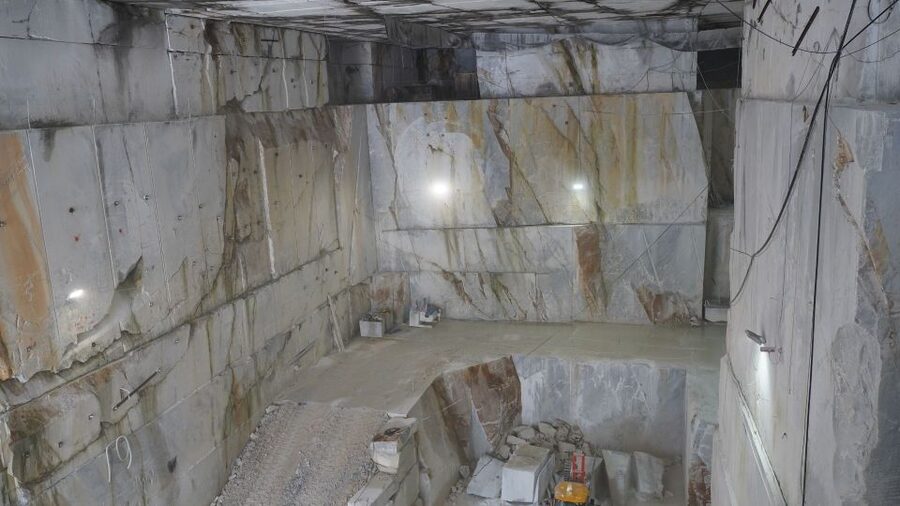
The underground quarry is the most unusual stop. The tour takes you inside a marble cave, with access through a tunnel reported by one participant as more than one kilometer long.
Here you see how underground extraction differs from open quarrying. The enclosed space lets you get closer to the working areas and machinery. It also gives you a sense of how much stone has been removed from inside the mountain, rather than only from its exposed face.
The underground portion is valuable because it turns an abstract explanation into something physical. You can see the walls, the cut surfaces, and the working environment. It is a behind-the-scenes look at an industry that most people encounter only through finished buildings and sculpture.
The tour is not presented as a technical engineering course, so the amount of detail will depend on your guide and your questions. Guides Luca, Lucca, and Marco are praised for giving clear explanations in English and Italian. One German-speaking group received its tour in German, but the listed operating languages are English and Italian, so do not assume another language will always be available.
The cave may feel dusty and industrial rather than tidy. That is part of its character, but it is also why you should wear clothes and shoes you do not mind getting dirty. One complaint concerned dust and the cleanliness of the jeep interior. The operator could improve the experience with more frequent vacuuming, though some quarry dust is hard to avoid.
Colonnata and the lardo tasting
The food stop is brief, about 10 minutes, but it gives the tour a local finish. You taste Lardo di Colonnata IGP, a traditional product made from pork fat and cured in marble basins.
The marble connection is more than a clever souvenir story. The product is cured in the same region whose stone is being quarried around you. After a morning or afternoon focused on mining, the tasting shows another way local people have used the material and resources of the valley.
Lardo is soft, rich, and distinctly different from ordinary sliced meat. If you prefer lean foods, you may find it heavy. Still, the portion is a tasting rather than a full meal, and it offers a chance to try a protected Italian specialty you may not find in the same form elsewhere.
Do not count on the tasting to replace lunch. Water is not included, and the tour information specifically tells you to bring your own. I would carry a bottle before leaving the meeting point, especially on a warm day.
How the 2.5-hour schedule works
The total duration is 2.5 hours. The route begins with the 4×4 transfer from the stadium, continues through the Colonnata area, includes about 1.5 hours for the guided visit and photo opportunities, then moves to the tasting before returning.
The schedule is compact enough to fit around other plans. You do not need to give up a full day in Carrara, and the return to Stadio dei Marmi makes onward travel straightforward. At the same time, the short duration means the tour focuses on selected quarry sites rather than covering every part of the mountain range.
The final vehicle movements are short, with a brief transfer to the tasting and another ride back to the stadium. The exact starting time varies, so check the available departure times when booking. If you are connecting with a train or another tour, leave extra time rather than relying on a tight connection.
Bad weather does not automatically cancel the outing. The tour operates in poor weather as long as conditions remain safe. That is useful in changeable Tuscan weather, but it also means you should dress for exposure, wet roads, and a potentially muddy vehicle.
What the price includes at $78.17
At $78.17 per person, this is not the cheapest way to see Carrara, but the value is reasonable if you want access beyond ordinary road viewpoints.
The price covers the 4×4 tour, a local expert guide, and the Lardo di Colonnata IGP tasting. You are paying for transport on roads that are not practical for standard vehicles, interpretation at active quarry sites, and access to an underground quarry.
The strongest value comes from the guide. Without explanations, the white mountain faces and machinery would still be impressive, but you would miss the connection between Roman building, Renaissance sculpture, old hand methods, and present-day excavation.
The tour is less suitable if you only want a quick panorama or a gentle ride. You can get more from the price if you are curious about stone, engineering, local food, or the working life of a mountain community. Reserve now and pay later is available, and cancellation is free up to 24 hours before departure, which helps if your Tuscan plans are still shifting.
Who will enjoy this quarry tour most
I would recommend it to anyone who wants to see a working side of Tuscany. It suits people interested in art, Roman history, sculpture, mining, photography, and regional food.
It is also a good choice for visitors who have already seen the classic Tuscan towns and want something different. Carrara offers no polite postcard version of the countryside here. You get steep roads, industrial machinery, mountain cuts, and an old trade still operating in the present.
Families with older children may find the jeep ride and underground quarry memorable, though the rough route deserves consideration. The tour is not suitable for wheelchair users, pregnant women, or people with back problems.
You should also be comfortable with a short, active excursion in a dusty setting. Bring water and practical footwear. If you are hoping for a long meal, a luxury vehicle, or a carefully polished attraction, this is probably not the right fit.
A few practical tips for a better ride
- Arrive at the marble obelisk with enough time to identify the Defender and orange sign.
- Bring water, since it is not included.
- Wear shoes suited to uneven, dusty surroundings.
- Keep a light jacket available for the underground section and changing mountain weather.
- Ask for the full route before departure if you want to understand the timing.
- Bring a camera, and tell the guide if you need time for photographs.
- Avoid booking if back pain, pregnancy, or wheelchair access is a concern.
- Do not plan the tasting as a substitute for a full meal.
Should you book the Carrara marble jeep tour?
Book it if you want more than a view from the roadside. The combination of open quarry terraces, steep 4×4 roads, an underground marble site, Roman and Renaissance connections, and Lardo di Colonnata makes this a strong half-day experience.
I especially like that the tour shows marble as a living trade, not just an artistic material from the past. Guides such as Luca, Lucca, and Marco add much of the value through safe driving, patient photo stops, and clear explanations.
Skip it if you need a smooth, accessible ride or dislike dust and industrial settings. For most physically able visitors with an interest in how places really work, the $78.17 price is fair, and the underground quarry is reason enough to consider booking.
FAQ
How long does the Carrara marble quarries tour last?
The tour lasts 2.5 hours. The Colonnata guided visit and photo stop take about 1.5 hours, followed by a short food tasting and the return to the meeting point.
Where does the tour begin?
It begins at Stadio dei Marmi, 4 Olimpionici Azzurri, near the marble obelisk in front of the stadium and the bus stop. Look for a Defender with an orange sign.
How can I reach the meeting point from Carrara Avenza Train Station?
The meeting point is about 10 minutes from Carrara Avenza Train Station. Buses L51, L52, L53, L54, and L70 travel in the direction of Carrara Ospedale.
What languages are available?
The live tour guide is available in English and Italian.
Is the Lardo di Colonnata tasting included?
Yes. The tour includes a tasting of Lardo di Colonnata IGP, pork fat cured in marble basins.
What should I bring?
Bring water. It is not included in the tour price. Practical shoes and clothing suitable for dust and changing weather are also sensible.
Is the tour suitable for everyone?
No. It is not suitable for pregnant women, people with back problems, or wheelchair users. The tour operates in bad weather only when conditions are considered safe.
Recently added around Italy
- Florence Uffizi Gallery monolingual Small Group Tour★ 4.0 · 621 reviews
- Florence Private Walking tour with Skip-the-line to Accademia★ 4.5 · 236 reviews
- Uffizi Gallery Entrance Ticket with Priority Access★ 3.5 · 1,029 reviews
- Florence Skip-the-Line Duomo Tour with Guide & Brunelleschi Dome★ 5.0 · 1,176 reviews
- Skip-the-Line Accademia Guided Visit: David Secrets and Beyond★ 4.0 · 525 reviews
- Priority Entrance : Florence Accademia Gallery Timely Tickets★ 4.0 · 603 reviews
- Skip the line : David Guided Experience★ 4.5 · 1,076 reviews
- Private Tour in Siena, San Gimignano and Chianti Day Trip from Florence★ 5.0 · 405 reviews
Tours, compared.
Vatican Museums & Sistine Chapel Tour with Optional Basilica
Read our review →
Colosseum, Roman Forum & Palatine Guided Tour
Read our review →
Vatican Museums, Sistine Chapel & St Peter’s Basilica Guided Tour
Read our review →
Colosseum, Palatine Hill and Roman Forum Guided Tour
Read our review →
Guided Tour of Colosseum, Roman Forum & Palatine Hill
Read our review →
Colosseum, Roman Forum and Palatine Hill Guided Tour
Read our review →
Naples Underground Entry Ticket and Guided Tour
Read our review →