
Reviewed · TRAIN EXPERIENCES
From Milan: Venice and Verona Full-Day Tour by Train
Two Italian icons, one long day. This 13.5-hour train tour links Verona and Venice from Milan, giving you a useful first look at both cities without changing hotels or planning complicated rail connections yourself. I like the smart route through Verona first, then Venice, and I like having a tour leader to keep the day moving.
I also appreciate the mix of guided orientation and free time. Guides such as Gaia, Chiara, Laura, Hajar, Luca, and Amato have been praised for clear explanations, friendly help, and good timing. The catch is simple: this is a fast, walking-heavy day, and some people logged more than 20,000 steps.
In This Review
- Key points at a glance
- What this Milan to Venice and Verona day is really like
- Verona first: Romeo, river views, and a medieval castle
- The journey to Venice and the shift in pace
- Saint Mark’s Square and Venice’s famous sights
- What the tour leader adds
- Trains, timing, and the real cost of convenience
- Walking demands and who should book
- Booking flexibility and small practical details
- Should you book this Verona and Venice tour?
- FAQ
- Where does the tour start?
- Where does the tour end?
- How long does the experience last?
- Are train tickets included?
- Is hotel pickup included?
- What languages does the tour leader speak?
- Is food included?
- Is the tour suitable for people with limited mobility?
Key points at a glance
- Two famous cities in one day: Visit Verona and Venice from Milan, with train travel and city walks arranged for you.
- Verona comes first: See Juliet’s balcony, the Adige riverfront, Ponte Scaliero, and medieval Castelvecchio.
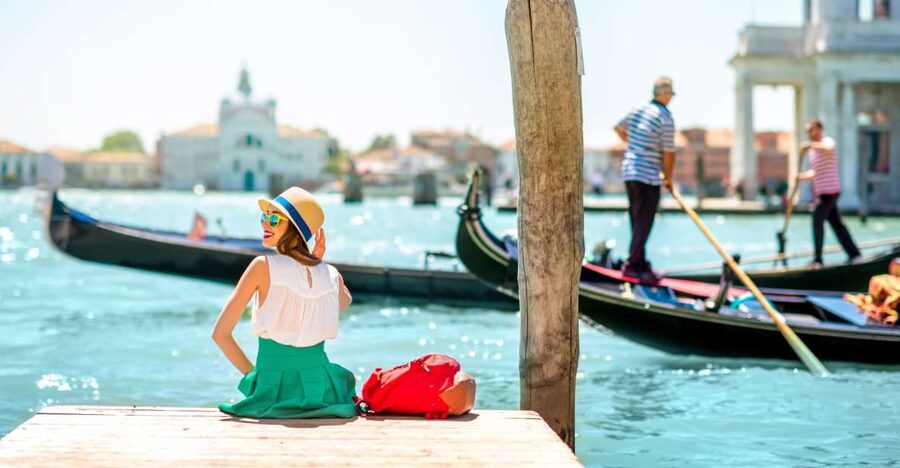
- Venice highlights included: Walk through Saint Mark’s Square, see the Basilica from the outside area, and reach the Bridge of Sighs.
- Free time matters: You get time to shop, take photos, eat, or arrange an optional gondola ride.
- A guide keeps the day practical: The bilingual leader speaks English and Spanish and helps with meeting points, timing, and orientation.
- Bring stamina and snacks: Long train rides, substantial walking, and a full schedule make comfortable shoes and water essential.
What this Milan to Venice and Verona day is really like
This is not a relaxed sightseeing day with long lunches and quiet museum visits. It is a carefully packed introduction to two major Italian cities, built for someone who wants to see a lot in limited time.
You meet at Milan Central Station, in front of Terrazza Gallia restaurant. When you exit at Piazza Duca d’Aosta, the restaurant is on the right. That detail matters because Milan Central Station is large, and a few extra minutes can save you a stressful start.
The day begins early. You travel out of Milan by train, crossing Lombardy toward Verona. Depending on the season and operating arrangements, some transportation between cities may be by bus rather than train, so check the current details when booking.
The overall travel time is substantial. One rail segment is listed at about two and a half hours, the Verona to Venice connection at around an hour and a half, and the return to Milan at roughly two and a half hours. That is a lot of sitting, but it also gives you a pleasant view of the Italian countryside and a break between walking periods.
A few more Milan bookings to compare
- Bernina Red Train, Swiss Alps & St Moritz From Milan
★ 5.0 · 2,954 reviews - Swiss Alps Bernina Red Train and St.Moritz Tour from Milan
★ 4.5 · 2,369 reviews - Sorrento: Skip-the-Line Pompeii Express Tour by Train
★ 4.8 · 2,038 reviews
Verona first: Romeo, river views, and a medieval castle
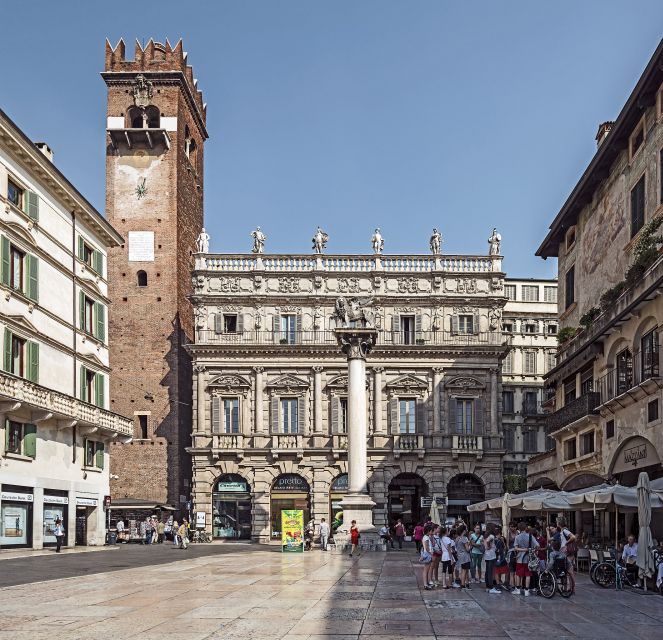
Verona is the gentler opening act. It has a more manageable historic center than Venice, and its streets, bridges, and squares give you a quick taste of northern Italy without the water traffic and maze-like lanes that come later.
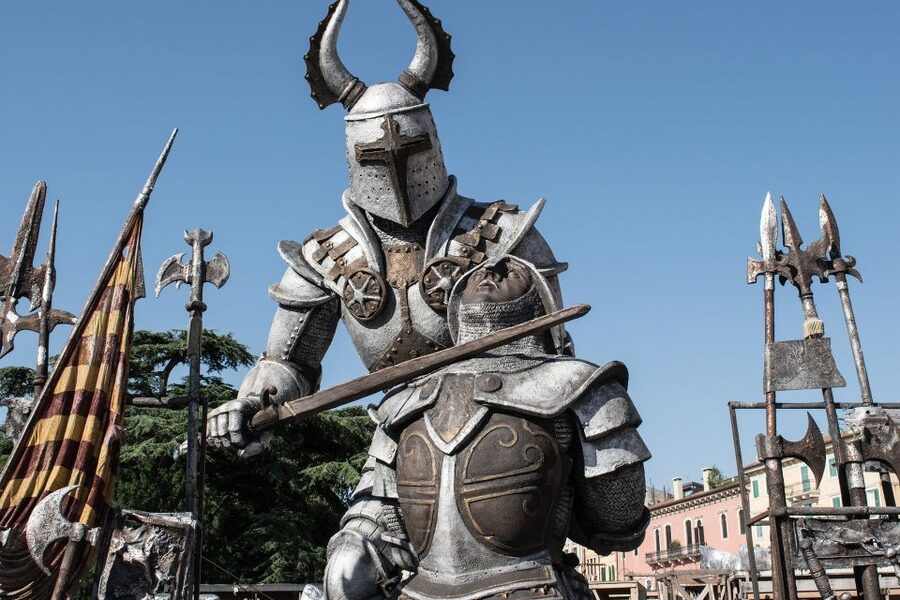
The city is best known to many visitors as the setting for Shakespeare’s Romeo and Juliet. Juliet’s balcony is one of the main stops. You can see the courtyard and take photographs, but keep your expectations sensible: this is a literary attraction tied to a fictional story, not a verified home connected to a real romance.
The tour also takes you along the River Adige. The river bends through Verona, creating attractive views of old walls, bridges, and buildings. A walk beside it helps you understand the city’s shape better than simply ticking off a square on a map.
Ponte Scaliero, also called the Scaliger Bridge, is another strong stop. Its brick arches and defensive appearance connect directly with Verona’s medieval past. It leads toward Castelvecchio, a castle built during Verona’s golden age. You may not have time for a full museum visit, but seeing the castle and bridge together gives the area real context.
The Verona portion lasts about two hours and twenty minutes. That is enough for a guided walk and some independent exploring, but it is also the part most likely to feel short. If Verona appeals to you more than Venice, you may wish the schedule gave it another hour.
Use your free moments wisely. You might look at the route beforehand and choose one priority, such as Juliet’s balcony, Castelvecchio, or a quick stop for food. Trying to do everything can turn this pleasant city walk into a race.
The journey to Venice and the shift in pace
After Verona, you continue toward Venice. The train or bus connection is not just a transfer. It is a useful pause after the first walking section, and it gives you time to rest your feet, eat a snack, and review what you want to see in Venice.
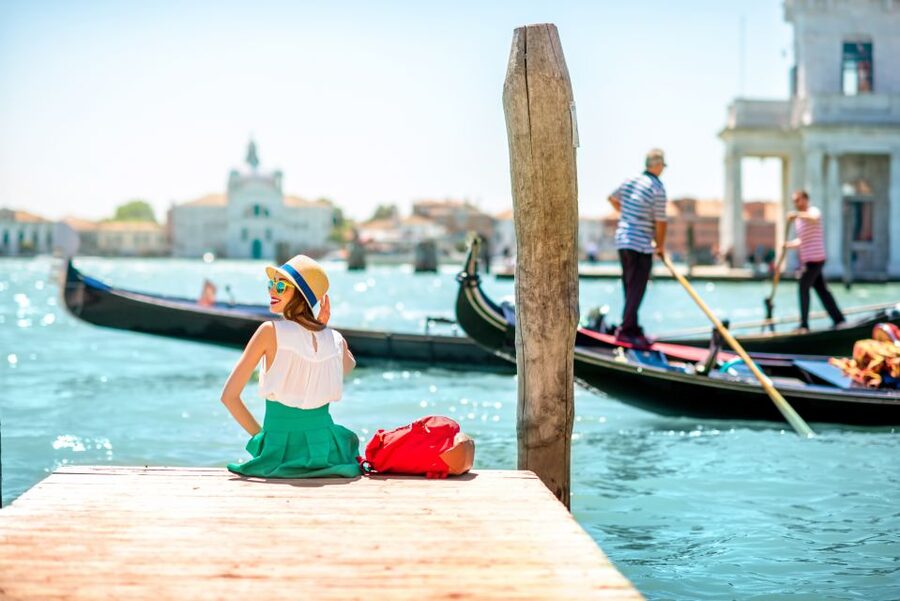
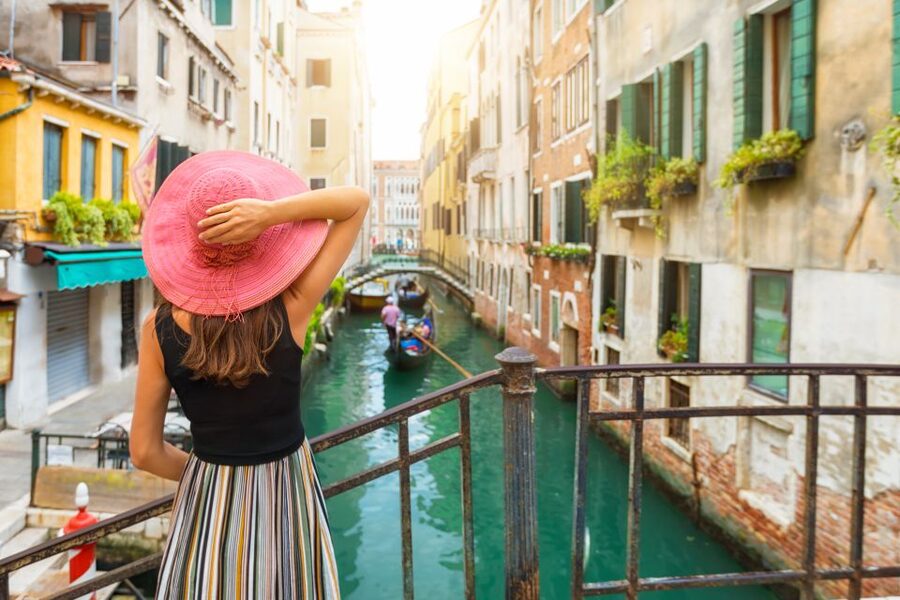
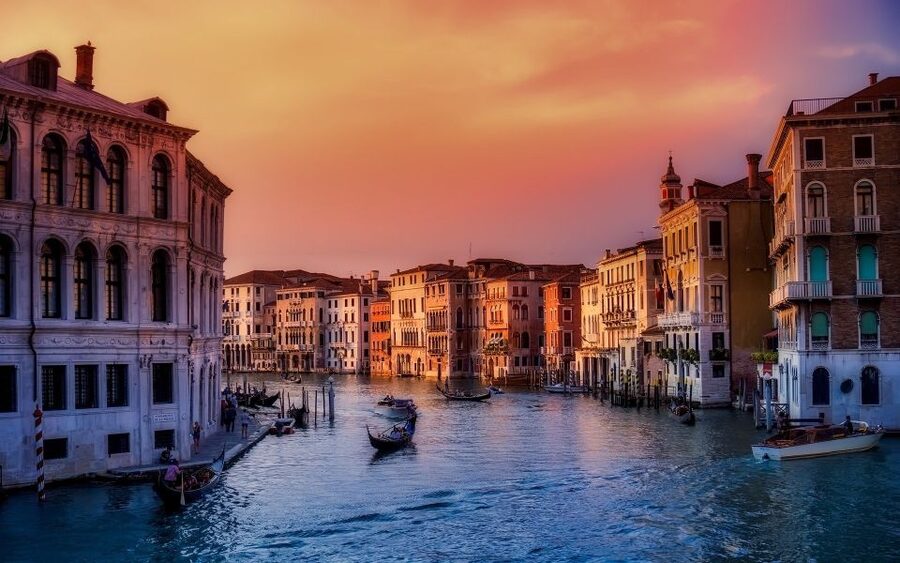
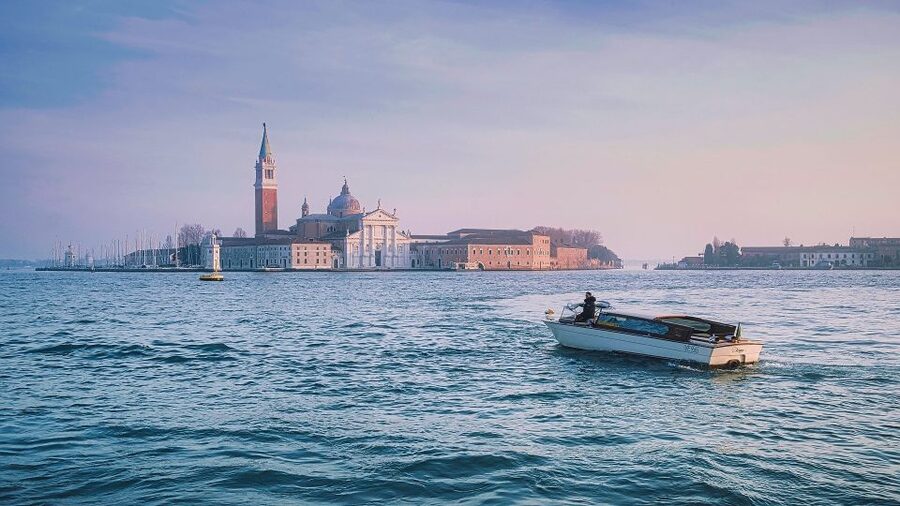
The trip arrives in a completely different setting. Venice sits on a lagoon beside the Adriatic Sea, and its historic center is shaped by canals, bridges, narrow lanes, and open squares rather than ordinary streets. The change from Verona’s riverfront and castle to Venice’s waterways is one of the pleasures of doing both on the same day.
The Venice visit lasts about two and a half hours, including walking around the center and time in Piazza San Marco. That sounds reasonable until you remember that reaching the main sights involves plenty of walking and pauses for photographs.
The city can feel confusing, especially on a first visit. This is where the tour leader earns the fee. Several guides have been praised for keeping the group together, explaining local history, giving directions, and helping people find their way through Venice’s maze. One guide, Mike, even helped organize gondola rides at short notice for people who wanted them.
A gondola ride is not listed as included, so treat it as an optional extra rather than part of the basic plan. If you want one, ask the guide early and keep enough time for the return meeting point.
Saint Mark’s Square and Venice’s famous sights
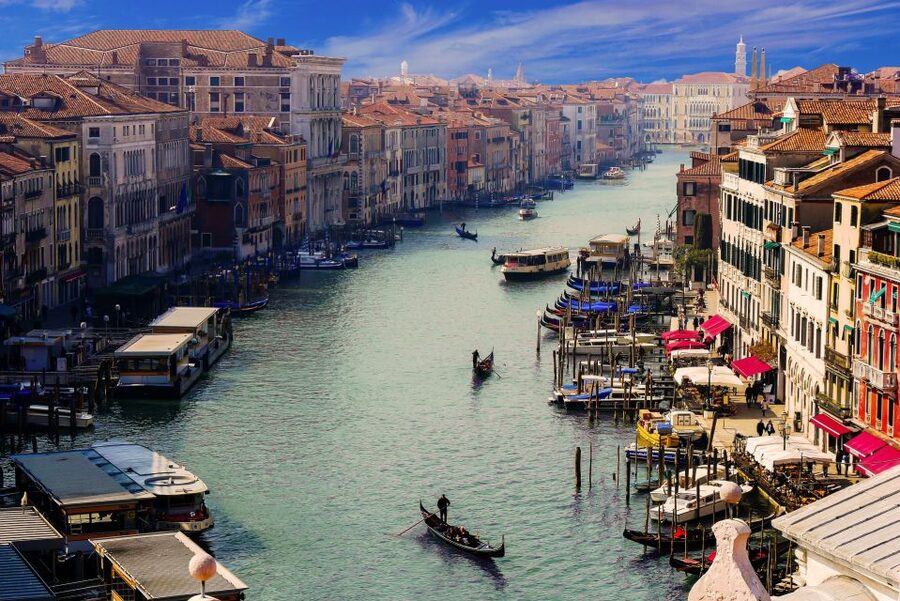
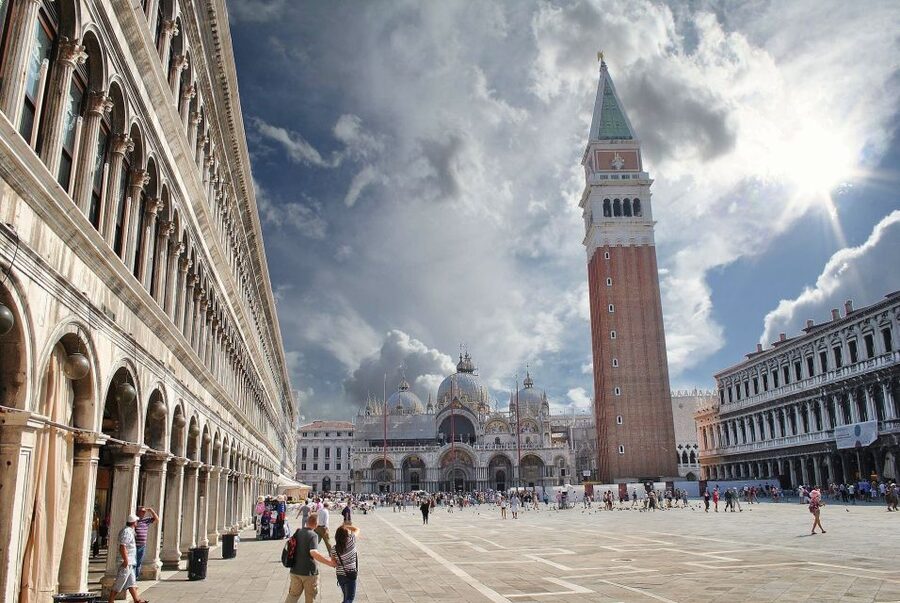
Piazza San Marco is the visual center of the Venice visit. The square brings together several of the city’s best-known buildings and gives you the classic first impression of Venice: open paving, elaborate architecture, and water nearby.
The tour includes the Basilica of Saint Mark. The information provided does not promise an interior visit or skip-the-line entry, so plan on seeing the basilica as part of the exterior walk unless your guide explains otherwise on the day.
You also visit the Bridge of Sighs. Its name comes from the old story that prisoners sighed as they looked at Venice through the bridge’s small windows on their way to prison. The bridge is compact and easy to miss on your own, so having a guide point it out adds value.
You get free time in Venice after the main orientation. This is a good arrangement because no guide can make every narrow lane and canal meaningful in only a few hours. You can choose to browse for souvenirs, take pictures, find food, or simply sit and watch the city go by.
Do not waste all your free time chasing distant sights. Venice is easy to underestimate on a map. A short-looking route can take much longer when bridges, crowds, canal crossings, and wrong turns enter the picture. Stay close to the agreed meeting area unless your guide gives you a firm return plan.
One practical warning is especially useful: use the exact meeting point given by your guide, not a loosely matching result on Google Maps. One person ended up at the wrong location after searching for Saint Mark’s Square rather than San Marco. In Venice, a small naming mistake can become a long walk.
Still Milan, but a slower afternoon:
- Milan: Cathedral and Duomo’s Terraces Entrance Ticket
★ 4.6 · 61,054 reviews - Milan: Da Vinci’s Last Supper Guided Tour
★ 4.7 · 10,143 reviews - Milan: Science and Technology Leonardo da Vinci Museum Entry
★ 4.5 · 7,169 reviews - Milan: City Sightseeing Hop-On Hop-Off Bus with Audio Guide
★ 4.0 · 6,256 reviews
What the tour leader adds
This experience includes a bilingual tour leader in English and Spanish, not a fully guided city tour with museum entry or detailed commentary at every monument.
That distinction is important. You are paying for transport, group coordination, historical explanation, and city orientation. You are not paying for private guiding or a deep visit inside the Basilica or Castelvecchio.
The strongest part of the service is practical help. Guides have been praised for checking that people are all right, answering questions, recommending places to eat, and adjusting explanations to the group. Gaia received especially warm praise for making the day enjoyable and adding more than an hour of walking commentary in Venice. Chiara was also singled out for historical stories, myths, and food suggestions.
Other named guides, including Laura, Hajar, Heger, Keira, Luca, Amato, and Mike, have received positive comments for friendliness, patience, organization, and clear English. That suggests the guide can make a major difference to your day, though the exact person depends on the departure.
Because English and Spanish are handled at the same time, explanations may take a little longer than on a single-language tour. Still, the bilingual format is useful if your group includes both language communities.
Trains, timing, and the real cost of convenience
At $180.12 per person, this is not the cheapest way to see Verona and Venice. You could potentially arrange rail travel yourself for less, especially if you book well ahead and are comfortable comparing schedules, finding platforms, and navigating each city without help.
The value comes from reducing the work. Train tickets are included, a leader accompanies you, and you do not have to build a multi-city route from scratch. For a first visit to Milan, or for anyone with only one free day, that convenience can justify the price.
The day is also efficient in a way that independent travel may not be. You see major sights in both cities and return to Milan the same evening. The tradeoff is time. You pay with long transfers and short city visits.
The transportation itself has generally been described as clean, comfortable, and punctual, but conditions can vary. One useful tip is to bring layers because trains may feel cold. Pack water and snacks, since food and drinks are not included and the schedule does not leave room for a leisurely meal in every location.
The return journey begins in the early afternoon according to the provided schedule, followed by the trip back to Milan. The exact timing can change, so check availability for the departure hour and allow the entire day for the activity.
Walking demands and who should book
You need good walking shoes. The route includes station transfers, city streets, bridges, riverfront paths, and Venice’s uneven connections between squares and canals.
The tour is not recommended for people with limited mobility, back problems, or mobility impairments. That is not a minor warning. The combination of long transfers and city walking can be tiring even when the weather is kind.
Rain can make the day harder, but it does not necessarily ruin it. One guide and group continued sightseeing through wet weather, seeing both cities despite the conditions. Still, a light rain jacket and shoes with good grip would be sensible additions to the required water and comfortable footwear.
I would recommend this for:
- First-time visitors based in Milan
- People who want a broad introduction rather than a slow, detailed visit
- Couples and families who value an organized day
- Solo visitors who prefer help with trains and navigation
- Anyone fit enough for a full day on foot
I would think twice if you prefer long museum visits, leisurely meals, or several days in each city. Venice alone deserves more time, and Verona can easily fill a full day for people interested in its architecture and Roman and medieval layers.
Booking flexibility and small practical details
The tour allows cancellation up to 24 hours before departure for a full refund. You can also reserve now and pay later, which helps if your Milan plans are still moving around.
The activity ends back at the starting point near Terrazza Gallia. There is no hotel pickup or drop-off, so you must reach Milan Central Station on your own.
Wear shoes you can trust for many hours. Bring water, snacks, and a light extra layer for the train. Before leaving Milan, save the meeting point and the guide’s contact details if provided. At the end of the day, stay alert for instructions, especially in Venice, where similar-sounding names can send you in the wrong direction.
Should you book this Verona and Venice tour?
Book it if your priority is seeing both cities in one organized day from Milan. The route is ambitious but useful, and the strongest guides add history, humor, food tips, and practical care that make a demanding schedule easier.
Skip it if you want a slow, intimate Venice visit or if long walks and several hours of transport sound unpleasant. At $180.12, the price makes most sense when you value convenience and expert orientation more than maximum free time.
For the right person, this is a memorable overview: Verona’s bridges and castle in the morning, Venice’s canals and Saint Mark’s Square later, then back to Milan without managing the logistics yourself.
FAQ
Where does the tour start?
The meeting point is Milan Central Station, in front of Terrazza Gallia restaurant. It is on the right when you exit from Piazza Duca d’Aosta station.
Where does the tour end?
The activity ends back at the same meeting point near Terrazza Gallia.
How long does the experience last?
The full activity lasts about 13.5 hours. Check availability for the exact starting time.
Are train tickets included?
Yes. Train tickets are included in the tour price.
Is hotel pickup included?
No. Hotel pickup and drop-off are not included. You must reach Milan Central Station yourself.
What languages does the tour leader speak?
The live tour leader speaks English and Spanish. The tour is conducted bilingually in both languages.
Is food included?
No. Food and drinks are not included. Bring water and consider packing snacks for the long day.
Is the tour suitable for people with limited mobility?
No. The activity is not recommended for people with limited mobility, back problems, or mobility impairments because of the long walking distances and several hours of transport.
Recently added around Milan
- Milan: City Highlights Walking Tour with The Last Supper★ 4.9 · 195 reviews
- Milan: The Milan Pass City Card★ 4.0 · 655 reviews
- Milan: Skip-the-Line Guided Walk and “The Last Supper”★ 4.5 · 606 reviews
- Milan: Duomo & Rooftop Tour with Optional Hop-On Hop-Off Bus★ 4.5 · 262 reviews
- Milan: Duomo and The Last Supper Skip-the-Line Guided Tour
- Milan: Leonardo’s Last Supper and Michelangelo’s Pietà Tour★ 4.6 · 559 reviews
- Milan: Sforza Castle and Michelangelo’s Pietà Rondanini Tour★ 4.7 · 1,119 reviews
- Milan: San Sepolcro Crypt Skip-the-Line Entry Ticket★ 4.2 · 512 reviews
Train Experiences, compared.
Bernina Red Train, Swiss Alps & St Moritz From Milan
Read our review →
Swiss Alps Bernina Red Train and St.Moritz Tour from Milan
Read our review →
Rome to Pompeii Guided Tour with Wine & Lunch by High Speed Train
Read our review →
Guided tour of Pompeii skip-the-line and round-trip train
Read our review →
Pompeii Tour with Wine and Lunch by High Speed Train
Read our review →Browse the lists this tour appears in