
Reviewed · COOKING CLASSES
Culurgiones Cooking Class Cagliari
Pasta can tell Sardinia’s story. This three-hour Cagliari class turns culurgiones, Sardinia’s plump, hand-sealed dumplings, into a meal and a cultural lesson. I like the use of local durum wheat flour, potatoes, mint, and cheese, and I like that you do the important work yourself, from mixing dough to pinching each dumpling closed.
The shared lunch is another strong point, with fresh culurgiones, Sardinian cheese, vegetable appetizers, wine, and myrtle liqueur. The main consideration is the filling: everyone seasons and shapes pasta together, but the finished dumplings are mixed for the group. If you are not fond of cheese, you may find the meal less flexible than the otherwise warm and generous experience suggests.
In This Review
- Key points to know before booking
- Why culurgiones are worth learning in Cagliari
- Arriving at 11:00 at Via Cettigne
- Mixing Sardinian dough from local flour
- Making the potato, mint, and cheese filling
- Learning the culurgiones seal
- Setting the table and sitting down together
- Eating the culurgiones you made
- Finishing with Sardinian mirto
- The hosts and the teaching style
- What the $96.79 price includes
- Who will enjoy this class most
- My practical verdict for Cagliari
- FAQ
- Where does the culurgiones cooking class meet?
- What time does the class start?
- How long does the experience last?
- Is lunch included?
- Is the class offered in English?
- How many people can join the class?
- What is the minimum age?
Key points to know before booking
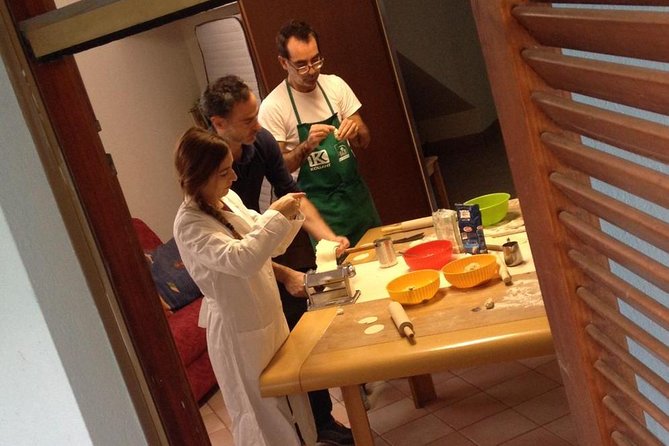
- You learn the signature culurgiones seal: The hands-on folding is the class’s main skill, and patient guidance helps beginners improve quickly.
- The ingredients are local: Sardinian durum wheat flour, potatoes, mint, and cheese connect the meal to the island’s food traditions.
- Lunch is part of the lesson: You eat the pasta you helped prepare, alongside cheese, vegetable appetizers, local wine, and mirto.
- The group is small: A maximum of eight people allows for personal help at the table.
- The setting is home-based: The class takes place at Via Cettigne 20 in Cagliari, creating a relaxed, social meal rather than a formal cooking-school session.
- Book ahead: The experience is often reserved about 42 days in advance, so last-minute availability may be limited.
Why culurgiones are worth learning in Cagliari
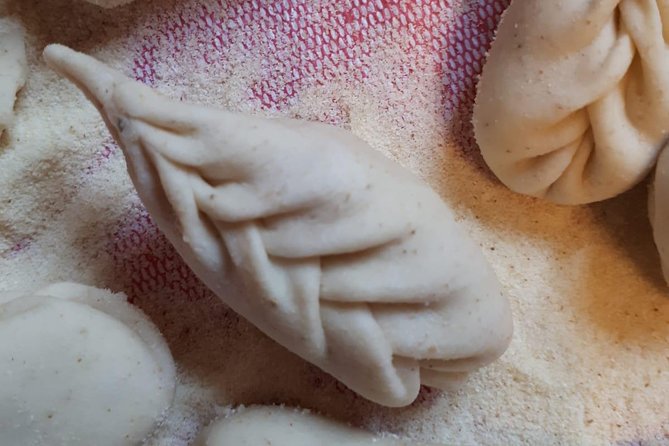
Culurgiones are not ordinary ravioli. They are filled pasta dumplings, traditionally associated with Sardinia, with a distinctive braided or ear-of-wheat style seal along the edge. That seal is both practical and decorative, and it takes a little practice to make neatly.
I like this class because it does not treat the pasta as a quick demonstration. You prepare the dough, work on the filling, and practice closing each dumpling by hand. The goal is not just to eat Sardinian food. You leave with a better sense of how a family meal comes together.
The story behind the class is just as useful as the recipe. Sardinian mothers traditionally spent much of the day preparing handmade pasta while potatoes boiled and tomato sauce cooked. This session recreates that rhythm in a shorter form, giving you a taste of the work and sociability tied to a Sunday lunch.
That matters because culurgiones are connected to more than ingredients. The food reflects time, patience, family cooperation, and the habit of making enough to share. You can understand a place faster when you sit at its table, especially when the meal comes from the same work you just completed.
More Cooking Classes in Sardinia:
- Florence: Pasta Cooking Class with Unlimited Wine
★ 4.9 · 10,285 reviews - 3 in 1 Cooking Class near Navona: Fettuccine, Ravioli & Tiramisu
★ 5.0 · 7,376 reviews - Florence Pizza or Pasta Class with Gelato Making at a Tuscan Farm
★ 5.0 · 6,801 reviews
Arriving at 11:00 at Via Cettigne
The class begins at 11:00 am at Via Cettigne, 20, 09129 Cagliari. It ends at the same meeting point, so you do not need to arrange a separate pickup location at the end.
The address is near public transportation. If you are coming from Cagliari’s port, the class has also been described as roughly a 10-minute taxi ride away, and some people have enjoyed walking from the port. The exact ease of that walk depends on your pace, luggage, and the day’s heat, so a taxi is the more practical choice if you are on a cruise schedule.
The timing suits a long lunch. You begin before midday, spend about three hours preparing and eating, and finish in time for the rest of your afternoon in Cagliari. I would avoid scheduling a tight post-class commitment, though. Cooking, shaping, sitting down together, and enjoying the meal are all part of the experience.
The setting is a private home rather than a large commercial kitchen. That creates a more personal mood, but it also means you should expect a relaxed household environment rather than a polished cooking studio. The small maximum of eight helps keep the instruction personal and prevents the worktable from becoming too crowded.
Mixing Sardinian dough from local flour
The first practical task is preparing the pasta dough. The class uses durum wheat flour from a Sardinian producer, which gives the lesson a clear connection to the island instead of treating the flour as a generic pantry item.
You work with the dough while the potatoes and sauce cook. That order is useful because it shows how the meal is built in stages. Pasta making is not an isolated trick. It fits around the preparation of the filling and the sauce, just as it would in a home kitchen.
Do not worry if your first attempt looks rough. The class is designed for beginners, and the instruction includes individual corrections. You may need several tries before your dough feels right or your dumpling seal looks tidy. That is part of the fun, and the results do not need to look identical to taste good.
The hands-on format also suits families. The minimum age is four, so younger children can take part, although an adult will naturally need to help with some of the more delicate work. Older children and teenagers should find the shaping stage especially satisfying because each dumpling gives them an immediate chance to improve.
Making the potato, mint, and cheese filling
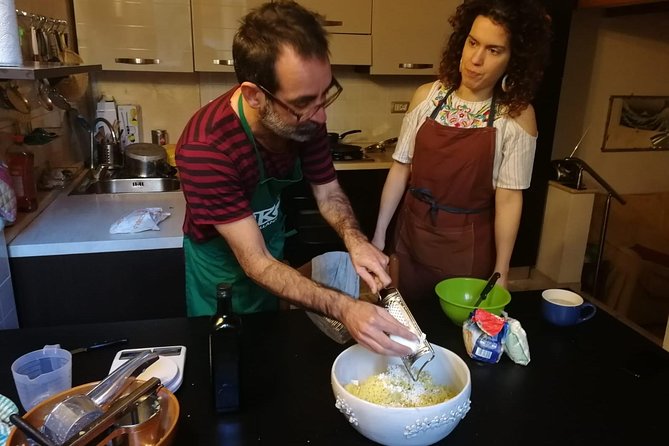
The filling uses local ingredients, including potatoes, mint, and cheese. Garlic and seasoning also appear in the preparation described during the class, giving the dumplings a savory, fragrant center.
This is where you get the clearest sense of how a few ordinary ingredients can make a distinctive regional dish. The potatoes provide the soft base, while mint brings a fresh note and the cheese adds salt and weight. The result is hearty rather than delicate.
You are not simply handed a bowl of filling and told to use it. The class explains the mixture and gives you room to season and shape your own pieces. That freedom is enjoyable, especially if you like cooking by instinct. It can also create one small limitation: the finished pasta is combined and served to the whole group.
If you strongly dislike cheese, tell the host before you begin and ask what flexibility is possible. The supplied details do not promise separate portions or alternate fillings, so I would not book this expecting a fully customized menu. For most people, the shared format is part of the social appeal, but it is worth considering before paying.
A few more Sardinia bookings to compare
- From Sardinia: La Maddalena Archipelago Full-Day Boat Tour
★ 4.6 · 4,980 reviews - Golfo Aranci: Eco-Friendly Dolphin Watching Boat Trip
★ 4.8 · 2,846 reviews - Sardinia: La Maddalena Archipelago Full-Day Trip by Boat
★ 4.6 · 2,710 reviews - From Palau: La Maddalena Islands Full-Day Trip by Boat
★ 4.4 · 2,414 reviews
Learning the culurgiones seal
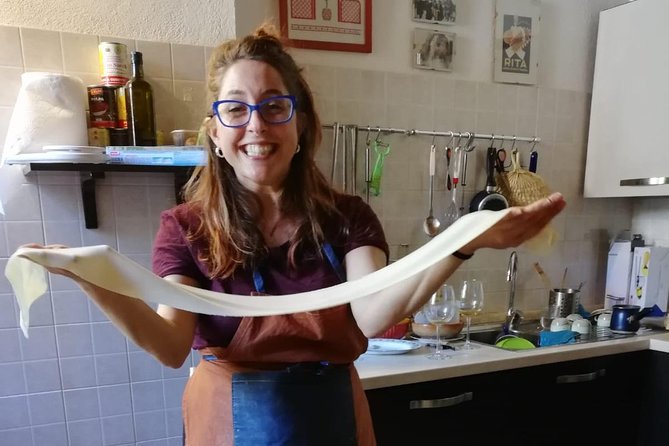
The seal is the class’s most distinctive skill. You place the filling inside the dough and pinch the edges into the characteristic folded pattern. At first, your dumplings may look more like small parcels than the neat Sardinian versions shown by the host.
Damiano is repeatedly praised for being patient, friendly, and willing to give specific help. That matters here. A quick demonstration would not be enough for most beginners, but personal feedback lets you correct your grip and pressure as you go.
You may also get to try different folding styles and techniques. The point is not to produce factory-perfect pasta. It is to understand the movement, make a batch with your own hands, and gain enough confidence to try the recipe at home.
The class has a nice built-in reward system: the more culurgiones you make, the more there is to eat. It is a cheerful way to keep everyone working, and it turns imperfect dumplings into part of the lunch rather than a failed experiment.
Setting the table and sitting down together
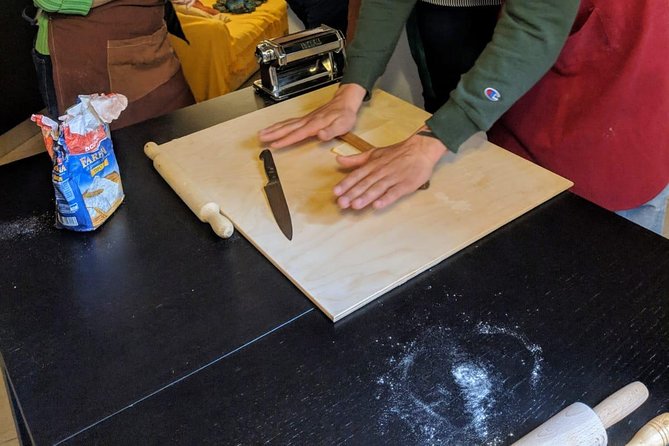
Once the preparation is finished, the group sets the table and moves into the meal. This transition is important. You are not rushed out after the cooking ends, and the host sits down with the group rather than leaving you to eat alone.
The first courses are straightforward and local. You can expect a selection of at least two Sardinian cheeses, along with seasonal vegetable appetizers such as pickled vegetables, vegetables preserved in oil, or other seasoned produce.
These starters make sense with the pasta. The cheese introduces the dairy flavors that also appear in the filling, while the vegetables provide something sharp and fresh beside the richer dumplings. The menu is simple, but it is meant to feel like a generous home lunch, not a restaurant tasting menu.
Local wine is served during the meal. The exact wine is not specified, so you should not expect a particular label or vintage. Still, a glass of Sardinian wine helps connect the food to the island and gives the group an easy way to relax and talk.
Eating the culurgiones you made
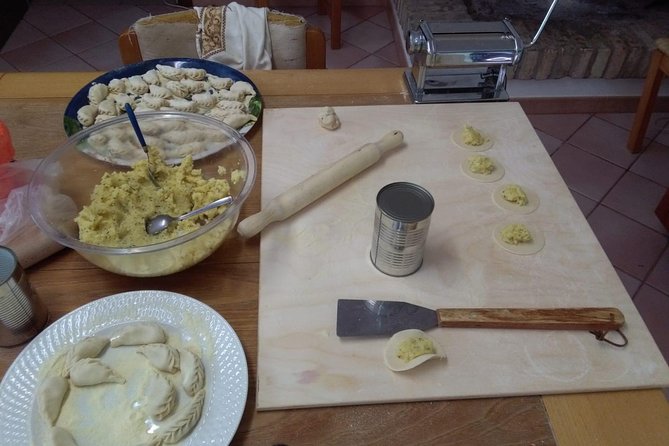
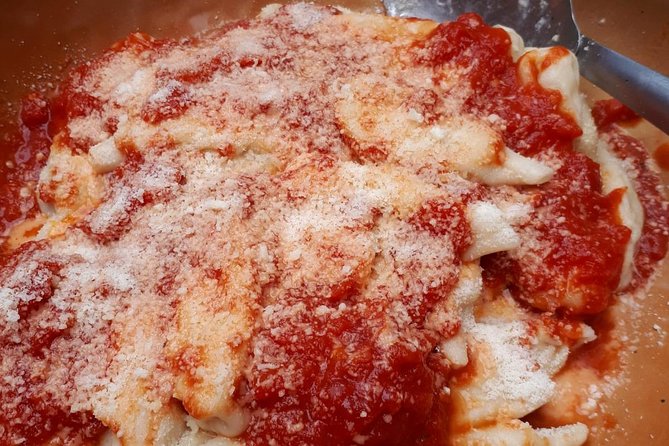
The main course is the result of the cooking class. Your culurgiones are served with sauce, and the meal may include more than one preparation. The experience has included tomato sauce, olive oil, and grated Parmigiano Reggiano in different sessions, so the exact serving style can vary.
That variation is part of the charm, but it also means you should not expect a fixed restaurant-style menu with every detail guaranteed. The listed meal includes the pasta you make, appetizers, wine, and dessert liquor, while the precise sauce or presentation may depend on the day.
The most satisfying part is the connection between the work and the plate. You remember which dumplings were yours, which seals held, and which ones opened up a little. Even a basic serving of pasta tastes better when you have spent the morning shaping it.
The meal is also communal. You sit with people you may not know, share the results, and compare the shapes you made. Groups have included families, older participants, cruise visitors, and people from different countries. The small size gives the lunch an easy, conversational feel.
Finishing with Sardinian mirto
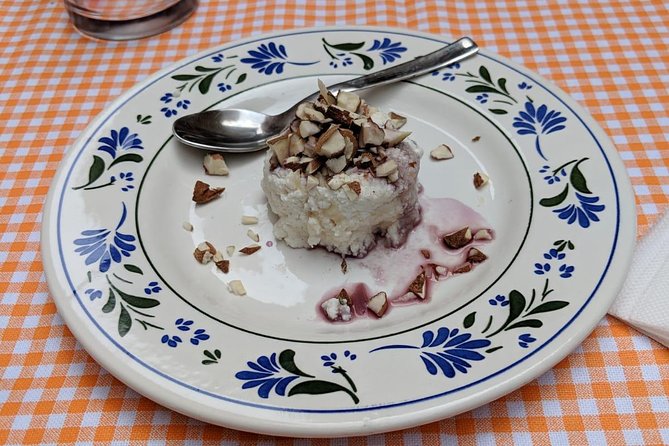
Dessert is a traditional myrtle liqueur, known in Sardinia as mirto. It is served as a digestive after the pasta and appetizers.
This is a small but useful cultural detail. Mirto is not an elaborate dessert, and the class does not present a large pastry course. Instead, the drink closes the meal in a distinctly Sardinian way.
If you do not drink alcohol, the supplied information does not specify a nonalcoholic alternative. You can ask the host when booking or on arrival. The class does include wine and a dessert liquor, so people who want a completely alcohol-free experience should clarify that before reserving.
The hosts and the teaching style
Damiano Usala is the listed experience provider, and his role is a major part of the class. He welcomes people into his home, explains each step, and offers individual tips as participants work.
The class has also been supported by helpers on some dates, including people named Claudio, Mateo, and Marcus in the experience descriptions. The exact teaching team may vary, but the consistent theme is hands-on help and a friendly tone.
I like that the instruction is practical rather than overly formal. You get corrections when you need them, but the mood remains social. The hosts make room for questions, jokes, and conversation while keeping the food moving toward lunch.
That relaxed style will suit you if you want a local cooking experience rather than a technical culinary course. If you are seeking professional knife skills, advanced pasta theory, or a chef-school certificate, this is not that kind of class.
What the $96.79 price includes
At $96.79 per person, the class is not the cheapest way to eat lunch in Cagliari. You are paying for more than a plate of pasta, though. The fee covers about three hours of instruction, ingredients, the culurgiones you prepare, Sardinian cheese, vegetable appetizers, wine, and mirto.
The small group improves the value. With a maximum of eight people, you have a better chance of getting your dough and seals checked than you would in a large group. The setting also adds something that a restaurant meal cannot provide: you learn the recipe and the meaning behind it.
I would consider the price fair if you value participation and cultural context. It is less compelling if you only want an inexpensive lunch or if you do not enjoy sitting at a shared table with other people.
The class is often booked about 42 days ahead, which is a useful planning signal. You do not need to reserve half a year in advance, but I would not wait until the night before, especially for a particular date during a busy visit.
Who will enjoy this class most
I would recommend it for families, couples, solo visitors, and anyone who likes food with a story. The minimum age of four makes it suitable for a broad age range, and the beginner-friendly instruction means you do not need previous pasta-making experience.
It is especially good for:
- People who want a hands-on Sardinian activity
- Families looking for something beyond sightseeing
- Cruise visitors with a morning and early afternoon available
- Food lovers who enjoy cheese, potatoes, mint, and handmade pasta
- Solo visitors who like meeting a small group over lunch
- Anyone hoping to bring a pasta-making skill home
I would think twice if you dislike cheese, prefer a private class, need strict control over every ingredient, or want a fast demonstration with no shared meal. The home setting is warm and personal, but it is not designed for complete privacy or a highly controlled restaurant menu.
Service animals are allowed. The activity is offered in English, and confirmation is received when you book. Free cancellation is available until 24 hours before the start time. Changes or cancellations inside that window are not accepted for a refund.
My practical verdict for Cagliari
This class earns its strong reputation through the details that matter: a small group, patient instruction, local ingredients, and a meal that comes from your own work. I especially like that you learn the difficult part, sealing the culurgiones, instead of watching someone else do all the skilled work.
The main weakness is the shared filling and shared serving style. If you have a strong cheese aversion or strict dietary needs, ask questions before booking because the available information does not promise substitutes.
Book this class if you want to spend a few hours cooking, talking, and eating in a Sardinian home. Skip it if you only want a quick meal or a formal culinary course. For most visitors who enjoy food and human connection, $96.79 buys a useful skill, a generous lunch, and a much better understanding of Sardinian family cooking.
FAQ
Where does the culurgiones cooking class meet?
The meeting point is Via Cettigne, 20, 09129 Cagliari, Italy.
What time does the class start?
The class starts at 11:00 am.
How long does the experience last?
The experience lasts approximately three hours.
Is lunch included?
Yes. The meal includes the culurgiones made during class, Sardinian cheese, seasonal vegetarian appetizers, wine, and traditional myrtle dessert liqueur.
Is the class offered in English?
Yes. The experience is offered in English.
How many people can join the class?
The activity has a maximum of eight participants.
What is the minimum age?
The minimum age is four years old. Service animals are allowed.
Recently added around Sardinia
- Villasimius: Capo Carbonara Boat and Snorkeling Tour★ 4.6 · 242 reviews
- Underground Cagliari tour★ 4.5 · 351 reviews
- Cagliari Gulf Boat tour : 5 stops, snorkeling & local aperitif★ 4.5 · 270 reviews
- Dolphin Watching Tour with Snorkeling from Olbia★ 5.0 · 275 reviews
- Tavolara Boat Tour and Snorkeling★ 5.0 · 329 reviews
- 3-Catamaran from Cannigione to the islands of the Archipelago★ 5.0 · 364 reviews
- Snorkeling marine protected area Tavolara★ 5.0 · 267 reviews
- Catamaran excursions in the Asinara island National park★ 5.0 · 312 reviews
Cooking Classes, compared.
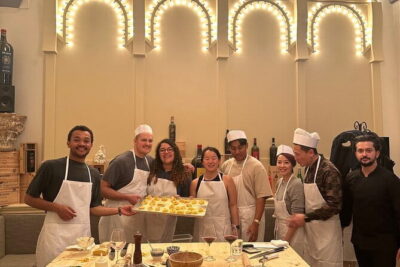
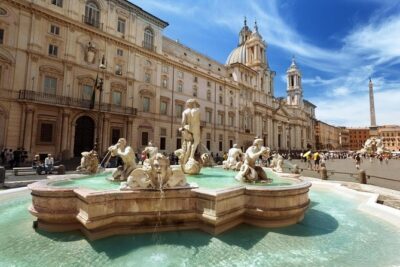
3 in 1 Cooking Class near Navona: Fettuccine, Ravioli & Tiramisu
Read our review →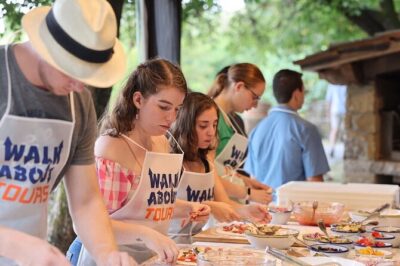
Florence Pizza or Pasta Class with Gelato Making at a Tuscan Farm
Read our review →
Pasta & Tiramisu Cooking Class with Unlimited Wine
Read our review →
Pizza-Making Workshop with Drink and Appetizer
Read our review →
Pasta & Tiramisu Class with Fine Wine by the Vatican
Read our review →
Cooking Class and Lunch at a Tuscan Farmhouse with Local Market Tour from Florence
Read our review →Browse the lists this tour appears in