Reviewed · FLORENCE TOURS
Cooking Art Brunelleschi
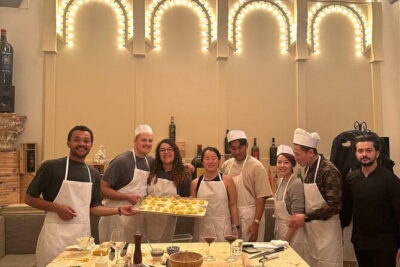
Fresh pasta tastes better when you make it yourself. Cooking Art Brunelleschi gives you three hours of hands-on work in a 1200s medieval tower near Florence’s Duomo, with chefs guiding each step from flour to finished meal. I especially like the chance to make three pasta shapes, and the setting adds a rare sense of place. The main catch is that the pasta is cooked together, so you may not eat only the pieces you personally shaped.
The class is also a fine value at $39.92 per person. You get lunch, ingredients, equipment, instruction, Tuscan wine, and unlimited soft drinks, all in one sitting. Chefs such as Valentino, Lorenzo, Eno, Sal, Arturo, and Victoria have earned warm praise for keeping the class lively and giving personal help, though the room can become hot and crowded when several groups are cooking at once.
In This Review
- Key points to know before booking
- Cooking fresh pasta beside Brunelleschi’s Dome
- From flour to three pasta shapes
- Three sauces, three different lessons
- Eating what the class makes
- The room, the pace, and the group size
- Why the guides matter
- Who will enjoy this Florence activity
- Price, timing, and the real value
- A small bonus after the meal
- Should you book Cooking Art Brunelleschi?
- FAQ
- Where does Cooking Art Brunelleschi meet?
- How long does the cooking class last?
- Which pastas will I make?
- Which sauces are served with the pasta?
- Is lunch included?
- Are drinks included?
- What is the cancellation policy?
Key points to know before booking
- Three pastas in one class: Make ravioli, tortelli, and pappardelle from scratch, then pair them with butter and sage, arrabbiata, and Tuscan ragù.
- A medieval cooking room: The school operates inside a stone tower from the 1200s, a short walk from Brunelleschi’s Dome.
- A full meal, not a snack: You eat the pasta prepared during the class, with enough food for many people to count it as lunch or dinner.
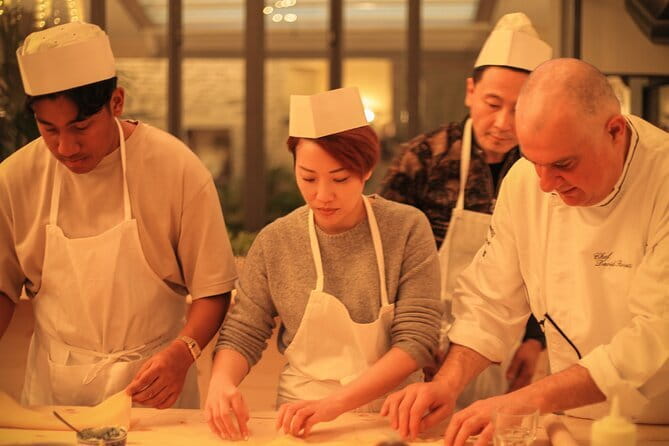
- Chefs who keep the room moving: The instructors demonstrate, circulate, correct techniques, and help with kneading and rolling.
- A social group activity: The maximum group size is 19, but several classes may operate at once, creating a lively, sometimes noisy room.
- Practical clothing matters: The cooking space can be warm, and smooth floor tiles call for careful footing.
Cooking fresh pasta beside Brunelleschi’s Dome
The meeting point is at Via de’ Bardi, 23 r, in central Florence. The activity ends at the same place, so you do not need to arrange a ride between the class and lunch. Public transportation is nearby, but the central location makes this easiest to combine with a day of walking around the historic center.
The setting does much of the work before the cooking begins. You are not in a modern classroom on the edge of town. You cook inside a medieval tower built in the 1200s, close to Brunelleschi’s Dome. The tower was connected to the family of Dante Alighieri’s wife, adding a literary and local connection to the meal.
That history is not just decoration. It gives the class a strong Florence sense of place. You are learning a household skill in a building that reaches back to the city’s medieval past, while the Renaissance center is right outside the door.
The school supplies every ingredient and piece of equipment. You arrive with a mobile ticket and do not need to carry a rolling pin, apron, flour, or other cooking tools. Confirmation is provided at booking, which makes this a straightforward addition to a Florence schedule.
A few more Florence bookings to compare
- Florence: Skip-The-Line Uffizi Gallery Timed Entry Ticket
★ 4.5 · 27,832 reviews - Tuscany Day Trip from Florence: Siena, San Gimignano, Pisa and Lunch at a Winery
★ 5.0 · 21,634 reviews - Florence: Timed Entrance Ticket to Michelangelo’s David
★ 4.6 · 16,983 reviews
From flour to three pasta shapes
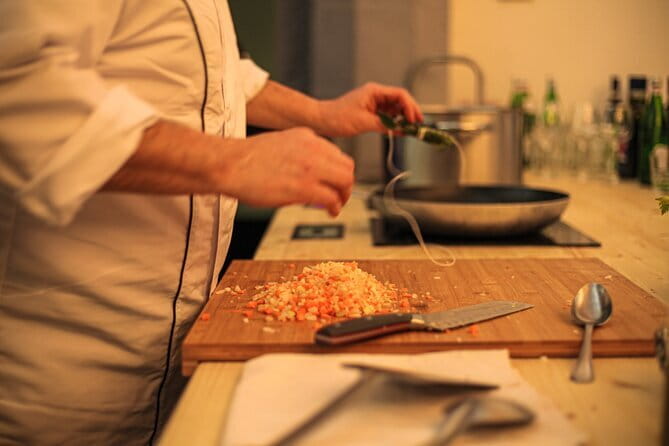
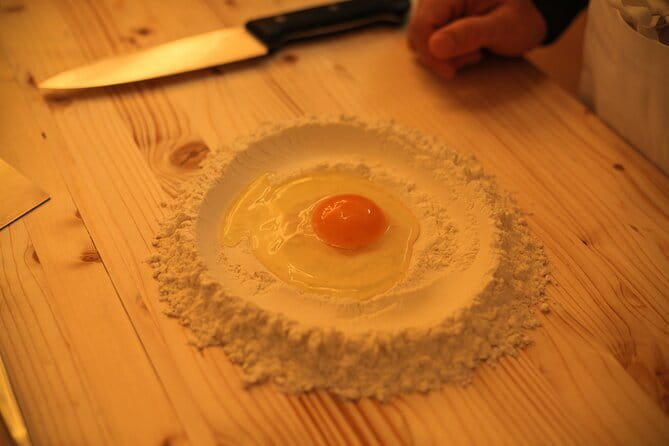
The central lesson begins with fresh pasta dough. The chefs explain the process and work through each stage with the group, rather than simply preparing food in front of you. You should expect to knead, shape, roll, and cut the dough, with the instructor stepping in to show the correct movements.
This is where the class has its greatest practical value. Many pasta demonstrations are pleasant to watch but leave you unsure how to repeat the recipe at home. Here, the focus is on technique: how the dough should feel, how thin to roll it, and how to handle different pasta shapes.
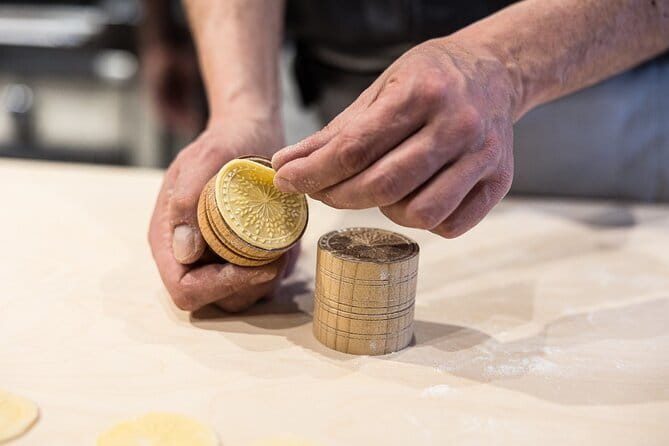
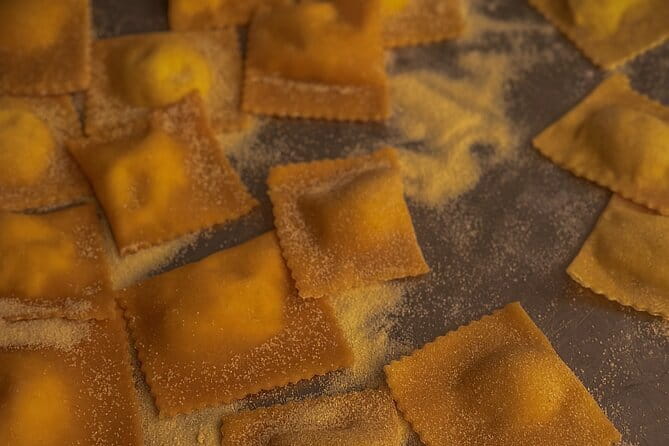
Pappardelle is the broad, ribbon-like pasta. You cut it into wide strips that can carry a hearty sauce. Tortelli are filled pasta parcels, so you learn how to place the filling, fold the dough, and seal the edges. Ravioli call for similar care, with attention to spacing and clean cuts.
The three shapes give the lesson useful variety. You are not repeating one simple recipe for three hours. Instead, you see how fresh dough changes when it becomes a wide noodle, a filled parcel, or a smaller filled pasta.
Chef Jacob received special praise for teaching kneading and rolling in a way that people could repeat at home. That practical emphasis is worth noting if you want more than a fun photo opportunity. Chefs Eno, Lorenzo, Victoria, Andrea, Giordano, Sal, and Arturo were also singled out for patient help, clear explanations, and good energy.
The exact chef can vary, so you should not book expecting one particular instructor unless the operator confirms it. Still, the range of names attached to the class suggests that the teaching style is not dependent on one person alone.
Three sauces, three different lessons
While the pasta is being made, the chef prepares sauces to match it. The sample menu pairs ravioli with butter and sage, tortelli with arrabbiata, and pappardelle with old-fashioned Tuscan ragù.
These pairings make sense and help you understand why pasta shape matters. Butter and sage is simple enough to let delicate ravioli shine. Arrabbiata brings tomato, heat, and a sharper flavor to tortelli. Tuscan ragù is heavier and more rustic, making it a natural match for wide pappardelle.
The sauces also give you useful ideas for cooking at home. You see how a small number of ingredients can produce very different results when matched to the right pasta. The class uses seasonal vegetables and products from Italian farms and food producers, with the aim of keeping the cooking close to Italian home traditions.
You may not personally prepare every sauce from start to finish. The chef also handles sauce preparation while the group works on the pasta. That division keeps a large class on schedule and lets you focus on the parts that are hardest to learn without direct help.
The result is a good balance of teaching and eating. You get hands-on pasta work, then watch the chef bring the meal together. The sauces are prepared for the group, and the finished pasta is served as the lunch.
Eating what the class makes
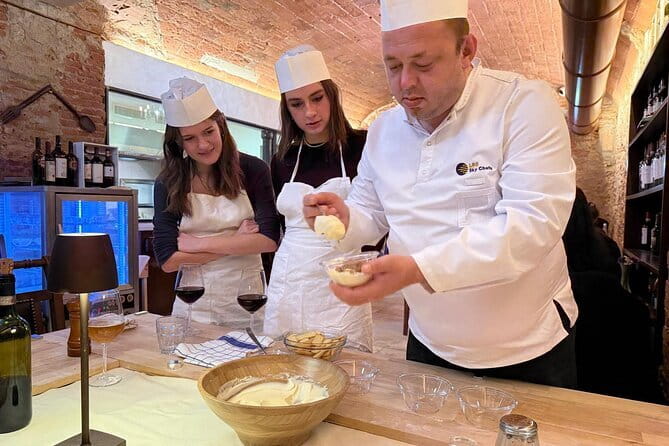
At the end, the pasta is cooked and served for everyone to enjoy. The meal includes ravioli with butter and sage, tortelli with arrabbiata, and pappardelle with Tuscan ragù, along with Tuscan wine and unlimited soft drinks.
This is a generous amount of food. Several participants described leaving full enough to skip dinner, so plan the class as a proper meal rather than a light midday activity. It also makes the $39.92 price easier to justify, since you are paying for instruction, a meal, drinks, ingredients, and equipment.
There is one important expectation to set. The pasta from the group is placed into the same cooking pot, meaning you may eat pasta shaped by other people at the table. For most diners, this is simply part of the communal Italian meal. If you strongly prefer to cook and eat only your own portion, this setup may disappoint you.
The class is built around shared food rather than individual plated dishes. That arrangement helps the kitchen serve a large group efficiently, but it also means the experience is less private than a small, chef-led workshop.
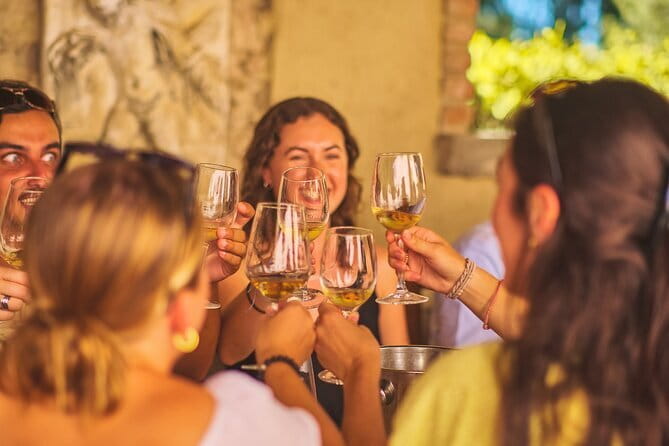
Alcoholic drinks are available only to people aged 18 and over. Soft drinks and water are available without that restriction. One account described the wine as basic rather than special, so treat the unlimited wine as a useful extra, not as a tasting of prized Tuscan bottles.
Still Florence, but a slower afternoon:
- Florence: Michelangelo’s David Skip-the-Line Entry Ticket
★ 4.5 · 12,764 reviews - The Best tour in Florence: Renaissance & Medici Tales – guided by a STORYTELLER
★ 5.0 · 12,316 reviews - Florence: Leonardo Interactive Museum Entry Ticket
★ 4.5 · 11,763 reviews - The Best Tour in Florence: Renaissance and Medici Tales
★ 5.0 · 10,810 reviews
The room, the pace, and the group size
The official maximum is 19 participants, which is large enough for a social class but small enough for the chef to move around and offer help. The venue may run several classes at the same time, and the overall room can feel busy.
That energy works well for families, couples, and solo participants who enjoy meeting people over food. Several chefs were praised for keeping everyone involved, including children and teenagers. One family said their 12-year-old and 17-year-old stayed engaged throughout, while another family said their teenage son considered the class the favorite activity of a long European trip.
The format is not quiet or private. A particularly busy session had several groups operating together, with one table becoming loud and disruptive. That kind of evening is not the norm for every group, but it is possible in a communal class where wine is being served.
The room can also be warm. Wear light clothing, especially in summer or on a hot Florence day. Smooth floor tiles were noted as a possible slipping concern, so take care when moving around the cooking area.
The three-hour length sounds substantial, but the hands-on work, demonstrations, food, and conversation give the session a clear rhythm. You are not standing in one place watching a chef for the full time. The class moves from dough to shaping to sauces to lunch.
Why the guides matter
The most praised part of the experience is the teaching. The chefs are described as cheerful, entertaining, patient, and willing to give one-on-one help. That matters because pasta dough can be stubborn, and a small correction in kneading or rolling can make the difference between a useful lesson and a frustrating one.
Valentino is remembered for his energy and humor. Lorenzo was praised for being both fun and helpful, and Eno for showing passion while making repeated rounds through the group. Victoria earned approval for detailed explanations, while Giordano was noted for making the class suitable for different ages and experience levels.
Andrea also helped add practical cooking advice, including tips on preparing and cooking pasta properly. Francesca added facts about Florence and Tuscany, giving the meal more local context beyond the recipes.
You should expect an instructor-led class rather than a free-form kitchen session. The chef directs the pace and prepares some of the sauces, while you complete the pasta work under supervision. That structure is helpful for beginners and families, though experienced cooks may want more independence.
Who will enjoy this Florence activity
I would recommend this class most strongly to people who want a meal with an activity attached. It works especially well for families with older children, couples looking for a relaxed shared experience, and solo visitors who enjoy meeting people around a table.
It is also a good choice if you want to bring home a skill. The dough and pasta techniques are simple enough to practice later, and the three shapes give you a useful starting point for homemade Italian meals.
You should think twice if you want a small, polished cooking studio with private workstations. The class can be crowded, the room can be hot, and the food is pooled for cooking and serving. Those are not flaws for everyone, but they are part of the format.
The class is less suited to anyone who dislikes communal dining or does not want alcohol present. Soft drinks are included, but wine is part of the atmosphere. If you have food restrictions, the chef may be able to adjust some elements, as one group received help with a meat-free preference, but the supplied information does not promise a specific dietary program. Ask before booking if this is essential.
Price, timing, and the real value
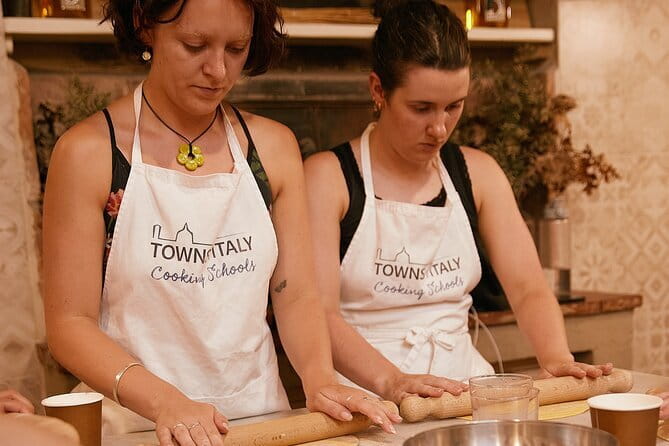
At $39.92, the price is low for a three-hour central Florence activity that includes lunch and drinks. You are getting more than a demonstration: you help make three pastas, receive chef instruction, use supplied equipment, and eat the results.
The price also compares well with the time it fills in your day. A meal in Florence can easily take an hour or two, while this turns lunch into a skill-based experience. If you were already planning to eat, much of the cost replaces a restaurant bill rather than adding a second expense.
The main value is practical, not luxurious. The wine is described as ordinary, and the shared cooking arrangement is designed for efficiency. You are paying for a lively group lesson in a remarkable location, not a private chef, premium wine tasting, or quiet fine-dining service.
The experience is often booked well ahead, with an average booking lead time of 26 days. That suggests you should reserve before your Florence dates fill up, especially if you want a particular day. Free cancellation is available up to 24 hours before the start time for a full refund. Changes or cancellations inside that window are not accepted for a refund.
A small bonus after the meal
A free gelato coupon may be included, redeemable at another establishment connected with the restaurant. The gelato location is about a 15-minute walk from the cooking school, so it can work as a pleasant post-meal stroll.
You do not have to use it immediately. The coupon can be used another day, which is helpful if three pasta courses and wine have left you ready for a slower afternoon. Treat it as an extra benefit rather than the main reason to book.
Should you book Cooking Art Brunelleschi?
Book it if you want hands-on pasta making, a full meal, and a social Florence setting at a modest price. The strongest reasons are the three pasta shapes, the practical chef guidance, and the medieval tower near the Duomo.
Skip it if you need private cooking space, premium drinks, or complete control over which portion you eat. For everyone else, this is a cheerful and useful way to spend three hours. Wear light clothes, arrive ready for a group setting, and expect to leave with a full stomach and enough pasta skill to try the lesson again at home.
FAQ
Where does Cooking Art Brunelleschi meet?
The meeting point is Via de’ Bardi, 23 r, 50100 Firenze FI, Italy. The activity ends back at the same meeting point.
How long does the cooking class last?
The experience lasts approximately three hours.
Which pastas will I make?
You will prepare three types of fresh pasta: ravioli, tortelli, and pappardelle.
Which sauces are served with the pasta?
The sample menu pairs ravioli with butter and sage, tortelli with arrabbiata, and pappardelle with Tuscan ragù.
Is lunch included?
Yes. You eat the pasta prepared during the class, and lunch is included in the price.
Are drinks included?
Yes. Tuscan wine and unlimited soft drinks are included. Alcoholic beverages are available only to people aged 18 and over.
What is the cancellation policy?
You can cancel at least 24 hours before the start time for a full refund. Cancellations or changes made less than 24 hours before the experience are not accepted for a refund.
Recently added around Florence
- Florence Uffizi Gallery monolingual Small Group Tour★ 4.0 · 621 reviews
- Florence Private Walking tour with Skip-the-line to Accademia★ 4.5 · 236 reviews
- Uffizi Gallery Entrance Ticket with Priority Access★ 3.5 · 1,029 reviews
- Florence Skip-the-Line Duomo Tour with Guide & Brunelleschi Dome★ 5.0 · 1,176 reviews
- Skip-the-Line Accademia Guided Visit: David Secrets and Beyond★ 4.0 · 525 reviews
- Priority Entrance : Florence Accademia Gallery Timely Tickets★ 4.0 · 603 reviews
- Private Tour in Siena, San Gimignano and Chianti Day Trip from Florence★ 5.0 · 405 reviews
- Accademia Gallery Entrance Ticket with Priority Access★ 4.0 · 1,088 reviews
Florence Tours, compared.
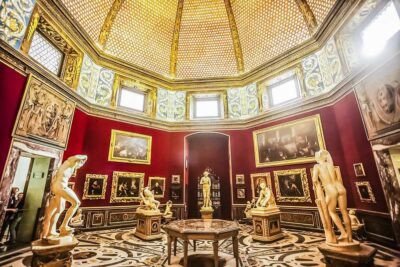
Skip-The-Line Uffizi Gallery Timed Entry Ticket
Read our review →
Tuscany Day Trip from Florence: Siena, San Gimignano, Pisa and Lunch at a Winery
Read our review →
Timed Entrance Ticket to Michelangelo’s David
Read our review →
Michelangelo’s David Skip-the-Line Entry Ticket
Read our review →
The Best tour in Florence: Renaissance & Medici Tales – guided by a STORYTELLER
Read our review →
The Best Tour in Florence: Renaissance and Medici Tales
Read our review →