
Reviewed · SKIP THE LINE
Borghese Gallery, Canova’s Masterpieces Skip-the-Line Guided Tour
Art comes alive here. The Borghese Gallery packs Bernini sculptures, Caravaggio paintings, Canova marble, and Raphael into an elegant villa, then sends you into Rome’s peaceful Villa Borghese Gardens. I especially like the small-group format, which makes it easier to hear the guide and ask questions, and the timed entry, which avoids wasting part of your day in a ticket line. The main drawback is time: two hours goes quickly, and some visitors find the gallery visit closer to 90 minutes than a full two hours.
I also like that this is not just a parade of famous names. A good guide can explain how the Borghese family, papal power, artistic ambition, and technical skill shaped the collection. The tour costs about $59.26 per person, so it is not a bargain basement museum visit, but the price is reasonable if you want context rather than simply wandering from room to room.
In This Review
- Key points to know before you book
- Why the Borghese Gallery deserves a place on your Rome plan
- Meeting at Piazzale del Museo Borghese
- Walking through Villa Borghese before the art
- Entering the gallery without the long wait
- Bernini’s marble figures and the power of movement
- Caravaggio’s paintings and the human face
- Canova, Raphael, and the title’s slight mismatch
- The villa’s ceilings, floors, and smaller works
- What the guide adds to the experience
- Is $59.26 a fair price?
- Who should book this tour?
- Small practical details that can make the visit better
- Should you book the Borghese Gallery tour?
- FAQ
- How long does the Borghese Gallery tour last?
- Is skip-the-line entry included?
- Is the tour offered in English?
- Where does the tour begin and end?
- Can I bring a large bag into the gallery?
- Can I cancel for a full refund?
Key points to know before you book
- Bernini takes center stage: Apollo and Daphne, David, and The Rape of Proserpina reward close attention to marble detail.
- Caravaggio gets serious attention: Young Sick Bacchus and Boy with a Basket of Fruit are among the major paintings discussed.
- The gallery has timed entry: You avoid the long public line, though the museum’s fixed visiting period can still make the tour feel rushed.
- The guide matters greatly: Guides such as Mattia, Agnese, Guido, Silvia, Virginia, and Valentina have been praised for clear explanations and lively storytelling.
- Villa Borghese adds breathing room: The garden portion is calm and pleasant, but the outdoor walk is not guided.
- Pack light: Small and large bags are not permitted in the gallery and must be left at the cloakroom.
Why the Borghese Gallery deserves a place on your Rome plan
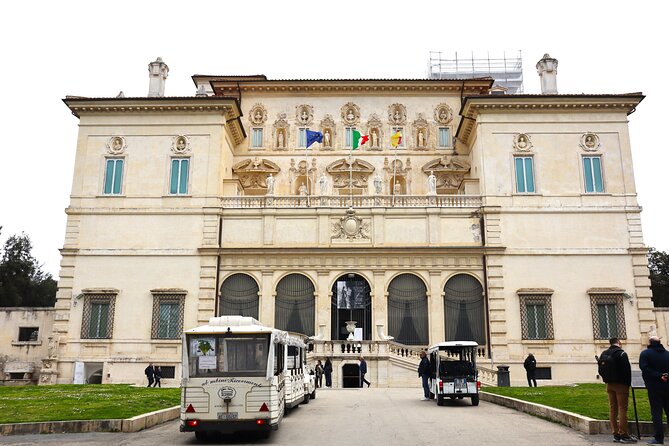
Rome has huge museums that can wear you down. The Borghese Gallery offers the opposite experience. It is a smaller, highly focused collection in the former Casina Borghese, where the rooms themselves are part of the show.
Cardinal Scipione Borghese formed much of the collection between the late 16th and early 17th centuries. His taste leaned toward works that made an immediate impression: dramatic sculpture, strong color, mythological stories, portraits, and religious paintings with emotional force.
That makes this a fine first art museum in Rome. You do not need a degree in art history to enjoy the visit. You need only a willingness to look closely. The guide’s job is to help you notice the raised tendons in a hand, the twist of a body, the direction of a painted glance, or the way a sculptor suggests soft flesh in hard stone.
The gallery is also a good counterpoint to the Vatican Museums. The Vatican can feel grand, crowded, and sprawling. Borghese is more contained. You can focus on a smaller number of major works instead of trying to absorb room after room.
More Museum Tours in Rome
- Vatican: Museums & Sistine Chapel Entrance Ticket
★ 4.5 · 144,003 reviews - Vatican Museums & Sistine Chapel Tour with Optional Basilica
★ 4.3 · 67,413 reviews - Vatican Museums, Sistine Chapel & St Peter’s Basilica Guided Tour
★ 4.5 · 39,149 reviews
Meeting at Piazzale del Museo Borghese
The tour begins at Piazzale del Museo Borghese, at the gallery entrance in Rome’s Villa Borghese area. You receive a mobile ticket, and the activity is offered in English.
The meeting point matters because Villa Borghese is a large public park. Give yourself time to reach the museum rather than cutting it close. The tour does not include hotel pickup or drop-off, but the area is near public transportation.
The group can include up to 20 people. That is not a private tour, but it is still small enough to feel more personal than a large flag-following procession. The best guides use an audio system so you can hear while standing near a sculpture or moving between rooms. One particularly useful detail from the tour experience is that the audio worked well for a participant who had to leave early.
Dress smart casual. The bigger practical issue is your bag. Small and large bags are not permitted inside the gallery and must be checked at the cloakroom. If you are carrying a daypack, oversized purse, or anything you would rather not surrender briefly, plan ahead and pack light.
Walking through Villa Borghese before the art
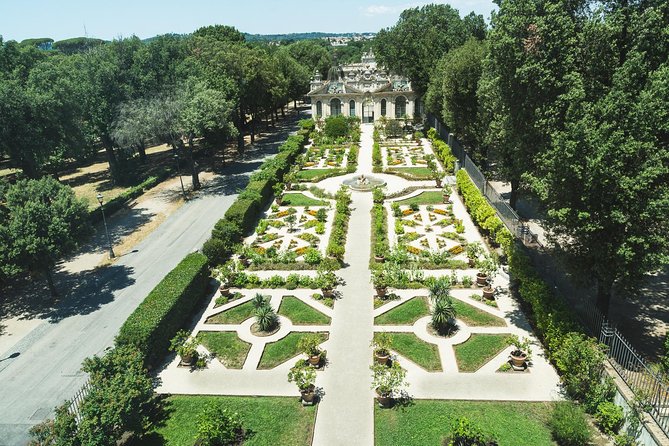
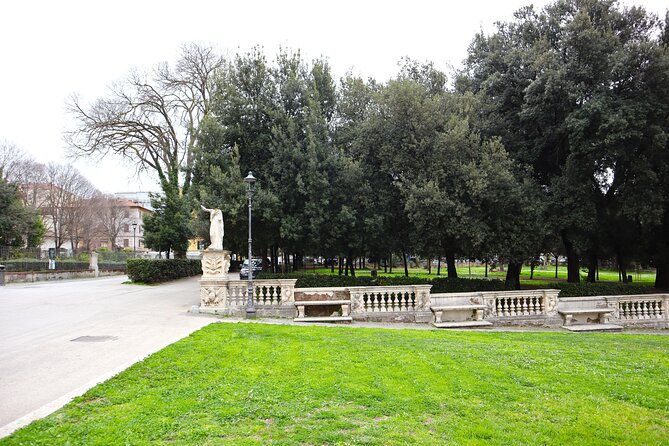
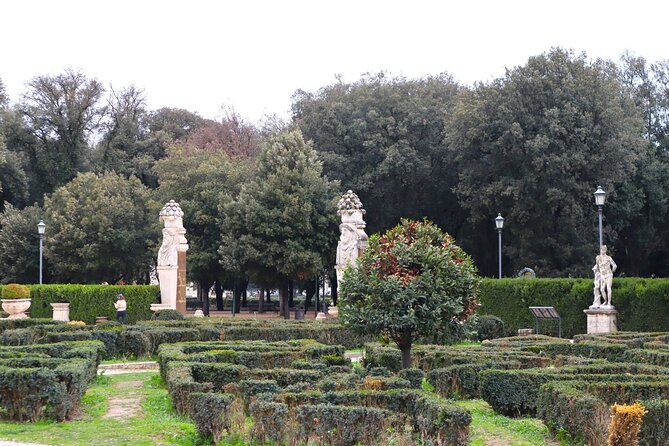
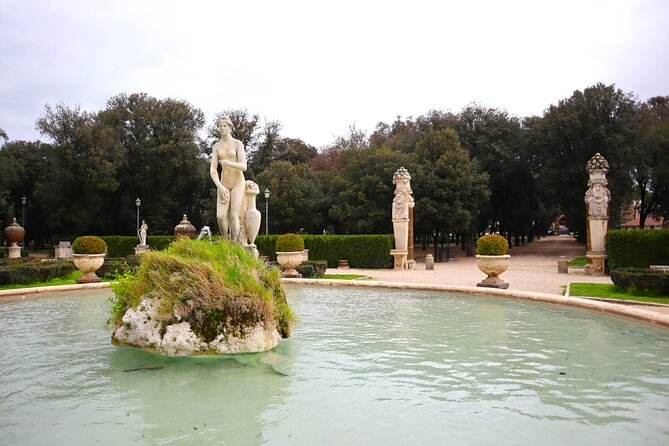
The garden portion is short, listed at about 15 minutes, and admission is included. It gives you a pleasant introduction to the setting, but you should understand the arrangement: the gallery visit is guided, while the walking tour of Villa Borghese Gardens is not guided.
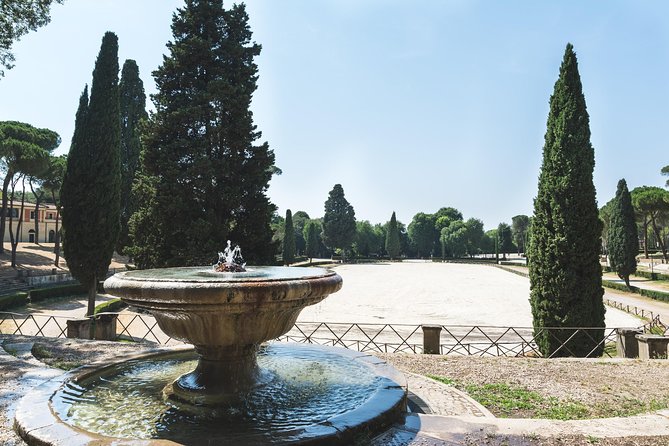
Villa Borghese is Rome’s third-largest public park. Its paths, open spaces, and calm atmosphere offer a welcome break from traffic and stone streets. The park was created for the pleasure of its visitors, a principle expressed by an old Latin inscription at the villa. Its message is generous but firm: good faith and courtesy are the rules, and misbehavior will not be tolerated.
You do not need to treat this as a major sightseeing stop on its own. Think of it as a chance to slow down before entering the museum, or to finish the experience at an easier pace. If you want detailed information about the gardens, buildings, or park design, this tour may not provide enough. The real focus is the gallery.
Entering the gallery without the long wait
The skip-the-line feature is one of the clearest reasons to book. Borghese Gallery visits are controlled by timed admission, so simply showing up is not the same as walking into an ordinary city museum. The tour handles the entry process and gets you past the long public queue.
Skip-the-line does not mean you can stay as long as you want. The gallery limits how long people remain inside, and that fixed schedule shapes the tour. One visitor found that 90 minutes was not enough, while another tour scheduled from 5:45 to 7:45 ended when the museum closed at 7:00.
The practical lesson is simple: check the exact start and end time shown for your booking. The advertised duration is approximately two hours, but the actual museum portion can vary. If a certain sculpture or painting matters most to you, tell the guide early so you do not miss it.
Still Rome, but a slower afternoon:
- Colosseum, Roman Forum & Palatine Guided Tour
★ 4.7 · 63,148 reviews - Rome: Colosseum, Palatine Hill and Roman Forum Guided Tour
★ 4.8 · 32,814 reviews - Rome: Guided Tour of Colosseum, Roman Forum & Palatine Hill
★ 4.7 · 27,897 reviews - Rome: Colosseum & Forum with Audio Guide App -Optional Arena
★ 4.2 · 24,770 reviews
Bernini’s marble figures and the power of movement
Bernini is the reason many people come to Borghese, and the collection gives you an unusually strong chance to study his work at close range.
Apollo and Daphne shows the instant when Daphne transforms into a laurel tree while fleeing Apollo. Look at the fingers becoming leaves, the feet turning into roots, and the contrast between Apollo’s pursuit and Daphne’s escape. The sculpture is not meant to be viewed from one fixed angle. Your guide will likely encourage you to move around it, since each viewpoint changes the story.
David is another major stop. Bernini shows David at the moment of action, not as a calm hero posing after victory. The body twists, the face tightens, and the implied target is outside the sculpture. You can almost feel the space between David and Goliath.
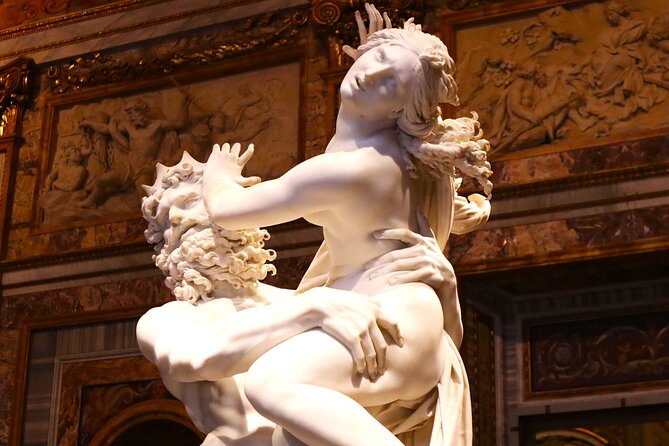
The Rape of Proserpina is a lesson in how far marble can be pushed. Pluto’s fingers press into Proserpina’s thigh, and the stone appears to yield like flesh. The subject is violent and troubling, so a good explanation matters. The guide can help you see both the technical achievement and the darker power relationship in the scene.
This is where a guided visit earns its fee. Without explanation, you may admire the polish. With context, you understand why these works were so startling and why Bernini’s theatrical approach suited the ambitions of powerful Roman patrons.
Caravaggio’s paintings and the human face
The gallery’s Caravaggio paintings give the tour a different mood. His figures do not always look polished or idealized. They often seem close enough to touch, with ordinary features, strong shadows, and a sense of physical presence.
Young Sick Bacchus is an arresting self-portrait, showing the god of wine as pale, tired, and almost unwell. The image unsettles the usual idea of a handsome mythological figure. Boy with a Basket of Fruit presents youth and abundance, but it also asks you to notice the fruit’s textures, the boy’s expression, and the fleeting quality of beauty.
Caravaggio’s technique is easier to appreciate when someone points out how he uses light to direct your eye. The dark background removes distractions. A face, hand, or fold of cloth catches the light, and the painting becomes a carefully controlled stage.
Several guides, including Virginia, Agnese, and Valentina, have been praised for making paintings feel understandable to people with only a basic foundation in Italian art. That is an important distinction. You do not need a guide who simply recites dates. You need someone who can connect the image, the artist, and the period in a way that sticks.
Canova, Raphael, and the title’s slight mismatch
The tour title highlights Canova’s masterpieces, and you will see his work, especially the famous Paolina Bonaparte. Still, this is not a Canova-only visit.
The gallery’s real strength is the mixture of artists. Along with Canova, you can expect attention on Bernini, Caravaggio, Raphael, Algardi, and others. One particularly honest assessment of the experience noted that the tour was really a general visit through the villa, with one marvelous Canova sculpture rather than a program devoted mainly to Canova.
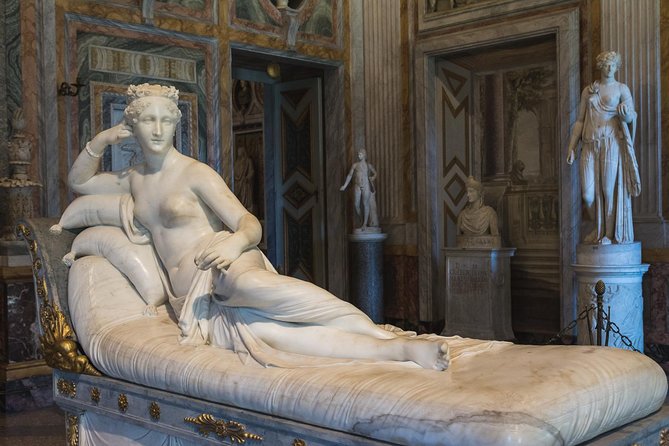
Paolina Bonaparte is worth seeing for its unusual blend of portrait and idealized mythological figure. Canova presents Napoleon’s sister as Venus Victrix, reclining with an apple in her hand. The polished marble, relaxed pose, and controlled expression create a work that feels both intimate and carefully staged.
Raphael’s Entombment of Christ offers a different kind of beauty. It is more structured and emotionally composed than Bernini’s action-filled sculptures or Caravaggio’s stark realism. The guide can help you compare the artists rather than treating each masterpiece as an isolated object.
That broader approach is a strength if you want to understand the collection as a whole. It is a weakness if you booked specifically for a long, specialist lecture on Canova.
The villa’s ceilings, floors, and smaller works
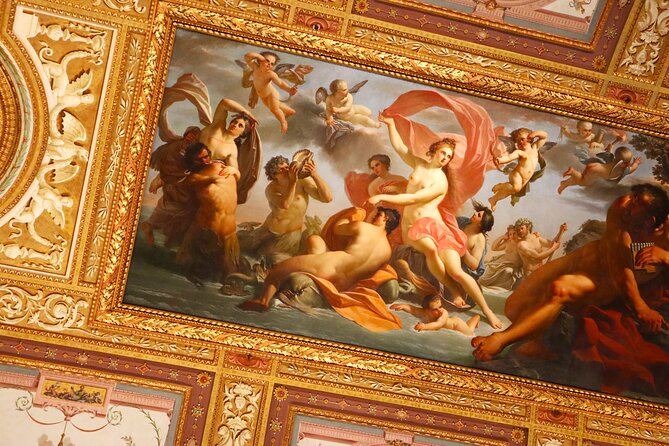
Do not spend the entire visit staring at the famous sculptures. The walls, ceilings, floors, and smaller pieces deserve attention too.
The Casina Borghese has elaborate decoration that frames the collection. Painted ceilings and patterned floors can be easy to ignore when Apollo and Daphne is nearby, but they explain how the building was meant to function. This was not a neutral white museum. It was a display of wealth, taste, and control.
A strong guide will also point out works beyond the standard highlights. Mattia, for example, has been praised for covering the major pieces while adding context about smaller works and individual rooms. That kind of selection is useful when time is limited.
The art also reflects the political and religious world of papal Rome. The collection is not only about beauty. It is about patronage, status, mythology, religious belief, and the ability of powerful people to commission art that shaped public life.
Some guides bring those subjects into the discussion from a personal, nonreligious point of view. That can make the conversation feel more open, especially when religious imagery is unfamiliar to you.
What the guide adds to the experience
The guide is the variable you cannot fully control, but the best reports describe a clear pattern: strong English, serious art knowledge, warmth, and a gift for storytelling.
Names associated with especially strong visits include Mateo, Virginia, Guido, Alicia, Mattia, Agnese, Frederico, Silvia, Valentina, and Alexandria. Guido has been described as an older guide with an extraordinary command of Italian art and history. Agnese has been praised for helping a wheelchair user move through the museum with ease. Mattia is known for combining the famous works with lesser-known details.
You may get a guide with a different style. One English-speaking guide received criticism for losing words, moving between ideas too quickly, and not answering questions directly. That is a reminder that even a highly rated group tour is not a guarantee of a perfect match.
I would ask questions as you go rather than waiting until the end. A good guide can adapt, and your questions may bring out the most useful details. If you prefer to study each object silently for a long time, the group pace may feel restrictive.
Is $59.26 a fair price?
At about $59.26 per person, this tour costs more than entering a museum alone would if you already had a ticket and could secure the time you wanted. But Borghese is not an easy place for casual, last-minute entry, and the value here comes from combining admission, timed access, and an English-speaking guide.
I consider the price fair for three types of visitors:
- You have limited time in Rome and want the major works explained efficiently.
- You know little about Italian art and want help seeing what matters.
- You dislike museum visits where you read labels alone and leave without understanding the collection.
The value is weaker if you have already studied Bernini and Caravaggio, prefer an audio guide or book, or want to spend several hours in one room. The fixed museum schedule limits lingering, and the tour may not deliver a full two hours inside the gallery every time.
The 92 percent recommendation rate and 4.7 rating from 1,162 ratings suggest a dependable experience overall, but I would still judge it by your priorities. The guide is the main reason to pay extra. Skip-the-line access is the second.
Who should book this tour?
I would recommend it to first-time visitors, couples, families with older children, and anyone who wants a clear introduction to Roman art without committing to a full-day museum marathon.
It can also work well before the Vatican Museums. Learning about the Borghese family, papal patronage, Bernini, and Caravaggio in a smaller setting gives you useful preparation for the Vatican’s larger crowds and longer galleries.
Families may appreciate the storytelling, especially if the guide explains the sculptures as scenes of action rather than as static objects. One guide was particularly effective with a 12-year-old, which suggests the experience can work for younger visitors when the guide keeps the pace lively.
Art lovers should book it if they want interpretation and conversation. If you already know the collection well, consider the tour mainly for easy entry and a focused overview.
Small practical details that can make the visit better
Book ahead. The experience is often reserved about 14 days in advance, so do not assume you can find a convenient time at the last minute.
Use the mobile ticket and arrive at the exact meeting point, Piazzale del Museo Borghese. Since the activity ends back at the meeting point, you do not need to arrange a separate pickup.
Leave food and drinks out of your planning. They are not included, and hotel transportation is not included either. You can handle those parts separately before or after the tour.
Most people can participate, and the gallery is air conditioned. The bag rule is more important than the dress code, so wear smart casual clothing and carry only what you need.
Free cancellation is available if you cancel at least 24 hours before the start time. Changes or cancellations inside that period are not accepted for a refund.
Should you book the Borghese Gallery tour?
Book it if you want expert interpretation, timed entry, and a compact visit to one of Rome’s finest art collections. The best guides turn Bernini’s marble into action, Caravaggio’s dark rooms into human drama, and the gallery’s decoration into part of the story.
Do not book it expecting a Canova specialist tour or a leisurely afternoon with unlimited museum time. The title gives Canova more weight than the actual balance of the visit, and the schedule can feel tight.
For most first-time visitors, I think the $59.26 price is justified. You get direct access, a small group, an English-speaking guide, and a useful introduction to works that are easy to admire but harder to fully understand alone.
FAQ
How long does the Borghese Gallery tour last?
The experience lasts approximately two hours. The listed itinerary includes about 15 minutes in Villa Borghese and about 1 hour 45 minutes at the gallery, but the actual museum schedule can vary.
Is skip-the-line entry included?
Yes. The tour includes guaranteed access without waiting in the long public lines, along with the Borghese Gallery admission.
Is the tour offered in English?
Yes. It is led by an English-speaking guide and includes a mobile ticket.
Where does the tour begin and end?
It begins at Piazzale del Museo Borghese, 00197 Roma RM, Italy. The activity ends back at the meeting point.
Can I bring a large bag into the gallery?
No. Small and large bags are not permitted inside the Borghese Gallery. You will need to leave them at the cloakroom and collect them afterward.
Can I cancel for a full refund?
Yes, if you cancel at least 24 hours before the experience start time. Cancellations or changes made less than 24 hours before the start time are not accepted for a refund.
Recently added around Rome
- Rome: Pantheon, Trevi Fountain & Roman Squares Guided Tour★ 4.7 · 386 reviews
- Vatican: Pope Francis Tomb and Papal Basilicas Tour★ 4.7 · 340 reviews
- Vatican: St. Peter’s Basilica with Audio Guide and Options★ 3.4 · 269 reviews
- Rome: Vatican Museums Skip-the-line Entry Ticket and Tour★ 4.2 · 400 reviews
- Rome: Vatican Museums & Sistine Chapel Ticket + Tour Options★ 4.7 · 344 reviews
- Vatican: Museums, Raphael & Sistine Chapel + Basilica Option★ 4.7 · 350 reviews
- Vatican Museums & Sistine Chapel Guided Tour★ 4.3 · 832 reviews
- Vatican Museums & Sistine Chapel Entry Ticket★ 4.4 · 245 reviews
Skip the Line, compared.
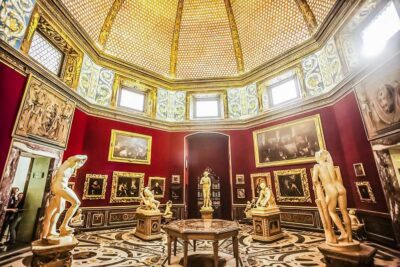
Skip-The-Line Uffizi Gallery Timed Entry Ticket
Read our review →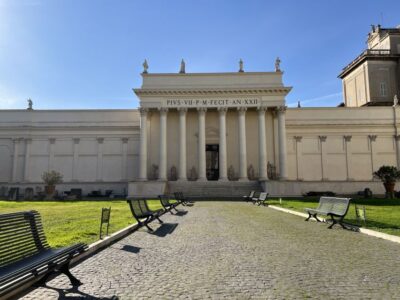
Vatican Museums & Sistine Chapel Skip-the-Line Entry Ticket
Read our review →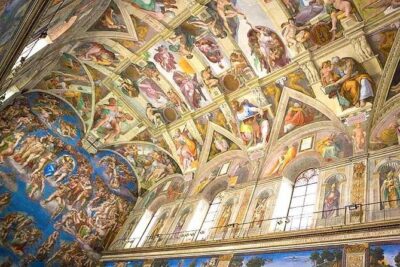
Skip-the-Line Group Tour of the Vatican, Sistine Chapel & St. Peter’s Basilica
Read our review →
Michelangelo’s David Skip-the-Line Entry Ticket
Read our review →
Vatican Museums & Sistine Chapel Skip-The-Line Ticket
Read our review →
Vatican, Sistine Chapel & St. Peter’s Skip-the-Line Tour
Read our review →
Skip-the-Line Vatican, Sistine Chapel & St. Peter’s | Small Group
Read our review →
Vatican Museums Sistine Chapel Skip-the-Line Ticket
Read our review →Browse the lists this tour appears in