
Reviewed · WINE TOURS
Bologna: Food and Wine Tasting with Interactive Game
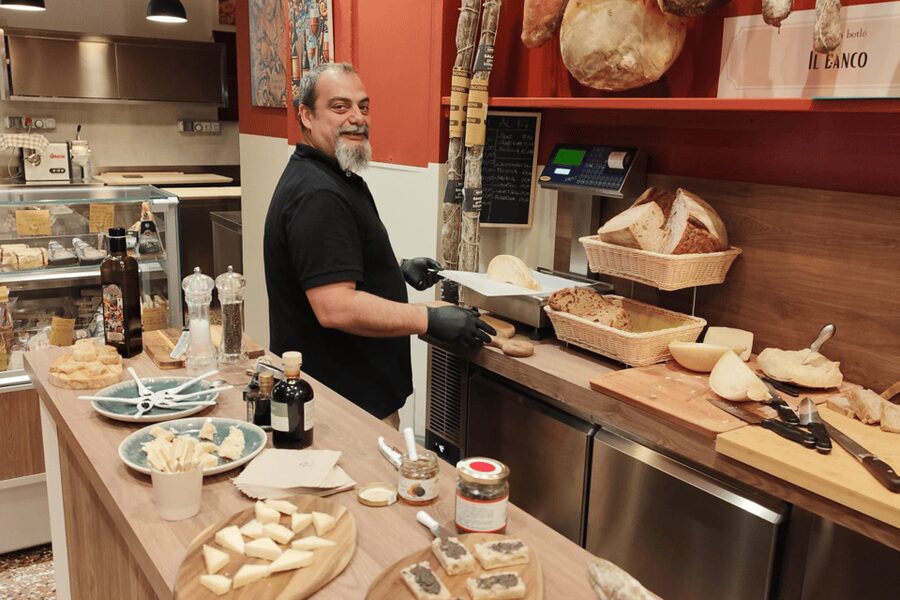
Wine tasting gets a playful Bologna makeover. At Bottega botlé, I like the clear focus on Emilia-Romagna wines and the generous spread of local bites. I also like the Sommelier Game, which gives beginners something to do besides nod wisely at a wine glass.
The main consideration is the setting: tastings take place in the middle of a wine bar, so evening sessions may feel less private. The experience can also run closer to an hour than a full day, despite the one-day booking label, though some participants stayed on to sample more wines afterward.
In This Review
- Key points to know before booking
- What happens when you arrive at Bottega botlé
- Pignoletto begins the tasting with a fresh local note
- Sangiovese In Purezza brings a fuller red
- Sangiovese Appassimento finishes with a different style
- The food is more than a plate of snacks
- The Sommelier Game keeps the lesson lively
- A wine-bar setting has benefits and limits
- How long does the experience really take?
- Is $34 good value in Bologna?
- Who will enjoy this most?
- Should you book the Bologna food and wine tasting?
- FAQ
- How many wines are included?
- How much wine do I receive?
- What food is included?
- What is the Sommelier Game?
- How long does the tasting last?
- Is the experience offered in English?
- How many people are in the group?
- Is the activity wheelchair accessible?
Key points to know before booking
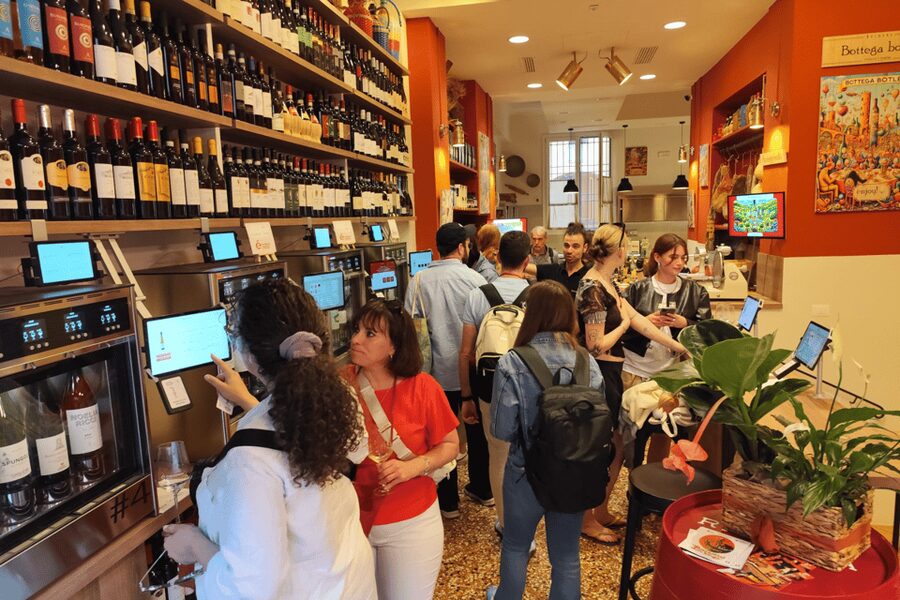
- Three regional wines, served in measured pours: Try Pignoletto, Sangiovese In Purezza, and Sangiovese Appassimento, with pours ranging from 70 to 130 milliliters.
- Bologna’s best-known table treats: The tasting includes prosciutto, mortadella, Parmigiano Reggiano, Modena balsamic vinegar, local cheese, and olive oils.
- A tablet turns tasting into a game: Questions about sight, smell, and wine characteristics make the lesson light and social.
- Hosts add the real value: Guides including Massimo, Claudio, Danilo, and Ixchel have been praised for their warmth, humor, and clear explanations.
- Small groups keep it personal: The experience is limited to 10 people and is offered in Italian and English.
- A useful price for a compact Bologna activity: At $34 per person, the combination of food, wine, instruction, and entertainment is strong value.
What happens when you arrive at Bottega botlé
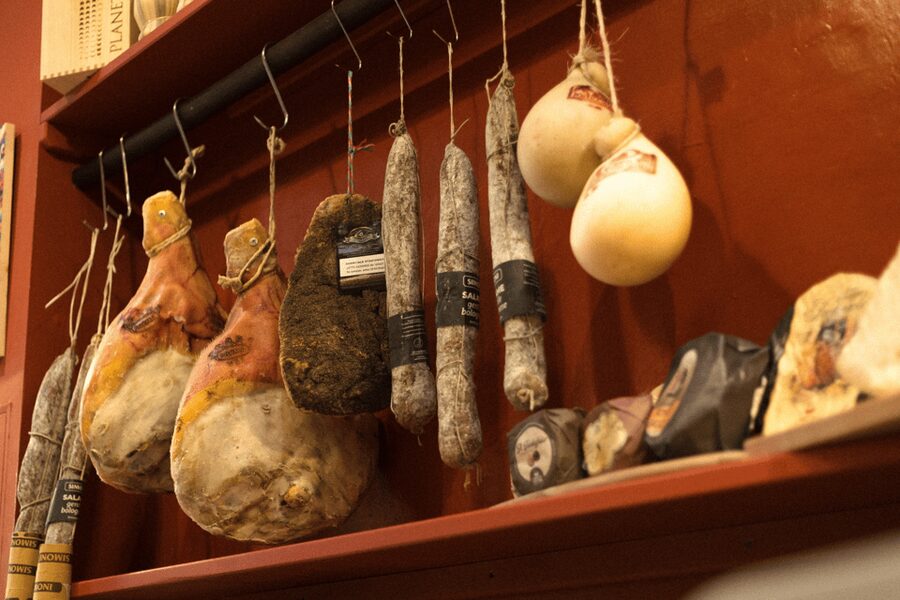
This is a shop and wine-bar experience rather than a countryside winery visit. You settle in at Bottega botlé in Bologna, where the tasting unfolds around a dedicated food and wine setup inside the bar.
The opening is a short introduction to Emilia-Romagna’s food and wine traditions. That regional frame matters. Bologna is often treated as a place to eat, but the surrounding area also produces distinctive wines, oils, cheeses, cured meats, and vinegar. The introduction helps connect the products on the table to the wider Food Valley.
The group size is limited to 10. That is small enough for questions without making the session feel like a private appointment. It also makes the game work better, since you can play alone or compete with friends and other people at the table.
The hosts speak Italian and English. Several guides have drawn praise for making the session relaxed rather than formal. Massimo, in particular, has been described as funny and warm while still explaining the wines in useful detail. Danilo, Claudio, and Ixchel have also been singled out for friendly service and strong product knowledge.
The mood is casual. You do not need to arrive with wine vocabulary or a polished palate. The explanations are aimed at ordinary drinkers who want to understand why one wine works with a certain food and another does not.
More Food Tours in Bologna
- Bologna Food & Market Tour with 6 Tastings, Pasta, Wines & More
★ 5.0 · 1,328 reviews - Bologna Food Experience: Factory tours & Family-Style Lunch
★ 5.0 · 1,201 reviews - Bologna: Walking Food Tour with a Local Guide
★ 4.8 · 882 reviews
Pignoletto begins the tasting with a fresh local note
The first listed pour is a 70-milliliter glass of Pignoletto Fermo from La Vallona winery. Pignoletto is strongly linked with the Bologna area, so it is a sensible starting point for a regional tasting.
The word fermo indicates a still wine, rather than a sparkling one. That is a useful detail because Pignoletto is also commonly encountered in sparkling styles. Here, the point is to taste this version alongside food and notice how its character changes with different bites.
The pour is modest, but that works in your favor. You get a proper taste without filling up early or committing to a full glass of something unfamiliar. The host explains the wine and then guides the pairing, helping you notice the effect of salt, fat, acidity, and seasoning.
This is one of the strongest parts of the format. You do not simply taste a wine and receive a list of technical facts. You taste it with a local product, then try the food and wine together again. That comparison gives you a practical lesson you can use at a restaurant or wine shop later.
Sangiovese In Purezza brings a fuller red
The second wine is Sangiovese In Purezza from La Casetta winery, served in a 130-milliliter glass. It is the largest of the three pours, giving this red more room in the tasting.
In purezza means the wine is made from a single grape variety. You do not need to memorize the phrase, but it is helpful when the host explains what you are drinking. The tasting gives you a chance to compare a red made in this style with the other wines on the table.
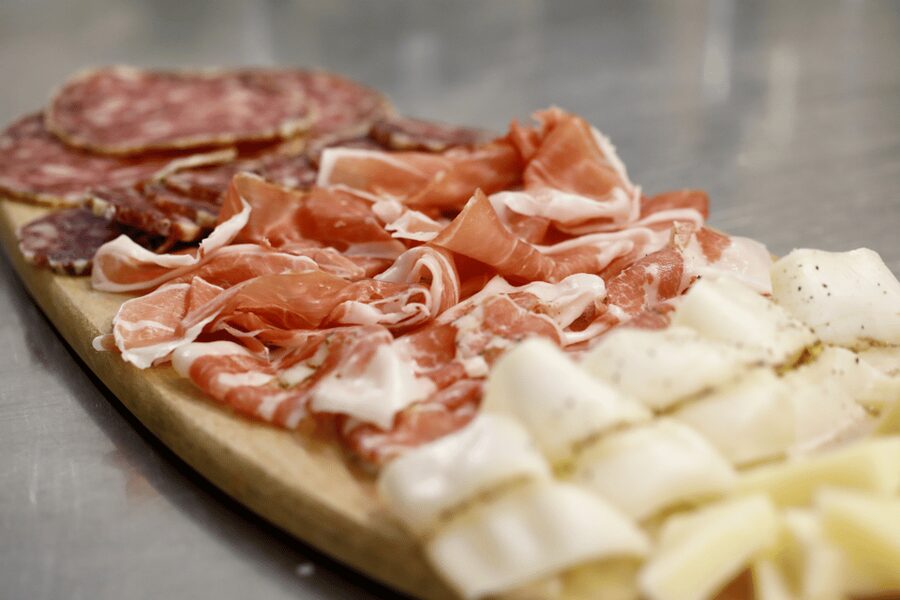
The food pairings are not decorative extras. Prosciutto Crudo, Mortadella Bologna, Parmigiano Reggiano, local cheese, and condiments give the red different partners. A salty cured meat can make a wine seem softer, while a hard cheese can bring out different notes and textures.
The Parmigiano Reggiano tasting includes versions aged 12 and 24 months. That side-by-side comparison is particularly useful because the cheese itself changes with age. You can see why a younger piece may feel milder and more supple, while an older one brings a firmer texture and stronger savory taste.
The portions are designed for sampling, not lunch replacement, but the overall amount of food is generous for the price. One practical tip is to avoid a large meal before arriving. The food is a central part of the experience, and you will enjoy the pairings more if you have room.
Sangiovese Appassimento finishes with a different style
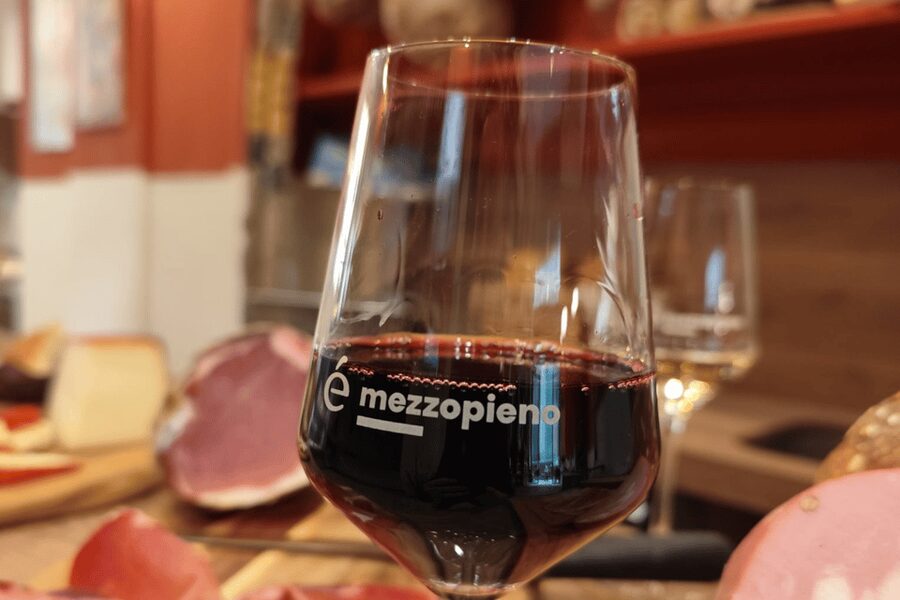
The third listed pour is Sangiovese Appassito from Santodeno winery, served in a 70-milliliter glass. The supplied details use both Appassimento and Appassito, so check the exact wording on the day if wine styles matter to you.
This final red gives the tasting a change of pace. The hosts compare it with the Sangiovese In Purezza and explain how the wines differ. You are not expected to identify every characteristic without help. The point is to notice differences in aroma, body, taste, and how each wine behaves with food.
The smaller pour makes sense at this stage. By now you have tasted two other wines and a range of local products. You receive enough to assess the wine without ending the session with an oversized serving.
The wine sequence is well judged for a short tasting. It moves from a local white, to a single-variety red, to a more distinct Sangiovese style. I would not treat the session as a full survey of Emilia-Romagna wine, but it does give you three clear reference points.
More Wine Tastings in Bologna:
- Tuscany Day Trip from Florence: Siena, San Gimignano, Pisa and Lunch at a Winery
★ 5.0 · 21,634 reviews - Florence: Pisa, Siena, San Gimignano, and Chianti Experience
★ 4.5 · 8,393 reviews - Florence: Chianti Wineries Tour with Wine Tasting
★ 4.5 · 8,301 reviews - Small-Group Wine Tasting Experience in the Tuscan Countryside
★ 5.0 · 7,392 reviews
The food is more than a plate of snacks
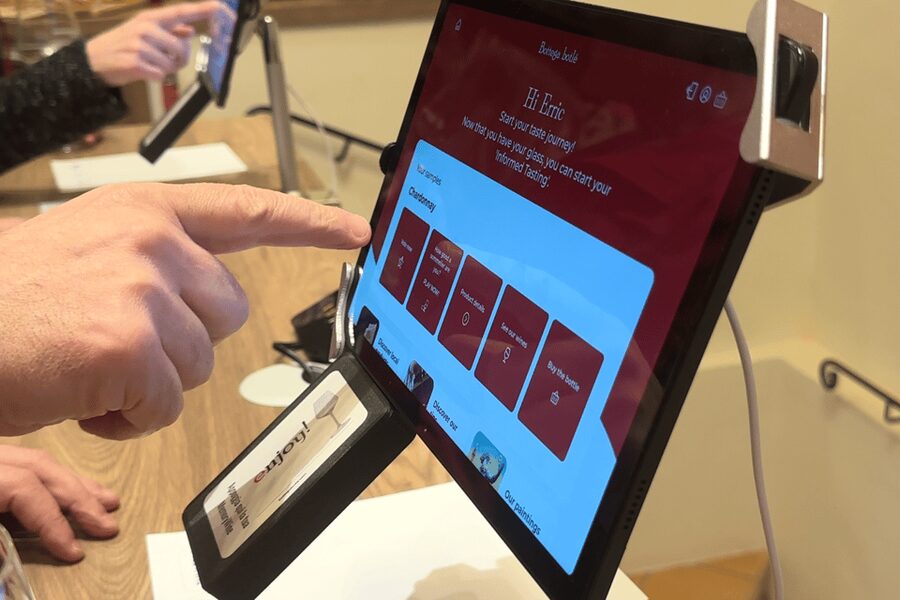
The food selection is the reason this activity feels tied to Bologna rather than a generic wine bar. You taste Prosciutto Crudo and Mortadella Bologna, two products closely associated with the city and region.
Mortadella is especially useful in this setting because many people know the name but have only encountered poor imitations elsewhere. Tasting it beside regional wine lets you appreciate its delicate, seasoned character without burying it under a sandwich roll.
Parmigiano Reggiano appears in both 12-month and 24-month versions. You also receive local cheese and other regional food items, so the table offers a range of textures and strengths.
The Modena balsamic vinegar is another highlight. The tasting includes Aceto Balsamico IGP di Modena, and a pour aged for more than 10 years has been praised as especially memorable. Do not treat balsamic as something to splash on every plate. Taste it carefully, then see how it affects the cheese and other foods.
The oil tasting adds a different sensory lesson. You try monocultivar oils made from Coratina, Peranzana, and Ogliarola olives. These names can blur together on a menu, but sampling them side by side shows why olive oil is not one uniform ingredient.
Food quantities appear to be enough for a substantial snack and, for some people, close to a light meal. Still, the exact buffet can vary. If you want a reserved space with a dedicated buffet, contact the shop directly before booking.
The Sommelier Game keeps the lesson lively
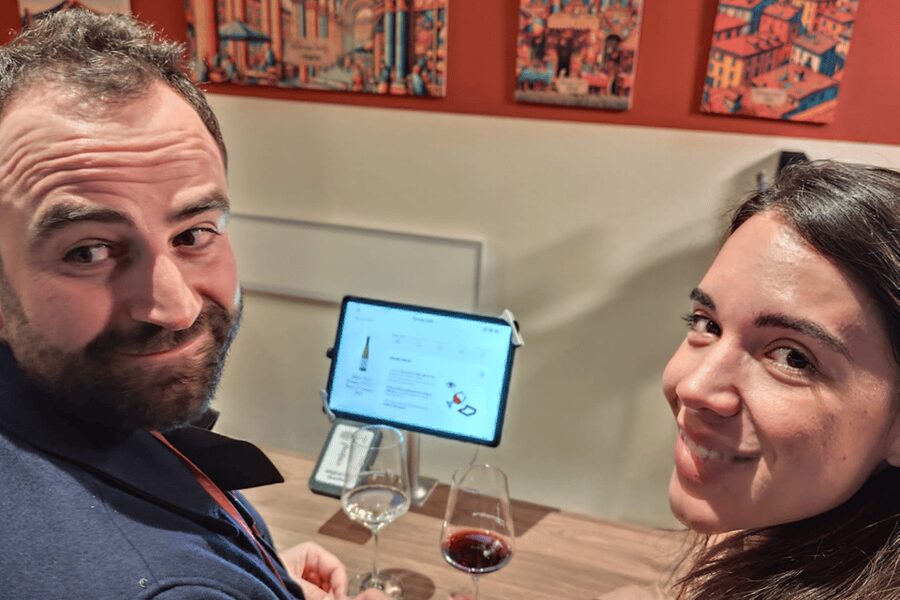
The tablet-based Sommelier Game is what separates this from a standard tasting. You answer questions as you go, either by yourself or against friends. The competition can continue until the last question, which gives the session a playful edge without turning it into a serious exam.
The questions cover details such as sight, smell, and the properties of the wines. They are accessible to beginners, but they still make you pay attention. Instead of hearing a guide describe a wine and moving on, you have to decide what you notice.
That small effort makes the information easier to remember. If you identify a scent or taste incorrectly, the explanation gives you another way to think about it. If you answer correctly, you gain confidence without needing to study beforehand.
The game is also a useful choice for mixed groups. A wine enthusiast can enjoy the challenge, while someone who normally feels lost at tastings can take part without embarrassment. Couples and friends have especially good reason to book this format together.
The game does not replace the host. The best parts come from the combination of the tablet questions and the live explanations about production, pairings, and regional products. The technology adds structure, but the people make the lesson friendly.
A wine-bar setting has benefits and limits
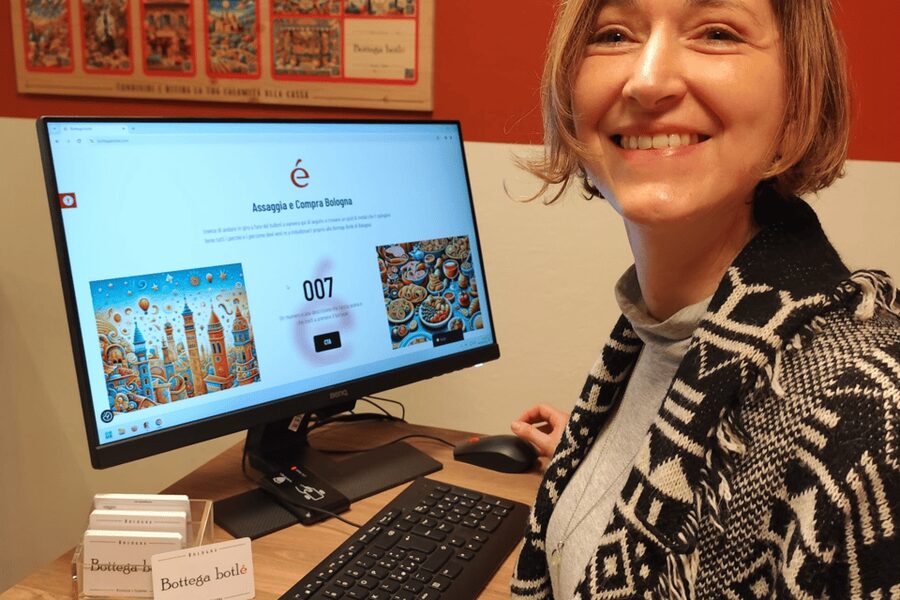
Bottega botlé is a social setting, not a hushed tasting room. During a quiet daytime or afternoon session, this can make the experience feel open and easygoing. You can ask questions, compare answers, and watch the shop continue its normal rhythm.
Evening sessions may have more background activity and less privacy. One participant specifically noted that the tasting took place in the middle of the wine bar, with more atmosphere but not much separation from other customers. That will suit you if you like a lively room, but it may disappoint you if you want a private, ceremonial tasting.
The small group helps offset this limitation. With no more than 10 participants, the hosts can still speak directly to the table. If privacy matters, choose a quieter time or ask Bottega botlé about arranging a reserved space.
The experience is also suitable for solo visitors. A solo participant was made to feel welcome by the hosts, and the game gives you an easy way to interact without needing to arrive with a group.
How long does the experience really take?
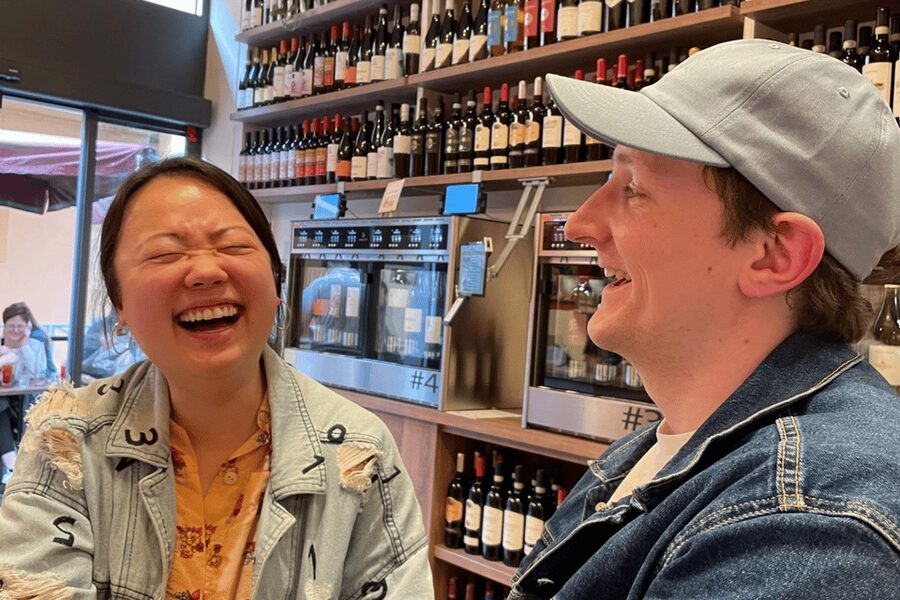
The booking information lists a duration of one day, but that appears to refer to the availability period rather than the time spent tasting. The practical session described in the supplied details lasts around one hour to 90 minutes.
That length is useful in Bologna. You can fit it between sightseeing, shopping, and dinner without giving up half a day. It works well as an afternoon stop or an early evening activity.
Some people stayed afterward to continue playing the game and sample more wines. Extra wine is not part of the core package, so expect to pay for any additional products. A card or similar system may be available for topping up, but ask the shop for the current arrangement.
The three included wine pours are clearly specified: 70 milliliters of Pignoletto, 130 milliliters of Sangiovese In Purezza, and 70 milliliters of Sangiovese Appassito. You receive food with them, plus the game and a souvenir magnet.
Is $34 good value in Bologna?
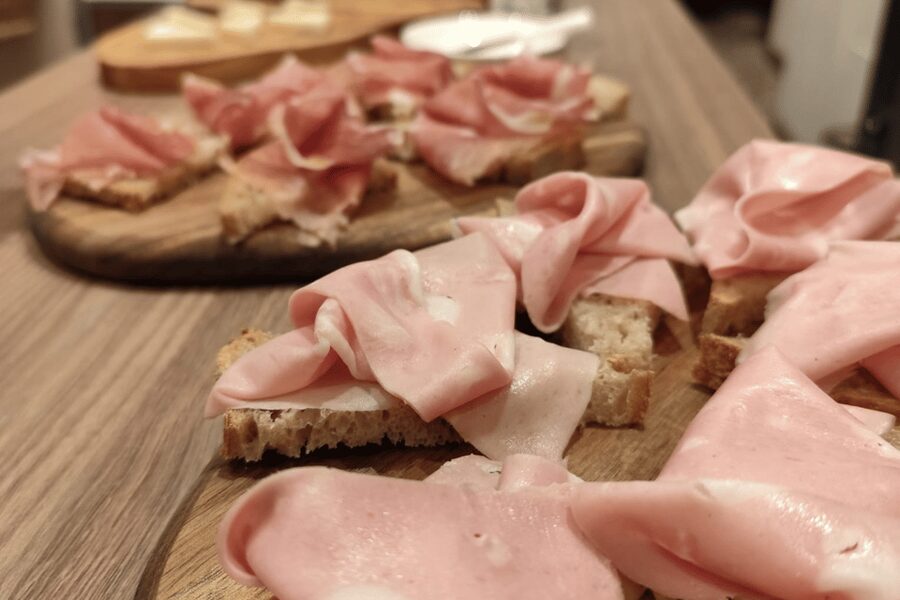
At $34 per person, this is a strong buy if you want more than three sips of wine. The cost covers the three wines, several notable food products, explanations from two hosts, the tablet game, and a fridge magnet.
The value is especially good for first-time wine tasters. A standard bar visit might let you sample one or two wines, but it would not usually include guided pairings, aged Parmigiano, three olive oils, and a structured lesson.
It is also useful for people who considered a larger food excursion outside Bologna but did not want to spend the time or money. This experience brings a selection of regional products together in the city.
There are limits. You are not visiting the wineries, seeing production facilities, or touring the countryside. The wine pours are tasting portions, and the food selection is presented as a buffet or sampling spread rather than a sit-down regional meal.
For $34, those limits seem fair. You are paying for a compact introduction with entertainment, not a full culinary day in Emilia-Romagna.
Who will enjoy this most?
I would recommend it to you if you want a low-pressure introduction to Italian wine. The hosts explain enough to teach you, but the game keeps the tone relaxed.
It suits couples and friends who like a little competition. It also works for solo visitors, since the hosts make an effort to include people who arrive alone.
Food-focused visitors will appreciate the range of regional products, especially the Mortadella Bologna, Parmigiano Reggiano, Modena balsamic, and olive oils. You may also find it useful near the start of a Bologna stay, since it introduces products you can look for in markets and restaurants afterward.
It is less suitable if you want a formal, private wine seminar or a full meal. The bar setting may feel too public for some people, and the session does not replace a trip through the vineyards or a long restaurant lunch.
The experience is wheelchair accessible. It is available in Italian and English, with a small group of up to 10 participants. You can cancel up to 24 hours ahead for a full refund, and reserve now while paying later if you want to keep your plans flexible.
Should you book the Bologna food and wine tasting?
I would book this if you want a compact, friendly Bologna activity that teaches you something while feeding you well. The best features are the regional food, the careful wine pairings, and the Sommelier Game, which gives the tasting a reason to stay engaged.
Book it early in your visit if you want ideas for the rest of your food shopping. Choose a quieter time if privacy matters, and avoid eating a heavy lunch first.
Skip it if your priority is a winery visit, a long formal meal, or a private tasting room. For most people seeking good local products, clear instruction, and a bit of fun at $34, Bottega botlé offers a satisfying introduction to Bologna’s food and wine culture.
FAQ
How many wines are included?
Three wines are included: Pignoletto Fermo from La Vallona winery, Sangiovese In Purezza from La Casetta winery, and Sangiovese Appassito from Santodeno winery.
How much wine do I receive?
The listed pours are 70 milliliters of Pignoletto, 130 milliliters of Sangiovese In Purezza, and 70 milliliters of Sangiovese Appassito.
What food is included?
The tasting includes Prosciutto Crudo, Mortadella Bologna, Parmigiano Reggiano aged 12 and 24 months, Aceto Balsamico IGP di Modena, local cheese and food, and monocultivar oils made from Coratina, Peranzana, and Ogliarola olives.
What is the Sommelier Game?
It is an interactive game played on a tablet during the tasting. You answer questions about wine, including aspects such as sight, smell, and wine characteristics. You can play alone or compete with friends.
How long does the tasting last?
The practical tasting usually lasts around one hour to 90 minutes, although the booking information gives a one-day duration for availability. Additional wine and game time may be possible afterward.
Is the experience offered in English?
Yes. The experience is offered in Italian and English.
How many people are in the group?
The group is limited to 10 participants.
Is the activity wheelchair accessible?
Yes, the experience is wheelchair accessible.
Recently added around Bologna
- Stay Hungry Stay Bologna★ 4.0 · 170 reviews
- Bologna Private Highlights & Hidden Gems Tour with a Local★ 5.0 · 359 reviews
- Cesarine: Small group Pasta and Tiramisu class in Bologna★ 5.0 · 172 reviews
- Bologna gastronomic experience with a local★ 5.0 · 626 reviews
- Ferrari Lamborghini Pagani Factories and Museums – Tour from Bologna★ 5.0 · 171 reviews
- Bologna on the plate, Cooking Class with Alessia★ 5.0 · 260 reviews
- Bologna Private Food Tour with 6 or 10 Tastings★ 4.5 · 344 reviews
- Bologna: Full meal Food Tour with Local Delights by Do Eat Better★ 5.0 · 541 reviews
Wine Tours, compared.
Tuscany Day Trip from Florence: Siena, San Gimignano, Pisa and Lunch at a Winery
Read our review →
Pisa, Siena, San Gimignano, and Chianti Experience
Read our review →
Small-Group Wine Tasting Experience in the Tuscan Countryside
Read our review →
Tuscany & Montepulciano Day Trip with Lunch & Wine Tasting
Read our review →
SMALL-GROUP Wine Safaris: Tuscan Wine Tasting Tours from Florence
Read our review →
Winner 2025 Florence Sunset Food & Wine Tour by Eating Europe
Read our review →
Siena, San Gimignano, Pisa & Lunch at Winery
Read our review →Browse the lists this tour appears in